
REVIEW · MILAN
Mamma Mia! Authentic Italian Pizza Making Class
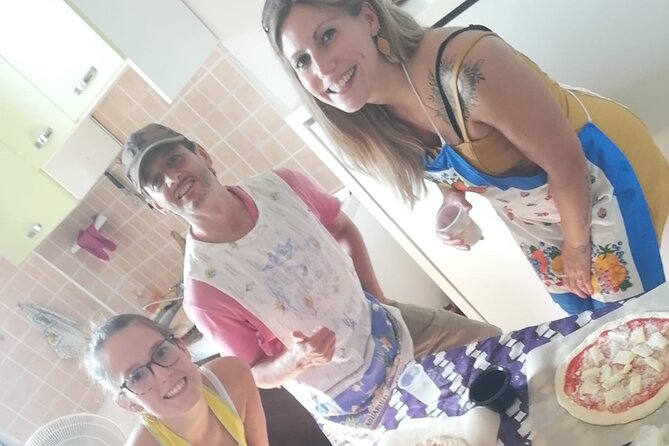
Milan’s best food lesson may be the one where you get your hands messy. In this small class, Armando guides you through pizza dough, toppings, and baking before you eat the result hot from the oven. I like the maximum group of five, which keeps the lesson personal, and I like the mix of cooking, Italian food history, and easy conversation. It feels more human than a large demonstration.
The main caution is the setting. This is not a polished restaurant or a grand cooking school. It takes place in a surprising small studio, which may feel basic at first. Still, Armando’s friendly manner and patient teaching help make the space work, and the two-hour format gives you a useful break from museums and city streets.
Quick facts about the Milan pizza class
- Armando teaches the dough by hand, including the movements needed to create a smooth, workable base.
- The class is limited to five people, so you should have room to ask questions and take part.
- You eat the pizza you make, served hot from the oven with beverages.
- Pizza history is part of the lesson, including a personal connection to Armando’s grandfather.
- The meeting point is on Viale Certosa, with the activity beginning at noon and ending back there.
- Food restrictions must be shared in advance, and the class is offered in English.
Making pizza with Armando on Viale Certosa
The class begins at 12:00 pm at Viale Certosa, 20151 Milano. The activity lasts about two hours and returns to the same meeting point, a useful detail when planning lunch, an afternoon visit, or an evening reservation elsewhere.
You meet Armando, a sports enthusiast who enjoys travel, new cultures, and trying new things. His approach sounds relaxed rather than formal. That matters in a hands-on class, because pizza dough can be awkward at first. You are not simply watching a cook work while standing safely out of the way. You are expected to take part.
Armando explains the ingredients and the basic process before you work the dough. You learn how to bring it together and how to use the right movements to make it smooth. One useful point to keep in mind is that the dough technique is less simple than it looks. The class gives you a chance to practise under guidance instead of guessing at home.
The teaching also includes the origins of pizza and its place in Italian food culture. Armando connects the dough-making tradition to his grandfather, giving the lesson a personal thread. It is a small detail, but it helps turn a standard recipe into a story about family and food passed along over time.
More Pizza Making Classes in Milan:
- Milan Cooking Class: Authentic Pizza & Gelato Making
★ 5.0 · 582 reviews - Pizza and Tiramisu Cooking Class with Wine in Milan
★ 4.9 · 80 reviews - Pizza and Gelato Cooking Class in Milan Small Group Only
★ 5.0 · 3 reviews
Why the small group changes the lesson
A maximum of five people is one of the strongest features here. With a large class, you might spend much of the session watching someone else stretch dough. In this format, you should have a better chance to handle the ingredients, ask Armando to correct your technique, and follow the process from start to finish.
The small size also suits different kinds of groups. A couple can treat it as a casual date activity. Families can work together without the event feeling too formal. Friends can share the work, compare their dough, and sit down to eat afterward.
It is also a good choice if you want conversation along with cooking. Armando is described as open and easygoing, and he speaks French well in addition to the English offered for the activity. His own outlook is simple: enjoy life while you can. That attitude seems to shape the class, which is meant to be social as much as instructional.
You should not expect a professional certification or a long technical course. The point is to learn enough to understand the dough, make your own pizza, and enjoy the process. If you already make pizza often, the lesson may feel basic. If you are new to working with dough, it gives you useful practice without demanding a full day.
From dough to toppings and the oven
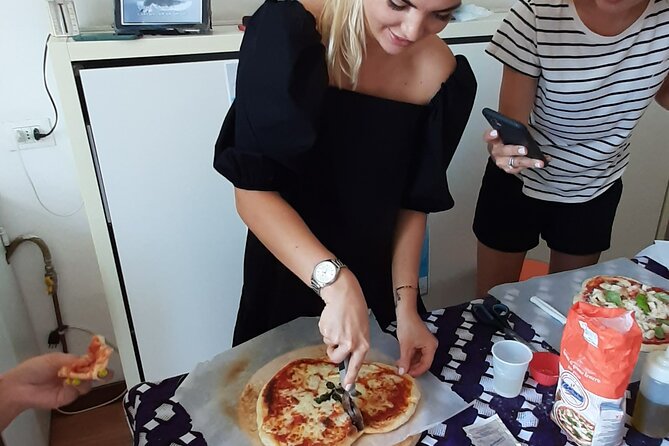
The central part of the class is the dough. Armando explains the ingredients and demonstrates the movements needed to make a smooth base. You then work on your own pizza, learning by touch rather than by watching alone.
That hands-on element is the real value. Pizza dough responds to pressure, handling, and patience. You can read a recipe, but it is harder to understand the texture until your hands are involved. Armando’s role is to make the process less intimidating and help you feel comfortable with each step.
Once the dough is ready, you top your pie. The supplied menu lists Italian pizza as the main dish, without promising a set of alternate dishes or a long menu. This keeps the focus clear. You are there to make pizza, not to sample a full restaurant meal.
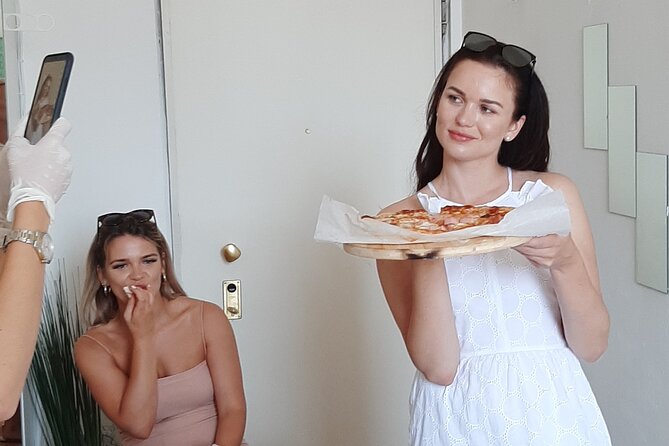
The class ends with your pizza hot from the oven. Eating what you made gives the lesson a satisfying finish, and it lets you see how your handling of the dough affected the final result. Beverages are included. One account describes wine with the meal, but you should think of drinks as part of the offering rather than assume a specific beverage selection.
The class may also include gelato in some versions or related bookings, but the listed sample menu for this experience is Italian pizza. Do not book expecting dessert unless it is confirmed separately.
A studio setting, not a restaurant
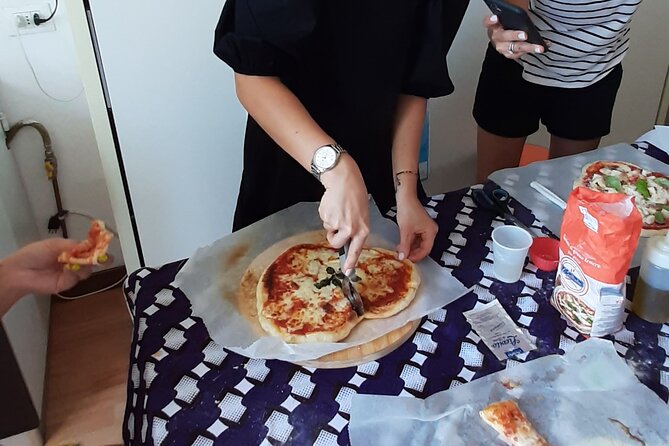
The setting deserves an honest explanation. You do not meet in a traditional restaurant or a purpose-built kitchen classroom. The space has been described as a surprising small studio. That can feel unusual if you arrive expecting a polished culinary venue with rows of counters and professional equipment.
For some people, the informal room will be part of the charm. A small studio can make the class feel closer to cooking with a local host than attending a commercial demonstration. You are more likely to focus on the people and the food than on the room itself.
For others, the setting may be a drawback. If you want a refined meal, a formal kitchen, or a scenic Milan location, this class may not fit. The meeting point is on Viale Certosa rather than at one of the city’s best-known central sights, so check your route before setting out. The activity is near public transportation, but the information provided does not specify which line or stop to use.
The practical answer is simple: allow time to reach Viale Certosa and do not judge the class by the room alone. The experience is built around Armando, the dough, and the shared meal.
A few more classes around Milan worth a look
- The Secrets to Learn Fresh Pasta and Tiramisù in a Glam Home
★ 5.0 · 1,182 reviews - Milan: Pasta and Tiramisu Cooking Class with Wine
★ 4.8 · 1,106 reviews - Gnocchi, Pasta, Tiramisù and Wine Class
★ 5.0 · 691 reviews - Milan: Pasta and Tiramisu Small Group Cooking Class with Wine
★ 5.0 · 660 reviews
What makes the teaching useful
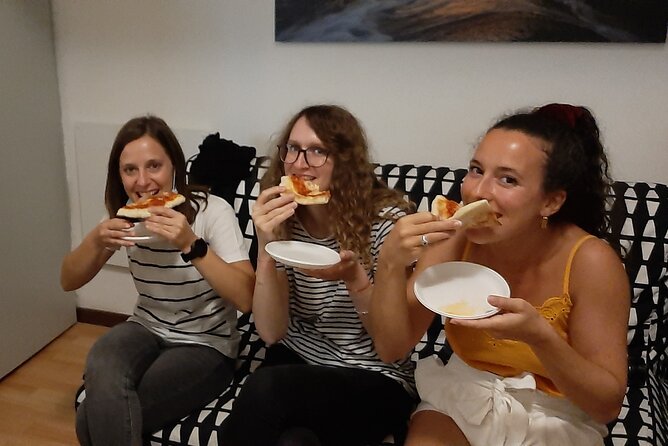
Armando’s strength is patience. Pizza dough often looks easy when someone experienced handles it, then becomes sticky, stiff, or uneven when you try it yourself. His explanations focus on the process and the movements, giving you a better chance of repeating it later.
The class also appears to balance instruction with conversation. You learn about pizza and Italy, but you are not trapped in a lecture. The food story comes through Armando’s family connection and personal experience, which gives the lesson a warmer feel than a list of dates and facts.
I would especially recommend this class if you enjoy learning through doing. You will not leave with a long recipe book or a broad survey of Italian cuisine. You will leave with a clearer sense of how pizza dough should feel, how to shape it, and how toppings complete the pie.
The English offering makes the class accessible to English-speaking visitors. If French is useful to you, Armando has also been described as speaking French very well. Food restrictions need to be communicated before the class, especially for allergies or special diets. The available information does not promise that every restriction can be handled, so early notice is important.
Is $93.45 a fair price?
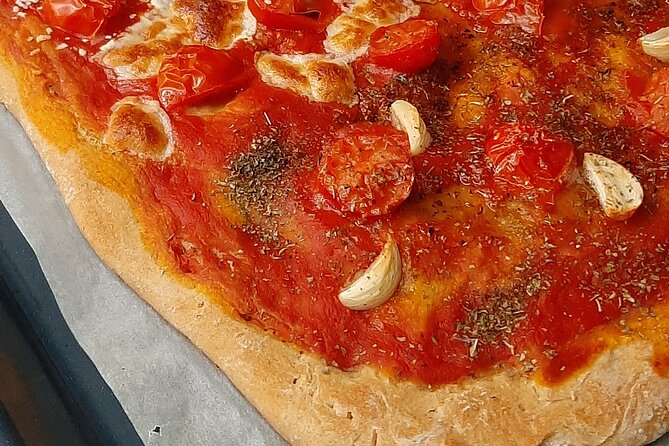
At $93.45 per person, this is not a cheap lunch. You are paying for a small-group activity, personal instruction, ingredients, cooking time, and the meal itself. The value depends on how much you want the cooking lesson, not simply on the cost of a pizza in Milan.
For a simple meal, the price is high. You could eat pizza elsewhere for much less. For a social activity with a host, the calculation is different. You receive about two hours of guided participation, a finished pizza, beverages, and a chance to learn a skill you can use after returning home.
The five-person limit also matters. A large class could offer a similar recipe at a lower rate, but it would not necessarily provide the same chance to work directly with the dough or speak with the instructor. If you value personal attention, the small size helps justify the price.
I would consider it good value for a couple or family that wants a shared activity rather than another restaurant meal. It is less attractive if your priority is low-cost dining, a broad tasting menu, or a central Milan location.
Who will enjoy this most?
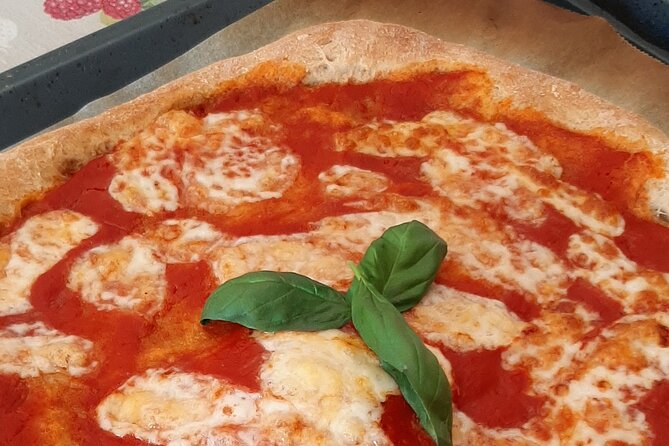
This is a strong fit for families with older children, couples, and friends who like food and relaxed social activities. The work is active but not described as strenuous, and the class is short enough to fit into a busy Milan day.
It also suits people who want a break from sightseeing. After churches, galleries, and shopping streets, making lunch with a local host gives you a different way to experience the city. You get to focus on one task, talk with the people around you, and eat something you helped prepare.
Food enthusiasts who already know their way around pizza may find the lesson less rewarding. The class is aimed at enjoying the process and learning the basics, not mastering advanced restaurant technique.
The small group makes it less suitable for a large party. Since the maximum is five, a bigger group may need to split up or choose another activity. The available information does not say how children’s ages are handled, so families should confirm that before booking if they are bringing very young children.
Planning your day around the noon start
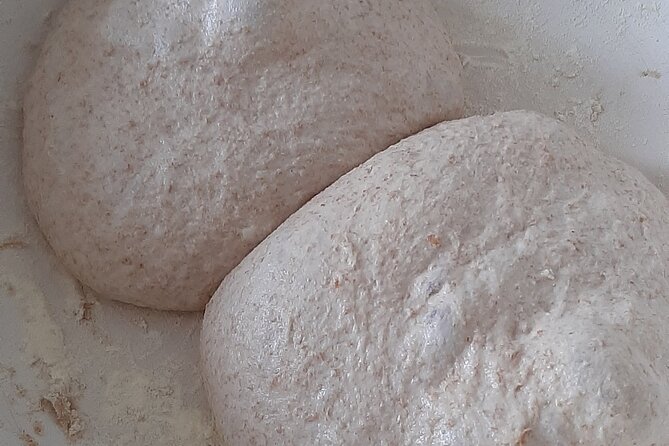
The 12:00 pm start makes this a natural lunch activity. Plan to arrive at Viale Certosa with enough time to find the meeting point. The activity ends where it begins, so you can continue with your Milan plans afterward without arranging a second pickup location.
Do not schedule a tight museum entry or train departure immediately after the class. The stated duration is approximately two hours, and cooking can run on a more relaxed rhythm than a timed sightseeing stop. Give yourself room for the lesson, eating, and the return to the meeting point.
A mobile ticket is provided, and confirmation arrives at booking. The experience is offered in English. You should also tell the organizer about allergies, intolerances, or special diets before the start rather than waiting until you arrive.
Free cancellation is available if you cancel at least 24 hours before the local start time. Cancellations made inside that window are not refunded, and changes made less than 24 hours ahead are not accepted. That rule is worth noting if your Milan plans may shift.
My verdict on the pizza class
I would book this class if you want a personal, low-key food activity and like the idea of learning by handling the dough yourself. Armando’s patient style, family connection to pizza, and friendly conversation are the strongest reasons to choose it.
I would skip it if you want a grand kitchen, a formal restaurant meal, or a cheap plate of pizza. The studio setting is modest, the menu is focused, and the meeting point is not presented as a major sightseeing stop.
For most couples, families, and small groups who enjoy food, the class offers a pleasant change of pace. You make the pizza, eat it hot, and leave with a better feel for the craft. That is a fair return for two hours in Milan, especially if the social side matters as much as the meal.
FAQ
Where does the pizza class begin?
The class begins at Viale Certosa, 20151 Milano MI, Italy.
What time does the activity start?
The scheduled start time is 12:00 pm.
How long does the experience last?
The class lasts approximately two hours.
Where does the activity end?
The activity ends back at the meeting point on Viale Certosa.
Who teaches the pizza class?
The host is Armando, a sports enthusiast who enjoys travel and new cultures.
Is the class offered in English?
Yes. The experience is offered in English.
How many people can join the class?
The activity has a maximum of five people.
What food is included?
The sample menu lists Italian pizza as the main dish. Your pizza is served hot from the oven with beverages.
Can I report an allergy or special diet?
Yes. You need to communicate any food restrictions, allergies, or special diet requirements.
Can I cancel for a refund?
You can cancel for a full refund if you do so at least 24 hours before the local start time. Cancellations made less than 24 hours before the start are not refunded.
Just added around Milan
- Small group Pasta and Tiramisu class in Milan by Cesarine★ 5.0 · 25 reviews
- Milano The Art of Making Pasta with Italian Chef★ 5.0 · 40 reviews
- Cesarine: Pasta & Tiramisu Class at Local’s Home in Milan★ 5.0 · 52 reviews
- Share Your Pasta Love in a Local’s Home in Milan★ 5.0 · 3 reviews
- Rockin kitchen : Fresh Pasta lesson with Music Aperitif Dinner★ 5.0 · 28 reviews
- Pizza and Gelato Cooking Class in Milan Small Group Only★ 5.0 · 3 reviews
- Milan: The Ultimate Pasta Mastery Workshop★ 4.0 · 21 reviews
- Pasta and Tiramisu Cooking Class at Come Na Vorta Navigli Milan★ 5.0 · 16 reviews
Milan Pasta Classes, compared.
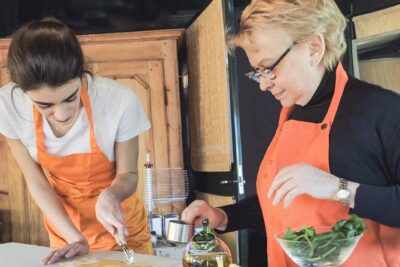
The Secrets to Learn Fresh Pasta and Tiramisù in a Glam Home
Read our review →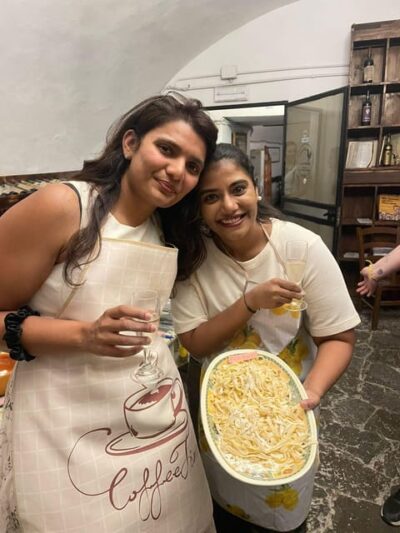
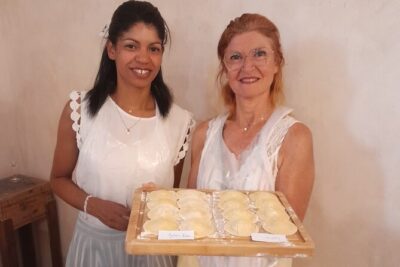
Pasta and Tiramisu Small Group Cooking Class with Wine
Read our review →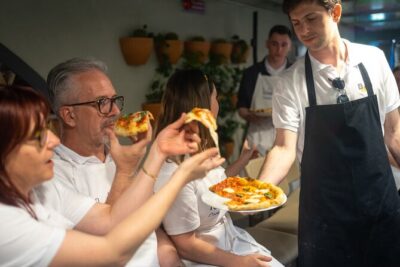
Milan Cooking Class: Authentic Pizza & Gelato Making
Read our review →
Fresh Pasta & Tiramisù Class in a Glamorous Home
Read our review →
Milan Culinary Experience: Pasta & Gelato or Tiramisù Class
Read our review →
Pasta, Ravioli, and Gelato Class in a Glamorous Home
Read our review →Browse the lists this tour appears in