
REVIEW · MILAN
Milan: Pasta and Tiramisu Small Group Cooking Class with Wine
Fresh pasta, tiramisu, and a glass of Prosecco make a pretty good introduction to Milanese food culture. In this three-hour class, you work at a station, prepare pasta dough and dessert, then sit down for a meal with wine in a central restaurant.
I like the small maximum of 12 people, which gives the chef room to help with dough, rolling, and shaping. I also like the practical mix of dishes: fettuccine with tomato sauce, ricotta and spinach ravioli with butter and sage, and tiramisu are all realistic recipes to repeat at home.
One point needs a clear warning: the class is hands-on, but you may not cook every final step yourself. The restaurant may boil the pasta and combine portions for service, so anyone expecting a full kitchen shift should set expectations accordingly.
Key points to know before booking
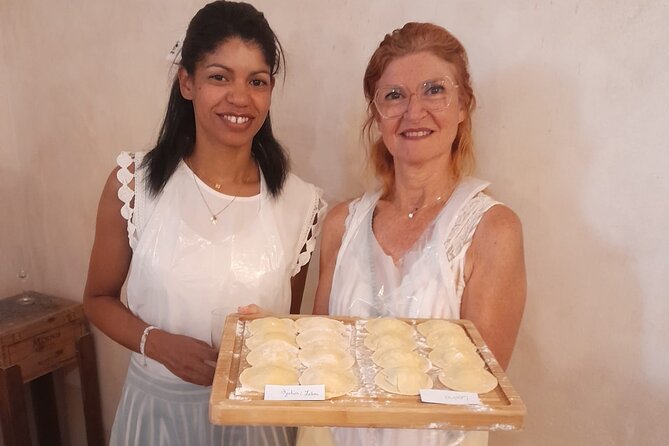
- You make two pasta dishes and tiramisu: Learn fresh dough, fettuccine, ricotta and spinach ravioli, and the layers of tiramisu.
- The class is capped at 12 people: That is small enough for personal help without making the activity feel private.
- You start with Prosecco: A welcome drink sets an easy social tone before the cooking begins.
- The meal and drinks are included: Pasta, tiramisu, wine, Prosecco, soft drinks, and water are part of the experience.
- The location is central Milan: The restaurant is near public transportation and is described as convenient to reach.
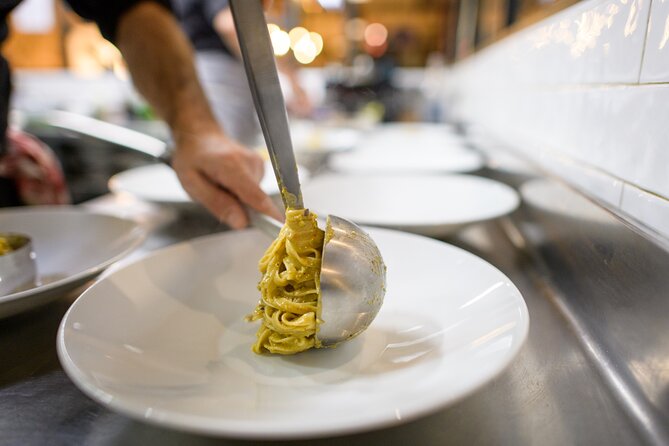
- The final cooking step may be done by the restaurant: You prepare the food, but the kitchen may cook and serve a combined pasta order.
A three-hour taste of Italian cooking in Milan
This class works because it gives you more than a plate of pasta. You learn how the food is made, meet other people around a shared table, and eat the result without giving up half a day of sightseeing.
The setting is a popular restaurant in central Milan. You enter, receive a welcome glass of Prosecco, and get a look at how the restaurant operates before moving to the kitchen area. That behind-the-scenes beginning gives the class a little more character than a demonstration held in a plain studio.
The experience is offered in English. The chefs and hosts named in the feedback include Francesco, Mimmo, Damiano, Memmo, Federico, and Alba. The exact instructor can vary, but the repeated pattern is clear: the best part of the class depends heavily on a lively teacher who can explain techniques, keep the group moving, and give help at each work station.
At roughly three hours, the pace leaves time for both cooking and eating. It is long enough to learn a few useful methods, but short enough to fit beside a museum visit, shopping, or an evening walk through Milan.
More Pasta Classes with Wine in Milan
- Milan: Pasta and Tiramisu Cooking Class with Wine
★ 4.8 · 1,106 reviews - Gnocchi, Pasta, Tiramisù and Wine Class
★ 5.0 · 691 reviews - Milan: Pasta Class with Gelato or Tiramisù & Unlimited Wine
★ 4.9 · 233 reviews
Starting with Prosecco and the restaurant kitchen
The first drink is not just a bonus. It helps people loosen up before the flour appears, especially if you arrive alone or with a small group. Since the class brings together up to 12 people, the opening drink gives you a natural chance to introduce yourself and see who will be working nearby.
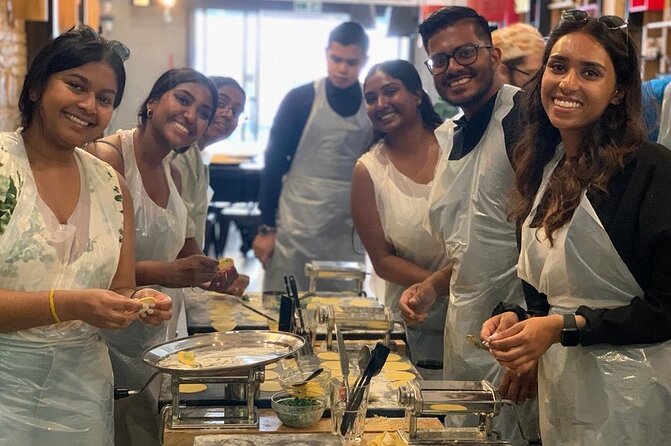
You then receive an apron and move to your work station. The format is social rather than formal. You are not sitting quietly while a chef prepares everything in front of you. You handle the dough, roll it, cut it, and help make the tiramisu.
The restaurant setting has both strengths and limits. On the plus side, you get a meal in a working food business, with the atmosphere of a place that also serves regular diners. A few people found the restaurant atmosphere especially pleasant, including a venue along the Navigli canals.
The possible downside is timing. One poor experience described long explanations and slow service, with the cooking class competing for attention with normal restaurant operations. Most of the available feedback is highly positive, but this is still worth keeping in mind if you need to catch a train or have a strict evening schedule.
Learning pasta dough, flour, and fresh versus dried pasta
The pasta lesson begins with dough. You learn which flour to use, how the dough should feel, and the difference between pasta fresca, or fresh pasta, and pasta secca, or dried pasta.
That information is more useful than a quick recipe because flour and texture determine much of the final result. A dough that is too dry will be difficult to roll. A dough that is too soft may be hard to shape. The chef demonstrates the process, then gives you a chance to repeat it yourself.
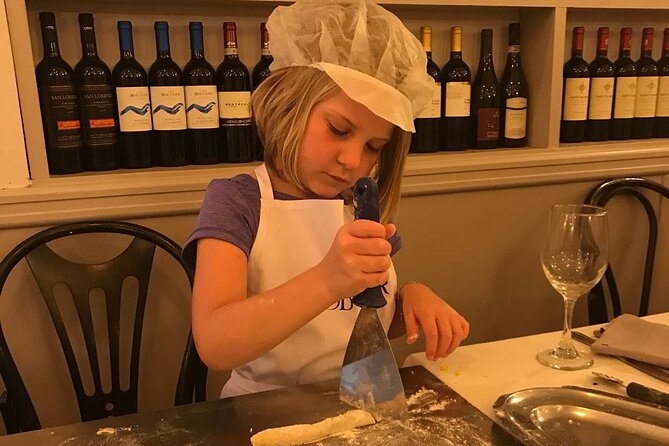
You roll the dough and cut it into noodles for fettuccine. The activity is physical but manageable, and it gives children and first-time cooks a real job to do. One parent described a 12-year-old handling the work independently, while another family attended with children aged 9, 7, and 5.
The second pasta is ricotta and spinach ravioli, served with butter and sage. Ravioli adds a different skill from fettuccine because you need to work with filling, spacing, and sealing. It is also a useful dish to learn at home, though the shaping requires a bit more care than cutting noodles.
The chef may explain small tricks as you work, such as how thin to roll the dough and how to avoid trapping too much air in filled pasta. These details are the real value of the class. A printed recipe can tell you ingredients, but it cannot show you what the dough should look and feel like.
Tiramisu is the easygoing second lesson
After the pasta, the class turns to tiramisu. This is a smart choice for a group because it requires less cooking equipment and gives everyone a chance to assemble an individual portion or shared dessert.
You learn how to prepare the mascarpone mixture and build the dessert in layers. The process is simple enough for children, but still useful for anyone who has never made tiramisu from scratch.
There is also a funny practical lesson in portion control. One couple enjoyed so much of the mascarpone filling while making the dessert that they had less left for the top. The finished tiramisu was still delicious, but the incident points to the main danger of this part of the class: taste-testing can get out of hand.
The dessert also gives the class a slower pause before the meal. After working with flour and pasta, you have something sweet to prepare, then time to sit down and enjoy the food with the rest of the group.
More Tiramisu Classes in Milan
- The Secrets to Learn Fresh Pasta and Tiramisù in a Glam Home
★ 5.0 · 1,182 reviews - Milan: Fresh Pasta & Tiramisù Class in a Glamorous Home
★ 4.9 · 478 reviews - Milan Culinary Experience: Pasta & Gelato or Tiramisù Class
★ 5.0 · 337 reviews - Milan: Traditional Pasta and Tiramisù Masterclass
★ 5.0 · 307 reviews
What you actually eat at the table
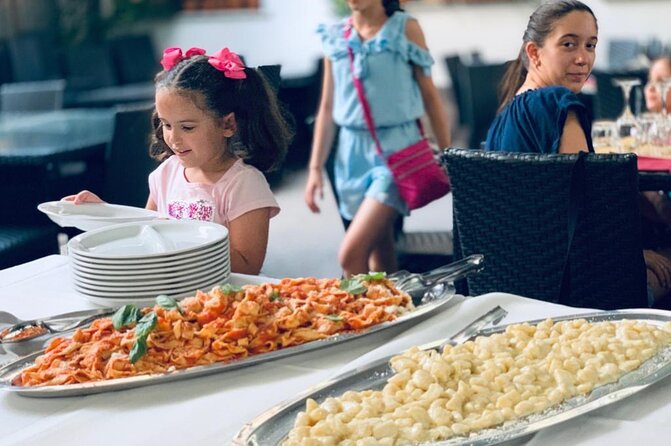
The advertised meal includes fresh fettuccine with tomato sauce, ricotta and spinach ravioli with butter and sage, and tiramisu. Drinks include Prosecco, red wine, white wine, soft drinks, and water.
You do not need to choose between a cooking class and a proper meal. The class ends with lunch or dinner, and the restaurant prepares the pasta so it can be served hot. Several people especially liked pairing the pasta with red wine, while one suggestion was to try amatriciana sauce if it is available.
Here is the important distinction: you may prepare your own dough and shape the pasta, but the restaurant may boil it and serve a combined mix from the group. One participant found this disappointing because they expected to eat only the pasta they had personally made.
That arrangement makes sense from a restaurant point of view, especially when timing and food safety matter. Still, it changes the emotional payoff. If your main goal is to cook and eat your exact portion from start to finish, ask the host how the final service works when you arrive.
The food itself receives strong praise overall, but do not think of this as a chef’s tasting menu. The point is the process, the shared table, and the chance to eat familiar Italian dishes after making them yourself.
How the small group changes the experience
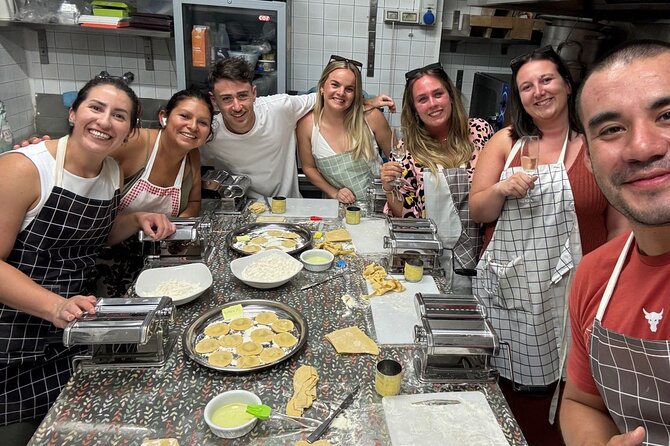
The limit of 12 people is one of the strongest features. A class of this size can still feel social, but it is less likely to become a crowded demonstration where you cannot see or ask questions.
The instructor can move between stations and correct small mistakes. That matters when you are rolling pasta, sealing ravioli, or judging the consistency of the dough. Francesco is described as funny, lively, and good at drawing the whole group into the lesson. Other praised instructors include Memmo, Alba, Mimmo, and Federico.
If you are alone, the format gives you an easy way to meet people over a common task. If you are a couple, you can work together but still talk with others. Families also fit well, provided children are happy to follow instructions and handle flour, dough, and kitchen tools.
The social side is not guaranteed to feel instant. One group took a little time to warm up, but the shared work and drinks helped. By the meal, the table usually feels more relaxed than it did at the beginning.
Who will get the most from this Milan activity
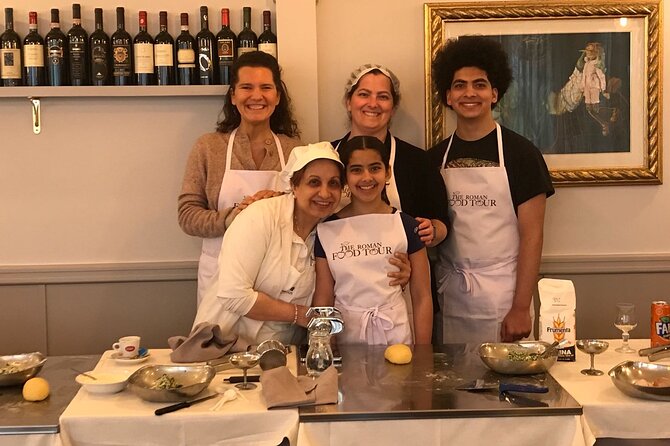
I would choose this class if you want a practical food activity rather than a restaurant meal alone. It suits first-time pasta makers, couples, families with older children, and solo people who enjoy meeting others through a shared task.
It is also a good rainy-day plan. You get an indoor activity, a meal, and a skill you can use after returning home. The central location and nearby public transportation make it easier to fit into a day of sightseeing.
Families should note that the activity is open to all ages, and the feedback includes children as young as 5. Young children may need help with dough and waiting for the meal, but the format gives them something real to do instead of asking them to sit through a long food talk.
I would be less enthusiastic if you want a highly technical cooking course. The class teaches useful basics, but it is designed as a social Milan activity with food and wine, not as professional culinary training.
I would also hesitate if you need a precise end time. Most sessions finish on schedule, but the restaurant setting can create delays, and one negative account described slow service and lengthy explanations.
Is $83.44 a fair price?
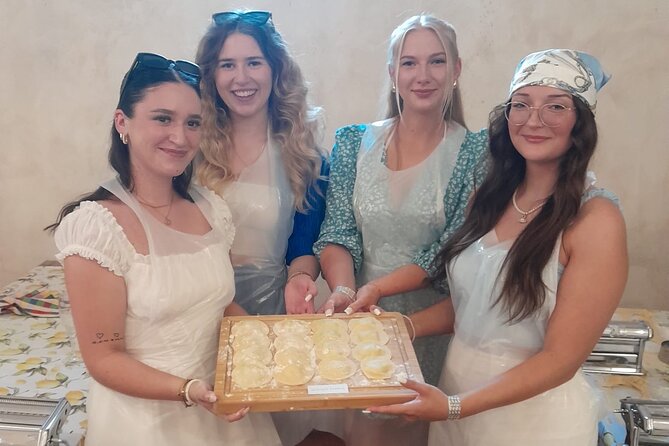
At $83.44 per person, the value depends on how you measure the experience. You are paying for about three hours, instruction, ingredients, a welcome Prosecco, fresh pasta, tiramisu, wine, soft drinks, and a sit-down meal.
Compared with paying separately for lunch or dinner, the class includes a fair amount. You also leave with techniques for pasta dough, noodles, filled pasta, and tiramisu. Those skills can be worth more than a standard meal if you enjoy cooking at home.
The price is less attractive if you only want to eat. A Milan restaurant meal may be simpler and more relaxing, and you will not have to spend time rolling dough or waiting for a group to finish.
The small class size helps justify the cost. A maximum of 12 people gives you a better chance of receiving direct help than you would in a large food demonstration. The high overall rating of 4.9 from 661 ratings and recommendation by 98 percent of bookers also point to strong satisfaction, though the single poor account shows that restaurant service and final pasta handling can affect the experience.
Booking, meeting, and cancellation details
The meeting point is at a central Milan restaurant, close to public transportation. You receive confirmation at booking, and the activity uses a mobile ticket. The class is offered in English.
This is an experience that is often booked about 26 days ahead, so I would not leave it until the last minute if your Milan dates are fixed. The group maximum is 12 people, which can limit availability on popular lunch and dinner sessions.
Free cancellation is available up to 24 hours before the start time for a full refund. Changes or cancellations made less than 24 hours before the local start time are not accepted for a refund.
Tips are not included. Plan to leave something extra if the chef and restaurant service make the class enjoyable.
Should you book this pasta and tiramisu class?
I would book it if you want to spend part of your Milan visit doing something social, tasty, and practical. The best reasons are the small group, the hands-on dough work, the mix of pasta and dessert, and the included meal with wine.
Go in expecting a guided cooking activity, not total control of a restaurant kitchen. You may make the dough and shape the pasta, while the restaurant handles boiling and final service. If that division suits you, the $83.44 price is reasonable for a three-hour activity with food and drinks.
For families, couples, and solo people who like food, this is a strong choice. If your priority is a quiet meal, strict timing, or an advanced cooking lesson, choose something else.
FAQ
How long does the cooking class last?
The experience lasts approximately three hours.
Where does the class take place?
It takes place in a convenient central Milan restaurant near public transportation.
What language is the class offered in?
The class is offered in English.
How many people can join the class?
The activity has a maximum of 12 participants.
What will I make during the class?
You will learn to prepare fresh pasta dough, fettuccine with tomato sauce, ricotta and spinach ravioli with butter and sage, and tiramisu.
Is a meal included?
Yes. Pasta and tiramisu are included as lunch or dinner.
Are drinks included?
Yes. The experience includes Prosecco, red wine, white wine, soft drinks, and water.
Do I eat the pasta I make?
You prepare and shape the pasta, but the restaurant may cook it and serve a combined mix from the group rather than only your individual portion.
Is the class suitable for children?
Yes. The experience is described as suitable for families and people of all ages. The available details also include families with children participating in the activity.
Can I cancel for a full refund?
Yes. You can cancel at least 24 hours before the local start time for a full refund. Cancellations or changes made less than 24 hours before the start time are not refunded.
More Wine Tastings in Milan
- Milan: Pasta, Gnocchi and Tiramisù Cooking Class with Wine
★ 5.0 · 117 reviews - Pizza and Tiramisu Cooking Class with Wine in Milan
★ 4.9 · 80 reviews - Milan: Hands-On Pasta & Dessert Cooking Class & Wine Pairing
★ 5.0 · 3 reviews - Florence: Pasta Cooking Class with Unlimited Wine
★ 4.9 · 10,285 reviews
More Small Group Classes in Milan
- Small group Pasta and Tiramisu class in Milan by Cesarine
★ 5.0 · 25 reviews - Pizza and Gelato Cooking Class in Milan Small Group Only
★ 5.0 · 3 reviews - Florence Small-Group Pasta Class with Seasonal Ingredients
★ 5.0 · 532 reviews - Rome: Pizza Making Class Small Group Experience
★ 5.0 · 487 reviews
Just added around Milan
- Small group Pasta and Tiramisu class in Milan by Cesarine★ 5.0 · 25 reviews
- Milano The Art of Making Pasta with Italian Chef★ 5.0 · 40 reviews
- Cesarine: Pasta & Tiramisu Class at Local’s Home in Milan★ 5.0 · 52 reviews
- Share Your Pasta Love in a Local’s Home in Milan★ 5.0 · 3 reviews
- Rockin kitchen : Fresh Pasta lesson with Music Aperitif Dinner★ 5.0 · 28 reviews
- Pizza and Gelato Cooking Class in Milan Small Group Only★ 5.0 · 3 reviews
- Milan: The Ultimate Pasta Mastery Workshop★ 4.0 · 21 reviews
- Pasta and Tiramisu Cooking Class at Come Na Vorta Navigli Milan★ 5.0 · 16 reviews
Milan Pasta Classes, compared.
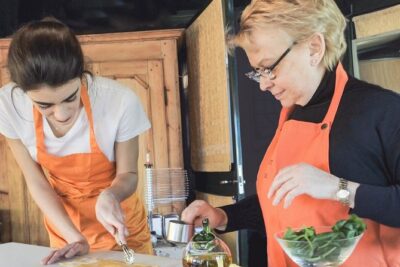
The Secrets to Learn Fresh Pasta and Tiramisù in a Glam Home
Read our review →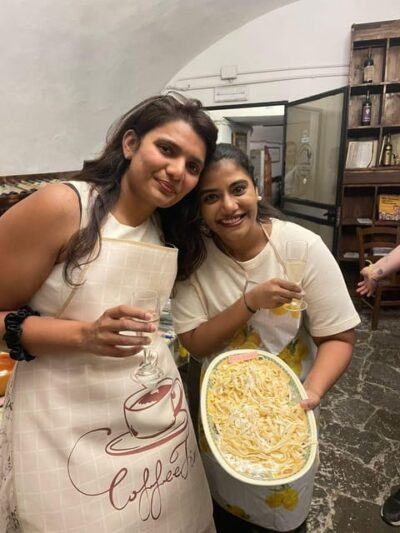
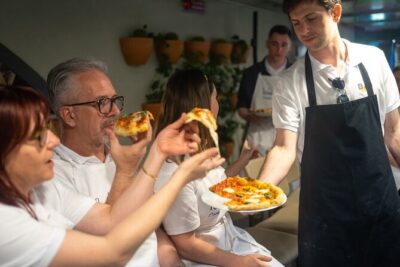
Milan Cooking Class: Authentic Pizza & Gelato Making
Read our review →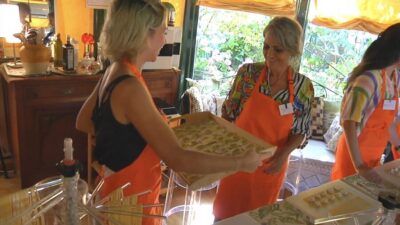
Fresh Pasta & Tiramisù Class in a Glamorous Home
Read our review →
Milan Culinary Experience: Pasta & Gelato or Tiramisù Class
Read our review →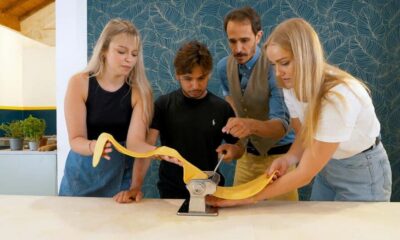
Pasta, Ravioli, and Gelato Class in a Glamorous Home
Read our review →
Pasta & Tiramisu Cooking Class with Premium Products
Read our review →Browse the lists this tour appears in