
REVIEW · MILAN
Milan: Fresh Pasta & Tiramisù Class in a Glamorous Home
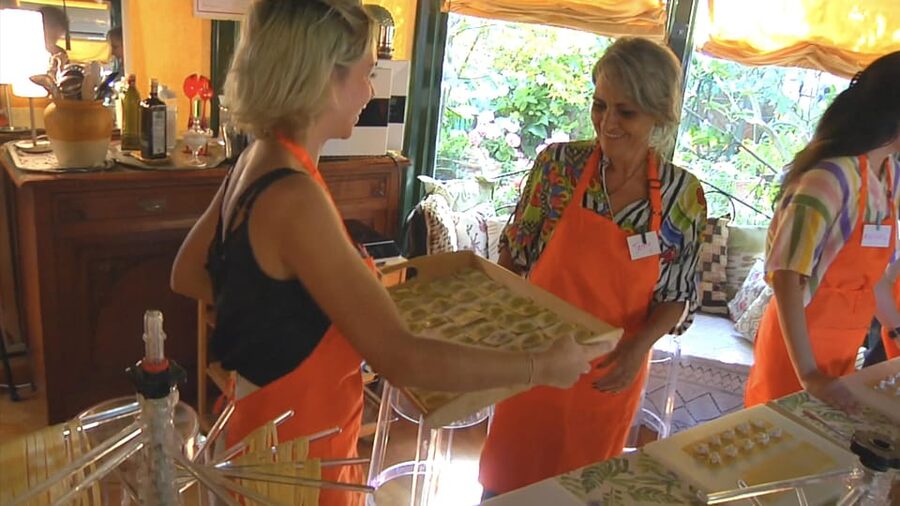
Fresh pasta tastes better when you have made it yourself, and this Milan class adds an unusual setting: an elegant family home filled with 16th-century paintings and antique furniture. Over three hours, you prepare tagliatelle, ravioli, and tiramisù, then sit down to eat what you made.
I like the hands-on format, especially the individual work areas and patient instruction from hosts such as Caterina, Paolo, Laura, Marco, and Federico. I also like the useful take-home value: recipes arrive by email, and the class explains small details such as pasta texture, filling, and sauce.
The main consideration is price. At $88 per person, this costs more than a basic pasta demonstration, and one recent class member found the space less private and less clean than expected. You are paying partly for the meal, setting, drinks, and family story, not just the ingredients.
Key Points at a Glance
- Three classic dishes: Make tagliatelle with tomato sauce, ravioli with butter and sage, and traditional tiramisù.
- A real hands-on lesson: You work with tools and ingredients rather than simply watching a chef perform.
- A historic Milan setting: The class takes place at Via Dezza 47, in an elegant home filled with family art and antiques.
- Warm, lively instruction: Hosts including Caterina, Paolo, Laura, Marco, and Federico are praised for humor, patience, and clear explanations.
- Useful for home cooks: Recipes are emailed after the class, with tips you can use when making fresh pasta at home.
- Good for mixed diets: Risotto is available for gluten-free participants, but dietary needs should be clarified ahead of time.
Making Pasta in a Milanese Family Home
This is not a restaurant meal with a quick pasta demonstration added on. The main event is making food together, then eating it at the same table. That difference matters.
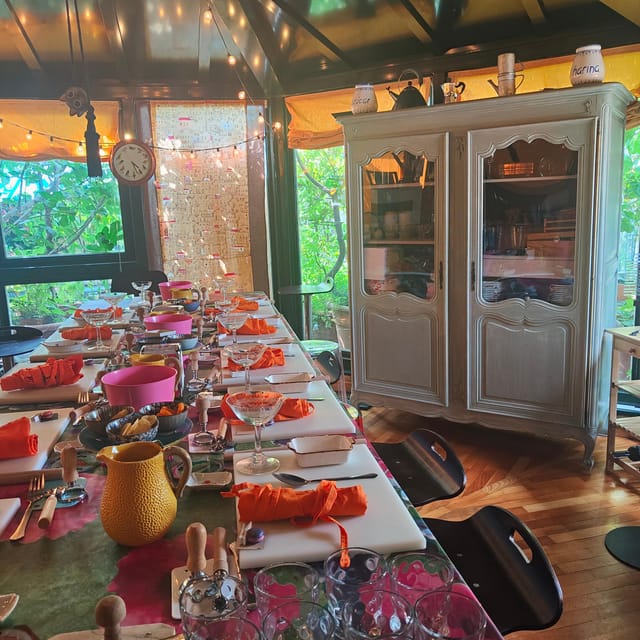
You begin in a private family home in central Milan, in an elegant building near the Coni Zugna and Via Foppa subway stop. The home is presented as a family art gallery, with paintings and furniture connected to the family’s Palladian palace. If you enjoy historic interiors, the setting gives the class a sense of place that a modern cooking studio cannot match.
The atmosphere is intended to feel like a family kitchen, though the experience can vary with the instructor and group. The teaching team may include a member of the family or another host trained to lead the session. Names appearing in recent classes include Caterina, Paolo, Laura, Marco, Lucas, Federico, and Katerina.
That variety is worth knowing. You are booking a cooking experience with a shared teaching style, not necessarily a class led by one named person. The strongest feedback centers on hosts who learn names quickly, keep the room laughing, and stop to help anyone who gets stuck.
More Fresh Pasta Workshops in Milan
- The Secrets to Learn Fresh Pasta and Tiramisù in a Glam Home
★ 5.0 · 1,182 reviews - The secrets to Learn Fresh Pasta & Gelato in a Glam Home
★ 5.0 · 150 reviews - Milan – Discover the Italian flavors: Fresh Pasta and Tiramisu
★ 5.0 · 46 reviews
Tagliatelle: The Best Place to Learn the Basics
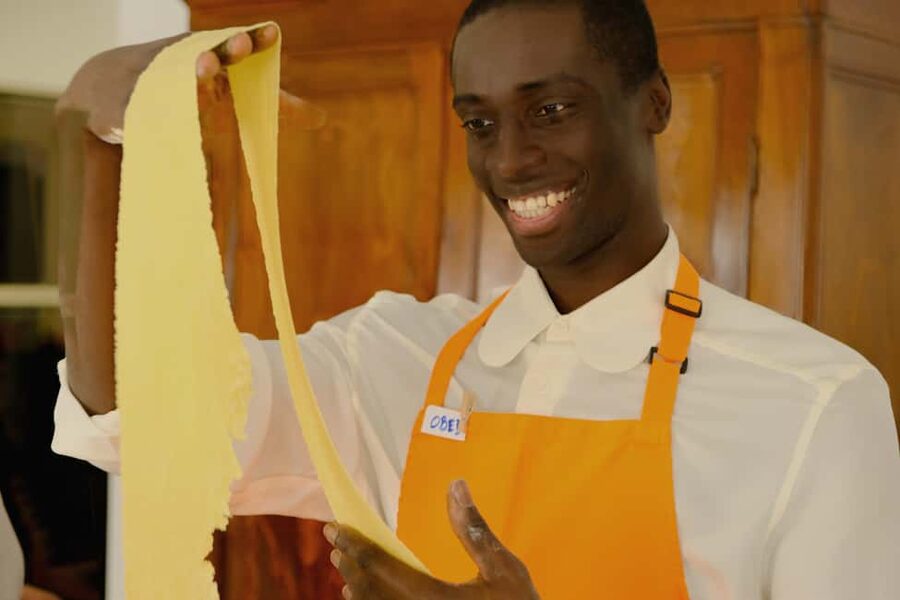
The pasta lesson begins with the fundamentals of fresh dough. You learn how to combine and work the ingredients, then shape the dough into tagliatelle. The class is designed for beginners, so you do not need previous pasta-making experience.
This part is valuable because fresh pasta is less about a complicated recipe than about feel. The dough can be too dry, too sticky, or too thick, and a good instructor helps you recognize the difference. Lucas, Paolo, and Laura are particularly praised for explaining why each step matters instead of simply telling you what to do.
Your tagliatelle is served with tomato sauce. That simple pairing is useful for a first lesson because it lets the pasta itself do the work. You can focus on cutting and cooking the noodles rather than juggling a complicated sauce.
You may also pick up practical advice for home cooking, such as how the dough should feel and what happens when you add too much or too little of an ingredient. Those small corrections are often more useful than a recipe alone. After the class, the emailed instructions give you a reference, but your hands-on practice is what makes the recipe easier to repeat.
Ravioli and the Pleasure of Getting the Filling Right
The second pasta is ravioli, usually served with butter and sage. Recent classes have used fillings such as ricotta or cacio e pepe, so the exact filling may vary. The core lesson is the same: fill the pasta, seal it properly, and avoid trapping too much air inside.
Ravioli is the more rewarding dish for anyone who wants to learn a skill they can show off at home. It looks impressive, but the method becomes manageable once the instructor shows you how much filling to use and how to press the edges together.
Several class formats have featured cacio e pepe ravioli, which gives the dish a Roman flavor while keeping the preparation fairly direct. Other sessions have used ricotta. Ask at booking if the filling matters to you, since the supplied details do not guarantee one specific version for every class.
The ravioli is served with butter and sage. This is a good match for handmade pasta because the sauce is light enough not to bury the filling. It also keeps the meal focused on the pasta you prepared.
I would pay close attention during this section, even if your first ravioli looks uneven. The point is not to produce identical pieces. It is to learn how to work with delicate dough, seal it securely, and cook it without losing the filling.
Tiramisù Without the Fuss
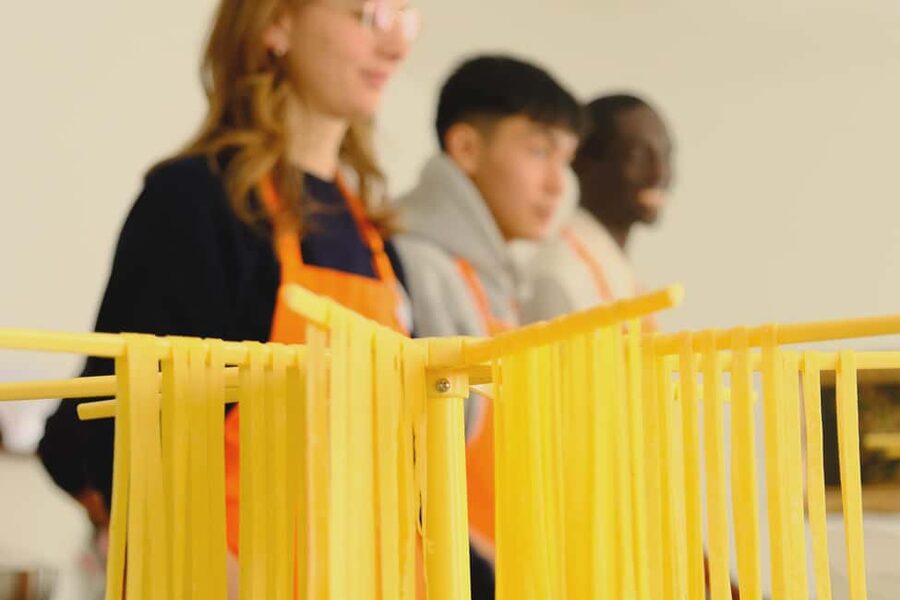
Tiramisù is prepared during the same three-hour session. The lesson covers the soft, creamy Italian dessert and explains how to build the layers. The class describes it as an original, soft preparation that is easier than many people expect.
That makes tiramisù a smart addition to the pasta lesson. You get one skill involving dough and another involving assembly and balance. It also means the meal ends with a dessert you made yourself, rather than a purchased sweet added at the last minute.
Some participants describe making individual portions, which is practical when a group is sharing a kitchen. You can see how much cream and soaked biscuit belongs in each serving, and you are less likely to end up with a watery or overloaded dish.
The dessert is one of the most praised parts of the class, though the exact recipe should be confirmed if you need to avoid coffee, alcohol, or particular ingredients. The supplied details describe traditional tiramisù, not a list of every ingredient or possible substitution.
More Tiramisu Classes in Milan
- Milan: Pasta and Tiramisu Cooking Class with Wine
★ 4.8 · 1,106 reviews - Gnocchi, Pasta, Tiramisù and Wine Class
★ 5.0 · 691 reviews - Milan: Pasta and Tiramisu Small Group Cooking Class with Wine
★ 5.0 · 660 reviews - Milan Culinary Experience: Pasta & Gelato or Tiramisù Class
★ 5.0 · 337 reviews
Sitting Down to Eat What You Made
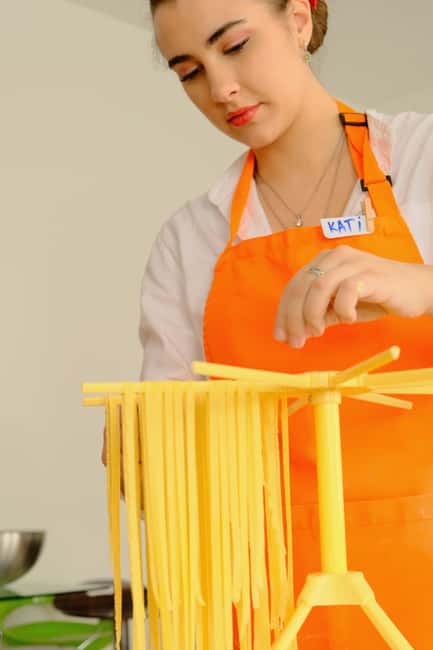
After the preparation, you eat tagliatelle, ravioli, and tiramisù together. This is where the class becomes more than a lesson. You get a proper meal from the work you have just completed, and the shared table gives the evening a relaxed social rhythm.
The included drinks are water and either white wine, listed as one quarter of a bottle per person, or a soft drink. You also receive limoncello made with lemons from the host’s terrace. Organic wine produced without pesticides is another part of the experience.
Do not expect an open-ended wine tasting. The included amount is modest, and one person wished there had been more wine and limoncello. Still, the drinks add to the meal and help turn the cooking into a small evening gathering.
The group setting is part of the value. You may be seated with people from several countries, and the class is built around cooking and eating together. If you prefer a quiet private lesson, this may not be the right choice. One recent participant specifically noted that the class no longer felt fully private.
The Hosts Make the Difference
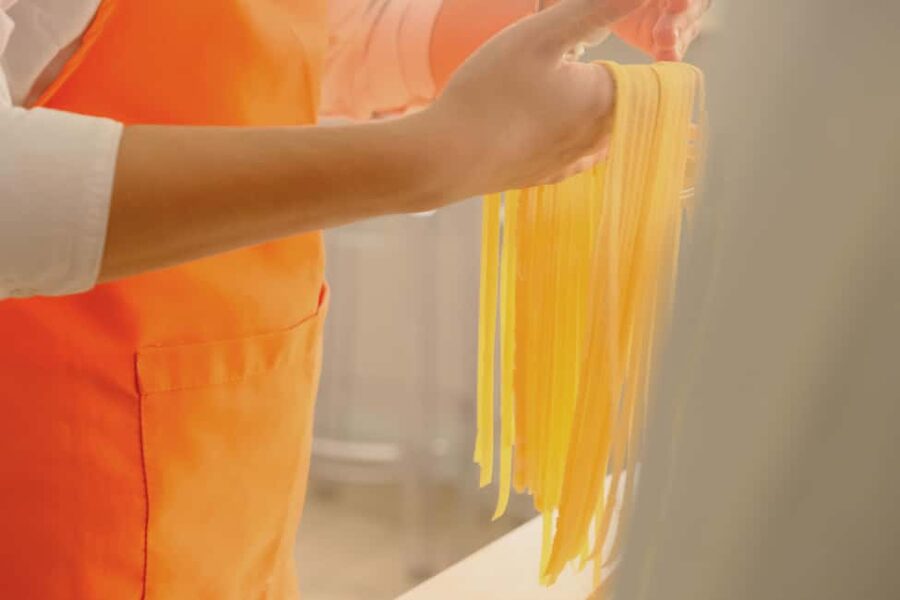
The most important part of this experience is not the furniture or the menu. It is the instructor standing beside you while you work.
Caterina and Katerina are repeatedly described as funny, warm, and patient. Paolo is praised for clear explanations and an easy sense of humor. Laura is noted for remembering names and making beginners feel comfortable. Marco brings energy and keeps the class moving. Federico is praised for making pasta feel simple and for sharing practical kitchen tips.
The class is held in English. Other languages are available only for private bookings with at least 10 students, although individual instructors may explain a few points in another language during an English session. The listed instructor languages include Italian, French, Spanish, Persian, and Hebrew.
This is helpful for a mixed group, but you should still expect the main lesson to be in English. If a family member is not comfortable following English instructions, ask about language arrangements before booking.
The teaching style is friendly rather than formal. You will likely get corrections at your work area, chances to ask questions, and explanations of why a technique works. That is especially useful for beginners, children over eight, and adults who feel nervous about making pasta for the first time.
Art, Antiques, and a Slightly Uneven Setting
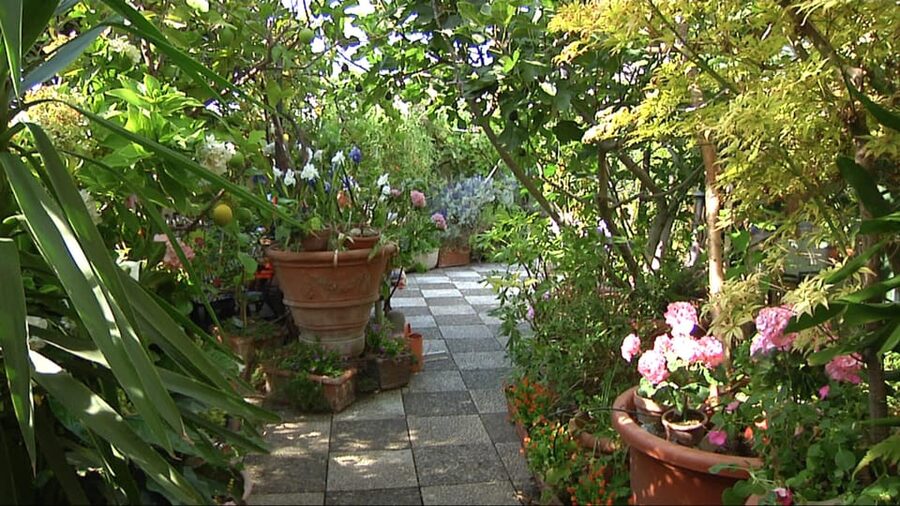
The home is part of the attraction. You are surrounded by family paintings, old furniture, and objects connected to the family’s past. The setting gives the class a more personal feel than a standard culinary school.
The family story includes Grandmother Bruna, whose cooking traditions were passed to younger generations. Bruna and her grandchildren attended the Paul Bocuse school in Ecully, but the family presents their grandmothers as their most important teachers. When Bruna is too tired to lead, her daughter or grandchildren may take over.
That family connection is appealing, but the amount of storytelling may depend on the host and the pace of the class. One participant hoped for more detail about the family’s cooking background and more direct access to the recipes. You receive the recipes by email, but do not assume you will receive a long family history lesson.
There is also a practical caveat about the room. Most feedback describes the environment as cozy, clean, and well arranged, with personal food-preparation stations. One person found the space less clean than expected. I would treat this as a small but fair warning: the experience takes place in a working home, not a hotel demonstration kitchen.
Is $88 a Fair Price?
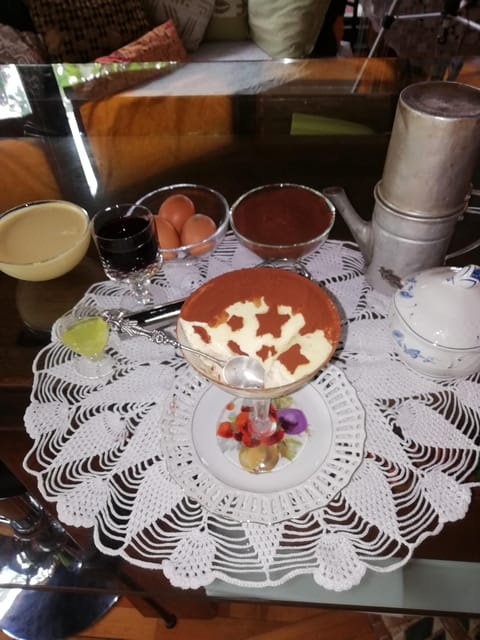
At $88, this is not the cheapest way to eat pasta in Milan. You can find a less expensive meal, and you can learn individual recipes from a cookbook or video. The value here comes from combining instruction, ingredients, equipment, drinks, a full meal, a historic home, and social time in one three-hour activity.
You do not need to bring tools or an apron. Those are supplied, along with water, wine or a soft drink, limoncello, and the meal. The recipes are sent by email, which gives the class value after you return home.
I think the price works best for people who will actually use the skills later. If you want to make pasta for friends, the lesson can pay you back in future meals. If you mainly want a short food tasting, the cost may feel high.
The portion of wine and limoncello is limited, and the setting is not guaranteed to feel private. Those details keep this from being an automatic bargain. Still, the class gives you three dishes, instruction, and a memorable evening rather than just another restaurant reservation.
Who Should Book This Class?
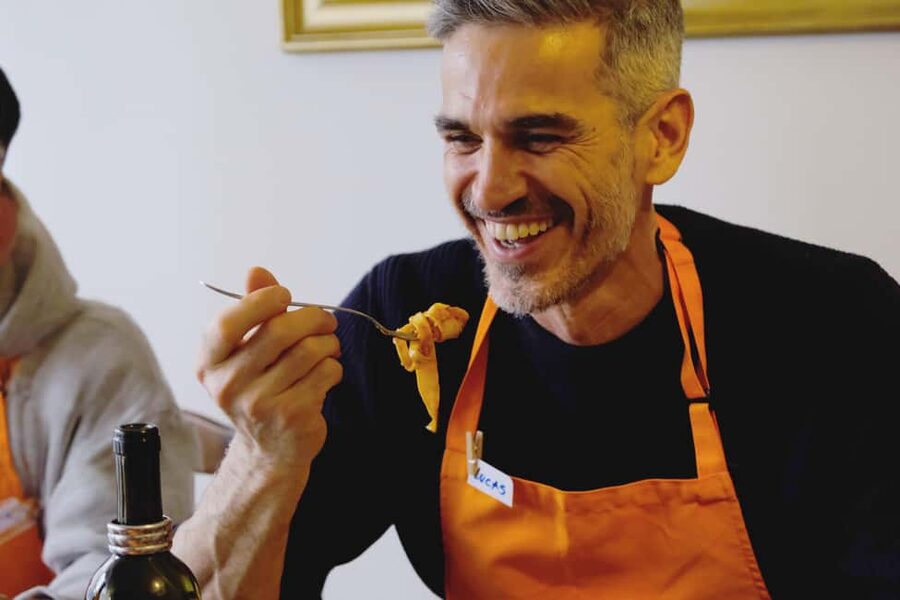
This is a strong fit for couples, families with children aged eight or older, and small groups of friends. It also works well for solo visitors who enjoy meeting people at a shared table.
You do not need to be a confident cook. The class is built for beginners, and the instructors are used to correcting mistakes without making a fuss. If you already make pasta regularly, you may find the basic steps familiar, but the ravioli shaping and sauce ideas can still be useful.
The class is especially suitable if you want an activity that feels connected to Milanese life without requiring a full day. It is also a good rainy-day plan, since the work happens indoors and includes dinner.
People with gluten-free needs should note that risotto is available. The information also mentions gluten-free pasta and tiramisù arrangements in a family class, but you should confirm what can be provided before arrival. Non-folding wheelchairs are not allowed, despite the experience being described as wheelchair accessible, so check the equipment requirement carefully.
Wear comfortable clothes and shoes. Bring a camera if you want photographs of the home or your finished food, but do not bring a backpack. Smoking indoors and unaccompanied minors are not allowed.
Finding Via Dezza 47
The meeting point is Via Dezza 47 in Milan. The easiest route is the blue subway line to Coni Zugna and Via Foppa, with the escalator exit about 20 meters from the building. The green line stop Sant’Agostino is about 500 meters away.
You receive the final meeting information the day before the class. Check it carefully, since the provider emphasizes that this address is in Milan and not in another city.
The central location makes it easy to fit the class into a day of sightseeing. The subway runs until about 1 a.m., according to the supplied information, but you should still check current service times on the day of your class.
Free cancellation is available until 24 hours before the activity, and you can reserve without paying immediately. The class lasts three hours, with starting times depending on the date you choose.
Final Verdict: Book It If You Want Skills, Not Just Dinner
I would book this class if you want to make fresh pasta, meet people over a shared meal, and take a practical Italian skill home. The strongest reasons are the hands-on format, the patient hosts, the ravioli lesson, and the unusual family home filled with art.
I would hesitate if you want a private, polished studio or expect generous wine service. The price is fair only if you value the instruction, setting, and complete meal together.
For most visitors, this is a good way to spend an evening in Milan. You leave with recipes, a full dinner, and a better sense of how fresh pasta should feel in your hands. Just confirm the instructor language, dietary arrangements, pasta filling, and accessibility details before paying.
FAQ
How long does the Milan pasta and tiramisù class last?
The class lasts three hours.
What dishes do I make?
The included menu lists tagliatelle with tomato sauce, ravioli with butter and sage, and traditional tiramisù. Some sessions use fillings such as ricotta or cacio e pepe.
Is the class taught in English?
Yes. The lesson is held in English. Italian, French, Spanish, Persian, and Hebrew are also listed among the instructor languages, but lessons in other languages are available exclusively for private groups of at least 10 students.
Where does the class take place?
The meeting point is Via Dezza 47 in Milan. The building is about 20 meters from the Coni Zugna and Via Foppa subway exit on the blue line.
What is included in the price?
The price includes tools, an apron, the meal, water, white wine or a soft drink, limoncello, tiramisù, the pasta dishes, and recipes sent by email.
Is wine included?
Yes. White wine is included at one quarter of a bottle per person, or you can choose a soft drink. Limoncello is also included.
Can children attend?
Children under eight are not suitable for this activity. Unaccompanied minors are not allowed.
Is a gluten-free option available?
Risotto is listed as the gluten-free option. Gluten-free pasta and tiramisù arrangements have also been provided in some family bookings, so confirm your needs before the class.
Can I cancel the booking?
You can cancel up to 24 hours in advance for a full refund. The activity also offers reserve now and pay later booking.
Just added around Milan
- Small group Pasta and Tiramisu class in Milan by Cesarine★ 5.0 · 25 reviews
- Share Your Pasta Love in a Local’s Home in Milan★ 5.0 · 3 reviews
- Milano The Art of Making Pasta with Italian Chef★ 5.0 · 40 reviews
- Cesarine: Pasta & Tiramisu Class at Local’s Home in Milan★ 5.0 · 52 reviews
- Rockin kitchen : Fresh Pasta lesson with Music Aperitif Dinner★ 5.0 · 28 reviews
- Pizza and Gelato Cooking Class in Milan Small Group Only★ 5.0 · 3 reviews
- Milan: The Ultimate Pasta Mastery Workshop★ 4.0 · 21 reviews
- Pasta and Tiramisu Cooking Class at Come Na Vorta Navigli Milan★ 5.0 · 16 reviews
Milan Pasta Classes, compared.
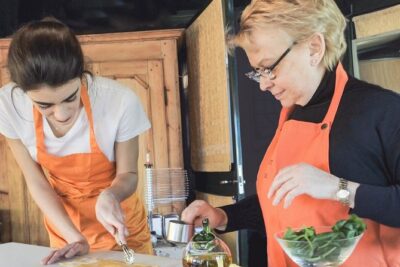
The Secrets to Learn Fresh Pasta and Tiramisù in a Glam Home
Read our review →
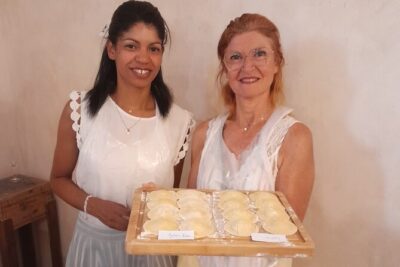
Pasta and Tiramisu Small Group Cooking Class with Wine
Read our review →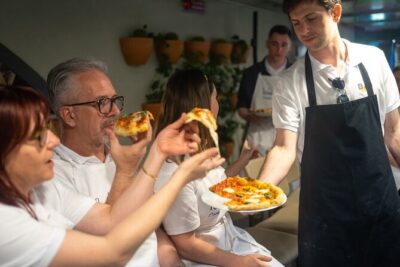
Milan Cooking Class: Authentic Pizza & Gelato Making
Read our review →
Milan Culinary Experience: Pasta & Gelato or Tiramisù Class
Read our review →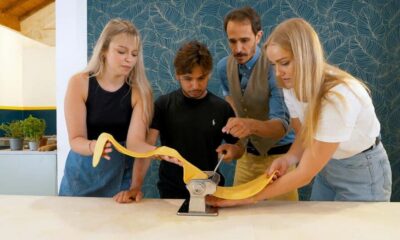
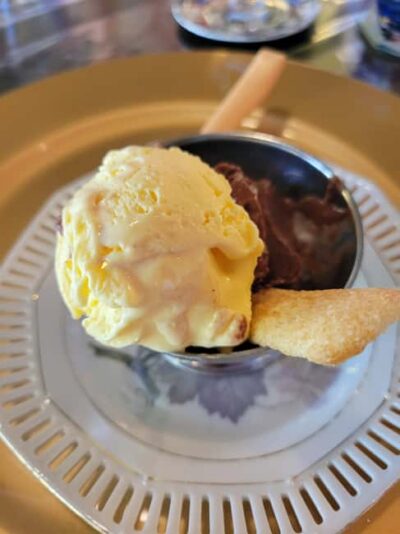
Pasta, Ravioli, and Gelato Class in a Glamorous Home
Read our review →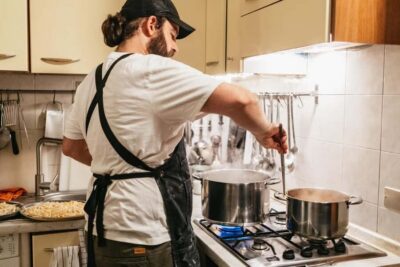
Pasta & Tiramisu Cooking Class with Premium Products
Read our review →Browse the lists this tour appears in