
REVIEW · MILAN
Small group Pasta and Tiramisu class in Milan by Cesarine
The best part of this Milan cooking class is that you leave the restaurant table and work in a local home. You roll sfoglia, the thin sheet of fresh pasta, make two pasta dishes, and finish with tiramisu. The meal is not just served to you: you help create it.
I like the opening aperitivo of prosecco and snacks, which gives you an easy start before the flour appears. I also like the small-group format, capped at 12 people, because it gives you a better chance to get help with the pasta and ask questions. The main thing to consider is that your host and exact home are assigned later, so you cannot count on meeting a particular Cesarina such as Sissi, Debora, Sandra, or Giuliana.
The class lasts about three hours and costs $155.42 per person. That is not a cheap meal, but it includes instruction, food, drinks, and a personal setting. If you want a practical taste of Milanese food culture rather than another meal in a dining room, the price can make sense.
Key points to know before booking
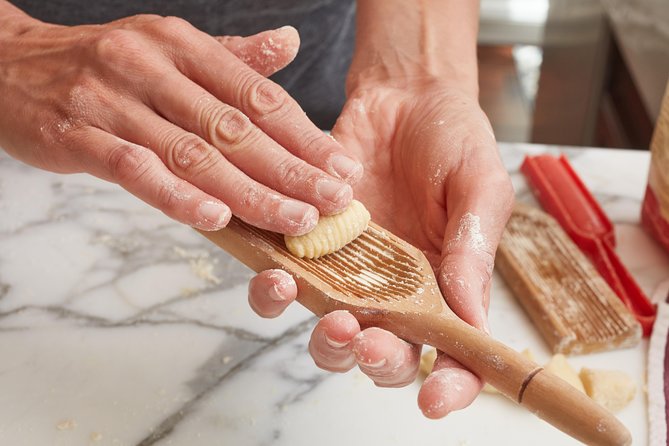
- You make the meal by hand: Learn to roll sfoglia and prepare two pasta dishes from scratch.
- The class takes place in a private home: Your Cesarina hosts you in her own kitchen and dining space.
- Aperitivo comes first: Prosecco and snacks set the tone before the cooking begins.
- The menu can vary: You may prepare pizzoccheri, risotto, or lasagna, along with tiramisu.
- Morning and evening options are offered: Choose the timing that works best with your Milan plans.
- The group can reach 12 people: It is small enough for personal help, though not necessarily an intimate one-on-one lesson.
Why this pasta class feels different from a restaurant meal
Milan is full of places to eat pasta, but eating a finished dish teaches you little about how it got there. This class gives you the messy, useful middle part: mixing, rolling, shaping, and cooking. You get to see how a simple meal comes together instead of treating pasta as a mystery delivered on a plate.
The setting matters. Your Cesarina welcomes you into her home, which changes the mood from formal class to shared meal. One host, Sissi, was praised for making people feel like friends dropping by for drinks and conversation. That is the sort of setting this experience aims for, though the tone will naturally depend on the host you are assigned.
You begin with prosecco and snacks, an Italian aperitivo that works well here. It gives you time to settle in, meet the people at your table, and ease into the evening before handling flour. The aperitivo also helps the class feel social rather than strictly instructional.
You should not expect a chef’s school with a long lecture or a restaurant brigade. This is a home-based lesson built around a few familiar dishes. That makes it a good fit if you want to learn enough to repeat the recipes at home, without spending a full day in a professional kitchen.
More Tiramisu Classes in Milan
- The Secrets to Learn Fresh Pasta and Tiramisù in a Glam Home
★ 5.0 · 1,182 reviews - Milan: Pasta and Tiramisu Cooking Class with Wine
★ 4.8 · 1,106 reviews - Gnocchi, Pasta, Tiramisù and Wine Class
★ 5.0 · 691 reviews
Rolling sfoglia in a Milan home
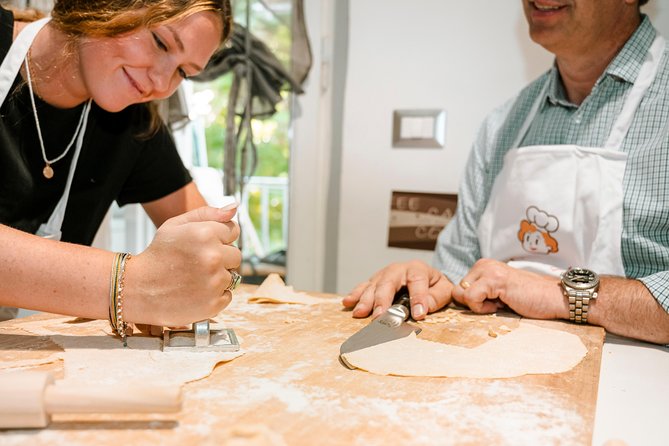
The hands-on centerpiece is sfoglia, fresh pasta dough rolled by hand. This is where the class earns its keep. Pasta-making looks simple when an experienced cook does it, but the texture and thickness take practice. Working under a host’s direction gives you a better feel for the dough than watching a demonstration from a distance.
The class teaches two different kinds of pasta from scratch. The exact regional selection can vary, with possibilities including pizzoccheri, risotto, or lasagna. Risotto is not pasta in the strict sense, so you should read the menu as a sample of regional Milanese and northern Italian cooking rather than a fixed promise of two particular pasta shapes.
That variation is useful if you like local cooking more than a rigid menu. It also means you should not book with the expectation of making the exact dish shown in a photo or described by another participant. Ask your host about the day’s menu if a particular recipe matters to you.
One past class included two pasta types and ravioli, while another produced two pastas and tiramisu. Those details show the practical range of the lesson, but they do not guarantee your precise menu. The reliable core is the work with fresh pasta and the dessert.
The lesson should suit children who enjoy getting involved in food. One family especially valued the chance for children to learn how to prepare less processed food for themselves. Keep in mind that pasta-making involves flour, hands-on work, and patience, so young children may need close help throughout.
Tiramisu gives the class a sweet finish
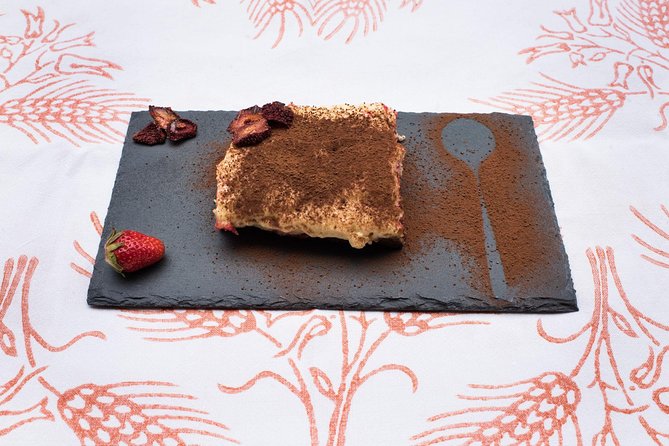
Tiramisu is the dessert portion of the class, and it balances the pasta work nicely. You learn how the dessert is assembled, then eat it after the main course. Since the dessert is prepared by the group, you get a clearer sense of the ingredients and method than you would from simply ordering a slice.
The meal follows a sensible rhythm: aperitivo, cooking, sitting down to eat, then dessert. One host set the table with china and proper silverware, creating a real dinner rather than a quick tasting. Another class included red wine, Prosecco, limoncello, and sweets, though you should treat those extras as host-dependent rather than guaranteed components.
The food is the strongest practical value here. You are paying for a meal, but you are also paying for the time spent preparing it and for a local cook’s guidance. If you would gladly spend $155.42 on a good Milan dinner plus a cooking lesson, this package may feel fair. If you mainly want a cheap plate of pasta, it will not.
What the three-hour schedule is likely to feel like
The experience lasts about three hours, which is long enough for a proper meal without taking up your entire day. A morning class can fit before afternoon sightseeing. An evening class works well when you want dinner to be part of the activity rather than another decision at the end of a long day.
The first stage is the aperitivo. You have prosecco and snacks while the host introduces the evening and sets up the cooking. This is also when you can get comfortable in the home and meet the rest of the small group.
Next comes the cooking. You learn to roll the dough by hand and prepare two dishes. The pace will depend on the host, the size of the group, and the menu. With up to 12 people, you should receive more attention than in a large commercial class, but you should not expect constant individual coaching.
Finally, everyone eats the food prepared during the lesson. This is an important part of the experience. You get to taste the result while the techniques are still fresh in your mind, and the shared table gives the class a natural social ending.
Some hosts may include more conversation about Milan, local food, and family traditions. Sissi, for example, shared information about the city and its people during the cooking and meal. Other hosts may focus more closely on the recipes. The exact balance is one reason the assigned host matters.
Same kitchen, a different thing to make:
- Milan: Pasta and Tiramisu Small Group Cooking Class with Wine
★ 5.0 · 660 reviews - Milan Cooking Class: Authentic Pizza & Gelato Making
★ 5.0 · 582 reviews - Milan: Fresh Pasta & Tiramisù Class in a Glamorous Home
★ 4.9 · 478 reviews - Milan Culinary Experience: Pasta & Gelato or Tiramisù Class
★ 5.0 · 337 reviews
The assigned host is part of the adventure
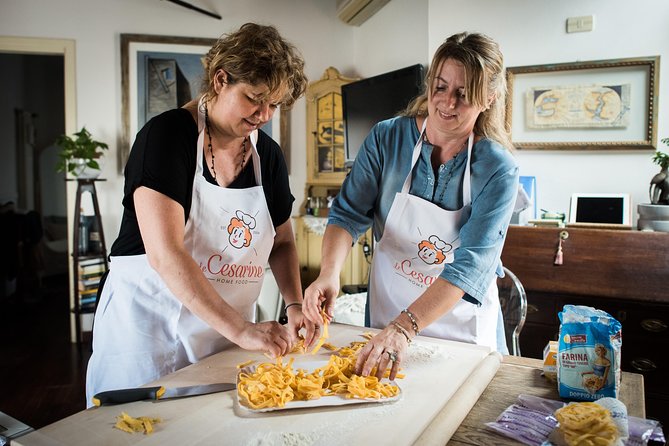
Cesarine uses a network of home cooks, so you do not necessarily select a named instructor. Names connected with previous classes include Giuliana, Sissi, Debora, Sandra, Julianne, and Filipino, but none should be treated as a guaranteed host for your booking.
The meeting point begins in Milan, and the activity ends back at the meeting point. The specific home address is not provided right away and may be assigned based in part on the location you submit. That can be convenient if you are staying outside central Milan, but it also means you should not assume the class will be near the Duomo or your hotel.
One important practical lesson is to check the final location before planning your route. The class is near public transportation, and one participant reached a host’s home easily by tram. Still, Milan is a spread-out city, and a home that looks close on a map may take time by tram or other transit.
Language should not stop you from booking. The activity is offered in English, but individual hosts may have different levels of comfort with the language. One host spoke reasonable English and used her son to translate when needed. That arrangement worked for the class, but you should allow for some variation in how much conversation is in English.
Group size, families, and the social side
The maximum group size is 12. That is small compared with a large demonstration class, and it supports a more personal exchange with the host. You can watch the technique up close, get corrections, and speak with the people sharing the table.
It is not a private class by default. If you want the host’s full attention or a quiet lesson built around your own pace, this may feel busier than expected. The social element is a major part of the appeal, so book it expecting conversation and shared work.
Families can do well here, especially if children are curious about cooking. The class offers a useful way to connect food with basic skills rather than simply presenting Italian cuisine as something to consume. Adults who prefer a polished, formal cooking school may find the home setting less predictable, but that informality is also what makes it personal.
The class also works for solo visitors and couples who want an evening with built-in company. You do not need to organize a group yourself. The host and other participants create the social setting, with the meal providing an easy focus.
Is $155.42 a fair price in Milan?
At $155.42 per person, this is a splurge. The value depends on how you judge the experience. You are not buying only three hours of instruction. The price includes an aperitivo, ingredients, the cooking lesson, the meal you prepare, tiramisu, and the chance to eat in a Milanese home.
A standard restaurant meal may cost less, especially if you choose a casual trattoria. But it will not give you the same practical skill or home setting. A cooking class in a commercial studio might offer more consistent instruction, while this one gives you a closer connection to an individual host.
I would consider it good value for someone who wants a memorable food activity and plans to cook pasta again at home. I would hesitate if your Milan schedule is packed, your budget is tight, or you mainly want to sample local food without doing the work.
The three-hour length also helps the price. You are not committing a whole day, and you can choose morning or evening. That flexibility makes it easier to fit the class around museums, shopping, or a day trip.
Booking details worth checking
Confirmation is provided at booking, and mobile tickets are accepted. The experience is offered in English, is near public transportation, and ends where it begins.
The exact home and host may be supplied later, so check those details before you finalize your transport plans. Since the location can vary, allow enough time to reach an outer neighborhood if necessary.
You can cancel for a full refund up to 24 hours before the start time. Changes or cancellations made within 24 hours are not accepted for a refund. The class also requires a minimum number of participants, so if that minimum is not met, you will be offered another date or experience, or a full refund.
Sanitary supplies are provided in the homes, including hand towels and hand sanitizer. The instructions also ask people to keep one meter apart when possible, or wear masks and gloves when that distance cannot be maintained. These rules may change over time, so check the current instructions before attending.
Who should book this Milan cooking class?
You should book this if you want to do more than eat Italian food. It suits you especially well if you enjoy hands-on activities, small groups, home cooking, and a relaxed meal with new company.
It is a strong choice for families who want children to take part, couples seeking a shared activity, and solo visitors who like a social evening. It also makes sense for repeat Italy visitors who have already seen the main sights and want a more ordinary, local setting.
You may want to skip it if you need a fixed menu, a guaranteed named chef, a specific neighborhood, or a private lesson. The host, home, and some dishes can vary. That uncertainty is the trade-off for being welcomed into a real person’s kitchen rather than entering a standardized cooking studio.
FAQ
How long does the pasta and tiramisu class last?
The class lasts approximately three hours.
How much does the experience cost?
The listed price is $155.42 per person.
Is the class offered in English?
Yes. The activity is offered in English.
What food will I prepare?
You learn to roll sfoglia and prepare two different pasta dishes from scratch, followed by tiramisu. Sample regional dishes may include pizzoccheri, risotto, or lasagna.
Are drinks included?
The class begins with prosecco and snacks. Additional drinks such as wine, limoncello, or sweets may depend on the host.
How many people can join?
The maximum group size is 12 travelers.
Can I choose a morning or evening class?
Yes. Morning and evening class options are available.
Where does the class begin and end?
It begins in Milan, in the Metropolitan City of Milan, and ends back at the meeting point.
Can I cancel for a refund?
Yes. You can cancel at least 24 hours before the local start time for a full refund. Cancellations or changes made less than 24 hours before the start time are not accepted for a refund.
Should you book it?
Book this class if you want to knead, roll, cook, and sit down to a meal in a local home. The aperitivo, fresh pasta lesson, tiramisu, and small-group format give you more than a standard dinner, while the three-hour schedule keeps it manageable.
Go in knowing that the host, address, and exact menu can vary. For me, that is acceptable because the point is the personal home setting, not a fixed script. If you value authentic contact, useful cooking skills, and a meal you helped make, this is one of the better ways to spend an evening in Milan.
More Small Group Classes in Milan
- Pizza and Gelato Cooking Class in Milan Small Group Only
★ 5.0 · 3 reviews - Florence Small-Group Pasta Class with Seasonal Ingredients
★ 5.0 · 532 reviews - Rome: Pizza Making Class Small Group Experience
★ 5.0 · 487 reviews - Bologna: Pasta and Tiramisu Small Group Cooking Class with Wine
★ 5.0 · 409 reviews
More Home Cooking Classes in Milan
- Cesarine: Pasta & Tiramisu Class at Local’s Home in Milan
★ 5.0 · 52 reviews - PRIVATE Cooking Class in a Local Home – Pick Your Menu
★ 5.0 · 18 reviews - Catania: Pistachio Ravioli, Pasta Home Cooking Class w/ Wine
★ 4.7 · 204 reviews - Cesarine: Small group Pasta and Tiramisu class in Varenna
★ 5.0 · 195 reviews
Just added around Milan
- Milano The Art of Making Pasta with Italian Chef★ 5.0 · 40 reviews
- Cesarine: Pasta & Tiramisu Class at Local’s Home in Milan★ 5.0 · 52 reviews
- Share Your Pasta Love in a Local’s Home in Milan★ 5.0 · 3 reviews
- Rockin kitchen : Fresh Pasta lesson with Music Aperitif Dinner★ 5.0 · 28 reviews
- Pizza and Gelato Cooking Class in Milan Small Group Only★ 5.0 · 3 reviews
- Milan: The Ultimate Pasta Mastery Workshop★ 4.0 · 21 reviews
- Pasta and Tiramisu Cooking Class at Come Na Vorta Navigli Milan★ 5.0 · 16 reviews
- Easily Make Pasta, Bruschetta & Tiramisù★ 5.0 · 14 reviews
Milan Pasta Classes, compared.
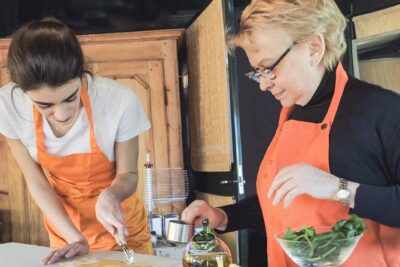
The Secrets to Learn Fresh Pasta and Tiramisù in a Glam Home
Read our review →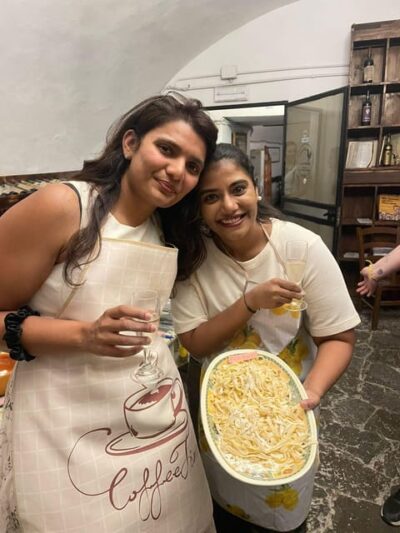
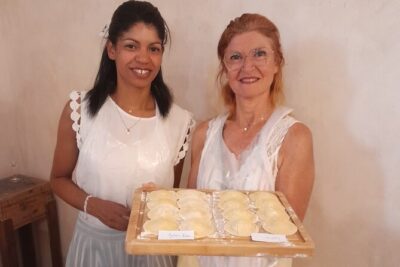
Pasta and Tiramisu Small Group Cooking Class with Wine
Read our review →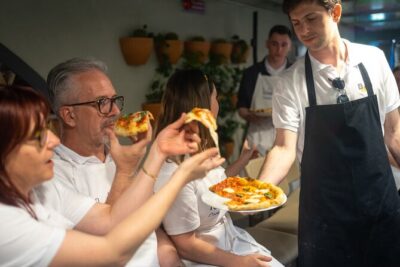
Milan Cooking Class: Authentic Pizza & Gelato Making
Read our review →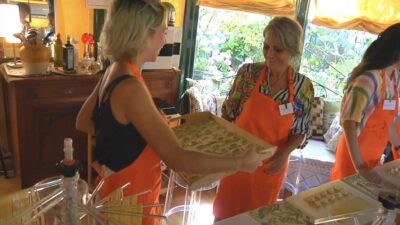
Fresh Pasta & Tiramisù Class in a Glamorous Home
Read our review →
Milan Culinary Experience: Pasta & Gelato or Tiramisù Class
Read our review →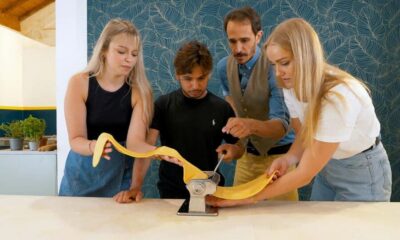
Pasta, Ravioli, and Gelato Class in a Glamorous Home
Read our review →Browse the lists this tour appears in