
REVIEW · SICILY
Ravioli Making Class in Palermo and Dessert
Palermo’s Capo Market is the clever starting point for this ravioli-making class. Instead of walking into a kitchen with ingredients already measured, you begin by choosing food in one of Sicily’s oldest street markets. Chef Marco helps you judge vegetables and explains how local ingredients become a proper Italian meal.
I like two things right away: the market shopping makes the lesson feel connected to Palermo, and the cooking is genuinely hands-on rather than a demonstration from across the room. The small maximum of 12 people also gives the class a more personal feel.
The main consideration is time. At about two and a half hours, this is a focused introduction to Sicilian cooking, not a long market tour or a full-day food outing. The class also costs $145.77 per person, so it makes the most sense if you value instruction, a shared meal, and local food context more than a simple restaurant lunch.
Key points to know
- Shop first at Capo Market: Choose ingredients with Chef Marco and learn how to assess vegetables before cooking.
- Make fresh pasta by hand: The central lesson focuses on ravioli, sauces, and classic Italian methods.
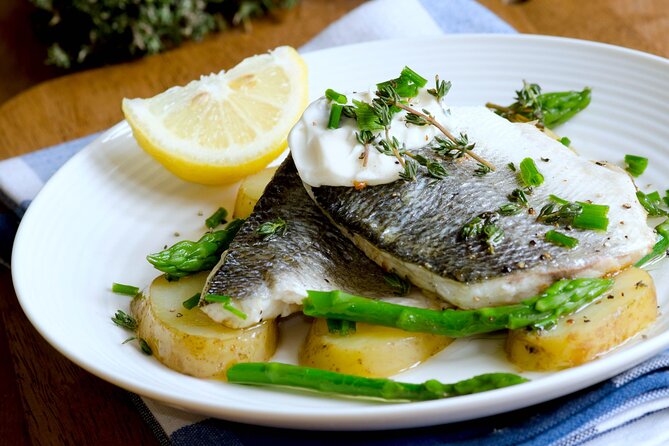
- Eat what you prepare: The class ends with a communal meal, including an Italian dessert.
- Wine and water are included: You do not need to arrange drinks separately during the meal.
- Small-group format: The class accepts a maximum of 12 participants.
- Dietary needs can be discussed ahead of time: Tell the provider in advance so the menu can be adjusted where possible.
Starting at Via Dante 54 in Palermo
Your meeting point is Via Dante, 54, 90141 Palermo. The activity ends back at the same meeting point, which keeps the logistics simple. You will not need to arrange a separate ride from the cooking session afterward.
The class lasts approximately 2 hours and 30 minutes. That is long enough to cover shopping, preparation, cooking, and eating, but short enough to fit into a busy Palermo day. I would place it in a morning or early afternoon when you can enjoy the meal without rushing to another major appointment.
The booking confirmation is sent within 48 hours, subject to availability. Since the class requires a minimum number of participants, the provider may offer another date or a full refund if that minimum is not reached.
More Ravioli and Gnocchi Classes in Sicily:
- Catania Home Cooking: Pistachio Ravioli, Sicilian Pasta & Wine
★ 4.0 · 11 reviews - 3 in 1 Cooking Class near Navona: Fettuccine, Ravioli & Tiramisu
★ 5.0 · 7,376 reviews - Rome: 3-in-1 Fettuccine, Ravioli, and Tiramisu Cooking Class
★ 4.9 · 2,704 reviews
Capo Market gives the lesson a local beginning
The Capo Market portion is more than a quick stop for supplies. It introduces you to the food culture that makes Palermo cooking so distinctive. You will find stalls selling produce, spices, and street food, with arancini and panelle among the local bites you might see along the way.
The market can be lively and noisy, with vendors calling out and displays of food competing for your attention. That atmosphere is part of the point. You get a look at how ingredients are presented and sold before you handle them in the kitchen.
Chef Marco goes shopping with the group and explains how to choose vegetables well. This is a useful skill that often gets skipped in cooking classes. Knowing how to select produce gives you something practical to take home, even if you never make ravioli again.
The market also helps explain why the meal matters. Fresh pasta is not an isolated craft lesson. It fits into a larger habit of buying good ingredients, making food carefully, and eating it with other people.
Do not expect the market visit to function as a long food tour. The information provided describes shopping and food orientation as the opening part of the class. If you want extended tastings or a full history of Capo Market, you will need a separate visit.
Learning fresh pasta and ravioli
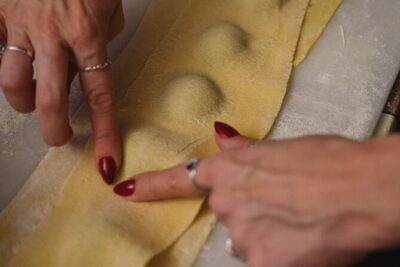
Once the ingredients are selected, the class moves into the cooking portion. Chef Marco teaches the process step by step, including fresh pasta and sauces. Since ravioli is the featured dish, you should expect the dough, filling, shaping, and cooking process to receive the most attention.
This is the kind of lesson where patience matters. Fresh pasta takes more care than opening a package, and ravioli requires attention to sealing and portioning. You will likely spend more time working with texture and technique than simply watching the chef finish a dish.
The value comes from the chance to repeat the method later. A restaurant meal gives you a taste of ravioli, but a cooking class helps you understand how the pasta comes together. Chef Marco is described as taking plenty of time to explain each stage, which should help beginners follow along without feeling lost.
The class is also suitable for people who already cook. One published account describes a couple who love cooking and appreciated how Marco adjusted the session to their interests. That suggests the format is not limited to first-time cooks, though the exact level of customization will depend on the group.
You should keep your expectations realistic. The session is not presented as professional culinary training. It is a practical Italian cooking experience led by a local chef, with enough instruction to make and enjoy the dishes during the class.
Sauces, regional ingredients, and the finished meal
Fresh pasta is only part of the lesson. The chef also covers sauces and the use of regional ingredients, helping you see how the separate components work together. This matters because pasta can be technically correct and still dull if the sauce, seasoning, or produce is poorly handled.
The exact menu is not fixed in the information provided. The ingredients are selected as part of the experience, so the final dishes may depend on what is available and what Chef Marco chooses for the group. That flexibility is a strength for people who like seasonal cooking, though it means you should not book expecting a precise restaurant-style menu beyond the ravioli and dessert focus.
A personalized menu also gives the chef room to respond to dietary needs. The provider asks you to share food restrictions in advance and says the class is designed to accommodate a range of diets. I would do this early rather than waiting until the meeting point, since ingredient choices are made during the class.
Wine and water are included. Wine adds a pleasant touch to the shared meal, while water keeps the arrangement straightforward. Tips for the chef are not included, so set aside a little extra if you feel the instruction and service deserve it.
More Dessert Stops in Sicily:
- Rome: Pasta Making Class with Wine, Limoncello, and Dessert
★ 4.9 · 3,177 reviews - Florence: Handmade Pasta & Dessert Class with Unlimited Wine
★ 4.8 · 788 reviews - Florence: Pasta Class with Wine, Limoncello and Dessert
★ 4.9 · 674 reviews - Rome Cooking Class: Make Pizza and Pasta with Wine & Dessert
★ 4.5 · 651 reviews
The dessert and communal table
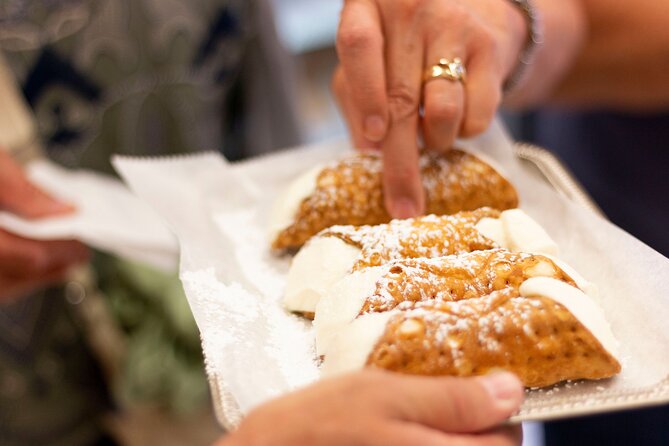
The final stage is a relaxed meal featuring the food you helped prepare. The experience includes a traditional Italian dessert, giving the class a proper ending rather than stopping once the ravioli leaves the pot.
Eating your own work changes the feel of the class. You can compare the result with the techniques you just practiced, and the table becomes a natural place to talk with the chef and the rest of the group. This is especially appealing if you prefer food experiences with a social element.
The meal is not simply a reward. It is also the practical test of the lesson. You get to taste the pasta, sauce, and dessert together, which makes it easier to remember what you learned.
Still, the word communal is important. You are not booking a private dinner for two. The maximum group size is 12, and the shared table may include people with different cooking backgrounds and food preferences. That can be part of the fun, but people seeking a quiet, highly private meal should take note.
What the small group means for you
A maximum of 12 participants is a useful middle ground. It is large enough to create a social meal but small enough that the chef can give individual help. A class of this size should also make the market visit easier to manage than a large coach-style group.
Chef Marco’s teaching style appears especially important here. The available information points to careful explanations and personal attention, including adjustments for the couple who attended. I would expect the quality of your experience to depend partly on how engaged you are. Ask questions, handle the ingredients, and use the chef’s time while you have it.
The class is best for couples, solo food lovers, families with an interest in cooking, and small groups of friends. It also suits people who want an activity with a clear result: you shop, cook, and eat. If you would rather spend two and a half hours sampling food from several restaurants, this is not the right format.
Service animals are allowed, and the class is near public transportation. The meeting point is the address to use when planning your arrival, but no separate transfer is provided or needed after the activity because you return there.
Is $145.77 a fair price?
At $145.77 per person, this is not a budget meal. The price needs to be judged against the whole package: market guidance, chef instruction, ingredients, kitchen equipment, the cooking session, dessert, wine, water, and the meal at the end.
I see the strongest value in the instruction and access to the chef. You are not only paying for food. You are paying for someone to show you how to choose ingredients, make pasta, prepare sauces, and manage the meal from start to finish.
The cost is easier to justify if you plan to use the skills at home. It is also a good fit if food is one of your main reasons for visiting Sicily. On the other hand, if you mainly want to eat ravioli and dessert, a restaurant will cost less and take less time.
The small-group cap helps support the price. A class limited to 12 people offers more chance for questions and hands-on help than a mass-market demonstration. Just remember that the tour is only about two and a half hours, so the value depends on how much you enjoy the teaching as well as the meal.
Practical booking advice for Palermo
You can cancel for a full refund if you do so at least 24 hours before the experience starts. Cancellations made less than 24 hours before the start time are not refunded, and changes inside that window are not accepted. The cut-off follows Palermo local time.
Because confirmation arrives within 48 hours and depends on availability, avoid building an important same-day plan around the class until your booking is confirmed. The minimum group requirement is another reason to keep your schedule flexible.
Tell the provider about dietary needs in advance. The class can accommodate a variety of preferences and restrictions, but advance notice gives the chef a fair chance to plan the ingredients.
Bring an appetite and a willingness to work. The chef supplies the equipment and ingredients, so you do not need to pack cooking tools. The mobile ticket also makes it easy to keep the booking on your phone.
Who should book this cooking class?
I would book this for someone who wants Palermo through its food rather than through a list of monuments alone. The Capo Market opening gives the class a distinctly local setting, while the kitchen lesson turns that market visit into something you can use.
It is especially good for people who like learning by doing. You will get more from it if you want to knead, shape, taste, ask questions, and share the finished meal. Chef Marco’s careful teaching and willingness to tailor the class are strong reasons to choose it.
I would hesitate only if your budget is tight, your schedule cannot spare two and a half hours, or you want a long market tour with many tastings. For everyone else, the combination of shopping, fresh pasta, dessert, and a shared table gives you a meaningful taste of Palermo’s food culture at a manageable length.
FAQ
Where does the ravioli-making class begin?
The class begins at Via Dante, 54, 90141 Palermo, Italy.
Where does the activity end?
The activity ends back at the meeting point on Via Dante.
How long does the cooking class last?
The class lasts approximately 2 hours and 30 minutes.
What market is included in the experience?
The class includes time at Palermo’s Capo Market, where you select fresh ingredients with the chef.
Who leads the cooking class?
Chef Marco leads the class and teaches the pasta, sauce, and ingredient-selection techniques.
Is wine included?
Yes. Wine and water are included in the experience.
Is dessert included?
Yes. The meal includes a traditional Italian dessert.
Are cooking equipment and ingredients provided?
Yes. The chef provides all necessary equipment and ingredients.
Can dietary restrictions be accommodated?
The class is designed to accommodate a variety of dietary needs. You should provide details in advance so the menu can be adjusted where possible.
Just added around Sicily
- Cesarine: Small group Pasta and Tiramisu class in Messina★ 5.0 · 30 reviews
- Catania Home Cooking: Pistachio Ravioli, Sicilian Pasta & Wine★ 4.0 · 11 reviews
- Cesarine: Small group Pasta and Tiramisu class in Catania★ 4.5 · 31 reviews
- Share Your Pasta Love in Local’s Home in Catania★ 5.0 · 9 reviews
- Share Your Pasta Love in Local’s Home in Messina★ 5.0 · 3 reviews
- Private Pasta & Tiramisu Class at a Cesarina’s home with tasting in Siracusa★ 5.0 · 2 reviews
- Cesarine: Pasta & Tiramisu Class at Local’s Home in Palermo★ 5.0 · 25 reviews
- Palermo: Small Group Pizza Making Class with Wine and Soft Drinks★ 5.0 · 6 reviews
Sicily Pasta Classes, compared.
Pasta and Tiramisu Small Group Cooking Class with Wine
Read our review →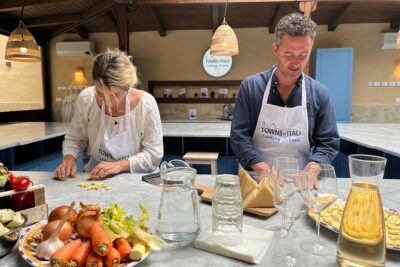
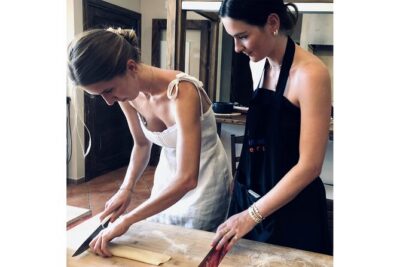
Sea Villa Cefalù: Hands-on 4-Course Pasta Cooking Class & Wine
Read our review →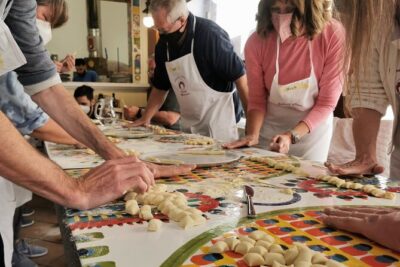
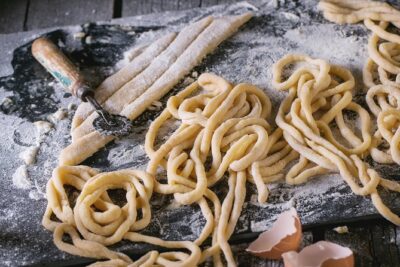
Cesarine: Small group Pasta and Tiramisu class in Catania
Read our review →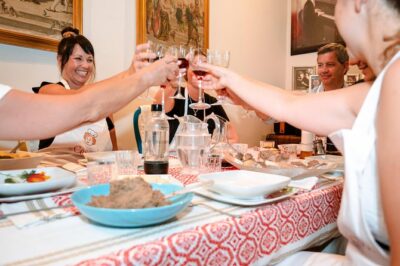
Cesarine: Small group Pasta and Tiramisu class in Messina
Read our review →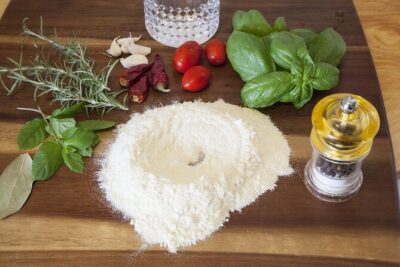
Cesarine: Pasta & Tiramisu Class at Local’s Home in Palermo
Read our review →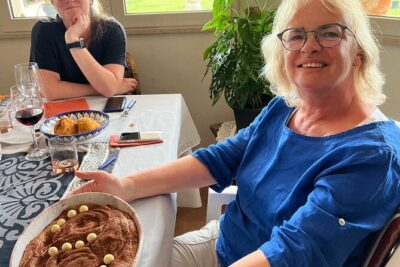
Browse the lists this tour appears in