
REVIEW · SICILY
Palermo: Pasta and Tiramisu Small Group Cooking Class with Wine
Palermo’s best cooking lessons do more than show you how to stir a sauce. This three-hour class takes you behind a working Italian restaurant, where you make fresh pasta and tiramisu before sitting down to eat the meal you prepared. You begin with Prosecco, then work through pasta dough, ravioli, fettuccine, sauces, and dessert.
I like the small cap of 12 people, which keeps the class social without turning it into a noisy production line. I also like the practical mix of food and drink: Prosecco on arrival, wine with the meal, and non-alcoholic drinks for those who prefer them. The main caution is dietary: the traditional recipes use gluten, eggs, and dairy, and the kitchen cannot promise a completely cross-contamination-free meal.
Key points to know before booking
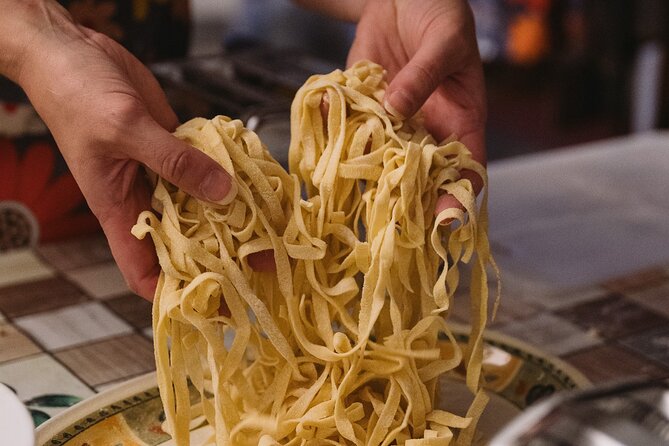
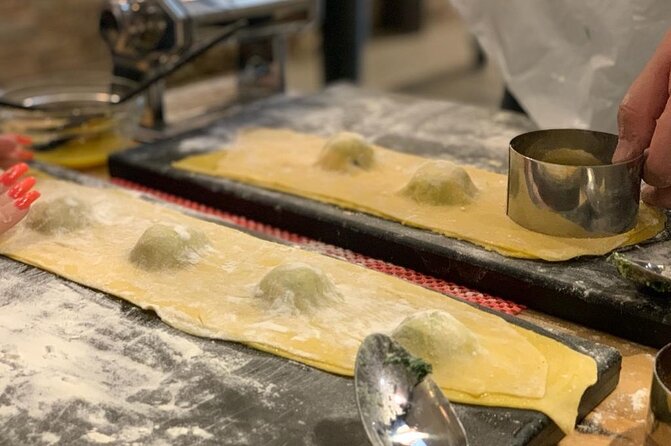
- You make two fresh pasta dishes: fettuccine with tomato sauce and ricotta-spinach ravioli with butter and sage.
- Tiramisu is prepared during the class, so dessert is part of the cooking rather than an afterthought.
- The group is capped at 12 people, a useful size for hands-on instruction and meeting other visitors.
- The class is conducted in English, with step-by-step help on flour, dough, pasta shapes, and sauces.
- Drinks are included: welcome Prosecco, red and white wine, soda, and other non-alcoholic options.
- The class starts and ends at Piazza Bologni 22 in Palermo, and the activity lasts about three hours.
What makes this Palermo cooking class worthwhile
A cooking class is a good choice in Palermo when you want more than another meal at a restaurant. Here, you learn how the meal comes together, then eat it at the same table. That simple pattern gives the evening a clear rhythm: arrive, cook, sit down, and enjoy the results.
The food also has enough variety to make the lesson feel substantial. You are not making one basic pasta shape and calling it dinner. The menu includes fettuccine with tomato sauce, ricotta and spinach ravioli with butter and sage, and tiramisu. You work with both filled and unfilled pasta, so you get a useful introduction to different techniques.
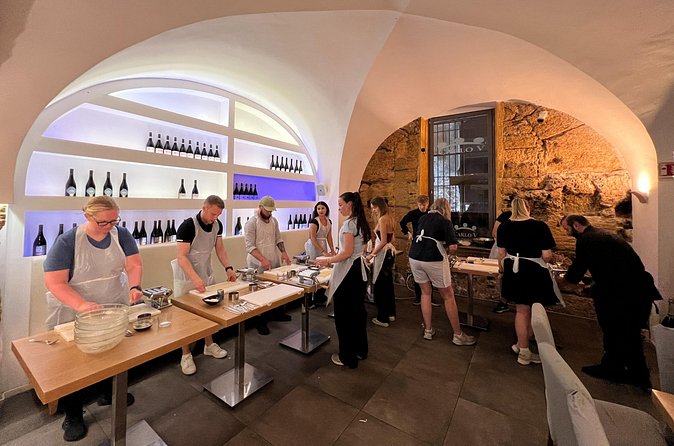
The setting adds a little interest. You meet at Carlo V on Piazza Bologni, then enter the back of the restaurant to see how a working Italian kitchen is organized. The class is not simply held in a detached teaching studio. That restaurant connection helps you understand how pasta moves from flour and filling to a finished plate.
The class has a rating of 4.9 from 348 reviews, with 98 percent of participants recommending it. Those numbers do not remove the need to check your dietary needs, but they do point to a strong record for organization, food quality, and atmosphere.
More Tiramisu Classes in Sicily:
- Cesarine: Small group Pasta and Tiramisu class in Catania
★ 4.5 · 31 reviews - Cesarine: Small group Pasta and Tiramisu class in Messina
★ 5.0 · 30 reviews - Cesarine: Pasta & Tiramisu Class at Local’s Home in Palermo
★ 5.0 · 25 reviews
Arriving at Piazza Bologni 22
The meeting point is Carlo V, Piazza Bologni 22, in Palermo. The activity ends at the same place, so you do not need to arrange a separate return transfer or find your way to a second location after dinner.
You receive confirmation when you book, and a mobile ticket is accepted. The meeting point is near public transportation, which helps if you are staying outside the historic center. Still, give yourself enough time to reach Piazza Bologni. A cooking class is not the kind of appointment where arriving late is easy to absorb, since the group begins together.
The first welcome is a glass of Prosecco. This is a pleasant start, but it also serves a practical purpose. It gives the group time to arrive, settle in, and meet one another before the work begins.
The group size matters here. With a maximum of 12 people, you get the social side of a shared meal without the scale of a large demonstration. You should expect to work alongside others rather than receive a private lesson, but the small cap gives the instructor a reasonable chance to guide the room.
From restaurant table to working kitchen
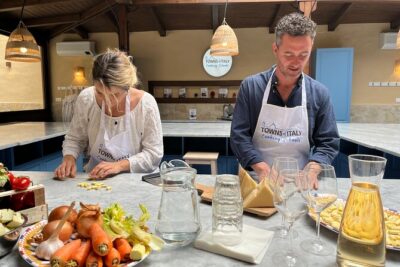
After the welcome drink, you head behind the scenes and tie on an apron. The class moves to prepared workstations in the kitchen, where the instructor takes you through the recipes in stages.
One of the useful parts of the lesson is the explanation of flour and pasta types. You learn how to prepare pasta dough, what sort of flour to use, and the difference between pasta fresca and pasta secca. These terms are easy to see on a menu and harder to understand until you have handled the dough yourself.
The class focuses on traditional recipes rather than trying to modernize Italian food for a quick tourist demonstration. That makes the instruction useful after you return home. You are learning the basic structure of pasta dough, fillings, and sauces, not simply watching someone else plate a dish.
The teaching style can vary by session, but Simone has been described as both skilled and entertaining. That combination matters in a cooking class. Clear instructions keep the food moving, while a relaxed manner helps beginners ask questions without feeling they are slowing everyone down.
Making tiramisu before dinner
The tiramisu portion gives you an easy start because it does not require the same hand skills as filled pasta. You prepare the dessert first, then set it aside while the rest of the meal comes together.
This is a smart order for a three-hour class. Tiramisu needs time to rest, and making it early means dessert is ready when you reach the final meal. It also gives you a quick success before the more detailed pasta work begins.
You should expect a traditional version built around the usual ingredients, including dairy and eggs. If tiramisu is one of the reasons you are booking, remember that the class is not designed around vegan or allergy-free cooking. Substitutions may be available for some food preferences, but the instruction remains focused on the traditional recipe.
More Pasta Classes with Wine in Sicily:
- Sea Villa Cefalù: Hands-on 4-Course Pasta Cooking Class & Wine
★ 5.0 · 63 reviews - Catania Home Cooking: Pistachio Ravioli, Sicilian Pasta & Wine
★ 4.0 · 11 reviews - Palermo: Small Group Pizza Making Class with Wine and Soft Drinks
★ 5.0 · 6 reviews - Gourmet Pizza Workshop and Wine Tasting
★ 4.0 · 5 reviews
Fresh dough, fettuccine, and ravioli
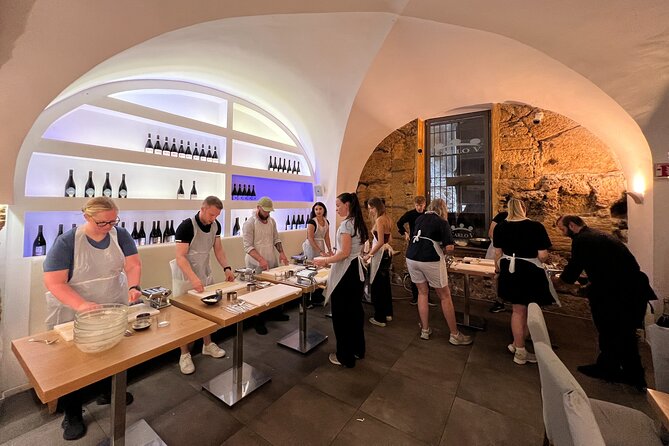
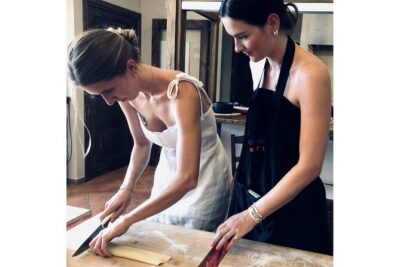
The heart of the class is the pasta. You prepare fresh dough and learn how it differs from dried pasta. That distinction is more than a vocabulary lesson. Fresh pasta has a different texture and cooking time, and the dough needs to be handled with care.
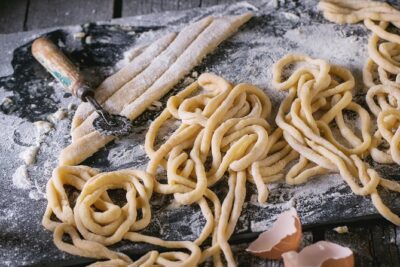
The menu gives you two useful pasta formats. Fettuccine with tomato sauce is direct and familiar. It lets you focus on rolling, cutting, and cooking the noodles, while the tomato sauce keeps the finished dish simple enough for the pasta to remain the main point.
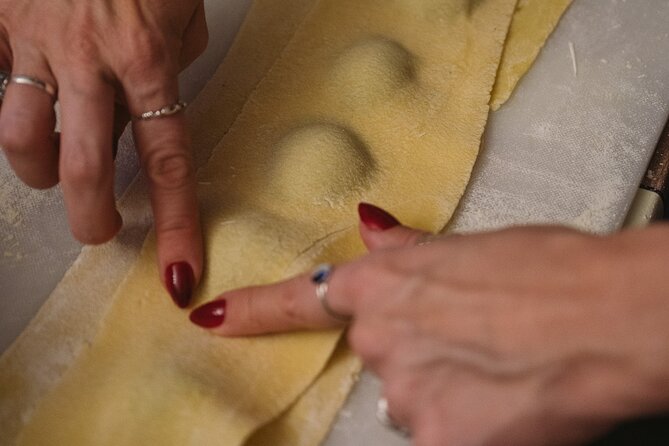
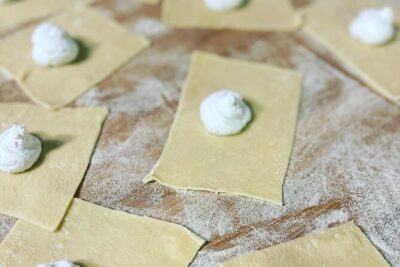
The ricotta and spinach ravioli adds another level of work. You need to manage the filling, close the pasta, and avoid leaving gaps around the edges. The butter and sage sauce is a classic match for stuffed pasta because it does not bury the ricotta and spinach under a heavy sauce.
This combination is one of the strongest parts of the class. You learn a long pasta shape and a filled shape in the same session. If you are hoping to take one technique home, fettuccine is the easier starting point. If you want a more memorable kitchen project, ravioli gives you the better challenge.
The instructor guides you step by step, so you do not need advanced cooking skills. Most people can participate, but you should still expect to stand, handle dough, and follow instructions at a steady pace.
Sitting down to eat what you made
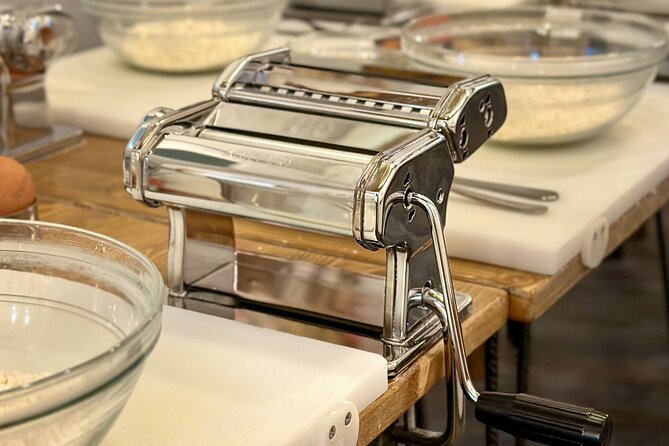
Once the cooking is finished, you return to the table and eat the meal together. The pasta you prepared is cooked and served, which means you do not have to worry about managing a crowded kitchen while also trying to enjoy dinner.
Drinks are part of the meal. You can choose from Prosecco, red wine, white wine, soda, and other non-alcoholic beverages. Wine drinkers get a natural pairing for the pasta, while anyone avoiding alcohol has an alternative rather than being left with water alone.
The communal meal is important to the character of the class. You are not only learning recipes. You are sharing a table with a small group, comparing the pasta you made, and getting a relaxed end to the session. Solo participants should find this format especially helpful because the group naturally creates conversation around the cooking.
The meal is also a useful test of the lesson. You get to taste the effect of fresh dough, the texture of the ravioli, and the balance of the sauces while the instructions are still fresh in your mind.
The real value of the $83.48 price
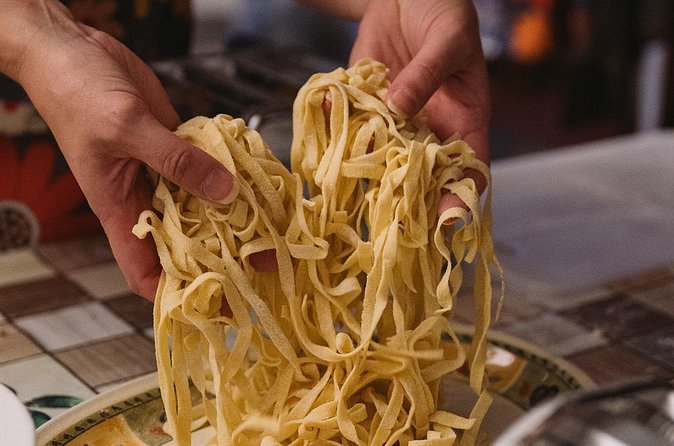
At $83.48 per person, this is not the cheapest meal you can buy in Palermo. It is also not just a restaurant dinner. The price includes about three hours of instruction, the ingredients, the meal you prepare, Prosecco, wine, other drinks, and dessert.
For me, the value depends on how you like to spend an evening. If you want a quick, inexpensive plate of pasta, a neighborhood restaurant will cost less and take less time. If you want dinner plus a practical activity, the price is more reasonable because you are paying for both the class and the meal.
The small group improves that calculation. A maximum of 12 people is more manageable than a large class where you only watch a chef work. You still share the kitchen, but the format gives you a better chance to handle the ingredients and receive direct help.
You also receive the recipes to take home. That is a modest but useful extra. A good cooking class should leave you with something you can repeat, and the recipes make it easier to prepare the pasta and tiramisu after your trip.
Since the activity is booked an average of 20 days ahead, popular dates may fill early. If this is important to your Palermo plans, it makes sense to reserve before you arrive rather than wait until the last evening.
Dietary restrictions need careful attention
This class is not recommended for people with egg allergies, vegans, lactose-intolerant diners, or anyone with gluten intolerance or a gluten allergy. The traditional menu uses eggs, dairy, and wheat, and those ingredients are central to both the pasta and tiramisu.
Substitutions can be offered for some allergies or food preferences, but the teaching still centers on the traditional recipes. The kitchen cannot guarantee complete protection from cross-contamination. If even trace contact is a serious health concern, I would choose a different activity with a kitchen built specifically for your needs.
Vegetarians may find the menu workable, since the listed pasta dishes use tomato, ricotta, spinach, butter, and sage rather than meat. Still, you should state your requirements when booking so the staff can explain what is possible.
The key point is to treat substitutions as an accommodation, not as a fully separate lesson. You may receive an adjusted ingredient, but the class will still show the classic preparation.
Who should book this class
I would recommend this class to first-time visitors who want a social evening in Palermo and to home cooks who would like a hands-on introduction to fresh pasta. It also fits solo participants, since the capped group and shared meal make it easier to meet people than at a restaurant table alone.
Families and mixed-ability groups may also find it appealing because the recipes are familiar and the instructor provides step-by-step guidance. The three-hour length is long enough to feel worthwhile without taking an entire day away from Palermo.
You should think twice if you dislike group activities, need a strictly private class, or want a menu built around local meat and seafood. This is a traditional pasta and tiramisu lesson with a communal meal, not a broad survey of Sicilian cuisine.
It is also a poor match for anyone who cannot safely eat gluten, dairy, or eggs. The class can offer some substitutes, but the core instruction does not change.
Booking, timing, and cancellation
The class lasts approximately three hours and is offered in English. Confirmation arrives at booking, and the mobile ticket is accepted. The activity starts and ends at Piazza Bologni 22.
Free cancellation is available if you cancel at least 24 hours before the local start time. Canceling within 24 hours, or making changes during that period, does not qualify for a refund.
That policy is fairly standard, but it is worth noting because cooking classes purchase ingredients and organize staff around a fixed group size. Check your Palermo schedule before booking, especially if your arrival or departure plans are still uncertain.
Should you book the Palermo pasta class?
Book it if you want to make the food rather than simply order it. The strongest reasons are the two pasta styles, the tiramisu, the small group of 12, the included drinks, and the chance to sit down with the meal you prepared.
The class offers particularly good value for solo visitors, couples, and friends who want a shared evening with a clear activity at its center. Simone may lead your session, and the instruction is designed for English speakers, so you can focus on the dough rather than worry about a language barrier.
Skip it if you need a fully allergy-safe kitchen, dislike communal dining, or are mainly looking for a cheap dinner. For everyone else, $83.48 buys a useful skill, a complete meal, wine and Prosecco, and a pleasant way to spend three hours in central Palermo.
FAQ
Where does the cooking class start?
The class starts at Carlo V, Piazza Bologni 22, 90100 Palermo, Italy.
Where does the activity end?
The activity ends back at the meeting point on Piazza Bologni.
How long does the class last?
The class lasts approximately three hours.
What language is the class offered in?
The class is offered in English.
How many people can join the class?
The group has a maximum of 12 participants.
What pasta dishes are included?
You prepare fettuccine with tomato sauce and ricotta and spinach ravioli with butter and sage.
Is tiramisu included?
Yes. Tiramisu is prepared during the class and served as dessert.
What drinks are included?
The class includes a welcome glass of Prosecco, plus red wine, white wine, soda, and other non-alcoholic beverages.
Can people with food allergies participate?
Substitutions may be available for some allergies or food preferences, but the traditional instruction uses gluten, dairy, and eggs. The kitchen cannot guarantee that there will be no cross-contamination.
What is the cancellation policy?
You can cancel at least 24 hours before the local start time for a full refund. Cancellations or changes made less than 24 hours before the start time are not refunded.
More Wine Tastings in Sicily
- Florence: Pasta Cooking Class with Unlimited Wine
★ 4.9 · 10,285 reviews - Florence: Pasta & Tiramisu Cooking Class with Unlimited Wine
★ 4.9 · 6,708 reviews - Florence: Pasta Cooking Class with Unlimited Wine
★ 5.0 · 6,413 reviews - Rome: Pasta & Tiramisu Class with Fine Wine by the Vatican
★ 4.9 · 4,852 reviews
More Small Group Classes in Sicily
- Cesarine: Small group Pasta and Tiramisu class in Siracusa
★ 5.0 · 8 reviews - Milan: Pasta and Tiramisu Small Group Cooking Class with Wine
★ 5.0 · 660 reviews - Florence Small-Group Pasta Class with Seasonal Ingredients
★ 5.0 · 532 reviews - Rome: Pizza Making Class Small Group Experience
★ 5.0 · 487 reviews
Just added around Sicily
- Cesarine: Small group Pasta and Tiramisu class in Messina★ 5.0 · 30 reviews
- Catania Home Cooking: Pistachio Ravioli, Sicilian Pasta & Wine★ 4.0 · 11 reviews
- Cesarine: Small group Pasta and Tiramisu class in Catania★ 4.5 · 31 reviews
- Share Your Pasta Love in Local’s Home in Catania★ 5.0 · 9 reviews
- Ravioli Making Class in Palermo and Dessert★ 5.0 · 2 reviews
- Share Your Pasta Love in Local’s Home in Messina★ 5.0 · 3 reviews
- Private Pasta & Tiramisu Class at a Cesarina’s home with tasting in Siracusa★ 5.0 · 2 reviews
- Cesarine: Pasta & Tiramisu Class at Local’s Home in Palermo★ 5.0 · 25 reviews
Sicily Pasta Classes, compared.
Sea Villa Cefalù: Hands-on 4-Course Pasta Cooking Class & Wine
Read our review →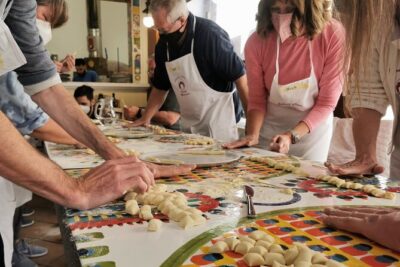
Cesarine: Small group Pasta and Tiramisu class in Catania
Read our review →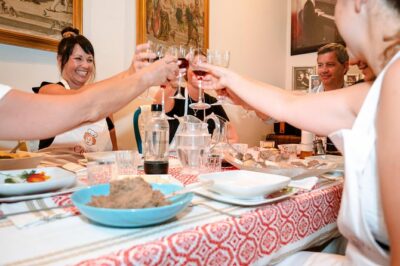
Cesarine: Small group Pasta and Tiramisu class in Messina
Read our review →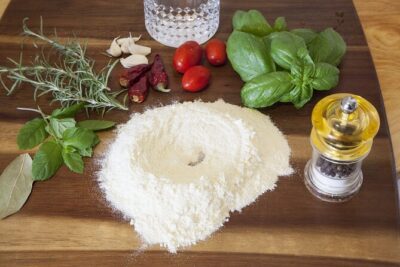
Cesarine: Pasta & Tiramisu Class at Local’s Home in Palermo
Read our review →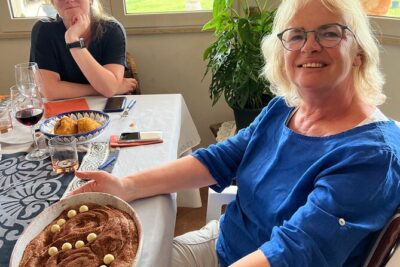
Browse the lists this tour appears in