
REVIEW · ROME
Rome: 3-in-1 Fettuccine, Ravioli, and Tiramisu Cooking Class
Fresh pasta is the point here, but the real pleasure is learning how simple ingredients become a full Italian meal. You make fettuccine, ravioli, and tiramisu from scratch, then sit down to eat what you prepared with a glass of wine. I like the clear, hands-on format and the chance to learn sauce pairings you can use at home.
I also like the social side. Classes can include around 19 or 20 people, so you meet fellow cooks from several countries while the chef moves around to help. The main consideration is pace: fitting three dishes into one session can feel rushed for some people, and the chef may not sit down to eat with the group.
Quick takeaways from this Rome cooking class
- Three Italian classics in one session: Make tiramisu first, then fresh pasta dough, fettuccine, and filled ravioli.
- Central Rome setting: Meet at Restaurant Gusto on Via Giuseppe Zanardelli 14, close to the city center.
- English instruction: Chefs including Lori, Carlotta, Mattia, Tommy, Leo, Mimi, and others lead the classes.
- A full meal is included: Eat fettuccine with your choice of tomato and basil, cacio e pepe, or amatriciana, plus ravioli with butter and sage.
- Drinks finish the meal: You receive wine or a non-alcoholic drink, followed by limoncello or coffee.
- Best for hands-on beginners: The class suits couples, families with older children, and anyone who wants practical recipes rather than a formal demonstration.
Why make pasta in Rome?
Rome is full of excellent restaurants, so you do not take a cooking class to save money on dinner. You take it to understand what is on the plate. Once you have worked a dough by hand, shaped ravioli, and watched fresh pasta cook, a restaurant meal becomes easier to appreciate.
This class gives you three useful lessons in one sitting. Tiramisu teaches a no-bake dessert. Fettuccine introduces pasta dough and sauce pairing. Ravioli adds filling, sealing, and shaping. You leave with a small set of skills you can repeat at home, rather than just a pleasant meal you cannot recreate.
I especially like the balance between cooking and eating. Some classes spend most of the time watching an instructor. Here, you are expected to take part, and the finished food becomes lunch or dinner. That makes the $81 price easier to justify, especially when you count the instruction, meal, water, and two drinks.
More Ravioli and Gnocchi Classes in Rome
- 3 in 1 Cooking Class near Navona: Fettuccine, Ravioli & Tiramisu
★ 5.0 · 7,376 reviews - Rome: Fettuccine Pasta Cooking Class in Rome’s City Center
★ 4.8 · 2,414 reviews - Become a Masterchef in Rome: Pasta, Ravioli and Tiramisù Class
★ 5.0 · 2,156 reviews
Arriving at Restaurant Gusto on Via Giuseppe Zanardelli
The meeting point is Restaurant Gusto, Via Giuseppe Zanardelli 14, in central Rome. Check your confirmation for the exact starting time, since the available sessions can vary. Build in a little extra time to find the restaurant, particularly if you are coming from a crowded sightseeing area.
The setting is a restaurant rather than a large culinary school. That matters in a good way: you cook and then eat in the same place, without having to move across town for the meal. The room has been described as pleasant, clean, and comfortable, with air conditioning appreciated during hot weather.
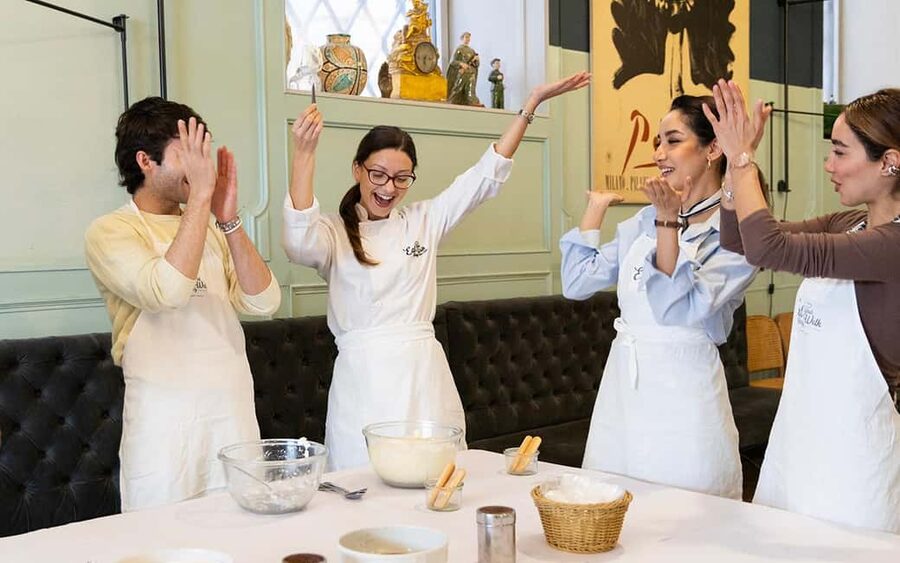
The class size can be fairly large. One group had about 19 people, and another had around 20. That is not an intimate lesson for two or three cooks, but it does create a friendly group atmosphere. The chef normally keeps the class moving while checking individual work.
If you need extra help, say so early. The strongest instructors, including Lori, Mattia, Tommy, Leo, and Carlotta, are repeatedly praised for walking around, offering corrections, and making sure quieter participants are included. A larger class works best when you take an active role rather than waiting for the chef to come to you.
Starting with tiramisu
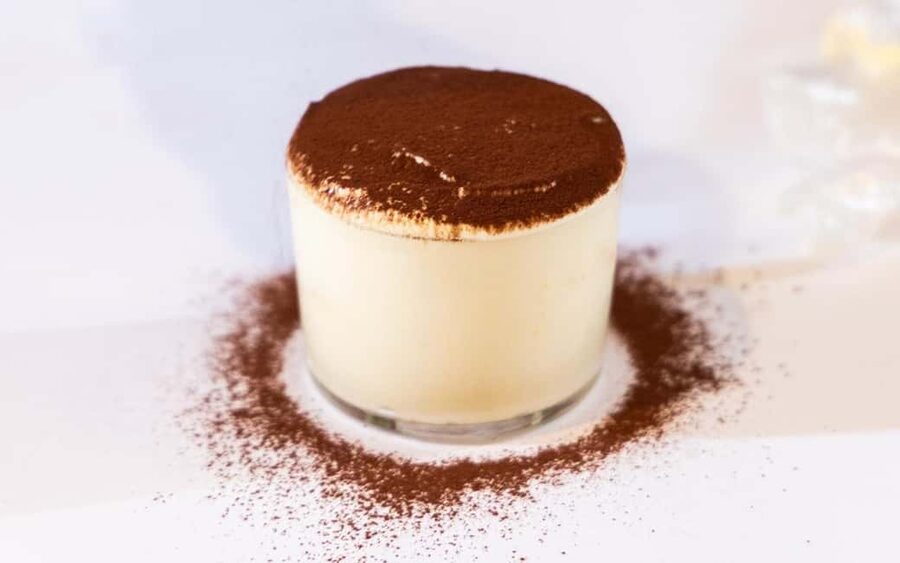
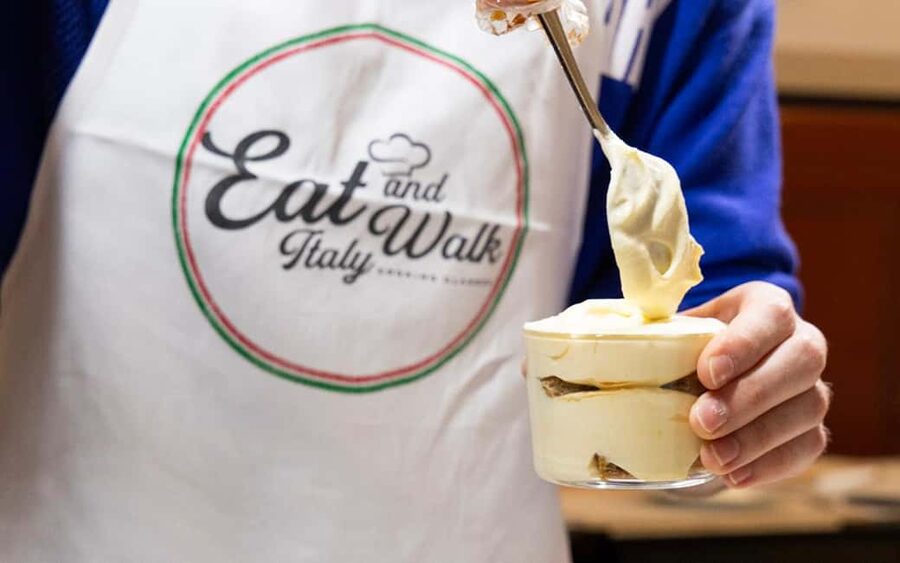
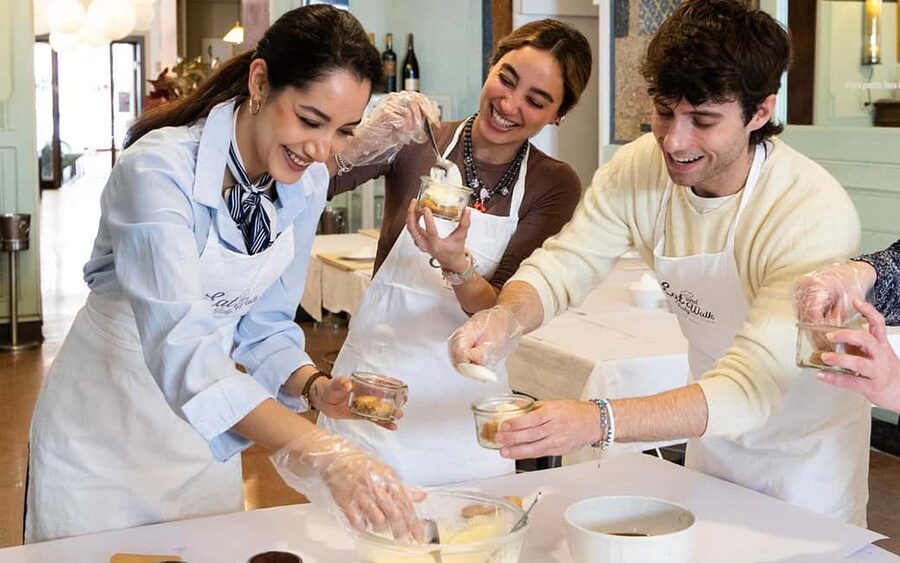
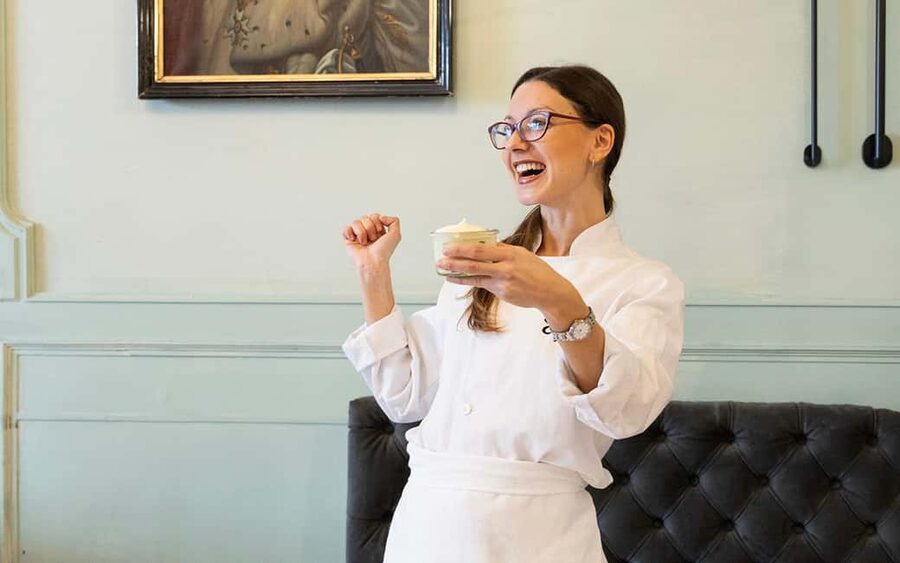
The class begins with tiramisu, which is a smart choice. The dessert needs time to rest, so preparing it first gives it time to settle while you work on the pasta. You learn the method before moving into the more physical part of the class.
The instruction is designed for ordinary home cooks. Several participants praised the clear explanations and simple steps, while others said they learned an easier approach than the one they had used at home. That makes this more useful than a flashy demonstration. You can pay attention to the order of the steps and ask questions as you go.
Tiramisu is also a low-pressure way to start. You do not need to roll dough or shape anything yet. If you are cooking with children, teenagers, or a family member who does not cook often, the dessert gives everyone an early success before the flour appears.
The class is not suitable for children under four. Older children and teenagers can enjoy it, but remember that the session involves several stages and some standing or close work around a shared cooking area. One family found that even skeptical teenagers became interested once they started making the food.
Rolling dough for fettuccine and ravioli
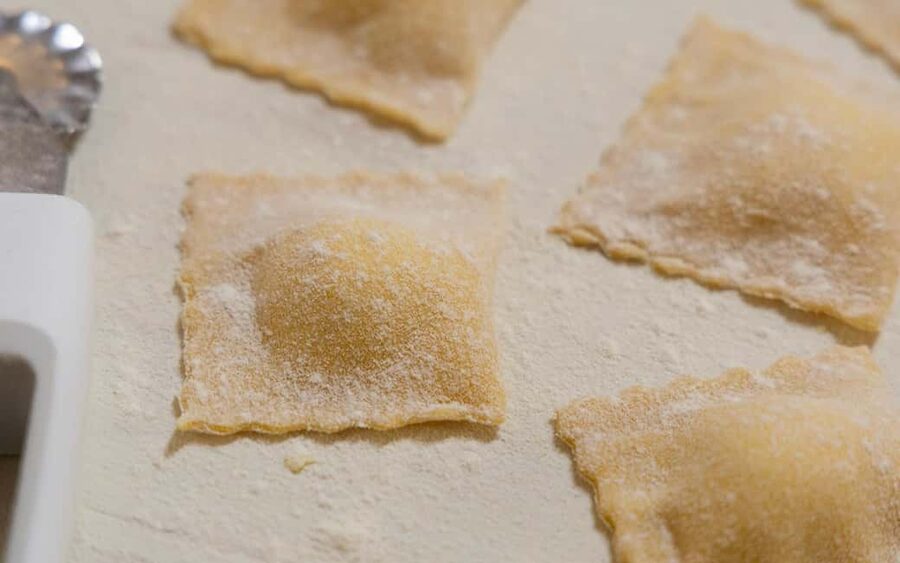
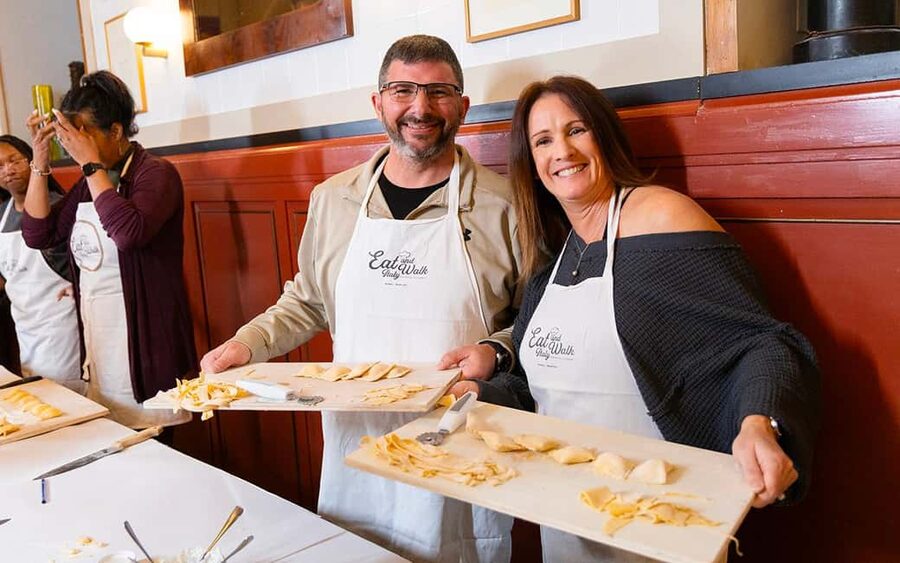
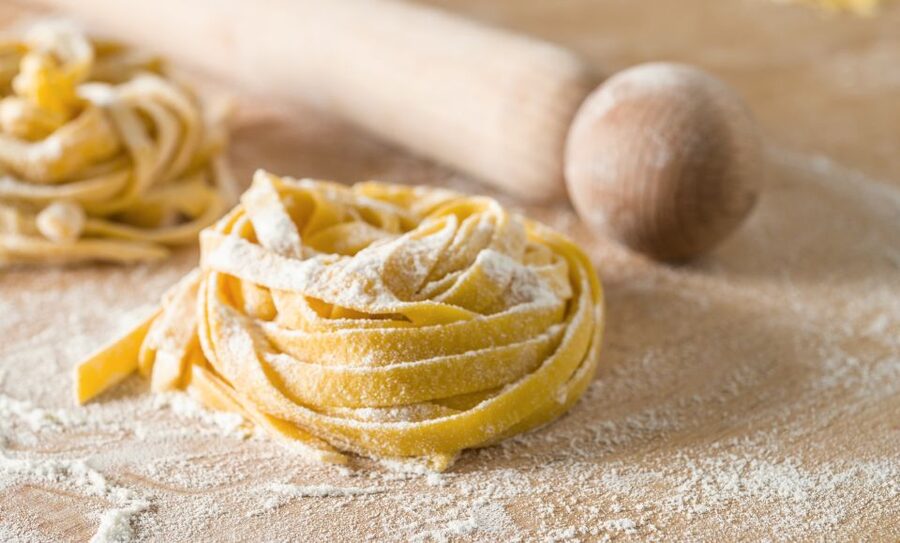
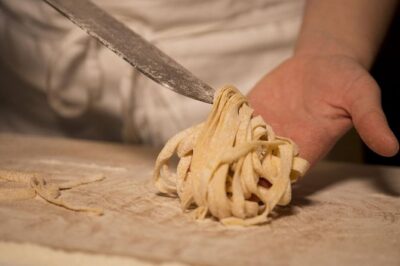
The heart of the class is the pasta dough. Under the chef’s guidance, you learn how to combine and work the dough, then turn it into two different pasta shapes. This is where the workshop earns its keep.
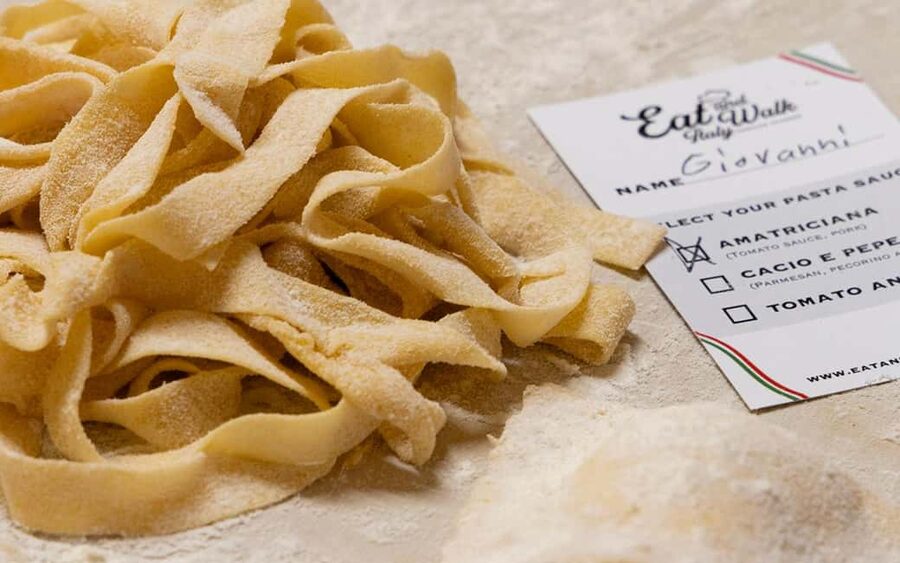
Fettuccine is the simpler form. You learn to roll and cut the dough into ribbons, then select a sauce. The available choices are tomato and basil, cacio e pepe, or amatriciana. These options give you a quick lesson in how one pasta shape can work with different styles of sauce.
Ravioli takes more care. You add filling, fold the pasta, and seal the edges. The class pairs it with butter and sage, a straightforward sauce that lets the fresh pasta and filling do the work. You also learn which fillings suit different seasons, a useful idea if you want to adapt the recipe at home.
Do not expect a quiet, private cooking lesson. The chef demonstrates, then the group follows along. Some people work quickly, while others need more help with the dough or shaping. The better approach is to accept that your first ravioli may look a little uneven. It will still taste good.
A few participants felt rushed while handling all three dishes. That is the chief weakness of the format. You get variety, but variety takes time. If your main goal is to master pasta technique in great detail, a class devoted to one type of pasta would offer more practice. If your goal is a lively introduction to several Italian staples, this arrangement works well.
More Tiramisu Classes in Rome
- Rome: Pasta & Tiramisu Class with Fine Wine by the Vatican
★ 4.9 · 4,852 reviews - Learn to Make Pasta & Tiramisu with Wine and Limoncello Included
★ 5.0 · 2,345 reviews - Fettuccine & Tiramisù: Cooking Class with Wine & Limoncello
★ 4.9 · 2,103 reviews - Rome: Pasta & Tiramisu Cooking Class near the Spanish Steps
★ 4.8 · 1,395 reviews
Choosing a sauce and learning useful pairings
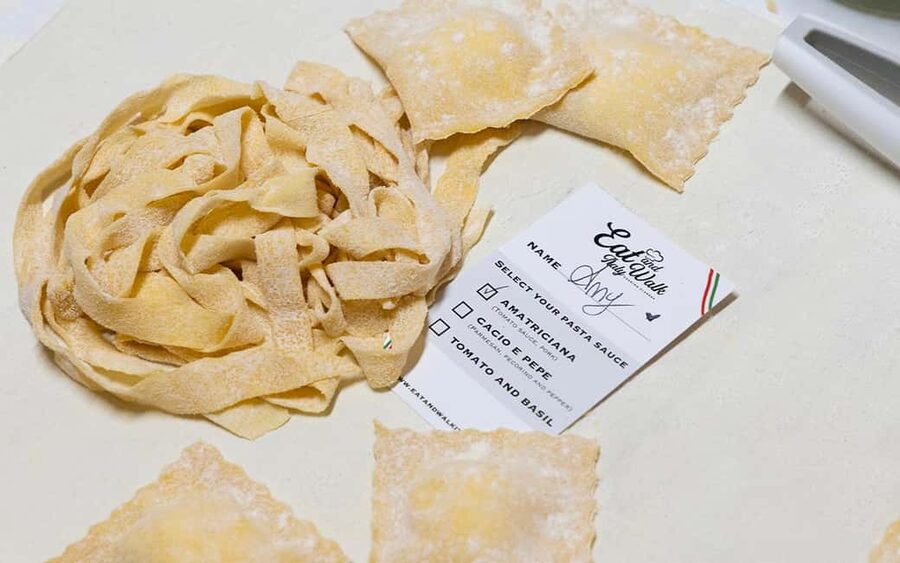
The sauce choice adds a small but valuable decision to the meal. Tomato and basil is familiar and fresh. Cacio e pepe is closely tied to Roman cooking and depends on a smooth combination of cheese, pepper, and pasta water. Amatriciana brings a stronger, more savory flavor.
The class does not simply hand you a plate. The chef explains pairings and offers ideas for other pasta shapes. That information is worth remembering. A long, thin pasta such as fettuccine calls for a different approach from filled pasta, and a heavy sauce can hide a delicate filling.
You may not leave with a printed recipe. One participant specifically wished for a free receipt, likely meaning recipe sheet, to take home. So bring a phone or small notebook if you want to record measurements and instructions. Do not assume every detail will be supplied in writing.
The English instruction is a major advantage for international visitors. Chefs such as Lori, Carlotta, Mimi, Mattia, Tommy, Leo, Furio, Maria, and Valentina have been praised for using clear explanations, humor, and patient demonstrations. The chef assigned to your session may differ, but the teaching style is built around participation rather than a lecture.
Sitting down to eat what you made
After the cooking, you sit down to eat your fettuccine, ravioli, and tiramisu. This is the payoff, and it gives the class a proper ending rather than sending you back into Rome with raw dough and a pat on the back.
The included meal is substantial for a cooking activity. You receive fettuccine with your selected sauce, ravioli with butter and sage, and tiramisu. Water is included, along with either a glass of wine or a non-alcoholic beverage. You then receive limoncello or coffee.
The meal is also social. You share the table with the people from your group and compare the shapes and results of your pasta. Several couples used the activity for a birthday or a special trip, while others enjoyed meeting people from around the world. It is a good way to turn a standard meal into an evening you will remember.
There is one small limitation. The chef may remain busy helping the group rather than sitting down to eat with you. If you want a long conversation with the instructor over dinner, this may disappoint. The chef’s job is to manage the class, and the format generally treats the meal as your time to relax.
One practical note concerns the wine. One participant found white wine served warm. That may not happen in every session, but it is worth keeping expectations sensible. The drinks are a pleasant inclusion, not the reason to book the class.
How the three-hour schedule feels
The advertised duration is three hours, though one participant described a session lasting about two hours. Your exact timing may depend on the group, the pace of the chef, and how quickly the restaurant can serve the finished food.
Plan this as a substantial block in your Rome day. Do not place it between two tightly scheduled museum visits. You need time to arrive, cook, eat, and leave without watching the clock.
The pace is active but not athletic. You move between demonstrations, hands-on work, and waiting for instructions. A chef such as Tommy or Leo may keep the group moving with jokes and quick guidance, while another instructor may spend more time correcting individual technique.
I would schedule the class on a day when you can take a slower afternoon or evening afterward. You will have eaten a full meal, and the social pace can be more tiring than expected if you are already worn out from sightseeing.
Who will enjoy this class most?
This is a strong match for first-time pasta makers. You do not need previous cooking experience, and the instructors are used to helping people at different skill levels. The class also works well for couples, birthday groups, families, and friends who want a shared activity.
It is particularly good for people who prefer making something to simply looking at monuments. Rome has plenty of tours where you listen and move on. Here, you use your hands, make mistakes, and eat the result.
Older children and teenagers can enjoy it, especially if they are willing to participate. One group included people ranging from 15 to 83, and the chef kept the pace manageable for everyone. Children under four are not accepted.
You should think twice if you dislike group activities, need a quiet private lesson, or want a very technical pasta course. A class of roughly 19 or 20 people cannot offer constant one-on-one attention. The chef will help, but you need to stay engaged and ask when you need assistance.
The experience is wheelchair accessible. Pets are not allowed.
Is $81 a fair price?
At $81 per person, the price is reasonable for central Rome if you value the activity as both a lesson and a meal. You receive roughly two to three hours of instruction, three prepared dishes, wine or a non-alcoholic drink, limoncello or coffee, and water.
A restaurant dinner alone might cost less or more depending on your choices, but it would not teach you how to make the food. The value comes from combining dinner with a practical skill and a social evening.
The price feels best for couples and small groups who want an organized activity with a clear result. It feels less attractive if you only want to eat excellent pasta, since Rome offers many places to do that without spending time at a work table.
You can reserve now and pay later, which helps if your Rome plans are still shifting. Free cancellation is available up to 24 hours before the activity for a full refund. Those terms make it easier to fit the class into a changing schedule.
Final decision: should you book it?
I would book this class if you want a friendly, hands-on break from sightseeing and like the idea of eating a meal you helped make. The strongest features are the three-part menu, the English-speaking chefs, and the relaxed group spirit. Instructors such as Lori, Carlotta, Mattia, Tommy, and Leo have shown that a large class can still feel personal when the chef keeps moving and checks each table.
Go in expecting a lively group workshop, not a private chef lesson. Bring a phone to record recipes, allow the full three hours, and understand that the pace may feel quick. If those conditions suit you, this is a good-value Rome experience that gives you both dinner and skills to take home.
FAQ
Where does the cooking class meet?
The meeting point is Restaurant Gusto at Via Giuseppe Zanardelli 14 in central Rome.
How long does the class last?
The advertised duration is three hours. Some sessions may finish closer to two hours, depending on the pace of the group and meal service.
What food do I make?
You make tiramisu, fresh fettuccine, and ravioli from scratch. The fettuccine comes with tomato and basil, cacio e pepe, or amatriciana. The ravioli is served with butter and sage.
What drinks are included?
You receive water, a glass of wine or a non-alcoholic beverage, and either limoncello or coffee.
Is the class taught in English?
Yes. The instructor language is English.
Is the activity wheelchair accessible?
Yes, the activity is wheelchair accessible.
Can young children attend?
Children under four are not suitable for the class. Older children may attend, and teenagers have taken part successfully.
Can I cancel or pay later?
You can cancel up to 24 hours in advance for a full refund. You can also reserve your place and pay later.
Just added around Rome
- Rome: Pasta and tiramisu class with wine pairing at Come Na Vorta★ 5.0 · 30 reviews
- Spritz and Pasta! Spritz, Fettuccine & Tiramisù★ 5.0 · 2 reviews
- Rome: Vespa Tour with Photographer and Tiramisu treat★ 4.5 · 61 reviews
- Walking Tour & Pizza Making★ 4.0 · 2 reviews
- Trastevere Food Tour with Pasta-Making Class★ 5.0 · 5 reviews
- Rome: Private Vespa Tour and Professional Photoshoot★ 5.0 · 22 reviews
- Traditional Pasta Cooking Class with Tiramisu Small Group★ 5.0 · 7 reviews
- Tiramisu and Gelato Creation in Authentic Roman Dessert Workshop★ 4.5 · 3 reviews
Rome Pasta Classes, compared.
3 in 1 Cooking Class near Navona: Fettuccine, Ravioli & Tiramisu
Read our review →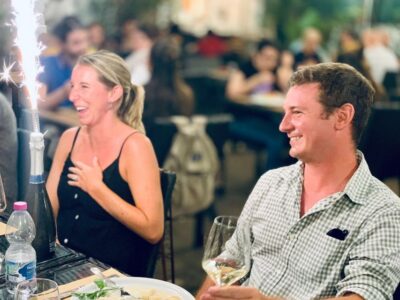
Pasta & Tiramisu Class with Fine Wine by the Vatican
Read our review →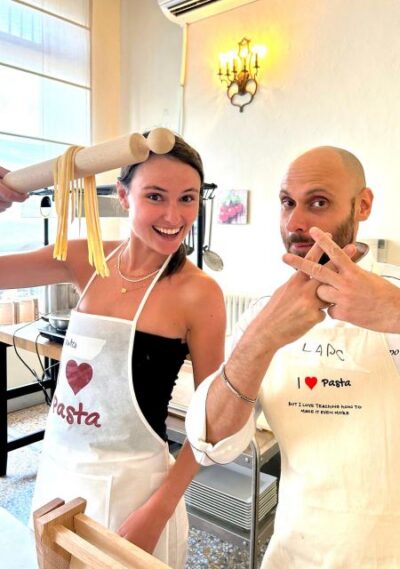
Pasta Making Class with Wine, Limoncello, and Dessert
Read our review →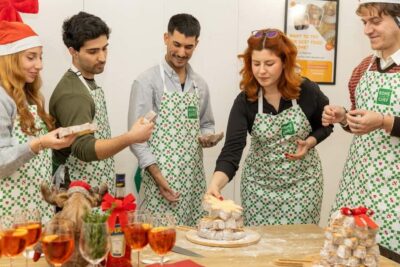
Rome Cooking Class: Make Pasta and 3 Spritz Cocktails
Read our review →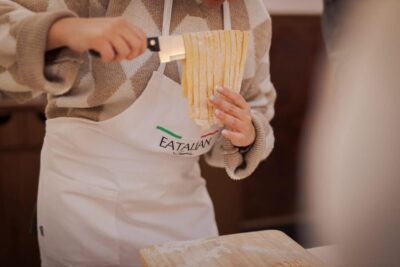
Fettuccine Pasta Cooking Class in Rome’s City Center
Read our review →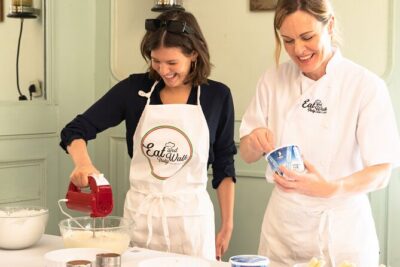
Learn to Make Pasta & Tiramisu with Wine and Limoncello Included
Read our review →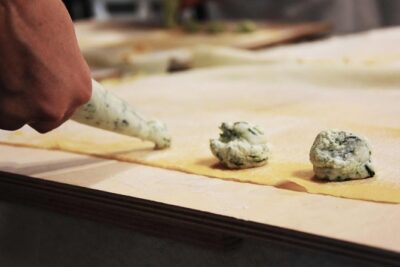
Become a Masterchef in Rome: Pasta, Ravioli and Tiramisù Class
Read our review →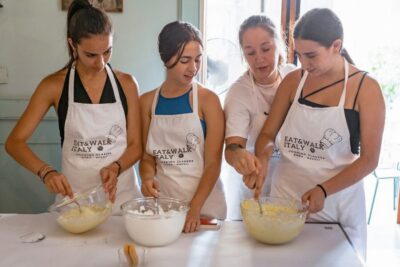
Fettuccine & Tiramisù: Cooking Class with Wine & Limoncello
Read our review →Browse the lists this tour appears in