
REVIEW · ROME
Italian Pasta & Dessert Class in Historic Center (3-Course Meal)
Rome has plenty of cooking classes, but this one gets straight to the good stuff: handmade strozzapreti carbonara, followed by tiramisù or a seasonal tart. You work in a downtown restaurant, not a large teaching kitchen, and the meal is built around familiar Roman flavors rather than a long list of complicated dishes.
I like the wine included throughout the meal, beginning with an aperitivo and ending with coffee and Italian liqueur. I also like the compact two-hour schedule, which gives you a hands-on food experience without eating up an entire afternoon.
The main consideration is the price: at $154.86 per person, this is not a cheap lunch. The value depends on how much you want the instruction, social setting, drinks, and full meal, since you could order carbonara and dessert in Rome for much less.
Key points
- Hand-shaped strozzapreti: Twist the pasta by hand before serving it with carbonara, guanciale, egg, and Pecorino Romano.
- Aperitivo starts the class: Enjoy a spritz or sparkling wine with bruschetta, crostini, or seasonal vegetable bites.
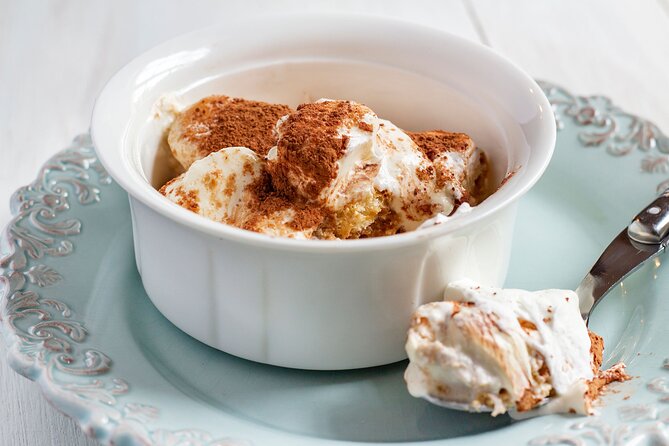
- Two classic dessert choices: Finish with tiramisù or a rustic crostata made with seasonal jam.
- Drinks are part of the experience: Wine, coffee, and Italian liqueur are included in the ticket price.
- Central Rome meeting point: The class begins and ends at Napul’è Ristorante Pizzeria on Viale Giulio Cesare.
- Small enough to feel social: The maximum group size is 20 people, and the class is offered in English.
A Roman cooking class built around pasta
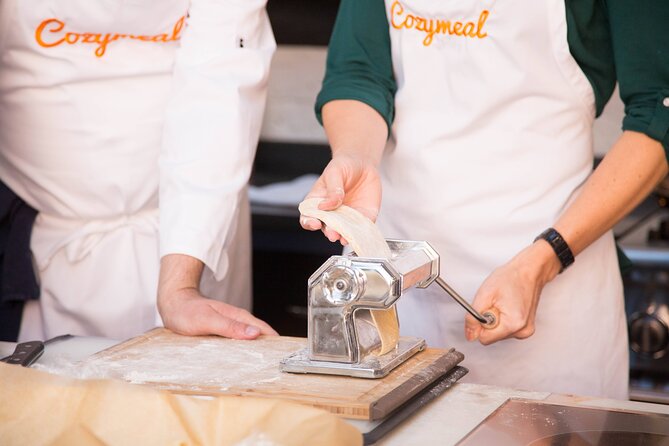
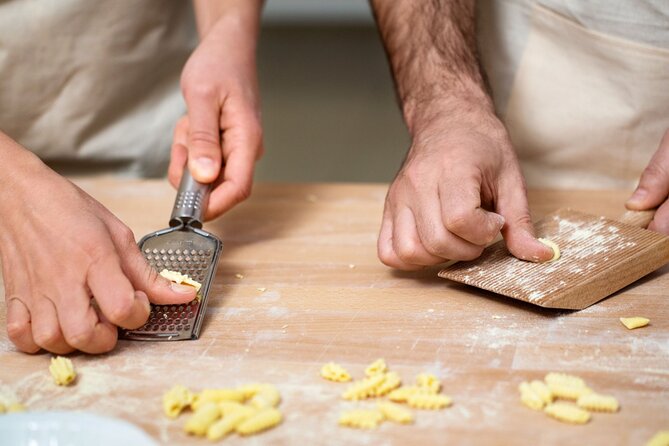
The heart of this class is the pasta lesson. You make strozzapreti by hand, shaping the short, twisted pieces before they are paired with carbonara. The method is simple enough to follow, but it gives you a better sense of how Italian cooks treat pasta as a fresh food rather than something pulled from a packet.
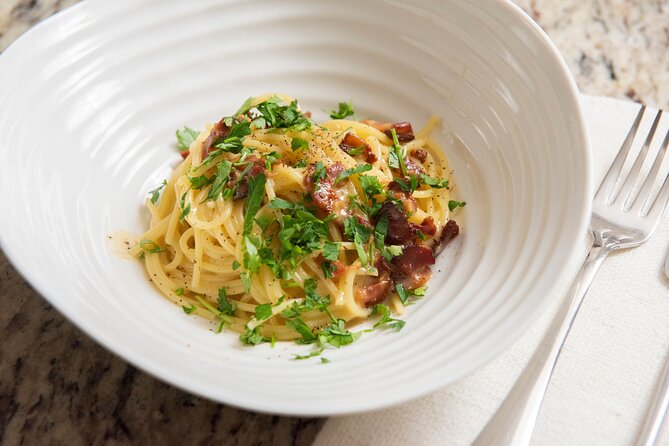
Strozzapreti has a pleasing, irregular shape. That matters here because the twists hold onto the sauce. The carbonara is made with guanciale, egg, and Pecorino Romano, the familiar combination that gives the dish its salty, creamy character without relying on cream.
I like this menu because it keeps the focus narrow. You are not racing through five different recipes. You learn one pasta shape, one famous Roman sauce, and one dessert, then sit down to eat the meal you helped prepare.
The class lasts about two hours. That is enough time for a three-course meal and instruction, but it is also a fairly quick format. You should expect a social, practical introduction rather than a professional culinary course with long lessons on knife skills, dough science, or regional food history.
More Dessert Stops in Rome:
- Rome: Pasta Making Class with Wine, Limoncello, and Dessert
★ 4.9 · 3,177 reviews - Rome Cooking Class: Make Pizza and Pasta with Wine & Dessert
★ 4.5 · 651 reviews - Rome: Fresh Pasta Making and Tiramisu Dessert Master Class
★ 4.8 · 11 reviews
Starting with aperitivo and a glass of wine
The class opens with an aperitivo, which gives you something to eat and drink while the cooking begins. You may receive a spritz or sparkling wine, along with savory bites such as beef ragù bruschetta, pulled pork crostini, or seasonal vegetable meatballs.
This first course does useful work beyond filling the table. Aperitivo is part of everyday Italian food culture, a relaxed start to an evening built around small bites and conversation. It also gives you a gentle beginning before the more hands-on pasta work.
The exact savory bite can vary. That is worth keeping in mind if you are booking because of one particular option. The choices listed are appealing, but you should not assume that beef ragù, pulled pork, or vegetable bites will all appear at the same sitting.
The wine pairing is one of the stronger features of the class. Drinks are not an afterthought. Wine accompanies the meal, and the class also includes coffee and Italian liqueur at the end. For you, that means the ticket covers more than food preparation. It covers a complete evening-style dining experience.
Making strozzapreti alla carbonara
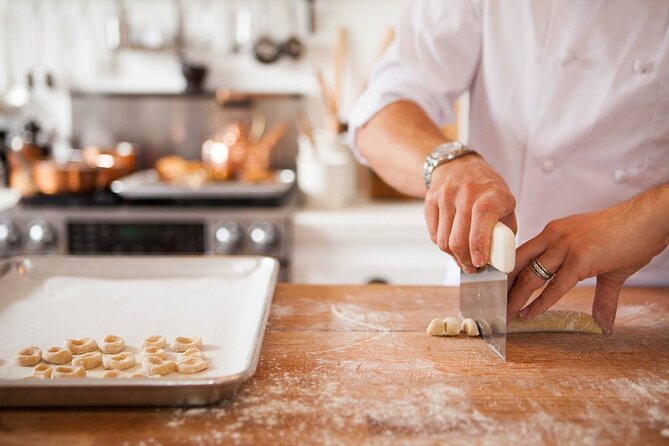
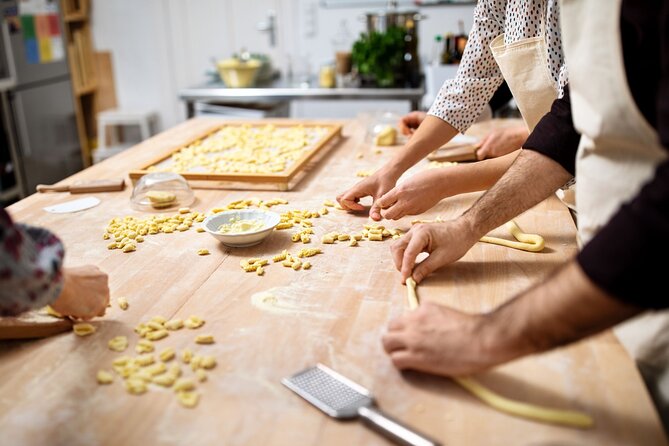
The pasta course is where the class earns its place on a Rome schedule. You work with the chef to form strozzapreti, twisting each piece by hand. The shape does not need to be perfectly uniform, and that is part of the appeal. Handmade pasta should look handmade.
The carbonara uses guanciale, egg, and Pecorino Romano. Guanciale is cured pork cheek, prized in Roman cooking for its rich flavor and crisp edges. Pecorino Romano brings a sharper, saltier note than many milder cheeses. Together, the ingredients make a sauce that is rich but direct.
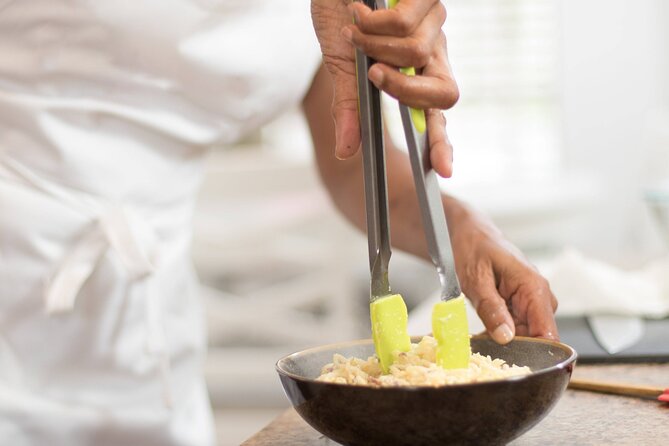
A good carbonara depends on handling the egg and cheese carefully. Too much heat can turn the sauce grainy, while the right method produces a smooth coating on the pasta. The class gives you a chance to see that process rather than simply receiving a finished plate.
This is also the most useful recipe to take home mentally. You can buy dried pasta anywhere, but the class shows you how shape, sauce, and ingredients work together. You leave with a better idea of why carbonara tastes different in Rome and why the ingredient list is short.
The menu is strongly Roman, but it is not a survey of all Italian cooking. If you want to learn filled pasta, pizza dough, regional sauces, or several techniques, this class may feel limited. If you want one classic pasta dish explained and served as part of a full meal, the narrow focus works well.
Dessert: tiramisù or seasonal crostata
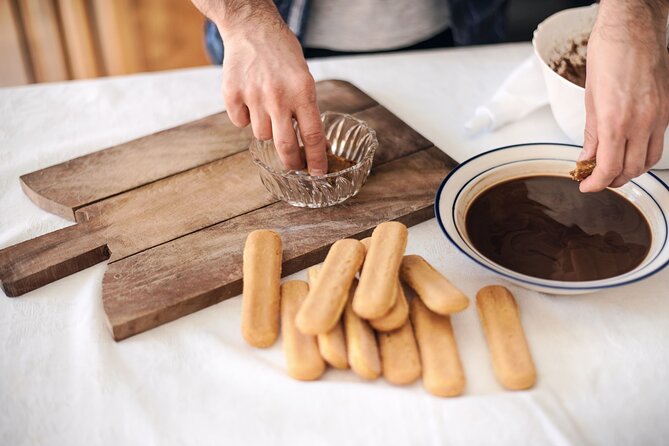
Dessert gives the class a choice between tiramisù and a rustic crostata with seasonal jam. Tiramisù is the safer pick if you want a famous Italian classic. The crostata offers something more home-style, with fruit preserves and a simple pastry base.
The choice may depend on what is available during your visit. You should ask about the dessert selection when the class begins if one option matters to you. Both fit the tone of the meal: familiar, comforting, and not overly fussy.
The tiramisù receives especially strong praise in the available feedback, with its texture and flavor singled out as a highlight. That makes it the natural choice for first-time visitors who want the most recognizable Italian dessert.
Coffee and Italian liqueur finish the meal. This closing touch matters because it turns the class into a proper Italian dining sequence. You do not simply cook, eat, and leave. You finish with the sort of small after-dinner ritual that makes the experience feel more like a meal with a local host.
More Heritage Tours in Rome:
- Real Neapolitan Pizza Class in a Historic Pizzeria
★ 5.0 · 2 reviews - Make Tagliatelle & Tiramisù at a Historic Villa (3-Course Meal)
★ 5.0 · 2 reviews
What the restaurant setting adds
The class takes place at Napul’è Ristorante Pizzeria, at Viale Giulio Cesare 89/91 in central Rome. The setting is a working restaurant rather than a dedicated cooking school, which gives the activity a more casual dining-room feel.
That can be a plus if you prefer atmosphere over classroom formality. You get the sense of food being prepared and served in a real restaurant environment. The restaurant setting also makes the meal feel less like a demonstration and more like a shared occasion.
There is a tradeoff. A restaurant is not designed solely for teaching, so the working space may feel less tailored to instruction than a purpose-built kitchen. The available information does not promise individual workstations or a private room, so you should expect a group activity.
The maximum group size is 20 people. That is large enough to create a lively social mood, but it may limit how much one-on-one attention you receive. If you want close personal coaching on every step, ask about the group arrangement before booking.
The class starts and ends at the same restaurant. Transportation is not included, so you need to make your own way there and back. A mobile ticket is provided, and confirmation is sent at booking, which keeps the practical side simple.
How much value do you get for $154.86?
At $154.86 per person, the class is priced as a meal and activity rather than a basic cooking demonstration. The ticket includes the aperitivo, three-course menu, instruction, wine, coffee, and Italian liqueur.
That package can make sense if you were already planning to pay for a good dinner and want something more active than sitting at a table. You are buying the chef-led lesson and the social setting as well as the food.
The value is weaker if your only goal is to eat carbonara. Rome has many places where you can order pasta and dessert for a fraction of this price. The class makes more financial sense for you if learning the pasta shape, taking part in the preparation, and enjoying the drink pairings are central to your plans.
I would also compare the price with your schedule. Two hours is efficient, but it does not give you the long, slow pace of a full-day food experience. You pay for a focused taste of Roman cooking, not an extended market visit or a series of separate recipes.
There is no transportation included, and tips for the chef are extra. Build those costs into your budget. The free cancellation policy gives you some flexibility: you can cancel for a full refund up to 24 hours before the start time. Changes or cancellations inside that window are not accepted for a refund.
Who should book this class?
This class suits you if you want to cook in Rome without committing an entire day. The two-hour format fits neatly into a city break, especially for people who want a substantial meal and an activity in the same booking.
It is a good match for couples, friends, and families who enjoy eating together. The menu is approachable, and the hand-shaped pasta gives the class a clear shared task. You do not need advanced cooking skills to understand the basic idea.
The class also suits anyone who wants the classic Roman combination of guanciale, Pecorino Romano, and egg. Carbonara is one of the city’s best-known dishes, and making it yourself gives you more context than simply ordering it.
You may want to choose another experience if you prefer a very small private class, a market tour, or a detailed lesson covering several types of pasta. The group can reach 20 people, and the menu centers on one pasta course.
Dietary needs can be accommodated when shared in advance. The provider asks you to provide those details before the class, rather than waiting until you arrive. Service animals are allowed.
Practical details before you go
The meeting point is Napul’è Ristorante Pizzeria, Viale Giulio Cesare 89/91, 00192 Rome. The activity ends at the same location, so there is no separate drop-off point to arrange.
The class is offered in English. That is important if you want to follow the chef’s instructions closely while shaping pasta and preparing the sauce.
The menu includes meat and dairy. Guanciale appears in the carbonara, and the aperitivo may include beef ragù or pulled pork, though seasonal vegetable bites are also listed. Tell the provider about allergies, dietary restrictions, or preferences in advance so the menu can be adjusted as far as possible.
The activity requires a minimum number of participants. If that number is not reached and the class is canceled, you will be offered another date or experience, or a full refund.
The strongest praise for this class centers on the chef’s pasta skill, the enjoyable wine service, and the tiramisù. Those are the details I would keep in mind when deciding. The class is most appealing when you want the food and the teaching to carry equal weight.
Should you book the Italian Pasta and Dessert Class?
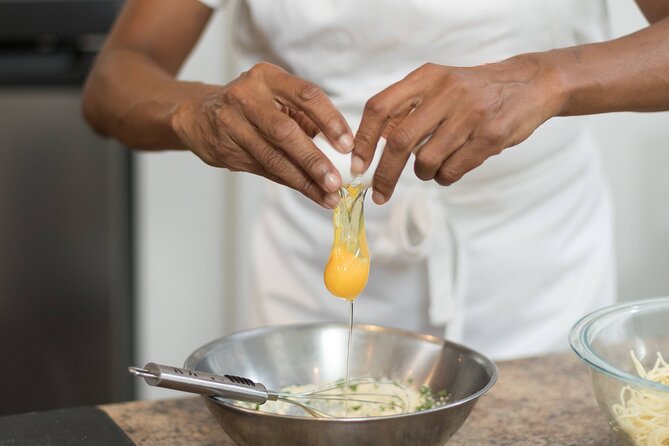
Book it if you want a compact, social introduction to Roman cooking with a full meal included. The handmade strozzapreti, carbonara with guanciale and Pecorino Romano, wine service, and tiramisù give the class a clear sense of place.
Skip it if $154.86 feels too high for a two-hour activity, or if you would rather spend that money on several restaurant meals. Also think twice if you want a private, highly technical lesson.
For the right person, this is a pleasant way to make one of Rome’s best-known dishes, eat in a restaurant setting, and finish with dessert, coffee, and liqueur. The class does not try to teach all of Italian cuisine. It gives you one focused Roman meal, and that direct approach is its strength.
FAQ
Where does the cooking class take place?
The class takes place at Napul’è Ristorante Pizzeria, Viale Giulio Cesare 89/91, 00192 Rome, Italy.
How long does the class last?
The experience lasts approximately two hours.
What language is the class offered in?
The class is offered in English.
What food is included?
The menu includes an aperitivo with sparkling wine or a spritz and savory bites, handmade strozzapreti carbonara with guanciale, egg, and Pecorino Romano, and an Italian dessert. Dessert is either tiramisù or a seasonal crostata.
Are drinks included?
Yes. The experience includes wine, coffee, and Italian liqueur. The aperitivo includes either a spritz or sparkling wine.
How many people can join the class?
The activity has a maximum of 20 participants.
Can dietary needs be accommodated?
The class is designed to accommodate a range of dietary needs. You should provide your preferences or restrictions in advance so the menu can be adjusted where possible.
Just added around Rome
- Rome: Pasta and tiramisu class with wine pairing at Come Na Vorta★ 5.0 · 30 reviews
- Spritz and Pasta! Spritz, Fettuccine & Tiramisù★ 5.0 · 2 reviews
- Rome: Vespa Tour with Photographer and Tiramisu treat★ 4.5 · 61 reviews
- Walking Tour & Pizza Making★ 4.0 · 2 reviews
- Trastevere Food Tour with Pasta-Making Class★ 5.0 · 5 reviews
- Rome: Private Vespa Tour and Professional Photoshoot★ 5.0 · 22 reviews
- Traditional Pasta Cooking Class with Tiramisu Small Group★ 5.0 · 7 reviews
- Tiramisu and Gelato Creation in Authentic Roman Dessert Workshop★ 4.5 · 3 reviews
Rome Pasta Classes, compared.
3 in 1 Cooking Class near Navona: Fettuccine, Ravioli & Tiramisu
Read our review →
Pasta & Tiramisu Class with Fine Wine by the Vatican
Read our review →
Pasta Making Class with Wine, Limoncello, and Dessert
Read our review →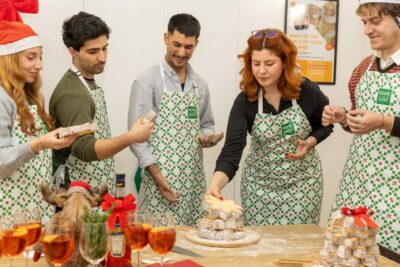
Rome Cooking Class: Make Pasta and 3 Spritz Cocktails
Read our review →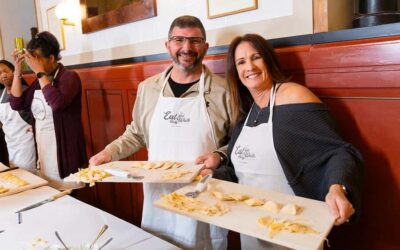
3-in-1 Fettuccine, Ravioli, and Tiramisu Cooking Class
Read our review →
Fettuccine Pasta Cooking Class in Rome’s City Center
Read our review →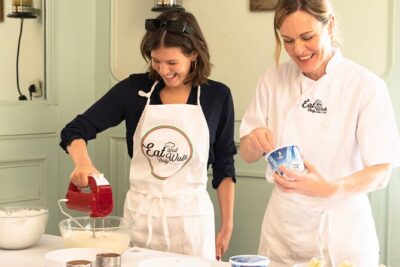
Learn to Make Pasta & Tiramisu with Wine and Limoncello Included
Read our review →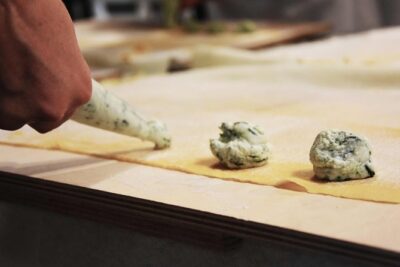
Become a Masterchef in Rome: Pasta, Ravioli and Tiramisù Class
Read our review →Browse the lists this tour appears in