
REVIEW · PARMA
Cesarine: Small group Pasta and Tiramisu class in Parma
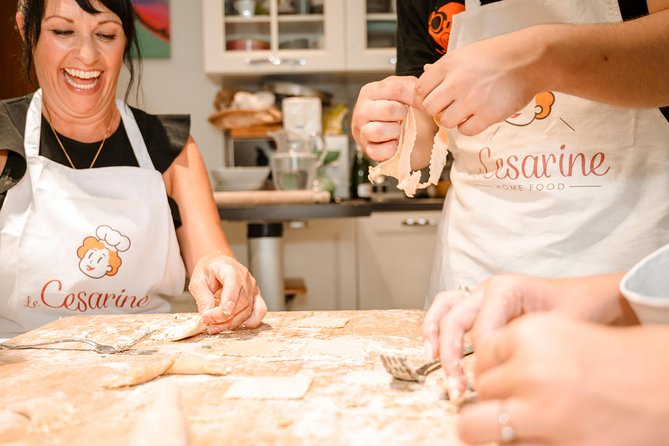
The best part of this Parma cooking class is the setting: you cook in a local host’s home, not in a formal school kitchen. You’ll learn fresh pasta and tiramisu from scratch, then sit down to eat the meal you helped make. The welcome aperitivo with Prosecco and snacks gets the room talking before the flour starts flying.
I like the chance to learn family-style cooking from hosts such as Catia, Mauro, Natalia, Cristina, and Paola. I also like the small maximum of 12 people, which keeps the class social without turning it into a crowded demonstration. The main drawback is that the host and exact home vary, so the experience may feel different from one booking to the next.
Key points at a glance
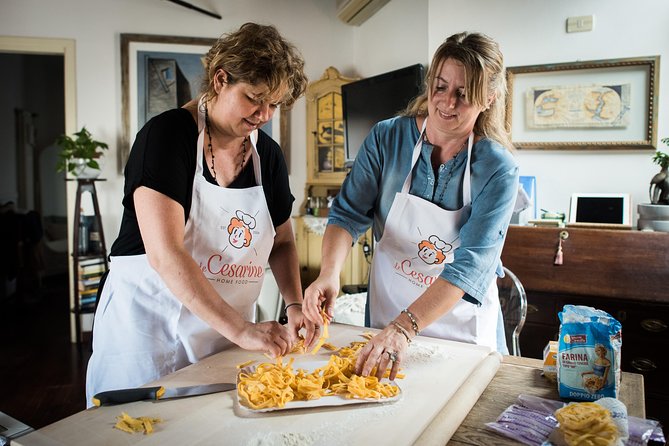
- A real Parma home: You cook in a carefully selected local residence with a Cesarine host, rather than in a restaurant or commercial classroom.
- Two Italian staples: The class focuses on fresh pasta and tiramisu, with pasta dishes prepared and eaten during the visit.
- A relaxed opening: Prosecco and snacks give you an easy start before the hands-on work begins.
- Hosts make the difference: Past classes have included warm, enthusiastic cooks such as Cristina, Mauro, Catia, Paola, Lisa, and Max.
- Three hours, maximum 12 people: The format gives you enough time to cook, talk, and eat without taking up an entire day.
- Flexible cancellation: You can receive a full refund if you cancel at least 24 hours before the start time.
Cooking pasta in a Parma home
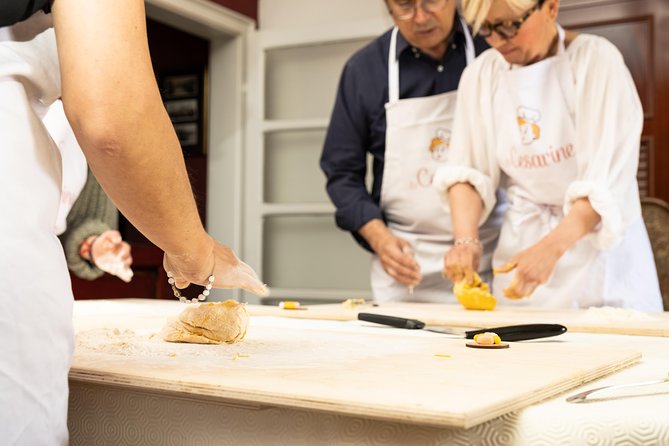
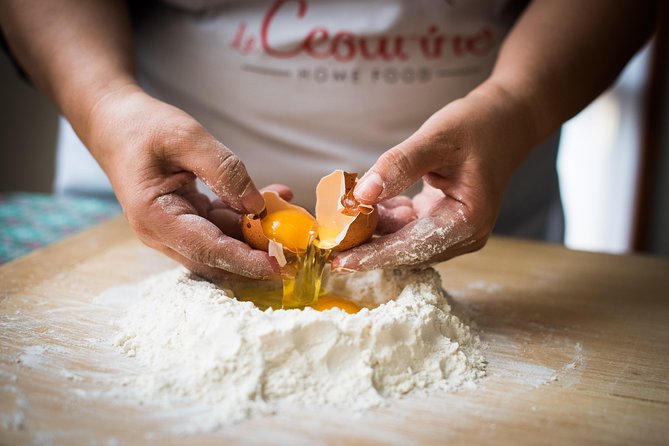
Parma is famous for food that rewards patience and good ingredients. This class lets you see that food up close, in the place where home cooks actually prepare it. Instead of watching a chef work from a distance, you’ll handle the dough, follow the host’s instructions, and take part in the cooking.
The experience lasts about three hours. That is a useful length for a food activity in Parma: long enough to make the meal feel substantial, but short enough to fit around sightseeing, a museum visit, or an evening stroll through the city.
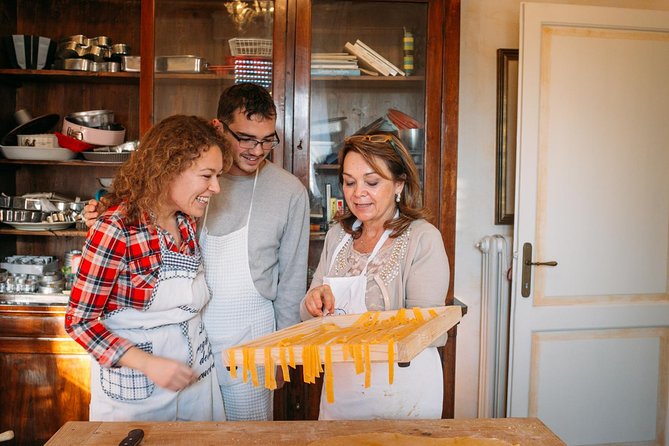
Your Cesarine host welcomes you into a private home and sets the tone. The exact host is not fixed in advance, so you should expect a personal style rather than a standardized classroom routine. One host may focus on pasta technique, another may spend more time explaining family traditions, local ingredients, or the story behind a recipe.
That variation is part of the appeal, but it is also something to keep in mind. You are not booking a guaranteed visit with a particular cook unless the booking details specify one. Past hosts have included Cristina and Enzo, Catia and her husband, Mauro and Natalia, Paola, and Lisa and Max. Several of these hosts were praised for making the kitchen feel like a welcoming family gathering.
More Tiramisu Classes in Italy:
- 3 in 1 Cooking Class near Navona: Fettuccine, Ravioli & Tiramisu
★ 5.0 · 7,376 reviews - Florence: Pasta & Tiramisu Cooking Class with Unlimited Wine
★ 4.9 · 6,708 reviews - Rome: Pasta & Tiramisu Class with Fine Wine by the Vatican
★ 4.9 · 4,852 reviews
Prosecco, snacks, and an easy start
The class begins with an aperitivo of Prosecco and snacks. This may sound like a small detail, but it matters. Cooking with strangers can feel awkward for the first few minutes, especially if you have booked alone. A drink and a few bites give everyone a natural way to introduce themselves before the work begins.
The aperitivo also reflects a useful Italian habit: food is social from the start, not just something that appears at the end of the evening. You are not simply being handed a recipe. You are being welcomed into someone’s home, and the opening drink helps establish that mood.
You should not think of this as a full meal, though. The main food comes later, after you have prepared the pasta and tiramisu. If you arrive very hungry, the snacks may only tide you over until the tasting.
The small-group limit is important here. With no more than 12 people, the class can still feel shared and conversational. A larger group would make a home kitchen less comfortable and could leave you watching while other people handle the dough. At this size, you have a better chance to ask questions and take part.
Making fresh pasta by hand
The pasta lesson is the heart of the class. You will learn techniques for preparing fresh pasta, then eat the finished dishes as part of the meal. The precise shapes and sauces can vary by host, but past sessions have included tortelli and tagliatelle.
That detail gives you a sense of the range. Tagliatelle lets you work with rolled and cut pasta, while tortelli adds the extra steps of filling and shaping. If your host teaches both, you may get a broader look at northern Italian pasta than a class limited to one simple shape.
I like the practical nature of this part. You are not just collecting a recipe card. You are learning how the dough feels, how to shape it, and how much care goes into a dish that can look simple on the plate. A home cook can also explain small habits that formal recipes often skip, such as how to work with the dough and how to recognize when it is ready.
The class is not described as a professional chef course, so you should not expect advanced culinary training or a highly technical lesson. It is better suited to curious home cooks who want useful methods they can repeat in their own kitchens.
The meal at the end gives the pasta lesson a clear purpose. You will not pack away your work and wait for a restaurant dinner later. You will taste the pasta while the steps are still fresh in your mind. That connection between making and eating is one of the strongest reasons to choose this activity.
Tiramisu from scratch
The second core dish is tiramisu. As with the pasta, you will prepare it yourself rather than simply receive a finished portion. This gives the dessert equal footing with the savory course and makes the class feel like a complete Italian meal.
Tiramisu is a good choice for a short cooking class because it is familiar, but still leaves room for personal technique. You can learn how your host handles the layers, texture, and balance of coffee, cream, and sweetness. The exact recipe may reflect the host’s family method, so do not assume every kitchen will use the same proportions or presentation.
The timing of the dessert preparation may vary. It could be made early enough to rest while you work on the pasta, or handled as part of the wider lesson. The supplied details do not promise a specific sequence, but the finished tiramisu is included in the final tasting.
I especially like that the dessert is made from scratch alongside the main course. Many food classes focus almost entirely on pasta and add a quick sweet at the end. Here, tiramisu is one of the two named skills, so you leave with something useful for a future dinner at home.
More Home Cooking Classes in Italy:
- Catania: Pistachio Ravioli, Pasta Home Cooking Class w/ Wine
★ 4.7 · 204 reviews - Cesarine: Small group Pasta and Tiramisu class in Varenna
★ 5.0 · 195 reviews - Cesarine: Small group Pasta and Tiramisu with Mamma in Lucca
★ 4.5 · 181 reviews - Cesarine: Small group Pasta and Tiramisu class in Bologna
★ 5.0 · 172 reviews
The final meal and the host’s personal touch
After the cooking, you sit down to taste the pasta dishes and tiramisu you prepared. This is where the activity shifts from lesson to shared meal. You can compare techniques, talk with the host, and enjoy the food without rushing straight back onto the street.
The home setting can add details you would not get in a standard cooking studio. Mauro, for example, was described as having a wine cellar, homemade liqueur, and a coal-burning oven used for focaccia. Cristina’s kitchen included family cookware and recipes preserved from her mother. Enzo showed one group his garden and joined the meal after giving his wife room to teach.
These details are not guaranteed parts of every booking, and you should not book expecting a cellar, garden, wood oven, or heirloom kitchenware. They do show why a home class can feel more personal than a regular food workshop. The host’s own cooking habits and family background become part of the evening.
Several hosts have also welcomed couples and solo participants. One solo participant joined a couple and found the shared format easy to enjoy. If you are booking alone, this is a useful option because the opening aperitivo and communal meal give you natural chances to meet people.
Couples can expect a more intimate setting than a large group food tour. The class also suits families or friends who want to cook together, though the maximum group size means the kitchen may feel more active when the booking is full.
What the $162.03 price means
At $162.03 per person, this is not a cheap way to get a plate of pasta. You are paying for more than the ingredients. The price covers roughly three hours of instruction, the aperitivo, the pasta and tiramisu preparation, and the meal at the end.
The value depends on how you use the experience. If you want the least expensive possible meal in Parma, a restaurant will cost less. If you want a polished culinary school with a fixed menu, this home format may feel less predictable. But if you value personal contact, hands-on work, and the chance to eat in a local residence, the price becomes easier to justify.
I would compare it with the cost of a standard cooking class plus dinner. This option combines both, and the lesson has a personal setting that a commercial classroom may not provide. You also get techniques you can use again, rather than only a meal that disappears when the evening ends.
The food itself is a major part of the value. You prepare two pasta dishes and dessert, then eat them. If the class includes tortelli, tagliatelle, and tiramisu as it has for some past sessions, you are getting a broad sample of pasta work in one sitting.
Still, expectations matter. The exact recipes, amount of wine, and extra touches depend on the host. Homemade liqueur, focaccia, a garden visit, or a cellar tour may happen, but they are not listed as standard inclusions.
Timing, location, and group size
The meeting point is in Parma, in the Province of Parma, and the activity ends back at the meeting point. The exact home address is not provided in the supplied details, so check the confirmed booking information carefully and allow time to reach the meeting point.
The activity is near public transportation, which makes it practical if you are staying in Parma without a car. Since the class takes place in a private home, do not assume it begins at a central restaurant or a clearly marked tourist attraction. Use the meeting instructions you receive after booking.
Confirmation is provided at the time of booking. The experience is offered in English, which removes one common concern for international visitors. You may still hear some Italian during the cooking, especially if the host is explaining a family tradition or speaking with local participants, but the listed teaching language is English.
The maximum is 12 people. I would book this for the social element, not for quiet one-on-one instruction. If you want the most personal attention, a smaller departure could be preferable, but the available information does not promise a private class.
Health and sanitation guidance includes handwashing supplies and sanitizer in the home. Guests are asked to maintain one meter of distance when possible, with masks and gloves if that distance cannot be maintained. These details may reflect the operating guidance in place when the experience information was prepared, so follow the current instructions given by the host.
Who should book this Parma cooking class
I would recommend this class to you if food is one of the main reasons you are visiting Parma. It is especially useful if you want to learn fresh pasta in a setting that feels connected to everyday Italian life.
It also suits solo visitors. The class gives you a built-in social setting without requiring you to join a large city tour. Couples who want a relaxed shared activity should find the home setting appealing, especially if they prefer conversation and cooking over a formal restaurant meal.
Families and groups of friends can enjoy it too, but keep in mind that the class is shared and capped at 12 people. If you want a private celebration, confirm the arrangements before booking rather than assuming the home will be reserved only for your group.
You may want to skip it if you dislike cooking, prefer a tightly timed sightseeing tour, or want guaranteed dishes beyond pasta and tiramisu. The host may add personal touches, but the core menu is simple and clearly defined.
The experience is also a good match for people who like to recreate dishes at home. The food is not only for eating that evening. The techniques can become part of your own kitchen routine, especially if you take notes and ask the host about ingredients, shaping, and family methods.
Booking advice and cancellation
This activity is often booked well ahead, with an average lead time of about 49 days. That suggests you should reserve early if your Parma dates are fixed, especially if you want a particular day.
Free cancellation is available if you cancel at least 24 hours before the start time. Changes or cancellations made within 24 hours are not accepted for a refund. The cut-off follows local Parma time, so check the clock carefully if you are arranging plans from another time zone.
The class requires a minimum number of participants. If that minimum is not reached and the activity is canceled, you will be offered a different date or experience, or a full refund.
Should you book it?
Book this Cesarine class if you want Parma through its kitchen rather than only through its sights. The combination of fresh pasta, tiramisu, Prosecco, and a local home gives you a personal evening with real food at the center.
I would choose it for the host contact and hands-on work, not because the menu is large or the format is luxurious. You should be comfortable with some uncertainty about the exact host, house, and recipes. For many people, that is the point: you get a genuine home-cooking encounter instead of a fixed tourist production.
At $162.03, it asks for a serious budget, but the price includes instruction, food, drinks at the welcome aperitivo, and the final meal. If you want one memorable food activity in Parma and plan to use the pasta skills again, this is a strong choice.
FAQ
Where does the pasta and tiramisu class take place?
The class takes place in a carefully selected local home in Parma, Italy. The meeting point is listed as Parma, Province of Parma, Italy, and the activity ends back at the meeting point.
How long does the class last?
The cooking class lasts approximately three hours.
What dishes will I make?
The core menu includes fresh pasta and tiramisu. Pasta dishes may vary by host, and past sessions have included tortelli and tagliatelle.
Is the class offered in English?
Yes. The experience is offered in English.
How many people can join?
The activity has a maximum of 12 participants.
Is Prosecco included?
The class begins with a welcome aperitivo that includes Prosecco and snacks.
Do I eat the food I prepare?
Yes. The experience ends with a tasting of the pasta dishes and tiramisu you have prepared.
Is the meeting point near public transportation?
Yes. The experience information states that it is near public transportation.
When will I receive confirmation?
Confirmation is provided at the time of booking.
Can I cancel for a full refund?
Yes, if you cancel at least 24 hours before the experience start time. Cancellations or changes made less than 24 hours before the start time are not refunded.
More Small Group Classes in Italy
- Milan: Pasta and Tiramisu Small Group Cooking Class with Wine
★ 5.0 · 660 reviews - Florence Small-Group Pasta Class with Seasonal Ingredients
★ 5.0 · 532 reviews - Rome: Pizza Making Class Small Group Experience
★ 5.0 · 487 reviews - Bologna: Pasta and Tiramisu Small Group Cooking Class with Wine
★ 5.0 · 409 reviews
Just added around Italy
- Volterra: Fresh Pasta Cooking Class at a Tuscan Farmhouse★ 5.0 · 33 reviews
- Verona: Tortellini Cooking Class and Lunch with Mamma Ivana★ 5.0 · 20 reviews
- Vicenza: Pasta & Tiramisu Cooking Class at a Local’s Home★ 5.0 · 5 reviews
- Verona: My Granny’s secrets making gnocchi★ 5.0 · 7 reviews
- Verona: Prosecco and Pasta Making Class at a Local’s Home★ 5.0 · 10 reviews
- Verona: Pasta Cooking Class with Wine Tasting★ 5.0 · 4 reviews
- Verona: Pasta & Tiramisu Cooking Class at a Local’s Home★ 5.0 · 16 reviews
- Valnerina/Pasta cooking class in a 12th century location★ 4.8 · 9 reviews
Parma Pasta Classes, compared.
Pasta, Truffle and Wine: hands-on class in a medieval town
Read our review →
Private pasta-making class at a Cesarina’s home with tasting in Parma
Read our review →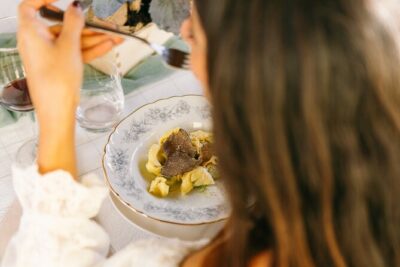
Browse the lists this tour appears in