
REVIEW · TIRAMISU CLASSES
Cesarine: Small group Pasta and Tiramisu class in Padua
Padua’s best food lesson may happen far from a restaurant kitchen. In this three-hour home cooking class, you make tiramisu and two types of fresh pasta beside a local host, then sit down to enjoy the results. Hosts include Catia, who is praised for her warm welcome and clear instruction, and David and his family.
I like the hands-on format, especially the chance to roll pasta yourself instead of watching a chef do all the work. I also like the home setting, where wine, cicchetti, family recipes, garden produce, and conversation can turn a cooking lesson into a personal look at Padua.
The main consideration is the price, $162.40 per person, which is a serious spend for three hours. The class also has a strict late-cancellation rule, so a delayed flight or missed appointment can leave you without a refund.
What makes this Padua class worth considering
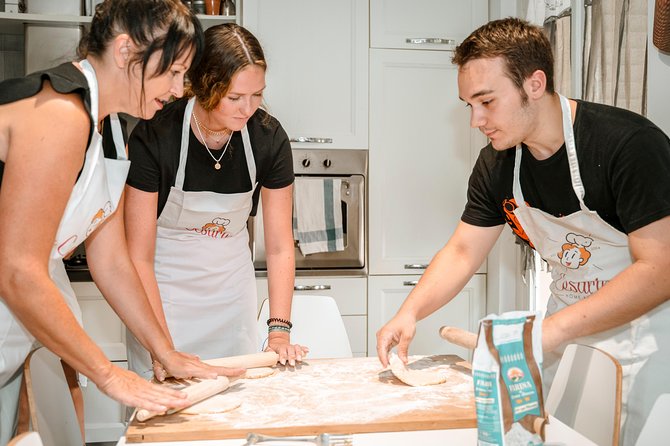
- Two fresh pasta styles: You learn different doughs and methods, with examples including bigoli, tortellini, and ravioli.
- Tiramisu from a family recipe: The dessert is prepared from scratch, with the host explaining her own method and small tricks.
- A real home kitchen: You cook in a carefully selected local home rather than a formal school.
- Hosts with personality: Catia is especially noted for her warm welcome, local suggestions, and stories about Padua.
- Shared small-group setting: The class has a maximum of 12 people, keeping it more personal than a large demonstration.
- Meal included in the lesson: Wine, cicchetti, pasta, and tiramisu may all form part of the time around the table.
Arriving at a Padua home kitchen
The experience begins in Padua, in the Province of Padua, and ends at the same meeting point. The exact home address is provided after booking, so you should check your confirmation carefully rather than assume the class meets at a central restaurant or cooking school.
The location is near public transportation, which helps if you are staying outside the center. Still, allow enough time to reach the meeting point. A home-based activity can be less obvious than a shopfront, and punctuality matters when a host has prepared ingredients and set aside a private block of time.
You are not arriving for a polished stage show. You are entering a local home where the host welcomes you, introduces the plan, and gets the ingredients ready for work. That shift in setting is the heart of the class. You see how Italian food is taught and shared at home, not just how it is plated for tourists.
The group can include as many as 12 people. That is still small compared with a large food tour, though it may feel less private than a class for four or six. If you want the most personal time with the host, keep this group limit in mind.
More Tiramisu Classes in Italy:
- 3 in 1 Cooking Class near Navona: Fettuccine, Ravioli & Tiramisu
★ 5.0 · 7,376 reviews - Florence: Pasta & Tiramisu Cooking Class with Unlimited Wine
★ 4.9 · 6,708 reviews - Rome: Pasta & Tiramisu Class with Fine Wine by the Vatican
★ 4.9 · 4,852 reviews
Starting with pasta dough and flour
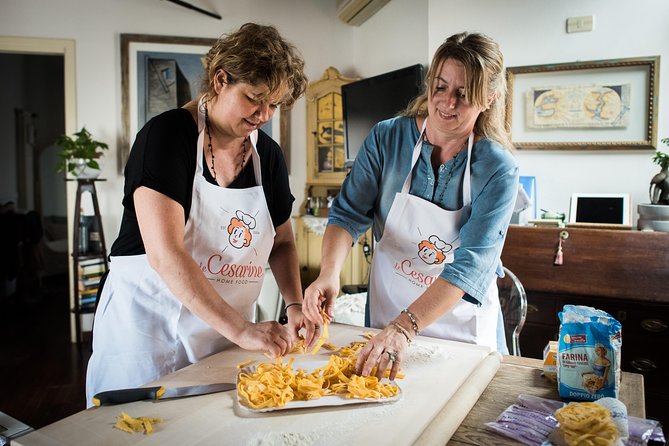
The class focuses on two types of pasta, and this is where you get the most practical value. You learn how different flour choices and dough techniques affect the finished pasta, then work with your hands rather than simply taking notes.
The exact shapes can vary, but the class has included bigoli and tortellini, with ravioli also appearing in the meal. Bigoli is a thick, round pasta associated with the Veneto region, while tortellini and ravioli demand more attention to filling, folding, and sealing. Making more than one style lets you compare a sturdy extruded or pressed shape with a filled pasta.
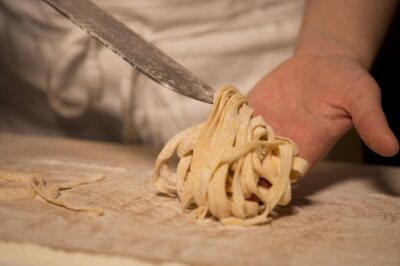
The rolling technique is a key part of the lesson. Fresh dough must be rolled to the right thickness, and you learn by feeling the dough and watching the host guide the process. A pasta machine may be part of the work, but the important lesson is not simply turning a handle. It is learning when the dough is ready, how thin it should be, and how to handle it without tearing.
One especially nice detail is the use of a mother’s pasta press for bigoli in Catia’s kitchen. A tool with family meaning gives the lesson more character than a row of identical commercial machines. You are not just producing lunch. You are being shown objects and methods connected to the host’s own cooking life.
The class is useful for beginners because the work is explained step by step. You do not need to arrive with advanced pasta skills. At the same time, people who already cook may appreciate the details about flour, dough texture, shaping, and the differences between pasta styles.
Making tiramisu the family way
Tiramisu provides a welcome change of pace after the pasta dough. You learn to assemble the dessert from the beginning, following the host’s recipe and hearing the background behind the dish.
The lesson is not presented as a generic Italian dessert demonstration. The host explains her own tiramisu secrets and gives the dish a personal history. That matters because tiramisu can look simple on paper, yet small choices in the cream, soaking, layering, and chilling affect the final result.
You should expect to prepare the dessert during the class, though the timing of serving can depend on the host’s method. The most useful takeaway is a recipe you can repeat at home, along with a better sense of how the components should look and feel before assembly.
For many people, tiramisu is the most familiar dish on the menu. That makes it a good test of the class. If you already have a favorite version, you can compare it with the host’s family approach and pick up a new technique without needing unusual equipment.
From kitchen work to a shared meal
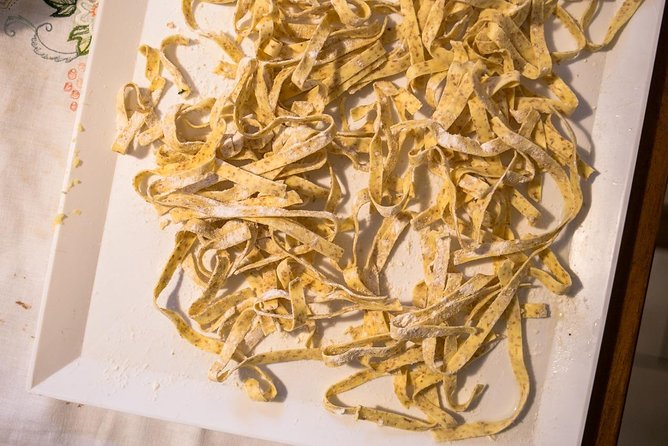
The meal is the reward for the preparation, but it is also part of the lesson. You eat the pasta and tiramisu you have helped make, with wine and cicchetti sometimes served as part of the welcome.
That combination gives the class a natural rhythm. You begin with introductions and ingredients, move into dough and shaping, prepare dessert, and then slow down around the table. Conversation becomes easier once the work is done, and the home setting helps the meal feel less formal.
Catia is especially noted for making people feel comfortable quickly. Her welcome, cooking instruction, and stories about Padua are all part of the experience. She also gives suggestions for spending time in the city, which can be useful if this is your first visit.
The food may include seasonal ingredients, and one account specifically describes produce from the host’s garden. You should not treat that as a guaranteed feature at every date, but it shows the sort of personal touch that can appear in a home class. Availability will depend on the season and the host.
The shared meal is also where the class may suit solo visitors particularly well. You have a built-in social setting without needing to join a full-day food tour. If you prefer to eat privately or move quickly through a schedule, the conversation and table time may feel slower than expected.
More Home Cooking Classes in Italy:
- Catania: Pistachio Ravioli, Pasta Home Cooking Class w/ Wine
★ 4.7 · 204 reviews - Cesarine: Small group Pasta and Tiramisu class in Varenna
★ 5.0 · 195 reviews - Cesarine: Small group Pasta and Tiramisu with Mamma in Lucca
★ 4.5 · 181 reviews - Cesarine: Small group Pasta and Tiramisu class in Bologna
★ 5.0 · 172 reviews
The hosts make the difference
Cesarine classes rely heavily on the person opening the door. The strongest examples here involve Catia, who combines cooking instruction with local conversation, and David and his family, whose lively home creates a more social atmosphere.
Catia’s teaching style is described as clear and enthusiastic. She explains the history behind the dishes, discusses flour and pasta methods, and shares suggestions for Padua. Her approach seems well suited to someone who wants more than a recipe card.
David and his family offer a different kind of appeal. The experience can include practicing Italian, meeting a family, and spending time in a busy household. That may appeal to you if the social side of food matters as much as the cooking.
Because this is a home-based experience, the tone can vary with the host and the makeup of the group. That is not a flaw, but it is worth understanding. You are booking a local encounter built around food, not a uniform culinary production with the same room, script, and chef every time.
Is $162.40 a fair price?
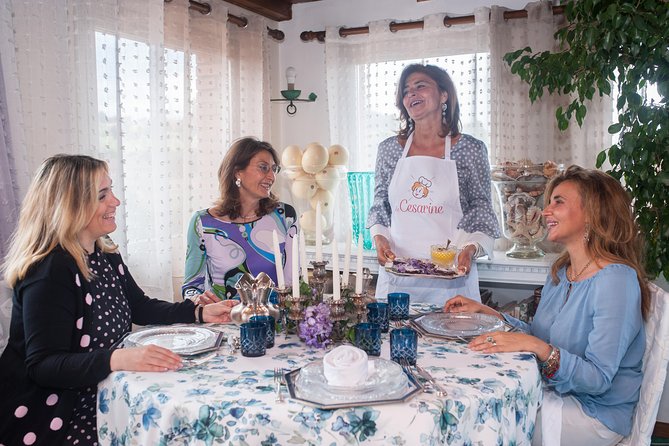
At $162.40 per person, this class costs more than a basic pasta lesson. You are paying for roughly three hours, ingredients, instruction, two pasta preparations, tiramisu, and a meal in a private home.
The value improves if you care about the setting and personal contact. A restaurant meal alone would not teach you to roll dough or make tiramisu. A standard cooking school may teach the same dishes, but without the family kitchen, local stories, garden ingredients, or personal advice about Padua.
The value is weaker if your main goal is simply to eat inexpensive pasta. You can find cheaper meals in Padua, and a short class may not justify the price for someone who has little interest in cooking.
I would look at this as a food-and-culture experience rather than a meal deal. You are buying instruction, company, recipes, and time with a local host. For a special occasion, a food-focused day, or a first visit to Padua, that can make sense. For a strict budget, it may be too much.
The rating is 4.7 out of 5, with 92 percent recommending the experience. The praise is strongest for the welcome, the hands-on work, the food, and the feeling of being treated like an old friend. The one serious complaint concerns a missed class after a delayed flight, not the cooking itself.
Timing, group size, and cancellation rules
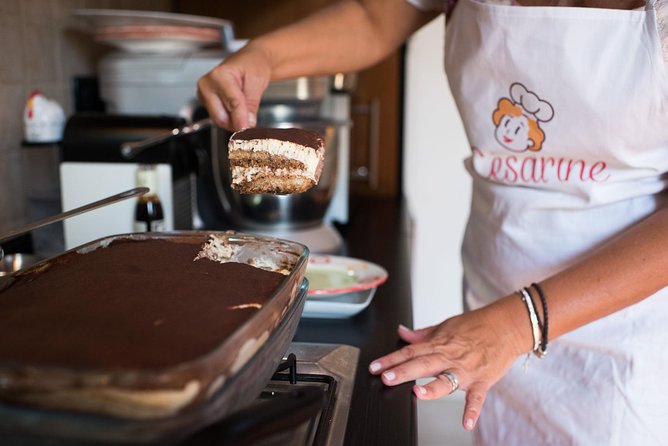
The class lasts about three hours, so it fits well into a morning or afternoon in Padua. It is long enough to make several dishes and eat together, but short enough to leave room for sightseeing before or after.
The experience is offered in English. That is important if you want detailed explanations of dough and pasta shaping. You may still hear other languages in a mixed group, and one host has helped participants practice Italian, but English is the stated operating language.
A maximum of 12 people keeps the group within a manageable size. It does not guarantee a private lesson. If you want a private class, you would need to confirm that separately because the experience is described as shared.
You receive confirmation at booking, and the experience requires a minimum number of participants. If that minimum is not reached and the class is canceled, you are offered another date or experience, or a full refund.
You can cancel for a full refund up to 24 hours before the local start time. Inside that window, cancellations and changes are not accepted for a refund. That rule matters here because the host prepares food and reserves the time for your place. If your transport plans are uncertain, book with care.
Who should book this cooking class?
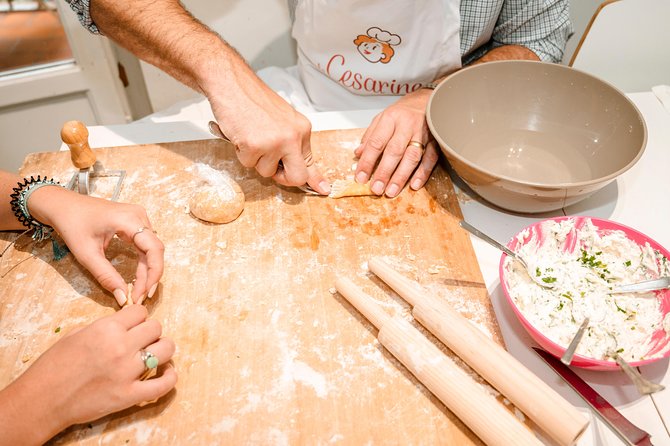
I would recommend it most strongly to you if you enjoy learning by doing. You should be happy to handle dough, follow instructions, share a table, and spend time talking with a host.
It also suits couples, families, solo food lovers, and small groups of friends. Children may enjoy the hands-on side, but the supplied information does not give a minimum age, so check before booking if you are traveling with younger children.
The class is a good fit if you want to connect food with place. Padua is not only a stop between Venice and other northern Italian cities. A local pasta lesson gives you a reason to slow down and hear about the city from someone who lives there.
It may not suit you if you want a tightly timed professional demonstration, a guaranteed private group, or a quick meal with no kitchen work. The home setting is the point, and that means the experience depends partly on the host’s personality and the group around you.
Should you book the Padua pasta and tiramisu class?
Book it if the idea of making fresh pasta in a local home sounds better than simply ordering it. Catia’s family methods, the bigoli press, the tiramisu recipe, seasonal food, wine, and city suggestions give the experience more substance than a basic cooking lesson.
Before paying, make sure you can reach the meeting point on time and accept the 24-hour cancellation rule. At $162.40, this is not the cheapest way to eat in Padua, but it can be a worthwhile splurge if you want cooking instruction and a warm local connection in the same afternoon.
FAQ
Where does the cooking class take place?
The class takes place in a local home in Padua, in the Province of Padua, Italy. The start and end point are the same meeting point.
How long does the experience last?
The cooking class lasts approximately three hours.
What food will I make?
You will make tiramisu and two different types of fresh pasta. Examples connected with the class include bigoli, tortellini, and ravioli.
Is the class taught in English?
Yes. The experience is offered in English.
How many people can join?
The shared class has a maximum of 12 participants.
Are ingredients provided?
Yes. The experience includes the ingredients needed for the cooking class.
Is this a private class?
No. It is described as a shared cooking class held in a local home.
Who might host the class?
Hosts include Cesarine home cooks such as Catia, as well as David and his family. The specific host can depend on the booking.
How much does the class cost?
The listed price is $162.40 per person.
Can I cancel for a full refund?
Yes, if you cancel at least 24 hours before the local start time. Cancellations or changes made less than 24 hours before the start are not eligible for a refund.
More Small Group Classes in Italy
- Milan: Pasta and Tiramisu Small Group Cooking Class with Wine
★ 5.0 · 660 reviews - Florence Small-Group Pasta Class with Seasonal Ingredients
★ 5.0 · 532 reviews - Rome: Pizza Making Class Small Group Experience
★ 5.0 · 487 reviews - Bologna: Pasta and Tiramisu Small Group Cooking Class with Wine
★ 5.0 · 409 reviews
Just added around Italy
- Volterra: Fresh Pasta Cooking Class at a Tuscan Farmhouse★ 5.0 · 33 reviews
- Verona: Tortellini Cooking Class and Lunch with Mamma Ivana★ 5.0 · 20 reviews
- Vicenza: Pasta & Tiramisu Cooking Class at a Local’s Home★ 5.0 · 5 reviews
- Verona: Pasta Cooking Class with Wine Tasting★ 5.0 · 4 reviews
- Verona: My Granny’s secrets making gnocchi★ 5.0 · 7 reviews
- Verona: Prosecco and Pasta Making Class at a Local’s Home★ 5.0 · 10 reviews
- Verona: Pasta & Tiramisu Cooking Class at a Local’s Home★ 5.0 · 16 reviews
- Valnerina/Pasta cooking class in a 12th century location★ 4.8 · 9 reviews
Tiramisu Classes, compared.
3 in 1 Cooking Class near Navona: Fettuccine, Ravioli & Tiramisu
Read our review →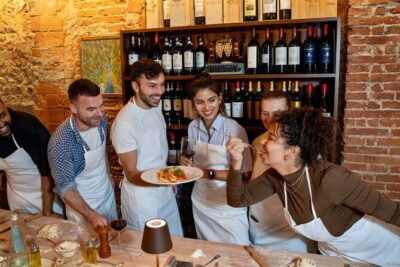
Pasta & Tiramisu Cooking Class with Unlimited Wine
Read our review →
Pasta & Tiramisu Class with Fine Wine by the Vatican
Read our review →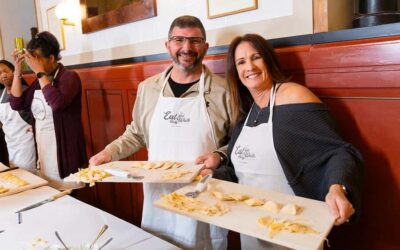
3-in-1 Fettuccine, Ravioli, and Tiramisu Cooking Class
Read our review →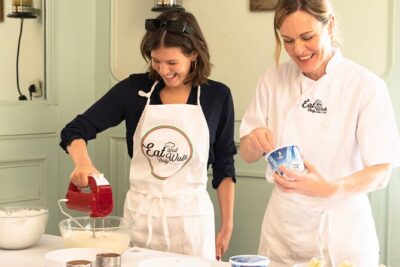
Learn to Make Pasta & Tiramisu with Wine and Limoncello Included
Read our review →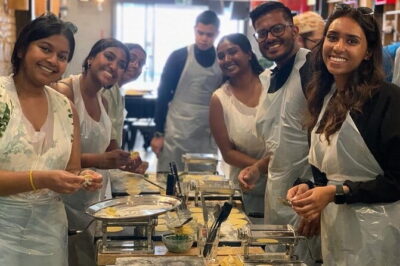
Cooking Class Pasta & Tiramisu Making Unlimited Wine
Read our review →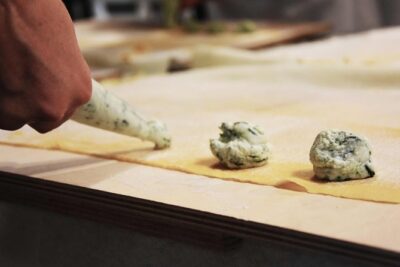
Become a Masterchef in Rome: Pasta, Ravioli and Tiramisù Class
Read our review →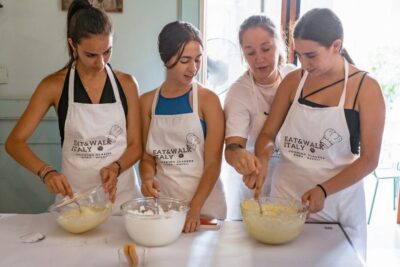
Fettuccine & Tiramisù: Cooking Class with Wine & Limoncello
Read our review →Browse the lists this tour appears in