
REVIEW · PISA
Pisa: Private Pasta-Making Class at a Local’s Home
The best part of this Pisa experience happens around a family table, not in a restaurant dining room. You spend three hours in a local home, make three regional pasta dishes from family recipes, then eat what you cooked with local wine, water, and coffee. Host Maria has been singled out for her warmth, while her funny husband may add to the welcome.
I like the private format, since you can ask questions and work at your own station instead of trying to keep up with a large class. I also like the practical menu: three pasta dishes give you more than a single recipe to take home in your head.
The main consideration is that you do not receive the exact address until after booking. Morning classes usually begin at 10:00 AM and afternoon classes at 5:00 PM, though the host can be flexible if you ask in advance.
Key Points
- Three regional pasta recipes: Learn several dishes rather than one basic pasta preparation.
- A real home setting: Meet your certified home cook at a private family residence in Pisa.
- Maria may be your host: Her warm welcome and her husband’s humor are part of the experience for some bookings.
- Everything is eaten at the table: Your class ends with a tasting of all three dishes, plus local red and white wine.
- Private instruction: Each person receives a workstation, utensils, and ingredients.
- Dietary needs can be arranged: Vegetarian, vegan, and gluten-free requests are accepted when made ahead of time.
What the Three-Hour Class Is Really Like
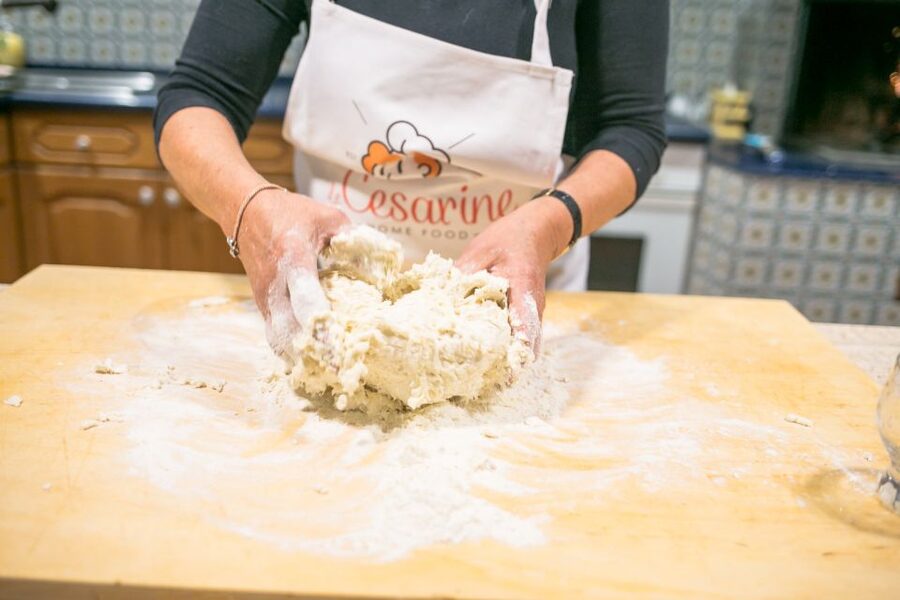
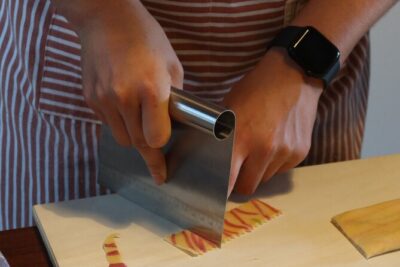
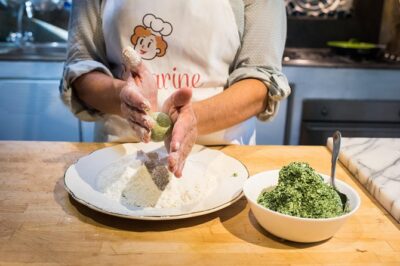
This is not a quick demonstration followed by a plate of pasta. You take part in the work from the start. Your host provides an individual workstation with the utensils and ingredients needed for the class, then guides you through three local pasta recipes.
The exact recipes are not specified in advance, which is part of the charm and also something to keep in mind. The host teaches from regional traditions and family cookbooks, so the menu is tied to the cook and the area rather than presented as a fixed tourist script.
I like that approach. Pasta changes from one Italian region to another, and even from one household to the next. The value here is not just learning how to mix dough or shape pasta. You get a look at how a local family thinks about a meal, what it considers worth serving, and how several dishes come together at the table.
The class lasts about three hours, so you should expect time for instruction, preparation, cooking, and eating. It is a good length for a hands-on activity. A shorter class might leave you with a rushed demonstration, while a much longer one could test the patience of anyone in your group who is less interested in cooking.
More Fresh Pasta Workshops in Italy:
- Rome: Pasta Making Class with Wine, Limoncello, and Dessert
★ 4.9 · 3,177 reviews - Pastamania – Florence Pasta Making Class
★ 5.0 · 3,050 reviews - Enjoy Spritz and Pasta Making in Piazza Navona
★ 5.0 · 1,681 reviews
Starting With Local Recipes and Family Methods
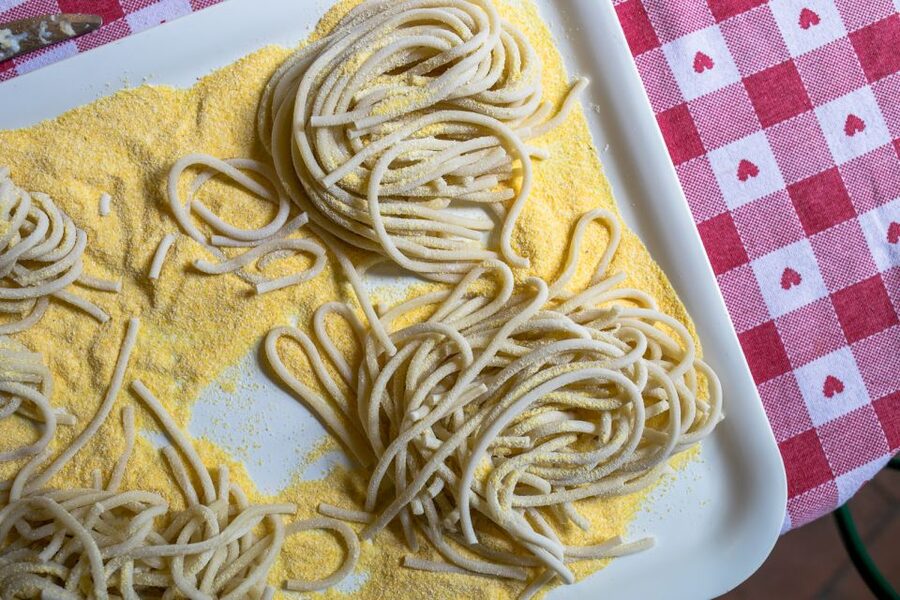
Your host reveals the methods behind three regional pasta dishes. Since the class is led by a certified home cook, the teaching should focus on practical home techniques rather than restaurant production.
That distinction matters. You are not signing up for a professional kitchen session where speed and precision rule the room. You are learning how a local cook prepares familiar food for family and friends. If you are new to pasta making, you can ask about each stage as you go. If you already cook, you can compare the host’s method with your own.
The family cookbook detail adds a useful personal layer. A recipe passed through a household often includes small choices that do not appear in a standard cookbook: how the dough should feel, when to stop working it, or how the finished pasta should be paired with its sauce. The precise tricks will depend on your host, so listen closely and take notes if you want to recreate the meal later.
The experience is offered in English and Italian. That makes it workable for English-speaking visitors, while some Italian language can add to the sense of being welcomed into a local home. You do not need a formal lecture. The setting is built around doing, asking, and eating.
Your Own Workstation Keeps the Class Hands-On
Each participant gets a workstation, utensils, and ingredients. This is one of the strongest practical features of the class because you are not simply watching someone else make pasta at the front of a room.
You can put your hands to the dough, follow the shaping process, and see how the ingredients change as the dishes come together. The private group format should also make it easier to pause and ask for help. That is especially useful if someone in your party has never made fresh pasta before.
I would still ask questions early if you have a particular interest. The supplied details do not say how much time is spent on dough, shaping, sauces, or cooking, and the balance may vary by host. Your best experience will come from treating the class as a conversation with a local cook, not as a rigid lesson with a guaranteed minute-by-minute schedule.
The word private is important here. The activity is not described as a large shared group class. Your booking is for a private group, which gives your party more control over the pace and the conversation. It also makes this a better choice for families, couples, or friends who want a shared activity without strangers at the table.
The Meal at the End Is Part of the Lesson
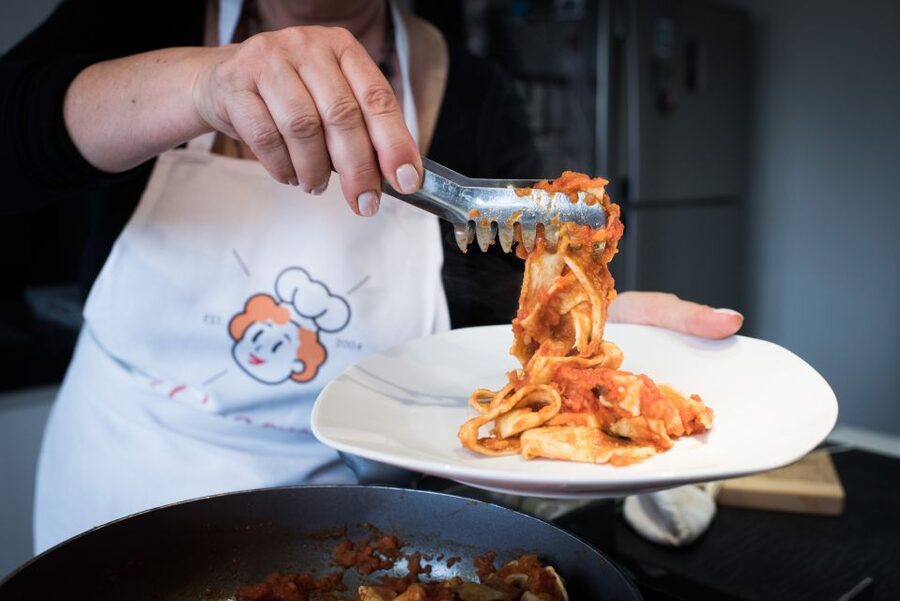
After the preparation, you taste all three pasta dishes you made. The meal is served with a selection of local red and white wines, along with water and coffee.
This is more than a convenient finish. Eating the food helps you understand the result of the work. You can compare the different pasta dishes, notice how the sauces work, and ask your host about the recipes while the meal is still fresh in your mind.
I like the social rhythm here. The class begins with instruction and hands-on work, then shifts to a relaxed meal around the table. That gives you time to talk with the host and, depending on your booking, with family members such as Maria’s husband. The available comments describe Maria as kind and welcoming, and her husband as funny, which suggests the evening can feel like a friendly visit rather than a formal cooking appointment.
Keep your expectations grounded. This is not presented as a wine-tasting course or a gourmet restaurant meal. The wine is included to accompany your food, with both red and white options. The main event is the home-cooked pasta and the connection with the family preparing it.
More Private Cooking Classes in Italy:
- Rome: Pasta Making Class with Tiramisu & Wine PRIVATE OPTION
★ 4.8 · 404 reviews - Semi-Private Pizza Making Experience in Naples with Drink
★ 5.0 · 324 reviews - Godfather vs Mafia Tour & Pasta Lunch (Small Group or Private)
★ 5.0 · 304 reviews - From Taormina: Private/Guided Godfather with appetizer and Pasta
★ 5.0 · 233 reviews
Meeting a Local Family in Pisa
The location is a local family’s home in Pisa. For privacy, you receive the full address only after booking, along with the correct meeting instructions.
That arrangement is sensible for a private residence, but it calls for a little planning. Do not build a tight schedule around an address you have not yet received. Once the details arrive, check the instructions carefully and allow enough time to reach the home without rushing.
The class ends back at the meeting point, so there is no separate restaurant or second destination to find afterward. This keeps the activity simple, but it also means transportation to and from the home is your responsibility unless your booking information says otherwise. No transfer service is included in the details provided.
The home setting is the heart of the experience. You get a direct connection with a local household instead of a restaurant designed for a passing audience. That can make the class more personal, though it may also feel less polished or predictable than a purpose-built cooking school. I see that as a fair trade if your priority is contact with local people.
Morning or Afternoon: Choose the Slot That Fits Your Pisa Plans
The class usually starts at 10:00 AM or 5:00 PM. The morning option works well if you want cooking to be the main activity before the rest of your day. The 5:00 PM start leads naturally into dinner, since the three-hour session should finish around 8:00 PM.
The evening timing is especially useful if you want a meal that replaces a restaurant reservation. You prepare the food, sit down to eat it, and finish with coffee. It gives the class a clear purpose within your Pisa schedule.
The provider can be flexible with the starting time if you make the request in advance. Do not assume every time is available, though. Ask before booking or contact the provider promptly after reserving if your train, museum visit, or other plans require a different hour.
The three-hour duration also makes this more than a filler activity between sightseeing stops. You will want to give it your full attention. I would avoid scheduling a timed attraction immediately afterward, especially for the 5:00 PM session.
Dietary Requests Need Advance Notice
The local provider can accommodate vegetarian, vegan, and gluten-free diets when requested. This is a useful benefit, but you should communicate your needs ahead of time rather than waiting until you arrive.
The available information does not specify the exact substitutions or how each recipe changes. A gluten-free pasta class, for example, may require different ingredients and preparation methods. Ask for confirmation when you book so the host has time to plan the ingredients and recipes.
If you have allergies, be as specific as possible. The activity promises attention to dietary requirements, but the details of kitchen handling are not provided. Clear communication gives the host the best chance to prepare a suitable class.
Is $164.26 Per Person a Fair Price?
At $164.26 per person, this is not a budget meal or a basic pasta demonstration. You are paying for a three-hour private experience, instruction from a certified home cook, ingredients, utensils, three prepared pasta dishes, wine, water, and coffee.
The price makes more sense when you value the setting and the personal contact. A restaurant meal gives you food, but not the chance to prepare it with a local family. A standard cooking school may give you instruction, but this class adds the home setting and the shared table.
For a couple or small private group, the price can be reasonable if you would otherwise spend an afternoon or evening on a special meal and activity. It is less attractive if you only want to learn one simple pasta technique or if you are mainly looking for the least expensive way to eat in Pisa.
The private format is the key value point. You are not just buying three plates of pasta. You are paying for access to a local home, guidance while you cook, and time to talk with the host. If those elements matter to you, the cost is easier to justify.
The price includes the cooking class and tasting, but the provided details do not mention transportation or any extra dishes beyond the three local pasta recipes. Keep that in mind when comparing it with other food experiences.
Who Will Enjoy This Most?
I would recommend this class to anyone who sees food as a way to meet people. It suits couples, families, and friends who want a shared activity with plenty of conversation. It also works well for first-time pasta makers because each person has a workstation and the class is private.
It is a strong choice for visitors who have already seen Pisa’s major sights and want something more personal than another monument. The activity gives you a reason to spend an evening with a local household rather than simply moving from attraction to attraction.
Food-focused visitors will get the most from the family recipes and the chance to taste three dishes. You should also enjoy a relaxed social setting, since the experience depends as much on the host’s welcome as on the pasta itself.
I would think twice if you prefer a tightly scripted tour, a professional restaurant kitchen, or a guaranteed menu. The recipes are regional, but the exact dishes are not listed. The home setting also means the experience may have a more personal and informal feel than a commercial cooking school.
Small Details That Matter Before Booking
You can cancel up to 24 hours before the activity for a full refund, and you can reserve now and pay later. Those terms help if your Pisa plans are still changing.
The host speaks English and Italian. The exact address arrives after booking for privacy reasons, so watch for the confirmation and meeting instructions. If you need a special starting time or dietary arrangement, make the request in advance rather than relying on last-minute flexibility.
The current rating is 5 out of 5 from three reviews, with particular praise for Maria’s kindness, her husband’s humor, and the warm family welcome. That is a small sample, so I would treat it as encouraging rather than a guarantee of the exact host or atmosphere you will receive.
Should You Book This Pasta Class in Pisa?
Book it if you want a private, social food experience and like the idea of learning three regional pasta dishes in a real home. The combination of hands-on work, a family table, local wine, and a host such as Maria gives the class a personal quality that a regular restaurant meal cannot match.
Skip it if you want a fixed menu, a low-cost activity, or a class with a fully specified professional kitchen setup. The address is shared only after booking, and the recipes depend on the host.
For most food-loving visitors, I think the strongest reason to book is not the pasta alone. It is the chance to spend an evening with an Italian family, make the meal together, and leave with techniques connected to an actual household rather than a generic tourist lesson.
FAQ
Where does the pasta-making class take place?
The class takes place in a local family’s home in Pisa. The full address and meeting instructions are provided after booking for privacy reasons.
How long does the activity last?
The class lasts three hours and ends back at the meeting point.
What time does the class usually begin?
The usual starting times are 10:00 AM and 5:00 PM. The local provider may be flexible if you request another time in advance.
What is included in the price?
The price includes the cooking class, ingredients and utensils for the workstations, tasting of three local pasta dishes, water, local red and white wines, and coffee.
Can the class accommodate dietary requirements?
Yes. Vegetarian, vegan, and gluten-free options can be arranged when requested in advance.
Is the class private, and what languages are offered?
The activity is for a private group. Instruction is available in English and Italian.
Just added around Italy
- Volterra: Fresh Pasta Cooking Class at a Tuscan Farmhouse★ 5.0 · 33 reviews
- Verona: Tortellini Cooking Class and Lunch with Mamma Ivana★ 5.0 · 20 reviews
- Vicenza: Pasta & Tiramisu Cooking Class at a Local’s Home★ 5.0 · 5 reviews
- Verona: My Granny’s secrets making gnocchi★ 5.0 · 7 reviews
- Verona: Prosecco and Pasta Making Class at a Local’s Home★ 5.0 · 10 reviews
- Verona: Pasta Cooking Class with Wine Tasting★ 5.0 · 4 reviews
- Verona: Pasta & Tiramisu Cooking Class at a Local’s Home★ 5.0 · 16 reviews
- Valnerina/Pasta cooking class in a 12th century location★ 4.8 · 9 reviews
Pisa Pasta Classes, compared.
Share your Pasta Love: Small group Pasta and Tiramisu class in Pisa
Read our review →
Private Pizza & Tiramisu Class at a Cesarina’s home with tasting in Pisa
Read our review →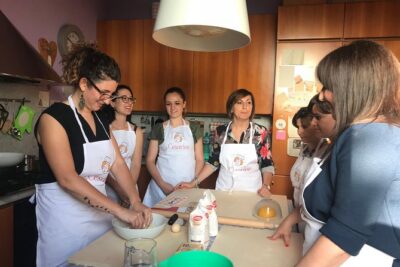
Private Pasta & Tiramisu Class at a Cesarina’s home with tasting in Pisa
Read our review →Browse the lists this tour appears in