
REVIEW · PISA
Pisa: Private Home-made Pasta Cooking Class
The best part of this Pisa experience is that pasta making is only the beginning. You are collected near the city, driven to a family farmhouse among olive trees, and welcomed with wine and local food before sitting down to work with flour and dough. Helena and Giacomo make the visit feel personal, with stories, farm walks, and a meal at the end.
I like the private-group format, which gives couples, families, and solo visitors room to ask questions and work at their own pace. I also like that you eat what you make, along with a starter, dessert, farm products, and wine. The main consideration is the price, $147.27 per person, which is a fair meal-and-transport package but more than a basic city cooking class.
Key points to know before booking
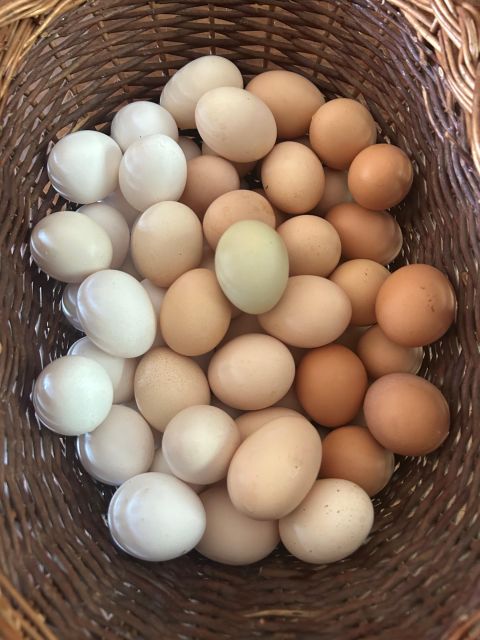
- A family farmhouse outside Pisa: The class takes place on an olive farm about 15 to 20 minutes from the city center, not in a downtown cooking studio.
- Helena and Giacomo host the day: Helena leads the pasta work, while Giacomo may share local stories during the ride and around the table.
- You make and eat the pasta: The class includes kneading, rolling, shaping, cooking, and sitting down to eat the finished dish.
- More than one course: Your pasta comes with local starters, a sauce of the day, dessert, wine, coffee, and water.
- Farm time is part of the charm: While the dough rests, you can walk through the olive grove and gardens and pick herbs or vegetables for the meal.
- A flexible private outing: Pickup is included, special requests are welcome, and cancellation is free up to 24 hours before the activity.
Why this Pisa pasta class feels different
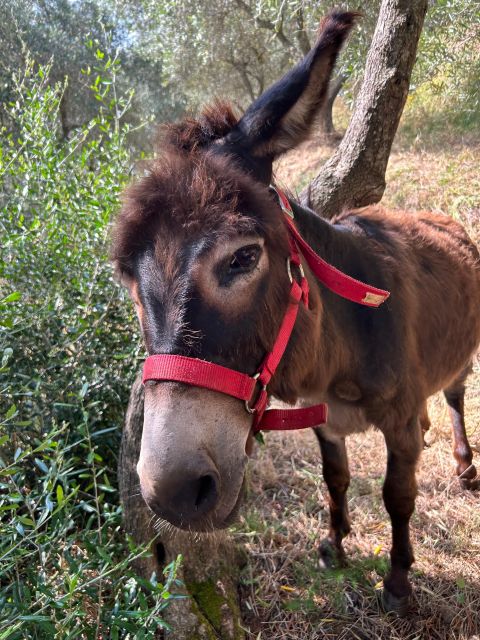
Many cooking classes are built around a worktable in a city kitchen. This one takes you away from Pisa’s center and into a family farmhouse, where the setting carries as much weight as the recipe.
The short drive matters. In roughly 15 to 20 minutes, you leave the city and arrive at an olive grove with gardens and views. Giacomo may use the ride to talk about local places and traditions, giving the outing a more personal start than simply meeting an instructor at a restaurant.
You are not just watching a demonstration. After a chef shows you the basic method, you knead and shape the dough yourself. The private format means you can ask for help with the feel of the dough, the thickness of the pasta, or the best way to shape it. That is useful for beginners, since fresh pasta often looks simple until you try to get the texture right.
The setting also gives the class a clear sense of place. Olive trees, garden ingredients, family cooking, and a long meal help connect the food to daily Tuscan life. If you want a quick lesson and a certificate, this may feel too leisurely. If you want time around a table with local hosts, it is a much better match.
More Private Cooking Classes in Italy:
- Rome: Pasta Making Class with Tiramisu & Wine PRIVATE OPTION
★ 4.8 · 404 reviews - Semi-Private Pizza Making Experience in Naples with Drink
★ 5.0 · 324 reviews - Godfather vs Mafia Tour & Pasta Lunch (Small Group or Private)
★ 5.0 · 304 reviews
The 15-minute ride from Pisa to the farm
Pickup is included from local accommodation or an agreed meeting point near Pisa. The exact location is confirmed after booking, and the pickup points are described as flexible. That is useful if you are staying outside the immediate city center, though you should wait for the provider to confirm the details before planning the rest of your day.
The transfer removes one of the less pleasant parts of visiting a rural property: figuring out how to reach it. You do not need to arrange a separate taxi for the outward and return journeys. Giacomo has also shared local stories during the ride, so the transfer can function as an informal introduction to the area.
The drive is short enough to fit easily into a Pisa visit. Still, allow the full four hours rather than treating this as a quick stop between the Leaning Tower and another sight. Pickup, the farm visit, cooking, lunch or dinner, and the return drive all form one continuous outing.
Welcome drinks and a farm-style table
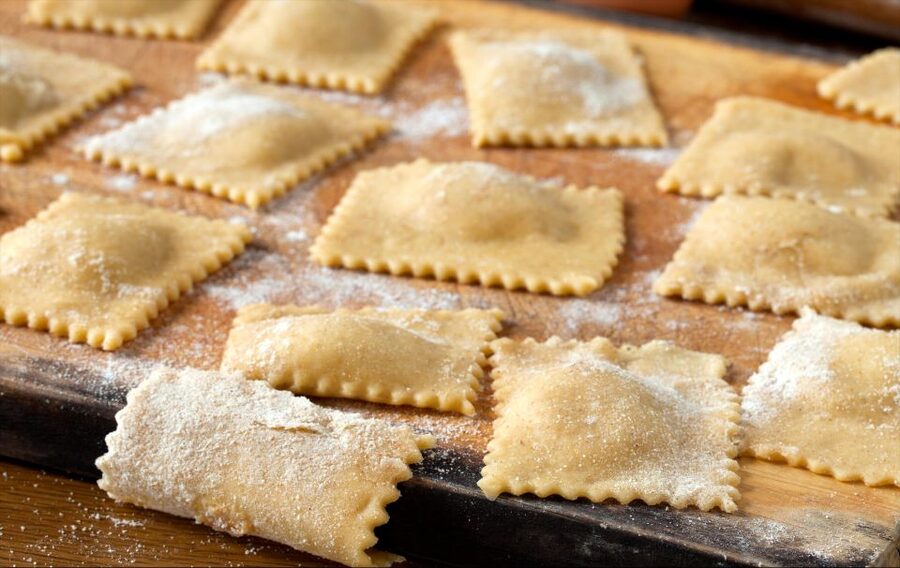
On arrival, you are offered local wine and refreshments. This is not a formal tasting with a long technical explanation. It is a relaxed start, giving you time to meet the family and settle into the farmhouse.
The food begins before the pasta lesson. Local products and ingredients from the farm are used for the starter, and the full experience includes three courses: starter, main course, and dessert. Coffee and water are also included, as is wine.
This matters because the class is priced as an entire food experience, not just an instructional hour. You are paying for the transfer, equipment, ingredients, drinks, hands-on teaching, and meal. At $147.27 per person, the value is strongest if you want all of those parts together. It is less compelling if you only want to learn a pasta technique and plan to eat elsewhere.
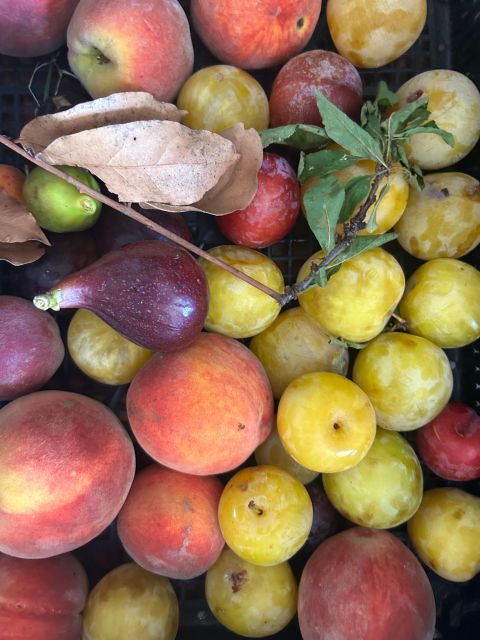
The hosts have been especially good at making the opening meal feel generous rather than perfunctory. Farm-grown and organic ingredients have been used for appetizers, and the food is served with the easy hospitality of a family meal. You should arrive ready to eat, but save some appetite for the pasta you make later.
Making pasta with Helena
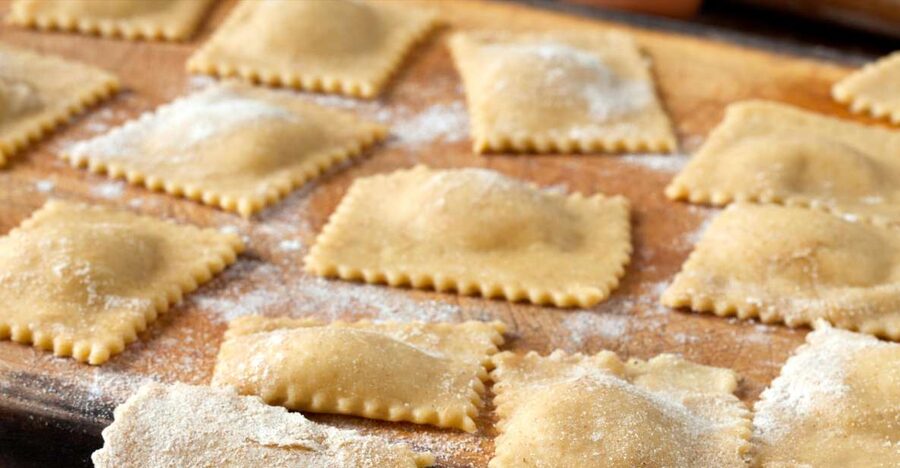
The main lesson starts with flour, dough, and a demonstration. Helena guides you through kneading and shaping, then gives you time to try the work yourself. The emphasis is practical: feel the dough, follow the method, and adjust with help when needed.
This is a good setup for mixed-experience groups. A confident cook can ask about technique, while a first-time pasta maker can receive direct assistance. The class is private, so the pace is not set by a large room full of people waiting for their turn.
You will create pasta from scratch and later eat it with the sauce of the day. The exact pasta shape and sauce are not fixed in the information provided, so you should expect the menu to follow what is available and suitable for the day. That changing element is part of the farmhouse character, though it means you should not book expecting one particular pasta dish unless you request it in advance.
The class is also a good choice for families. A four-year-old child has taken part successfully, with the hands-on work adapted to the group. Comfortable clothes are sensible because flour, dough, and cooking are practical activities, not a polished demonstration from a distance. Comfortable shoes are recommended as well.
A few more classes around Italy worth a look
- From Taormina: Private/Guided Godfather with appetizer and Pasta
★ 5.0 · 233 reviews - Cesarine: Private Pasta Class & Meal at Local’s Home in Bologna
★ 5.0 · 111 reviews - Cesarine: Private Pasta Class at Local’s Home in Messina
★ 5.0 · 53 reviews - Cooking Class: Pasta & Tiramisu with a Private Italian Chef
★ 5.0 · 46 reviews
Walking among the olive trees while the dough rests
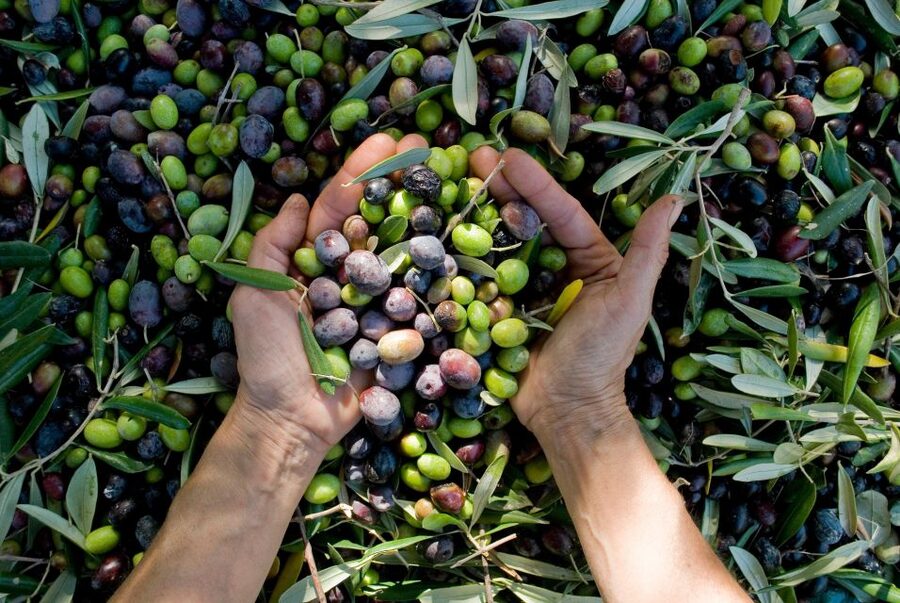
Once the pasta dough has been prepared, you may have time to walk around the farm and gardens while it rests. This part is optional, which is helpful if someone in your group would rather stay at the table or if the weather is not suitable.
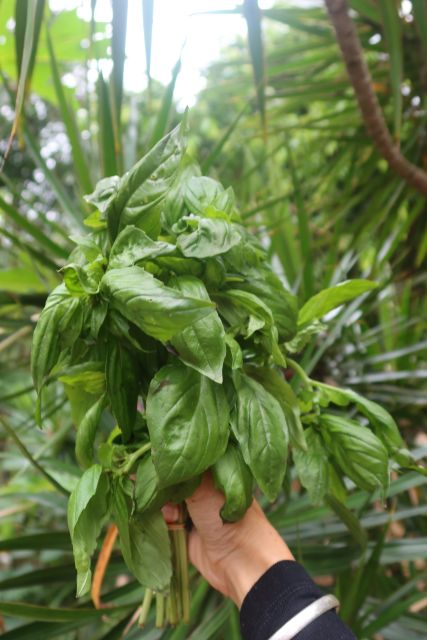
The farm walk gives you a chance to see where some of the meal’s ingredients come from. You may pick fresh herbs, vegetables, and other garden ingredients for the sauce. That small act changes the lesson from a standard cooking exercise into a look at how a family meal is assembled around what is growing nearby.
Do not think of this as a formal agricultural tour. The appeal is the quiet pause between stages of cooking, with the olive grove and garden as a backdrop. If you are visiting Pisa mainly for monuments, this rural interval provides a useful change of pace. If you have limited mobility, ask about the ground and walking arrangements before booking, since the activity takes place at a farm and the information does not specify accessibility details.
Cooking, eating, and the long table
After the dough has rested and the pasta is shaped, you gather around the table while it cooks. Then you eat the dish you helped prepare, served with the sauce of the day and local wine.
That sequence gives the class a satisfying payoff. You do not leave with a recipe card but no idea whether your pasta worked. You see the finished result, taste it, and can ask questions while the meal is still fresh in your mind.
The meal continues beyond the pasta. A local dessert follows, with coffee available as part of the included drinks. The supplied details describe the meal as a starter, main course, and dessert, so this should feel like a full lunch or dinner rather than a small tasting.
The table is also where the social side of the experience takes over. Giacomo may talk about local history and traditions, and the hosts have spent time chatting with groups during the meal and the return ride. This can be a highlight if you enjoy conversation and want a closer look at family life in Tuscany.
It can also be the least predictable part of the day. A private meal with hosts is more personal than a quick restaurant visit, but the pace depends on the group. People who prefer a tightly timed schedule should leave room afterward rather than booking another activity immediately.
Recipes, photos, and what you take home
At the end, you receive recipe cards and tips for making the dishes at home. This is a useful touch because fresh pasta is easiest to remember when you have the proportions and method in front of you.
The hosts have also taken photographs for some groups and sent them afterward. That is not listed as a formal inclusion, so treat it as a possible extra rather than something to demand. Still, it adds a nice record of the flour-covered hands, the farm setting, and the meal around the table.
Special requests are welcome. The information does not promise that every dietary need or preferred dish can be met, so contact the provider before booking if you have a serious allergy, a strict diet, or a particular pasta request. Ask early, rather than hoping the menu can be changed on arrival.
Who will get the most from this experience
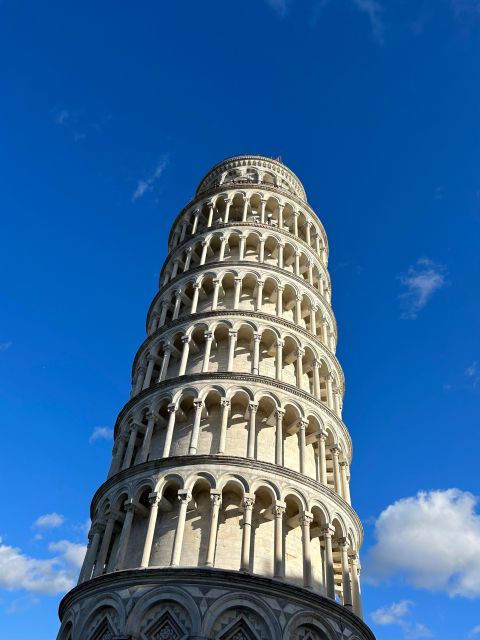
I would choose this class for couples who want a relaxed half-day outside Pisa, families looking for an activity that works across ages, and solo visitors who prefer a private setting to a large cooking school.
It also suits anyone who values food, conversation, and place as much as the cooking technique. You get a farm visit, a meal, a ride through the local area, and time with an Italian family. The hosts speak English, Italian, French, and Russian, making the class accessible to a wider range of visitors.
You may want to skip it if your main goal is an advanced culinary lesson. The focus is on friendly instruction, local ingredients, and the shared meal, not professional kitchen training. You should also think twice if you have only a short window in Pisa, since the pickup and return make this a four-hour commitment.
The private-group arrangement is especially valuable for people who dislike crowded classes. It gives you a better chance to ask for help and shape the day around your group. Couples can enjoy the setting without being folded into a large party, while families can take breaks without worrying about holding up strangers.
Is $147.27 a fair price?
The price makes the most sense when you count the full package. You receive return transfers, all equipment, ingredients, instruction, local food, a starter, pasta as the main course, dessert, wine, coffee, and water. You also receive a farm setting and a private group rather than a standard shared class.
That is a stronger offer than a basic pasta lesson priced only for the instruction. The cost may still feel high for budget-conscious visitors, particularly if you are already staying at a farmhouse with your own kitchen or have several people in your party.
For me, the value rests on the personal hosting. Helena’s patient teaching, Giacomo’s local stories, the garden walk, and the family meal are the parts you cannot easily reproduce with a recipe book. If those details matter to you, the price is easier to justify. If you only want to learn how to roll dough, choose a shorter city class instead.
Free cancellation up to 24 hours before the activity and the option to reserve now and pay later add useful flexibility. You still need to confirm your pickup point after booking, since the provider contacts you directly with the final arrangement.
What to wear and how to prepare
Wear comfortable clothes and shoes. You will be kneading dough, shaping pasta, walking around the farm if you choose the garden visit, and sitting down for a substantial meal.
Keep your schedule open for the full four hours. The exact starting time depends on availability, and the pickup point is confirmed after booking. Since this is a private experience, it is worth sending special requests in advance, especially food-related ones.
Bring curiosity and an appetite. The class is designed around participation, so you will get more from it if you are ready to handle the dough, ask questions, and join the conversation rather than simply watch Helena work.
Should you book the Pisa farmhouse pasta class?
Book it if you want a personal Tuscan food experience that combines a farmhouse visit, hands-on pasta making, local wine, and a proper three-course meal. The strongest reasons are the private format, the included transfers, and the warm family setting with Helena and Giacomo.
Skip it if you want the cheapest possible cooking lesson, a fixed menu, or an advanced culinary workshop. For everyone else, this is a generous four-hour outing that gives you more than pasta: you leave with recipes, practical tips, and a taste of rural life just beyond Pisa.
FAQ
Where does the pasta class take place?
The class takes place at a family farmhouse on an olive grove approximately 15 to 20 minutes outside Pisa city center.
Is pickup included?
Yes. Transfers to and from local accommodation are included. The exact pickup location is confirmed after booking, and meeting points are flexible.
How long does the experience last?
The activity lasts four hours. Check availability for the starting times.
Is this a private class?
Yes. The activity is offered as a private group experience, making it suitable for couples, families, individuals, and other small groups.
What food and drinks are included?
The experience includes a starter, handmade pasta as the main course, a local dessert, wine, coffee, water, and tastings of local farm products.
Which languages are available?
Instruction and hosting are available in English, Italian, French, and Russian.
Can I cancel or pay later?
You can cancel up to 24 hours in advance for a full refund. You can also reserve now and pay later, so no payment is required at the time of booking.
Just added around Italy
- Volterra: Fresh Pasta Cooking Class at a Tuscan Farmhouse★ 5.0 · 33 reviews
- Verona: Tortellini Cooking Class and Lunch with Mamma Ivana★ 5.0 · 20 reviews
- Vicenza: Pasta & Tiramisu Cooking Class at a Local’s Home★ 5.0 · 5 reviews
- Verona: My Granny’s secrets making gnocchi★ 5.0 · 7 reviews
- Verona: Prosecco and Pasta Making Class at a Local’s Home★ 5.0 · 10 reviews
- Verona: Pasta Cooking Class with Wine Tasting★ 5.0 · 4 reviews
- Verona: Pasta & Tiramisu Cooking Class at a Local’s Home★ 5.0 · 16 reviews
- Valnerina/Pasta cooking class in a 12th century location★ 4.8 · 9 reviews
Pisa Pasta Classes, compared.
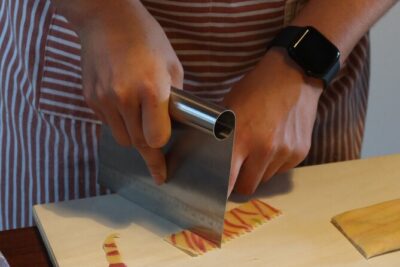
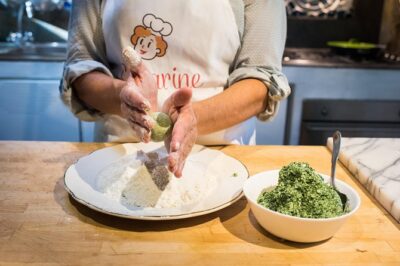
Share your Pasta Love: Small group Pasta and Tiramisu class in Pisa
Read our review →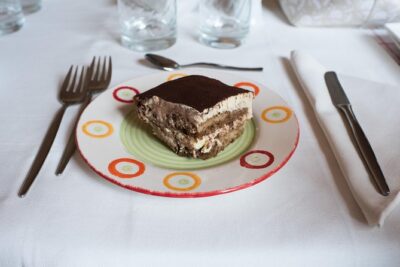
Private Pizza & Tiramisu Class at a Cesarina’s home with tasting in Pisa
Read our review →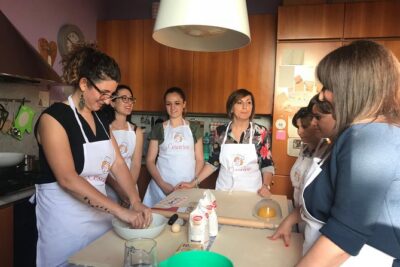
Private Pasta & Tiramisu Class at a Cesarina’s home with tasting in Pisa
Read our review →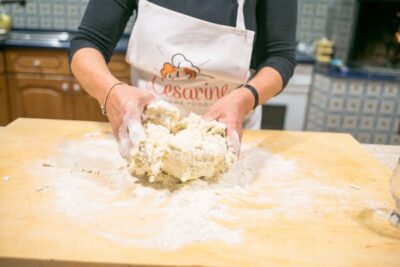
Browse the lists this tour appears in