
REVIEW · TIRAMISU CLASSES
Small group Pasta and Tiramisu class with Mamma in Trieste
The best part of this Trieste class is that the cooking happens in a real local home, not a polished restaurant school. You make fresh pasta and tiramisu, then eat what you prepared around the host’s table. I like the warm welcome of Prosecco and snacks, and I like that hosts such as Rita and Giovanni treat the lesson as a shared meal rather than a timed demonstration.
The main consideration is that the hands-on work may vary by host. Some sessions give everyone plenty to do, while others use one large pasta board and feel more like a demonstration with chances to help. English is offered, but Giovanni and his wife have used Google Translate successfully when needed.
Key points to know before you book
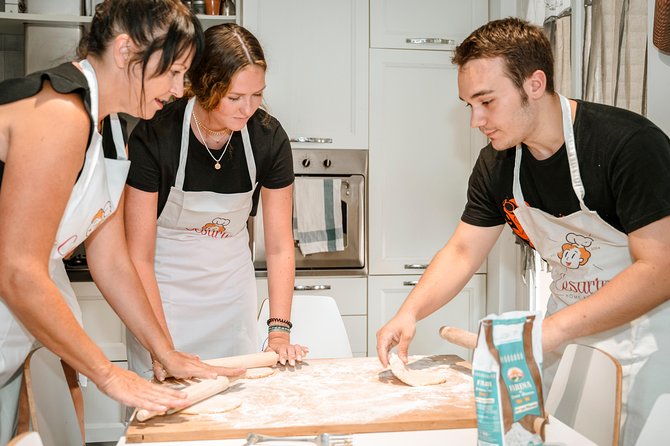
- A real home kitchen: You cook and eat in a carefully selected local residence in Trieste.
- Two pasta preparations: The lesson covers two fresh pasta shapes, with reviews describing ravioli and spaghetti.
- Tiramisu comes early: The dessert is made first or near the start so it can chill before the meal.
- Food and drinks are part of the event: Expect Prosecco and snacks at arrival, then wine with the meal and sometimes limoncello.
- Small group, up to 12 people: The setting is more personal than a large cooking school, but not every guest is guaranteed an individual workstation.
- Allow three hours: This is a class, meal, and social visit, not a quick recipe demonstration.
Cooking in a Trieste home, not a restaurant classroom
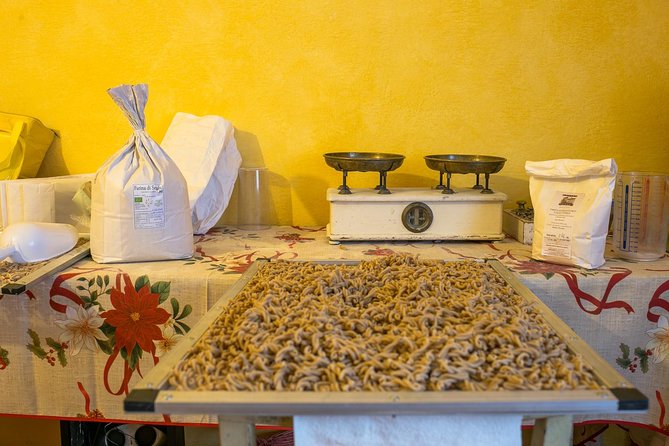
This experience begins at a meeting point in Trieste and continues in the home of a local Cesarina, the program’s name for its host cooks. The exact personality of the afternoon depends on who welcomes you. Hosts named Rita and Giovanni appear in the experience feedback, and both are described as warm, patient, and eager to share their homes.
That home setting changes the feel of the class. You are not simply watching a chef prepare a plate for paying customers. You are stepping into someone’s kitchen, seeing the dining room, and learning family methods that may not be measured with restaurant-style precision.
I like this format because it gives you more than a recipe. You get a glimpse of how an Italian host organizes a meal, welcomes people, and moves food from work surface to table. One host’s home included antique art alongside modern furnishings, while another host, Rita, is also a cookbook author. These details make the setting personal rather than generic.
Still, a private home is not designed like a teaching kitchen. The available counter space, tools, and number of workstations can vary. If you expect every person to have a rolling pin and a separate board, adjust that expectation before booking.
More Tiramisu Classes in Italy:
- 3 in 1 Cooking Class near Navona: Fettuccine, Ravioli & Tiramisu
★ 5.0 · 7,376 reviews - Florence: Pasta & Tiramisu Cooking Class with Unlimited Wine
★ 4.9 · 6,708 reviews - Rome: Pasta & Tiramisu Class with Fine Wine by the Vatican
★ 4.9 · 4,852 reviews
The welcome: Prosecco, snacks, and a chance to settle in
The class typically opens with Prosecco and snacks. This is more than a pleasant extra. It gives you time to meet the host and the rest of the group before flour appears on the counter.
The snacks can also reflect the host’s own cooking. One host prepared appetizers with mackerel and cod, then quickly made bruschetta when a participant explained that fish was not a favorite. That kind of adjustment is useful if you have food dislikes, though you should still provide dietary information when booking and confirm it with the host.
Wine and water are also available during the meal. Some sessions finish with limoncello, giving the afternoon or evening a distinctly Italian rhythm: welcome, preparation, sitting down together, and a small after-dinner drink.
The social part matters here. If you want a quiet, highly structured lesson with little conversation, this may feel loose. If you enjoy meeting a local host and sharing food at home, the format is a strong match.
Tiramisu first, so dessert has time to rest
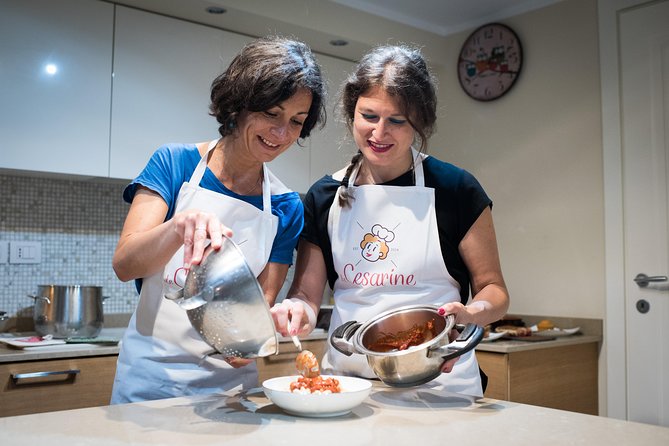
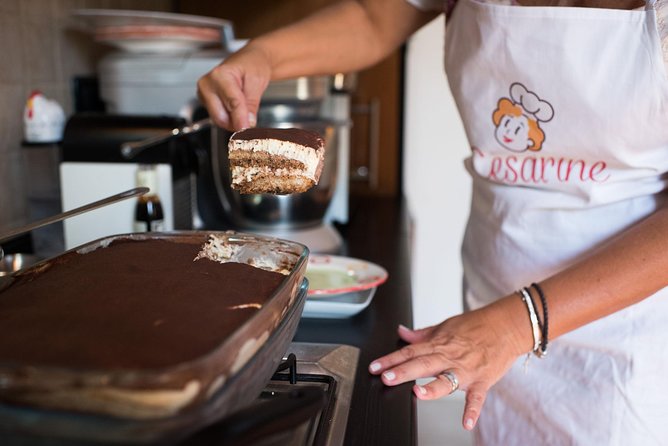
The tiramisu is usually prepared early because it needs time in the refrigerator. This is a smart part of the schedule. You assemble dessert before the pasta work, then let it chill while the group handles the more labor-intensive dough.
The lesson covers the process of assembling tiramisu, not just eating a finished portion. You should expect the host to explain and demonstrate, then involve the group to the extent the kitchen and group size allow. One account describes Giovanni demonstrating the dessert before moving on to the pasta.
Tiramisu is a good choice for a short class because it teaches a clear sequence without requiring a long bake. It also gives you a recipe you can repeat at home. The practical value is high: you leave with an idea of how the dessert comes together, plus a chance to taste it after it has had time to set.
Do not expect every step to be handled individually by every participant. In one session, the host prepared the tiramisu himself while the guests focused on the pasta. That does not make the dessert portion useless, but it does mean the amount of hands-on work is host-dependent.
Making two kinds of fresh pasta
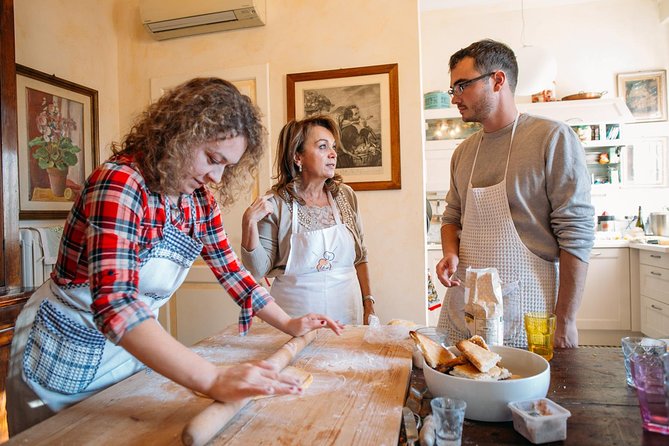
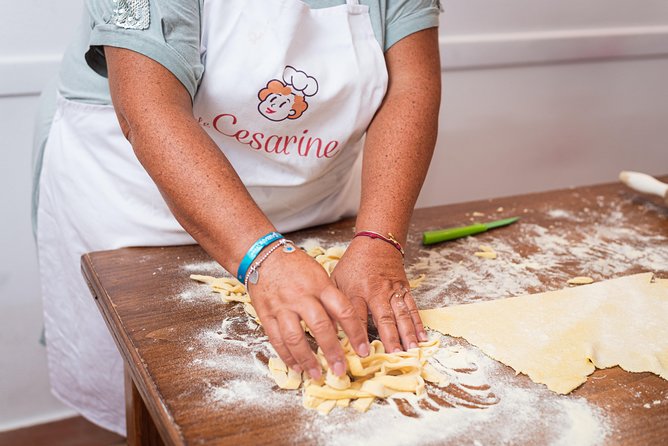
The pasta portion is the heart of the class. You learn how to mix, work, roll, shape, and cut fresh dough, with two pasta styles included. Ravioli and spaghetti are specifically described in the experience feedback, so you may get a useful contrast between filled pasta and long pasta.
Fresh pasta rewards patience. The dough must be worked properly, rolled thin enough, and shaped with care. A host such as Giovanni may prepare part of the pasta ahead of time so the session fits the three-hour schedule. That is practical, since making every portion from the first scoop of flour to the final cut could take much longer.
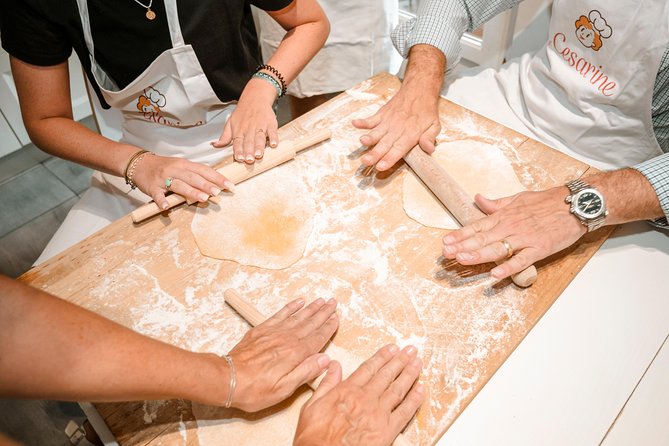
You should expect a demonstration followed by participation. You might knead dough, help roll sheets, fill ravioli, cut strands, or shape pasta. The exact division of tasks depends on the group and the kitchen.
This is where the small group helps. With a maximum of 12 people, the host has a better chance of correcting a fold or showing you how to handle sticky dough than in a large workshop. But 12 is still a fairly broad group for one home kitchen. The most personal sessions may be those with only a few people, including one class attended by just two participants.
A useful reality check: one group of three had only one large pasta board. The host demonstrated, then guests took turns kneading, filling, cutting, and rolling. That session was described as more of a demonstration with shared participation than a fully individual class. If personal workstation time is essential to you, ask about the group size and setup before committing.
More Small Group Classes in Italy:
- Milan: Pasta and Tiramisu Small Group Cooking Class with Wine
★ 5.0 · 660 reviews - Florence Small-Group Pasta Class with Seasonal Ingredients
★ 5.0 · 532 reviews - Rome: Pizza Making Class Small Group Experience
★ 5.0 · 487 reviews - Bologna: Pasta and Tiramisu Small Group Cooking Class with Wine
★ 5.0 · 409 reviews
The shared meal is part of the lesson
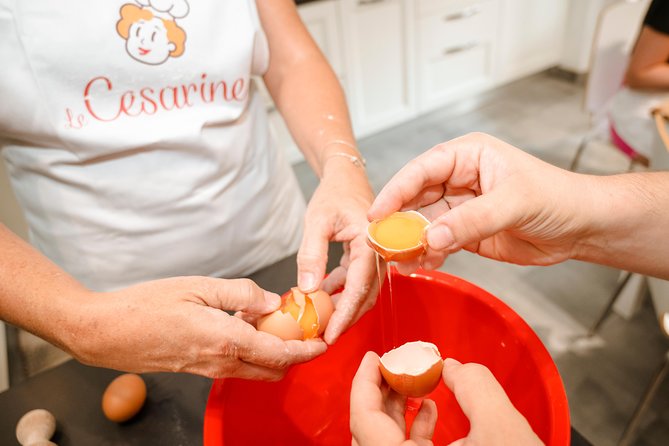
Once the pasta is ready, you sit down to eat what the group prepared. This meal is not an afterthought. It is the payoff for the flour on your hands and the time spent rolling dough.
The food is served with wine, and portions can be generous. One group left very full after a meal with plenty of pasta, wine, and dessert. That makes the $161.77 price easier to assess. You are paying for a roughly three-hour activity, instruction, ingredients, drinks, and a meal in a private home, not simply for a plate of pasta.
The value is strongest if you would otherwise pay for a restaurant meal and also want a memorable activity. It is less compelling if your main goal is to learn advanced pasta technique in a professional kitchen. This is a social home-cooking experience first, with instruction built into it.
I also like that the meal lets you taste the results immediately. You can see whether the pasta is tender, how the filling works, and how the tiramisu tastes after chilling. That direct connection between lesson and meal helps the recipes stick in your mind.
Rita, Giovanni, and the role of communication
The host makes a major difference. Rita is described as friendly, funny, patient, and welcoming, with a cookbook background. Giovanni is praised for clear demonstrations, patience, and the warm way he and his wife welcome people into their home.
English is the advertised language, but you should not assume every host will speak fluent English. Giovanni and his wife have reportedly used Google Translate when needed, and the cooking itself provides plenty of visual communication. A gesture, demonstration, and shared laugh can often carry the lesson forward.
Still, language can affect how much detail you get about technique, ingredients, and family traditions. If you want a very technical lesson in English, confirm the language arrangements. If you are comfortable with a little translation-app help, the language gap may become part of the fun rather than a serious barrier.
The experience also works well for couples, families, and small groups of friends. Four couples joined one class while visiting Trieste by cruise ship and found it a good way to spend time in port. You need to protect enough time for the three-hour session and the journey back to your ship or hotel.
Finding the home and handling the meeting point
The activity begins in Trieste and ends back at the meeting point, but the precise home address is provided with the booking rather than stated in the basic tour details. Pay close attention to the confirmation and directions.
One participant lost time because of poor navigation and arrived about 30 minutes late. Other guests found Giovanni’s home without trouble, so the problem is not necessarily the meeting system itself. Still, private-home experiences demand more care than meeting a guide outside a museum.
Use the supplied address, allow extra time, and do not rely only on a GPS pin. The activity is near public transportation, which helps, but the final walk or residential entrance may still require attention. If you are joining from a cruise ship, build in a generous buffer.
Confirmation is sent at booking. The activity has a maximum of 12 people and requires a minimum number to operate. If the minimum is not met and the class is canceled, you are offered another date or experience, or a full refund.
Who will get the most from this class
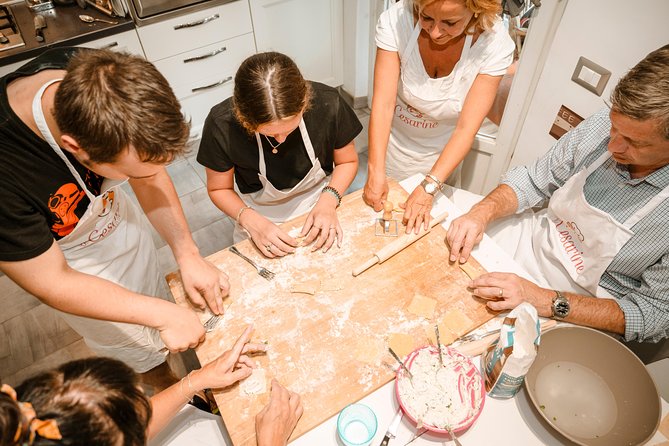
I would choose this for someone who wants food to open a door into local life. You do not need to be an experienced cook. In fact, beginners may enjoy it most because the host guides you through dough, shaping, and dessert without assuming professional skills.
It also suits people who value conversation and a relaxed meal. The hosts’ warmth is a central part of the experience, and the best sessions sound like an afternoon or evening spent with new friends in a family kitchen.
You may want another type of class if you need:
- A private booking with no other participants
- A guaranteed individual work surface
- A tightly timed professional-school format
- A fully English-speaking instructor for every technical explanation
- Advanced lessons beyond basic fresh pasta and tiramisu
The experience is offered in English, but the host’s own language ability can differ. A translation app is a sensible backup, especially if you want to ask detailed questions.
Price, timing, and cancellation
At $161.77 per person, this is not a bargain cooking demonstration. Its value comes from the combination of instruction, food, drinks, a home setting, and roughly three hours of time with a local host.
I think the price is reasonable for a visitor who wants both a meal and an activity. Prosecco, snacks, wine, and sometimes limoncello add to the total, as does the pasta and tiramisu you prepare. The private-home setting also gives it a character that a standard restaurant meal cannot provide.
The class lasts about three hours, so do not place it too close to another fixed appointment. Free cancellation is available if you cancel at least 24 hours before the start time. Cancellations or changes inside that window are not refunded or accepted, and cut-off times follow Trieste’s local time.
Should you book the Trieste pasta and tiramisu class?
Book it if you want a friendly home meal, basic fresh-pasta skills, and a close look at Italian hospitality. Rita and Giovanni bring the kind of warmth that can turn a recipe lesson into a memorable evening, and the combination of pasta, tiramisu, wine, and conversation gives the experience real value.
Go in expecting shared participation rather than a private workstation for every person. Confirm directions, allow extra time to reach the home, and be ready to use a translation app if needed. With those expectations in place, this is a particularly good choice for couples, small groups, cruise visitors, and anyone who thinks the best souvenir from Italy is a recipe you can make at home.
FAQ
Where does the pasta and tiramisu class take place?
The class takes place in a carefully selected local home in Trieste, Italy. The activity starts and ends at the meeting point in Trieste, with the home address and directions supplied after booking.
How long does the experience last?
The class lasts approximately three hours. That time includes the welcome, cooking lesson, and shared meal.
What dishes will I prepare?
The sample menu includes fresh pasta as the main dish and tiramisu for dessert. The pasta lesson covers two types, with ravioli and spaghetti described in the experience details.
Are food and drinks included?
The experience begins with Prosecco and snacks. Wine and water are available with the meal, and some hosts also serve limoncello afterward.
Is the class taught in English?
The experience is offered in English. Some individual hosts may speak limited English, so a translation app may be useful for detailed communication.
How many people can join?
The maximum group size is 12 people. Smaller groups are possible, and the amount of individual hands-on time may depend on the number of participants.
Will I have my own pasta-making station?
Not necessarily. The kitchen setup varies by host, and one session used a single large pasta board shared by the group. Ask about the current group size if an individual workstation is important to you.
Is the class suitable for beginners?
Yes. The host demonstrates the techniques and gives participants opportunities to knead, roll, fill, cut, and shape the pasta. No previous cooking experience is stated as a requirement.
Is the activity near public transportation?
Yes, the experience is described as being near public transportation. You should still check the confirmed home address and allow extra time for the final route.
Can I cancel for a full refund?
Yes, if you cancel at least 24 hours before the experience start time. Cancellations or changes made less than 24 hours before the start are not refunded or accepted.
Just added around Italy
- Volterra: Fresh Pasta Cooking Class at a Tuscan Farmhouse★ 5.0 · 33 reviews
- Verona: Tortellini Cooking Class and Lunch with Mamma Ivana★ 5.0 · 20 reviews
- Vicenza: Pasta & Tiramisu Cooking Class at a Local’s Home★ 5.0 · 5 reviews
- Verona: My Granny’s secrets making gnocchi★ 5.0 · 7 reviews
- Verona: Prosecco and Pasta Making Class at a Local’s Home★ 5.0 · 10 reviews
- Verona: Pasta Cooking Class with Wine Tasting★ 5.0 · 4 reviews
- Verona: Pasta & Tiramisu Cooking Class at a Local’s Home★ 5.0 · 16 reviews
- Venice: Pasta Carbonara Cooking Class with Wine★ 5.0 · 3 reviews
Tiramisu Classes, compared.
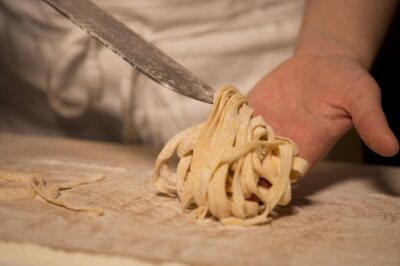
3 in 1 Cooking Class near Navona: Fettuccine, Ravioli & Tiramisu
Read our review →
Pasta & Tiramisu Cooking Class with Unlimited Wine
Read our review →
Pasta & Tiramisu Class with Fine Wine by the Vatican
Read our review →
3-in-1 Fettuccine, Ravioli, and Tiramisu Cooking Class
Read our review →
Learn to Make Pasta & Tiramisu with Wine and Limoncello Included
Read our review →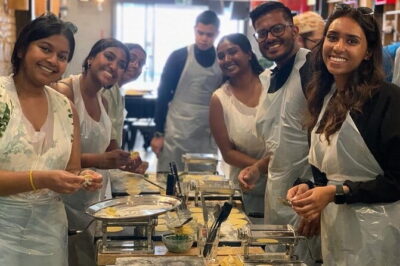
Cooking Class Pasta & Tiramisu Making Unlimited Wine
Read our review →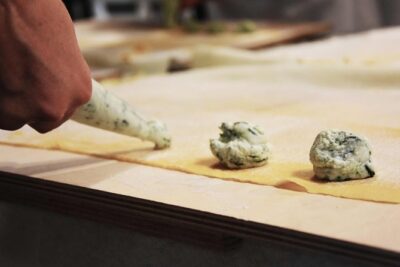
Become a Masterchef in Rome: Pasta, Ravioli and Tiramisù Class
Read our review →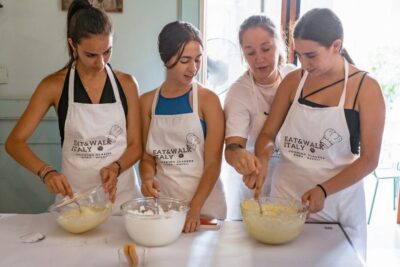
Fettuccine & Tiramisù: Cooking Class with Wine & Limoncello
Read our review →Browse the lists this tour appears in