
REVIEW · ROME
Tiramisu and Gelato Creation in Authentic Roman Dessert Workshop
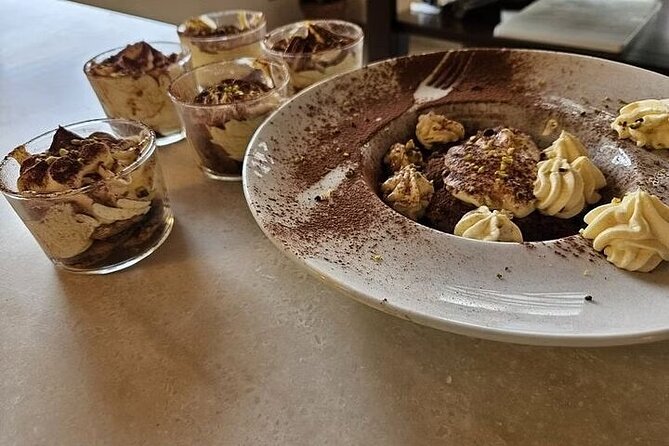
Rome’s best food memories are often the hands-on ones. In this small workshop, you make tiramisu and gelato from scratch, learning why egg whites, mascarpone, espresso, sugar, and temperature matter instead of simply watching a demonstration.
I like the small group of eight because the chef can give you useful help at the worktable. I also like the practical takeaway: you leave with recipes and a certificate, not just a sugar rush. The main drawback is the price, $238.23 per person, which is a serious sum for a two to two-and-a-half-hour class.
Key points
- You make both desserts yourself, including mascarpone tiramisu and fresh sorbet.
- The class takes place in a professional pastry laboratory near Campo de’ Fiori.
- A local pastry chef explains the food history, techniques, and difference between gelato and ordinary ice cream.
- The group is capped at eight people, giving you a better chance to ask questions.
- You receive recipes and a certificate, useful if you want to repeat the class at home.
- The 4:30 pm start works well for an afternoon treat, but allow for the advertised two to two-and-a-half-hour duration.
What this Roman dessert class is really like
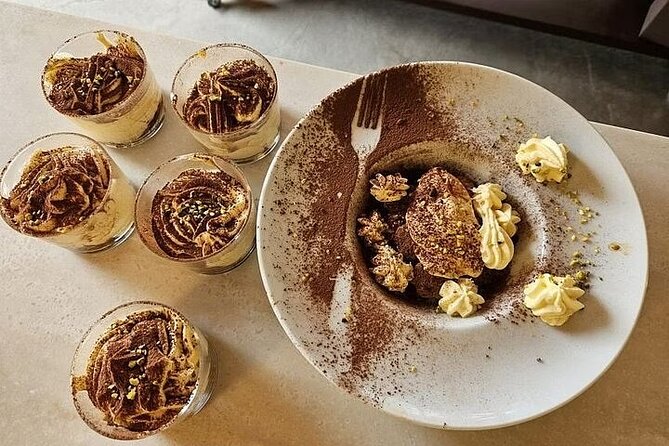
This is not a quick tasting with a chef doing all the work. You roll up your sleeves and help build two of Italy’s most famous sweets. The class begins with tiramisu, then moves to gelato and sorbet before you sit down to eat what you made.
The setting is a professional baking laboratory on Via della Maddalena, close to Campo de’ Fiori in central Rome. That matters because you are not being sent far outside the city for a cooking activity. You can fit the class into a sightseeing day around the historic center.
The English-language workshop starts at 4:30 pm. The advertised duration is approximately two hours and 30 minutes, while the description also refers to a two-hour class. I would plan on the longer figure so you are not rushing to a dinner reservation afterward.
The atmosphere is meant to be relaxed and friendly rather than formal. That makes this a good pick if you enjoy cooking but do not want a demanding culinary course. You can expect guidance at each stage, with enough explanation to understand what you are doing.
More Gelato Making Classes in Rome
- Rome: Fresh Pasta-Making Class with Wine and Gelato
★ 4.9 · 813 reviews - Night Tour of Rome with Local Pizza Dinner and Gelato Experience
★ 4.5 · 780 reviews - Super Fun Pasta & Gelato Class by Vatican with Wine + Oil Tasting
★ 5.0 · 726 reviews
Starting near Via della Maddalena and Campo de’ Fiori
Your meeting point is Via della Maddalena, 36, 00186 Roma, with the activity ending at the same location. Campo de’ Fiori is listed as the itinerary stop, so you are in a central part of Rome with plenty to see before or after the class.
The location is near public transportation, though no specific bus or metro route is provided. I would still allow extra time to find the exact doorway. Rome’s historic center is full of narrow streets, busy corners, and buildings with entrances that can be easy to miss.
The 4:30 pm start gives you a useful afternoon option. You could visit Campo de’ Fiori earlier, walk toward the Pantheon or Piazza Navona, and then make your way to the workshop. Since the class finishes back at the meeting point, you can continue into the evening without arranging a separate return transfer.
There is no sightseeing component beyond the central location. You are paying for the food lesson, the chef’s instruction, the ingredients, and the time in the professional kitchen. If you want a tour of Rome’s monuments as well, you will need to plan that separately.
Building tiramisu one careful layer at a time
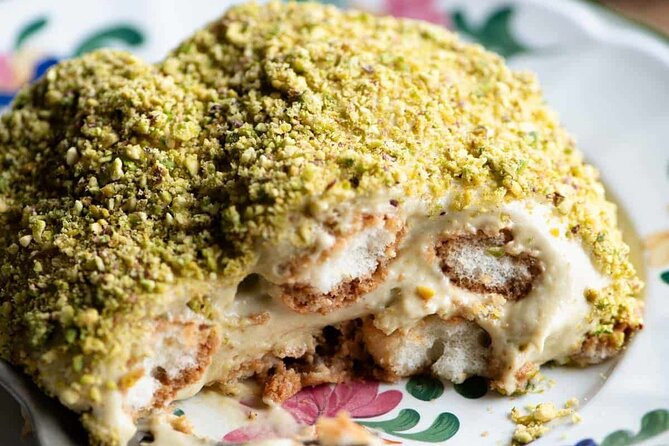
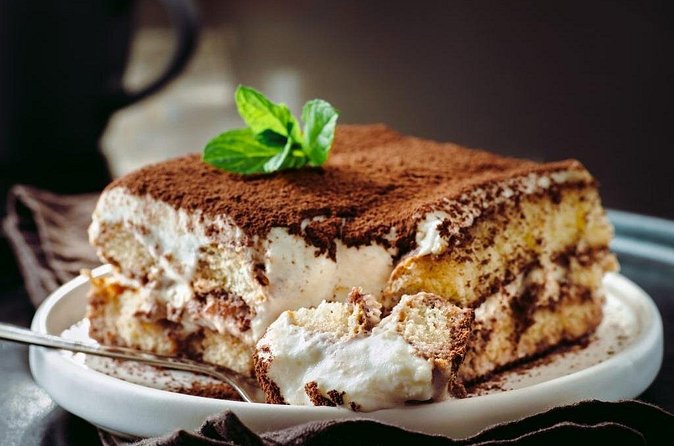
The tiramisu portion is where the class becomes especially useful for anyone who has made a soggy or heavy version at home. You learn to prepare the ladyfingers, called savoiardi, and handle the espresso soaking step with care.
The important lesson is control. Dip the biscuits too slowly and they can become wet and collapse. Move too fast and they may stay dry in the center. The class focuses on finding the balance before the biscuits are layered with mascarpone.
The mascarpone mixture is another key point. Instead of relying on heavy cream, the method described here uses gently folded egg whites to create a lighter texture. That is a small but meaningful technique, since folding rather than stirring helps preserve the air in the mixture.
You also learn how to mix the mascarpone so the dessert has the right texture and flavor. Tiramisu looks simple, but its success depends on the relationship between creamy mascarpone, bitter espresso, soft biscuits, and sweetness.
I like this part because it gives you something you can repeat in your own kitchen. You are not merely told that the recipe is traditional. You see how speed, texture, and balance affect the finished dish.
The chef also explains the background of the dessert as you work. The exact historical claims are not laid out in the tour details, so I would treat the storytelling as cultural context rather than a formal history lecture. Still, learning about the food while preparing it makes the recipe more memorable.
Seeing the pastry laboratory at work
Before or during the cooking, you get a look around the professional dessert lab. The kitchen includes specialized equipment and gleaming copper pots, giving you a sense of how pastry chefs handle ingredients at a larger and more exact scale.
That short kitchen introduction adds value to the class. You see that smooth creams and frozen desserts depend on tools, timing, and temperature, not just a list of ingredients. For a home cook, the comparison helps explain why a professional result can feel different from a rushed household version.
The class does not promise that you will operate every piece of equipment yourself. The focus is on guided preparation, so some parts may be handled or closely supervised by the chef. That is normal for a short workshop, especially when eggs, heat, and freezing temperatures are involved.
The small group size is important here. With no more than eight people, you should have more room to watch, ask questions, and get help when your mixture needs attention. A much larger class could turn this into a demonstration, but the group limit supports the hands-on format.
More Tiramisu Classes in Rome
- 3 in 1 Cooking Class near Navona: Fettuccine, Ravioli & Tiramisu
★ 5.0 · 7,376 reviews - Rome: Pasta & Tiramisu Class with Fine Wine by the Vatican
★ 4.9 · 4,852 reviews - Rome: 3-in-1 Fettuccine, Ravioli, and Tiramisu Cooking Class
★ 4.9 · 2,704 reviews - Learn to Make Pasta & Tiramisu with Wine and Limoncello Included
★ 5.0 · 2,345 reviews
Learning what makes gelato different from ice cream
After the tiramisu, the class turns to gelato. You learn that genuine gelato is not simply ice cream with an Italian label. The chef explains the role of sugar, fat, temperature, and emulsion in creating the smooth texture associated with gelato.
This is the more technical half of the workshop. Tiramisu rewards careful layering and gentle handling. Gelato requires attention to the mixture before it reaches the churn, and the class presents the process as a balance of ingredients and temperature.
You may find this section most useful if you have wondered why gelato feels dense and silky rather than airy and heavy. The explanation connects the ingredients to the final texture, so you can better understand what you are tasting in Rome’s gelaterias afterward.
The class also includes making a fresh sorbet. That broadens the lesson beyond a dairy-based dessert and shows how frozen treats can rely on a different balance of sweetness and temperature. The supplied details do not name the sorbet flavor, so do not book this expecting a particular fruit or recipe.
The main limitation is time. In a short class, you will learn the principles and take part in the preparation, but you should not expect the depth of a professional pastry qualification. The value comes from a clear introduction and the chance to practice, not from mastering every frozen dessert technique in one afternoon.
Sitting down to eat what you prepared
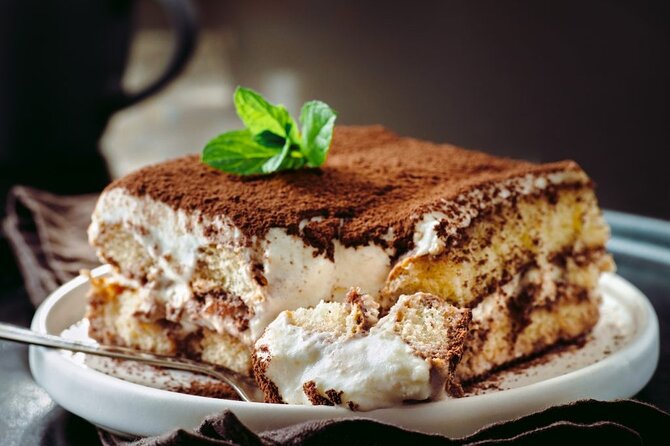
Once the desserts are ready, you relax and taste them. This is an important part of the experience, not an afterthought. You can see how the texture of the mascarpone, the amount of espresso, and the gelato mixture came together.
The food is also the reward for the work. The workshop description says you savor your homemade desserts after preparation, and the existing feedback emphasizes that the finished tiramisu and gelato turned out delicious.
I like the way this changes the usual food tour pattern. You are not moving from one shop to another, trying small bites while someone else handles the cooking. You spend time on the process, then enjoy a proper serving of what you made.
The atmosphere is described as cozy and friendly, which fits the format. This could work well as a couple’s activity or a gift, especially if you want something more personal than another guided walk. It also gives families or friends a shared task, though the information does not set a minimum age for the cooking portion.
Alcohol is available only to people aged 21 and above. Anyone under 21 receives non-alcoholic drinks, so this is not a problem for younger participants, but it is worth knowing before you arrive.
What you take home besides dessert
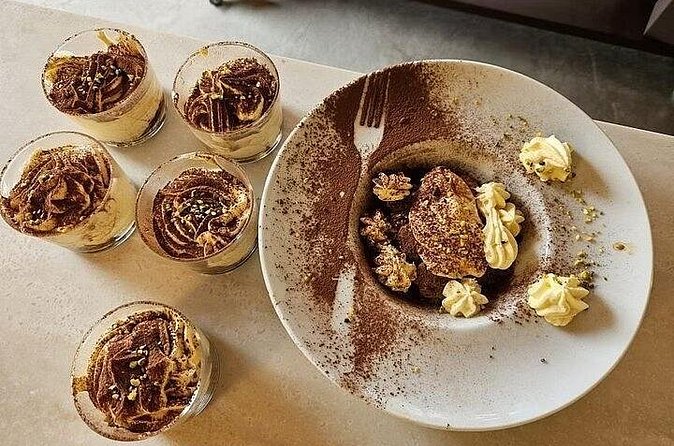
You receive recipes and a certificate showing your participation. The recipes are the more useful of the two. They give you a chance to recreate the tiramisu and gelato at home, provided you have the right ingredients and equipment.
The certificate is a pleasant extra, especially if you are giving the workshop as a present. It will not replace formal pastry training, but it gives the experience a clear finish and a souvenir that is more personal than a shop-bought magnet.
The class also gives you practical food knowledge. You learn why egg whites can lighten mascarpone, how savoiardi should be dipped, and why gelato texture depends on the balance of sugar, fat, and temperature. Those are small lessons, but they can improve the way you judge desserts for the rest of your trip.
I would not expect to reproduce a professional gelato texture perfectly without a suitable machine. The workshop can teach you the method and the reasons behind it, while your home setup will determine how closely you can match the result.
Is $238.23 a fair price?
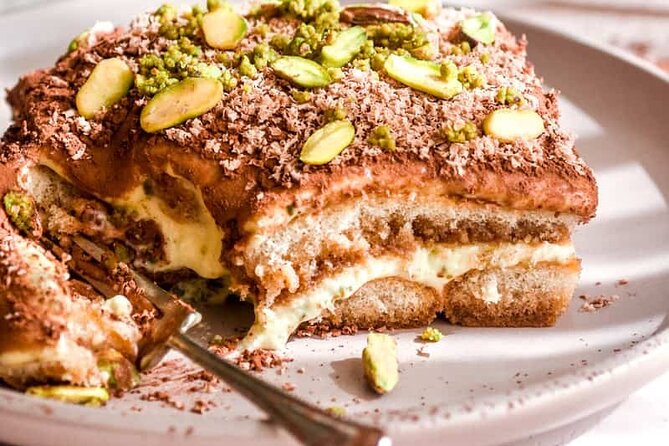
At $238.23 per person, this is an expensive food activity. The price is easier to justify if you value a small group, direct instruction, a professional kitchen setting, two separate desserts, recipes, and time to sit and eat your work.
It is harder to justify if you mainly want to sample tiramisu and gelato. Rome offers cheaper ways to do that, and this workshop is not a good bargain if you are looking only for dessert.
The maximum of eight people improves the value. A chef working with a very large group might give a standard talk and let you watch from the back. Here, the small format should give you more access to the work and more help with the delicate steps.
The certificate and recipes add some lasting value, but they should not be the reason you book. I would pay this price for the hands-on format and the chance to learn from a pastry chef in a working dessert lab. If your budget is tight, compare it with a full cooking class before deciding.
The rating is 4.7 from only three reviews, so the score is encouraging but based on a small sample. I would place more weight on the clear format, the group size, and the specific techniques than on the number alone.
Who will enjoy this most?
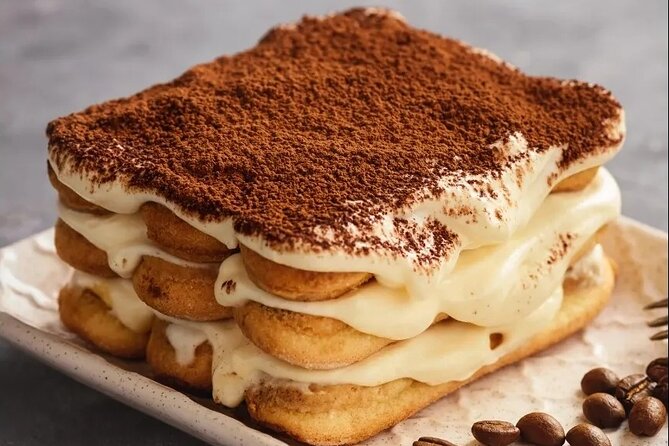
This workshop is a strong match for dessert lovers who want more than a tasting. You will get the most from it if you enjoy asking how food is made and like taking a recipe home to try again.
It also suits couples. The relaxed format, shared preparation, and final tasting make it a thoughtful present or a memorable afternoon activity. One existing account describes it as a gift for a boyfriend, which fits the experience well.
Families and groups of friends may enjoy it too, provided everyone is interested in participating. The information does not specify child pricing, age limits, or a special children’s format, so check those details before booking with young children.
You should also consider this if you have a free afternoon in central Rome but do not want another museum. The class gives you a break from walking while still connecting you with Italian food traditions.
It is less suitable if you want a formal culinary course, a market visit, or a broad tour of Roman cuisine. The focus is narrow and sweet: tiramisu, gelato, sorbet, and the techniques behind them.
Useful planning details before you book
The experience is offered in English and includes a mobile ticket. Confirmation is provided when you book, and the meeting point is near public transportation.
Tell the provider about food intolerances or allergies in advance. This is particularly important because the class involves dairy, eggs, wheat-based ladyfingers, and other ingredients, though the supplied details do not confirm which substitutions are available.
The activity ends where it begins, at Via della Maddalena, 36. Plan your route before the 4:30 pm start, and leave space afterward because the stated timing varies between approximately two hours and two and a half hours.
Free cancellation is available if you cancel at least 24 hours before the local start time. Cancellations or changes made less than 24 hours ahead are not accepted for a refund.
Should you book the tiramisu and gelato workshop?
Book it if you want to make the desserts yourself, prefer a small class, and will value recipes you can use after Rome. The professional laboratory, pastry chef’s explanations, and hands-on work give the experience more substance than a simple dessert tasting.
Think twice if $238.23 feels high for an afternoon food activity or if you mainly want to eat classic Roman sweets. You can find those desserts elsewhere for much less.
For the right person, this is a satisfying Rome souvenir: not just a photo or a box of sweets, but a method you can carry home. I would choose it for a couple, a serious dessert fan, or anyone who wants a relaxed afternoon activity near Campo de’ Fiori.
FAQ
Where does the tiramisu and gelato workshop meet?
The meeting point is Via della Maddalena, 36, 00186 Roma RM, Italy. The activity ends back at the same meeting point.
What time does the workshop begin?
The stated start time is 4:30 pm.
How long does the experience last?
The tour summary gives an approximate duration of two hours and 30 minutes. The class description also refers to a two-hour class, so you should allow up to two and a half hours.
Is the workshop offered in English?
Yes. The experience is offered in English.
How many people can join the class?
The activity has a maximum of eight participants.
What desserts will I make?
You will make tiramisu from scratch and learn about preparing genuine gelato. The class also includes making a fresh sorbet.
Can I cancel for a full refund?
Yes, if you cancel at least 24 hours before the local start time. Cancellations or changes made less than 24 hours before the start are not accepted for a refund.
More Dessert Stops in Rome
- Rome: Pasta Making Class with Wine, Limoncello, and Dessert
★ 4.9 · 3,177 reviews - Rome Cooking Class: Make Pizza and Pasta with Wine & Dessert
★ 4.5 · 651 reviews - Rome: Fresh Pasta Making and Tiramisu Dessert Master Class
★ 4.8 · 11 reviews - Fettuccine & Tiramisu Masterclass: Pasta & Dessert
★ 4.9 · 10 reviews
Just added around Rome
- Rome: Pasta and tiramisu class with wine pairing at Come Na Vorta★ 5.0 · 30 reviews
- Spritz and Pasta! Spritz, Fettuccine & Tiramisù★ 5.0 · 2 reviews
- Rome: Vespa Tour with Photographer and Tiramisu treat★ 4.5 · 61 reviews
- Walking Tour & Pizza Making★ 4.0 · 2 reviews
- Trastevere Food Tour with Pasta-Making Class★ 5.0 · 5 reviews
- Rome: Private Vespa Tour and Professional Photoshoot★ 5.0 · 22 reviews
- Traditional Pasta Cooking Class with Tiramisu Small Group★ 5.0 · 7 reviews
- The Pasta Factory Class★ 4.5 · 21 reviews
Rome Pasta Classes, compared.
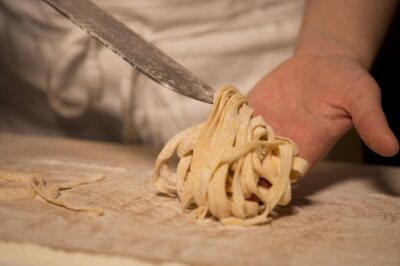
3 in 1 Cooking Class near Navona: Fettuccine, Ravioli & Tiramisu
Read our review →
Pasta & Tiramisu Class with Fine Wine by the Vatican
Read our review →
Pasta Making Class with Wine, Limoncello, and Dessert
Read our review →
Rome Cooking Class: Make Pasta and 3 Spritz Cocktails
Read our review →
3-in-1 Fettuccine, Ravioli, and Tiramisu Cooking Class
Read our review →
Fettuccine Pasta Cooking Class in Rome’s City Center
Read our review →
Learn to Make Pasta & Tiramisu with Wine and Limoncello Included
Read our review →
Become a Masterchef in Rome: Pasta, Ravioli and Tiramisù Class
Read our review →Browse the lists this tour appears in