
REVIEW · ROME
Gnocchi and meatballs | Cooking class and dinner at my house in Rome
Rome has plenty of food tours, but few bring you into a local home to cook a full meal from start to finish. With Ginevra, you begin with a Roman aperitif, prepare semolina gnocchi and meatballs with stuffed courgettes, then sit down together for dinner. It is a personal way to meet someone in Rome through food.
I like the private format, since your group is the only one taking part. I also like the menu’s old-fashioned character: Roman-style gnocchi and meatballs made in the spirit of Ginevra’s grandmother, not a string of restaurant tastings. The main consideration is the price, $110.55 per person, which makes the experience best for people who value conversation and hands-on cooking, not simply a meal.
Key points at a glance
- A meal cooked in a Roman home: You visit Ginevra at Via Ruggero Fauro and share the evening in a personal setting.
- Two substantial dishes: You prepare semolina gnocchi and meatballs in sauce with meat-stuffed courgettes.
- A full four-hour evening: The schedule includes an aperitif, cooking, dinner, wine, dessert, and local liqueur.
- Private for your group: You do not share the activity with unrelated participants.
- Traditional Roman flavors: Expect cured meats, local cheese, Roman sauce, cheese and pepper seasoning, and grandmother-style meatballs.
- Best for older children and adults: Participation is available for ages 16 and over, with English offered.
Cooking Roman food in Ginevra’s home
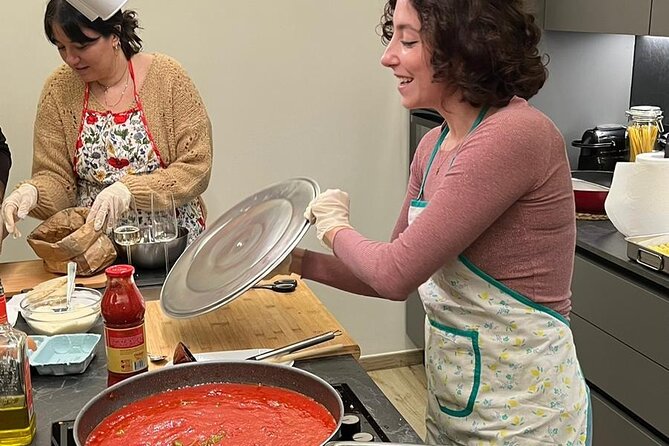
The key feature here is not a famous monument or a restaurant dining room. It is the setting. You meet at Via Ruggero Fauro, 00197 Rome, and go to Ginevra’s home for an evening built around cooking and conversation.
That setting changes the mood. You are not rushing from one tasting stop to another or trying to keep up with a large group. You have time to handle the ingredients, follow each stage, ask questions, and sit down with the person who prepared the food experience.
I would choose this for a Rome visit when you want a social evening with a strong local touch. It suits couples, friends, and families with older children. Since it is a private activity, it also works well if your group prefers a more relaxed pace or does not want to cook beside strangers.
The total time is about four hours. That is long enough for a real meal and a proper class, rather than a quick demonstration followed by a rushed bite. You should set aside most of an evening and avoid booking another fixed activity immediately afterward.
More Ravioli and Gnocchi Classes in Rome
- 3 in 1 Cooking Class near Navona: Fettuccine, Ravioli & Tiramisu
★ 5.0 · 7,376 reviews - Rome: 3-in-1 Fettuccine, Ravioli, and Tiramisu Cooking Class
★ 4.9 · 2,704 reviews - Rome: Fettuccine Pasta Cooking Class in Rome’s City Center
★ 4.8 · 2,414 reviews
Prosecco, pizza, and a Roman welcome
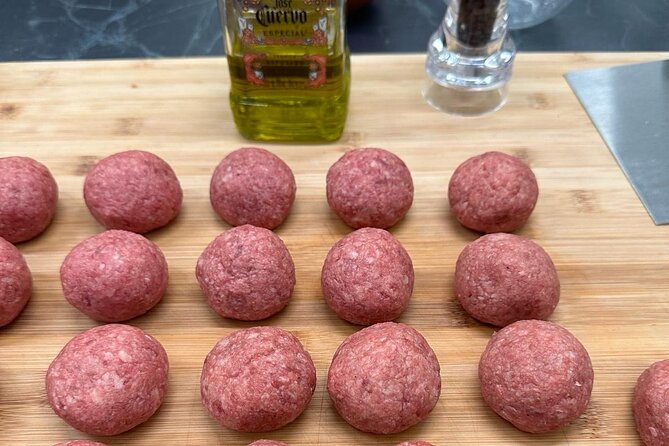
The evening opens with prosecco and a typical Roman appetizer. Pizza or bread comes with cured meats such as mortadella and salami, along with local cheese.
This first course serves two purposes. It gives you something to eat while everyone gets acquainted, and it creates a natural start to the evening. You can settle in before the more hands-on cooking begins.
The food is familiar, but the combination matters. Mortadella and salami bring the salty, savory side of an Italian aperitif. Cheese adds richness, while pizza or bread gives you something simple to share. Prosecco keeps the opening light and festive without turning the first few minutes into a formal meal.
I like this kind of beginning because it leaves room for conversation. If you are shy about joining a class, an aperitif offers an easy way to break the ice. You can talk, snack, and get comfortable before working with the main dishes.
There is one practical point to keep in mind. The menu lists typical cured meats and cheese, but it does not state that alternatives are available for dietary restrictions. If you avoid pork, dairy, gluten, or alcohol, ask about the menu before booking rather than assuming substitutions will be possible.
Making Gnocchi alla Romana step by step
The first main dish is gnocchi alla Romana, made with semolina rather than the potato dough used in many other gnocchi dishes. That difference gives the dish its own identity and makes it a useful introduction to Roman cooking.
You prepare the gnocchi through each stage, then season it with typical sauces. The menu includes a Roman sauce and a cheese and pepper preparation. The latter points toward the familiar Roman love of cheese, pepper, and restrained ingredients that create a strong flavor without a long ingredient list.
This is the sort of dish that benefits from being made in a home kitchen. You are not simply given a plate and told what it contains. You take part in the process and see how a basic semolina preparation becomes a finished Roman course.
The class may appeal to you if you want cooking ideas that can be repeated at home. Gnocchi alla Romana is different enough from standard potato gnocchi to feel special, yet it is still a traditional dish with a clear method. You can pay attention to the texture, the seasoning, and the way the sauce supports the gnocchi.
Because the experience includes two main dishes, you should not expect a long technical lesson on one recipe alone. The value comes from preparing a complete Roman meal, not from spending the whole evening mastering a single technique.
Meatballs, Roman sauce, and stuffed courgettes
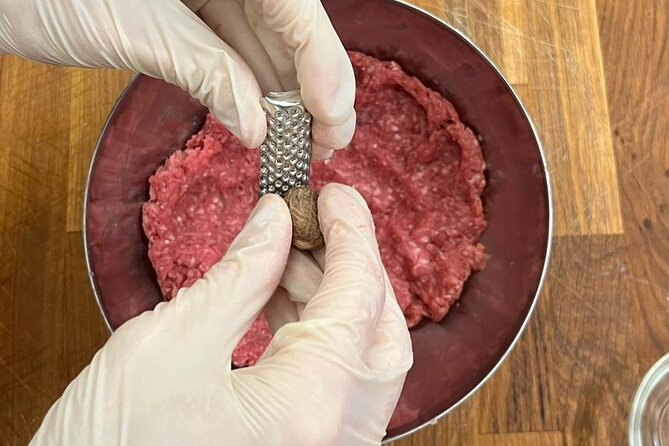
The second main course is meatballs in sauce with courgettes stuffed with meat. These are described as Roman meatballs in the style of Ginevra’s grandmother, which gives the dish a family connection rather than a polished restaurant feel.
You prepare the Roman sauce together, then cook and serve the meatballs with the stuffed courgettes. The result is a more substantial part of the meal than the opening aperitif and gnocchi. It also gives you a chance to see how one sauce can bring several parts of a dish together.
I find this course especially useful for anyone interested in the everyday side of Italian food. Pasta gets most of the attention abroad, but home cooking in Italy also includes meat, vegetables, sauces, and recipes passed through families. Stuffed courgettes add a vegetable element without making the dinner feel light or insubstantial.
The phrase grandmother-style should not make you expect a modern tasting menu. This is traditional comfort food. If you prefer small portions, experimental cooking, or a highly polished restaurant presentation, the format may feel simple. If you want food tied to family memory and home cooking, that simplicity is part of the appeal.
The menu does not specify the meat used in the meatballs, so ask if that detail matters to you. It also does not provide a full ingredient list. That is worth checking in advance if you have allergies or follow a special diet.
Same kitchen, a different thing to make:
- Rome: Pasta & Tiramisu Class with Fine Wine by the Vatican
★ 4.9 · 4,852 reviews - Rome: Pasta Making Class with Wine, Limoncello, and Dessert
★ 4.9 · 3,177 reviews - Rome Cooking Class: Make Pasta and 3 Spritz Cocktails
★ 5.0 · 2,937 reviews - Learn to Make Pasta & Tiramisu with Wine and Limoncello Included
★ 5.0 · 2,345 reviews
Sitting down for the dinner you made
After the cooking, you sit at the table and eat what you prepared together. This is an important part of the experience. The class does not end when the pans come off the heat.
Dinner is accompanied by Italian wine, which helps turn the activity into a shared evening rather than a lesson with a quick finish. You can taste the dishes while the work is still fresh in your mind and understand how the separate preparations fit together as a Roman meal.
I like the rhythm of this format: aperitif first, cooking in the middle, dinner afterward. It gives the evening a natural shape. You begin as strangers, work together over food, and finish at the table.
The private setup may make dinner feel more personal than a standard class with a large group. You can focus on your own conversation and ask Ginevra questions directly. Her warm response to an Italian participant named Andrea emphasized that she wants people to feel at home, and that goal matches the format of the experience.
That does not mean you should book this expecting a quiet restaurant meal. Cooking classes require participation. You will likely spend part of the evening standing, following instructions, and helping with several dishes before you eat. The payoff is that dinner has a story behind it.
Dessert and a local drink to finish
The evening ends with typical Roman desserts and a local liqueur, depending on availability. This final course is not described in detail, so the exact sweets and drink can vary.
That uncertainty is worth noting, but it is also consistent with the home-based nature of the activity. You are not buying a fixed restaurant menu with every brand and dessert listed months ahead. You are joining an evening where the final local touch may depend on what is available.
The dessert and liqueur provide a gentle finish after the heavier savory courses. If you do not drink alcohol, the menu does not say whether a nonalcoholic alternative is offered, so ask before arrival.
I would treat this final stage as part of the social experience. In Rome, a meal often stretches beyond the main courses, and a small sweet with a local drink gives you time to keep talking instead of ending abruptly after dinner.
What $110.55 buys you
At $110.55 per person, this is not the cheapest way to eat in Rome. You can find a pizza or pasta dinner for far less. The price makes more sense when you count the full four-hour format, the private setting, the cooking instruction, the food, wine, dessert, and personal contact with Ginevra.
You are paying for an evening, not just a plate. The meal includes several stages: prosecco and an aperitif, cured meats and cheese, gnocchi, meatballs, stuffed courgettes, wine, desserts, and liqueur. You also spend time preparing the food rather than simply receiving it.
The value depends on what you want from Rome. If your main goal is the lowest-cost dinner, this is not the right choice. If you want a memorable activity that combines a cooking class with a full meal and a private local setting, the price is easier to justify.
The fact that the experience is often booked about 152 days ahead is a useful planning signal. You do not need to assume that a last-minute place will be available, especially if your Rome dates are fixed. Booking early makes sense if this is a priority.
Free cancellation is available when you cancel at least 24 hours before the start time. Changes or cancellations inside that window are not accepted for a refund. The activity also requires a minimum number of participants, so if it is canceled for that reason, you are offered another date or experience, or a full refund.
Who should book this Roman cooking class
I would recommend it most strongly to people who enjoy food as a way to meet local people. The class gives you more than recipes. It gives you time in someone’s home and a chance to hear about Roman cooking from the person preparing it with you.
It is a good match for:
- Couples who want a shared evening away from the usual restaurant circuit
- Friends who enjoy cooking and eating together
- Families with children aged 16 and over
- Repeat visitors who have already seen Rome’s major sights
- Anyone seeking a private activity in English
- People who prefer a full evening to a short tasting
It may be less suitable if you want a formal chef-led demonstration, a highly technical pastry class, or a large social group with many new people. The menu is traditional and filling, not designed around unusual ingredients or fine dining presentation.
The activity is near public transportation, which makes the meeting point practical, though no specific route or station is provided. Plan to check your route to Via Ruggero Fauro before the day of the class. The experience ends back at the meeting point, so you can arrange your evening from there.
Should you book it?
Book this experience if you want to cook Roman home food, share a private dinner, and meet Ginevra in a relaxed setting. The strongest reasons are the personal home environment, the full four-hour format, and the chance to make dishes that feel connected to family cooking rather than tourist theater.
Skip it if you only want a low-cost meal or if you need a strictly fixed menu with detailed dietary substitutions. At $110.55, the cost is justified by the cooking, drinks, dessert, and private attention. For the right kind of food-focused visitor, it is a generous evening and a pleasant way to see another side of Rome.
FAQ
Where does the cooking class take place?
The experience starts at Via Ruggero Fauro, 00197 Rome, Italy, and takes place at Ginevra’s home. It ends back at the meeting point.
How long does the experience last?
The cooking class and dinner last approximately four hours.
What food will I prepare?
You will prepare semolina gnocchi, also called gnocchi alla Romana, and meatballs in sauce with meat-stuffed courgettes. The meal also includes Roman-style sauces.
What is included at the beginning and end of the meal?
The opening includes prosecco, pizza or bread, cured meats such as mortadella and salami, and local cheese. The meal ends with typical Roman desserts and a local liqueur, depending on availability.
Is this a private experience?
Yes. Only your group takes part in the activity.
Is the class available in English, and can children attend?
The experience is offered in English and is available to children aged 16 and over.
More Dinner Experiences in Rome
- Rome Food Tour: Trastevere Aperitivo, Wine & Pasta Dinner
★ 4.7 · 113 reviews - Rome: Pizza-Making Course with Dinner
★ 4.8 · 96 reviews - Rome: Pasta Cooking Class, Dinner & Wine in Authentic Restaurant
★ 5.0 · 38 reviews - Rome Evening Golf Cart Tour w/ Pizza & Gelato Dinner Max 6 People
★ 4.5 · 6 reviews
More Classes with Dinner in Rome
- Pasta Making & Wine Tasting with Dinner in Frascati from Rome
★ 5.0 · 1,326 reviews - Rome: Pasta Making with Wine Tasting and Dinner in Frascati
★ 4.9 · 979 reviews - Night Tour of Rome with Local Pizza Dinner and Gelato Experience
★ 4.5 · 780 reviews - Pasta&Tiramisu Workshop: Craft Your Dinner with Free Flowing Wine
★ 5.0 · 121 reviews
Just added around Rome
- Rome: Pasta and tiramisu class with wine pairing at Come Na Vorta★ 5.0 · 30 reviews
- Spritz and Pasta! Spritz, Fettuccine & Tiramisù★ 5.0 · 2 reviews
- Rome: Vespa Tour with Photographer and Tiramisu treat★ 4.5 · 61 reviews
- Walking Tour & Pizza Making★ 4.0 · 2 reviews
- Trastevere Food Tour with Pasta-Making Class★ 5.0 · 5 reviews
- Rome: Private Vespa Tour and Professional Photoshoot★ 5.0 · 22 reviews
- Traditional Pasta Cooking Class with Tiramisu Small Group★ 5.0 · 7 reviews
- Tiramisu and Gelato Creation in Authentic Roman Dessert Workshop★ 4.5 · 3 reviews
Rome Pasta Classes, compared.
3 in 1 Cooking Class near Navona: Fettuccine, Ravioli & Tiramisu
Read our review →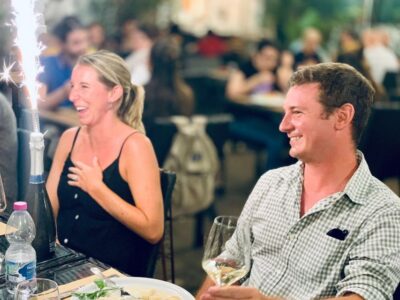
Pasta & Tiramisu Class with Fine Wine by the Vatican
Read our review →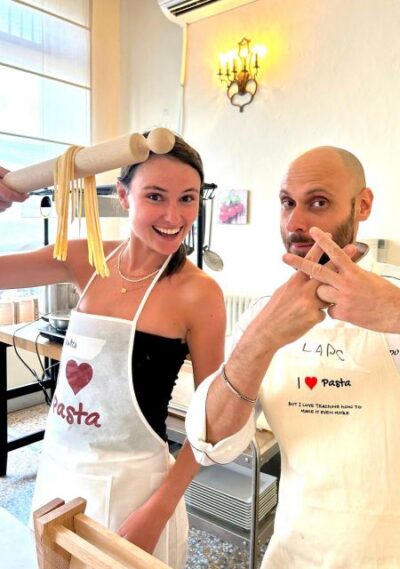
Pasta Making Class with Wine, Limoncello, and Dessert
Read our review →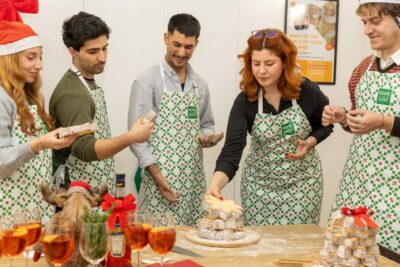
Rome Cooking Class: Make Pasta and 3 Spritz Cocktails
Read our review →
3-in-1 Fettuccine, Ravioli, and Tiramisu Cooking Class
Read our review →
Fettuccine Pasta Cooking Class in Rome’s City Center
Read our review →
Learn to Make Pasta & Tiramisu with Wine and Limoncello Included
Read our review →
Become a Masterchef in Rome: Pasta, Ravioli and Tiramisù Class
Read our review →Browse the lists this tour appears in