
REVIEW · VENICE
Venice: Pasta and Tiramisu Cooking Class with Wine
Fresh pasta is the star here, but the real treat is the full evening: you mix, shape, cook, and then sit down to eat what you made. In a Venetian restaurant, the class turns a meal into a social occasion, with wine flowing and hosts such as Barbara, Serena, Thomas, and Eddie keeping the pace lively.
I like the hands-on format, which gives you practical skills rather than just a demonstration. I also like the Dorsoduro setting, since the class gives your feet a rest after sightseeing and leaves you well placed to wander Venice afterward.
The main consideration is the food. Traditional recipes use gluten, eggs, and dairy, and substitutes are available but cross-contamination cannot be ruled out. Strict vegans, people with gluten intolerance, and people with lactose intolerance should not book this activity.
Key points at a glance
- Three classic dishes: Make fresh fettuccine, ravioli, and tiramisu from start to finish.
- A meal after the lesson: Eat the pasta and dessert you prepare, with wine, limoncello, and coffee.
- Friendly English instruction: Hosts including Barbara, Serena, Thomas, and Eddie are praised for clear teaching and good humor.
- A social table: You sit with other participants, making this a natural way to meet people from several countries.
- A useful Venice break: The entire class takes place in the restaurant, so it offers a welcome pause from walking.
- Good flexibility: The three-hour activity costs $78 per person, and you can cancel up to 24 hours ahead for a full refund.
What the three-hour Venice cooking class is really like
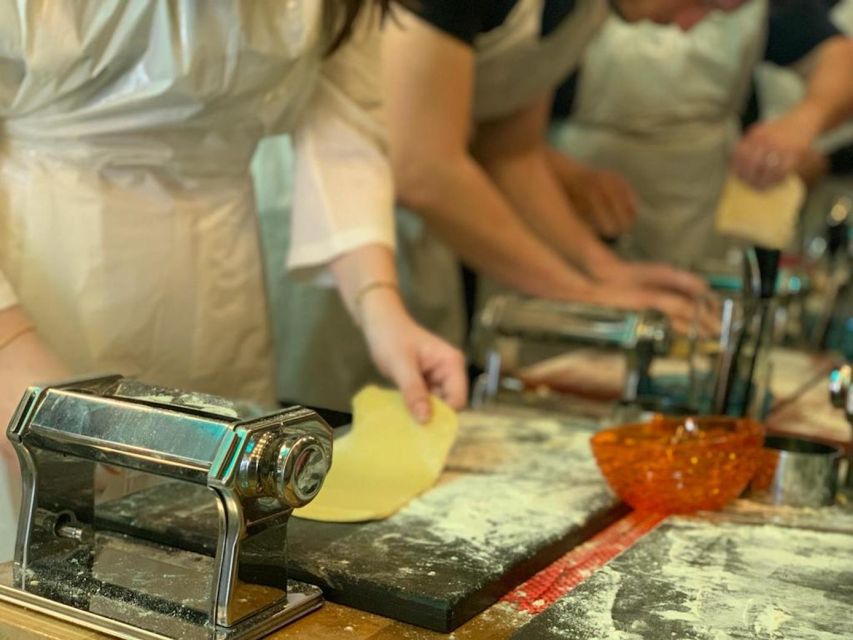
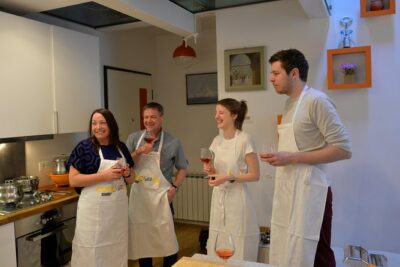
This is not a formal cooking school with a stiff atmosphere. It is a practical restaurant experience built around food, conversation, and a shared table. You receive the ingredients and guidance you need, then work through the recipes with an English-speaking host.
The class focuses on three familiar Italian favorites: fresh fettuccine, ravioli, and tiramisu. That gives you a good spread of skills. Fettuccine teaches you how fresh dough becomes long pasta. Ravioli adds filling and shaping. Tiramisu shifts the lesson from flour and pasta to layering, texture, and dessert.
I like this combination because it feels like a complete meal, not a single cooking trick. You are not simply shown how pasta is made and then sent away. You prepare food, sample it at the table, and have time to ask questions about Italian cooking and local food customs.
The pace is designed for beginners. Several hosts are praised for explaining each step clearly and giving people time to catch up. Serena is singled out for keeping a pace that worked for the whole group, while Barbara is repeatedly described as both lively and effective as a teacher. Eddie brings a more theatrical touch, including singing, according to the experience details shared by participants.
That variety matters. Your exact host may depend on the session, so the personality of the evening can change. The common thread is a relaxed, social approach rather than a quiet technical seminar.
More Tiramisu Classes in Venice:
- Pasta and Tiramisu Cooking Class with Wine in Venice
★ 5.0 · 945 reviews - Small Group Pasta and Tiramisu Class at Local’s Home in Venice
★ 4.5 · 236 reviews - Venice: Pasta and Tiramisu Cooking Class at a Local’s Home
★ 4.8 · 205 reviews
Starting with dough, flour, and fresh fettuccine
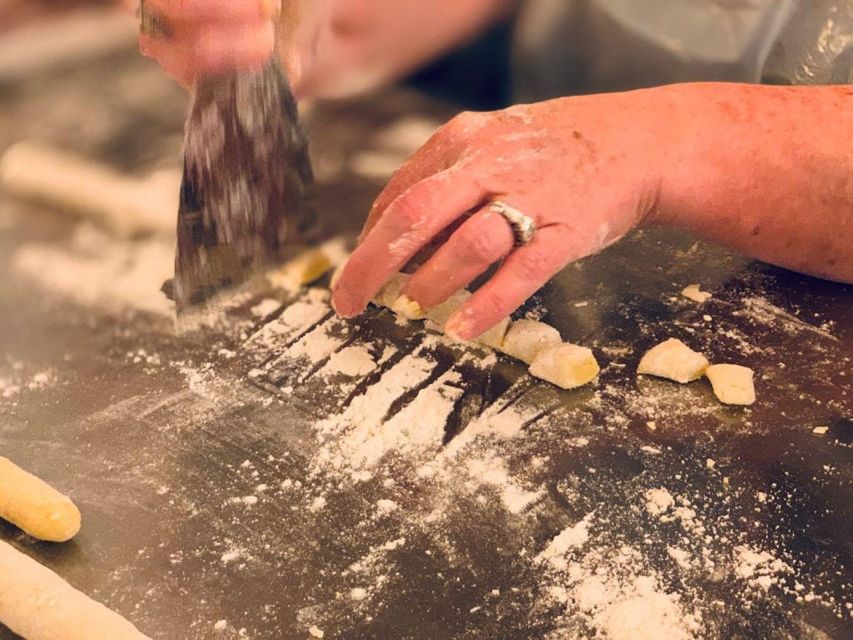
The pasta portion begins with the basic ingredients and the process of turning them into dough. You get to handle the mixture yourself, which is where the lesson becomes useful. Fresh pasta can seem more complicated than it is, and the class breaks it into manageable steps.
You will learn how to work the dough and shape it into fettuccine. The point is not only to produce dinner that night. The method is simple enough to repeat at home, and one participant even went on to buy a pasta press and teach the technique to family members.
That is a good sign for anyone who wants a skill to take home. You may not leave ready to run a pasta restaurant, but you should understand the basic process better than you would after watching a short demonstration.
The instructors also explain traditional methods and the background of the dishes. This adds context without turning the class into a lecture. You can ask about ingredients, preparation, and Italian food customs as you work.
Expect flour, hands-on preparation, and a little mess. This is part of the appeal, but it also means you should wear clothes you do not mind cooking in. The information provided does not promise aprons or specific facilities, so do not assume that every personal convenience will be supplied.
Ravioli gives the class its most satisfying moment
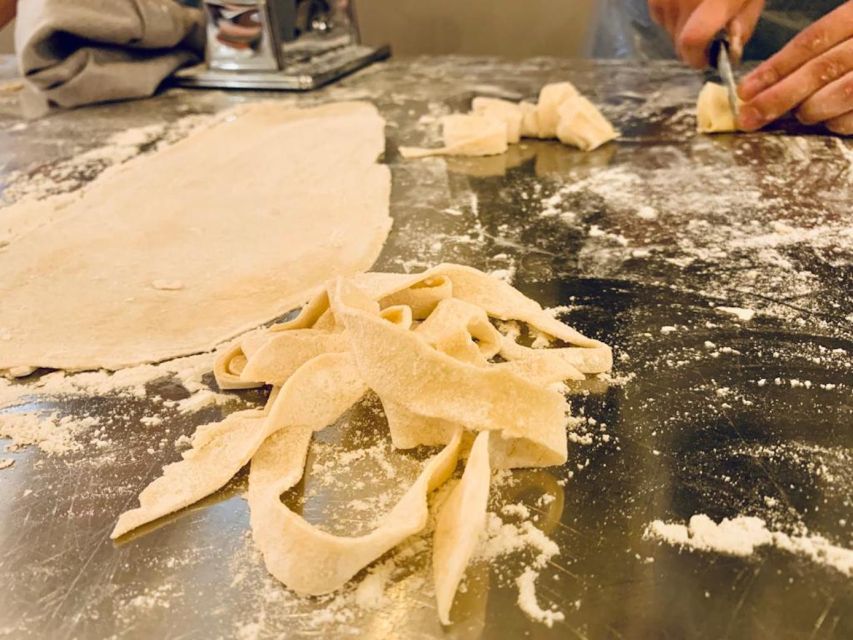
Ravioli adds another layer to the lesson. Instead of only cutting long strips of pasta, you work with filled shapes and learn how to bring the edges together properly.
This is often the most rewarding part for first-time pasta makers. You can see the dish take shape in your hands, and the result feels more personal than a plate of pasta produced entirely by someone else. The class is structured so that beginners can follow along, with instructors available to answer questions and correct the process.
The filling and final cooking details are part of the traditional recipe taught in the session. Exact ingredients and fillings are not specified in the activity information, so do not book expecting a particular regional ravioli flavor beyond the stated menu.
What is clear is that the finished pasta is served as part of the meal. You do not pack it away or simply watch a chef taste it. You sit down and eat the food you helped make, which gives the class a satisfying finish.
I also like the way ravioli encourages cooperation. You are usually working near other people, and the class naturally becomes a shared activity. A couple, family, or solo participant can all take part without needing advanced kitchen skills.
Tiramisu turns the lesson into a full meal
Tiramisu is the dessert project, and it helps round out the menu. You learn the steps behind a classic Italian sweet, then allow the finished dish to become part of the final table service.
The class description refers to secret techniques for making tiramisu, but it does not provide the exact recipe or preparation time. You should therefore think of this as a guided introduction rather than a specialist pastry course.
Still, the dessert matters. A pasta lesson by itself could feel like a midday workshop. Adding tiramisu makes the experience feel like a complete Italian meal, with a savory course followed by something sweet.
This is also useful if you are booking for a birthday, anniversary, or family occasion. Hosts have marked birthdays during the class, including singing happy birthday to one participant’s fiancé. That kind of personal touch is not guaranteed, but the format leaves room for a celebratory mood.
More Pasta Classes with Wine in Venice:
- Venice: Jewish Ghetto & Cannaregio Area Food Tour: Pasta Wine Gelato and More!
★ 4.5 · 274 reviews - Venice: Pasta Class with Wine and Gelato
★ 4.9 · 225 reviews - Rialto Market Tour with Hands on Cooking Class, Wine & Tiramisu
★ 4.5 · 66 reviews - Venice Cooking Class in Mestre – Pasta & Tiramisu, wine and more
★ 4.0 · 14 reviews
Eating your work with wine, limoncello, and coffee
After the preparation comes the part most people are waiting for: eating. Your pasta dishes and tiramisu are served at the table, accompanied by wine. Limoncello and coffee are also included at the end of the experience.
The food and drink make the $78 price easier to assess. You are paying for a three-hour activity, ingredients, instruction, wine, and a meal with dessert. Compared with booking a separate restaurant dinner and a standalone class, the package offers solid value, especially if you would otherwise pay for dinner that evening.
The drink service also changes the rhythm. You are not rushed out as soon as the cooking ends. Instead, the meal becomes social time, with conversation among people seated together. Several participants especially enjoyed meeting people from different countries and staying at the table after the cooking.
The phrase free-flowing wine appears in the activity information, but exact quantities and wine selections are not given. If you do not drink alcohol, the class still includes the food experience, but the drinks are a prominent part of the social setting.
Coffee and limoncello provide a traditional finish. You can continue talking with your new companions after dessert or head out into Dorsoduro once the class ends.
Dorsoduro makes a practical base for the experience
The class takes place in the heart of Venice, in or near the Dorsoduro area. The restaurant is described as welcoming and easy to find, although the exact meeting point can vary according to the option booked.
Dorsoduro is a useful part of Venice for a cooking class because it has a more local, neighborhood feel than the busiest parts around St. Mark’s Square. The activity itself does not include a walking tour, so you should not treat it as a guided introduction to the district. Instead, use the class as an anchor for your own exploring before or after the meal.
I would schedule this after a morning of museums or sightseeing. The entire activity takes place inside the restaurant, which gives you a genuine rest from Venice’s bridges and hard pavement. You still get a taste of the city’s food culture without adding more walking to an already tiring day.
Allow enough time to find the restaurant. Since the meeting point can vary, read the booking details carefully before setting out. The supplied information does not give a single fixed address, so I would not rely on a general map search alone.
The hosts shape the evening
A cooking class can succeed or fail on the teacher. Here, the hosts receive unusually strong praise for warmth, humor, and clear explanations.
Barbara is often described as lively, patient, and a strong teacher. Serena is praised for answering questions and adjusting her pace so everyone can keep up. Thomas is noted for making the experience easy to follow, while Eddie is remembered as a chef, host, and entertainer with a gift for singing.
You should not assume you can choose one specific host unless the booking option allows it. Names may vary by date and session. Still, the range of positive comments suggests that the experience is not built around just one personality.
The teaching style is interactive. You can ask questions as you go, and instructors take time to make sure the group understands the next step. Music may be part of some sessions, adding to the informal mood.
This is best for you if you enjoy some conversation while you cook. If you want a silent, highly technical lesson with individual attention, a small private workshop would probably suit you better. The social format is a feature, not a flaw, but it will not appeal to everyone.
Who should book, and who should skip it
This class works particularly well for:
- Couples looking for an activity beyond museums and gondola rides
- Families with older children or teenagers
- Solo visitors who want an easy way to meet people
- Food lovers who want a practical skill to take home
- Anyone who needs a seated, indoor break from a full day of sightseeing
- Birthday or celebration groups looking for a relaxed meal
Children under three and babies under one are not suitable for the activity. Several families with teenagers had a good time, and the class can work well for younger participants who are comfortable following kitchen instructions, but the official information does not guarantee a particular age-based format.
The dietary limits need careful attention. Substitutes can be offered for some allergies and food preferences, but the teaching remains based on traditional recipes containing gluten, dairy, and eggs. Cross-contamination cannot be ruled out.
The supplied information lists vegetarian and vegan options as available, yet also says the activity is not suitable for vegans. That is an important contradiction to clarify before booking. If you are vegan, gluten intolerant, or lactose intolerant, I would treat the class as unsuitable unless the provider confirms in writing that your needs can be safely met.
Is $78 good value in Venice?
At $78 per person, the class is not the cheapest meal you can find in Venice. But you are not buying only dinner. The price covers the three-hour cooking lesson, ingredients, wine, the pasta and dessert you make, plus limoncello and coffee.
I consider that fair value if you want an activity with a meal attached. The class also solves one practical problem: you do not need to find a separate restaurant for lunch or dinner afterward. One participant described it as effectively taking care of the evening meal, which is a useful benefit in an expensive city.
The value is lower if you dislike group activities, drink little or no alcohol, or already have advanced pasta-making skills. You are paying for the atmosphere and instruction as much as the ingredients.
The flexible booking terms help. You can cancel up to 24 hours in advance for a full refund, and the reserve-now, pay-later option lets you hold a place without paying immediately. Starting times vary, so check availability before arranging your day around the class.
Practical tips before you go
Read the meeting point for your chosen option rather than assuming every session begins at the same restaurant entrance. Give yourself time to locate it, especially if you are crossing several bridges.
Tell the provider about allergies and food restrictions when booking. Do not wait until you arrive. Substitutions may be possible, but the class cannot guarantee a fully separate preparation area.
Wear comfortable clothing suitable for cooking. The activity is hands-on, so avoid treating it like a formal dinner from the start. You can change later if you want to look polished for the rest of your evening.
Plan your appetite. You will sample the dishes you prepare, then sit down to eat them with wine. There is no need to schedule a second meal immediately afterward.
If you want to explore Dorsoduro, arrange that before or after the class. The cooking session itself is not a neighborhood walking tour, but its location makes it convenient to continue through the district once you finish.
Should you book the Venice pasta and tiramisu class?
I would book it if you want a friendly, practical food experience that doubles as a meal and a break from sightseeing. The strongest reasons are the hands-on pasta work, the full menu, the relaxed hosts, and the chance to sit with people from around the world.
I would skip it if you need strict allergy control, cannot eat gluten, dairy, or eggs, or prefer a private and highly technical cooking lesson. For everyone else, $78 is a sensible price for three hours of instruction, food, wine, and an evening with a distinctly Italian rhythm.
FAQ
How long does the cooking class last?
The class lasts three hours.
What dishes will I make?
You will learn to make fresh fettuccine, ravioli, and tiramisu.
Is the class taught in English?
Yes. The activity includes a live English-speaking guide.
Is wine included?
Yes. Wine is included with the cooking class. Limoncello and coffee are also provided as part of the meal experience.
Do I eat the food I prepare?
Yes. You will sample the pasta dishes and tiramisu you make during the class at the restaurant table.
Where does the class take place?
The class takes place in a restaurant in the heart of Venice, in the Dorsoduro area. The exact meeting point can vary according to the option booked.
Are dietary substitutions available?
Substitutions may be available for allergies and food preferences. You must tell the provider about your needs when booking.
Is the class safe for people with gluten or lactose intolerance?
The activity information says it is not suitable for people with gluten intolerance or lactose intolerance. Traditional instructions use gluten, dairy, and eggs, and cross-contamination cannot be guaranteed against.
Can vegans join the class?
The activity information lists dietary options but also says the class is not suitable for vegans. Confirm directly with the provider before booking if you follow a vegan diet.
Can I cancel for a refund?
You can cancel up to 24 hours in advance for a full refund. You can also reserve now and pay later, subject to the booking terms.
More Wine Tastings in Venice
- Venice Cooking Class in Mestre Pasta and Tiramisu Wine
★ 5.0 · 9 reviews - Florence: Pasta Cooking Class with Unlimited Wine
★ 4.9 · 10,285 reviews - Florence: Pasta & Tiramisu Cooking Class with Unlimited Wine
★ 4.9 · 6,708 reviews - Florence: Pasta Cooking Class with Unlimited Wine
★ 5.0 · 6,413 reviews
Just added around Venice
- Venice: Share Your Pasta Love in a Local’s Home★ 4.8 · 20 reviews
- Venice Cooking Class in Mestre – Pasta & Tiramisu, wine and more★ 4.0 · 14 reviews
- Venice Cooking Class in Mestre Pasta and Tiramisu Wine★ 5.0 · 9 reviews
- Make Ravioli & Tiramisù in Central Venice Kitchen (3-Course Meal)★ 5.0 · 4 reviews
- Make Pasta Carbonara from Scratch in a Jazz Club in Venice★ 3.5 · 15 reviews
- Cesarine: Small Group Pizza and Tiramisu Class in Venice★ 4.5 · 16 reviews
- Share Your Pasta Love in a Local’s Home in Venice★ 4.5 · 17 reviews
- Cesarine: Private Pasta and Tiramisu Class in a Local Venice Home★ 5.0 · 37 reviews
Venice Pasta Classes, compared.
Pasta and Tiramisu Cooking Class with Wine in Venice
Read our review →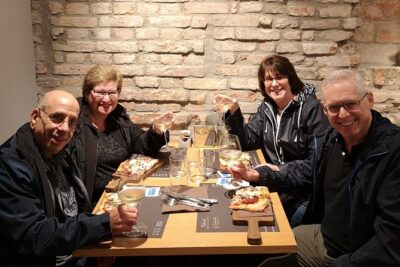
Jewish Ghetto & Cannaregio Area Food Tour: Pasta Wine Gelato and More!
Read our review →
Small Group Pasta and Tiramisu Class at Local’s Home in Venice
Read our review →
Pasta and Tiramisu Cooking Class at a Local’s Home
Read our review →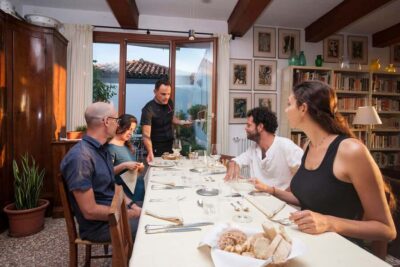
Rialto Market Tour with Hands on Cooking Class, Wine & Tiramisu
Read our review →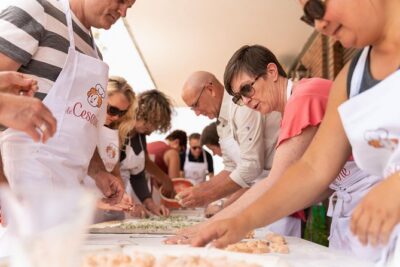
Cesarine: Private Pasta and Tiramisu Class in a Local Venice Home
Read our review →Browse the lists this tour appears in