
REVIEW · VENICE
Venice: Cooking Class with Tiramisu and Pasta Making
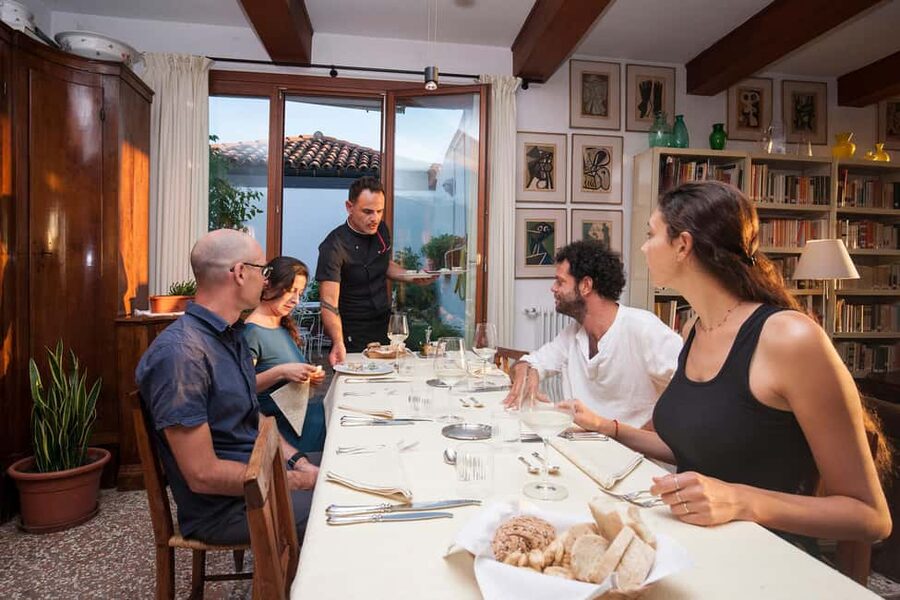
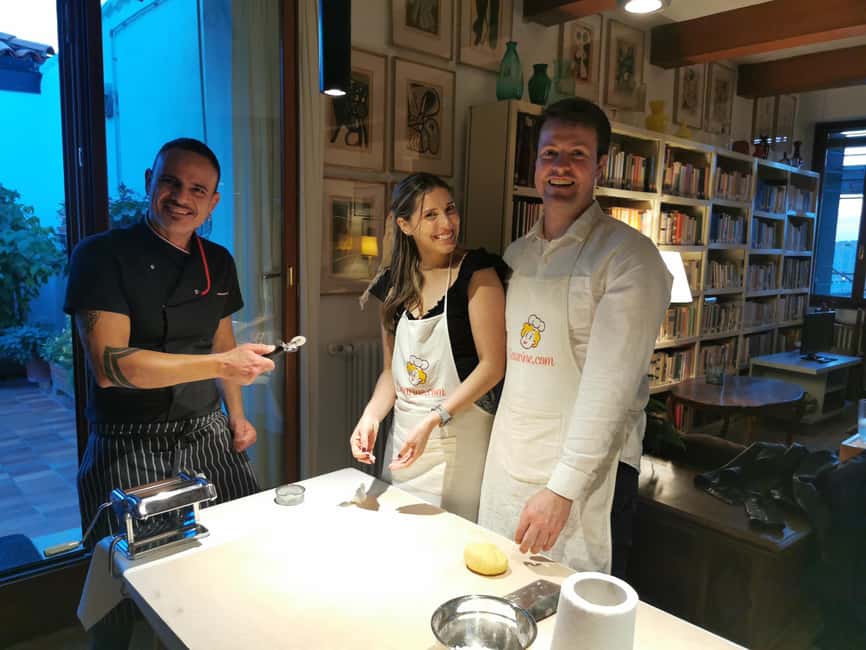
Making pasta in a 16th-century Venetian palace is the main event here. You climb to the top floor of the chef’s childhood home, work beside a small group, and learn three classic recipes before sitting down to eat what you made.
I like the hands-on format, especially the chance to make two kinds of pasta rather than simply watch a demonstration. I also like the social side: wine, shared work, and a family-style meal can turn a cooking lesson into a relaxed Venetian evening. The catch is the stairs and standing time, so this is not a good fit for wheelchair users or anyone who finds several flights of stairs difficult.
Key Points at a Glance
- A real Venetian home: The class takes place on the third and top floor of a 16th-century palace where the chef grew up.
- Three useful recipes: You make tiramisu, two types of fresh pasta, and a sauce built around seasonal vegetables and quality proteins.
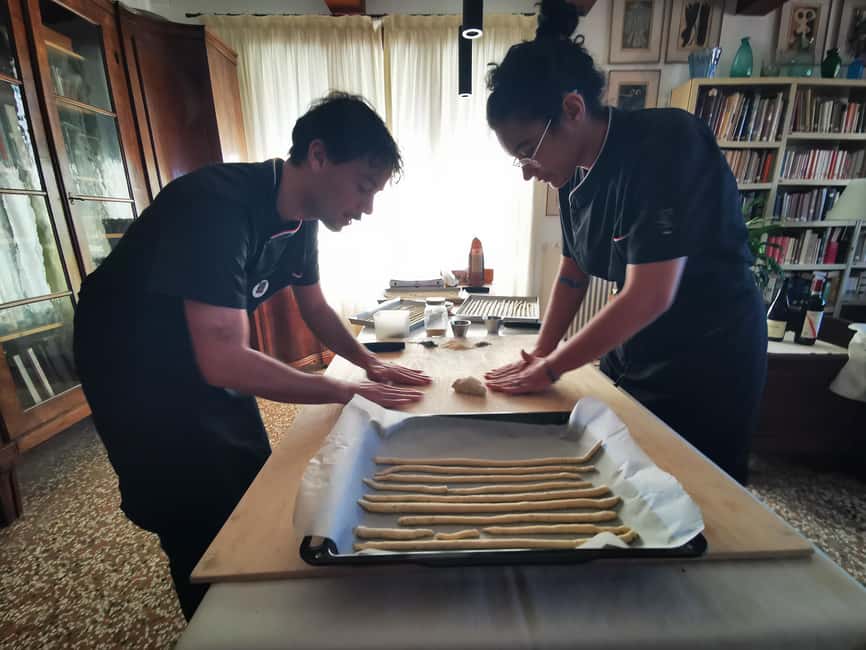
- Practical teaching: The chef demonstrates each step, then lets you repeat it at your own station.
- A social evening: Small groups work together, share wine and snacks, and finish with a family-style dinner.
- A proper Italian finish: Homemade limoncello, espresso, and a small farewell gift are included.
- Plan for stairs: There is no elevator, and you will stand for part of the 3.5-hour class.
Cooking Pasta in a Sixteenth-Century Venetian Home
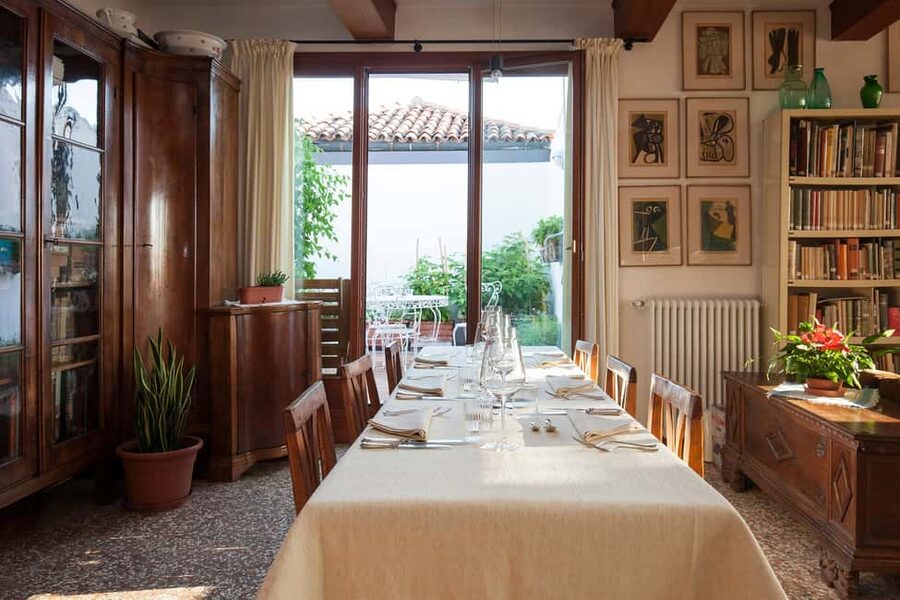
The setting gives this class its character. You are not walking into a polished restaurant kitchen or a large culinary school. You enter an apartment on the third and top floor of an old Venetian palace, the home where the chef grew up.
That detail matters. You get a look at the kind of private domestic setting that is easy to miss among Venice’s famous churches, canals, and grand public buildings. The class feels tied to a family home, not just to a commercial cooking space.
You will need to climb stairs, and the building has no elevator. Wear comfortable shoes and take the climb at your own pace. The class also involves standing while you prepare food, so this is best for anyone comfortable being on their feet for a good part of an evening.
The group size can vary. One session had seven participants, while another couple found themselves alone for a private class. You should expect a small-group format, but not assume that every date will have the same number of people.
More Tiramisu Classes in Venice:
- Venice: Pasta and Tiramisu Cooking Class with Wine
★ 4.9 · 1,010 reviews - Pasta and Tiramisu Cooking Class with Wine in Venice
★ 5.0 · 945 reviews - Small Group Pasta and Tiramisu Class at Local’s Home in Venice
★ 4.5 · 236 reviews
Meeting the Chef and Settling In
The class is taught in English by a professional chef. Names that have appeared in connection with the experience include Anthea, Mauro, Marco, and Giacomo, so your instructor can vary by date.
The welcome is informal. You meet the chef and the other people in your group, then settle in with drinks and light snacks before the cooking begins. Several sessions included prosecco at the start, while the listed inclusions specify one bottle of wine for every three people. Treat the exact welcome drink as something that may vary, but wine is part of the meal plan.
I like this opening because it gives you time to talk before everyone starts measuring flour and handling dough. Cooking classes can feel stiff when the first five minutes are all instructions. Here, the social start helps the group work together more naturally.
The class is also built around cooperation. You may share a station with a partner, and the group works in the spirit of a small kitchen brigade. That means you are not simply following a recipe alone. You help with preparation, watch other techniques, and share the work of getting dinner onto the table.
Starting with Traditional Tiramisu
Tiramisu comes early in the session because it needs time to chill and set while you work on the pasta. This is a sensible order, and it gives you a chance to learn a famous Italian dessert without rushing at the end.
You will be shown how the chef approaches the recipe, then take part in the preparation yourself. The useful lesson is not only the ingredient list. You also see how the texture is built and how the finished dessert is assembled.
Tiramisu is familiar to many people, but restaurant versions can vary widely. The value here is learning a traditional approach that you can repeat at home. Several people specifically planned to make the dessert again after returning home, which tells you this is not just a one-night tasting.
The class uses all the ingredients needed for both the pasta and tiramisu. Dietary restrictions and allergies should be reported in advance. Do not wait until you arrive, since the recipes and shared meal need to be planned around your needs.
Rolling Two Types of Fresh Pasta
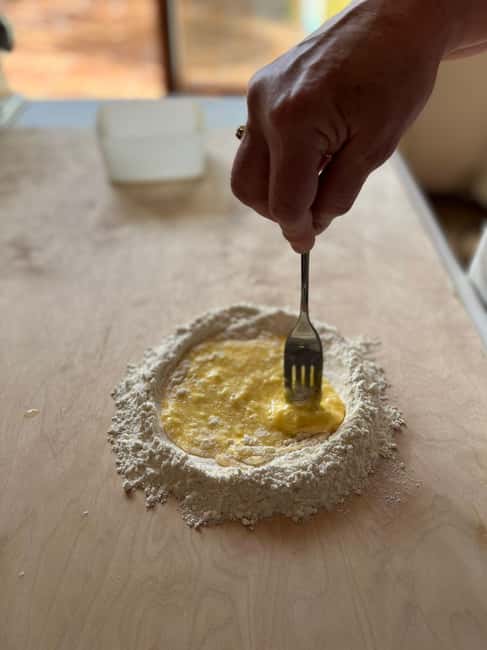
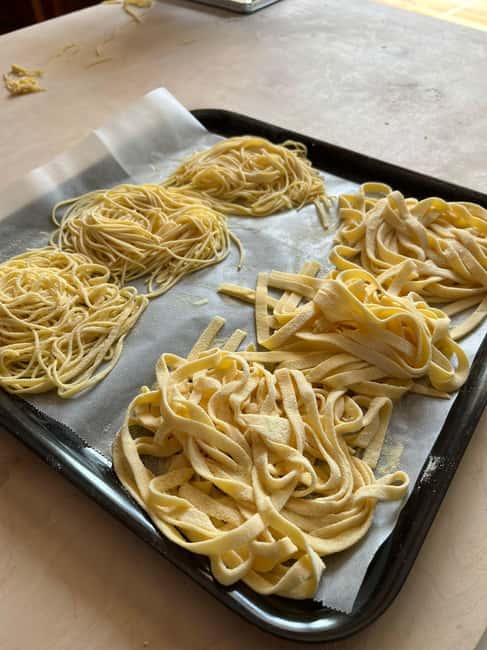
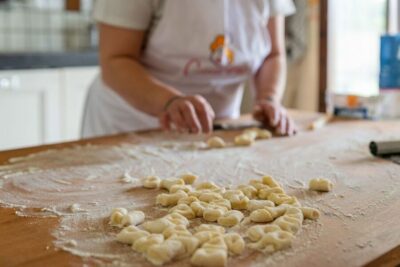
The pasta lesson is the most useful part for many people. The chef first demonstrates the process clearly, then lets you try it yourself. You will make two types of pasta, giving you more practice than a class built around a single shape.
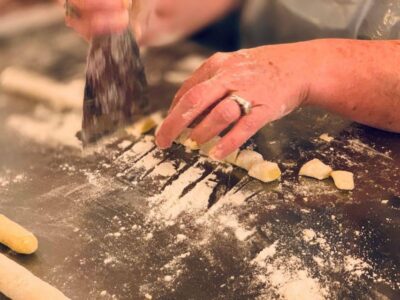
This is where patience helps. Fresh pasta is a hands-on job, and your first pieces may not look as neat as the chef’s. That is part of the point. You learn how the dough should feel, how to work it, and how to shape it with the tools provided.
One practical benefit is that the lesson is designed for all skill levels. You do not need previous pasta-making experience. The chef’s role is to show the technique, then correct and guide you as you work.
The class may also inspire an expensive souvenir. One father-in-law reportedly left ready to buy a pasta roller machine. You do not need special equipment to enjoy the class, but you will leave with a better idea of what tools are useful at home.
The sauce brings a Venetian touch to the meal. The plan includes a sauce made with seasonal vegetables and high-quality proteins, with seafood and other Venetian traditions part of the cooking style. The exact sauce can depend on the season and the chef’s menu, so do not expect one fixed recipe on every date.
That seasonal approach is a plus. It connects the dish to local cooking rather than treating Italian food as one unchanging menu. It also means the class can feel different at different times of year.
More Fresh Pasta Workshops in Venice:
- Venice Hands-On Bigoli Pasta Class : Cook & Taste Local Recipes
★ 5.0 · 20 reviews - Tiramisu and Fresh Pasta Cooking Class in Venezia
★ 4.5 · 11 reviews - 3 Hour Cooking Class: Homemade Pasta and Tiramisu in Venice
★ 4.5 · 7 reviews - Rome: Pasta Making Class with Wine, Limoncello, and Dessert
★ 4.9 · 3,177 reviews
Working Together, Not Just Watching
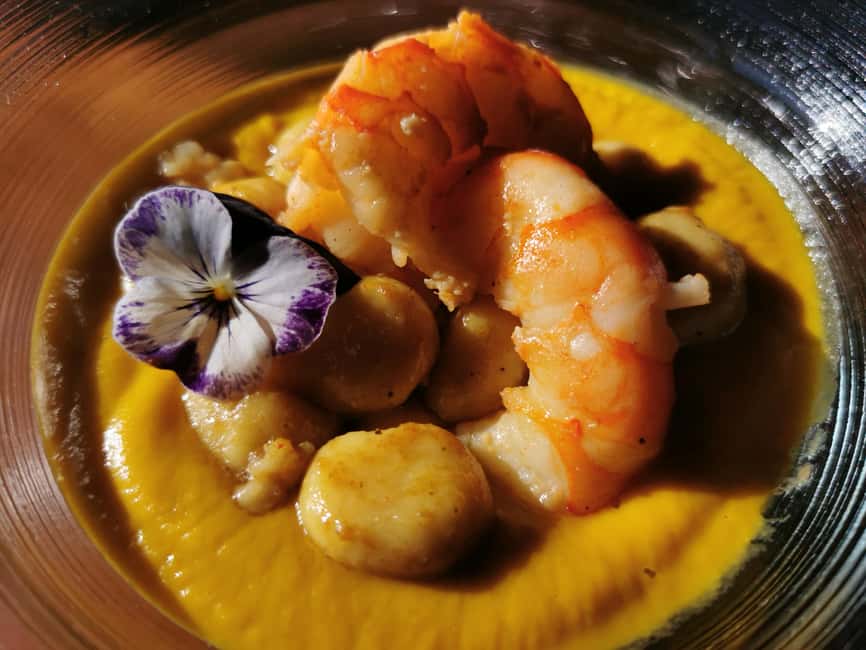
The class is strongest when you take part. The chef demonstrates, explains, and then hands the work to you. You mix, shape, assemble, and help prepare the dishes that will later be served.
I would book this only if you want to use your hands. If you prefer sitting back while someone cooks for you, the active format may feel like work. The class is not difficult, but it does ask you to pay attention and take part.
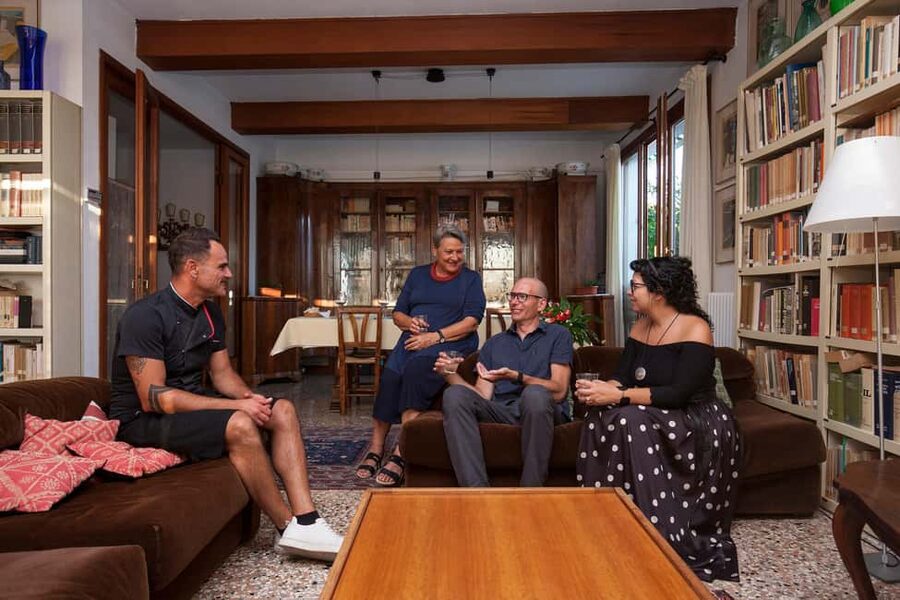
The group element is important too. Couples often share a workstation, and solo participants work alongside other people. You may arrive among strangers and leave knowing enough about them to share dinner comfortably. That social rhythm is one reason the experience suits couples, friends, and families looking for an activity beyond sightseeing.
Parents should note that children under two are not accepted. The published suitability information also excludes several weight limits, ranging from over 120 kilograms to over 159 kilograms. These limits are listed inconsistently, so if they may affect you, confirm the current rule before booking.
From Kitchen Work to Family-Style Dinner
Once the food is ready, the class changes pace. You sit down and eat the dishes prepared together, rather than simply receiving a plate at the end.
There may be small snacks such as olives while the pasta cooks. This waiting time can be pleasant, especially when the group is enjoying conversation and wine. One point to consider is that the evening may include pauses between the cooking sections. If you want a tightly timed lesson with constant instruction, that rhythm might feel slow.
I see the pause as part of the appeal for most people. You are in a home, not racing through a cooking demonstration. The food needs time to cook, and the meal works better when you are not pushed out the door the moment the final plate is served.
The family-style format also lets you taste how the pasta works with the finished sauce. You have handled the dough yourself, then see how it becomes a full dish. That connection between technique and dinner is more useful than learning a recipe in isolation.
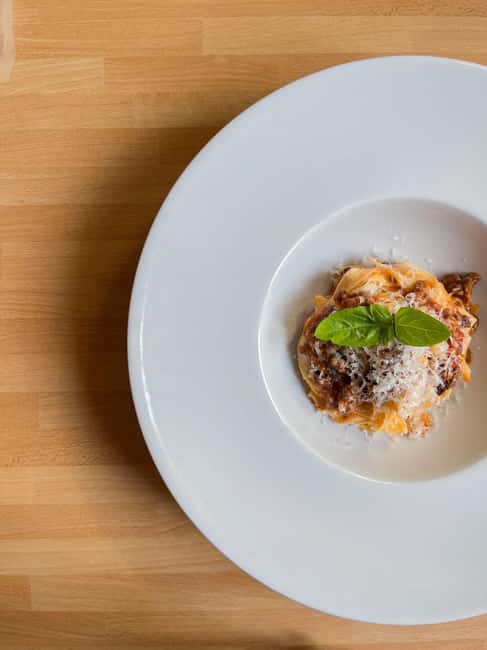
One session included carbonara that was especially memorable, while other meals featured the chef’s sauces and seasonal preparations. Because the menu can vary, book this for the process and the shared meal, not for one specific pasta dish unless the provider confirms it.
The Venetian Finish: Limoncello and Espresso
The meal closes in classic Italian fashion with espresso and homemade limoncello. A small farewell gift is also included.
These touches do not make the class better by themselves, but they complete the evening nicely. You are given time to finish the meal, talk with the group, and leave with a small reminder of the experience rather than simply walking back into Venice after the cooking ends.
The homemade limoncello is a pleasant detail because it keeps the meal connected to the household hosting you. Drink carefully if you have plans afterward, and remember that wine is already part of the evening.
What the $85 Price Really Buys
At $85 per person, the class is not the cheapest way to eat pasta in Venice. It is also more than a standard restaurant dinner because you are paying for 3.5 hours of instruction, ingredients, kitchen access, a professional chef, wine, dessert, limoncello, espresso, and the meal itself.
I think the price is fair if you value participation. You receive several hours of activity, not just a meal that lasts an hour or two. You also learn techniques you can repeat at home, particularly fresh pasta and tiramisu.
The value is weaker if you mainly want a quiet dinner in a historic building. In that case, a restaurant will give you more choice and less effort for your money. This class makes sense when you want food, conversation, and a practical skill in one evening.
The included wine is one bottle for every three people, so this is not a wine-tasting event. It is a cooking class with wine served alongside the meal. That distinction helps set the right expectation.
Who Will Enjoy This Most
I would recommend this experience to:
- Couples who want a shared activity with a meal built in
- Families with older children and teens who can manage the stairs and standing
- Solo visitors who enjoy meeting people through food
- Anyone hoping to learn fresh pasta from scratch
- Home cooks who want a traditional tiramisu method
- People who prefer a residential setting to a formal cooking school
I would be more cautious if you have mobility limits, serious food allergies, or a strong preference for a fixed menu. The home is reached by stairs, the class requires standing, and the dishes can change with seasonal ingredients.
It is also worth checking the schedule before planning your evening. The activity lasts 3.5 hours, so an evening booking can work as dinner, while a daytime booking leaves your night free. One useful strategy is to schedule it near the start of your Venice stay. The chef may offer suggestions for the rest of your visit, and the class can help you settle into the city through food.
Practical Details Before You Book
Cancellation is free up to 24 hours before the start time, and you can reserve now and pay later. That is useful when your Venice plans are still shifting, but you should still choose a time that allows for the full 3.5 hours.
Bring water, a camera, and comfortable shoes. You will not need to bring ingredients or cooking equipment. Pets and smoking are not allowed.
The class is conducted in English. If you have allergies or dietary restrictions, contact the provider in advance. Do not assume that a vegetarian, seafood-free, gluten-free, or other altered menu will be available without prior notice.
The building has no elevator and the class is on the third and top floor. This is the single most important practical point. If stairs are difficult for you, the beautiful setting will not make the access problem disappear.
Should You Book This Venice Cooking Class?
Book it if you want to make dinner rather than simply order it. The combination of a historic home, a patient chef, two pasta preparations, tiramisu, wine, and a shared meal gives you a strong sense of how an Italian kitchen works.
I would choose this over a larger demonstration class because the small-group format lets you handle the food yourself. I would also choose it early in a short Venice visit, especially if you like using local food experiences to shape the rest of your trip.
Skip it if you need step-free access, dislike group conversation, or want a quick activity with a fixed menu. For everyone else, the $85 price buys a long, social evening and recipes you can carry home. Just wear good shoes, arrive ready to work, and leave room for stairs, pasta, dessert, and limoncello.
FAQ
How long does the Venice cooking class last?
The class lasts 3.5 hours, including the hands-on cooking session and the family-style meal.
Where does the class take place?
It takes place in a 16th-century Venetian palace, in the home where the chef grew up. The kitchen is on the third and top floor.
Is there an elevator?
No. You must use the stairs to reach the class.
What will I make?
You will make tiramisu, two types of fresh pasta, and a sauce using seasonal vegetables and quality proteins. Venetian cooking traditions may include seafood and other preparations.
Is the class suitable for beginners?
Yes. The activity is suitable for all skill levels. The chef demonstrates each step before you try it yourself.
Is the class taught in English?
Yes. English is the stated class language.
What is included in the price?
The price includes the professional chef guide, hands-on instruction, all ingredients for the pasta and tiramisu, the meal you prepare, homemade limoncello, espresso, a small farewell gift, and one bottle of wine for every three people.
What should I bring?
Bring comfortable shoes, water, and a camera. You do not need to bring ingredients.
Can I cancel the booking?
Yes. You can cancel up to 24 hours in advance for a full refund. You can also reserve now and pay later.
Just added around Venice
- Venice: Share Your Pasta Love in a Local’s Home★ 4.8 · 20 reviews
- Venice Cooking Class in Mestre – Pasta & Tiramisu, wine and more★ 4.0 · 14 reviews
- Venice Cooking Class in Mestre Pasta and Tiramisu Wine★ 5.0 · 9 reviews
- Make Ravioli & Tiramisù in Central Venice Kitchen (3-Course Meal)★ 5.0 · 4 reviews
- Make Pasta Carbonara from Scratch in a Jazz Club in Venice★ 3.5 · 15 reviews
- Cesarine: Small Group Pizza and Tiramisu Class in Venice★ 4.5 · 16 reviews
- Share Your Pasta Love in a Local’s Home in Venice★ 4.5 · 17 reviews
- Cesarine: Private Pasta and Tiramisu Class in a Local Venice Home★ 5.0 · 37 reviews
Venice Pasta Classes, compared.
Pasta and Tiramisu Cooking Class with Wine in Venice
Read our review →
Jewish Ghetto & Cannaregio Area Food Tour: Pasta Wine Gelato and More!
Read our review →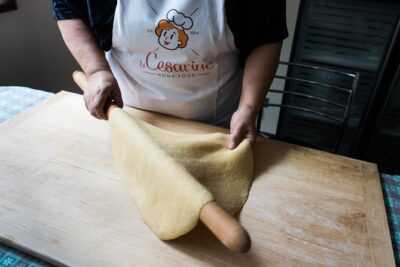
Small Group Pasta and Tiramisu Class at Local’s Home in Venice
Read our review →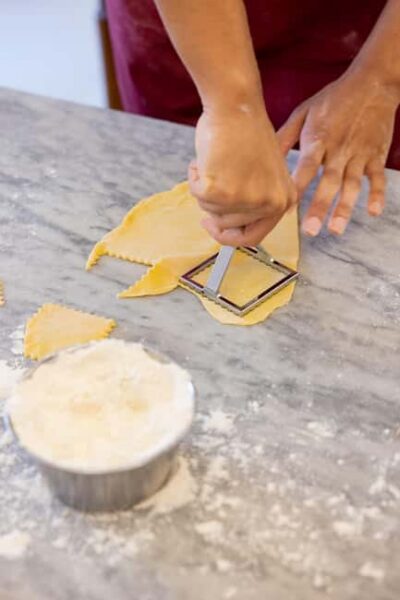
Pasta and Tiramisu Cooking Class at a Local’s Home
Read our review →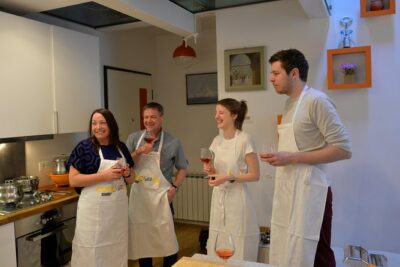
Rialto Market Tour with Hands on Cooking Class, Wine & Tiramisu
Read our review →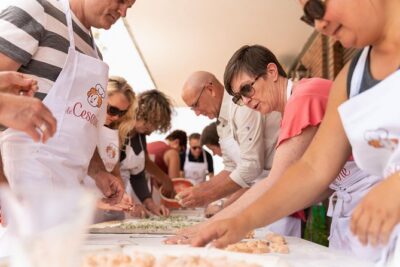
Cesarine: Private Pasta and Tiramisu Class in a Local Venice Home
Read our review →Browse the lists this tour appears in