
REVIEW · ROME
Rome: Tiramisu and Pasta Cooking Class near the Colosseum
Fresh pasta, creamy tiramisu, and a glass of Prosecco make a fine Roman evening. In this three-hour class near the Colosseum, you knead and cut pasta, prepare carbonara or cacio e pepe, and finish with a meal you helped make. I love the hands-on format, especially the practical tips that make the recipes easy to repeat at home.
I also like the social setup. The chef keeps the pace relaxed, drinks are included, and solo visitors, couples, and families can share a table and a meal. The main drawback is dietary: the menu contains gluten and dairy, so this is not suitable for vegans or people with coeliac disease, gluten intolerance, or lactose intolerance.
Key points at a glance
- Three dishes, one working kitchen: Make fresh pasta, a Roman sauce, and individual tiramisu.
- Carbonara or cacio e pepe: You learn the key steps behind two of Rome’s best-known pasta dishes.
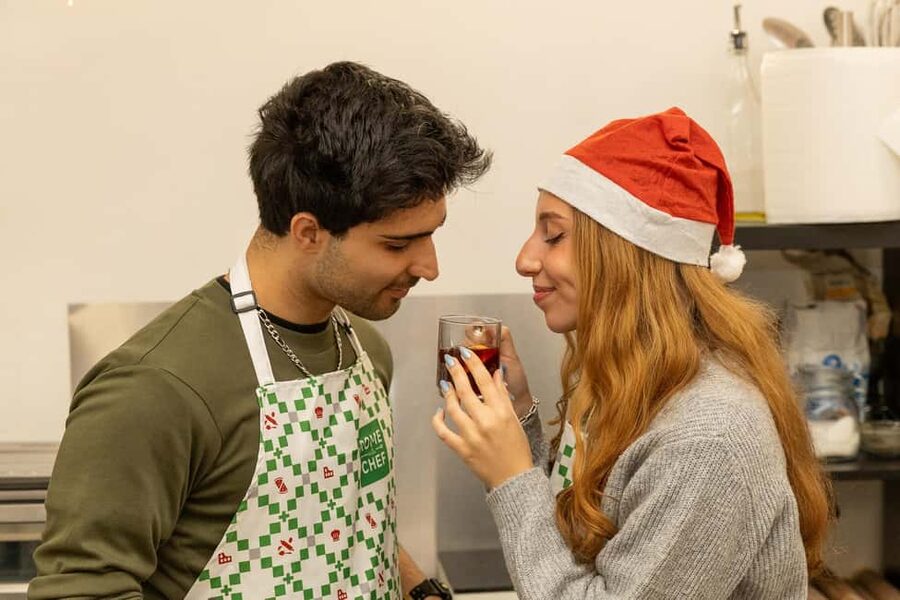
- Drinks are part of the evening: Two glasses of Prosecco, two glasses of red wine, Tia Maria for the dessert, and limoncello are included.
- A chef-led class in English: Instructors such as Marzia, Sunny, Jem, and Giovanna have received especially warm praise for clear guidance and friendly teaching.
- Recipes go home with you: The included e-book helps turn a holiday meal into something you can cook again.
- Strict arrival rule: Reach Via Cesare Balbo 25 ten minutes early. Late arrivals are not admitted or refunded.
A Roman cooking night near the Colosseum
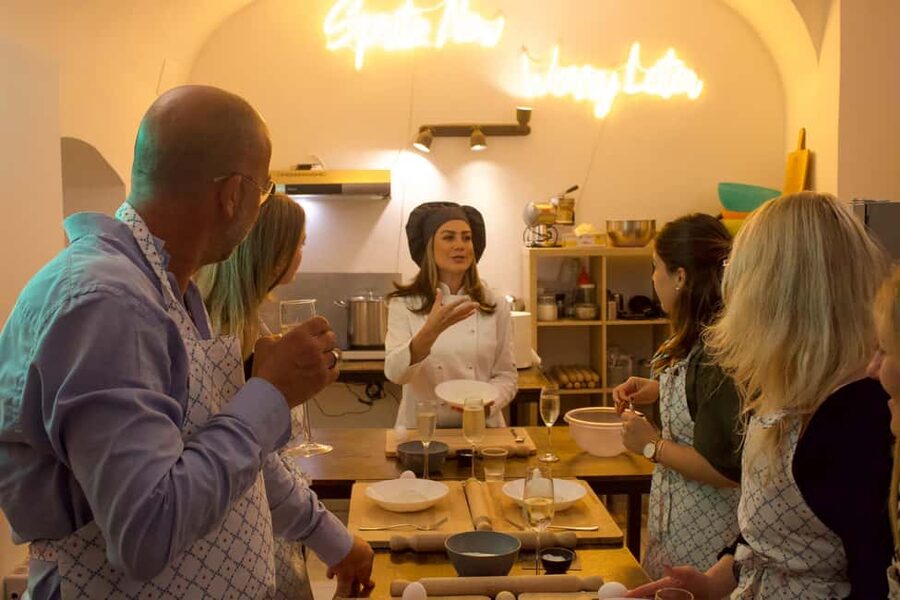
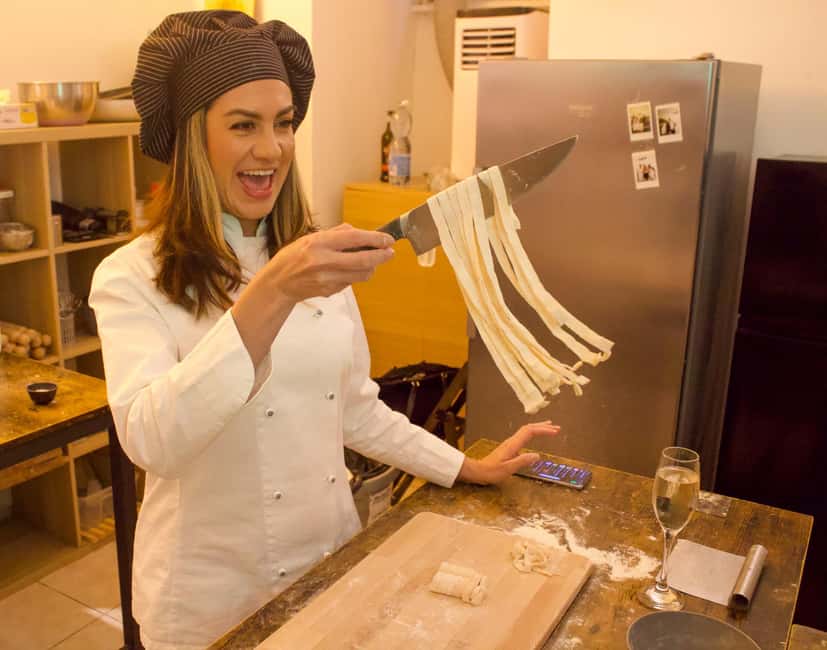
This is not a demonstration where you sit back and watch a chef do all the work. You get flour on your hands, shape pasta, mix dessert, and sit down to eat the result. That makes the class a useful break from Rome’s museums and ancient stones, particularly if you want an activity with a social side.
The kitchen is near the Colosseum, at Via Cesare Balbo 25, close to Hotel 77. Look for the small brown door beside the large green one. The exact meeting point can occasionally change, but the alternate locations are said to be within a five-minute walk, with advance notice provided.
The arrival rule matters. You should be there ten minutes early because late arrivals cannot join the class and do not receive a refund. Rome rewards wandering, but this is one appointment where you should allow time to find the door.
The class runs for three hours and is taught in English. A private group option is available if you want the experience kept to your own party. Otherwise, the small-group setting is part of the appeal. You cook alongside new people, share a table, and often end up comparing pasta shapes and sauce technique before the meal is over.
More Tiramisu Classes in Rome
- 3 in 1 Cooking Class near Navona: Fettuccine, Ravioli & Tiramisu
★ 5.0 · 7,376 reviews - Rome: Pasta & Tiramisu Class with Fine Wine by the Vatican
★ 4.9 · 4,852 reviews - Rome: 3-in-1 Fettuccine, Ravioli, and Tiramisu Cooking Class
★ 4.9 · 2,704 reviews
Starting with tiramisu and a drink
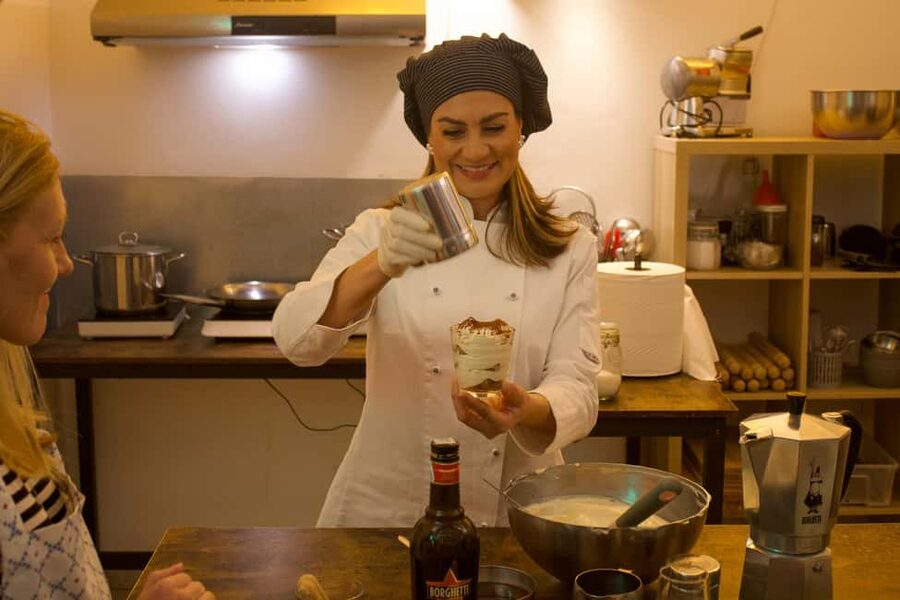
The class begins with tiramisu, using fresh, locally sourced ingredients. You prepare individual portions, with the chef explaining how to build the creamy layers and balance the coffee, sweetness, and liqueur.
The dessert can be prepared in a regular style or with an extra splash of alcohol. Tia Maria is included, so this is not a dry, family-only dessert lesson. If you prefer not to drink, the class also offers non-alcoholic beverages, but the supplied details do not promise a separate dairy-free or vegan tiramisu.
Starting with dessert is practical. Tiramisu needs time to chill and settle, so making it first gives it a chance to improve while you work on the pasta. It also gives you an early success, even if you have never cooked Italian food before.
I like this part for another reason: tiramisu is easy to recreate at home. You do not need a special machine or hard-to-find equipment, and the recipe e-book gives you a useful reminder after the trip. The lesson is still hands-on, but not so technical that a beginner gets lost.
Rolling and cutting handmade pasta
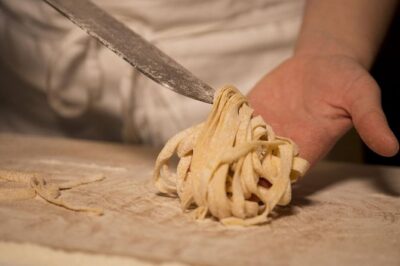
Next comes the main project: fresh pasta from scratch. You knead the dough, roll it, and cut it into strips, with tagliatelle among the shapes discussed in the class.
This is the part where the chef’s attention matters most. The dough can feel too dry, too wet, too thick, or too thin, and the right correction is not always obvious from a written recipe. Instructors including Marzia, Ele, and Angela are praised for checking each person’s work and helping with the details that lead to better pasta.
The reviews also point to a class that works for first-time cooks. One family described a non-cooking husband becoming confident with both pasta and tiramisu. Another family said the preteens and teenagers stayed involved. You should still expect to stand, roll, cut, and handle food for much of the session, so this is more active than a restaurant meal.
The pasta lesson has value beyond the evening itself. A Roman pasta class should teach you what to watch for, not just hand you a plate. The useful points include dough texture, cutting technique, timing, and how the pasta behaves when it reaches the pot.
Choosing carbonara or cacio e pepe
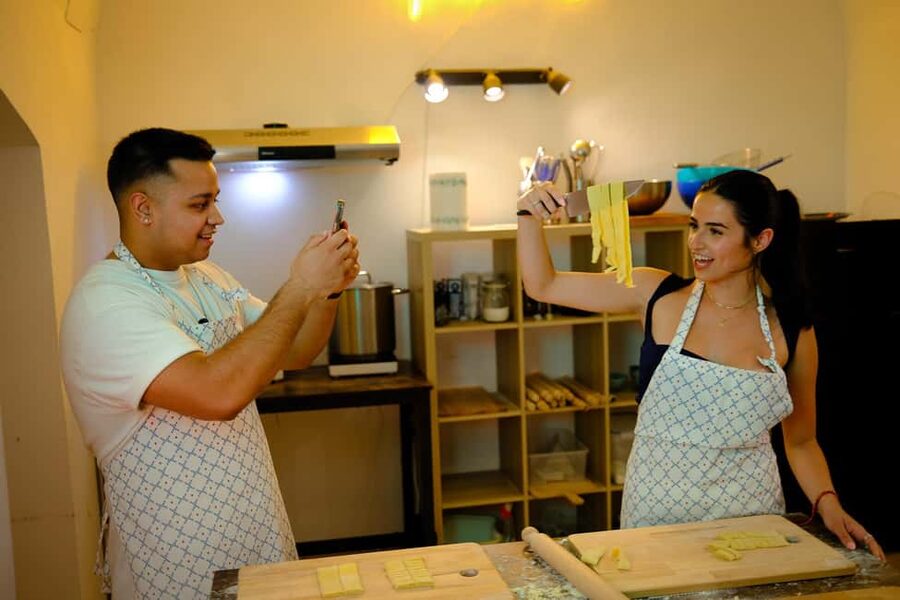
Once the pasta is prepared, you learn how to pair it with a Roman sauce. The stated choice is carbonara or cacio e pepe, though some sessions have prepared both sauces together.
Carbonara is built around eggs, cheese, and cured pork, while cacio e pepe relies on cheese and black pepper. The ingredient list is short in both cases, which makes technique important. A sauce can turn smooth and creamy, or it can become clumpy and heavy if the heat and pasta water are mishandled.
This is where the class can teach more than a recipe card. You see how the sauce comes together and learn the kind of small adjustments that are hard to understand from a restaurant menu. The chef also explains the process as you cook, so you are not left guessing when to mix, toss, or serve.
Your exact sauce choice may depend on the class format and the chef. If one dish matters particularly to you, ask when booking or at the start of the lesson. The supplied information confirms the choice of carbonara or cacio e pepe, but it does not guarantee that every session prepares both.
Same kitchen, a different thing to make:
- Rome: Pasta Making Class with Wine, Limoncello, and Dessert
★ 4.9 · 3,177 reviews - Rome Cooking Class: Make Pasta and 3 Spritz Cocktails
★ 5.0 · 2,937 reviews - Rome: Fettuccine Pasta Cooking Class in Rome’s City Center
★ 4.8 · 2,414 reviews - Learn to Make Pasta & Tiramisu with Wine and Limoncello Included
★ 5.0 · 2,345 reviews
Wine, Prosecco, and limoncello
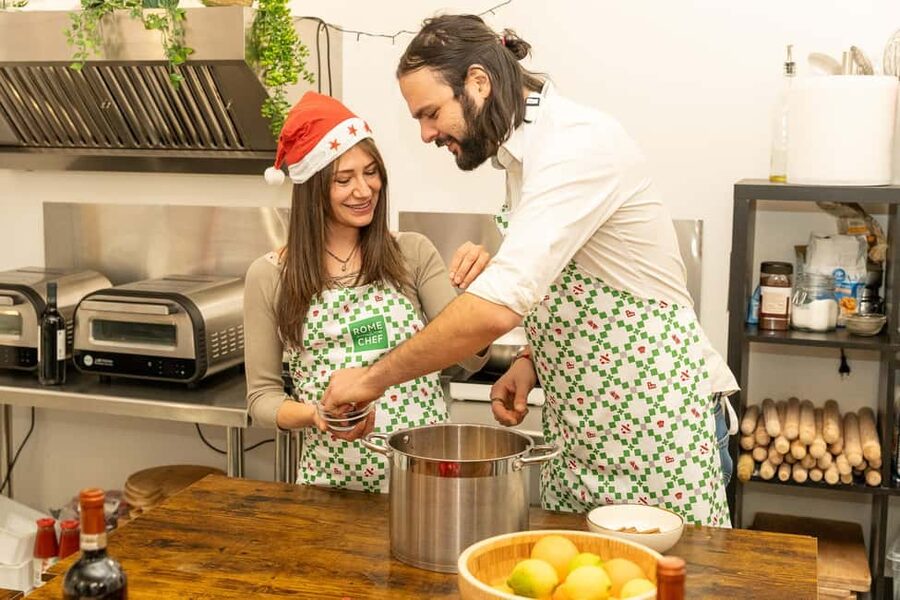
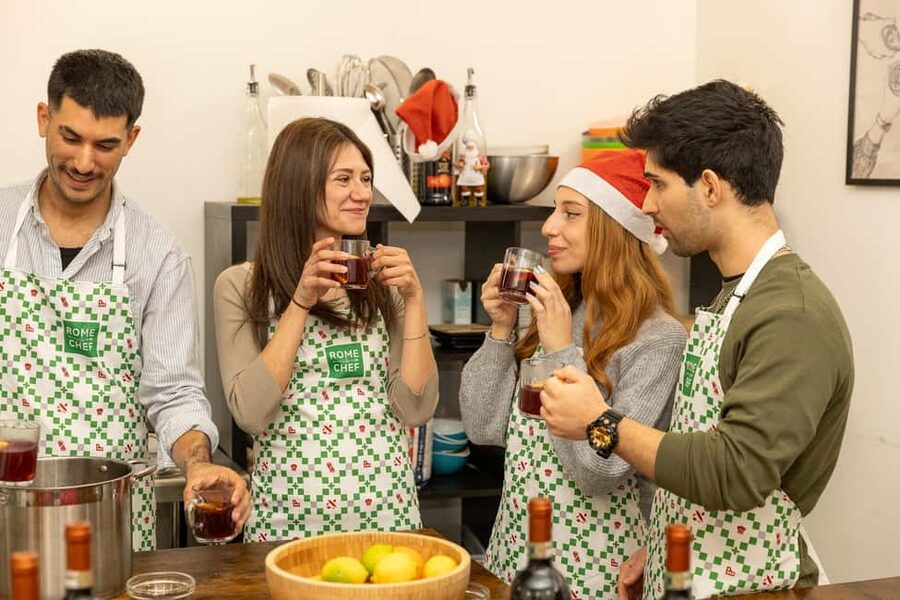
Drinks are woven into the class rather than added as an afterthought. The package includes two glasses of Prosecco, two glasses of red wine, a glass of limoncello, Tia Maria for the dessert, and unlimited water.
Many sessions appear to have a lively, music-filled mood, with hosts keeping glasses topped up and encouraging conversation. That can make the class feel like a casual Roman dinner party rather than a formal culinary school. It is particularly useful for solo visitors, since the shared table gives you an easy way to meet people.
There is a practical catch. This is not the best choice if you want a quiet, highly technical lesson with no social drinking. The class combines instruction, food, music, and alcohol, and the atmosphere can be part of the point. Non-alcoholic beverages are available, but additional food and drinks are not included.
The drink package adds real value to the $69 price, especially since it covers a full meal as well as the cooking lesson. Still, do not judge the class only by how much wine is served. The strongest reason to book is the chance to learn pasta and sauce technique in a guided setting, with the meal and drinks making the three-hour session feel complete.
Sitting down to eat what you made
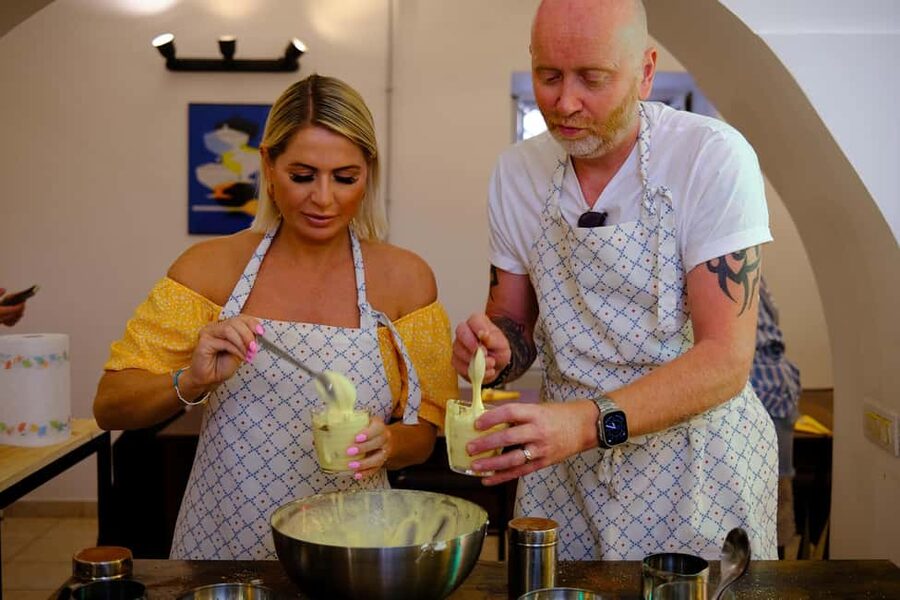
After the cooking, you sit with the group and eat the pasta and tiramisu. This final meal is more satisfying than a standard restaurant stop because you have seen the work behind it and can connect the finished dishes with each step of the class.
The timing also works well for an evening in central Rome. You get a substantial meal without giving up the entire day, and the class can fit into a schedule built around sightseeing near the Colosseum. Starting times vary, so check the available slot before planning other evening activities.
The class is not positioned as a food tour, and you should not expect a long tasting of regional specialties. You make a focused Roman menu instead. That narrow approach is a strength if you want to learn dishes you can repeat, but less useful if your main goal is sampling lots of different foods.
The meal also gives families a shared project. Children under two are not suitable for the class, and an infant who joins must remain on an adult’s lap because there is no separate seat or work area. Older children and teenagers can take part, though the adult in charge should expect a hands-on kitchen session rather than passive entertainment.
What makes the teaching work
The instructors vary by date. Marzia is frequently singled out for patient explanations and practical tips, while Sunny, Jem, Giovanna, Ele, Gustavo, Benjamin, Ida, and Angela have also led well-received sessions. You should not book with the expectation of a particular chef unless the operator confirms that person for your date.
The common thread is active guidance. The chef checks pasta, explains sauce technique, helps beginners recover from mistakes, and keeps the group moving. That matters because a three-hour class can easily become rushed if the instructor spends too long on one step.
The friendly approach also seems to suit mixed groups. Couples can work together, families can share tasks, and solo visitors can join the table without feeling stranded. Several birthday celebrations have taken place in the class, and the format gives the chef room to make a special evening feel personal.
I would not expect the same instructor or exact mood every time. Cooking classes depend on the teacher, the mix of people, and the pace of the group. The unusually high rating, 4.9 from 289 reviews, suggests strong consistency, but it cannot guarantee that every session will feel identical.
Price, value, and what is not included
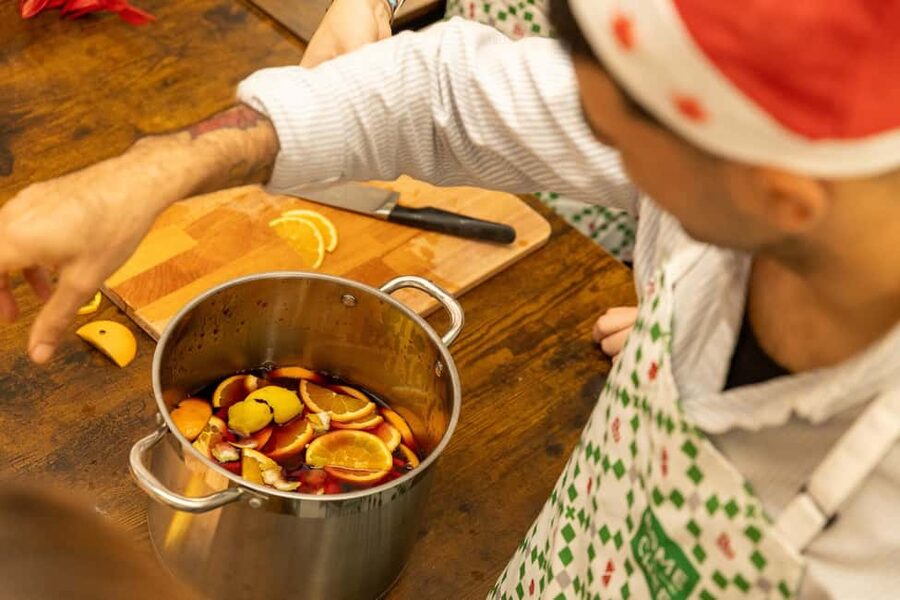
At $69 per person, the price is fair for a three-hour activity that includes instruction, a meal, several alcoholic drinks, water, and recipes to take home. You are paying for both the food and the time of a local chef, not just for a plate of pasta.
The value is strongest if you want to learn. A restaurant meal near the Colosseum might be simpler, but it will not show you how to knead dough, form pasta, or finish a Roman sauce. The e-book gives the lesson some after-trip value, since you can try the dishes again at home.
The price does not cover extra food or drinks. It also does not include special dietary substitutions for gluten-free, vegan, or dairy-free diets. Ask about allergies in advance, since the team may be able to help with some restrictions, but the basic menu contains both gluten and dairy.
For a private group, the experience may cost more depending on the booking terms, which are not specified here. The private option is worth considering for a birthday, family gathering, or group that wants to set its own pace.
Who should book this class
I would recommend it to:
- First-time pasta makers who want clear, practical instruction.
- Couples looking for a shared evening activity.
- Families with older children or teenagers who enjoy hands-on projects.
- Solo visitors who like meeting people over food.
- Anyone who wants Roman recipes that can be repeated at home.
- People who enjoy a social class with wine and music.
I would skip it if you need a vegan, gluten-free, or dairy-free menu. It is also a poor fit for anyone seeking a quiet, private lesson unless you reserve the private option. Infants and children under two are not suitable.
Book it early if the class is important to your schedule, then arrive with time to spare. Wear something comfortable for working with dough, although specific clothing requirements are not provided. Most of all, come ready to participate. The pleasure here comes from making the meal, not simply eating it.
Cancellation and booking details
You can cancel up to 24 hours before the class for a full refund. A reserve-now, pay-later option is available, which helps if your Rome plans are still shifting.
The instructor language is English. Starting times depend on availability, and the meeting point may change slightly, with advance notice. Both stated locations are within a short walk of each other.
Should you book the Roman pasta and tiramisu class?
Book it if you want a friendly, practical food experience rather than another sightseeing stop. The combination of handmade pasta, Roman sauce, tiramisu, wine, and a recipe e-book gives you a full evening for $69, and the class has earned especially strong praise for patient chefs and an easygoing atmosphere.
The key question is dietary fit. If gluten and dairy are fine for you, this is one of the better ways to turn a Rome meal into a skill you can carry home. If you need a special diet, choose another class that is built around those needs from the start.
FAQ
How long does the cooking class last?
The class lasts three hours.
Where does the class meet?
The usual meeting point is Via Cesare Balbo 25 near Hotel 77. Look for the small brown door beside the large green one. The location can change slightly, but an alternate meeting point is within a five-minute walk and will be communicated in advance.
How early should I arrive?
Arrive ten minutes before the start time. Late arrivals are not admitted and are not refunded.
What food will I make?
You will make handmade pasta, carbonara or cacio e pepe, and fresh tiramisu. Some sessions may prepare both pasta sauces.
Are drinks included?
Yes. The package includes two glasses of Prosecco, two glasses of red wine, Tia Maria for the dessert, one glass of limoncello, and unlimited water. Non-alcoholic beverages are also available.
Is the class suitable for vegans or people with food intolerances?
No. The menu contains gluten and dairy, so the class is not suitable for vegans or people with coeliac disease, gluten intolerance, or lactose intolerance.
Is the class taught in English?
Yes. The instructor language is English.
Can I cancel for a refund?
You can cancel up to 24 hours in advance for a full refund. A reserve-now, pay-later option is also available.
Just added around Rome
- Rome: Pasta and tiramisu class with wine pairing at Come Na Vorta★ 5.0 · 30 reviews
- Spritz and Pasta! Spritz, Fettuccine & Tiramisù★ 5.0 · 2 reviews
- Rome: Vespa Tour with Photographer and Tiramisu treat★ 4.5 · 61 reviews
- Walking Tour & Pizza Making★ 4.0 · 2 reviews
- Trastevere Food Tour with Pasta-Making Class★ 5.0 · 5 reviews
- Rome: Private Vespa Tour and Professional Photoshoot★ 5.0 · 22 reviews
- Traditional Pasta Cooking Class with Tiramisu Small Group★ 5.0 · 7 reviews
- Tiramisu and Gelato Creation in Authentic Roman Dessert Workshop★ 4.5 · 3 reviews
Rome Pasta Classes, compared.
3 in 1 Cooking Class near Navona: Fettuccine, Ravioli & Tiramisu
Read our review →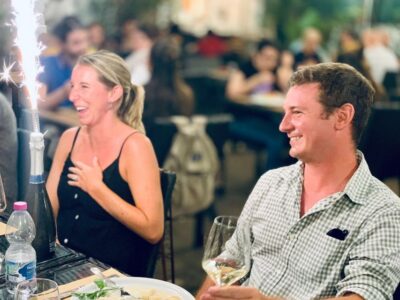
Pasta & Tiramisu Class with Fine Wine by the Vatican
Read our review →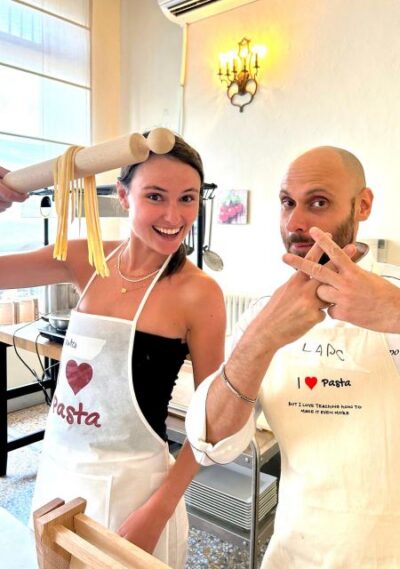
Pasta Making Class with Wine, Limoncello, and Dessert
Read our review →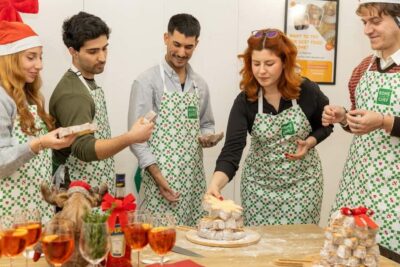
Rome Cooking Class: Make Pasta and 3 Spritz Cocktails
Read our review →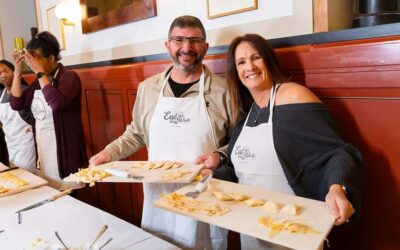
3-in-1 Fettuccine, Ravioli, and Tiramisu Cooking Class
Read our review →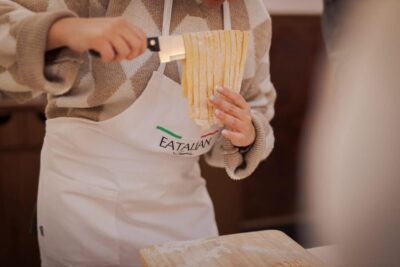
Fettuccine Pasta Cooking Class in Rome’s City Center
Read our review →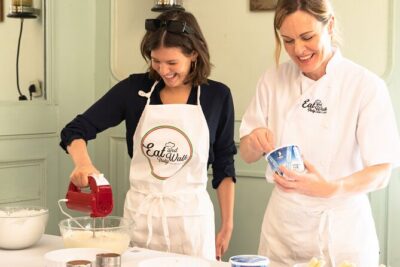
Learn to Make Pasta & Tiramisu with Wine and Limoncello Included
Read our review →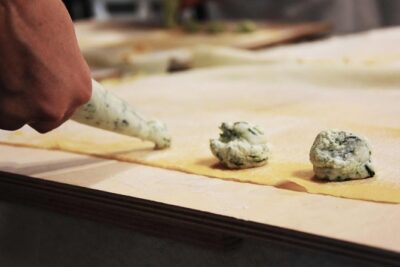
Become a Masterchef in Rome: Pasta, Ravioli and Tiramisù Class
Read our review →Browse the lists this tour appears in