
REVIEW · ROME
Rome: Pizza and Tiramisu Cooking Class Near the Colosseum
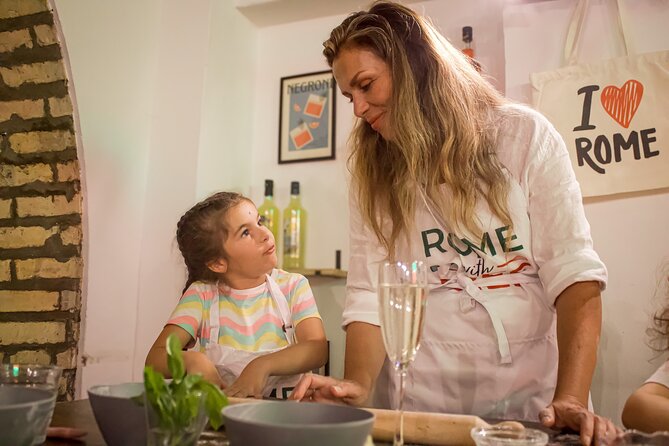
Making pizza and tiramisu in a small Roman kitchen, just steps from the Colosseum, is the heart of this experience. You work with a local chef, get your hands into the food, then sit down to eat what you made. It feels more like a friendly kitchen gathering than a formal cooking school.
I like the strong family focus, with child-safe tools and simple jobs that keep young cooks involved. I also like the social setup: adults can sip prosecco or wine while everyone cooks, and the 150-minute schedule gives you time to learn without racing.
The one thing to keep in mind is that the pizza may not be made entirely from raw dough during the class. Dough needs time to rest, so some sessions focus mainly on shaping and topping dough prepared ahead of time. It is still hands-on, but serious bakers should know the difference.
Key points to know before booking
- Just steps from the Colosseum: Pair the class with a morning or afternoon of ancient Rome sightseeing.
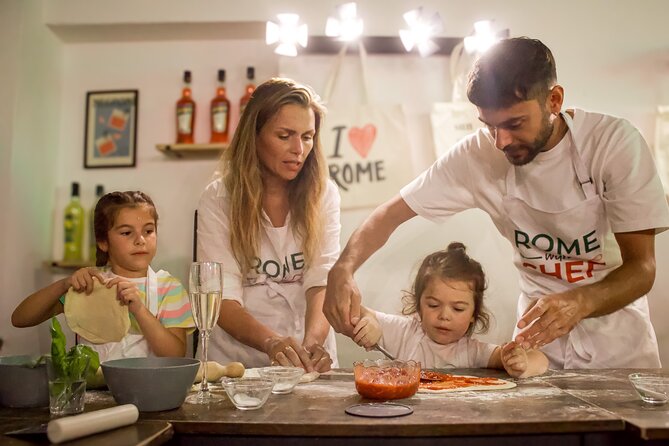
- Made for mixed-age groups: Children use safe equipment, while adults can enjoy prosecco, wine, or alcohol-free drinks.
- Two Italian staples: Prepare pizza and tiramisu, then eat the finished meal together.
- A warm, social class: Chefs such as Giovanna, Sunny, Gio, Benjamin, and Larissa are praised for their humor and patience.
- Good value at $69: Ingredients, equipment, instruction, drinks, and a full meal are included.
- Important food limits: Vegetarian meals can be arranged, but vegan, gluten-free, and celiac diets cannot be accommodated.
A cooking class beside the Colosseum
Rome can wear you out. After a few hours among ruins, crowds, and hard stone streets, sitting down to cook is a welcome change of pace. This class gives you a break from sightseeing without taking you far from the ancient center.
The setting is close to the Colosseum, with the Roman Forum about a 15-minute walk away according to one participant. That makes the class easy to fit into a day of exploring. You can visit the Colosseum first, cook afterward, and finish with a satisfying meal. Or schedule the class before your sightseeing and use the food as a sturdy lunch.
You should arrive 10 minutes early. Look for the Rome with Chef logo at the entrance. The warning about late arrival is worth taking seriously, since missing the opening steps can make the rest of the class harder to follow.
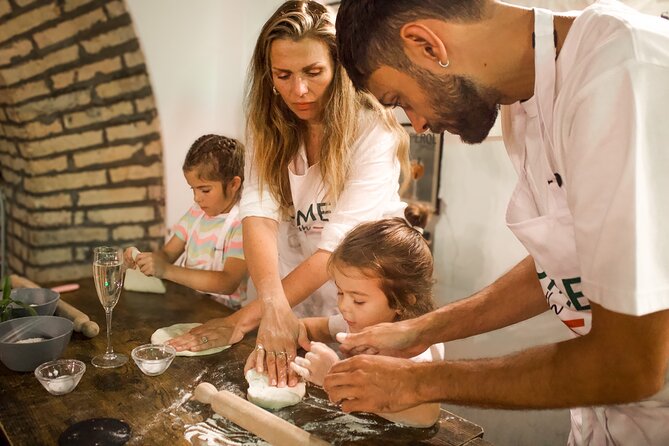
The kitchen atmosphere is casual and welcoming. Music, conversation, flour on the table, and a small group help the class feel personal. One group described a class of about 12 people, while another found the setting best for 10 or fewer. The exact size can vary, but this is not presented as a huge demonstration in a banquet hall.
More Pizza Making Classes in Rome
- Cooking Class in the Heart of Rome: Pizza and Tiramisu Making
★ 5.0 · 1,330 reviews - Rome: Combo Pizza and Pasta Cooking Class with Wine
★ 4.6 · 1,180 reviews - Rome: Pizza & Tiramisu Class with Free Flowing Fine Wine
★ 5.0 · 973 reviews
Starting with pizza dough and toppings
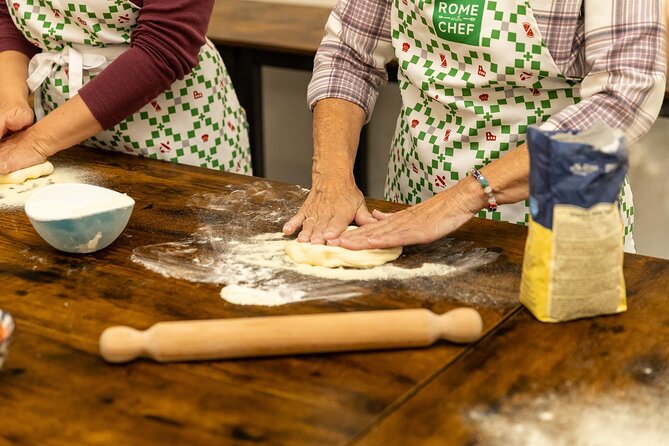
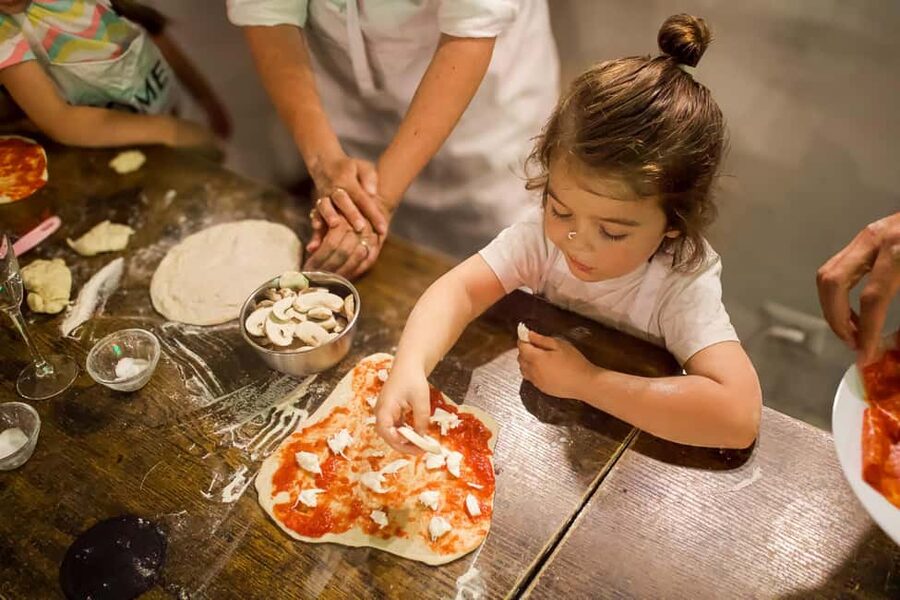
The pizza portion begins with the basics: dough, shaping, toppings, and baking. The chef explains the process in English and gives you a chance to take part rather than simply watching from the side.
The phrase from scratch needs a little explanation here. You learn how pizza dough is made, and the class presents traditional methods and recipes you can recreate at home. But dough needs a long resting period. In at least some sessions, the dough is prepared ahead of time, leaving you to shape, decorate, and bake it.
That is not a serious flaw for most families. In fact, pre-rested dough keeps the class moving and ensures that you actually eat your pizza within the 150-minute session. Young children usually care more about pressing dough and choosing toppings than about yeast development.
You select your own toppings, which gives the pizza section a personal touch. It also makes the class friendly for cautious eaters. You can keep your pizza simple or experiment a little, then watch it bake while the class moves on to dessert.
The teaching style matters here. Chefs including Sunny, Gio, Benjamin, and Larissa are repeatedly praised for keeping children involved and making adults feel comfortable. You are not expected to have kitchen skills. The chef handles the timing and explains the steps, while you do enough work to feel responsible for the final result.
Preparing tiramisu for adults and children
While the pizza cooks, you turn to tiramisu. This is a smart pairing because the dessert can be assembled while the main course is in the oven.
The process includes the familiar creamy mixture, biscuits, and coffee for the classic adult version. Children can make a safer variation without coffee. That small adjustment makes a real difference for families, since younger children can prepare and eat their own dessert instead of standing aside.
The tiramisu seems to be prepared partly as a group, with each person getting a turn. One solo participant particularly appreciated making an individual portion that was labeled for them. That is useful in a shared kitchen, since you can keep track of your own creation and avoid confusion at the table.
You also leave with practical advice for making tiramisu at home. One chef’s tip was not to soak the dessert in too much espresso. That is the sort of small lesson that stays with you because it solves a real kitchen problem.
Tiramisu is also the stronger educational part of the class for some people. Pizza topping is easy to understand, but the dessert gives you a recipe with proportions, texture, and timing to remember. If you have never made tiramisu, this is a simple way to add a Roman cooking skill to your home repertoire.
How children fit into the class
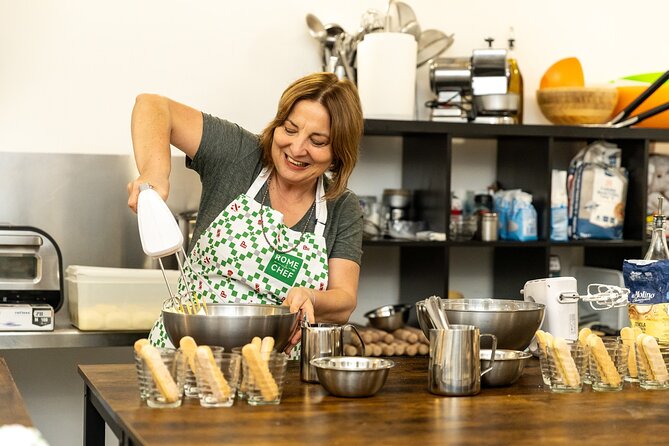
This is one of the better food activities in Rome for a family with children. The class is designed to let young cooks participate, not just sit at the table while adults do the work.
Child-safe kitchen tools are provided. Children can help with mixing, shaping, topping, and assembling dessert, with the chef guiding the pace. Parents describe children ranging from about 3 to 14 taking part, and several families found that the kids stayed engaged from the opening steps through the meal.
The chef’s manner is a big part of the appeal. Sunny is praised for working well with children aged 5, 8, and 10. Other families appreciated the attention given to children aged 4, 6, 10, and 11. The consistent message is that the staff treat young participants as real helpers rather than distractions.
Still, this is not an infant activity. No separate seat or workspace is available for babies, so an infant who joins must stay on an adult’s lap. A toddler may need close supervision around food and kitchen surfaces. If your child is old enough to follow simple directions and enjoys making things with their hands, the class should be a much better fit.
The family-friendly design does not make the experience childish for adults. Couples and solo participants also take part, and the relaxed format gives adults room to talk, cook, and enjoy a drink. You might arrive as the only solo person in the room, but the group format makes it easy to join the conversation.
More Tiramisu Classes in Rome
- 3 in 1 Cooking Class near Navona: Fettuccine, Ravioli & Tiramisu
★ 5.0 · 7,376 reviews - Rome: Pasta & Tiramisu Class with Fine Wine by the Vatican
★ 4.9 · 4,852 reviews - Rome: 3-in-1 Fettuccine, Ravioli, and Tiramisu Cooking Class
★ 4.9 · 2,704 reviews - Learn to Make Pasta & Tiramisu with Wine and Limoncello Included
★ 5.0 · 2,345 reviews
Wine, prosecco, and the meal at the end
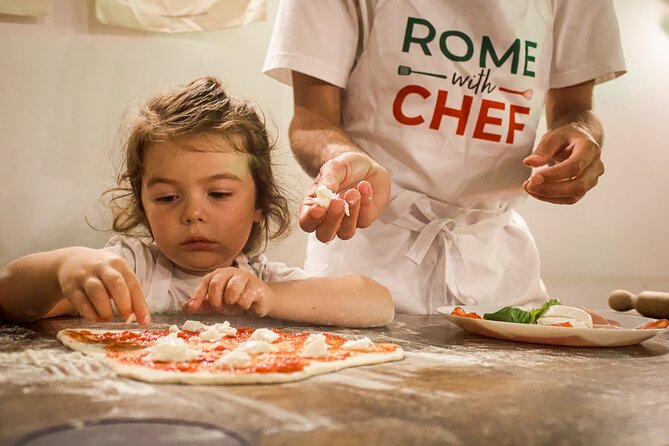
The food is not merely a sample at the end. You sit down to eat the pizza and tiramisu you helped prepare, which gives the class a clear payoff.
Adults receive prosecco or local wine, and water and soft drinks are included. Alcohol-free beverages are available on request. Alcohol is served only to people aged 18 and above, so families should not expect children to receive wine-based drinks.
The drinks add to the social mood, but they are not the reason to book. The main value is the meal, the instruction, and the time spent cooking together. Some participants describe generous drink service, while others focus more on the food and the chef. Your experience may depend on the particular group and pace of the class.
The meal itself is deliberately simple. Pizza and tiramisu are not complicated dishes, but that is part of their strength. You learn recipes with ingredients and steps you can repeat at home, rather than a restaurant dish that requires special equipment.
Vegetarian food is available on request. You should mention allergies and dietary restrictions ahead of time. This class cannot accommodate vegan diets, gluten-free diets, or people with celiac disease. That limitation is important, especially for a shared cooking space where flour is central to the pizza.
The chefs make the difference
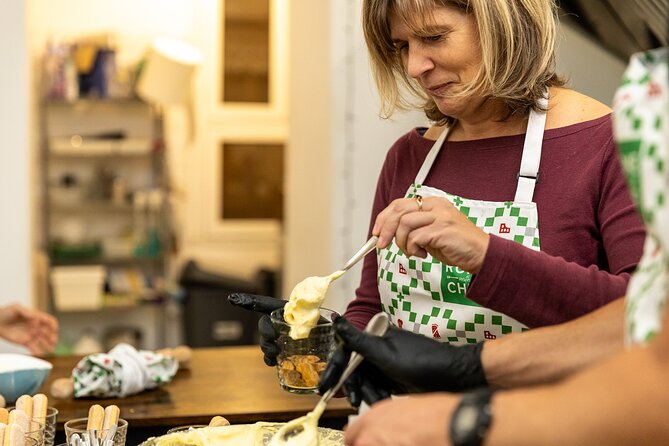
The cooking instructions are useful, but the chef determines how much fun the session becomes. The names associated with the classes include Giovanna, Kimia, Sunny, Gio, Larissa, Mary, Gustavo, Benjamin, Milo, Dela, and Aria.
The most praised qualities are patience, humor, clear explanations, and a willingness to let people try. Gio is described as prepared and easy to understand, while Aria is praised for offering practical tips. Benjamin is noted for making children feel involved, and Larissa and Mary are appreciated as both hosts and teachers.
You should expect different personalities from one session to another. That is normal with a rotating team. The shared approach is friendly, participatory, and informal. Music may play while you cook, and the chef may keep the room moving with conversation and jokes.
This style suits you if you want a cooking memory more than a technical masterclass. If you are hoping to study professional pizza fermentation in detail, the prepared dough used in some sessions may feel basic. If you want to cook, laugh, eat, and learn a recipe you can repeat, the format works well.
What $69 buys you
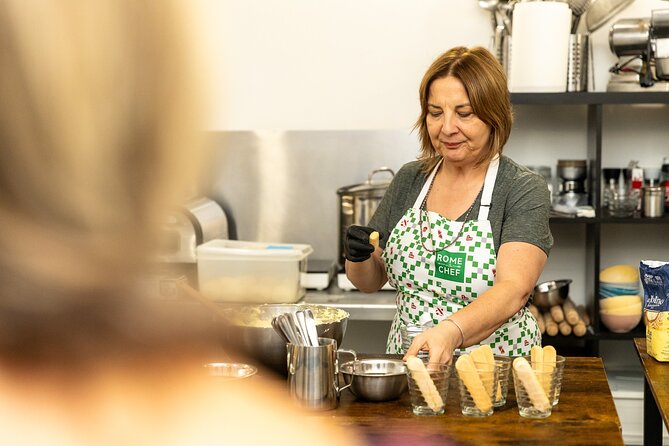
At $69 per person, the price is fair for central Rome. You receive 150 minutes of guided instruction, fresh ingredients, kitchen equipment, pizza, tiramisu, drinks, and a recipe to take home.
The location adds value. You are not paying for a long transfer to a distant cooking school, and the class can fit neatly around the Colosseum and Roman Forum. You also receive a full meal, which means the price replaces lunch or dinner rather than adding another paid activity to your day.
The class is especially good value for a family or group. Everyone gets a role, and the shared meal creates a memory that a standard restaurant visit cannot match. Solo participants can also join, though the strongest value comes when you enjoy social activities and are comfortable cooking with people you have just met.
A private group is available if you want more control over the atmosphere. That may make sense for a family celebration, a group of friends, or a special occasion. The public format is likely the better choice if you want to meet people and keep the cost in check.
Timing, cancellations, and practical limits
The class lasts 150 minutes, or two and a half hours. That is long enough for cooking and eating, but short enough to fit into a busy Rome schedule.
You can cancel up to 24 hours before the start for a full refund. Reserve-now, pay-later booking is also available, which helps if your sightseeing plans are still changing.
The class is taught in English. You should notify the team about allergies or dietary restrictions before arriving, even though major dietary limits cannot be accommodated. Vegetarian meals and alcohol-free drinks can be requested.
Wear something comfortable and suitable for a kitchen. The provided information does not specify an apron or clothing policy, so avoid bringing anything you would worry about around flour, sauce, or dessert ingredients.
Who should book this Roman cooking class?
I would choose this class for families with school-age children, couples wanting an easy social activity, and groups that prefer food to another museum. It is also a good choice for solo visitors who enjoy meeting people and want a meal with more connection than a restaurant table provides.
It works particularly well after a morning at the Colosseum. Ancient Rome can be intense, and the change from monuments to dough and dessert gives your day a useful rhythm.
I would be more cautious if you have celiac disease, need gluten-free food, follow a vegan diet, or want advanced pizza instruction. The class is about accessible cooking and shared fun, not specialist dietary catering or professional technique.
Should you book it?
Book it if you want to make two familiar Italian dishes, eat a full meal, and spend time with a friendly chef near the Colosseum. The child-safe setup, individual participation, and relaxed tone make it one of the more practical family activities in central Rome.
The best reason to choose it is the combination of food and connection. You leave with a full stomach, a simple recipe, and a story about making dinner in Rome rather than merely ordering it. Just remember the dietary restrictions, arrive early, and understand that the pizza dough may be prepared ahead of time so the class can stay on schedule.
FAQ
Where does the pizza and tiramisu class take place?
The class takes place in a cozy kitchen just steps from the Colosseum in Rome. The Roman Forum is about a 15-minute walk away.
How long does the cooking class last?
The experience lasts 150 minutes, or two and a half hours.
What language is the class taught in?
The instructor teaches the class in English.
Is the class suitable for children?
Yes. The class is designed for families and provides child-safe kitchen equipment. Children can help prepare the pizza and a kid-friendly version of tiramisu.
Can infants attend the class?
Infants are not considered suitable for the activity. If an infant joins, they must remain on an adult’s lap because no separate seat or workspace is available.
Are vegetarian meals available?
Yes. Vegetarian meals can be arranged on request. Alcohol-free beverages are also available if requested.
Can people with vegan, gluten-free, or celiac diets join?
No. The class cannot accommodate vegan or gluten-free diets or people with celiac disease.
What drinks are included?
Water, soft drinks, and prosecco for adults are included. Local wine may also be available for adults. Alcohol is served only to people aged 18 and above.
Just added around Rome
- Rome: Pasta and tiramisu class with wine pairing at Come Na Vorta★ 5.0 · 30 reviews
- Spritz and Pasta! Spritz, Fettuccine & Tiramisù★ 5.0 · 2 reviews
- Rome: Vespa Tour with Photographer and Tiramisu treat★ 4.5 · 61 reviews
- Walking Tour & Pizza Making★ 4.0 · 2 reviews
- Rome: Private Vespa Tour and Professional Photoshoot★ 5.0 · 22 reviews
- Trastevere Food Tour with Pasta-Making Class★ 5.0 · 5 reviews
- Traditional Pasta Cooking Class with Tiramisu Small Group★ 5.0 · 7 reviews
- Tiramisu and Gelato Creation in Authentic Roman Dessert Workshop★ 4.5 · 3 reviews
Rome Pasta Classes, compared.
3 in 1 Cooking Class near Navona: Fettuccine, Ravioli & Tiramisu
Read our review →
Pasta & Tiramisu Class with Fine Wine by the Vatican
Read our review →
Pasta Making Class with Wine, Limoncello, and Dessert
Read our review →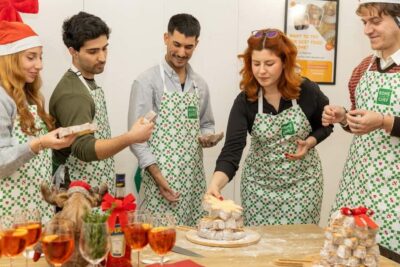
Rome Cooking Class: Make Pasta and 3 Spritz Cocktails
Read our review →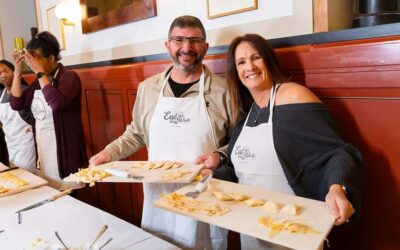
3-in-1 Fettuccine, Ravioli, and Tiramisu Cooking Class
Read our review →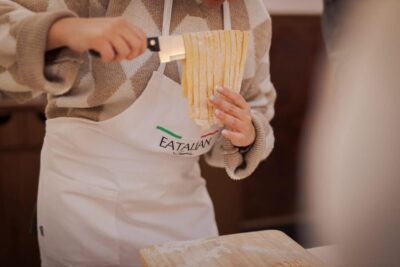
Fettuccine Pasta Cooking Class in Rome’s City Center
Read our review →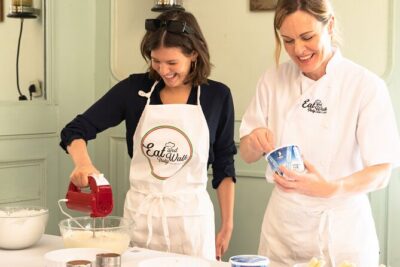
Learn to Make Pasta & Tiramisu with Wine and Limoncello Included
Read our review →
Become a Masterchef in Rome: Pasta, Ravioli and Tiramisù Class
Read our review →Browse the lists this tour appears in