
REVIEW · ROME
Rome: Pasta Cooking Class with Market Visit and Wine
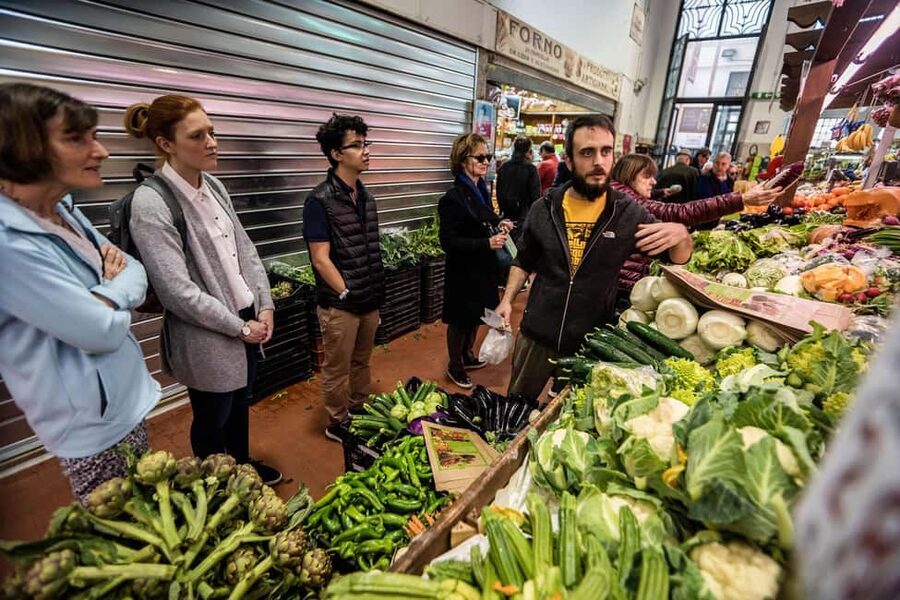
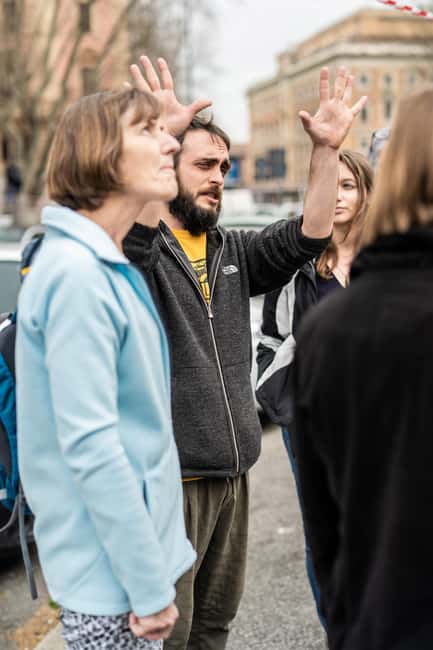
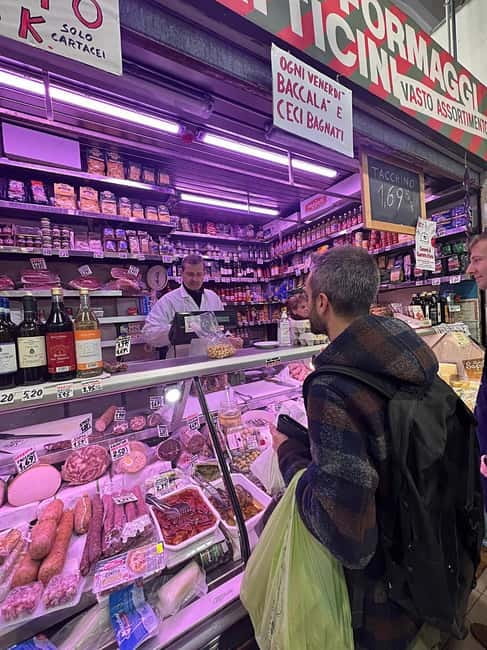
Rome’s best food lessons often begin away from a classroom. This one starts with a walk to Nomentano Market, where Chef Marco introduces you to the seasonal ingredients that will later become your lunch. You see the produce first, then learn how to turn it into pasta by hand.
I like the market visit because it gives the cooking class a local setting instead of treating pasta as a museum piece. I also like the generous range of techniques: depending on the day, you may work with linguine, ravioli, tortellini, and several pasta shapes rather than making only one plate of spaghetti.
The main thing to consider is that this is a pasta-focused class, and the food contains gluten. The four-hour schedule also includes walking, teaching, eating, and conversation, so it is not a rapid demonstration or a formal chef-training session.
Key points to know before booking
- Shop at Nomentano Market: Walk with the chef to see fresh ingredients and hear about Roman food and local history.
- Learn several pasta styles: Classes have included linguine, ravioli, tortellini, stuffed pasta, and different cuts.
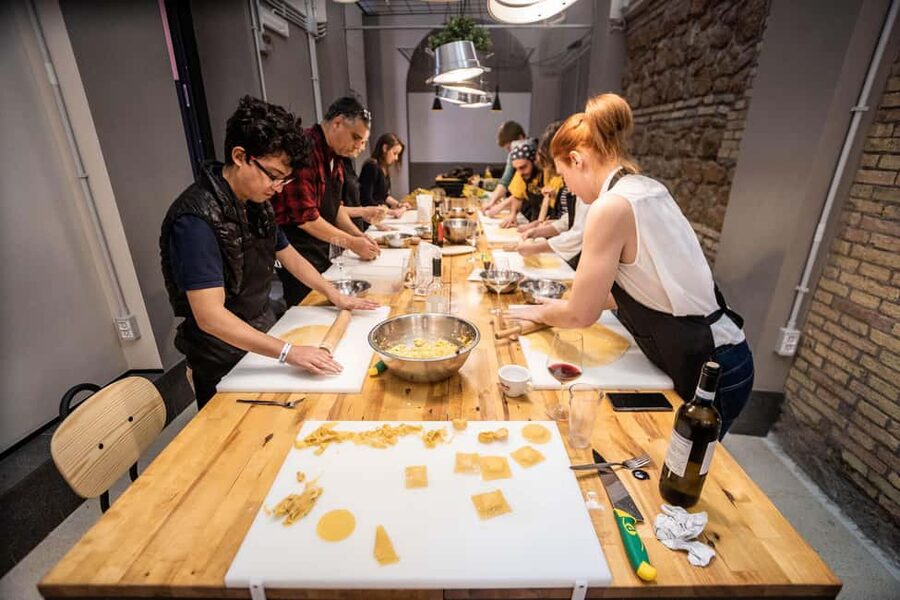
- Cook in your own station: You get space and utensils to work on the dough while Marco checks each person’s technique.
- Expect a social lunch: Your pasta is served with sauces, Italian wine, coffee, and limoncello.
- Take home useful extras: You receive recipes and a participation certificate, and some sessions have included leftover pasta to take away.
- Plan for four hours: Meet at Via Palestro 51 at least 10 minutes early. English and Italian are spoken.
From Via Palestro 51 to Nomentano Market
Your meeting point is Via Palestro 51, 00185 Rome. Arrive at least 10 minutes before the start, since the group sets off together for the market.
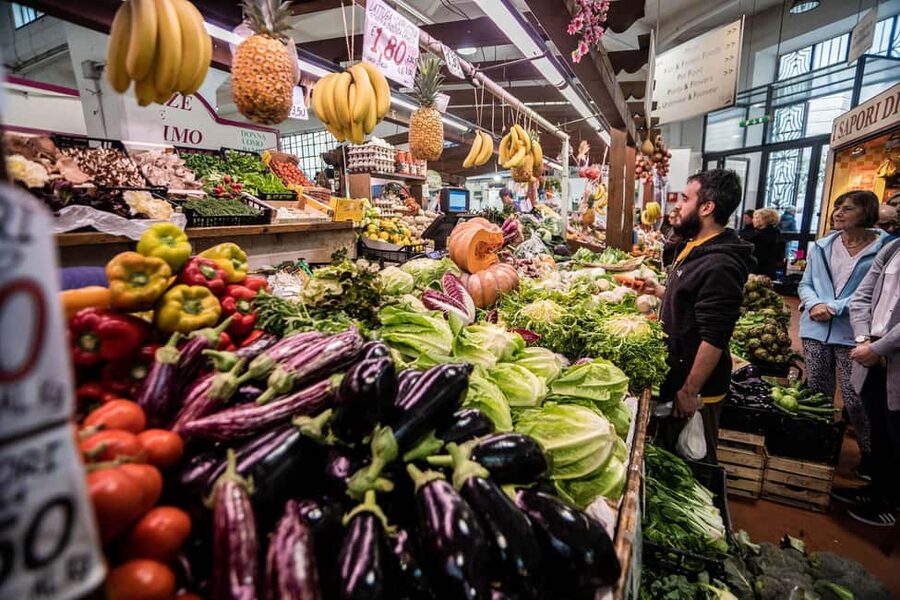
The walk to Nomentano Market is part of the experience, not just a transfer. The route takes roughly five to ten minutes according to the available descriptions, and Marco uses the walk to talk about Roman food, Italian customs, and points from the city’s past. That short stroll helps you shift from sightseeing mode to shopping mode.
Nomentano Market gives the lesson a useful starting point. Instead of simply placing flour, eggs, vegetables, cheese, and meat on a worktable, the chef shows you the kind of ingredients he chooses and explains why they suit the planned dishes. Seasonal produce matters in Italian cooking, and seeing the ingredients before you handle them makes the later recipes easier to understand.
You should not expect a long market tour with hours of free shopping. It is a guided visit connected to the meal you are about to prepare. The market is valuable because it links the class to an ordinary Roman neighborhood and gives you a closer look at the food behind the recipes.
More Pasta Classes with Wine in Rome
- Rome: Pasta & Tiramisu Class with Fine Wine by the Vatican
★ 4.9 · 4,852 reviews - Rome: Pasta Making Class with Wine, Limoncello, and Dessert
★ 4.9 · 3,177 reviews - Rome Cooking Class: Make Pasta and 3 Spritz Cocktails
★ 5.0 · 2,937 reviews
Kitchen of Mamma and the first pasta dough
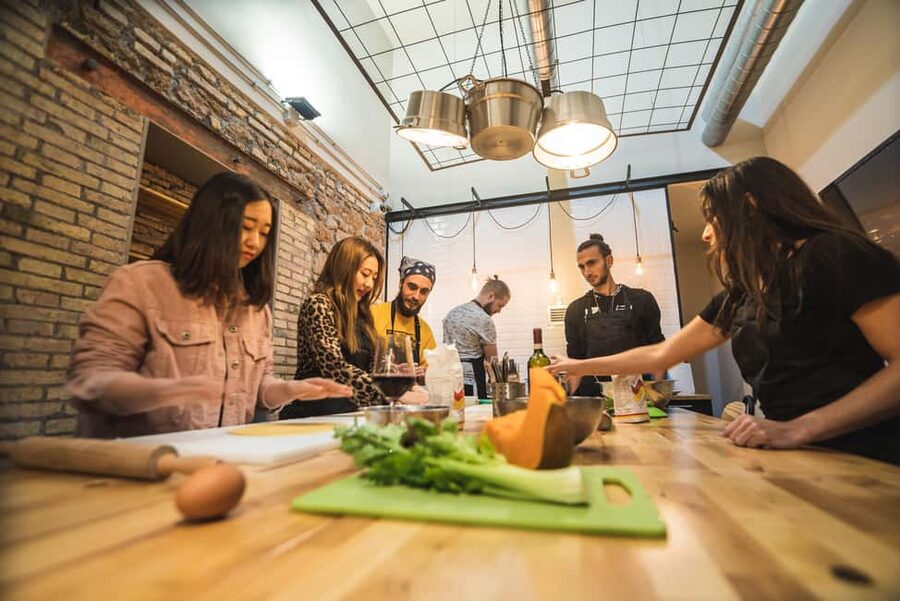
After the market, you return to Kitchen of Mamma, the cooking space used for the class. The room has been described as comfortable and spacious, with individual workstations arranged around a long table. That setup matters. You are not simply watching Marco make pasta at the front of the room.
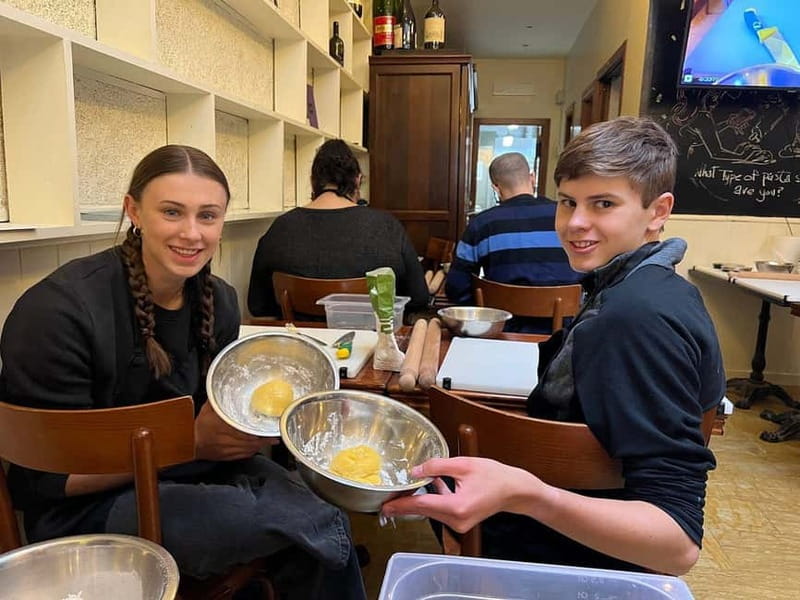
The first serious job is the dough. Marco explains the basic ingredients and shows you how to bring them together, then checks the texture at each station. Expect hands-on correction if your dough feels too dry, too wet, or needs more work. You do not need previous cooking skills, and the instructions are designed for beginners.
This is where the class earns its value. Making pasta looks easy when a professional does it quickly, but dough responds to small changes in moisture, pressure, and handling. A patient instructor can help you notice those details before you repeat the recipe at home.
You may also pick up practical habits that are easy to miss in a standard recipe. One class included reminders about using enough water and salt when cooking pasta. The aim is not to turn you into a professional chef in an afternoon. It is to give you a sound base and enough confidence to try again in your own kitchen.
Several pasta shapes instead of one basic recipe
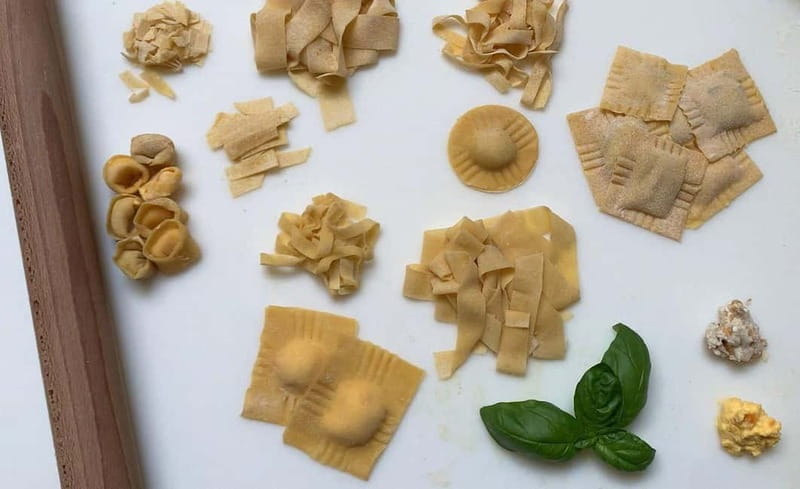
The class has included as many as five to seven pasta forms, depending on the session. Examples include linguine, ravioli, tortellini, and other cuts made from the same basic dough. That variety is one of the strongest reasons to choose this experience over a shorter pasta lesson.
You get to see how one dough can become very different dishes. Long pasta teaches rolling and cutting. Stuffed pasta adds filling, folding, sealing, and portion control. Tortellini requires a little more patience, especially when you are trying to copy the chef’s neat folds for the first time.
Marco demonstrates each step, then moves around the room to help. You will not be left to guess how thin to roll the dough or how much filling to place inside a ravioli. That individual attention is especially useful for first-time cooks and for families working at different speeds.
The class also has a relaxed sense of humor. Mistakes are treated as part of the process, which is helpful when your tortellini looks less polished than Marco’s. You still learn the correct method, but you do not need to worry about producing restaurant-perfect shapes.
Fillings, sauces, and the meal on your plate
The fillings and sauces add more depth than a simple pasta-and-tomato lesson. Past classes have included combinations such as pumpkin, ricotta, sage, and mushrooms, along with a bolognese-style meat sauce. The exact menu may vary, so you should treat these as examples rather than guaranteed dishes.
Marco prepares some of the fillings and sauces while explaining how the flavors fit together. You may not personally cook every ingredient from start to finish. One account specifically noted that not all ingredients were prepared by the participants, although this did not spoil the class.
That distinction is worth knowing. This is a shared cooking workshop, not a private lesson where you make every component alone. The chef handles parts of the meal so the timing works and the group can enjoy several finished dishes within four hours.
Once the pasta is ready, the cooking gives way to lunch. You sit down to eat what the group has made, paired with a glass of Italian wine. The meal is not an extra snack added at the end. It is the payoff for the work at the table and a chance to taste the difference between fresh pasta and dried pasta.
More Market and Cooking Classes in Rome:
- Kitchen of Mamma: Pasta Cooking Class with market visit in Rome
★ 5.0 · 140 reviews - Farmers’ Market Shopping with Cooking Class and Pasta Making
★ 5.0 · 91 reviews - Rome: Testaccio Food & Market Tour with Pasta & Wine
★ 5.0 · 38 reviews - Farmer’s Market and Pasta Making with Italian Wine
★ 5.0 · 15 reviews
Wine, coffee, limoncello, and the social side
The wine is part of the rhythm of the afternoon. You can listen to Italian stories, ask questions, and get to know the people sharing your table while the dough rests or the sauces are finished. Several sessions have been described as small and relaxed, though the exact group size is not provided.
After lunch, coffee and limoncello complete the meal. These final touches make the class feel like an Italian food gathering rather than a strict technical workshop. If you prefer a highly focused lesson with little conversation, the social pace may feel slow. If you want an afternoon that combines food, stories, and new company, it should suit you well.
Pregnant participants and anyone avoiding alcohol should raise their needs with the chef at the start. One pregnant participant received care with drink choices, and another participant who avoided pork and red meat was accommodated. The available details do not promise every dietary adjustment, so you should discuss restrictions before booking rather than assume the menu can be changed.
The chef makes a real difference
Marco is the named chef and guide for this experience, and much of the class’s appeal rests on his teaching style. He leads the market walk, explains the ingredients, demonstrates the pasta methods, checks individual work, and keeps the conversation moving during lunch.
The strongest descriptions of the class focus on his patience, humor, warmth, and ability to put beginners at ease. That matters in a hands-on lesson. A technically strong chef who rushes through instructions would not offer the same value.
Marco also adds context beyond the recipe. On the walk, he talks about Rome and Italian history. In the kitchen, he shares food traditions and personal stories. You get a better sense of how pasta fits into daily Italian life, not just how to fold a ravioli.
An older description names Lucas as the instructor for one session, so the chef may not always be Marco. The current experience information identifies Marco, but it is sensible to check your booking details if meeting a particular instructor is important to you.
What $103 buys you
At $103 per person, this is not the cheapest way to eat pasta in Rome. You could buy several restaurant meals for the same amount. The comparison changes when you count what is included: a guided market walk, four hours of instruction, a substantial pasta lunch, wine, coffee, limoncello, recipes, and a participation certificate.
I see the best value in the teaching and the number of techniques covered. A short class that makes one shape may be enough if you want a quick souvenir activity. This class gives you more material to practice at home and a fuller afternoon built around food.
The ingredients also have a practical purpose. You see the produce at the market, learn how the chef selects it, and then use it in the kitchen. That connection gives the price more weight than a class where all ingredients appear without explanation.
The certificate is a pleasant keepsake, though it should not influence your decision much. The recipes are more useful. Ask yourself if you want to cook the dishes again after Rome. If yes, the recipe handout and hands-on practice make the fee easier to justify.
Who will enjoy this class most
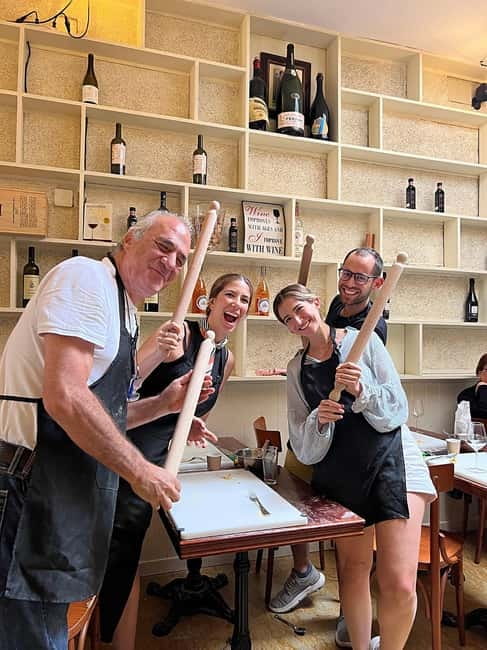
This is a strong choice for first-time pasta makers, couples, families, and solo visitors who enjoy meeting people around a table. You do not need previous skills, and the teaching style is patient enough for beginners.
It also suits travelers who want a food activity with some neighborhood context. The market walk and Roman conversation give the class more character than a lesson held entirely indoors.
You may want a different activity if you are gluten intolerant, since the experience is not suitable for people with gluten intolerance. It may also be a poor match if you want a quiet, private lesson, a guaranteed menu, or a class where every person prepares every sauce and filling alone.
English and Italian are available. That makes the class workable for English speakers, while Italian speakers can take part in the chef’s native language.
Practical timing and booking advice
The stated duration is four hours, and that is the time you should reserve in your Rome schedule. Leave room before and after rather than placing the class between two tightly timed visits.
The activity begins at Via Palestro 51, and you should arrive at least 10 minutes early. Check the available start times for your date, since the schedule can vary.
Free cancellation is available up to 24 hours before the activity for a full refund. You can also reserve now and pay later, which helps if you are still arranging your Rome days.
Wear something comfortable for standing and working at a table. The supplied information does not specify a dress code, but a cooking class is better enjoyed in clothes you do not mind wearing around flour and sauce.
Should you book it?
Book this class if you want more than a plate of pasta. The market visit, several pasta shapes, individual workstations, Roman conversation, and full lunch make it a substantial food experience rather than a quick photo stop.
I would especially choose it for a family, a couple, or anyone who wants a memorable afternoon with a local chef. The strongest element is Marco’s personal teaching style, so check the instructor details if that is central to your choice.
Skip it if gluten is a problem or if you dislike group cooking and shared meals. For everyone else, $103 is a fair price for four hours of instruction, food, drinks, recipes, and a market visit, with the added benefit that you can repeat much of the experience at home.
FAQ
Where does the pasta cooking class meet?
The meeting point is Via Palestro 51, 00185 Rome.
How early should I arrive?
You should arrive at least 10 minutes before the activity begins.
How long does the experience last?
The stated duration is four hours.
What market will I visit?
The class includes a walking visit to Nomentano Market.
Who teaches the class?
Chef Marco is the named chef and guide for the experience. An older class description also names Lucas as an instructor, so check your booking details if the chef’s identity matters to you.
Is the class taught in English?
Yes. The available languages are English and Italian.
Do I need cooking experience?
No. Previous cooking skills are not required.
What food and drinks are included?
You receive a pasta lunch, a glass of Italian wine, coffee, and limoncello.
Will I receive recipes?
Yes. Recipes are included, along with a participation certificate.
Is the class suitable for people with gluten intolerance?
No. The activity is listed as unsuitable for people with gluten intolerance.
Can I cancel for a refund?
You can cancel up to 24 hours in advance for a full refund.
Can I reserve without paying immediately?
Yes. The reserve-now, pay-later option lets you book without paying at the time of reservation.
More Market Visits in Rome
- Trionfale Market Tour and Gnocchi Cooking Class with a Masterchef
★ 5.0 · 5 reviews - Private Testaccio Market Tour and Pasta Class in Rome with Chiara
★ 5.0 · 2 reviews - Bologna Food & Market Tour with 6 Tastings, Pasta, Wines & More
★ 5.0 · 1,328 reviews - Pasta and Tiramisu Cooking Class with optional Local Market Tour
★ 5.0 · 515 reviews
More Wine Tastings in Rome
- Learn to Make Pasta & Tiramisu with Wine and Limoncello Included
★ 5.0 · 2,345 reviews - Fettuccine & Tiramisù: Cooking Class with Wine & Limoncello
★ 4.9 · 2,103 reviews - Pasta Making & Wine Tasting with Dinner in Frascati from Rome
★ 5.0 · 1,326 reviews - Rome Pasta and Tiramisu Class: Ravioli, Fettuccine & Fine Wine 5*
★ 5.0 · 1,319 reviews
Just added around Rome
- Rome: Pasta and tiramisu class with wine pairing at Come Na Vorta★ 5.0 · 30 reviews
- Spritz and Pasta! Spritz, Fettuccine & Tiramisù★ 5.0 · 2 reviews
- Rome: Vespa Tour with Photographer and Tiramisu treat★ 4.5 · 61 reviews
- Walking Tour & Pizza Making★ 4.0 · 2 reviews
- Trastevere Food Tour with Pasta-Making Class★ 5.0 · 5 reviews
- Rome: Private Vespa Tour and Professional Photoshoot★ 5.0 · 22 reviews
- Traditional Pasta Cooking Class with Tiramisu Small Group★ 5.0 · 7 reviews
- Tiramisu and Gelato Creation in Authentic Roman Dessert Workshop★ 4.5 · 3 reviews
Rome Pasta Classes, compared.
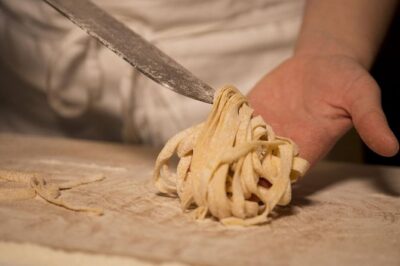
3 in 1 Cooking Class near Navona: Fettuccine, Ravioli & Tiramisu
Read our review →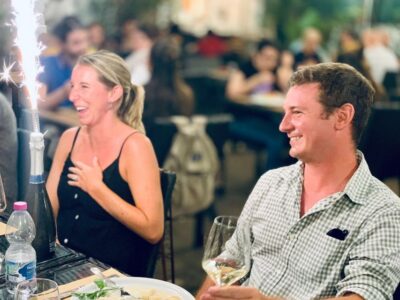
Pasta & Tiramisu Class with Fine Wine by the Vatican
Read our review →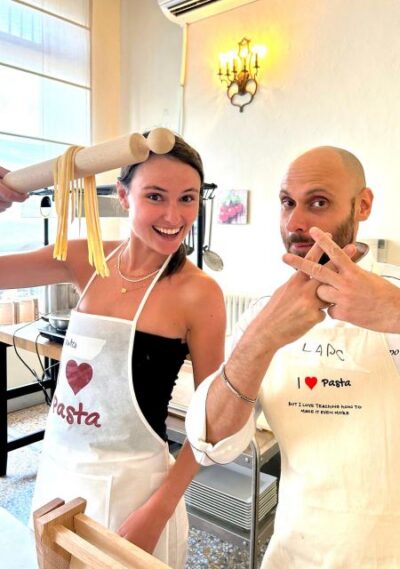
Pasta Making Class with Wine, Limoncello, and Dessert
Read our review →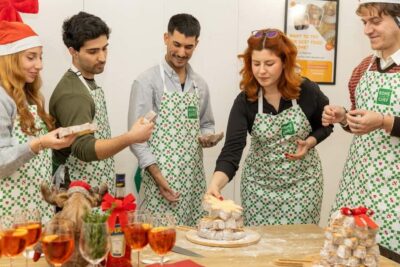
Rome Cooking Class: Make Pasta and 3 Spritz Cocktails
Read our review →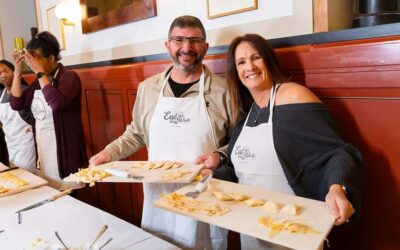
3-in-1 Fettuccine, Ravioli, and Tiramisu Cooking Class
Read our review →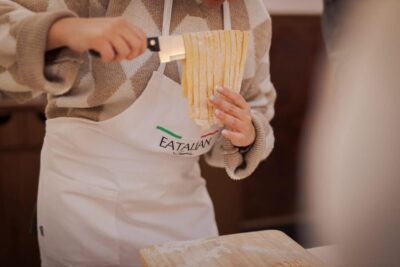
Fettuccine Pasta Cooking Class in Rome’s City Center
Read our review →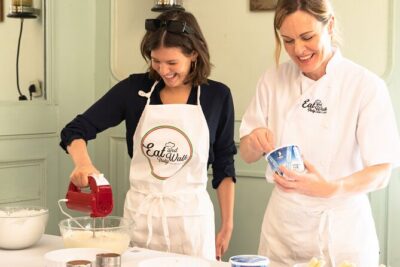
Learn to Make Pasta & Tiramisu with Wine and Limoncello Included
Read our review →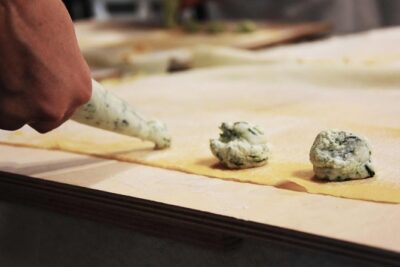
Become a Masterchef in Rome: Pasta, Ravioli and Tiramisù Class
Read our review →Browse the lists this tour appears in