
REVIEW · ROME
Rome: Pasta Cooking Class in a Professional Pasta Laboratory
The unusual part comes first: you make pasta inside a working professional pastificio, not a rented restaurant kitchen. Chef Angelo and Emanuele teach by demonstration, then put the rolling pin and dough in your hands. You make several pasta shapes, fillings, and Roman sauces before sitting down to eat the results.
I like the small group of up to nine, which gives the chefs time to correct your dough and shaping. I also like the use of three different grains, including ancient Triticum Monococcum and gluten-free buckwheat. The main consideration is that three hours can feel short if you want a full lesson on every dish. Thursday’s gnocchi portion, in particular, may be more demonstration than hands-on practice.
Key points to know
- A real pasta laboratory: The class takes place at Pastificio Faini on Via dei Latini, rather than in a standard tourist cooking studio.
- Hand-rolled pasta: You use a rolling pin to make thin sheets, then cut, shape, and fill the dough yourself.
- Three unusual flours: Work with Triticum Monococcum, Senatore Cappelli, and gluten-free buckwheat flour.
- Roman sauces included: Carbonara, cacio e pepe, or gricia may be prepared alongside your pasta.
- A proper shared meal: Your pasta and sauces are cooked for you to eat with Italian wine and water.
- Helpful for gluten-free diners: Dietary needs should be given in advance, and gluten-free pasta is part of the class.
Inside Pastificio Faini on Via dei Latini
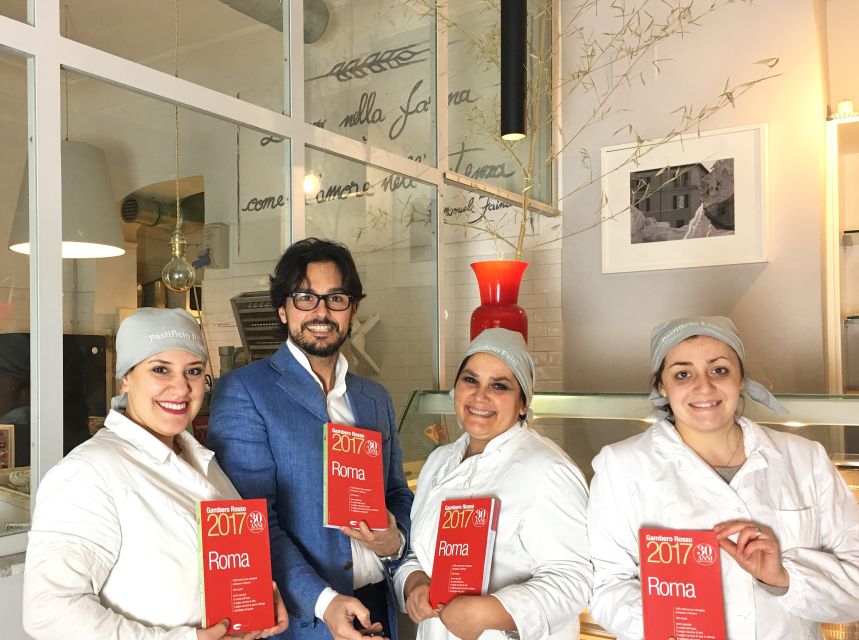
This class begins at Pastificio Faini, 13 Via dei Latini, in Rome. The setting matters. You are not simply learning a recipe in a polished restaurant room. You are working in a professional pasta laboratory, where the subject of the lesson is also the business itself.
That gives the session a useful sense of purpose. The chefs can explain pasta as a craft, not only as a dish on a menu. You see how dough is handled, rolled, cut, and shaped, then learn how the finished pasta works with sauces.
The group is capped at nine participants, though the experience is sometimes described as a maximum of 10. For a cooking lesson, that is a sensible size. You still work beside other people, but the chefs can move around the table and offer hands-on help.
The teaching is in English and Italian. Chef Angelo leads the instruction, and Emanuele Faini is also closely involved in the class. Emanuele is described as energetic, funny, patient, and passionate about his family’s pasta tradition. That mix matters more than fancy equipment. A good cooking teacher notices when your dough is too dry, your sheet is too thick, or your ravioli seal is not secure.
You receive a chef hat and apron signed by the chef. It is a small touch, but it gives the class a clear beginning and makes the experience feel like an occasion rather than a quick kitchen demonstration.
A few more classes around Rome worth a look
- 3 in 1 Cooking Class near Navona: Fettuccine, Ravioli & Tiramisu
★ 5.0 · 7,376 reviews - Rome: Pasta & Tiramisu Class with Fine Wine by the Vatican
★ 4.9 · 4,852 reviews - Rome: Pasta Making Class with Wine, Limoncello, and Dessert
★ 4.9 · 3,177 reviews
The opening lesson: safe cutting and three kinds of grain
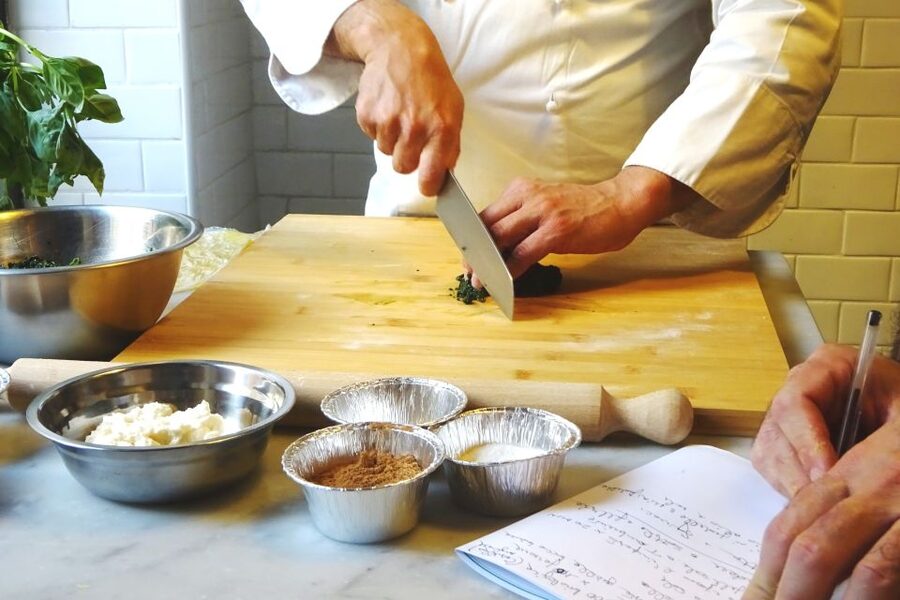
You start with a welcome drink and an explanation of safe food-cutting procedures. That may sound basic, but it is useful in a class involving knives, pasta wheels, and several stages of preparation. The instruction also sets a clear order for the session.
The dough lesson uses three different kinds of grain. The first is Triticum Monococcum, an ancient cereal considered one of the earliest cultivated grains, dating back about 7,500 BC. The second is Senatore Cappelli, a wheat variety selected by Nazareno Strampelli in 1915. It later disappeared from common use before being brought back by a small farmer.
The third is buckwheat, called Grano Saraceno in Italian. Despite its name, buckwheat is not wheat, and here it is used for gluten-free pasta. If you need gluten-free food, tell the provider about your dietary requirements before the class. The gluten-free option is not just a side dish. You make tasty gluten-free pasta as part of the lesson.
For most people, the value of this section is practical. You learn that pasta is not one fixed thing. The flour changes the dough, the handling, and the final texture. That is the kind of detail you can use at home when deciding which flour to buy.
Rolling pasta by hand, not feeding dough into a machine
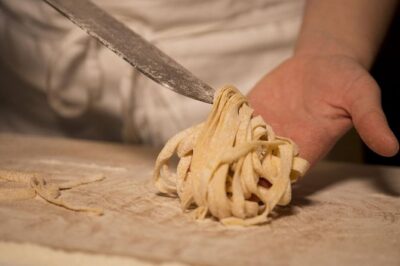
This is a hands-on class. You create thin sheets of dough with a rolling pin, rather than simply pushing prepared dough through a pasta machine. That difference is important when choosing this experience.
A machine gives fast, even results. It is also less demanding. Hand-rolling makes you pay attention to the dough’s thickness and shape. You learn how the sheet changes under pressure and how to keep it workable as it gets thinner.
The chefs first show you the process, then you follow along. That balance works well for beginners. You are not left to guess your way through the recipe, but you also do not spend the whole class watching someone else cook.
Expect some uneven sheets and imperfect shapes, especially if this is your first attempt. That is part of the point. The chefs help when needed, and the lesson is designed for people with no professional cooking skills. You only need to like pasta and be willing to work with your hands.
I particularly like that the class teaches skills you can repeat at home. You receive the recipes, ingredients and equipment are supplied, and the method is explained step by step. You will not leave with only a pleasant memory and no idea what to do next.
Ravioli, fillings, and Roman sauce
The pasta work includes three types of ravioli. You make the sheets, prepare fillings, and learn how to cut and shape the pasta. Ravioli rewards careful work. Too much filling makes the pasta hard to seal. Too little leaves a disappointing pocket. The edges must be pressed firmly so the pasta does not open during cooking.
This is where a small group helps. The chefs can look at your ravioli before it goes into the pot and show you how to improve the seal or shape. You get a better lesson by doing the work yourself than by watching a polished chef make perfect ravioli in seconds.
The class also covers a typical Roman sauce. Depending on the session, this may be carbonara, cacio e pepe, or gricia. These sauces are simple on paper, but they reward careful technique.
Carbonara depends on the right balance of egg, cheese, and pasta heat. Cacio e pepe needs cheese and pepper to form a smooth coating rather than a clumpy one. Gricia is a Roman classic built around cheese and cured pork. The precise sauce offered can vary, so you should not book expecting one specific dish unless it is confirmed for your date.
You also make one egg-free pasta, which is vegan. This gives the lesson a useful range. You are not learning only one dough formula, and you can see how pasta changes when eggs are removed.
Same kitchen, a different thing to make:
- Rome Cooking Class: Make Pasta and 3 Spritz Cocktails
★ 5.0 · 2,937 reviews - Rome: 3-in-1 Fettuccine, Ravioli, and Tiramisu Cooking Class
★ 4.9 · 2,704 reviews - Rome: Fettuccine Pasta Cooking Class in Rome’s City Center
★ 4.8 · 2,414 reviews - Learn to Make Pasta & Tiramisu with Wine and Limoncello Included
★ 5.0 · 2,345 reviews
Thursday brings homemade gnocchi
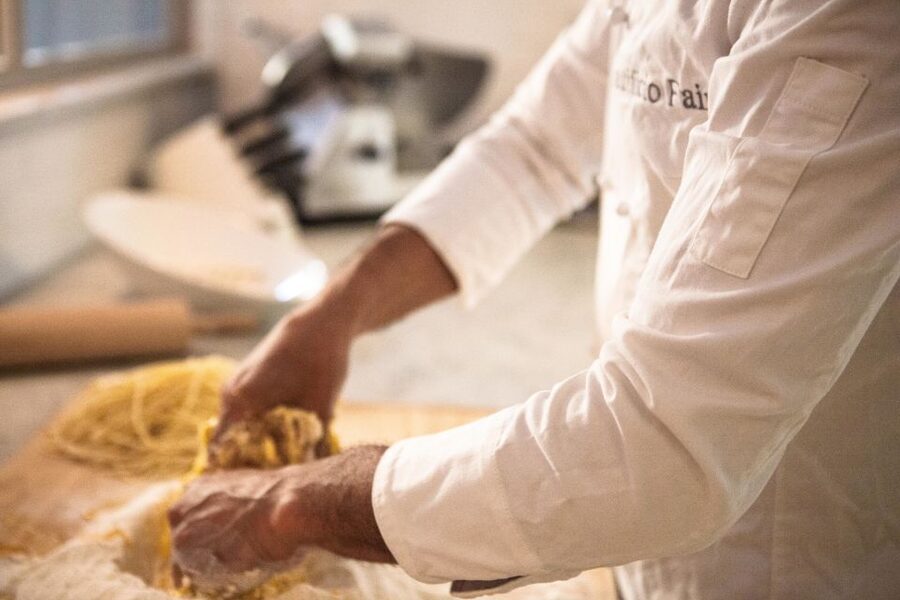
On Thursdays, the class includes homemade Italian gnocchi made with fresh potatoes. This can be a good reason to choose that day if gnocchi is a priority for you.
There is a small catch. The gnocchi section may be more of a quick demonstration than a full chance to bring the dough together yourself with individual feedback. The timetable has to keep moving, and the class already includes several pasta shapes and sauces.
That does not make Thursday a poor choice. It simply means you should set your expectations correctly. Choose Thursday for the added gnocchi lesson, but choose another day if your main goal is extended, hands-on gnocchi practice.
Sitting down to eat what you made
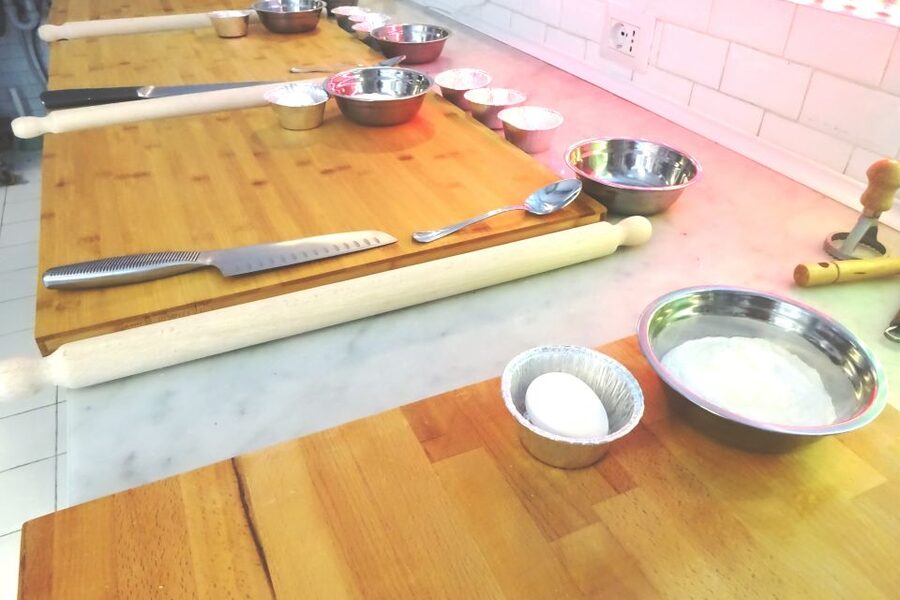
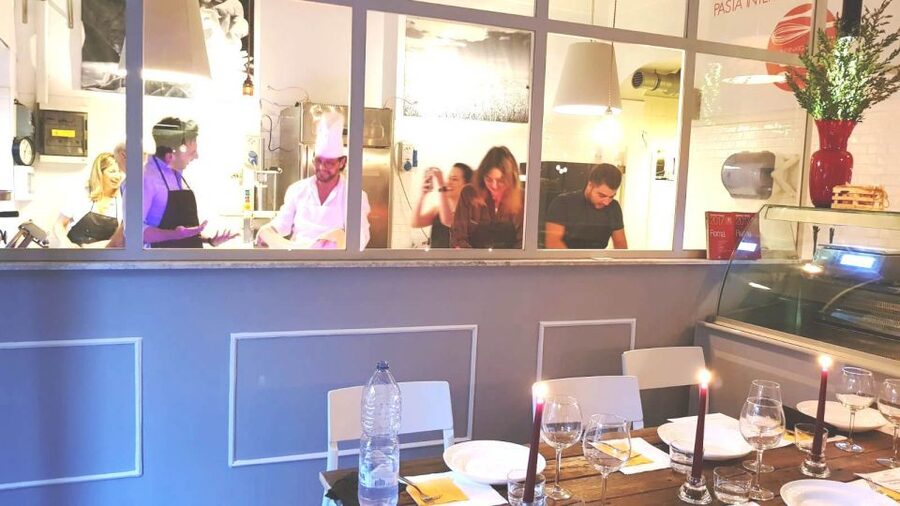
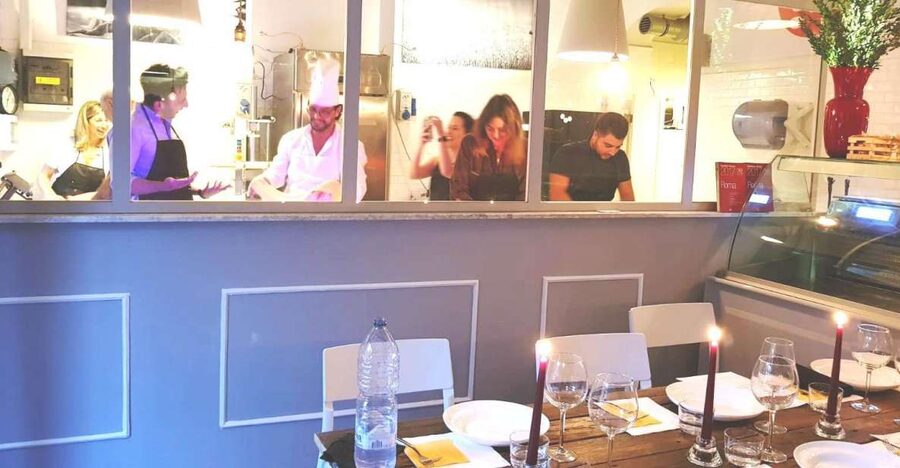
After the cooking, your pasta and sauces are cooked and served. You sit around a table with the group, eat the food you prepared, and drink Italian wine and water.
This shared meal is a major part of the experience. Cooking gives you a task, but eating together gives the afternoon or evening a social rhythm. You can talk with the other participants, compare shapes, and see how the dough turned out.
The class is not simply a meal with a short cooking display. You make the food first, then taste the result. That makes the meal more satisfying, even if some ravioli are a little uneven.
Wine is included, and the session may also include a welcome drink. One practical detail is that wine and champagne are served after the knife exercises are completed. That is a sensible safety rule, especially in a small kitchen where everyone is working with tools.
The atmosphere is described as warm and upbeat, with music playing in the background. Air conditioning has also been appreciated, which matters during Rome’s warmer months. A three-hour cooking class in a kitchen can become uncomfortable without good ventilation or cooling.
What makes the teaching work
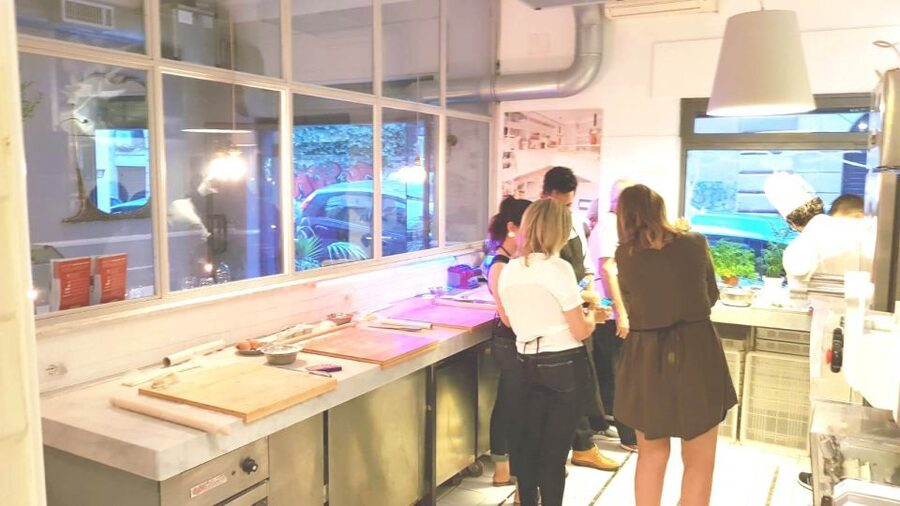
Chef Angelo and Emanuele seem to favor a friendly, informal teaching style. The chefs demonstrate each stage, then guide participants as they work. That is the right method for pasta because dough often needs small adjustments that a printed recipe cannot explain.
You may need more flour, a little more moisture, or a longer knead. The chefs can show you what the dough should feel like rather than leaving you to follow numbers blindly.
The class also has a playful side. The instructors are described as funny, energetic, encouraging, and generous with their time. That helps beginners who might otherwise feel clumsy at the table.
At the same time, this is not a quiet technical workshop. Music, conversation, wine, and a shared meal are part of the experience. If you want a serious professional training session with long periods devoted to pasta theory, this may feel too social. If you want a clear introduction with plenty of participation, the tone should suit you well.
The English instruction is another practical advantage. The chefs speak English clearly enough to explain the steps, and Italian is also available. You can ask questions during the process rather than trying to decode a recipe later.
Gluten-free pasta and other dietary needs
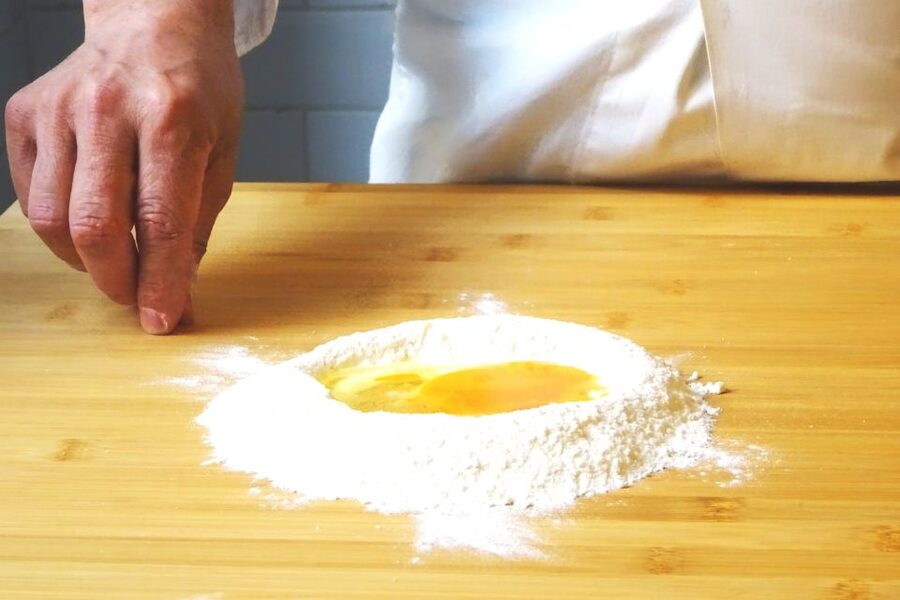
This class makes a real effort to include gluten-free participants. Buckwheat flour is used for gluten-free pasta, and a person with coeliac disease can make a separate gluten-free portion with instruction from the chef.
You should still provide all dietary requirements in advance. The information given for the class specifically asks you to do this. That is especially important for coeliac diners, who need to discuss their needs before arriving.
The vegan pasta is made without egg. This is useful for plant-based diners, though you should still explain your requirements ahead of time so the kitchen can guide you properly.
The class is not described as suitable for every allergy or dietary restriction, so do not assume that every request can be handled on the spot. Ask before booking if your needs are complex.
Is the $66.84 price good value?
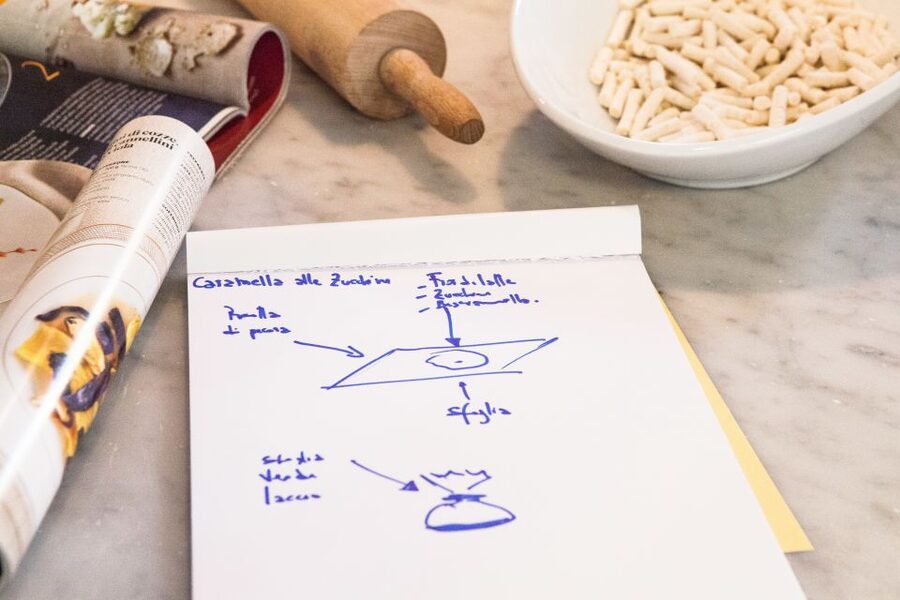
At $66.84 per person, this is not Rome’s cheapest food activity. It is also not simply a restaurant meal. The price includes a three-hour lesson, ingredients, equipment, recipes, chef hat and apron, wine, water, and the pasta meal at the end.
The strongest value comes from the amount of participation. You make several kinds of pasta, work with different grains, prepare fillings, and learn a Roman sauce. You also get instruction from chefs working in a professional pasta laboratory.
The recipes add value after your trip. A cooking class is a better buy when you can recreate the dish at home, and this one is designed with that goal in mind. The focus is on simple methods that beginners can repeat.
If you mainly want to drink wine and watch a chef prepare dinner, this price may feel high. If you want to learn hand-rolled pasta and eat a complete meal afterward, it is a fair price for three hours of activity in central Rome.
Free cancellation up to 24 hours before the start gives you some flexibility, and you can reserve now and pay later. Those terms are useful when your Rome schedule is still changing.
Who should book this class?
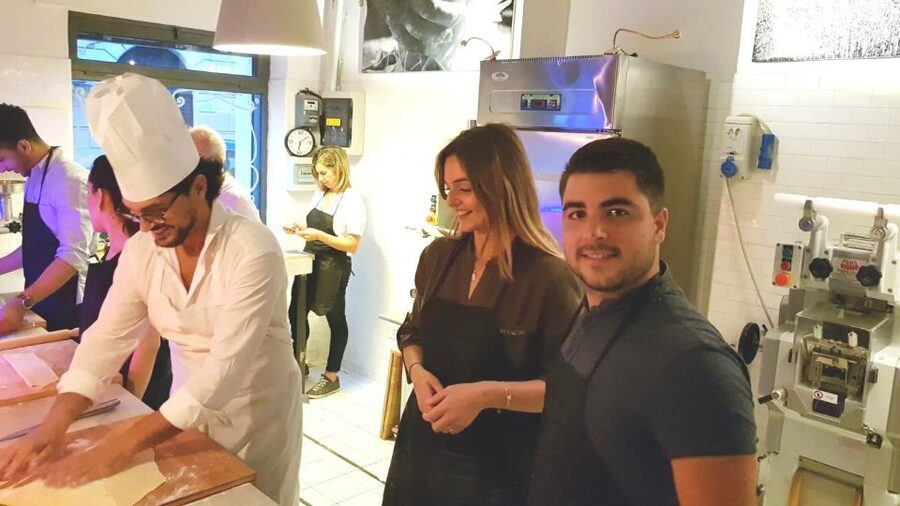
I would recommend it most strongly to pasta lovers, curious beginners, families, couples, and solo participants who enjoy meeting people around a table. The hands-on format gives children and teenagers something concrete to do, though the information provided does not specify a minimum age.
It also suits anyone who wants a Roman food memory that goes beyond ordering carbonara in a restaurant. You learn how pasta is formed, how sauces meet the dough, and why flour choice matters.
The class may not suit you if you dislike group activities, do not want to handle dough, or prefer a fast demonstration with very little work. It is also not the best pick if you want a full professional course or a dedicated gnocchi workshop.
Plan on three hours and arrive ready to participate. Wear something you can cook in, keep your hands free, and tell the provider about dietary needs ahead of time. Pets are not allowed.
Should you book the Pastificio Faini pasta class?
Book it if you want to roll pasta by hand, learn several shapes, and finish with a shared meal made from your own work. The professional laboratory setting, small group, gluten-free option, and patient instruction give it more substance than a quick tourist cooking demonstration.
Choose Thursday only if the added gnocchi session appeals to you, and remember that the gnocchi work may be brief. For the best all-round pasta lesson, any available day should work.
At $66.84, the class earns its price through hands-on teaching, food, wine, recipes, and a meal. I would choose it for an authentic, social cooking experience with useful skills to take home, not for a formal chef qualification or a quiet dinner.
FAQ
Where does the pasta class take place?
The class takes place at Pastificio Faini, located at 13 Via dei Latini, Rome 00185.
How long does the cooking class last?
The experience lasts three hours. Starting times vary, so check availability for your chosen date.
How many people attend each class?
The class is limited to nine participants. Some descriptions refer to a maximum of 10, but the stated tour limit is nine participants per class.
Which languages are spoken?
The class is offered in English and Italian.
Do I need professional cooking skills?
No. The class is designed for beginners and does not require specific professional skills. You only need an interest in pasta and a willingness to take part.
Is gluten-free pasta available?
Yes. The class caters to gluten-free participants, who make gluten-free pasta with buckwheat flour. Tell the provider about your dietary requirements in advance.
Is vegan pasta included?
Yes. One type of pasta is made without egg, making it vegan.
What kinds of flour are used?
The class uses Triticum Monococcum, Senatore Cappelli, and gluten-free buckwheat flour, also called Grano Saraceno.
What food will I make?
You make several types of pasta, including three types of ravioli, fillings, one egg-free pasta, and a Roman sauce such as carbonara, cacio e pepe, or gricia. On Thursdays, homemade potato gnocchi is included.
Is food and wine included?
Yes. Ingredients, equipment, wine, water, recipes, and the meal made during the class are included. A welcome drink is also provided.
Can I cancel the booking?
You can cancel up to 24 hours in advance for a full refund. The reserve-now-and-pay-later option lets you hold a place without paying immediately.
Just added around Rome
- Rome: Pasta and tiramisu class with wine pairing at Come Na Vorta★ 5.0 · 30 reviews
- Spritz and Pasta! Spritz, Fettuccine & Tiramisù★ 5.0 · 2 reviews
- Rome: Vespa Tour with Photographer and Tiramisu treat★ 4.5 · 61 reviews
- Walking Tour & Pizza Making★ 4.0 · 2 reviews
- Trastevere Food Tour with Pasta-Making Class★ 5.0 · 5 reviews
- Rome: Private Vespa Tour and Professional Photoshoot★ 5.0 · 22 reviews
- Traditional Pasta Cooking Class with Tiramisu Small Group★ 5.0 · 7 reviews
- Tiramisu and Gelato Creation in Authentic Roman Dessert Workshop★ 4.5 · 3 reviews
Rome Pasta Classes, compared.
3 in 1 Cooking Class near Navona: Fettuccine, Ravioli & Tiramisu
Read our review →
Pasta & Tiramisu Class with Fine Wine by the Vatican
Read our review →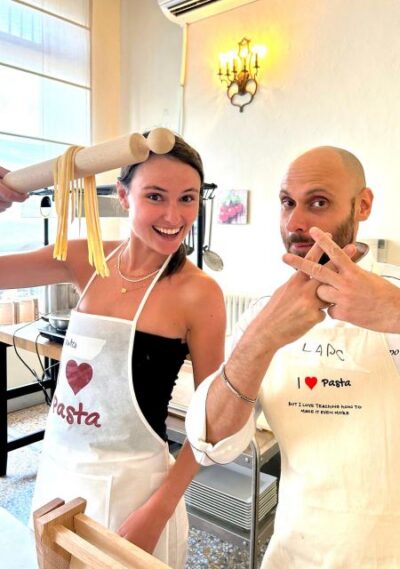
Pasta Making Class with Wine, Limoncello, and Dessert
Read our review →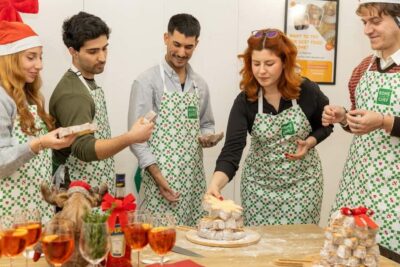
Rome Cooking Class: Make Pasta and 3 Spritz Cocktails
Read our review →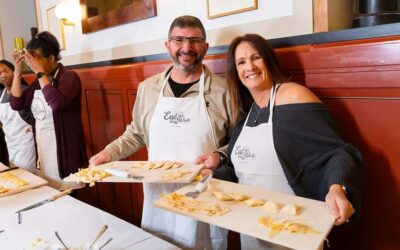
3-in-1 Fettuccine, Ravioli, and Tiramisu Cooking Class
Read our review →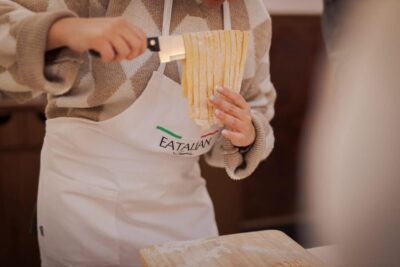
Fettuccine Pasta Cooking Class in Rome’s City Center
Read our review →
Learn to Make Pasta & Tiramisu with Wine and Limoncello Included
Read our review →
Become a Masterchef in Rome: Pasta, Ravioli and Tiramisù Class
Read our review →Browse the lists this tour appears in