
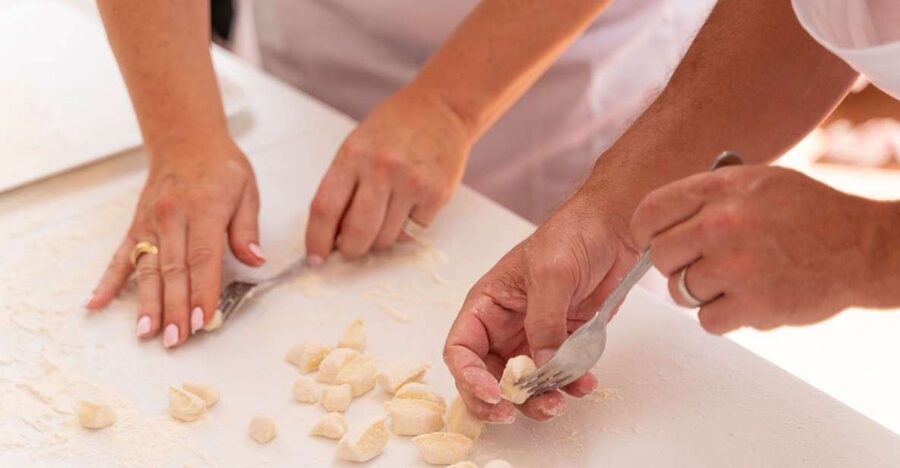
REVIEW · ROME
Rome: Pasta and Tiramisu Class at a Local’s Home
This is a cooking lesson with a personal touch: you enter a local home, work beside an Italian host, and sit down to eat the meal you made. I like the private format, which gives your group room to ask questions, and I like that the class covers both savory pasta and tiramisu. The main consideration is that the exact host and address are confirmed only after booking, so you cannot choose your neighborhood in advance.
The three-hour schedule works well for a morning meal or an early evening dinner. Hosts have included Carmelo, who cooked with a family of three and shared recipes afterward, and Valentini, who taught alongside his parents. Your host may be different, and the home setting means this is less polished than a studio kitchen, but it is also more personal.
Key points to know before booking
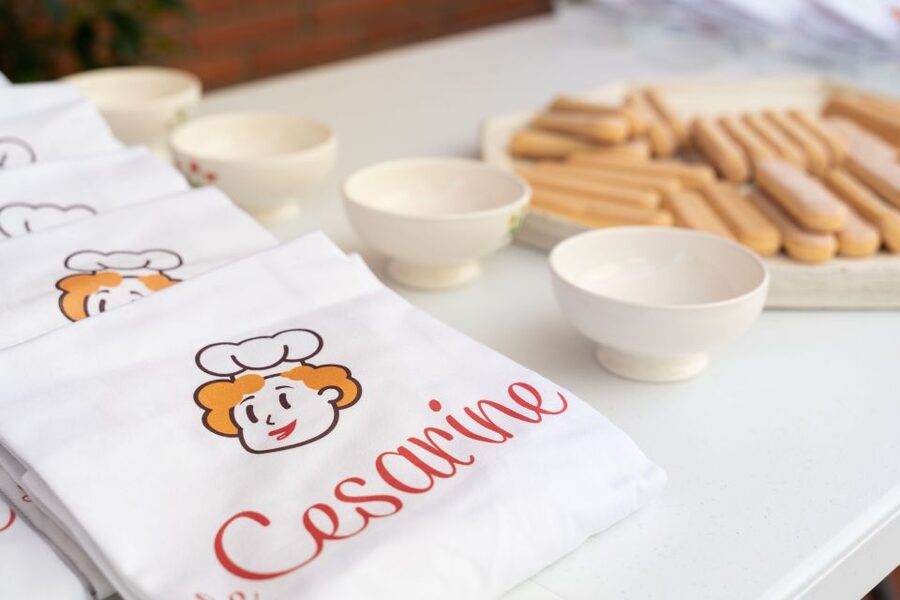
- Two pasta recipes from scratch: You work through two regional-style pasta preparations rather than watching a single demonstration.
- Tiramisu is part of the lesson: The dessert is made during the class, then served with the pasta you prepare.
- Private home setting: Your group cooks with one local Cesarina host, with Italian and English instruction.
- A full meal follows the lesson: Water, local wine, coffee, two pasta dishes, and tiramisu are included.
- Dietary requests are welcome: Vegetarian, vegan, and gluten-free needs can be arranged if requested ahead of time.
- Carmelo and Valentini are examples of the hosts: Past classes have included hands-on teaching, family participation, and recipes sent home afterward.
Cooking pasta in a Roman home
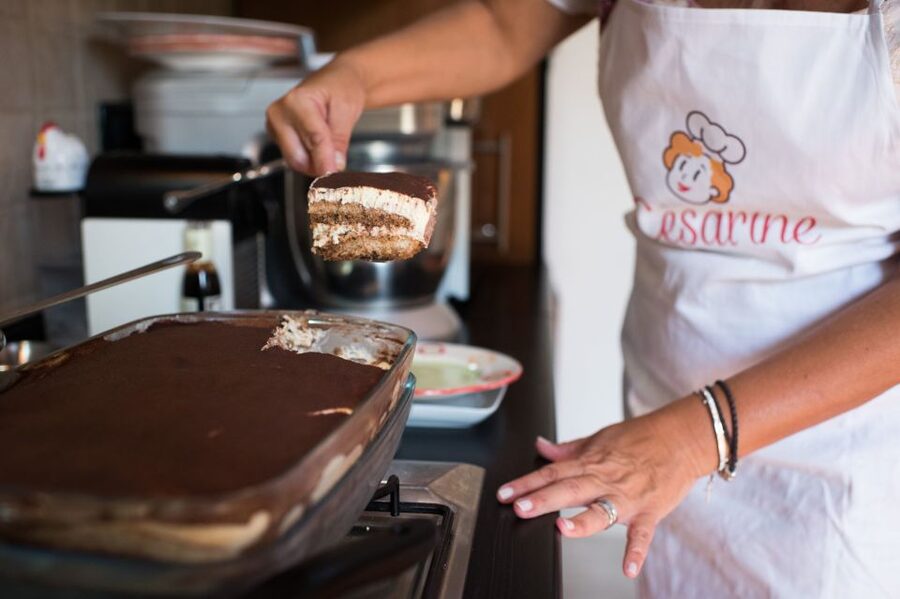
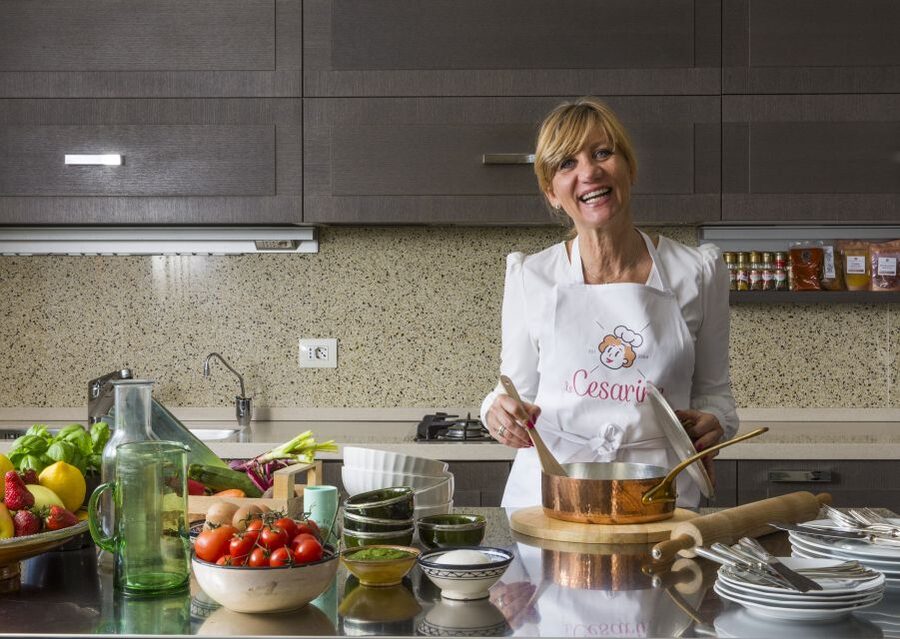
The best part of this activity is the change of setting. You are not simply seated at a restaurant table, and you are not watching a chef work from a distance. You arrive at a private home, ring the bell, and meet the Cesarina host who will guide your group through the meal.
The host leads the class in Italian and English. That matters because pasta making is full of small decisions: how the dough feels, when it needs more work, how thin to roll it, and how to shape it. A written recipe can tell you quantities, but a person beside you can answer the practical questions that make the difference when you try the dish again at home.
The lesson includes two pasta recipes. The exact dishes can vary by host, but one family class with Carmelo made fettuccine, spaghetti, and ravioli while also preparing tiramisu. That gives you a useful range of skills, from rolling and cutting strands to shaping filled pasta.
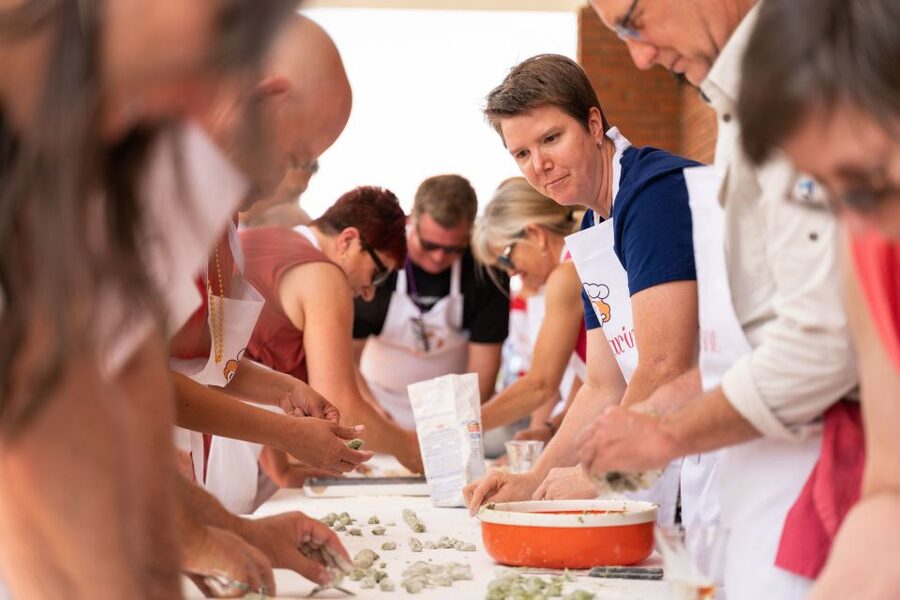
You should expect to take part, not just observe. The format is designed for hands-on work, and the host remains available for questions throughout the class. If you have always wondered why fresh pasta sticks, tears, or turns too thick, this is the moment to ask.
More Tiramisu Classes in Rome
- 3 in 1 Cooking Class near Navona: Fettuccine, Ravioli & Tiramisu
★ 5.0 · 7,376 reviews - Rome: Pasta & Tiramisu Class with Fine Wine by the Vatican
★ 4.9 · 4,852 reviews - Rome: 3-in-1 Fettuccine, Ravioli, and Tiramisu Cooking Class
★ 4.9 · 2,704 reviews
Why the private format matters
A private group changes the mood of the class. You can move at your own pace, ask for a repeat demonstration, and focus on the parts that interest you most. A couple might spend more time on dough technique, while a family with children can keep the pace relaxed and let younger cooks take part.
The class is suitable for children of all ages. That does not mean every child will want to work with dough for three hours, but the family format gives parents more control than a large shared workshop. Carmelo was especially patient with a nine-year-old in one family class, answering many questions and making the child part of the activity.
This is also a good choice if your group wants time with a local person rather than a formal culinary presentation. Hosts have included family members in the lesson. Valentini taught with his parents, including his grandmother, known as Nonna. That sort of family involvement can make the class feel like a genuine invitation into someone’s daily life.
The tradeoff is that a private home has fewer fixed details than a cooking school. You do not know the exact kitchen, neighborhood, or host until the booking details arrive. Some people will prefer a central, purpose-built classroom with uniform equipment. If you want a more personal and less standardized meeting, the home setting is the point.
Rolling, cutting, and shaping the two pasta dishes
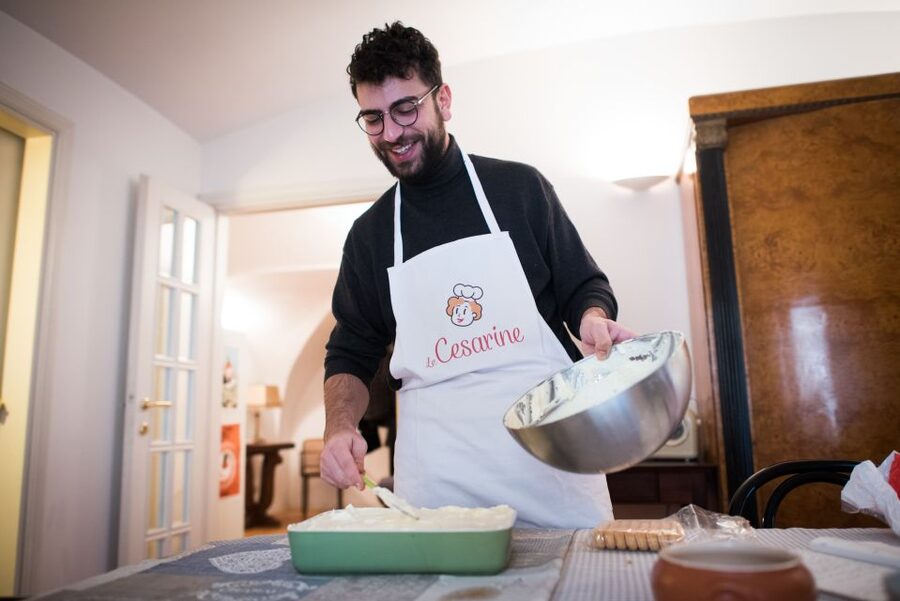
Your host explains the recipes and then helps you put them into practice. Fresh pasta is a tactile food, so the useful lessons are often the ones you cannot get from a menu: how the dough should feel, how to handle it without tearing, and how to shape each type.
The two-recipe structure gives the class a good rhythm. One dish may introduce basic dough work, while another lets you practice a different shape or filling. The example of fettuccine, spaghetti, and ravioli shows how much variety a host can fit into the lesson, though the exact selection is not fixed.
I like this format for anyone who wants to cook Italian food after returning home. You are not only tasting a famous Roman dish. You are practicing methods you can repeat in your own kitchen, using ordinary tools and a recipe supplied by your host when available.
Do not expect a technical culinary-school course with a certificate or professional kitchen training. The focus is home cooking, family recipes, and confidence. That makes it accessible, but it also means the lesson may not cover every detail of pasta production or Roman food culture.
Making tiramisu before sitting down to eat
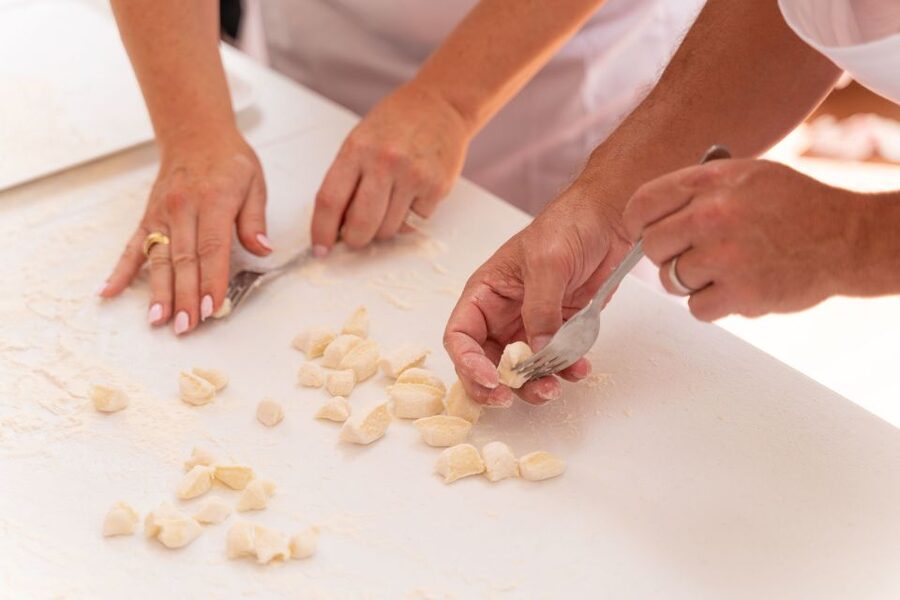
The dessert gives the class a welcome change of pace. After working with pasta dough, you prepare tiramisu from scratch and then let the finished meal become the reward for the work.
Tiramisu is a smart choice for a home lesson because it is familiar to many people but still leaves room for technique. You can ask about the host’s preferred method, the order of the ingredients, and the small choices that make a family version different from one found in a restaurant.
The class includes the tiramisu you prepare, not just a tasting portion brought out at the end. That makes the dessert part of the cooking lesson rather than an afterthought. If you have dietary needs, tell the provider before the class. Vegetarian, vegan, and gluten-free requests can be accommodated upon request, but advance notice is important.
Same kitchen, a different thing to make:
- Rome: Pasta Making Class with Wine, Limoncello, and Dessert
★ 4.9 · 3,177 reviews - Rome Cooking Class: Make Pasta and 3 Spritz Cocktails
★ 5.0 · 2,937 reviews - Rome: Fettuccine Pasta Cooking Class in Rome’s City Center
★ 4.8 · 2,414 reviews - Learn to Make Pasta & Tiramisu with Wine and Limoncello Included
★ 5.0 · 2,345 reviews
Lunch or dinner with wine and coffee
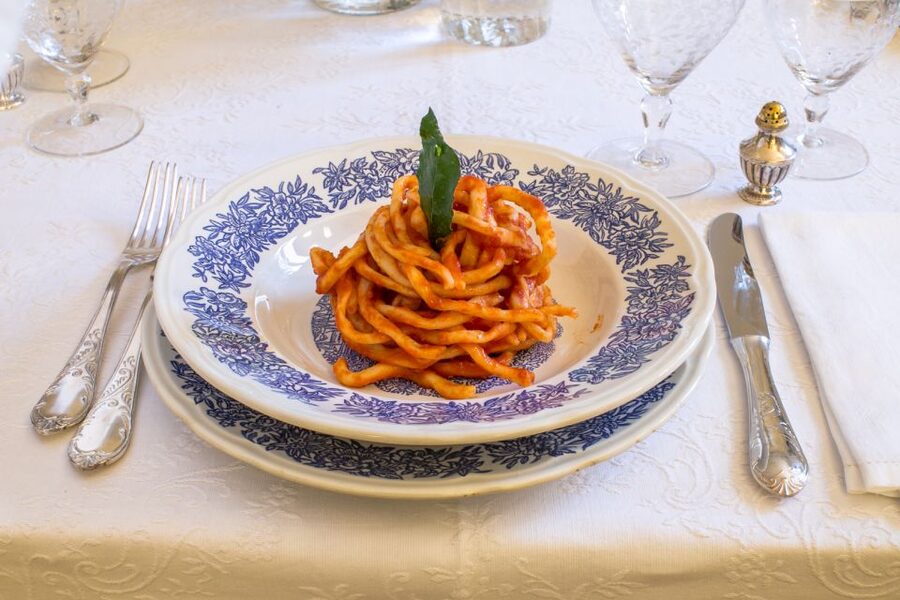
Once the cooking is finished, you sit around the table and eat the food your group prepared. The meal includes both pasta recipes and tiramisu, along with water, wine, and coffee.
That shared meal is where the activity becomes more than a practical lesson. You have time to talk with the host, compare notes about the recipes, and enjoy the food without rushing back to a sightseeing schedule. It is a relaxed way to spend part of a day in Rome, especially if you have already had enough of crowded monuments and busy restaurant rooms.
The morning class usually begins at 10:00 a.m. and works as lunch. The afternoon class usually begins at 5:00 p.m. and works as dinner. Timing can be flexible if you ask far enough ahead, but you should not assume that a last-minute change will be possible.
Wine is included, so consider that when choosing the start time and planning the rest of your day. The evening option is particularly practical if you want the cooking class to serve as dinner. The morning option leaves your afternoon open for sightseeing.
What the host experience may be like
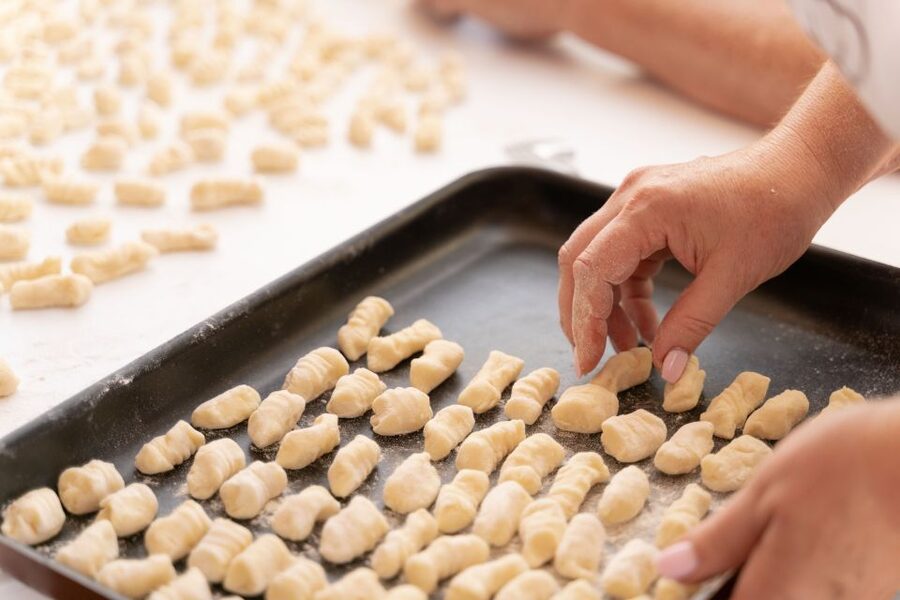
The host is called a Cesarina, a local home cook who welcomes your group and leads the meal. The exact person matters here because the tone of a private class depends heavily on the host’s warmth and teaching style.
Carmelo hosted a family in his home, answered questions patiently, cooked several pasta shapes, and later sent the recipes so the family could repeat the dishes. The family even bought pasta-making equipment after returning home. That is a useful sign of the activity’s practical value: the lesson can give you enough confidence to keep cooking rather than treating the meal as a one-time event.
Valentini’s class included his parents and Nonna, adding a family dimension to the cooking. You should not book expecting those specific people unless your confirmation names them. Still, these examples show the kind of personal contact the format is built to provide.
Your host’s home address and mobile number are sent after booking. That protects the host’s privacy, but it means you need to check your email and confirmation carefully before the day of the class. Since the meeting point is not a public landmark, allow time to reach the address and make sure you have the contact details available.
Is $164.26 a fair price?
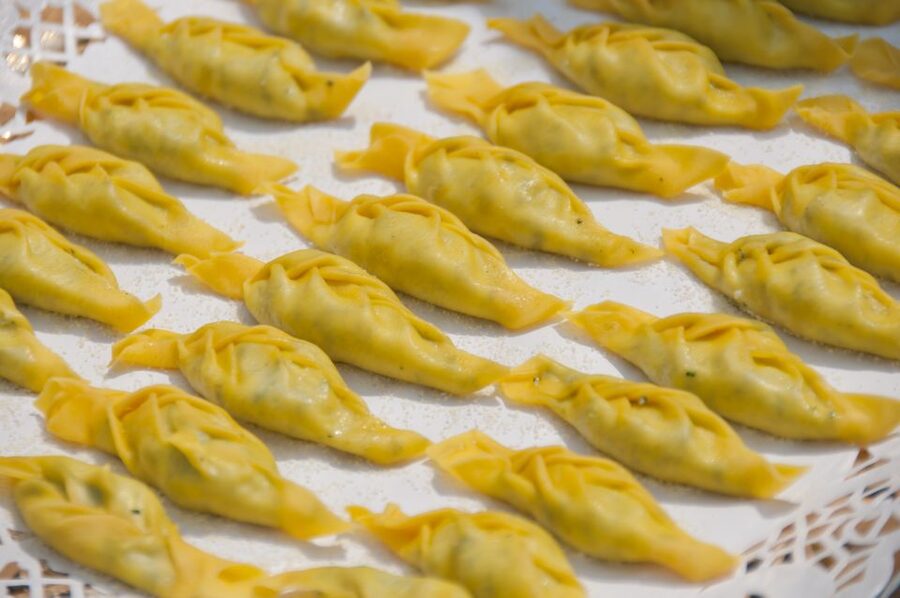
At $164.26 per person, this is not a cheap meal or a basic market demonstration. You are paying for a three-hour private class, two pasta recipes, tiramisu, a sit-down meal, wine, water, coffee, and direct time with a local home cook.
The value improves if you are traveling as a family or small group and want one shared activity. A private lesson gives you more attention than a large workshop, and the meal replaces an additional restaurant dinner. It can also be worthwhile for people who plan to use the recipes at home, especially if the host provides follow-up recipes as Carmelo did.
The price may feel high if you mainly want to sample Roman food. In that case, a restaurant meal or food walk could cost less and expose you to more dishes. This class earns its price through participation, personal contact, and the chance to learn techniques you can repeat.
I would judge it as good value for a private group that enjoys cooking. It is less convincing for a solo diner who wants a quick tasting or for someone who does not care about making food. The three-hour commitment is part of the cost, but it is also what allows the class and meal to feel unhurried.
Who should book this class?
Families are a natural fit. Children can take part, and the private format lets adults adjust the pace. A nine-year-old successfully joined one class, so younger cooks are not automatically left on the sidelines.
Couples and friends who enjoy food will also get a lot from it. You can turn the lesson into a shared challenge, then sit down with wine and compare the dishes you made. It is a good rainy-day plan and a useful break from sightseeing.
I also recommend it for repeat Rome visitors who have already seen the major sights. Cooking in a local home gives you a different view of the city, one based on family food and conversation rather than monuments.
This may not suit you if you want a formal chef-led course, a fixed menu, or a guaranteed central location. The home address and host are assigned after booking, and the recipes may vary. The flexibility is part of the charm, but it also means the activity is not fully standardized.
Practical details that affect your day
The experience lasts three hours and is offered in Italian and English. The normal start times are 10:00 a.m. and 5:00 p.m., with some flexibility if you make the request well in advance.
The class begins and ends at the host’s home. You receive the exact address and mobile number by email after booking, so do not rely on finding the meeting point through a general map search. Keep the confirmation handy and contact the host if you have trouble locating the door.
Dietary needs should be stated when you book. Vegetarian, vegan, and gluten-free options are available upon request, but the host needs time to prepare suitable ingredients and recipes.
Cancellation is flexible up to 24 hours before the start time for a full refund. You can also reserve now and pay later, which helps if your Rome schedule is still changing. Those policies are useful, but the most important planning detail is still the host address. Once you receive it, check the route before the day of the class.
My call: book it if you want to cook, not just eat
I would book this class if you want a private, hands-on meal with a real local connection. The combination of two pasta recipes, tiramisu, wine, coffee, and a shared table gives the three hours a clear purpose. Carmelo’s recipe follow-up and Valentini’s family teaching also show how personal the class can become.
I would skip it if you want a quick food stop or need a guaranteed neighborhood and fixed menu. For everyone else, especially families, couples, and food-loving friends, this is a strong way to trade a few hours of sightseeing for skills, conversation, and a dinner you helped make.
FAQ
How long does the pasta and tiramisu class last?
The class lasts three hours. It usually starts at 10:00 a.m. for lunch or 5:00 p.m. for dinner, although timing may be flexible if you ask well in advance.
What food will I prepare?
You will prepare two pasta recipes and tiramisu from scratch. The exact pasta dishes can vary by host. One class included fettuccine, spaghetti, and ravioli.
Are drinks included?
Yes. Water, wine, and coffee are included with the meal.
Is the class suitable for children?
Yes. The activity is suitable for families with children of all ages. The private format can make it easier to adjust the pace for younger participants.
Can dietary requirements be accommodated?
Yes. Vegetarian, vegan, gluten-free, and other dietary requirements can be accommodated upon request. Give the provider advance notice when booking.
Where does the class meet?
The class takes place at your Cesarina host’s home, and it ends there as well. The full address and the host’s mobile number are sent by email after booking.
Just added around Rome
- Rome: Pasta and tiramisu class with wine pairing at Come Na Vorta★ 5.0 · 30 reviews
- Spritz and Pasta! Spritz, Fettuccine & Tiramisù★ 5.0 · 2 reviews
- Rome: Vespa Tour with Photographer and Tiramisu treat★ 4.5 · 61 reviews
- Walking Tour & Pizza Making★ 4.0 · 2 reviews
- Trastevere Food Tour with Pasta-Making Class★ 5.0 · 5 reviews
- Rome: Private Vespa Tour and Professional Photoshoot★ 5.0 · 22 reviews
- Traditional Pasta Cooking Class with Tiramisu Small Group★ 5.0 · 7 reviews
- Tiramisu and Gelato Creation in Authentic Roman Dessert Workshop★ 4.5 · 3 reviews
Rome Pasta Classes, compared.
3 in 1 Cooking Class near Navona: Fettuccine, Ravioli & Tiramisu
Read our review →
Pasta & Tiramisu Class with Fine Wine by the Vatican
Read our review →
Pasta Making Class with Wine, Limoncello, and Dessert
Read our review →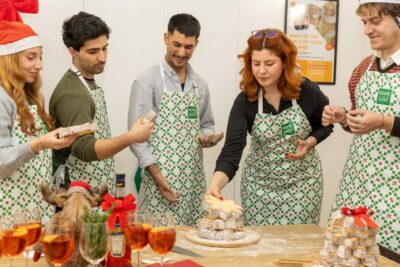
Rome Cooking Class: Make Pasta and 3 Spritz Cocktails
Read our review →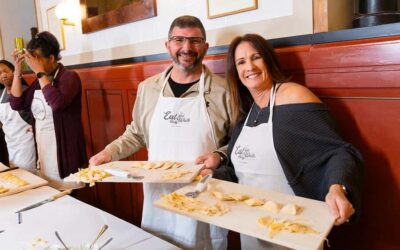
3-in-1 Fettuccine, Ravioli, and Tiramisu Cooking Class
Read our review →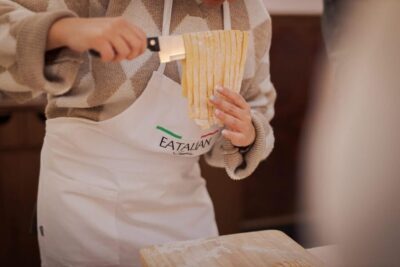
Fettuccine Pasta Cooking Class in Rome’s City Center
Read our review →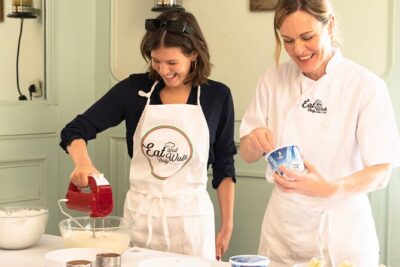
Learn to Make Pasta & Tiramisu with Wine and Limoncello Included
Read our review →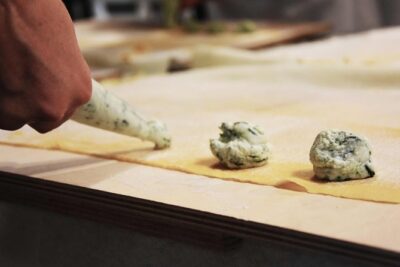
Become a Masterchef in Rome: Pasta, Ravioli and Tiramisù Class
Read our review →Browse the lists this tour appears in