
REVIEW · ROME
Rome on a Table: Roman Pasta and Wine Tasting
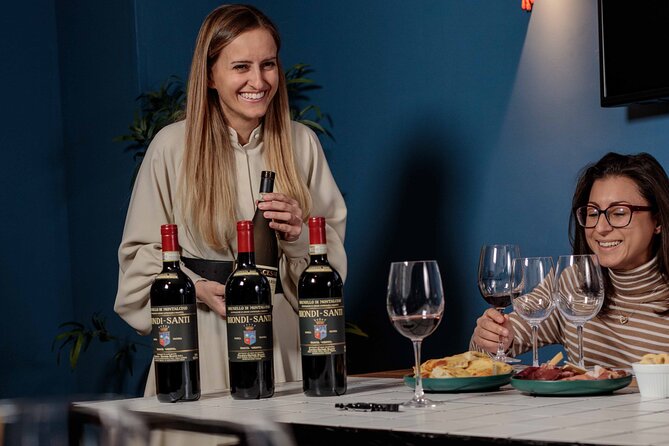
Roman food makes its strongest case through restraint. Carbonara, amatriciana, and cacio e pepe use a short list of ingredients, yet each has a distinct personality. This two-hour evening tasting puts those dishes beside Lazio wines and adds stories about Roman banquets, rituals, and everyday eating.
I like the small maximum of 12 people, which gives the host room to answer questions instead of delivering a lecture to a crowd. I also like the setting, just a five-minute walk from the Vatican Museums, making this an easy evening plan after sightseeing. The main consideration is that $86.73 is a serious price for two hours, so you should book it for the guided food-and-wine lesson, not simply for a large dinner.
Key points to know before booking
- Three Roman pasta classics: Taste carbonara, amatriciana, and cacio e pepe, with each dish matched to a Lazio wine.
- Four regional wines: Learn about local varieties including Malvasia, Syrah, and Cesanese.
- Small private-room setting: The group is limited to 12 people, creating a more personal tasting.
- Vatican-area location: Meet at Beef Bazaar, Via Germanico 136, about five minutes from the Vatican Museums.
- A friendly, flexible host: Ally is praised for clear explanations, warmth, and the ability to speak English and, when desired, Italian.
- Digestivo to finish: Choose limoncello, sambuca, or a local amaro after the pasta course.
Three Roman pastas, four Lazio wines
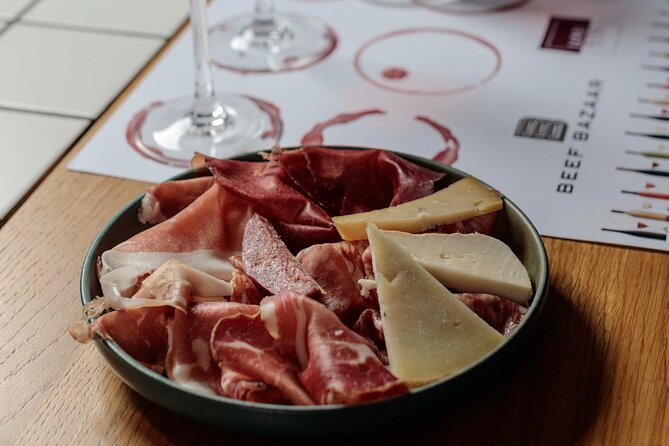
The heart of the experience is a guided meal built around three of Rome’s best-known pasta dishes. You begin with a sparkling local wine while Ally introduces the connection between Roman food, wine, and social life.
That opening matters. It gives you a frame for what follows, rather than presenting four glasses and three plates as disconnected samples. Roman wine was part of ceremonies, banquets, and ordinary meals, and the tasting uses that background to explain why local food traditions developed as they did.
The first pasta is carbonara, the dish that often causes the most argument. You can expect a discussion of its surprising origins, along with practical insight into how to make a good version. One particularly useful part of the experience is learning the tricks behind a successful carbonara, a lesson that can be more valuable than another plate of pasta if you want to recreate the dish at home.
Amatriciana follows. Its roots are linked to rustic cooking and the town of Amatrice, east of Rome. The sauce has a stronger tomato character than carbonara and brings a different balance to the wine pairing. The point is not just to tell you where the dish comes from, but to show how a simple recipe changed as it became part of Roman cooking.
Cacio e pepe is the lesson in restraint. Cheese, pepper, and pasta water create the sauce, and there is nowhere for poor technique to hide. It is a useful dish for tasting because the wine pairing has to respect its salt, fat, and pepper without overwhelming them.
You get three separate dishes rather than one full restaurant-style plate. That is a good format for comparison. You can notice how a wine changes the impression of each recipe, and you can keep room for the full tasting instead of finishing the evening uncomfortably full.
More Pasta Classes with Wine in Rome
- Rome: Pasta & Tiramisu Class with Fine Wine by the Vatican
★ 4.9 · 4,852 reviews - Rome: Pasta Making Class with Wine, Limoncello, and Dessert
★ 4.9 · 3,177 reviews - Rome Cooking Class: Make Pasta and 3 Spritz Cocktails
★ 5.0 · 2,937 reviews
Tasting Lazio through Malvasia, Syrah, and Cesanese
The wine program focuses on Lazio, the region surrounding Rome. Many visitors know Tuscany, Piedmont, or Veneto wines first, while Lazio receives less attention outside Italy. This tasting gives you a focused introduction to the area rather than a broad tour of Italian bottles.
The wines include examples connected with grapes such as Malvasia, Syrah, and Cesanese. Malvasia can bring a softer, more aromatic style, while Syrah offers a darker and more structured profile. Cesanese is especially useful to encounter in this context because it is strongly tied to Lazio and helps move the conversation beyond the most familiar Italian wine names.
The selection is meant to accompany food, not turn the evening into a technical certification class. Ally explains the character of the wines and how they fit the pasta dishes. That makes the tasting approachable for beginners, while people who already know wine still have a regional subject worth exploring.
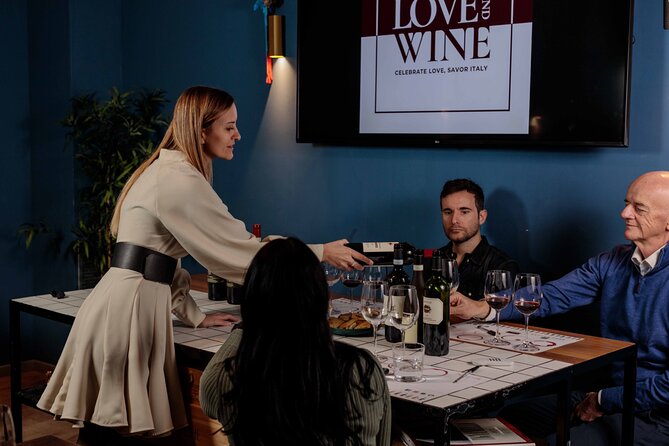
The host’s teaching style is one of the strongest reasons to choose this experience. Ally is described as cheerful, open to questions, and able to explain wine without making it feel like an exam. The available feedback also points to a relaxed atmosphere and explanations that work well in English, with Italian available when wanted.
That language flexibility can matter in a mixed group. The tasting has welcomed Italian and international participants, and the host has handled bilingual conversation. Still, if you need a fully private lesson in one language, you should confirm the current arrangements before booking.
Why the small group changes the evening

The experience caps attendance at 12 people. That is small enough for the host to respond to individual questions and for the table to feel social rather than anonymous.
Small-group food tours can vary widely, but the size here fits the format. You are tasting several wines, hearing stories, and eating three dishes in only two hours. A large group would make it harder to see, hear, or ask about the food. With fewer people, you have a better chance to discuss a grape, a recipe, or a wine-pairing question as it comes up.
The private room near the Vatican also gives the evening a clear identity. It is not a walking tour with rushed bites at several stops. You settle into one place and let the meal unfold at a steady pace. That works well after a day at the Vatican Museums, when your feet may prefer a chair and a glass of wine to another scheduled sight.
The tradeoff is that the location itself is not the main attraction. You are not touring a winery or exploring a historic cellar. The value comes from the host, the sequence of dishes, and the chance to understand Lazio through food and wine. If you want scenery or movement, this will feel stationary.
Starting at Beef Bazaar near the Vatican
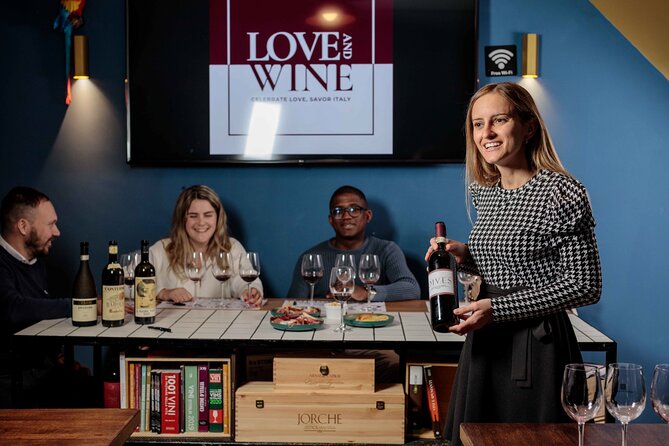
The meeting point is Beef Bazaar, Via Germanico 136, 00192 Rome. The listed start time is 6:30 pm, and the activity returns to the same meeting point.
The location is practical for a Vatican day. It is described as roughly a five-minute walk from the Vatican Museums, so you can pair the tasting with an afternoon visit. Leave enough time to exit the museum area, walk over, and locate the meeting point without turning the start into a sprint.
Because the tour ends where it begins, you do not need to arrange a pickup or follow a guide across Rome at night. After the digestivo, you can continue your evening from the Vatican neighborhood. The experience is also near public transportation, which helps if your accommodation is elsewhere.
Bring the booking confirmation on your phone. The ticket is mobile, and confirmation is provided at booking. Service animals are allowed. These are small details, but they make the plan easier for a short Rome stay.
Same kitchen, a different thing to make:
- 3 in 1 Cooking Class near Navona: Fettuccine, Ravioli & Tiramisu
★ 5.0 · 7,376 reviews - Rome: 3-in-1 Fettuccine, Ravioli, and Tiramisu Cooking Class
★ 4.9 · 2,704 reviews - Rome: Fettuccine Pasta Cooking Class in Rome’s City Center
★ 4.8 · 2,414 reviews - Learn to Make Pasta & Tiramisu with Wine and Limoncello Included
★ 5.0 · 2,345 reviews
A digestivo makes a proper Roman finish
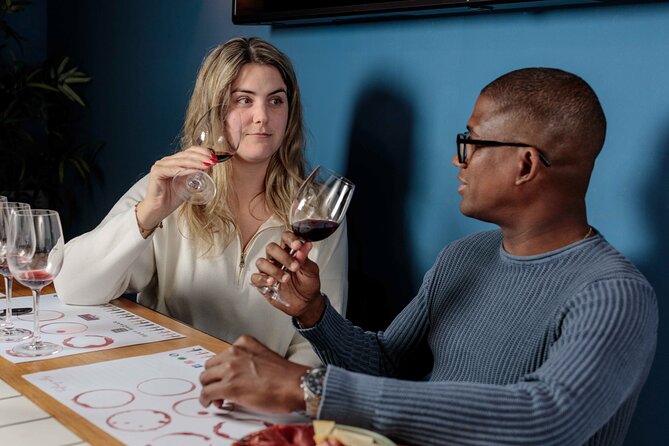
The final drink is a traditional Italian digestivo. You choose among limoncello, sambuca, or a local amaro.
This is a pleasant ending because it turns the tasting into a full progression: sparkling wine to regional wines, pasta pairings, then a small after-dinner drink. The choices also give you different styles. Limoncello is bright and citrusy, sambuca is sweet and anise-flavored, and amaro offers a more bitter herbal profile.
Do not treat the digestivo as a separate cocktail stop. It is part of the food culture lesson and a final chance to ask questions or compare preferences around the table. It also signals that the experience is designed as a relaxed social meal, not a rushed succession of samples.
What the $86.73 price buys you
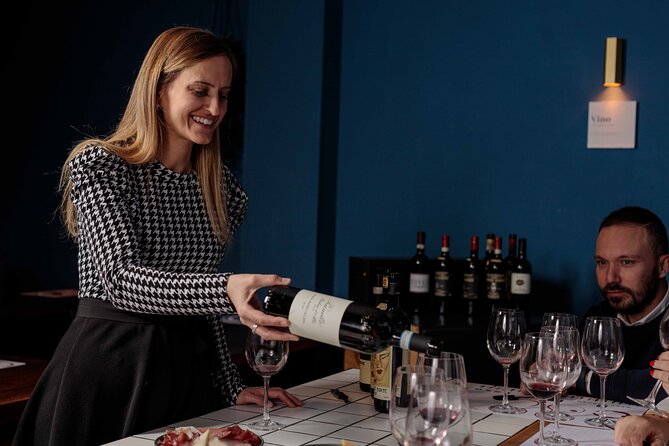
At $86.73 per person, this is not a budget meal. You are paying for more than the raw cost of pasta and wine, though. The fee includes a guided tasting, three pasta dishes, four Lazio wines, historical context, and a digestivo in a small setting.
The value is strongest for someone who wants to understand Roman food rather than simply eat it. You get a clear comparison of three famous recipes and a useful introduction to wines that may not appear on every restaurant list. Ally’s approachable teaching is also part of the appeal. The available feedback repeatedly emphasizes her passion, warmth, and ability to make wine understandable to beginners.
The value is weaker if your main goal is quantity. Three tasting portions are not the same as a large Roman dinner, and the two-hour schedule leaves little room for a long, slow restaurant meal. You might still leave satisfied, but this should be planned as a tasting workshop with food, not an all-you-can-eat event.
I would compare the price with what you would spend on a good dinner plus several wine pours in the Vatican area. The tour can make sense if you would otherwise pay for a meal and want expert guidance with it. If you are traveling on a strict food budget, you may prefer a regular trattoria and a separate wine purchase.
Who will enjoy this most
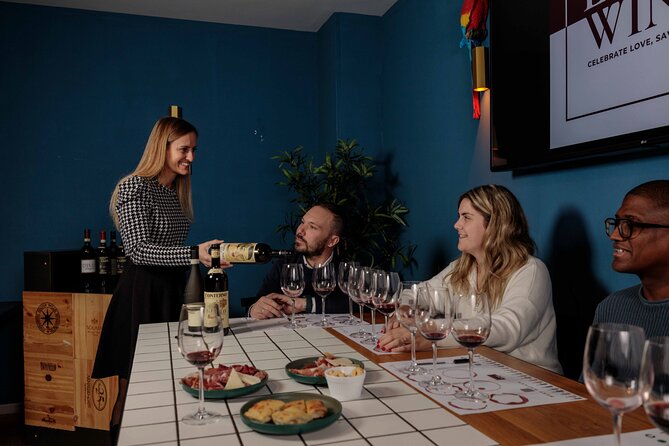
This experience suits couples, small groups of friends, and solo visitors who like meeting people around a table. It also fits anyone who wants an evening activity close to the Vatican without adding another long transfer.
You do not need to be a wine expert. The teaching style is intended to be accessible, and the host welcomes questions. Beginners can learn the basics of local grapes and pairings without feeling out of place.
Food-focused visitors will get the most from the pasta stories. Carbonara, amatriciana, and cacio e pepe are familiar names, but knowing their background and tasting them side by side gives each dish more meaning.
The experience can also work well for a special occasion. Ally has organized private wine tastings for wedding groups, and the careful presentation and intimate format lend themselves to celebrations. For a private event, confirm the arrangements directly, since the standard experience has a maximum of 12 people and a listed 6:30 pm start.
You may want to skip it if you dislike wine, need a very large meal, or prefer an active tour. The evening is centered on sitting, tasting, listening, and talking. That is a strength for the right person and a limitation for everyone else.
Timing, cancellations, and useful planning advice
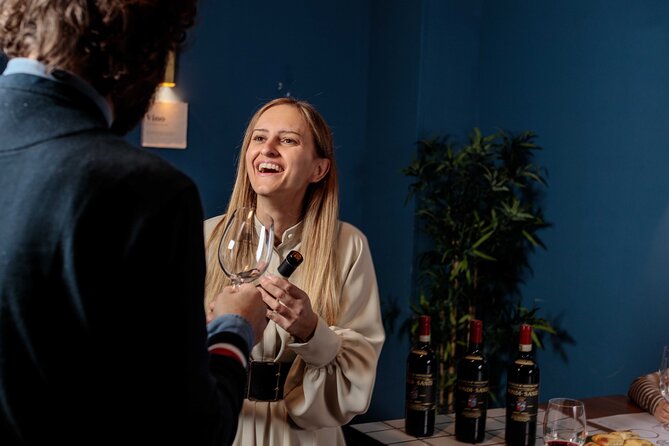
The stated duration is about two hours. Starting at 6:30 pm, the tasting should finish around 8:30 pm, though the exact end may depend on the pace of the group.
I would avoid booking a major late-night commitment immediately afterward. Food and wine tastings often run best when you have a little breathing room, and the digestivo is meant to be enjoyed rather than rushed.
The experience offers free cancellation if you cancel at least 24 hours before the local start time. Cancellations or changes made less than 24 hours before the start are not refunded or accepted. If your Vatican visit is on the same day, keep enough flexibility for museum delays, weather, or a slow lunch.
Should you book Rome on a Table?
Book it if you want a compact, social introduction to Roman pasta and Lazio wine, especially after visiting the Vatican. The combination of three classic dishes, four regional wines, a small group, and a host who explains things clearly gives the evening real purpose.
I would be especially inclined to book if you are curious about carbonara technique, want to try Cesanese or Malvasia, or prefer a guided meal to another standard restaurant dinner. The strong 5 out of 5 rating from 14 posted ratings and 100 percent recommendation figure support the experience, though the sample is still small.
Skip it if $86.73 feels high for a two-hour tasting or if you want a full dinner with generous portions. For everyone else, this is a well-focused way to connect Rome’s famous pasta dishes with the wines and traditions of the region around the city.
FAQ
Where does the pasta and wine tasting start?
It starts at Beef Bazaar, Via Germanico 136, 00192 Rome, Italy. The meeting point is about a five-minute walk from the Vatican Museums.
What time does the experience begin?
The listed start time is 6:30 pm.
How long does the tasting last?
The experience lasts approximately two hours.
How many people can join the group?
The activity has a maximum of 12 participants.
Which pasta dishes are included?
You taste carbonara, amatriciana, and cacio e pepe.
How many wines are included?
The experience includes four selected wines from Lazio, with discussion of grapes such as Malvasia, Syrah, and Cesanese.
What digestivo can I choose?
At the end, you can choose limoncello, sambuca, or a local amaro.
Can I cancel for a full refund?
Yes. You can cancel for a full refund if you do so at least 24 hours before the experience start time. Cancellations or changes made less than 24 hours in advance are not accepted or refunded.
More Food and Drink Tours in Rome
- Rome: Pasta Making with Wine Tasting and Dinner in Frascati
★ 4.9 · 979 reviews - Super Fun Pasta & Gelato Class by Vatican with Wine + Oil Tasting
★ 5.0 · 726 reviews - Rome Food Tour: Trastevere Aperitivo, Wine & Pasta Dinner
★ 4.7 · 113 reviews - Rome Pantheon: Award Winning Gelato Tiramisu & Espresso Food Tour
★ 5.0 · 99 reviews
More Wine Tastings in Rome
- Fettuccine & Tiramisù: Cooking Class with Wine & Limoncello
★ 4.9 · 2,103 reviews - Pasta Making & Wine Tasting with Dinner in Frascati from Rome
★ 5.0 · 1,326 reviews - Rome Pasta and Tiramisu Class: Ravioli, Fettuccine & Fine Wine 5*
★ 5.0 · 1,319 reviews - Rome Cooking Class: Make Pasta, Dine & Drink Wine With Local Chef
★ 5.0 · 1,263 reviews
Just added around Rome
- Rome: Pasta and tiramisu class with wine pairing at Come Na Vorta★ 5.0 · 30 reviews
- Spritz and Pasta! Spritz, Fettuccine & Tiramisù★ 5.0 · 2 reviews
- Rome: Vespa Tour with Photographer and Tiramisu treat★ 4.5 · 61 reviews
- Walking Tour & Pizza Making★ 4.0 · 2 reviews
- Trastevere Food Tour with Pasta-Making Class★ 5.0 · 5 reviews
- Rome: Private Vespa Tour and Professional Photoshoot★ 5.0 · 22 reviews
- Traditional Pasta Cooking Class with Tiramisu Small Group★ 5.0 · 7 reviews
- Tiramisu and Gelato Creation in Authentic Roman Dessert Workshop★ 4.5 · 3 reviews
Rome Pasta Classes, compared.
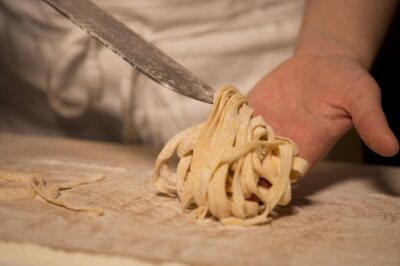
3 in 1 Cooking Class near Navona: Fettuccine, Ravioli & Tiramisu
Read our review →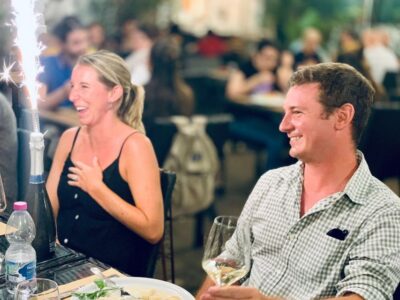
Pasta & Tiramisu Class with Fine Wine by the Vatican
Read our review →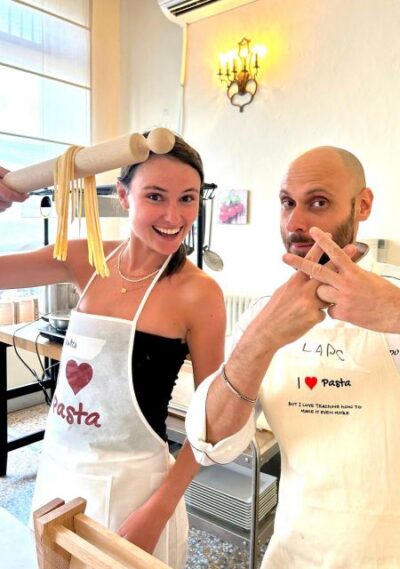
Pasta Making Class with Wine, Limoncello, and Dessert
Read our review →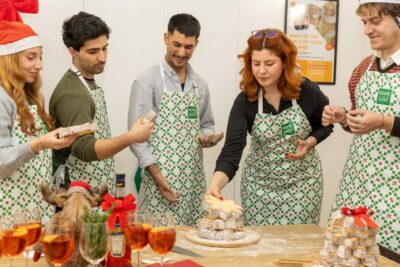
Rome Cooking Class: Make Pasta and 3 Spritz Cocktails
Read our review →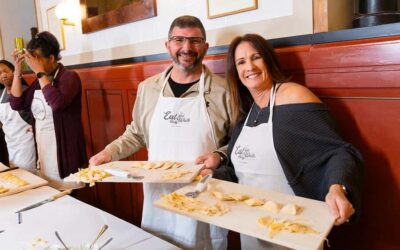
3-in-1 Fettuccine, Ravioli, and Tiramisu Cooking Class
Read our review →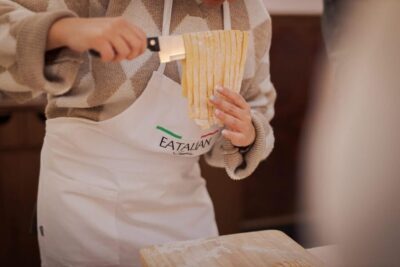
Fettuccine Pasta Cooking Class in Rome’s City Center
Read our review →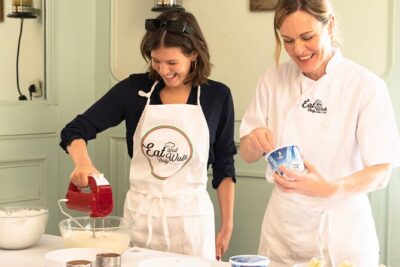
Learn to Make Pasta & Tiramisu with Wine and Limoncello Included
Read our review →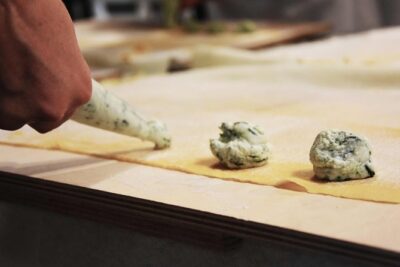
Become a Masterchef in Rome: Pasta, Ravioli and Tiramisù Class
Read our review →Browse the lists this tour appears in