
REVIEW · ROME
Rome: Five Shapes of Pasta Cooking Class in Ancient Tavern
Five pasta shapes, two sauces, and a full meal turn this Roman cooking class into more than a quick demonstration. You work the dough yourself, using a wooden rolling pin, then sit down to eat what you made in an old osteria known as Cucina.
I especially like the hands-on pace and the warm teaching style of Emanuele and Angelo. The class also gives you real variety: delicate filled pastas, fettuccine, sauces, cheese with prosecco, and a simple tiramisu to finish.
The main consideration is time. This is a three-hour meal experience, not a short activity between major sights, and the setting is not suitable for people with mobility impairments.
Key points
- Five traditional shapes: Make ravioli, agnolotti del plin, tortellini, cappelletti, and fettuccine from fresh dough.
- Old osteria setting: Begin at Cucina, a late-19th-century tavern with its original marble sign above the entrance.
- Real technique: Roll thin sheets by hand with a wooden pin and learn safe food-cutting methods.
- A complete meal: Enjoy cheese and prosecco, two pasta dishes with different sauces, wine, and express tiramisu.
- Small class size: The group is limited to 10, allowing the chefs to move around and help with the dough.
- Good practical value: At $67.19, the price covers instruction, food, drinks, dessert, and a complimentary chef hat.
Five pasta shapes in one Roman kitchen
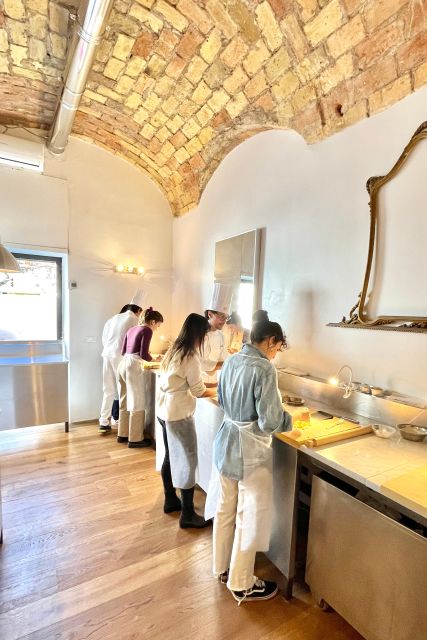
The heart of this class is simple: you make five different kinds of pasta, then eat two pasta dishes as part of a full Italian meal. That gives you far more useful practice than a class focused on one recipe.
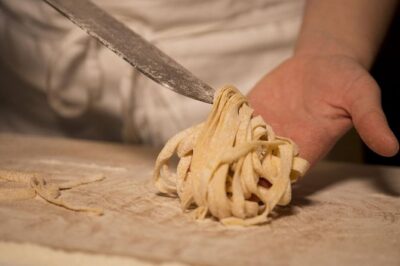
You begin with fresh dough and learn how to roll it thin with a professional wooden pin. This is the old-school method, with no shortcut to a pasta machine. You also get instruction in safe food-cutting procedures, which is useful if you want to repeat the techniques at home.
The shapes cover a good range of Italian pasta-making skills. Ravioli and agnolotti del plin teach you how to fill and seal pasta. Tortellini and cappelletti require more careful folding, while fettuccine lets you work with a longer, simpler ribbon shape.
That mix matters. You are not just copying one attractive shape for a photograph. You get a feel for how dough behaves when it is rolled, cut, folded, filled, and sealed.
A few more classes around Rome worth a look
- 3 in 1 Cooking Class near Navona: Fettuccine, Ravioli & Tiramisu
★ 5.0 · 7,376 reviews - Rome: Pasta & Tiramisu Class with Fine Wine by the Vatican
★ 4.9 · 4,852 reviews - Rome: Pasta Making Class with Wine, Limoncello, and Dessert
★ 4.9 · 3,177 reviews
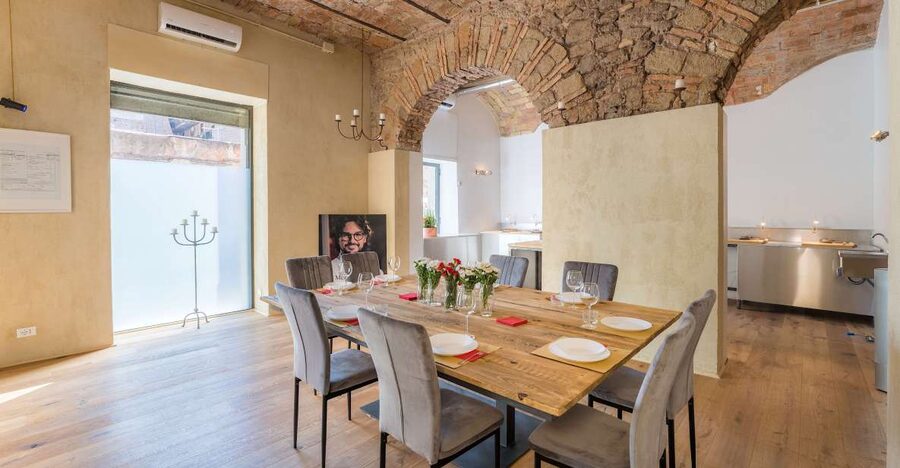
Entering Cucina, the old Antica Osteria
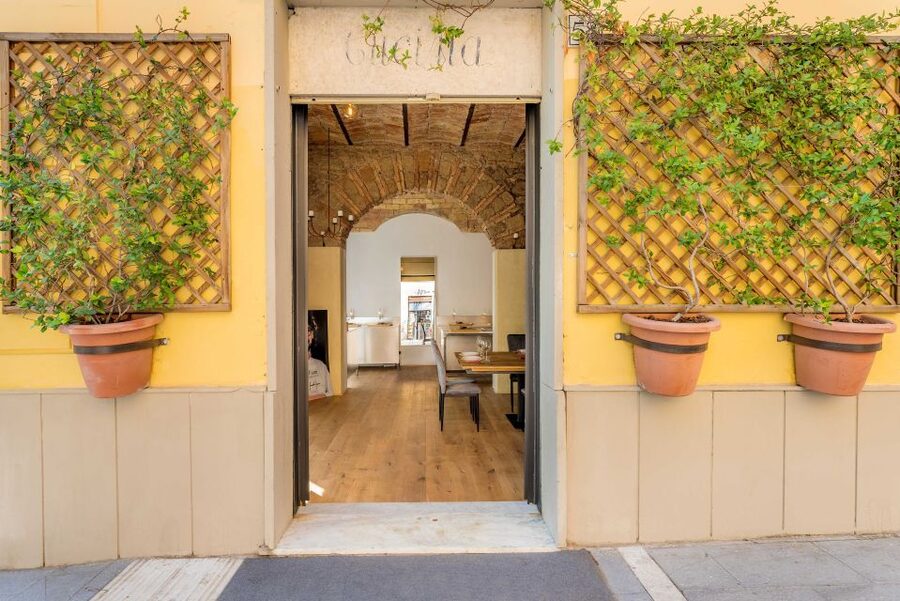
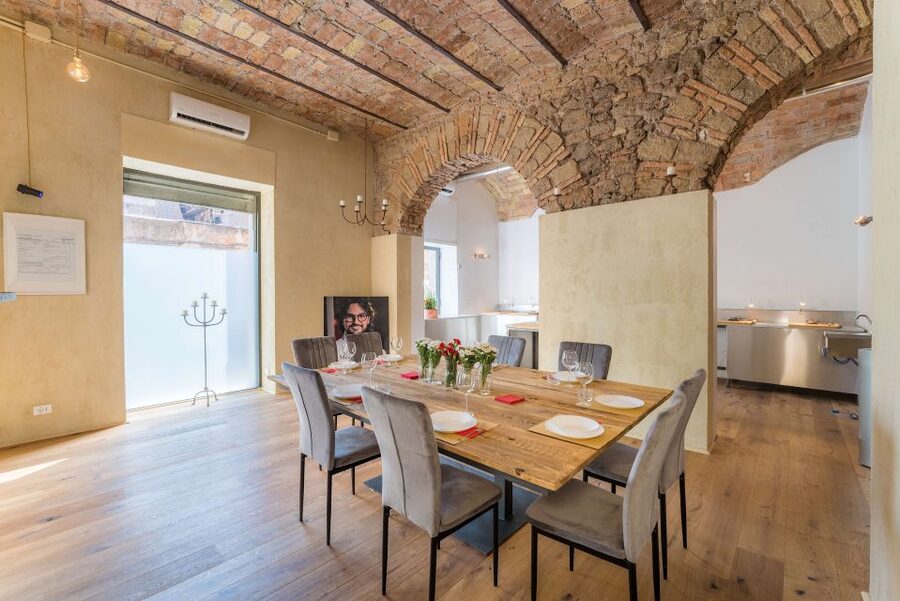
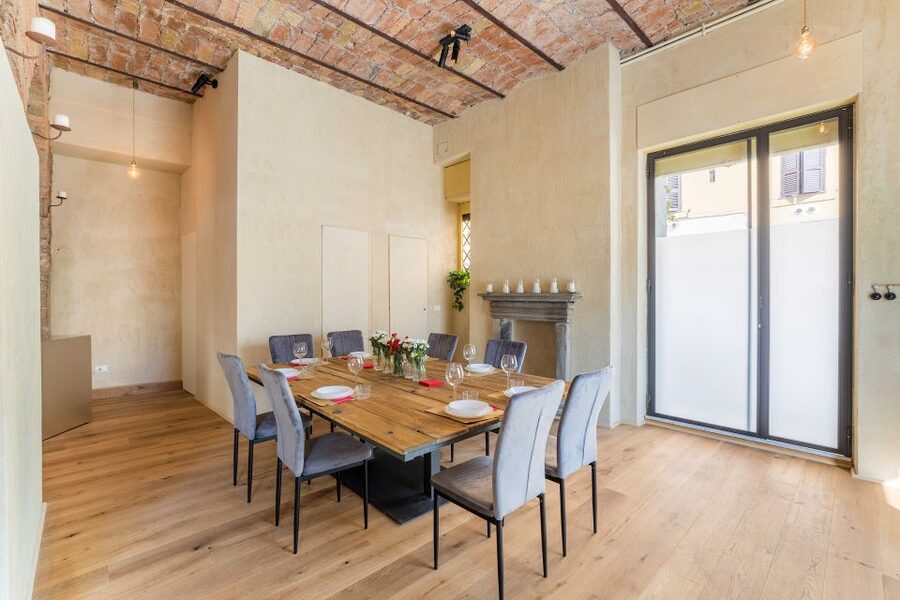
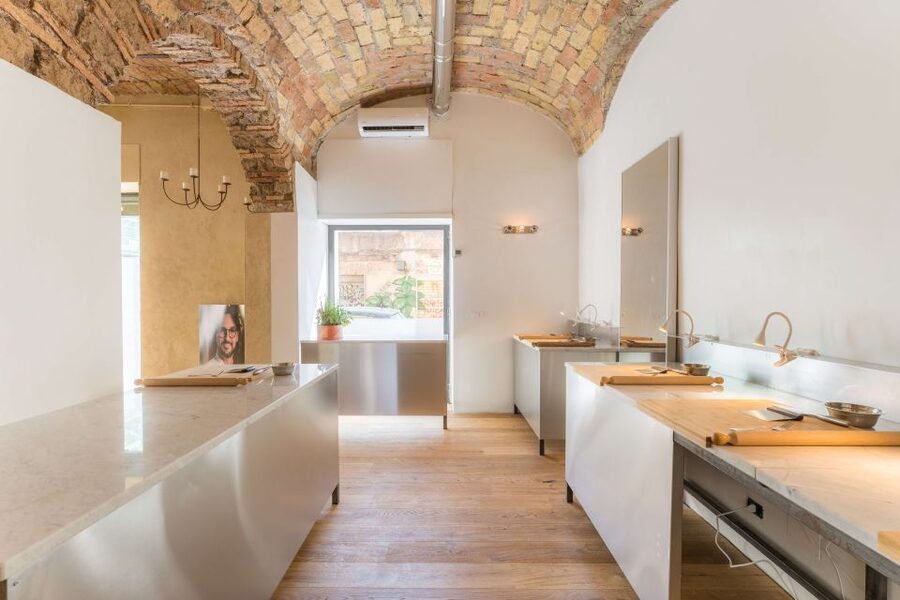
The meeting point is an old osteria called Cucina. Look for the original marble osteria sign above the entrance. The building was founded in the late 1800s and later converted into a cooking school, so the room gives the class a sense of place without turning it into a formal museum visit.
I like this kind of setting for a cooking class. The room connects the food to Rome’s older tavern culture, while the school setup provides the work space and equipment needed for a group activity. The combination of old decoration and active cooking gives the evening a more personal feel than a standard restaurant meal.
You return to the same meeting point at the end. No transport is included or needed as part of the activity itself, and the supplied details do not specify a particular neighborhood or nearby landmark, so check the exact map location before setting out.
How the three hours unfold
The class lasts about three hours, with start times changing according to availability. I would treat it as a meal appointment, not something to squeeze between the Colosseum and an evening walk.
The opening includes an appetizer of local Italian cheese served with fresh prosecco. This gives you something to enjoy while the class gets organized and the chefs explain the work ahead.
Next comes the dough. You work from scratch and use the rolling pin to make a thin sheet. The technique takes more effort than using a pasta machine, but it is also the part most likely to stay with you when you try this at home.
The chefs then guide you through the pasta shapes. Emanuele is described as energetic, funny, and encouraging, while Angelo has also led sessions with a warm and attentive approach. Both names appear in the experience feedback, so the exact chef may depend on the date you book.
The class is taught in English and Italian. English-speaking visitors should be able to follow the main instruction, and the small format gives the chefs room to show you what to do when your dough or folds need help.
After the hands-on work, the kitchen prepares two different sauces for the pasta. You taste two handmade pasta dishes rather than simply carrying your uncooked work home. The sauces are created and explained by the chef, which helps connect the pasta shape with the way it is served.
The meal continues with Italian wine and ends with an express tiramisu preparation. This is not just a dessert placed in front of you. You take part in preparing the quick version, then finish the meal with it.
Why the shape list matters
Ravioli is a familiar starting point, but the other shapes make this class more useful. Agnolotti del plin is a traditional filled pasta shape associated with careful pinching and small portions. Tortellini and cappelletti add different folding methods, giving you a chance to see how small changes in technique alter the final form.
Fettuccine is the practical home-cooking payoff. Long ribbons are easier to repeat than some filled shapes, and the rolling and cutting skills apply to many fresh-pasta recipes.
The experience also includes the famous shapes of Italian fresh pasta rather than only one local Roman specialty. That is a strength if you want a broad introduction to pasta-making. If your goal is a narrowly focused lesson on one Roman dish, this class may feel wide rather than specialized.
You should expect the finished pasta to vary from one person to the next. That is part of working by hand. The point is to learn the method, not produce factory-perfect pieces.
Same kitchen, a different thing to make:
- Rome Cooking Class: Make Pasta and 3 Spritz Cocktails
★ 5.0 · 2,937 reviews - Rome: 3-in-1 Fettuccine, Ravioli, and Tiramisu Cooking Class
★ 4.9 · 2,704 reviews - Rome: Fettuccine Pasta Cooking Class in Rome’s City Center
★ 4.8 · 2,414 reviews - Learn to Make Pasta & Tiramisu with Wine and Limoncello Included
★ 5.0 · 2,345 reviews
The teaching style: lively and hands-on
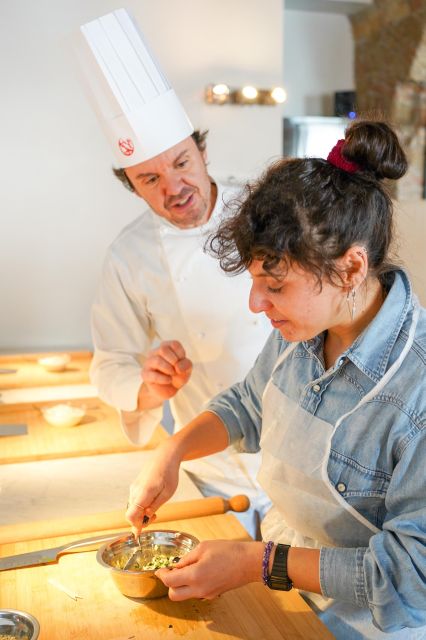
The strongest feature of the class is the way the chefs keep the room active. Emanuele is repeatedly described as funny, engaging, and positive when correcting technique. The atmosphere can include music, dancing, and plenty of conversation, so this is not a quiet technical workshop.
That energy suits families, couples, and small groups who want an evening activity with food at its center. Teenagers have enjoyed the class, and the format has worked for adults and children together. It can also be a good choice for a honeymoon or anniversary because the meal and social setting make it feel like an evening out.
The small-group limit of 10 is important. It gives the chef a fair chance to move among the stations, check the dough, and help with filling or shaping. One piece of feedback described a group of 12, but the stated limit is 10, so I would use that number when deciding how personal the instruction may be.
The lively style will not suit everyone. If you want a silent, highly technical lesson with long explanations about flour chemistry, this may feel too playful. The benefit is that beginners are less likely to feel intimidated.
What you actually eat
The food is not an afterthought. The package includes the cheese and prosecco appetizer, two handmade pasta dishes with different sauces, wine, and dessert.
The two pasta plates give you a useful comparison. You can see how different shapes carry sauce and how the final dish changes after cooking. The chef explains the sauces, so you get more than a plate of food without context.
The meal is also a practical reason to compare this class with a shorter pasta workshop. At $67.19 per person, you are paying for instruction plus a substantial food and drink experience. You do not need to budget an additional restaurant dinner afterward unless you prefer a very light meal.
The food is paired with Italian wine, and prosecco is served with the cheese. If you do not drink alcohol, the provided details do not specify a substitute, so ask before booking if that matters to you.
The class ends with an express tiramisu. One unusual detail is that the experience treats dessert as another small preparation rather than simply serving a finished portion. It adds one more recipe idea to take home.
Allergies and personal adjustments
The class has shown flexibility with food needs. A participant with a garlic allergy received altered ingredients for tortellini and ravioli, along with a separate sauce. That is encouraging, but I would still tell the provider about any allergy before the class rather than relying on an adjustment at the table.
The available information does not promise a set menu for every dietary restriction. Cheese, prosecco, wine, pasta, and tiramisu are built into the meal, so ask in advance about substitutions if you have allergies, avoid dairy, or follow a special diet.
The chefs have also allowed participants to adjust ingredients to their tastes. That suggests a friendly approach, but it does not mean every request can be guaranteed.
What to bring and how to prepare
You do not need to bring cooking equipment. The class supplies the food and the work space, and every participant receives a complimentary Professional Chef Hat with the Pastificio Faini logo.
Wear something comfortable for a three-hour cooking and dining session. The activity includes rolling, cutting, filling, shaping, and eating, so clothing that allows easy movement is sensible.
The class is not suitable for people with mobility impairments. The supplied details do not give a specific explanation of the physical layout, so contact the provider if you need a clear answer about seating, access, or time spent standing.
Pets are not allowed.
Is $67.19 good value?
At $67.19, I consider this a strong value for a visitor who wants both an activity and a meal. The price includes the class, two different handmade pasta dishes, an appetizer, local cheese, prosecco, wine, and dessert with express tiramisu preparation. There is no extra fee requested during the class.
A cheaper pasta demonstration might leave you with less hands-on work or no full meal. A restaurant dinner may cost a similar amount without teaching you anything. This experience combines the two, which is why it works well on a short Rome trip.
The value depends on your appetite for a social class. You are paying for an entertaining group event, not private instruction. If you want one-on-one coaching or a highly specialized lesson, a private class may suit you better.
The complimentary chef hat is a small extra, but it is useful if you want a memento tied to the activity rather than another generic souvenir.
Who should book this class?
I would recommend it to first-time pasta makers, couples, families with older children, and anyone who wants an evening away from the usual sightseeing circuit. It also suits people who enjoy meeting others, since the small group includes participants from different countries and the format encourages conversation.
It is especially good for visitors who learn by doing. You will roll the dough, cut it, fill it, fold it, and eat the result. The instructions are designed to be approachable, and the chefs step in with practical help.
You may want to skip it if you have only a short window in Rome, dislike group activities, or need a fully accessible setting. It is also worth checking ahead if you have serious dietary restrictions.
Free cancellation is available up to 24 hours before the start time, and you can reserve now while paying later. Those terms help if your Rome schedule is still shifting, but you should still check the available start time before fitting it into your day.
My verdict on the Roman pasta class
I would book this if I wanted one food experience in Rome that combined instruction, dinner, and a bit of theater. The five pasta shapes give the class real substance, while the chefs keep the work light and social.
The best reason to choose it is the balance between learning and eating. You do not merely watch a chef make pasta, and you do not spend three hours on dough without a proper meal. You leave with techniques for ravioli, tortellini, cappelletti, agnolotti del plin, and fettuccine, plus a chef hat and a full stomach.
Choose it for a fun, practical evening in a historic osteria setting. Skip it only if you need a short stop, private coaching, or guaranteed accommodations for a complex diet.
FAQ
How long does the pasta class last?
The class lasts three hours.
How much does the experience cost?
The listed price is $67.19 per person.
Where does the class begin?
It begins at the old osteria named Cucina. Look for the original marble osteria sign above the entrance.
Where does the class end?
The activity ends back at the meeting point.
Which pasta shapes will I make?
You will make ravioli, agnolotti del plin, tortellini, cappelletti, and fettuccine.
Will I make the pasta dough from scratch?
Yes. You make fresh pasta from scratch and roll the dough into thin sheets with a wooden pin.
Is food included in the price?
Yes. The package includes an appetizer with prosecco and Italian cheese, two handmade pasta dishes with different sauces, wine, and dessert with express tiramisu preparation.
Which languages are spoken?
The class is offered in English and Italian.
How many people can join the class?
The small group is limited to 10 participants.
Can I cancel the booking?
You can cancel up to 24 hours in advance for a full refund. Reserve now and pay later is also available.
Just added around Rome
- Rome: Pasta and tiramisu class with wine pairing at Come Na Vorta★ 5.0 · 30 reviews
- Spritz and Pasta! Spritz, Fettuccine & Tiramisù★ 5.0 · 2 reviews
- Rome: Vespa Tour with Photographer and Tiramisu treat★ 4.5 · 61 reviews
- Walking Tour & Pizza Making★ 4.0 · 2 reviews
- Trastevere Food Tour with Pasta-Making Class★ 5.0 · 5 reviews
- Rome: Private Vespa Tour and Professional Photoshoot★ 5.0 · 22 reviews
- Traditional Pasta Cooking Class with Tiramisu Small Group★ 5.0 · 7 reviews
- Tiramisu and Gelato Creation in Authentic Roman Dessert Workshop★ 4.5 · 3 reviews
Rome Pasta Classes, compared.
3 in 1 Cooking Class near Navona: Fettuccine, Ravioli & Tiramisu
Read our review →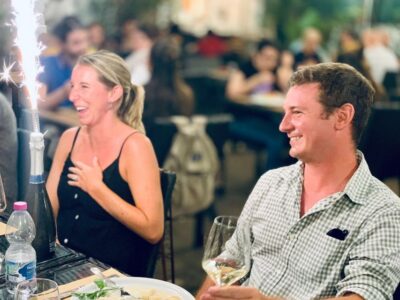
Pasta & Tiramisu Class with Fine Wine by the Vatican
Read our review →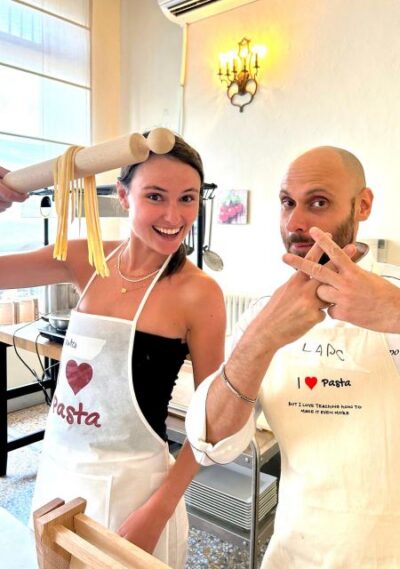
Pasta Making Class with Wine, Limoncello, and Dessert
Read our review →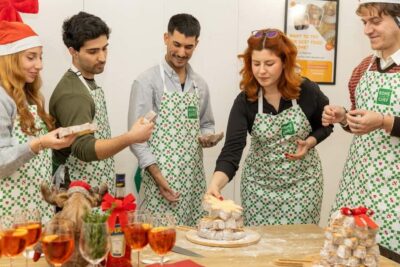
Rome Cooking Class: Make Pasta and 3 Spritz Cocktails
Read our review →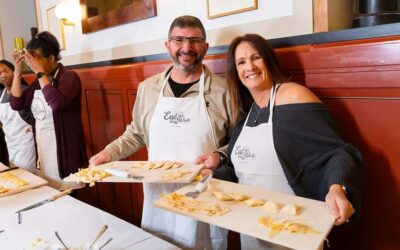
3-in-1 Fettuccine, Ravioli, and Tiramisu Cooking Class
Read our review →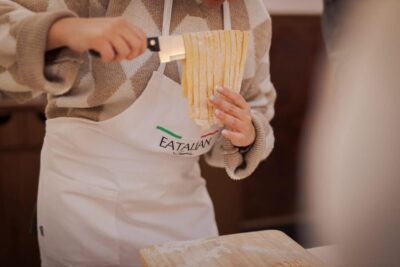
Fettuccine Pasta Cooking Class in Rome’s City Center
Read our review →
Learn to Make Pasta & Tiramisu with Wine and Limoncello Included
Read our review →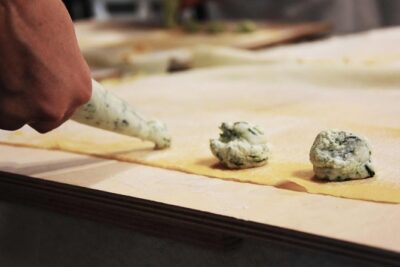
Become a Masterchef in Rome: Pasta, Ravioli and Tiramisù Class
Read our review →Browse the lists this tour appears in