REVIEW · ROME
Rome: Cooking Class – Pizza & Gelato with Free Flowing Wine
The best part of this three-hour class is that you do not simply sit down to eat Italian food. You make it yourself. Near the Colosseum, Italian chefs guide you through pizza from scratch, creamy gelato, and Roman supplì, with wine flowing as you work.
I like the hands-on format and the chance to take home pizza and gelato recipes rather than just a full stomach. I also like the social side: the food is fun to prepare, and the shared table gives friends, families, and solo visitors an easy way to meet.
The main drawback is practical but important: this class is not suitable for people with gluten intolerance, and some dietary requests may not be possible to arrange. You also need to arrive 15 minutes early, since late arrival does not guarantee participation.
Key points to know before booking
- Pizza made from scratch: Learn the basic dough process, from kneading to shaping and topping.
- Gelato with recipes: Prepare a creamy Italian-style dessert and leave with instructions you can use at home.
- Roman supplì included: Try crispy risotto balls filled with molten mozzarella, a classic Roman snack.
- Free-flowing Italian wine: Well-selected wine is included throughout the class, adding value for adults who want a relaxed meal.
- Three hours near the Colosseum: The class begins and ends at Via della Polveriera, a short walk from the Colosseo Metro Station.
- English-language instruction: Italian chefs lead the class, making it accessible to English-speaking visitors.
Why this cooking class works well in Rome
Rome has no shortage of pizza, pasta, gelato, and fried snacks. You can eat all of them without lifting a finger. This class offers something different: you learn how several of these foods come together, then sit down with what you helped prepare.
I especially like that the menu covers more than one corner of Italian food. Pizza gives you a practical main course, gelato handles dessert, and supplì brings in a Roman specialty that you might otherwise overlook. That mix makes the class feel more connected to the city than a lesson focused only on generic pizza.
The setting near the Colosseum is convenient, but you should not confuse this with a sightseeing tour. The Colosseum is a useful landmark for finding the meeting point, not part of the cooking program. Plan to visit the monument separately before or after the class.
At $112.15 per person, this is not the cheapest meal in Rome. Still, the fee includes instruction, ingredients for several dishes, recipes for pizza and gelato, and free-flowing Italian wine. If you value an activity as well as dinner, the price can make sense. If you only want a quick, inexpensive meal, a neighborhood pizzeria will cost less.
More Gelato Making Classes in Rome
- Rome: Fresh Pasta-Making Class with Wine and Gelato
★ 4.9 · 813 reviews - Night Tour of Rome with Local Pizza Dinner and Gelato Experience
★ 4.5 · 780 reviews - Super Fun Pasta & Gelato Class by Vatican with Wine + Oil Tasting
★ 5.0 · 726 reviews
Finding the meeting point near the Colosseo Metro Station
The class begins at Via della Polveriera 9, 00184 Rome. The provider’s office is at Via della Polveriera 8, about four minutes from the Colosseum and close to the Colosseo Metro Station.
The directions are worth reading carefully. Make your way to the terrace above the Colosseo Metro Station, then use the pedestrian bridge to cross over to the office. Purple flags mark the entrance. The instructions refer to Via della Polveriera 8 for the office, while the formal meeting address is Via della Polveriera 9, so I would use the map link and allow extra time.
Arrive 15 minutes before the scheduled start. This matters more than usual for a class because the group may begin preparing ingredients right away. A late arrival is not guaranteed admission, and missing the opening instructions could leave you playing catch-up with the dough.
The activity returns to the same meeting point. There is no hotel pickup or drop-off, so you are responsible for reaching the office and making your way onward afterward.
Starting with pizza dough and Roman technique
The pizza portion begins with the foundation: dough. You learn how to combine and work the ingredients, then knead until the dough is ready to shape. The chefs also cover the process of tossing and forming the pizza, giving you a chance to handle the dough instead of watching from the side.
That hands-on part is useful because pizza looks simple until you try to make a good base yourself. Dough can tear, stick, or become too thick in the middle. Guided instruction helps you see how the texture changes as you work it.
The class focuses on traditional Neapolitan-style pizza, while the experience takes place in Rome. That is not a problem, but it is a detail worth knowing. You are learning a widely recognized Italian pizza style rather than a lesson devoted only to Roman pizza.
You also work with sauces and toppings. The point is not simply to pile ingredients onto the dough. You get a feel for balance, so the sauce, cheese, and other toppings support the crust rather than burying it.
I would expect this section to be the most active part of the class. If you enjoy cooking with your hands, it should be satisfying. If you prefer a quiet demonstration, the amount of participation may feel like work, though that is also what gives the class its value.
Making gelato instead of just ordering it
The dessert course focuses on the method behind creamy gelato. You learn how ingredients are balanced and how the preparation differs from simply mixing a sweet flavor into a frozen base.
The class includes recipes, which is a real benefit here. Pizza is forgiving enough to recreate through trial and error, but frozen desserts are less obvious. Written instructions give you something concrete to follow when you try the process at home.
The available information does not promise a particular gelato flavor. You might work with a classic combination or a more creative one, depending on the session. What you can count on is instruction in the preparation and the chance to taste the finished result.
This part also changes the rhythm of the class. Pizza involves shaping and topping, while gelato asks you to pay attention to proportions and texture. Together, the two lessons give you different kinds of kitchen practice.
For families, gelato may be the easiest section to enjoy. For adults, it adds variety and helps justify the price compared with a meal that includes pizza alone. Still, anyone with food allergies should contact the provider immediately after booking rather than assume substitutions are available.
More Pasta Classes with Wine in Rome
- Rome: Pasta & Tiramisu Class with Fine Wine by the Vatican
★ 4.9 · 4,852 reviews - Rome: Pasta Making Class with Wine, Limoncello, and Dessert
★ 4.9 · 3,177 reviews - Rome Cooking Class: Make Pasta and 3 Spritz Cocktails
★ 5.0 · 2,937 reviews - Learn to Make Pasta & Tiramisu with Wine and Limoncello Included
★ 5.0 · 2,345 reviews
Tasting Roman supplì with melted mozzarella
Supplì is one of Rome’s great casual foods: a crisp, fried risotto ball with molten mozzarella inside. It is a useful addition to this menu because it introduces a Roman specialty that many first-time visitors may miss while concentrating on pasta and pizza.
Expect a savory bite with a crunchy outside and soft rice inside. The mozzarella center is part of the appeal, so take care when eating it. The combination of risotto and cheese also makes supplì heavier than a small vegetable starter.
This is not listed as a separate full cooking lesson in the same way as pizza and gelato. Instead, it is part of the food experience you enjoy during the class. That makes it a pleasant extra, though you should not book this expecting a detailed supplì workshop.
I like its place in the meal. Pizza and gelato are famous worldwide, while supplì gives you a more specifically Roman taste. It helps the class feel tied to its location rather than like a standard international cooking course.
Wine and the social side of the table
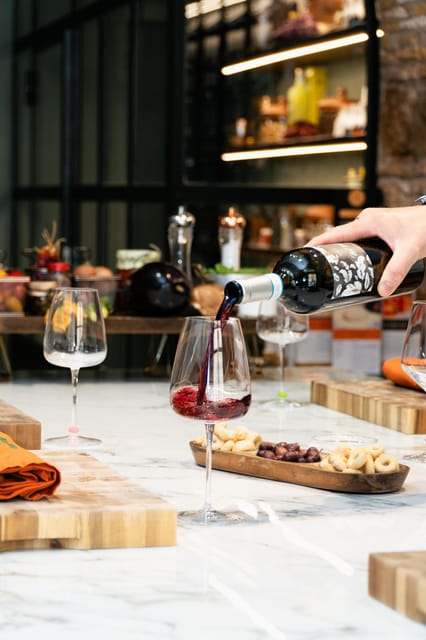
Free-flowing, well-selected Italian wine is included. That can make the class feel more like a shared evening meal than a technical lesson, especially once the food is ready to taste.
The wine is a good value point for adults. Ordering several glasses separately in Rome can quickly add to a dinner bill, while the class includes wine in the advertised price. You should still pace yourself: you are cooking, eating, and moving through several courses over three hours.
Alcohol is not the only reason the social setting works. Preparing food together gives you an easy subject for conversation. One available comment about the experience praised both the food and the fun of preparing it, along with the other people in the class. That captures the strongest social feature: the class is built around participation, not a formal lecture.
I would recommend it for friends and families who want an activity with a meal attached. It can also suit a solo visitor who likes meeting people through a shared task. If you want a private, romantic dinner with no group interaction, this format may not be the right choice.
What the three-hour schedule means for your day
Three hours is long enough to cover several dishes without turning the class into an all-day commitment. You can fit it into a Rome itinerary before an evening walk, after morning sightseeing, or between other plans, depending on the available start time.
The exact starting times are not given in the activity details, so check availability before building your schedule. Do not assume that every day offers the same choice of sessions.
Because the class includes cooking, eating, and wine, I would avoid placing it immediately before a timed attraction unless you have a generous buffer. The activity ends back at the meeting point, but the exact finish may depend on the pace of the group.
The location helps with planning. You are near the Colosseum and the Colosseo Metro Station, so it is easy to pair the class with sightseeing in central Rome. Just remember that you need to arrive early, and the class itself is the main event.
Dietary restrictions and what to tell the provider
The class is not suitable for people with gluten intolerance. Pizza dough is central to the experience, and the provider warns that gluten-free or celiac requests may not always be possible to arrange.
You should report allergies and dietary restrictions immediately after booking. Do not wait until you arrive at the office. The provider will try to accommodate requests, but the information specifically warns that some restrictions cannot be guaranteed.
Certain items are not allowed for security reasons, including weapons, glass or sharp objects, outside food, and alcoholic drinks. Since wine is provided as part of the activity, bring neither your own alcohol nor outside snacks.
The safest approach is simple: if you have a serious allergy, ask about suitability before paying. The class involves several prepared foods, and the available details do not promise a separate menu.
Who will get the most from this experience
I would choose this class if you want a meal that also gives you something to do. The strongest candidates are:
- Friends looking for a relaxed group activity
- Families who enjoy hands-on food preparation
- Adults who appreciate included wine
- Visitors who want recipes to use after returning home
- First-time Rome visitors curious about supplì as well as pizza
- Solo visitors comfortable sharing a cooking table with other people
I would be more cautious if you have strict dietary needs, dislike group activities, or want a short demonstration with no cooking. The three-hour format asks you to participate, and the menu depends heavily on flour, dairy, and other standard pizza and dessert ingredients.
The class also suits people who enjoy practical souvenirs. You will not leave with a carved trinket, but you will have pizza and gelato recipes and a better idea of how these foods are made.
Booking value, cancellation, and practical planning
At $112.15 per person, the value rests on the full package. You receive an expert-led English-language class, pizza preparation, gelato instruction with recipes, Roman supplì, and free-flowing Italian wine. Add the social experience and the central location, and the price is reasonable for a three-hour food activity.
It is less attractive if you do not drink wine or would not use the recipes. In that case, part of the included value may not matter to you. You should also compare the cost with the kind of dinner you would otherwise buy, since Rome offers excellent pizza and gelato at much lower prices.
The booking terms are flexible. You can reserve now and pay later, and cancellation more than 24 hours before the start time qualifies for a full refund. That is useful when your Rome schedule is still changing, but it does not remove the need to arrive on time.
Should you book this pizza and gelato class?
Book it if you want to make your own Italian meal, taste a Roman specialty, and spend three social hours near the Colosseum. The strongest features are the hands-on pizza work, the gelato recipes, the included wine, and the simple pleasure of preparing food with other people.
Skip it if you need gluten-free cooking, want a private experience, or care more about the cheapest possible meal than the activity itself. For everyone else, this is a practical and enjoyable way to turn dinner into part of your Rome sightseeing day.
FAQ
Where does the cooking class meet?
The meeting point is Via della Polveriera 9, 00184 Rome. The office is at Via della Polveriera 8, about four minutes from the Colosseum and near the Colosseo Metro Station.
How early should I arrive?
You should arrive 15 minutes before the activity starts. Late arrivals are not guaranteed participation.
How long does the experience last?
The cooking class lasts three hours. Check availability for the possible starting times.
What languages are available?
The instructor-led class is conducted in English.
Is hotel pickup included?
No. Hotel pickup and drop-off are not included. The class ends back at the meeting point.
What food will I prepare or taste?
The class includes pizza made from scratch, artisanal gelato, and Roman supplì, which are crispy risotto balls with molten mozzarella.
Is wine included?
Yes. Free-flowing, well-selected Italian wine is included in the activity.
Is the class suitable for people with gluten intolerance?
No. The activity is not suitable for people with gluten intolerance. You should report allergies or dietary restrictions immediately after booking, but some requests may not be possible to arrange.
Can I cancel for a full refund?
Yes. You can cancel more than 24 hours before the activity starts for a full refund. You can also reserve now and pay later.
More Wine Tastings in Rome
- Fettuccine & Tiramisù: Cooking Class with Wine & Limoncello
★ 4.9 · 2,103 reviews - Pasta Making & Wine Tasting with Dinner in Frascati from Rome
★ 5.0 · 1,326 reviews - Rome Pasta and Tiramisu Class: Ravioli, Fettuccine & Fine Wine 5*
★ 5.0 · 1,319 reviews - Rome Cooking Class: Make Pasta, Dine & Drink Wine With Local Chef
★ 5.0 · 1,263 reviews
More Pizza Making Classes in Rome
- Cooking Class in the Heart of Rome: Pizza and Tiramisu Making
★ 5.0 · 1,330 reviews - Rome: Combo Pizza and Pasta Cooking Class with Wine
★ 4.6 · 1,180 reviews - Rome: Pizza & Tiramisu Class with Free Flowing Fine Wine
★ 5.0 · 973 reviews - Rome: Pizza & Tiramisu Class with Free Flowing Fine Wine
★ 4.9 · 697 reviews
Just added around Rome
- Rome: Pasta and tiramisu class with wine pairing at Come Na Vorta★ 5.0 · 30 reviews
- Spritz and Pasta! Spritz, Fettuccine & Tiramisù★ 5.0 · 2 reviews
- Rome: Vespa Tour with Photographer and Tiramisu treat★ 4.5 · 61 reviews
- Walking Tour & Pizza Making★ 4.0 · 2 reviews
- Trastevere Food Tour with Pasta-Making Class★ 5.0 · 5 reviews
- Rome: Private Vespa Tour and Professional Photoshoot★ 5.0 · 22 reviews
- Traditional Pasta Cooking Class with Tiramisu Small Group★ 5.0 · 7 reviews
- Tiramisu and Gelato Creation in Authentic Roman Dessert Workshop★ 4.5 · 3 reviews
Rome Pasta Classes, compared.
3 in 1 Cooking Class near Navona: Fettuccine, Ravioli & Tiramisu
Read our review →
Pasta & Tiramisu Class with Fine Wine by the Vatican
Read our review →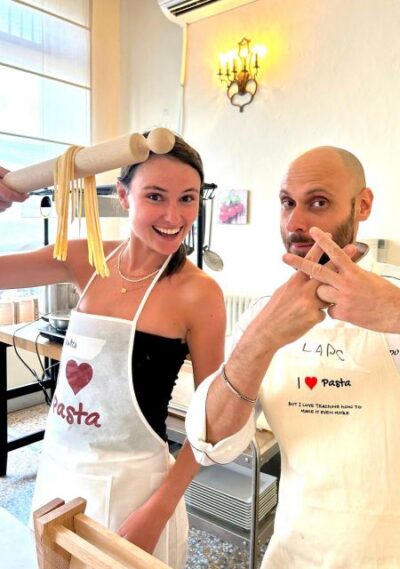
Pasta Making Class with Wine, Limoncello, and Dessert
Read our review →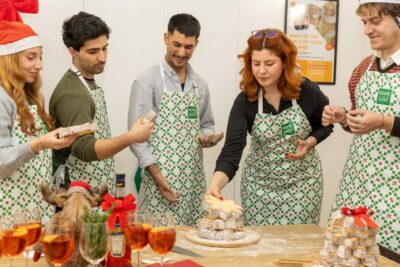
Rome Cooking Class: Make Pasta and 3 Spritz Cocktails
Read our review →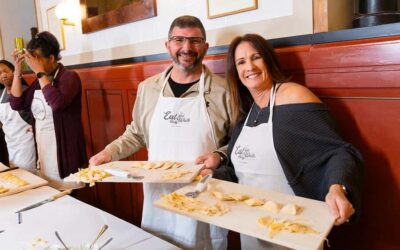
3-in-1 Fettuccine, Ravioli, and Tiramisu Cooking Class
Read our review →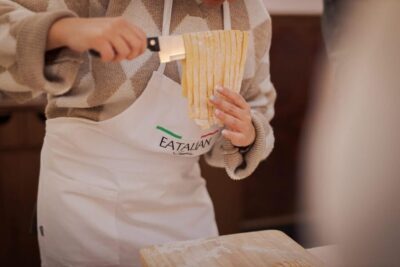
Fettuccine Pasta Cooking Class in Rome’s City Center
Read our review →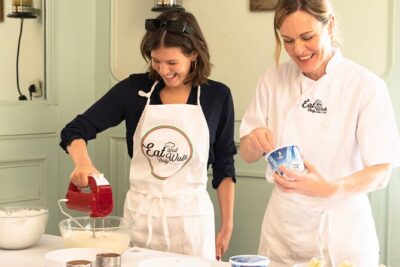
Learn to Make Pasta & Tiramisu with Wine and Limoncello Included
Read our review →