
REVIEW · ROME
Roman Pasta making class
Roman Pasta Making Class Review
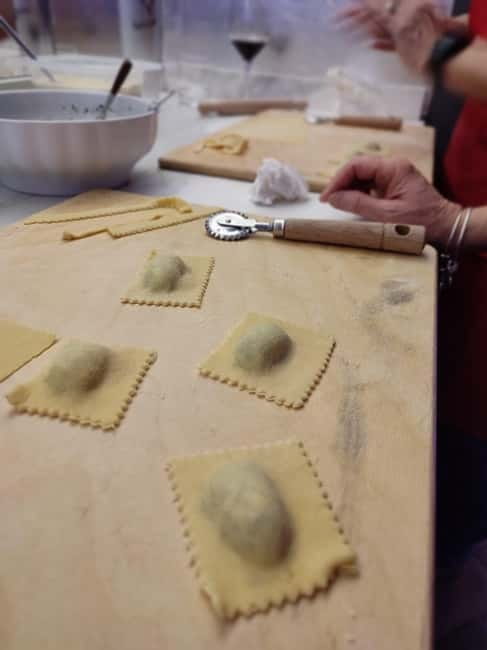
The best part of this Roman cooking class is that you do not simply watch someone twirl pasta. You make three different pastas from scratch: ravioli, gnocchi, and cavatelli, then eat them with classic Lazio sauces, wine, and dessert. It is a hands-on meal and a practical lesson rolled into 2.5 hours.
I like the small limit of 10 participants, which should give the chef time to correct your dough, shaping, or sauce technique. I also like the mix of cacio e pepe and amatriciana, since one is spare and peppery while the other brings tomatoes, guanciale, and Pecorino together. The main drawback is the price, $117 per person, which is fair only if you value the meal, drinks, instruction, and recipes as one package rather than treating this as a quick pasta demonstration.
Key Points at a Glance
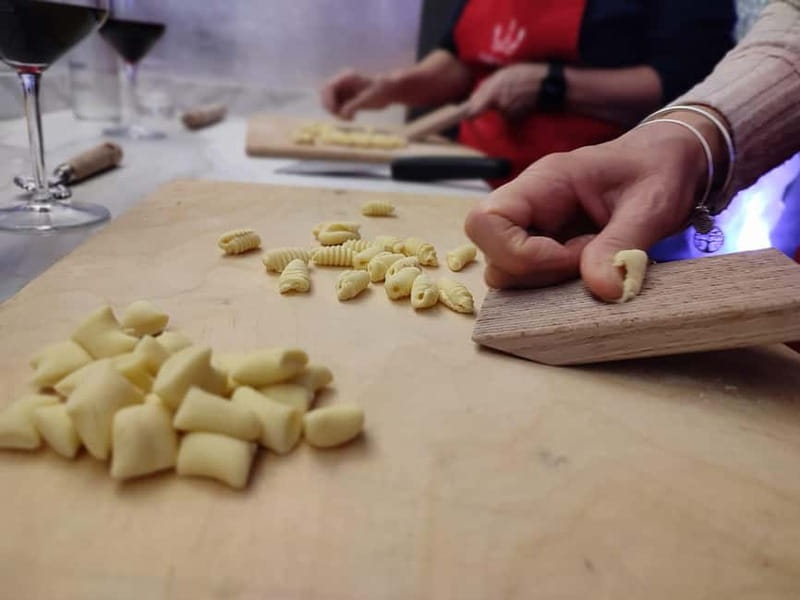
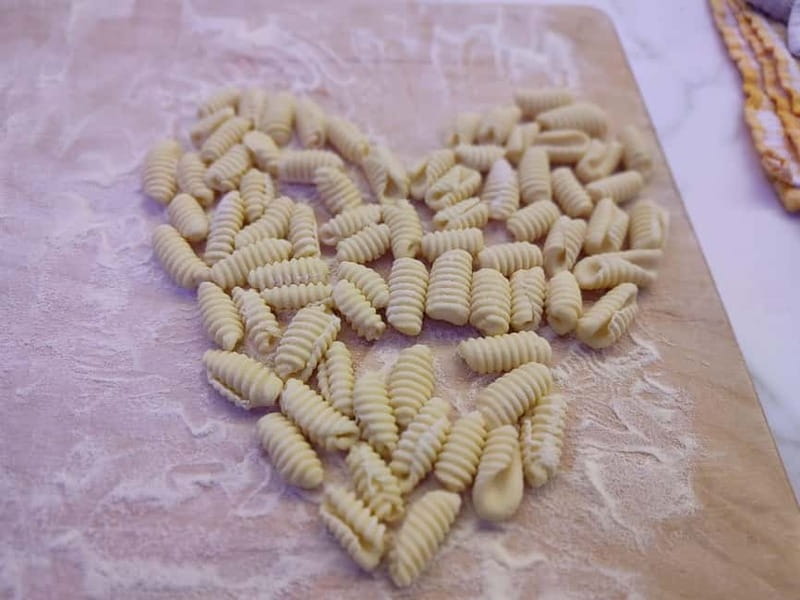
- Three handmade pastas: Prepare ravioli, pillowy gnocchi, and hand-rolled cavatelli.
- Two Roman sauces: Learn cacio e pepe and Lazio-style amatriciana with Pecorino Romano.
- Small class size: Up to 10 people makes this more personal than a large cooking show.
- Wine with lunch: Red and white Italian wines are served with your handmade meal.
- Useful take-home extras: You receive downloadable recipes and a small keepsake.
- Flexible booking: You can cancel up to 24 hours before the class or reserve without paying immediately.
What This Roman Pasta Class Really Gives You
Rome has plenty of food experiences, but this one earns its place by focusing on the work behind the plate. You knead, roll, cut, fill, and shape the pasta yourself. That makes the meal at the end more satisfying, but it also means you should arrive ready to participate rather than simply sit back with a glass of wine.
The class takes place in a cozy, exclusive Roman setting. The exact address and starting time depend on availability, so check those details before booking. The language options are English and Italian, making the class practical for international visitors who want to follow the chef’s instructions without guessing.
You do not need previous cooking experience. The chef guides each stage, shares cooking tips, and adds background about Italian food. That is a good fit if you are curious but not especially confident in the kitchen. Families, friends, and solo food lovers can all take part, provided the group stays within the 10-person limit.
One verified booking gave special praise to Monica Sênior, describing her as friendly and highly professional. If Monica is leading your session, you can expect the kind of warm, personal welcome that suits this format. Since the experience may use more than one chef, it is best not to assume she will lead every scheduled class.
More Fresh Pasta Workshops in Rome
- Rome: Pasta Making Class with Wine, Limoncello, and Dessert
★ 4.9 · 3,177 reviews - Enjoy Spritz and Pasta Making in Piazza Navona
★ 5.0 · 1,681 reviews - Pasta Making & Wine Tasting with Dinner in Frascati from Rome
★ 5.0 · 1,326 reviews
Starting With Dough, Flour, and Simple Tools
The class begins with the basic pasta dough. You learn how flour and other ingredients come together, then work the dough by hand. The exact proportions and method are part of the lesson, and you receive the recipes afterward so you can try again at home.
This is where the hands-on format matters. Pasta dough often looks simple, but texture is everything. Too dry and it becomes hard to roll. Too wet and it sticks. A chef watching your work can offer small corrections that a printed recipe cannot.
You then use the dough in several ways. Ravioli requires rolling and filling, with care needed around the edges so the pasta stays sealed. Gnocchi has a softer, more delicate texture, while cavatelli is shaped by hand into its familiar ridged form. Making these side by side shows you how much variety Italian pasta can have without relying on elaborate equipment.
The class provides all necessary equipment. That keeps the experience approachable, especially if your kitchen at home is not stocked with pasta tools. Still, do not expect to leave with a professional setup or a large batch of pasta. The useful souvenir is the technique and the downloadable recipes.
Ravioli, Gnocchi, and Cavatelli: Three Different Skills
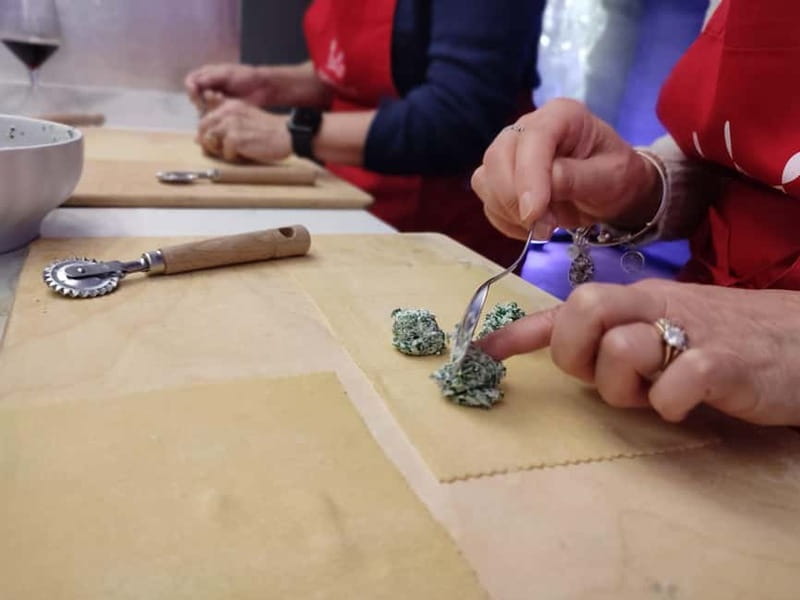
Ravioli is the most precise of the three. You work with sheets of dough, add filling, and seal the parcels. This is the pasta most likely to reward patience. A rushed seal can allow filling to escape during cooking, so the chef’s guidance is valuable here.
Gnocchi teaches a different lesson. The dough is soft and needs a light touch. You shape the pieces rather than rolling out thin sheets, so the texture depends on restraint. If you press too hard, the result can become heavy. The class gives you a chance to see how a few basic ingredients can create a soft, comforting dish.
Cavatelli is more tactile and relaxed. You roll and shape the dough by hand, forming small pieces that hold sauce well. It is also a pasta you can realistically make at home without buying a specialized machine.
I like this three-pasta approach because it avoids the narrow focus of a class devoted only to one shape. You leave with a broader sense of how Italian cooks adapt one basic dough. The tradeoff is that none of the three receives a full-length masterclass. In 2.5 hours, the pace has to keep moving.
Two Roman Sauces With Very Different Personalities
The sauces give the class a strong Roman identity. Cacio e pepe is built around Pecorino Romano and freshly cracked black pepper. It sounds spare, but that simplicity leaves little room to hide mistakes. The cheese must combine properly with the pasta and cooking water to create a smooth coating rather than a clump.
Amatriciana brings more force. It uses guanciale, tomatoes, and Pecorino cheese, creating a savory sauce with a tomato base and a distinctly Lazio character. Learning it alongside cacio e pepe helps you understand two sides of Roman cooking: one restrained and creamy without cream, the other bold and tomato-driven.
These recipes are valuable beyond the class because both are realistic home-cooking projects. You do not need a long list of unusual ingredients. You do need to pay attention to timing, heat, and the balance of cheese and sauce.
The menu also makes the meal feel like more than a generic pasta class. You are not making random shapes with random sauces. The food connects directly to Rome and the surrounding Lazio region, which gives the session a clearer sense of place.
Same kitchen, a different thing to make:
- 3 in 1 Cooking Class near Navona: Fettuccine, Ravioli & Tiramisu
★ 5.0 · 7,376 reviews - Rome: Pasta & Tiramisu Class with Fine Wine by the Vatican
★ 4.9 · 4,852 reviews - Rome Cooking Class: Make Pasta and 3 Spritz Cocktails
★ 5.0 · 2,937 reviews - Rome: 3-in-1 Fettuccine, Ravioli, and Tiramisu Cooking Class
★ 4.9 · 2,704 reviews
Sitting Down to Lunch With Italian Wine
Once the cooking is finished, you sit down to eat the meal you prepared. Lunch and drinks are included, along with dessert. Red and white Italian wine are served for pairing, giving you a chance to compare how each works with the sauces.
The wine is part of the value, but keep the limits in mind. Extra drinks are not included. If you want more wine or another beverage beyond what is provided, that will cost extra.
I like the balance of the meal. Pasta is the main event, but dessert gives the class a proper finish. You are not hurried out after the last shaping lesson. At the same time, this is not described as a long, multi-course tasting menu. Book it for the cooking and the friendly Roman meal, not for fine-dining service.
The shared meal also helps turn the class into a social activity. A small group of 10 is large enough for conversation but small enough that the chef can keep the room under control. For a family or group of friends, it gives everyone a common project. For a solo visitor, it offers an easy setting to meet people without joining a large crowd.
Is $117 a Fair Price?
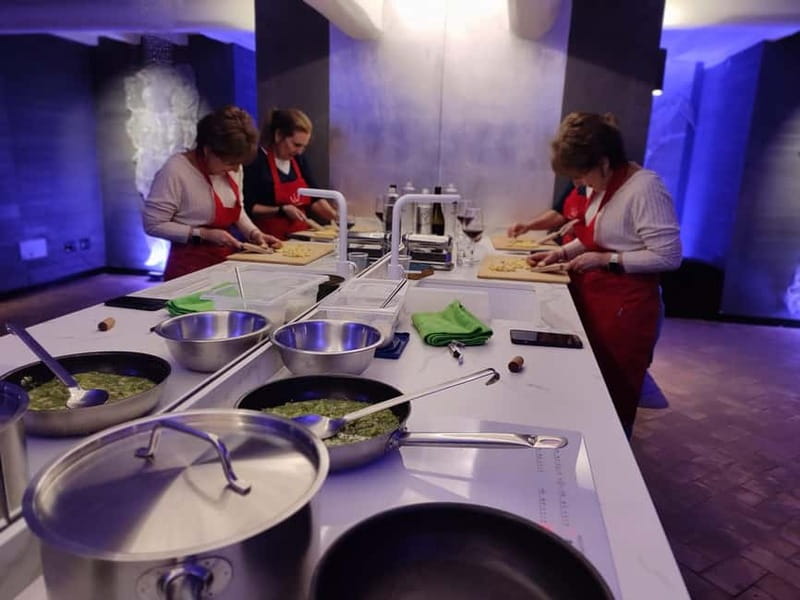
At $117 per person, this is not the cheapest way to eat pasta in Rome. You can find a plate of pasta for far less. The price becomes easier to justify when you count the two-and-a-half hours of instruction, the hands-on meal, wine, dessert, equipment, recipes, and keepsake.
The downloadable recipes have real value. Many cooking classes are enjoyable in the moment but hard to repeat once you return home. Here, you have a written reference for the pastas and sauces, so the experience can continue in your own kitchen.
The small group is another reason to consider the cost. A class capped at 10 should offer more direct help than a large demonstration. You are paying partly for access to the chef, not just for ingredients.
I would book this if you want a substantial food activity and plan to eat the meal provided. I would skip it if your main goal is simply tasting Roman pasta or if $117 feels high for lunch. The experience works best for people who enjoy doing the work, not just receiving the finished dish.
Dietary Needs and Practical Planning
Vegetarian options and dietary accommodations are available, but you must communicate food restrictions in advance. Do not wait until the class begins. The sauces and pasta preparations may need adjustment, and the provider needs time to plan safely.
The class is offered in English and Italian. If you understand either language, the instruction should be accessible according to the stated format. Ask about any special language concern before booking if you need more specific support.
Starting times vary, so check availability for the date you want. The activity lasts 2.5 hours, which makes it a substantial part of your day. Avoid scheduling it too close to another fixed appointment, especially if you want time to enjoy lunch and dessert without watching the clock.
The class includes equipment, so you do not need to bring cooking tools. You may want to wear comfortable clothing that you do not mind getting dusty with flour. That is practical advice rather than a stated dress rule, since hands-on dough work is the central activity.
Free cancellation is available up to 24 hours before the start time. You can also reserve now and pay later, which helps if your Rome schedule is still shifting. These terms are useful, but check the final booking details for the exact starting time and any current conditions.
Who Will Get the Most From This Class?
This is a strong choice for food-focused visitors who want a Roman activity beyond sightseeing. You learn recipes connected to Lazio, eat a meal you helped create, and leave with instructions you can use later.
It also suits families and groups of friends. The three pasta styles create enough tasks for everyone to take part, and the small class size should keep the session manageable. Children may enjoy the shaping and flour work, though the supplied information does not specify a minimum age, so ask before booking for young children.
Couples can use it as a relaxed midday or evening activity, especially if they prefer a shared experience to another restaurant meal. Solo participants can also fit in comfortably because the class is designed as a small group rather than a private session.
This may not suit you if you dislike cooking, have a very tight schedule, or want a highly formal meal. The experience is active and social. You will be handling dough and following instructions, with lunch coming after the preparation.
Should You Book This Roman Pasta Class?
Book it if you want to understand Roman pasta by making it yourself. The strongest features are the small group, the range of three pasta types, the two Lazio sauces, and the meal with Italian wine and dessert. Monica Sênior has also been singled out for her warm and professional teaching when she leads the session.
Think carefully about the $117 price. It is good value when you count the instruction, food, drinks, recipes, and keepsake, but it is not a bargain lunch. Tell the provider about dietary restrictions early, confirm the starting time, and leave enough room in your schedule for the full 2.5 hours.
For a practical, friendly introduction to Roman cooking, I would book it. For a quick taste of pasta without getting your hands messy, choose a restaurant instead.
FAQ
How long does the Roman pasta making class last?
The class lasts 2.5 hours, including the hands-on lesson and the meal.
How much does the class cost?
The listed price is $117 per person.
Which pastas will I make?
You will make ravioli, gnocchi, and cavatelli from scratch.
Which sauces are included in the lesson?
The class teaches cacio e pepe and amatriciana. Cacio e pepe uses Pecorino Romano and black pepper, while amatriciana uses guanciale, tomatoes, and Pecorino cheese.
Are food and drinks included?
Lunch, wine, and dessert are included. Extra drinks are not included.
What languages are available?
Instruction is available in English and Italian.
How many people can join the class?
The class is limited to 10 participants.
Can I cancel or pay later?
You can cancel up to 24 hours in advance for a full refund. You can also reserve your place and pay later.
Just added around Rome
- Rome: Pasta and tiramisu class with wine pairing at Come Na Vorta★ 5.0 · 30 reviews
- Spritz and Pasta! Spritz, Fettuccine & Tiramisù★ 5.0 · 2 reviews
- Rome: Vespa Tour with Photographer and Tiramisu treat★ 4.5 · 61 reviews
- Walking Tour & Pizza Making★ 4.0 · 2 reviews
- Trastevere Food Tour with Pasta-Making Class★ 5.0 · 5 reviews
- Rome: Private Vespa Tour and Professional Photoshoot★ 5.0 · 22 reviews
- Traditional Pasta Cooking Class with Tiramisu Small Group★ 5.0 · 7 reviews
- Tiramisu and Gelato Creation in Authentic Roman Dessert Workshop★ 4.5 · 3 reviews
Rome Pasta Classes, compared.
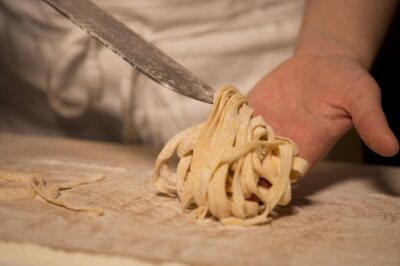
3 in 1 Cooking Class near Navona: Fettuccine, Ravioli & Tiramisu
Read our review →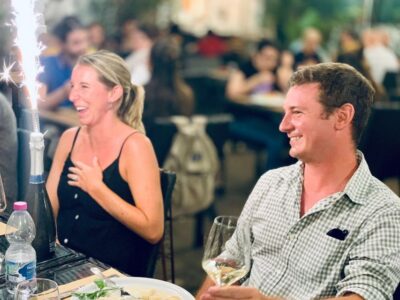
Pasta & Tiramisu Class with Fine Wine by the Vatican
Read our review →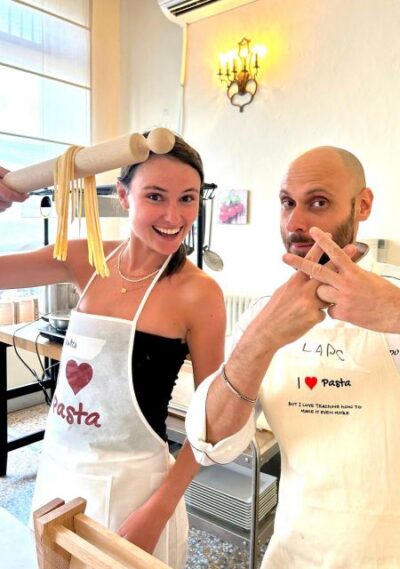
Pasta Making Class with Wine, Limoncello, and Dessert
Read our review →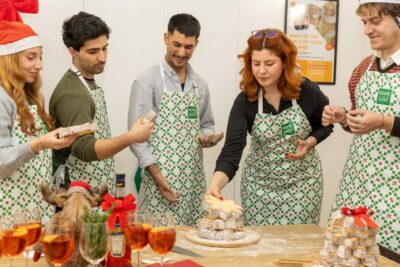
Rome Cooking Class: Make Pasta and 3 Spritz Cocktails
Read our review →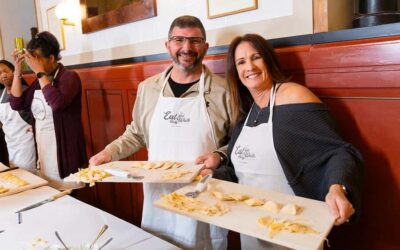
3-in-1 Fettuccine, Ravioli, and Tiramisu Cooking Class
Read our review →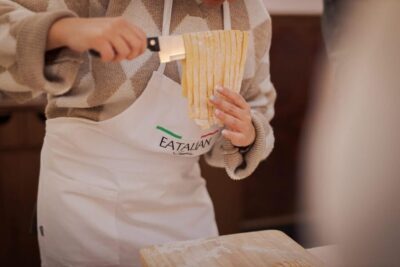
Fettuccine Pasta Cooking Class in Rome’s City Center
Read our review →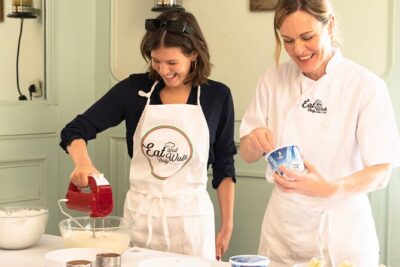
Learn to Make Pasta & Tiramisu with Wine and Limoncello Included
Read our review →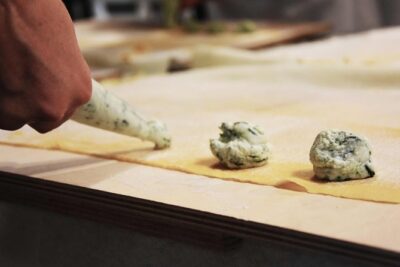
Become a Masterchef in Rome: Pasta, Ravioli and Tiramisù Class
Read our review →Browse the lists this tour appears in