
REVIEW · ROME
Professional Pizza Workshop in Rome With a Brilliant Italian Chef
The clever part of this Rome food class is that you do not need a wood-fired oven to make crisp, airy pizza. Chef Sandra shows you how a pan, stove, and broiler can do the job, which makes her advice useful long after your holiday ends.
I like the small group of up to six and the chance to cook in a local home instead of a formal school kitchen. I also like the menu: panzerotti, several rustic pizzas, and a proper Italian dessert give you a full meal, not just a single recipe.
The main consideration is the price, $130.04 per person, which is a serious spend for a three-hour evening. You are paying for personal instruction, ingredients, drinks or dining time, and the home-hosted setting, so this makes the most sense if you value conversation and hands-on cooking.
Key points at a glance
- Chef Sandra’s Italian background: She grew up in Tuscany, worked in Milan and Matera, and now hosts in Rome.
- No special oven required: You learn a practical pan, stove, and broiler method for thin, crunchy Roman-style pizza.
- A full evening meal: The menu includes fried panzerotti, pizza with several toppings, and a homemade Italian dessert.
- A genuinely small group: The class allows a maximum of six participants, keeping the cooking personal.
- A Roman home setting: You cook and eat alongside your host rather than sitting in a large commercial class.
- Useful food planning: You should report allergies, special diets, or other food restrictions when booking.
Meeting Chef Sandra in a Roman home
This class begins at 7:00 pm at Via S. Fabiano in Rome and ends at the same meeting point. The location is near public transportation, which matters for an evening activity. You can make your way there without needing to arrange a separate return point across town.
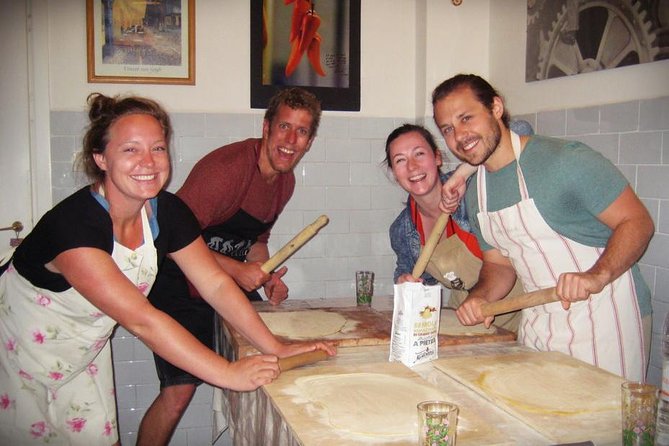
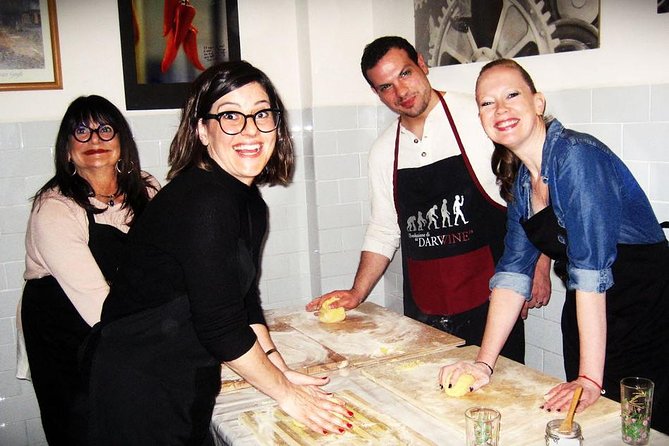
The home setting gives the evening a different feel from a standard cooking school. You are not just watching an instructor work at the front of a room. You are cooking and dining alongside Sandra, with space for no more than six participants.
That small limit is important. Pizza dough is hands-on work. You may need to watch a technique, ask how soft the dough should feel, or compare your result with someone else’s. A large class can turn that into a demonstration. Here, the format is better suited to direct help.
Sandra brings a broad regional background to the table. She grew up in Tuscany, spent time in Milan and Matera, and now lives in Rome. That gives her a useful base for discussing different Italian food traditions, especially since the workshop includes rustic pizzas associated with several parts of Italy.
Do not expect a formal lecture on every regional style. The focus is practical cooking. You will learn by preparing food, hearing Sandra’s tips, and sitting down to eat what you made.
More Pizza Making Classes in Rome
- Cooking Class in the Heart of Rome: Pizza and Tiramisu Making
★ 5.0 · 1,330 reviews - Rome: Combo Pizza and Pasta Cooking Class with Wine
★ 4.6 · 1,180 reviews - Rome: Pizza & Tiramisu Class with Free Flowing Fine Wine
★ 5.0 · 973 reviews
The first taste: fried panzerotti
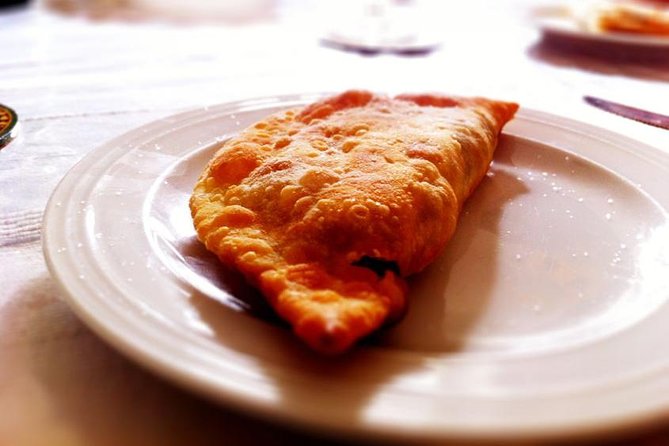
The evening begins with fried panzerotti stuffed with tomatoes, salame piccante, and cheese. This is a good opening dish for the class because it introduces the basic pleasures of Italian home cooking in a compact form: a simple dough, a savory filling, and hot food shared at the table.
The spicy salame gives the filling more bite than a plain cheese turnover. If you enjoy strong flavors, this starter should set the right tone. If you have dietary restrictions, be clear about them before the class, since this menu includes meat, dairy, and wheat.
Panzerotti also give you a useful contrast with the pizza that follows. The starter is filled and fried, while the main dish depends on dough, topping balance, and controlled cooking. That variety helps the meal feel like a complete cooking evening rather than a single long lesson about one food.
The details of the panzerotti method are not specified, so you should not book expecting a fixed technical lesson on folding or frying temperatures. The dependable point is that you will help prepare a traditional stuffed starter and eat it as part of the meal.
Making thin Roman-style pizza without a wood-fired oven
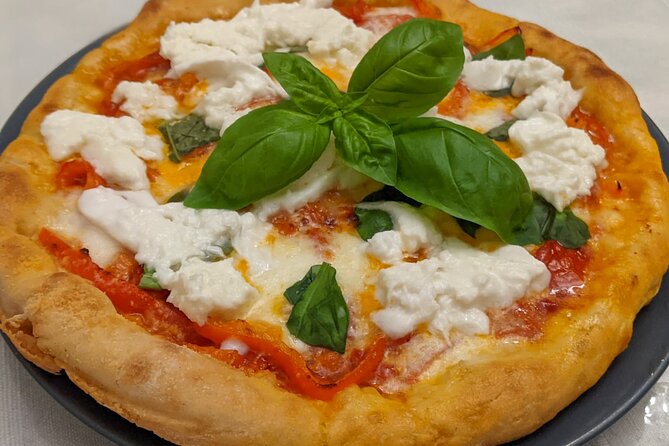
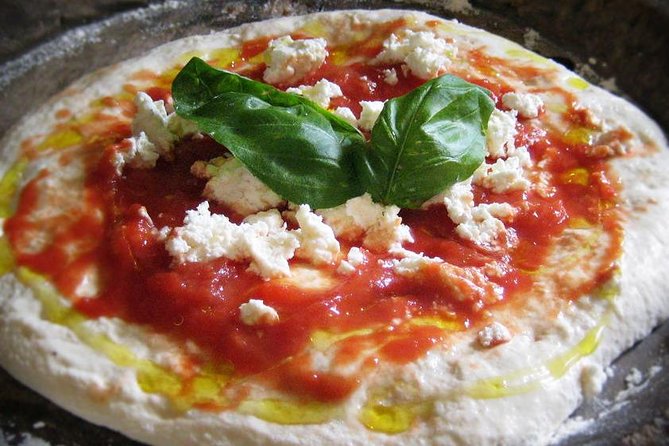
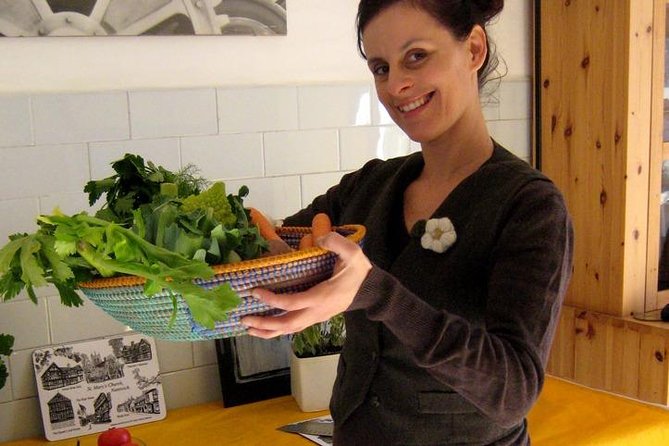
Pizza is the heart of the class. Sandra teaches you to make several rustic Italian pizzas using tender organic wheat flour, organic peeled tomatoes, basil, mozzarella di bufala D.O.P., prosciutto, and vegetables.
The ingredient list gives you plenty to work with. The flour is described as soft and sweet, the tomatoes provide the base, and the toppings range from fresh basil and buffalo mozzarella to prosciutto and vegetables. You can expect to see how different toppings affect the finished pizza rather than treating every pizza as the same recipe.
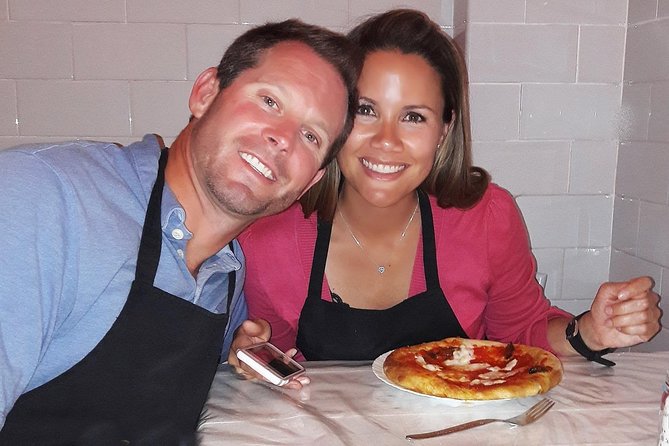
The most useful lesson is the cooking method. A detailed practical point from the experience is that you do not need a fancy pizza oven. A pan, a stove, and a broiler can produce a thin-crust pizza that is airy and crunchy.
That is a big advantage for home cooks. Many pizza classes teach techniques that depend on equipment most people do not own. Sandra’s approach gives you a better chance of repeating the recipe in an ordinary kitchen. You can return home with a method that feels realistic, not a memory of watching dough disappear into a restaurant oven.
The phrase Roman-style matters here. The pizza is described as thin, airy, and crunchy, rather than thick and bready. If you prefer a heavy, soft crust, this may not be the style you want. If you like a lighter base with a crisp finish, the workshop is better matched to your taste.
You should also expect to work with more than one topping combination. The menu lists tomatoes, basil, buffalo mozzarella, prosciutto, and vegetables, while the class description refers to several rustic pizzas. The exact order and number of pizzas can vary, but the format is clearly designed to show how a base recipe can support different regional or household variations.
Why the ingredients matter
The food list is not padded with generic supermarket toppings. Organic flour and peeled tomatoes form the backbone of the dough and sauce. Buffalo mozzarella with D.O.P. certification brings a more specific Italian ingredient to the table, while basil, prosciutto, and vegetables give you a mix of fresh, salty, creamy, and savory flavors.
You do not need to memorize every brand or product name to benefit from this. Pay attention to proportions and restraint. Pizza is easy to overload, and a thin base can become soggy under too much sauce or cheese. The class gives you a chance to see how a few good ingredients can do more work than a crowded topping list.
This is also where Sandra’s background may add value. Her experience across Tuscany, Milan, Matera, and Rome suggests that she can place the food in a broader Italian context. The useful part for you is not a long regional history lesson. It is learning why one dough or topping choice suits one style better than another.
Because the group is small, you can ask about substitutions and home cooking. Still, ingredient changes should be discussed before arrival, especially for allergies or special diets. The booking information specifically asks participants to communicate those needs.
Same kitchen, a different thing to make:
- 3 in 1 Cooking Class near Navona: Fettuccine, Ravioli & Tiramisu
★ 5.0 · 7,376 reviews - Rome: Pasta & Tiramisu Class with Fine Wine by the Vatican
★ 4.9 · 4,852 reviews - Rome: Pasta Making Class with Wine, Limoncello, and Dessert
★ 4.9 · 3,177 reviews - Rome Cooking Class: Make Pasta and 3 Spritz Cocktails
★ 5.0 · 2,937 reviews
Dessert turns the lesson into dinner
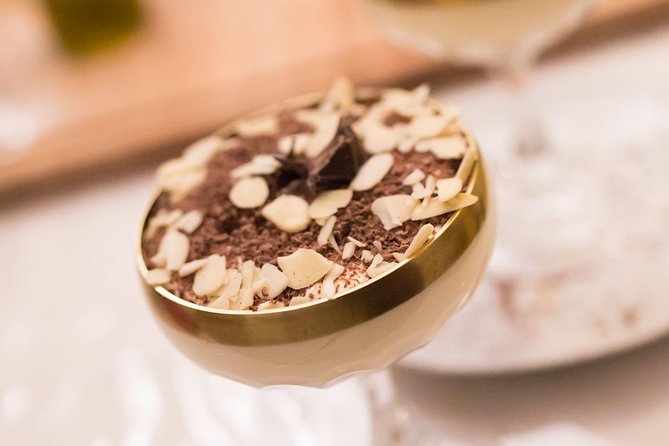
After the savory dishes, the meal finishes with an Italian dessert. Options include tiramisu, panna cotta with chocolate or other flavors, or different kinds of homemade gelato.
The exact dessert is not guaranteed, so you should treat this as a selection rather than a fixed final course. Each option gives the evening a different finish. Tiramisu is familiar and coffee flavored, panna cotta is softer and creamier, and homemade gelato offers a cooler, lighter ending.
This final course also adds value to the overall format. You are not leaving after the dough is cooked. You get to sit down and enjoy a full menu that includes a starter, main course, and dessert. For people who like food as a social activity, that dining time may be as important as the instruction.
The class description makes clear that Sandra enjoys hosting and meeting people at home. That means conversation is part of the experience, though the amount will depend on the group. If you want a fast, tightly timed lesson with no extra chat, a home dinner may feel less efficient. If you enjoy lingering over food, it is a good fit.
What the three-hour timing feels like
The workshop lasts about three hours and begins at 7:00 pm. That places the class firmly in the evening rather than in the middle of a sightseeing day.
A three-hour session is long enough for hands-on preparation and a seated meal, but you should not expect a professional culinary course covering every pizza style in Italy. The emphasis is on a few useful recipes and a relaxed home-hosting experience.
I would plan your day with care. Do not schedule a major evening attraction immediately afterward. The class ends back at the meeting point, but the cooking and dining pace may not suit a rushed connection. Since the activity begins at 7:00 pm, it can work well as your main evening plan.
The timing also affects your meal planning. You will be eating a starter, pizza, and dessert, so arrive ready for dinner rather than treating this as a small snack stop. If you have food restrictions, share them ahead of time instead of trying to manage them at the table.
Is $130.04 a fair price?
At $130.04 per person, this is not a cheap way to eat pizza in Rome. You can find pizza for far less. The question is what you are buying beyond the food.
You are paying for a three-hour class, a small group, instruction from a chef who has lived and worked in several parts of Italy, fresh ingredients, a full meal, and access to a private home setting. You also take away a method that can work without a specialized oven. That last point improves the value for anyone who genuinely wants to cook the recipes again.
The price is harder to justify if you only want dinner. A pizzeria will be more efficient and much less expensive. It is also less likely to give you the personal guidance, regional context, and practical home-cooking tips that make this experience different.
I would judge the price by your interests. Food-focused visitors, couples, and small groups who enjoy cooking may find the cost reasonable for a special evening. Someone looking for the lowest-cost Roman meal should skip it.
The maximum of six participants helps protect the value. You are not paying the same price for a place in a crowded room. The class is built around direct participation, and the small size gives Sandra a better chance to answer questions and help with the work.
Who should book this pizza workshop?
This is a strong choice for you if you like to cook, ask questions, and eat what you prepare. It also suits people who want a social evening in a local home rather than another restaurant meal.
Families and mixed-age groups should consider their own cooking interests before booking. The supplied information does not set a minimum age or describe special arrangements for children, so you should confirm those details if they matter to your group.
The workshop is also useful for home cooks who believe good pizza requires a wood-fired oven. The pan, stove, and broiler method is the most practical takeaway. You can test it in your own kitchen without buying new equipment.
It is less suitable if you need a rigid schedule, dislike group meals, or want a guaranteed dessert and topping combination. The menu gives several possibilities, but the exact dessert is flexible. The home setting may also include more conversation and a slower pace than a standard class.
Service animals are allowed, and the meeting point is near public transportation. Those details help with planning, but you should still communicate any special needs before the class.
Booking and cancellation details to know
Confirmation is provided when you book, and the activity is offered in English. It is normally booked about 17 days ahead, so leaving this until the last minute may reduce your choice of dates.
You can cancel for a full refund up to 24 hours before the 7:00 pm start time. Cancellations or changes made less than 24 hours before the activity are not accepted for a refund. Cutoff times use Rome’s local time.
The class requires a minimum number of participants. If that minimum is not reached and the activity is canceled, you will be offered another date or experience, or a full refund.
FAQ
Where does the pizza workshop take place?
The class takes place at Via S. Fabiano, 00165 Roma RM, Italy, in Sandra’s local Roman home.
What time does the class begin?
The workshop begins at 7:00 pm.
How long does the experience last?
It lasts approximately three hours.
How many people can join?
The activity allows a maximum of six participants.
Is the workshop offered in English?
Yes. The experience is offered in English.
What food will I make?
The menu includes fried panzerotti with tomatoes, salame piccante, and cheese, followed by rustic pizzas with ingredients such as organic flour, peeled tomatoes, basil, buffalo mozzarella, prosciutto, and vegetables.
What dessert is included?
The dessert may be tiramisu, panna cotta with chocolate or other flavors, or different types of homemade gelato.
Can I cancel for a full refund?
Yes. You can cancel at least 24 hours before the local start time for a full refund. Cancellations or changes made less than 24 hours before the start are not accepted for a refund.
Should you book it?
Book this workshop if you want more than a pizza dinner. The small group, home setting, full menu, and practical pan-and-broiler method give you a useful evening with something to take home besides a full stomach.
Skip it if your main goal is inexpensive pizza or a quick meal. At $130.04, the value depends on your interest in cooking and conversation. For food lovers who want to learn from Sandra and make Roman-style pizza with ordinary kitchen equipment, it is a thoughtful choice.
More Chef-Led Classes in Rome
- Rome Cooking Class: Make Pasta, Dine & Drink Wine With Local Chef
★ 5.0 · 1,263 reviews - 2-in-1 Pasta and Tiramisu Cooking Masterclass in Rome
★ 5.0 · 832 reviews - Pasta Fettuccine, Ravioli and Tiramisu MasterClass
★ 5.0 · 391 reviews - Fettuccine and Tiramisu Masterclass in the Heart of Rome
★ 5.0 · 366 reviews
Just added around Rome
- Rome: Pasta and tiramisu class with wine pairing at Come Na Vorta★ 5.0 · 30 reviews
- Spritz and Pasta! Spritz, Fettuccine & Tiramisù★ 5.0 · 2 reviews
- Rome: Vespa Tour with Photographer and Tiramisu treat★ 4.5 · 61 reviews
- Walking Tour & Pizza Making★ 4.0 · 2 reviews
- Trastevere Food Tour with Pasta-Making Class★ 5.0 · 5 reviews
- Rome: Private Vespa Tour and Professional Photoshoot★ 5.0 · 22 reviews
- Traditional Pasta Cooking Class with Tiramisu Small Group★ 5.0 · 7 reviews
- Tiramisu and Gelato Creation in Authentic Roman Dessert Workshop★ 4.5 · 3 reviews
Rome Pasta Classes, compared.
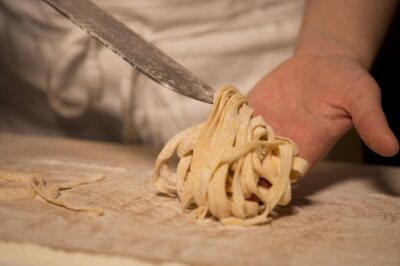
3 in 1 Cooking Class near Navona: Fettuccine, Ravioli & Tiramisu
Read our review →
Pasta & Tiramisu Class with Fine Wine by the Vatican
Read our review →
Pasta Making Class with Wine, Limoncello, and Dessert
Read our review →
Rome Cooking Class: Make Pasta and 3 Spritz Cocktails
Read our review →
3-in-1 Fettuccine, Ravioli, and Tiramisu Cooking Class
Read our review →
Fettuccine Pasta Cooking Class in Rome’s City Center
Read our review →
Learn to Make Pasta & Tiramisu with Wine and Limoncello Included
Read our review →
Become a Masterchef in Rome: Pasta, Ravioli and Tiramisù Class
Read our review →Browse the lists this tour appears in