
REVIEW · ROME
Professional Lab Pasta Experience
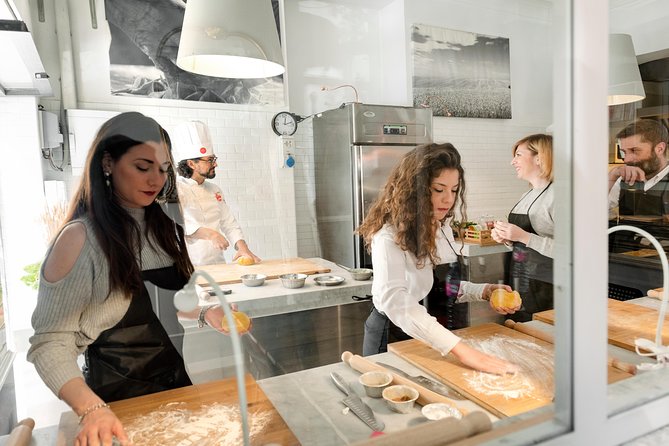
Rome’s Professional Lab Pasta Experience gets straight to the good stuff: you make pasta by hand, cook what you create, and sit down to eat it with Italian wine. Chef Angelo leads the class, with Emanuele and other kitchen staff sometimes helping, and the small group size means you get close guidance rather than a quick demonstration.
I like the range of techniques, from mixing different flours to shaping three kinds of ravioli, tortellini, and fettuccine. I also like the practical touches: food-cutting safety, special care for gluten-free and vegan diners, a chef’s hat to keep, and a fast tiramisu at the end. The main consideration is pace. Three hours of hands-on work, cooking, and eating can feel long if you want a short evening activity, and the sauce offered varies by weekday.
Key points to know before booking
- A real pasta workshop: You work from flour and dough rather than simply watching a chef roll noodles.
- A very small class: The listed maximum is four people, allowing Chef Angelo to watch your technique and make corrections.
- Several pasta shapes: The class covers ravioli, tortellini, fettuccine, and thin pasta sheets.
- A complete meal: Cheese, Prosecco, a special appetizer, homemade ham, cooked pasta, sauces, wine, and tiramisu are included.
- Useful for families: Children and teenagers have taken part successfully, with no previous cooking skill required.
- Dietary flexibility: Gluten-allergic and vegan diners can be accommodated, but you should identify your needs when booking.
Why this Rome cooking class feels different
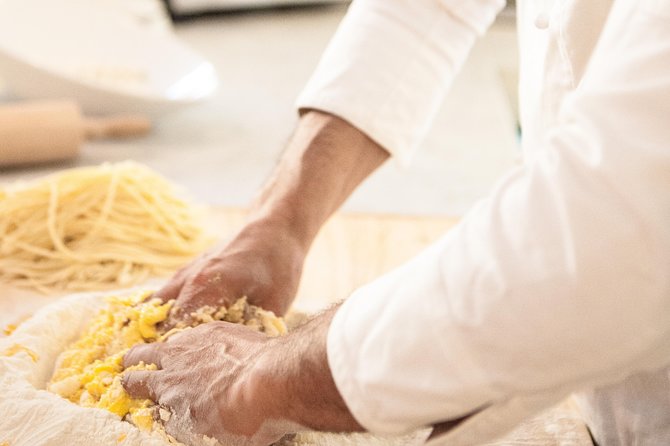
Many pasta classes give you one dough, one shape, and a plate of food. This one packs more technique into the same evening. You begin with handmade pasta using several flours, including spelt, buckwheat, and wholemeal flour. That gives you a better sense of how flour changes texture, flavor, and handling.
You then move through thin pasta sheets, filled pasta, and cut noodles. The point is not just to make dinner. You learn how the dough behaves, how to cut safely, and how to shape pasta without tearing it or filling it too heavily.
That practical approach is the strongest reason to book. Chef Angelo demonstrates each step, then watches you try it. The class is designed for beginners, but experienced cooks can still pick up useful details about shaping, cutting, and sauce preparation.
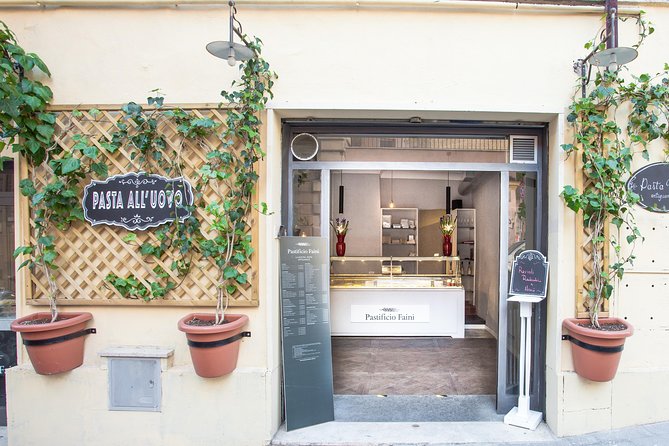
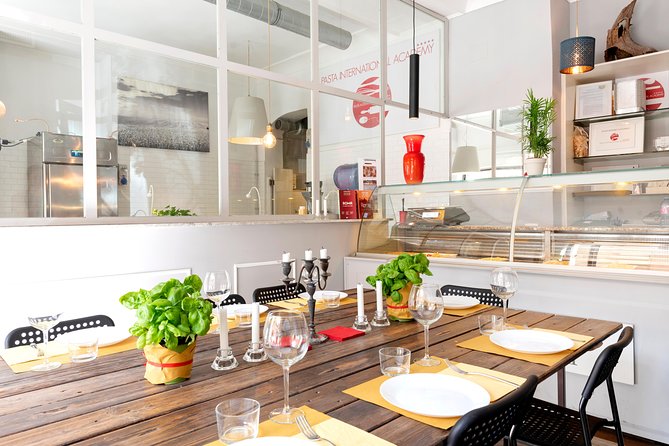
The setting also helps. The workshop is at Ass. Culturale Pasta International Academy, connected with Pastificio Faini, at Via dei Latini 13 in Rome. The space has a dedicated work area and a separate dining area, with a clean, polished design and a warm table setting. Music plays while you work, which keeps the class from feeling like a school lesson.
A few more classes around Rome worth a look
- 3 in 1 Cooking Class near Navona: Fettuccine, Ravioli & Tiramisu
★ 5.0 · 7,376 reviews - Rome: Pasta & Tiramisu Class with Fine Wine by the Vatican
★ 4.9 · 4,852 reviews - Rome: Pasta Making Class with Wine, Limoncello, and Dessert
★ 4.9 · 3,177 reviews
Working with spelt, buckwheat, and wholemeal flour
The first stage is the foundation: handmade pasta dough. Instead of limiting you to the usual white flour, the class introduces several types, including spelt, buckwheat, and wholemeal flour.
This is useful for two reasons. First, you learn that pasta is not one fixed recipe. Flour absorbs moisture differently, so dough can feel softer, rougher, or more fragile depending on what you use. Second, you leave with ideas you can test at home instead of copying one dish exactly.
The dough becomes thin pasta sheets, which are then used for filled shapes and cut noodles. If you have never made pasta before, this is the part where patient instruction matters most. Rolling and thinning dough takes feel, not just a written recipe. Chef Angelo’s teaching style includes watching your hands and correcting technique as you work.
You should expect to use your hands and spend much of the class standing or working at the table. This is not a demonstration where you sit back with a drink while someone else cooks.
Ravioli, tortellini, and fettuccine on the same table
The class covers three types of ravioli, tortellini, and fettuccine. That is a generous amount for a three-hour session, but the steps are broken into manageable tasks.
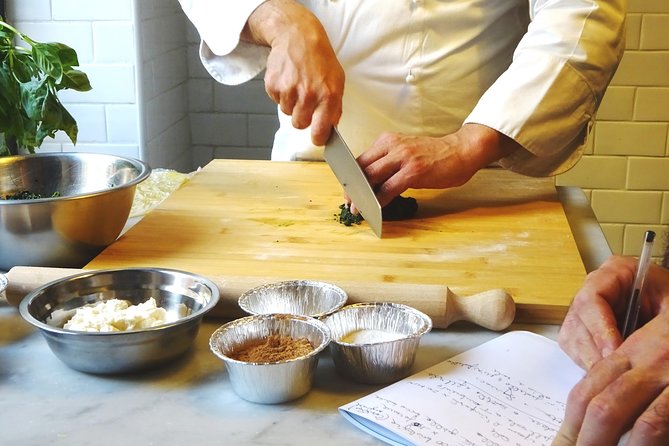
Filled pasta teaches precision. You need enough filling to make the pasta satisfying, but not so much that the edges will not seal. You also need to press out air and cut cleanly. The tortellini adds another fold and shape, while fettuccine shows the difference between filled pasta and a simple cut noodle.
The small-group format is especially valuable here. With a maximum of four people, the chef can see if your dough is too thick, your filling is misplaced, or your cuts are uneven. That kind of correction is hard to get in a large cooking class.
A safety explanation for cutting is part of the program. It may sound minor, but it is the kind of detail that makes the class useful at home. You are learning how to handle tools properly while working quickly with dough.
Some people will love the variety. Others may prefer a slower class focused on one traditional shape. If your main goal is to master one pasta style in depth, this class may feel busy. If you want a broad introduction to Roman pasta-making skills, the range is a strong point.
Cooking the pasta and eating the work
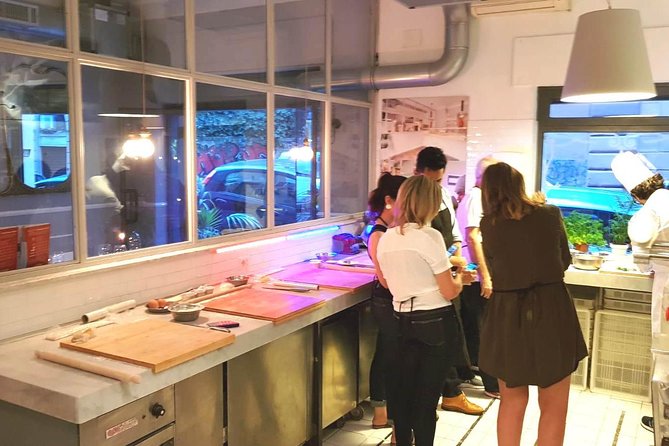
The class does not end when the pasta is shaped. The team cooks the pasta and sauces made during the lesson, then serves it as your meal.
That makes the evening feel like both a workshop and a dinner. You get to see how fresh pasta cooks, how the sauce clings to it, and how timing matters. Fresh pasta can behave differently from dried pasta, so this final stage links the handwork to the plate.
The meal begins with Italian cheese and Prosecco, plus a special appetizer from Chef Angelo. There is also a tasting of hand-cut homemade ham. After the pasta is cooked, you eat the different shapes with two typical Italian sauces and sip Italian wine.
The food component adds real value to the $77.40 price. You are not paying only for instruction. You are also receiving a substantial meal, drinks, dessert, ingredients, and a small take-home gift. The price is higher than a simple market demonstration, but reasonable if you would otherwise spend money on a full Roman dinner.
The meal is also a social part of the class. The table is separate from the work area, and the space is arranged for conversation. That works well for couples, families, and solo diners who want an activity that makes it easy to meet the other people in the room.
Same kitchen, a different thing to make:
- Rome Cooking Class: Make Pasta and 3 Spritz Cocktails
★ 5.0 · 2,937 reviews - Rome: 3-in-1 Fettuccine, Ravioli, and Tiramisu Cooking Class
★ 4.9 · 2,704 reviews - Rome: Fettuccine Pasta Cooking Class in Rome’s City Center
★ 4.8 · 2,414 reviews - Learn to Make Pasta & Tiramisu with Wine and Limoncello Included
★ 5.0 · 2,345 reviews
The sauce schedule needs a quick check
The class includes two sauces, with a different sauce focus depending on the weekday. The published schedule lists carbonara from Monday through Saturday and Cacio e Pepe on Tuesday, Wednesday, Thursday, and Friday. Since those descriptions overlap, confirm the sauce planned for your date if one of these Roman classics matters to you.
Carbonara gives you a rich, egg-based Roman preparation. Cacio e Pepe is simpler on paper but depends on careful handling of cheese, pasta water, and heat. Both are useful sauces to learn because they rely on technique more than a long ingredient list.
The wider program remains the same, but the weekday variation gives returning visitors a reason to book again. It also means you should not assume every class produces exactly the same menu.
Tiramisu and the chef’s hat
A quick tiramisu preparation follows the pasta meal. It is described as an express version, so do not expect a long pastry lesson. Instead, it gives the evening a sweet finish and lets you take part in one more Italian classic.
Each participant also receives a professional chef’s hat with the Pastificio Faini logo at no extra charge. It is a modest souvenir, but a useful one for a class that aims to send you home ready to cook.
The most important souvenir is the practical knowledge. Instructions and recipes are provided, and the class is built so you can repeat the work later. Several families have gone shopping for ingredients or a pasta rolling pin soon after returning home. That is a good sign for anyone who wants a skill rather than a one-night photo opportunity.
Chef Angelo and the teaching style
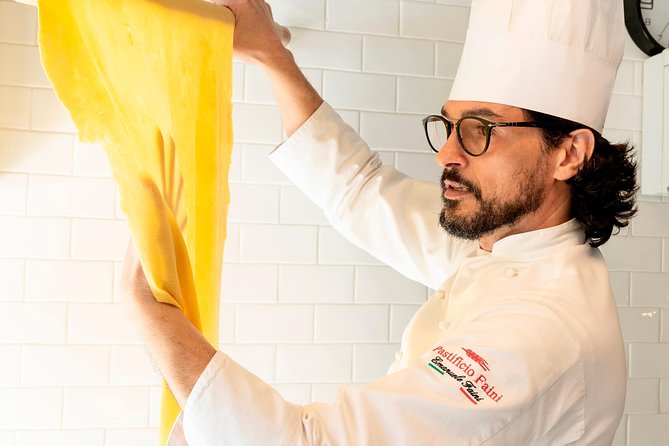
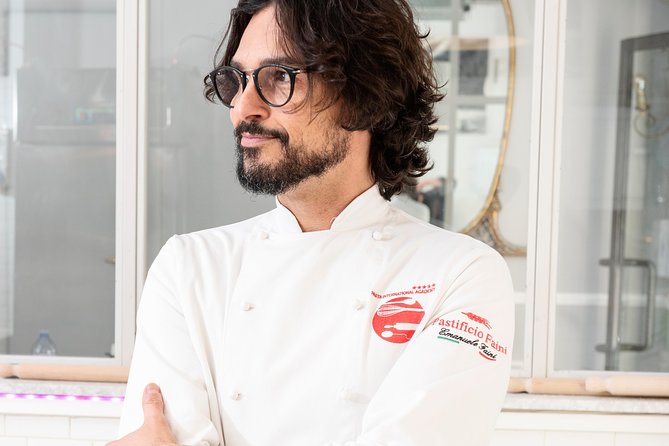
Chef Angelo is the main name attached to the experience. His role is more than giving a quick lecture. He demonstrates, explains, observes, and corrects. That matters when you are learning dough work, since small changes in pressure or thickness can affect the result.
Emanuele Faini is the experience provider, and Emanuele, Chef Suleman, and Chef Manuel have also been part of the teaching team in different sessions. The exact staff may vary, but the common thread is a friendly, active style rather than a formal cooking-school lecture.
The instruction is offered in English and Italian. English-speaking participants should be able to follow the class, and the activities are visual and hands-on, which helps even when kitchen vocabulary is unfamiliar.
The tone is playful and social. Music plays, the chefs remember names, and the atmosphere is intended to keep beginners relaxed. That is particularly helpful for children and teenagers, who may lose interest during a long verbal explanation but usually enjoy shaping and cutting pasta.
Who will enjoy the three-hour format
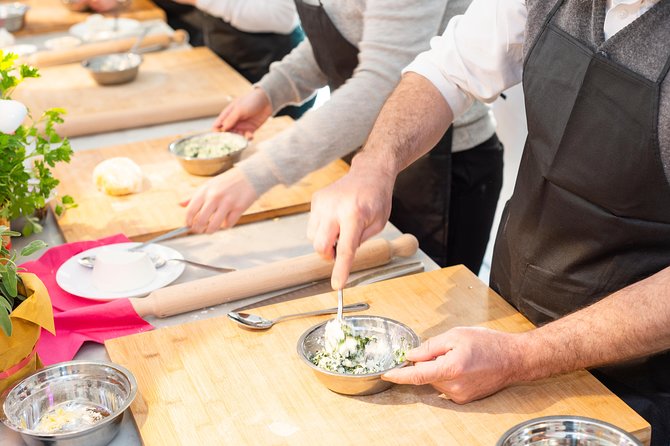
This is a good pick for:
- Couples who want a dinner with an activity built into it
- Families with children or teenagers
- Solo visitors who like small, social classes
- Beginners who want close instruction
- Experienced cooks who want to practice Italian pasta shapes
- Diners with gluten allergies or vegan diets, provided needs are arranged ahead of time
The class has worked well for families with children as young as seven and teenagers aged 15 and 17. That does not mean every child will enjoy every stage. Young participants need to be comfortable with a three-hour activity and hands-on kitchen work.
It is less suitable if you want a quick tasting, a short demonstration, or a quiet fine-dining meal. The class is active, friendly, and practical. You should expect flour, dough, tools, conversation, and a fair amount of time at the worktable.
Location, timing, and practical details
The meeting point is Ass. Culturale Pasta International Academy, Via dei Latini 13, 00185 Rome. The location is near public transportation, and the activity begins and ends at the same meeting point.
Plan for about three hours. The length includes the lesson, shaping pasta, cooking, the meal, wine, and tiramisu. Because the class is hands-on, arriving late could mean missing an important dough or shaping step, so allow time to reach the address.
The experience is offered in English and Italian and uses a mobile ticket. Confirmation is provided when you book. The maximum listed group size is four people, which is one of the most important details to check before paying. A tiny group changes the value of the class because you receive more direct attention than in a large workshop.
Free cancellation is available if you cancel at least 24 hours before the local start time. Cancellations or changes made inside that window are not refunded or accepted.
Is $77.40 a fair price?
At $77.40 per person, this is not the cheapest food activity in Rome. It is also not just a lesson. The fee covers roughly three hours, several pasta shapes, different flours, sauces, appetizers, cheese, Prosecco, homemade ham, wine, tiramisu, instruction, and the chef’s hat.
The maximum of four people is the key value point. A larger class might offer the same food at a lower price, but it would not provide the same level of correction and personal help. If you want to leave able to repeat the recipes, that extra attention is worth paying for.
I would also compare the cost with a normal Roman dinner. You receive both a meal and an evening activity, rather than spending the same amount on dinner alone. The value is strongest for families and couples who would otherwise book a separate cooking lesson and restaurant meal.
Should you book the Professional Lab Pasta Experience?
Book it if you want to do more than eat pasta in Rome. You will make several shapes, work with different flours, learn practical cutting and shaping methods, cook your own food, and finish with wine and tiramisu.
The strongest reasons to choose it are the tiny group, Chef Angelo’s hands-on teaching, and the full meal. It is also a smart option for families because teenagers and younger children can take part instead of simply waiting through a food tour.
Think twice if you dislike long cooking sessions or want a focused lesson on one dish. The class covers a lot, and the three-hour schedule is part of the deal. For most pasta fans, though, the combination of instruction, dinner, and a skill you can use at home makes the $77.40 price a solid buy.
FAQ
How long does the pasta experience last?
The experience lasts approximately three hours, including the pasta lesson, cooking, meal, wine, and tiramisu.
Where does the class meet?
It begins and ends at Ass. Culturale Pasta International Academy, Via dei Latini 13, 00185 Rome, Italy.
Is the class offered in English?
Yes. The available languages are English and Italian.
What pasta will I make?
The class includes thin pasta sheets, three types of ravioli, tortellini, and fettuccine. You also work with different flours, including spelt, buckwheat, and wholemeal flour.
Can gluten-allergic or vegan diners take part?
Yes. Gluten-allergic and vegan participants can be accommodated. You should provide those details when booking.
What is the cancellation policy?
You can cancel at least 24 hours before the local start time for a full refund. Cancellations or changes made less than 24 hours before the start are not accepted or refunded.
Just added around Rome
- Rome: Pasta and tiramisu class with wine pairing at Come Na Vorta★ 5.0 · 30 reviews
- Spritz and Pasta! Spritz, Fettuccine & Tiramisù★ 5.0 · 2 reviews
- Rome: Vespa Tour with Photographer and Tiramisu treat★ 4.5 · 61 reviews
- Walking Tour & Pizza Making★ 4.0 · 2 reviews
- Trastevere Food Tour with Pasta-Making Class★ 5.0 · 5 reviews
- Rome: Private Vespa Tour and Professional Photoshoot★ 5.0 · 22 reviews
- Traditional Pasta Cooking Class with Tiramisu Small Group★ 5.0 · 7 reviews
- Tiramisu and Gelato Creation in Authentic Roman Dessert Workshop★ 4.5 · 3 reviews
Rome Pasta Classes, compared.
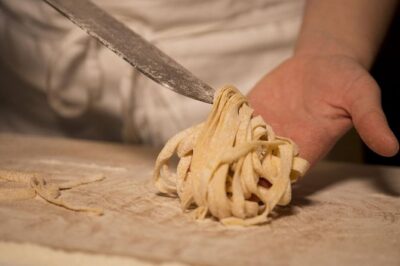
3 in 1 Cooking Class near Navona: Fettuccine, Ravioli & Tiramisu
Read our review →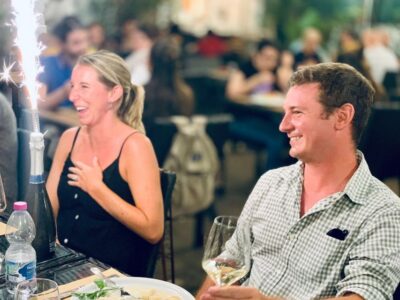
Pasta & Tiramisu Class with Fine Wine by the Vatican
Read our review →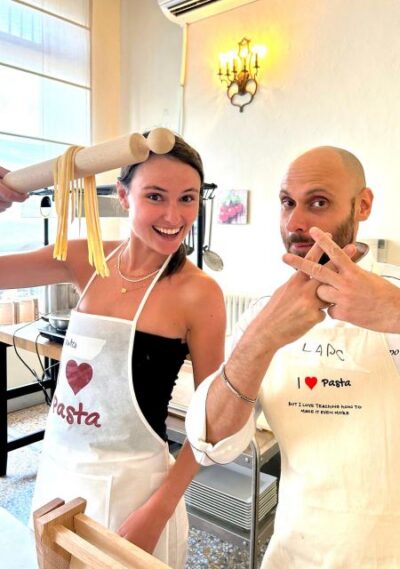
Pasta Making Class with Wine, Limoncello, and Dessert
Read our review →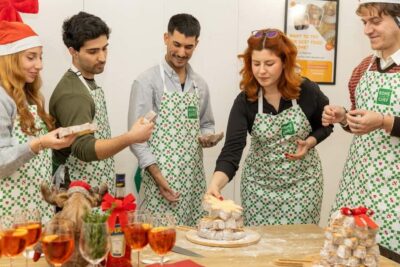
Rome Cooking Class: Make Pasta and 3 Spritz Cocktails
Read our review →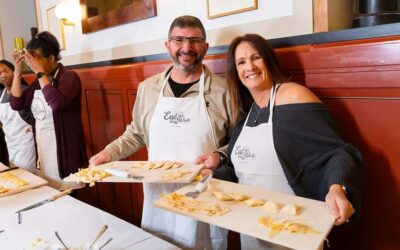
3-in-1 Fettuccine, Ravioli, and Tiramisu Cooking Class
Read our review →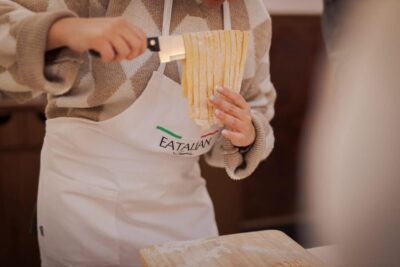
Fettuccine Pasta Cooking Class in Rome’s City Center
Read our review →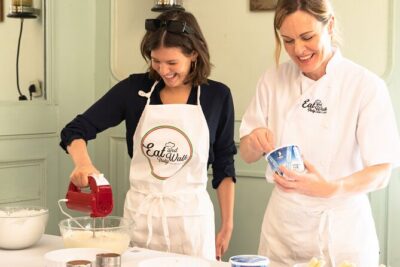
Learn to Make Pasta & Tiramisu with Wine and Limoncello Included
Read our review →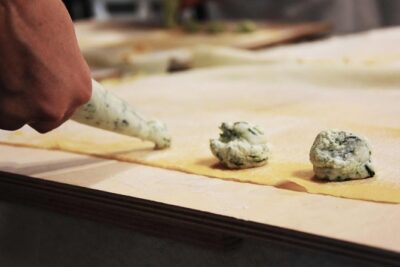
Become a Masterchef in Rome: Pasta, Ravioli and Tiramisù Class
Read our review →Browse the lists this tour appears in