
REVIEW · NAPLES
Neapolitan pasta homemade Cooking Lesson
The best part of this Naples class is the old-fashioned method: you roll the egg dough with a pin, shape the pasta by hand, and skip the machines. You also taste Vesuvian tomatoes and homemade bread while the dough rests, so the lesson connects technique with the quality of local ingredients.
I like the hands-on work and the useful range of shapes. You make ravioli and fettuccine, then see how the same dough becomes tagliolini and pappardelle. I also like that the class ends with your own pasta lunch and wine, not just a demonstration.
The main caution is value. At $90.76 per person, this is a short, beginner-friendly class, not a full culinary course. The stated duration is about two hours, and some of that time includes tasting and eating. If you already make fresh pasta at home, you may want a more advanced lesson.
Key points to know before booking
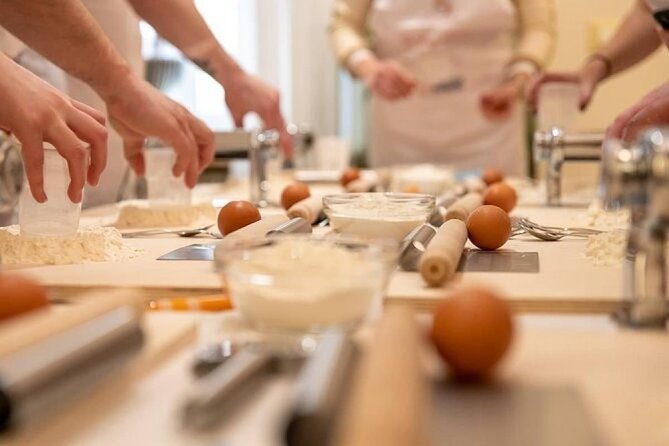
- Traditional rolling-pin technique: You make the dough without pasta machinery, following methods associated with older Neapolitan home cooking.
- Several pasta shapes: Ravioli and fettuccine are the main projects, with tagliolini and pappardelle also demonstrated.
- Local tasting while the dough rests: Vesuvian tomatoes, organic products, and homemade bread help explain why simple Italian cooking depends on good ingredients.
- Lunch is part of the lesson: You eat the fettuccine and ravioli you prepared, with wine and a soft drink included.
- Best for beginners: The class is practical and friendly, but experienced home cooks may find the instruction basic.
- Small stated price, potentially large group: The maximum is 35 people, so ask about the group size if personal attention matters to you.
Making Neapolitan pasta with an old family recipe
This is a practical cooking session rather than a formal restaurant demonstration. You work through the basic stages of fresh egg pasta, from understanding the dough to cutting and filling it.
The instructor first explains the differences between types of pasta and introduces the ingredients used in the family recipe. That opening matters because fresh pasta is not just flour, eggs, and effort. The balance of ingredients affects how the dough stretches, holds filling, and cooks.
The recipe is presented as an old family method connected with the pasta dough of the 1800s. That does not mean you are stepping into a museum piece. It means the lesson favors a simple process that relies on touch, timing, and a rolling pin rather than electric equipment.
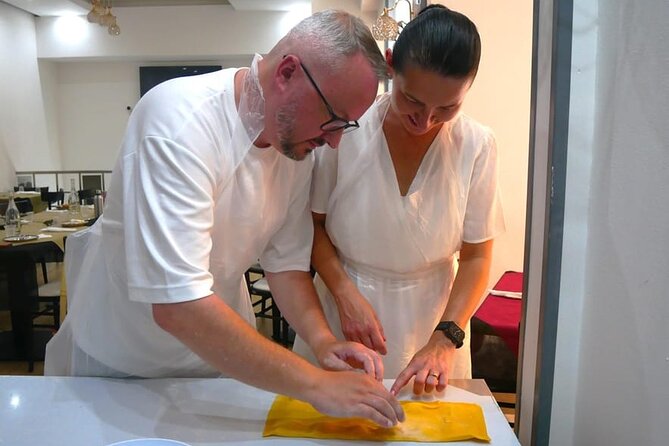
You should expect to work with the dough yourself. This is important for anyone comparing classes in Naples. Some cooking activities put you near the action while the instructor does the difficult parts. Here, the stated plan is for you to roll, cut, fill, and shape the pasta.
A few more classes around Naples worth a look
- Naples: Pizza-Making Workshop with Drink and Appetizer
★ 4.9 · 5,411 reviews - Authentic Pizza Making Class in Naples with Appetizers and Drink
★ 5.0 · 3,178 reviews - Naples: Pasta Making Class with Starter and Drink
★ 4.9 · 1,060 reviews
A closer look at the two-hour schedule
The class lasts approximately two hours. The timing is compact, so the session moves from explanation to preparation without much room for a slow, multi-course meal.
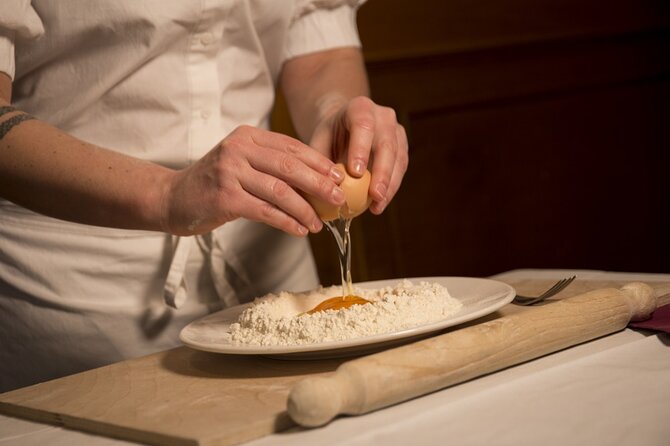
The first stage covers pasta types and the ingredients in the dough. You then prepare the egg pasta according to the family recipe. Once mixed, the dough needs time to rest. That pause is put to use with a local starter.
The tasting includes organic products, tomatoes from Vesuvius, and homemade bread. I like this part because it shows the reason Italian cooks can keep recipes simple. A tomato with good flavor and bread made well need little decoration. You are not only waiting for the dough. You are learning what the finished dish depends on.
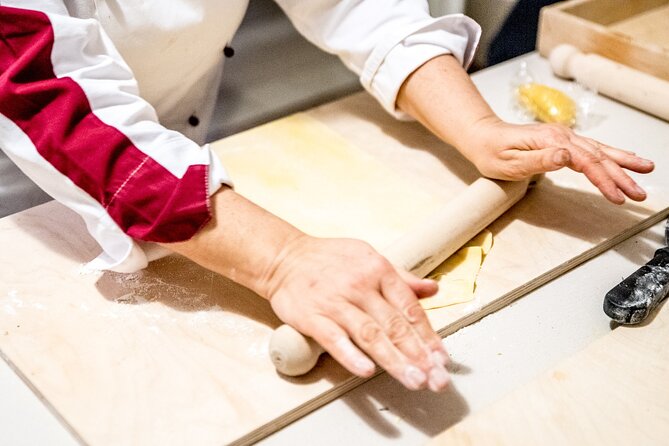
Next comes the rolling. The class specifically uses a rolling pin instead of machinery. This gives you a feel for the dough that a machine can hide. You will need to pay attention to thickness and pressure, especially if you are new to fresh pasta.
The dough is then cut into fettuccine and ravioli. You are also shown how to prepare tagliolini and pappardelle. These shapes differ mainly in width, but that difference affects how they carry sauce and how they feel when eaten.
For the ravioli, you mix the filling ingredients and place the filling into the pasta. The final step is cooking the pasta in water and dressing it with two sauces. Your fettuccine and ravioli become the lunch included in the price.
Why the hand-rolled method matters
Using a rolling pin is not just a quaint detail. It changes the lesson from watching a machine produce uniform sheets to learning how the dough responds to your hands.
You can feel when the dough is too firm, too thick, or ready to cut. That experience is useful when you try the recipe at home, since flour and egg sizes can vary. The instructor’s methods are meant to be repeated later, and the class specifically presents them as techniques that have been passed down over time.
Still, you should set reasonable expectations. A two-hour class cannot cover every problem that can arise in pasta making. You may learn the basic process without getting a long troubleshooting session on dough that tears, dries, or sticks.
That is why I would rate this as a good first introduction rather than an advanced workshop. The lesson gives you a starting point you can repeat at home. It may not satisfy you if you already make pasta regularly or want detailed instruction on regional pasta traditions.
Ravioli and fettuccine are the main event
Fettuccine gives you the clearest look at the dough itself. You roll out the sheet, cut it into ribbons, and later eat the pasta with one of the prepared sauces.
Ravioli adds another skill. The dough must be rolled, filled, sealed, and cut without leaving too much air inside. The filling must be portioned carefully, since too much can prevent the edges from closing.
The class also introduces tagliolini and pappardelle. These extra shapes are useful because they show how one dough can become different dishes. Tagliolini is narrower than fettuccine, while pappardelle is broader. You may not prepare a full meal of each shape, but seeing the variations gives you more options for cooking at home.
The instruction is not described as a lesson in elaborate fillings or complex sauces. The focus stays on the dough, the shapes, the filling, and the final cooking. If your main goal is to learn how Neapolitan cooks handle fresh pasta, that focus is sensible.
Same kitchen, a different thing to make:
- Naples: Neapolitan Pizza and Tiramisù Making Class
★ 4.8 · 839 reviews - Naples Pasta Class: Fettuccine & Ravioli with Grandma’s Recipe
★ 5.0 · 506 reviews - Naples: Pasta Cooking Class with Tiramisù and a Drink
★ 4.6 · 415 reviews - Naples: Premium Pizza Class From Dough to Dessert & Wine
★ 4.9 · 346 reviews
The food and drink included in the price
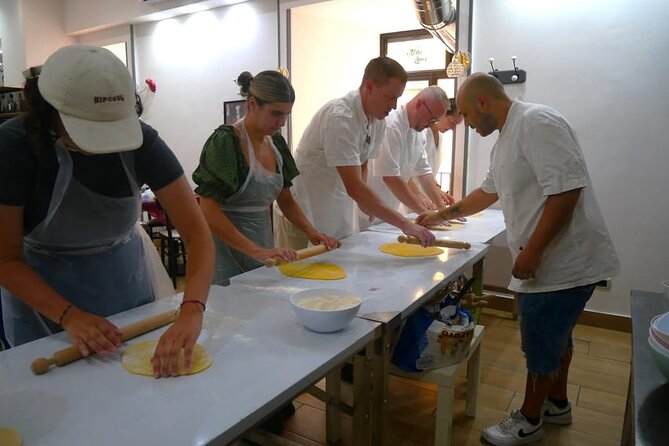
At $90.76, you are paying for instruction, ingredients, a meal, and drinks. Your handmade fettuccine and ravioli are served for lunch with wine, and a soda or soft drink is included.
That improves the value compared with a class that charges for teaching but leaves you to find lunch afterward. You get to taste the result while the process is still fresh in your mind. It also lets you see how the pasta behaves after cooking, which is hard to judge from uncooked dough.
The local starter adds another useful element. The Vesuvian tomatoes and homemade bread are not just filler before the pasta. They provide a comparison point for ingredient quality and give the class a local Neapolitan touch.
Only the first included drink is covered. Additional drinks after that are not included, so keep this in mind if you plan to linger over the meal.
The price is fair for a visitor who wants a social food activity and has never made pasta. It is less attractive for someone who already owns a pasta roller, knows the basic dough method, and wants advanced culinary instruction.
The atmosphere and level of personal attention
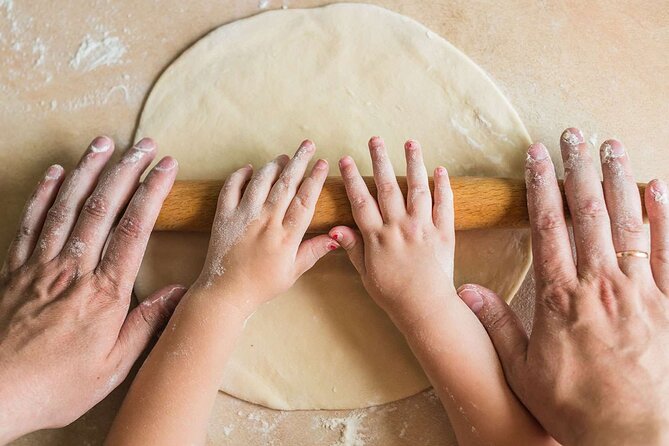
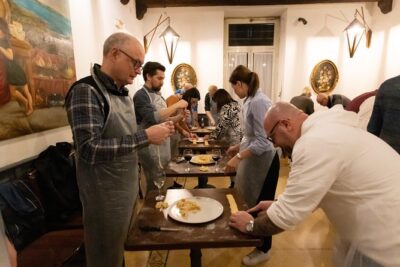
The class is designed to be social. You work with a group and have the chance to make friends while preparing food. That can be part of the appeal, especially if you are traveling alone or want a break from sightseeing.
The maximum group size is 35 people. That is a fairly large ceiling for a hands-on lesson. The actual number on your date may be smaller, but the booking information does not promise a small group.
If you need close, one-to-one correction while shaping ravioli, ask about group size before booking. A large class can still be fun, but the instructor may have less time to watch every fold and cut.
The guide named in the experience is Daniel. His approach is described as friendly and encouraging, with an emphasis on making the process feel easy. That is useful for first-timers, though the lesson may feel too introductory if you are already comfortable with fresh pasta.
Who should book this Naples cooking class
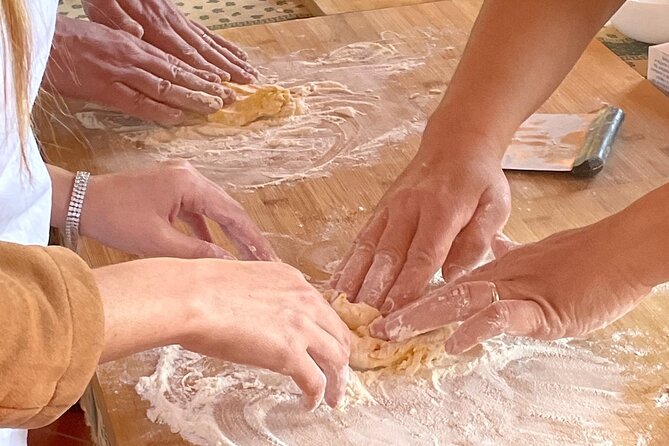
I would recommend this class to you if you want a short activity that combines food, local ingredients, and direct participation. It suits beginners, couples, families, and solo visitors who like meeting people around a table.
It is also a practical choice for anyone who wants a recipe to take home. The methods are not built around specialized machines, so you can try them later with ordinary kitchen tools and a rolling pin.
You may want to skip it if you are gluten intolerant. The class is not recommended for people with gluten intolerance, and the central activity is making and eating wheat pasta.
Experienced cooks should read the description carefully. You will see several pasta shapes and work with a family recipe, but the lesson is aimed at basic skills. One account found the class too simple and shorter than expected, describing roughly an hour and a half of active instruction rather than a longer cooking course. The official duration is approximately two hours, so plan for a compact session rather than a half-day workshop.
Getting there and planning your day
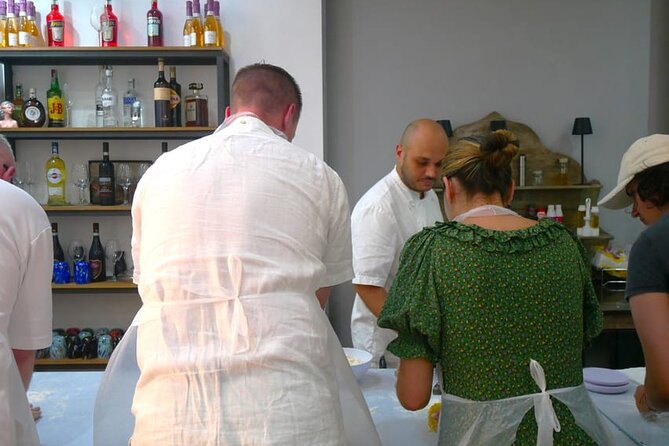
The meeting point is Via delle Zite, 30, 80139 Napoli. The activity begins and ends at that same location, which makes it easy to fit into a Naples day without arranging a separate return transfer.
The location is near public transportation. You should still allow enough time to find the address, especially if you are coming from another part of the city. A cooking class is not a good place to arrive breathless and late, since the dough preparation begins early in the session.
A mobile ticket is accepted. Confirmation is provided at booking, so keep the confirmation available on your phone.
The experience is often booked 27 days ahead on average. That figure suggests you should not leave it until the last moment if your Naples schedule is tight. The stated cancellation policy allows a full refund when you cancel at least 24 hours before the start time. Cancellations or changes made inside that period are not refunded or accepted.
Should you book the Neapolitan pasta lesson?
Book it if you want a friendly, beginner-level pasta class with a meal at the end. The combination of hand-rolled dough, ravioli, fettuccine, Vesuvian tomatoes, homemade bread, wine, and two sauces gives you plenty to do in two hours.
Think twice if you want advanced cooking instruction, a small private group, or a long class with several courses. The possible 35-person maximum and the $90.76 price make group size and your own skill level important parts of the decision.
My practical advice is simple: beginners should find the class useful and enjoyable, while experienced home cooks should book only if the social setting and Neapolitan family method matter more than technical challenge.
FAQ
How long does the pasta cooking class last?
The class lasts approximately two hours.
Where does the activity begin?
It begins at Via delle Zite, 30, 80139 Napoli, Italy.
Where does the activity end?
The activity ends back at the meeting point on Via delle Zite.
What types of pasta will I learn to make?
The main pasta projects are homemade ravioli and fettuccine. The instructor also shows you how to prepare tagliolini and pappardelle.
Is lunch included?
Yes. Your handmade fettuccine and ravioli are cooked and served as lunch.
What drinks are included?
Wine and a soda or soft drink are included. Additional drinks after the first one are not included.
Is the class suitable for someone with gluten intolerance?
No. The activity is not recommended for people with gluten intolerance.
How many people can join the class?
The maximum group size is 35 people.
Can I cancel for a full refund?
Yes. You can cancel for a full refund if you do so at least 24 hours before the experience starts. Changes or cancellations made less than 24 hours before the start time are not accepted or refunded.
Just added around Naples
- Naples Hands-on Cooking Class: Gnocchi, Ravioli, Tiramisu & Wine★ 4.5 · 18 reviews
- Private Pasta & Tiramisu Class at a Cesarina’s home with tasting in Ercolano★ 5.0 · 2 reviews
- Pizza Making Experience★ 4.0 · 4 reviews
- Pasta Fresca Gnocchi and Ravioli a Napoli★ 5.0 · 2 reviews
- Pasta and Tiramisu Cooking Class with Local Chef in Naples★ 5.0 · 58 reviews
- Naples Pizza and Tiramisu Homemade Edition★ 5.0 · 9 reviews
- Private Fettuccine Alfredo and Ravioli Class Grandma recipe★ 4.0 · 2 reviews
- 2-Hour Authentic Italian Pizza Making Class in Naples★ 4.5 · 14 reviews
Naples Pasta Classes, compared.
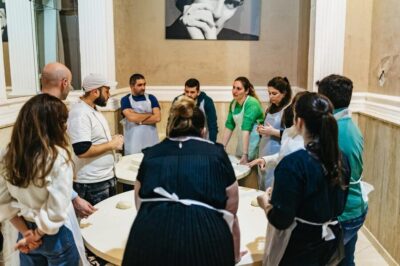
Pizza-Making Workshop with Drink and Appetizer
Read our review →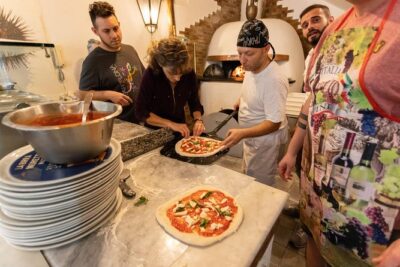
Authentic Pizza Making Class in Naples with Appetizers and Drink
Read our review →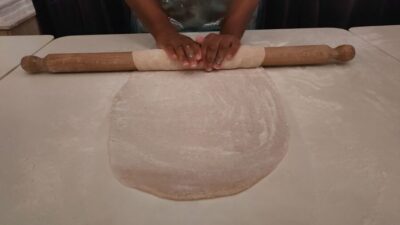
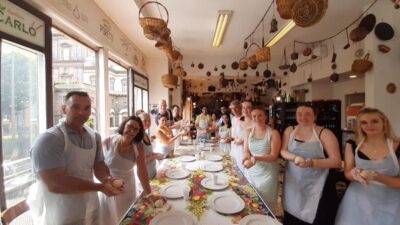
Naples Pasta Class: Fettuccine & Ravioli with Grandma’s Recipe
Read our review →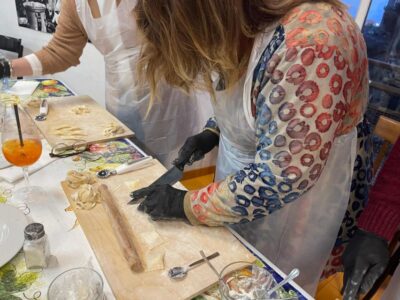
Premium Pizza Class From Dough to Dessert & Wine
Read our review →
Semi-Private Pizza Making Experience in Naples with Drink
Read our review →Browse the lists this tour appears in