
REVIEW · MODENA
Modena: Home Cooking Class Tagliatelle and Ragu and Tiramisu
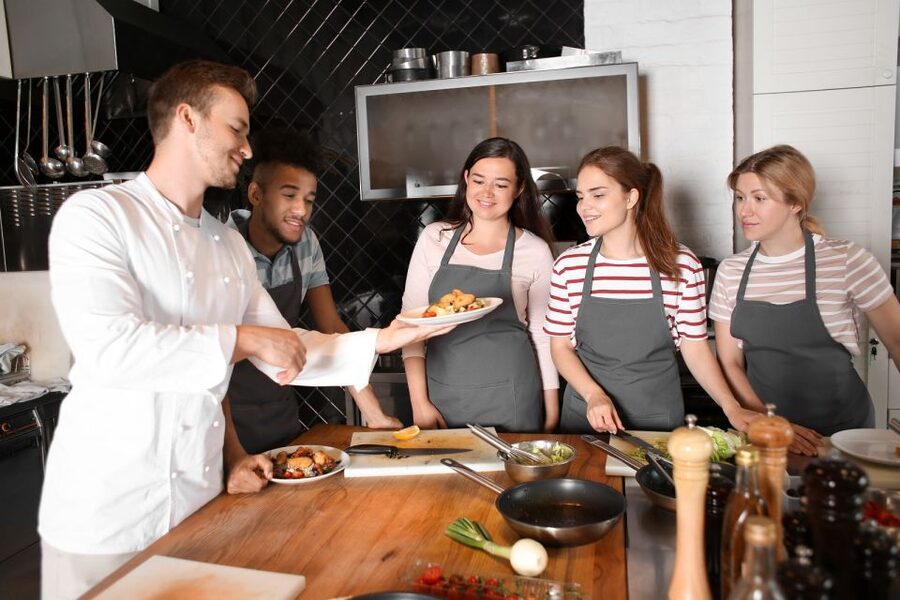
Modena’s best food lesson may be the one that ends at a family table. This three-hour class takes you from Via Emilia Est to a local home, where Ilaria and Maria Luisa show you how to roll, fill, and shape Emilia-Romagna pasta by hand. You then eat what you made with antipasto, wine, dessert, and coffee.
I like the small group of up to eight, which gives you a real chance to work with the dough instead of watching from the back. I also like that the class includes more than pasta: you make tiramisu, sit down for two fresh pasta courses, and receive the recipes so the lesson can continue in your own kitchen.
The main consideration is the setting. This is a home-based class, not a polished cooking school with a restaurant-style dining room. That is the point for many people, but you should choose it for friendly instruction and shared food, not for a formal culinary demonstration or a quick meal.
Key points at a glance
- Three-hour home cooking class: Meet near Modena’s historic center, walk to the host’s home, and cook over a relaxed afternoon or evening.
- Classic Emilia-Romagna pasta: Learn to prepare tagliatelle and ricotta tortelloni, with ragù among the dishes highlighted for the meal.
- Tiramisu from scratch: Make the famous coffee dessert yourself, then finish the meal with it rather than simply being served dessert.
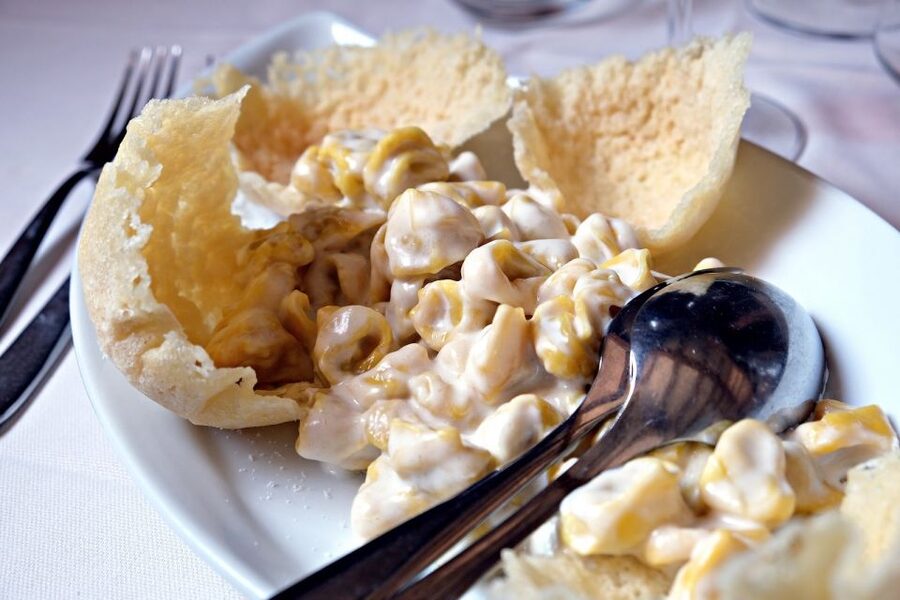
- A meal built around your work: Enjoy local antipasto, two courses of fresh pasta, wine tasting, dessert, and coffee.
- Personal teaching: Ilaria and Maria Luisa are warm, energetic hosts who focus on hands-on help and easy-to-follow tuition.
- Useful take-home value: The hosts share the recipes, so you can repeat the pasta and tiramisu at home.
Why this Modena class feels different
Modena is a natural place to study pasta. You are in Emilia-Romagna, the part of Italy closely tied to hand-shaped egg pasta, slow-cooked sauces, and filled pasta served at the family table. A class here gives you more than a plate of food. It shows you how several familiar dishes are made and why texture matters.
The format is refreshingly direct. You meet at Via Emilia Est 163, using the Nicolini buzzer, near the historic center. From there, the host leads you through Modena’s streets to her home. The walk adds a small local touch before the cooking begins, and it means the class starts with a meeting point that is easy to identify.
At the home, expect a practical lesson rather than a long lecture. You work with the dough, learn how to roll it thin, and practice the movements needed to make pasta that cooks evenly. Filling and shaping tortelloni calls for a different touch, so the class gives you a useful contrast between long-cut pasta and filled pasta.
The hosts speak English and Italian. That matters in a hands-on class, since you need to understand instructions about dough texture, thickness, filling, and folding. The teaching is supported by close help at the table, and the small group keeps the session from feeling anonymous.
More Tiramisu Classes in Italy:
- 3 in 1 Cooking Class near Navona: Fettuccine, Ravioli & Tiramisu
★ 5.0 · 7,376 reviews - Florence: Pasta & Tiramisu Cooking Class with Unlimited Wine
★ 4.9 · 6,708 reviews - Rome: Pasta & Tiramisu Class with Fine Wine by the Vatican
★ 4.9 · 4,852 reviews
Rolling pasta the old-fashioned way
The central pleasure here is making pasta with your own hands. The class covers traditional methods for rolling, filling, and shaping, rather than treating pasta as something that arrives ready for the pot.
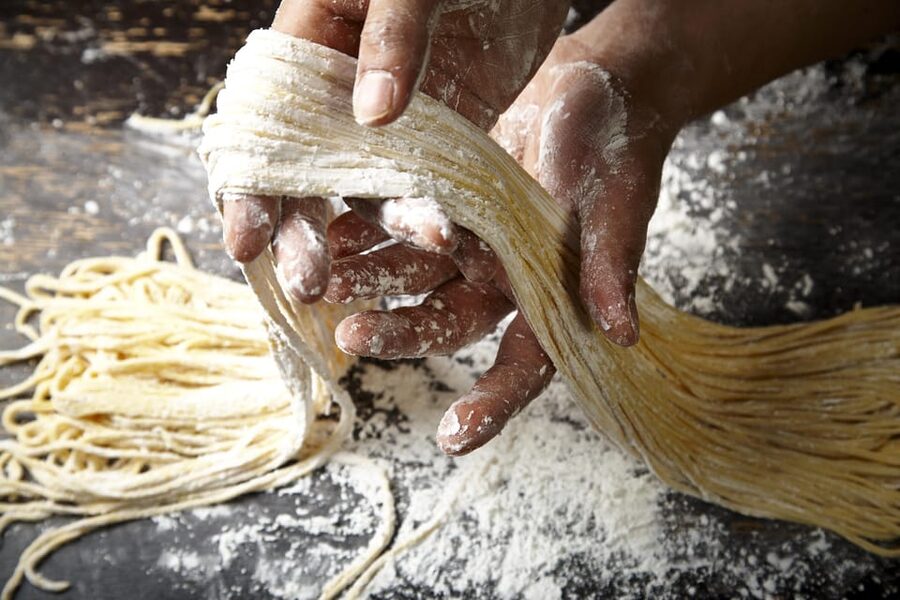
Tagliatelle is a good dish for learning. It looks simple, but the dough must be rolled evenly and cut into consistent ribbons. You get a clear sense of how much pressure to use and how the pasta changes as it becomes thinner. If you have only used dried pasta, this is the point where fresh pasta begins to make sense.
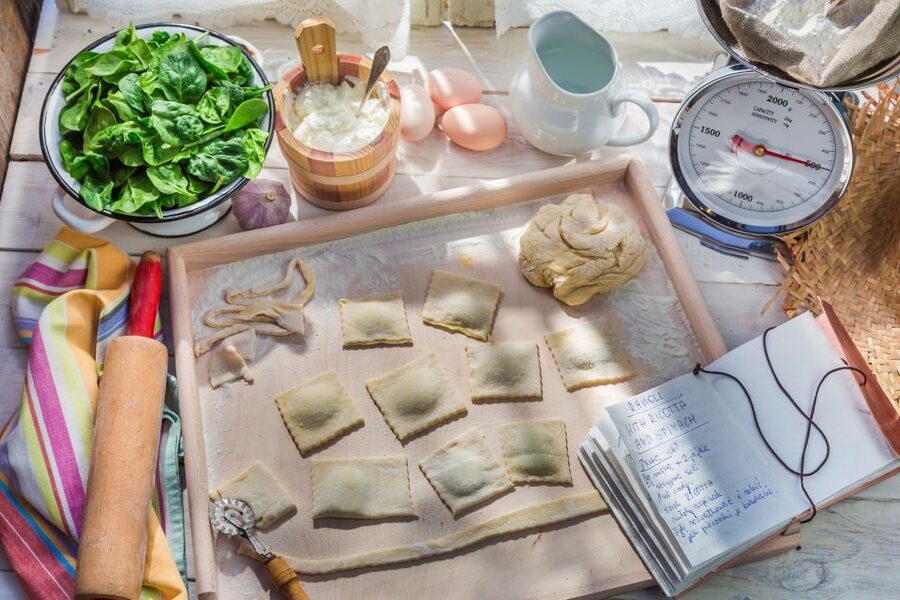
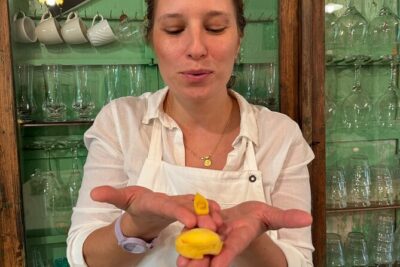
Ricotta tortelloni brings a different challenge. You need to portion the filling, leave enough room around it, and seal the pasta without trapping excess air. The final shape depends on small hand movements, and the host can correct you while you are still working. That immediate help is far more useful than trying to copy a finished piece from a distance.
The class also highlights ragù. The sauce is important because fresh pasta needs a sauce with enough character but not so much weight that it buries the texture. You get to connect the pasta-making lesson with a dish you are likely to make again at home.
Descriptions of the session also mention three types of pasta being prepared, while the central dishes are tagliatelle and ricotta tortelloni. The exact balance can vary, so I would book this for the overall pasta lesson rather than for a strict promise of a particular number of shapes.
Tiramisu gives the class a sweet finish
Tiramisu is not an afterthought here. You prepare it during the class and eat it as part of the final meal. That makes the dessert especially useful for home cooks, since the method is simple enough to repeat but still depends on getting the texture and balance right.
The class gives you the recipe, and several participants left determined to make tiramisu at home rather than buy it ready-made. That is a good sign of practical value. You are not just tasting a famous Italian dessert. You are learning a version you can serve to friends and family after your trip.
I also like the rhythm of making a dessert alongside the pasta. The session is not all dough, which can become tiring for children or anyone new to cooking. Tiramisu changes the pace and gives the group another task to share before everyone sits down.
The meal is part of the lesson
Once the cooking is finished, you eat together. The included meal features local antipasto, two courses of fresh pasta, dessert, wine tasting, and coffee. This is important when judging the price, because you are paying for instruction, ingredients, and a substantial meal rather than a short demonstration.
The antipasto provides a first taste of local products before the pasta arrives. It also gives the hosts time to finish the cooking and lets you settle into the social side of the experience. This is meant to feel like a meal shared at home, not food handed over at a counter.
The fresh pasta courses are the payoff. You can taste the difference between the shapes and see how your work turned out. The meal also makes the class appealing to couples, families, and friends who want an activity that ends with a proper dinner or lunch.
Wine is included as part of the tasting. You do not need to arrange a separate drink stop immediately afterward, and the wine helps make the final table feel festive. If you do not drink alcohol, check the arrangements before booking, since the listed meal centers on wine tasting.
More Ravioli and Gnocchi Classes in Italy:
- Rome: 3-in-1 Fettuccine, Ravioli, and Tiramisu Cooking Class
★ 4.9 · 2,704 reviews - Rome: Fettuccine Pasta Cooking Class in Rome’s City Center
★ 4.8 · 2,414 reviews - Become a Masterchef in Rome: Pasta, Ravioli and Tiramisù Class
★ 5.0 · 2,156 reviews - Fettuccine & Tiramisù: Cooking Class with Wine & Limoncello
★ 4.9 · 2,103 reviews
The hosts are a major part of the experience
Ilaria and Maria Luisa are central to the appeal of this class. They are described as energetic, welcoming teachers who keep the mood light while still offering close instruction. Their style suits people who want to laugh, ask questions, and learn by doing.
That warmth matters in a home kitchen. Some people feel awkward entering a stranger’s home or handling unfamiliar pasta techniques in front of a group. The hosts work to make the setting comfortable, and their attention helps beginners avoid the feeling that they are slowing everyone else down.
The small size is a real benefit. With no more than eight participants, you should have space at the work surface and a reasonable chance of getting individual help. A larger class can still be fun, but it often turns pasta-making into a display. This one is set up for participation.
The class is also suitable for mixed skill levels. Experienced cooks can focus on traditional technique, while beginners can learn basic dough handling and shaping. You should still be ready to take part rather than sit back and watch.
Is $123.48 a fair price?
At $123.48 per person, this is not the cheapest meal you will find in Modena. The value depends on how much you want from the experience.
If you only want to eat tagliatelle and tortelloni, a restaurant meal will cost less and require no work. If you want to learn pasta technique, make tiramisu, meet local hosts, enjoy antipasto and wine, and take home recipes, the price is more reasonable. The three-hour length also gives the cost some weight. You are not paying for a rushed one-hour activity.
The strongest value is the combination of food and instruction. You receive a full meal and a skill you can use again. A successful class can lead to many future plates of pasta, which makes the experience more worthwhile than a one-time tasting.
I would be more cautious if you are traveling on a tight food budget, do not enjoy cooking, or have limited time in Modena. This class asks you to give three hours to one activity. For someone who wants to see several sights in a short visit, that may be too much time. For a food-focused visit, it is a solid use of an afternoon.
Who should book this class?
You should consider it if you enjoy Italian food and want to understand how it reaches the table. It suits couples, families, friends, and solo visitors who are comfortable joining a small group.
It is especially good for:
- People who want hands-on instruction instead of a cooking show
- Beginners who appreciate patient help with shaping and rolling
- Cooks who want traditional pasta recipes to repeat at home
- Families or friends looking for a shared activity
- Food lovers who value a local home setting over a formal school
- Visitors who want a full meal built into the experience
The class may be less suitable for anyone who dislikes group dining, does not want to cook, or expects a quiet restaurant meal. The social element is not incidental. You work beside other people, share the finished dishes, and spend time with the hosts.
The meeting point is on Via Emilia Est 163, at the Nicolini buzzer. The activity ends back at the meeting point, and the host or greeter speaks English and Italian. Check the available start times before planning other activities around it.
What to know before you go
Wear something you can cook in and expect to handle flour, dough, fillings, and dessert ingredients. Specific clothing rules are not provided, so practical clothes are the safest choice.
Build a little flexibility into your schedule. The stated duration is three hours, and the class includes walking, cooking, eating, wine, and coffee. You will get more from it if you do not have to hurry away for a train or timed museum entry.
The class allows free cancellation up to 24 hours before the activity for a full refund. You can also reserve now and pay later, which helps if your Modena plans are still changing.
The overall rating is 5 out of 5 from 23 ratings, and the strongest praise centers on the hosts, the fun atmosphere, the clear teaching, and the food itself. I would give the most weight to the repeated practical detail: people left with recipes, confidence, and plans to make pasta and tiramisu at home.
Should you book it?
Book this Modena cooking class if you want a warm, hands-on introduction to Emilia-Romagna food, with the meal included at the end. The combination of tagliatelle, ricotta tortelloni, ragù, tiramisu, local antipasto, and wine gives you a full taste of the region in one sitting.
Skip it if you want a short tasting, a formal restaurant setting, or a tightly scheduled sightseeing day. Otherwise, the small group, personal help from Ilaria and Maria Luisa, and recipes to take home make the $123.48 price defensible. You leave with dinner in you and a fair chance of making fresh pasta again.
FAQ
Where does the cooking class meet?
The meeting point is Via Emilia Est 163. You should use the Nicolini buzzer at the stated address.
How long does the experience last?
The class lasts three hours. Starting times depend on availability.
What pasta will I learn to make?
The class focuses on tagliatelle and ricotta tortelloni, with ragù included among the featured dishes. The session information also refers to preparing three types of pasta.
Is tiramisu included?
Yes. You prepare tiramisu during the class and eat it as the dessert course.
What food and drinks are included?
The experience includes local antipasto, two courses of fresh pasta, dessert, wine tasting, and coffee.
How many people can join the class?
It is a small-group experience limited to eight participants.
What languages are spoken?
The host or greeter speaks English and Italian.
Can I cancel for a refund?
You can cancel up to 24 hours in advance for a full refund. Reserve now and pay later is also available.
More Home Cooking Classes in Italy
- Catania: Pistachio Ravioli, Pasta Home Cooking Class w/ Wine
★ 4.7 · 204 reviews - Cesarine: Small group Pasta and Tiramisu class in Varenna
★ 5.0 · 195 reviews - Cesarine: Small group Pasta and Tiramisu with Mamma in Lucca
★ 4.5 · 181 reviews - Cesarine: Small group Pasta and Tiramisu class in Bologna
★ 5.0 · 172 reviews
Just added around Italy
- Volterra: Fresh Pasta Cooking Class at a Tuscan Farmhouse★ 5.0 · 33 reviews
- Verona: Tortellini Cooking Class and Lunch with Mamma Ivana★ 5.0 · 20 reviews
- Vicenza: Pasta & Tiramisu Cooking Class at a Local’s Home★ 5.0 · 5 reviews
- Verona: My Granny’s secrets making gnocchi★ 5.0 · 7 reviews
- Verona: Prosecco and Pasta Making Class at a Local’s Home★ 5.0 · 10 reviews
- Verona: Pasta Cooking Class with Wine Tasting★ 5.0 · 4 reviews
- Verona: Pasta & Tiramisu Cooking Class at a Local’s Home★ 5.0 · 16 reviews
- Valnerina/Pasta cooking class in a 12th century location★ 4.8 · 9 reviews
Modena Pasta Classes, compared.
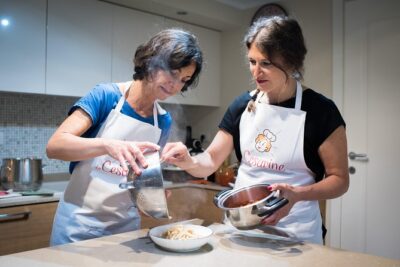
Cesarine: Small group Pasta and Tiramisu class in Modena
Read our review →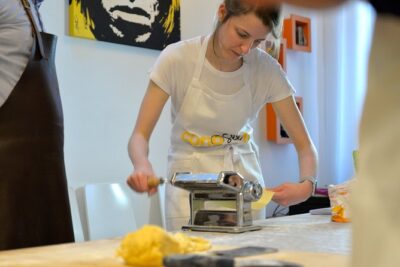
Traditional Home Cooking in Modena,Tagliatelle, Tortelloni & Wine
Read our review →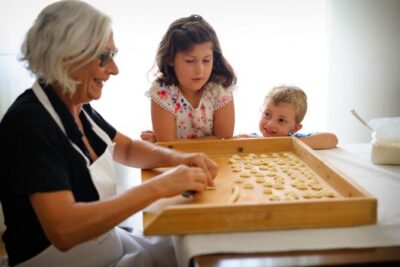
Pasta-making class at a Cesarina’s home with tasting in Modena
Read our review →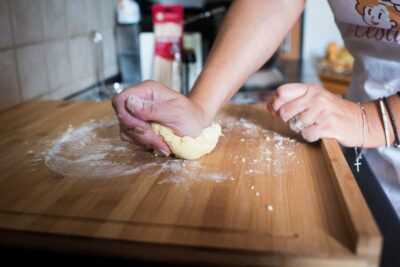
Parmigiano Reggiano, Balsamic Vinegar and fresh pasta tour
Read our review →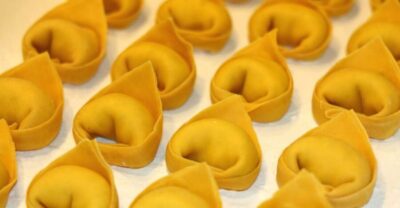
Private cooking class with lunch + Balsamic Vinegar experience
Read our review →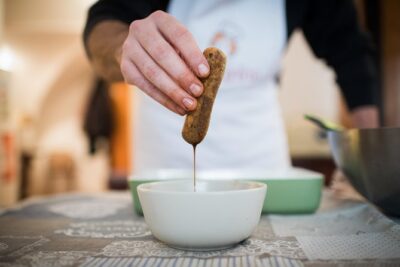
Cesarine: Pasta & Tiramisu Class at a Local’s Home in Modena
Read our review →Browse the lists this tour appears in