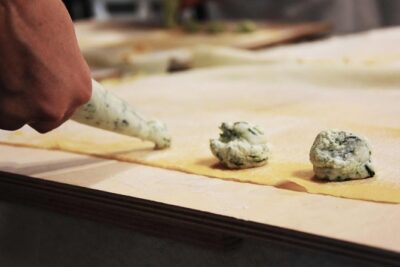
REVIEW · ROME
Holy Pizza! Fun Pizza & Gelato Making by Vatican + Delish Wine
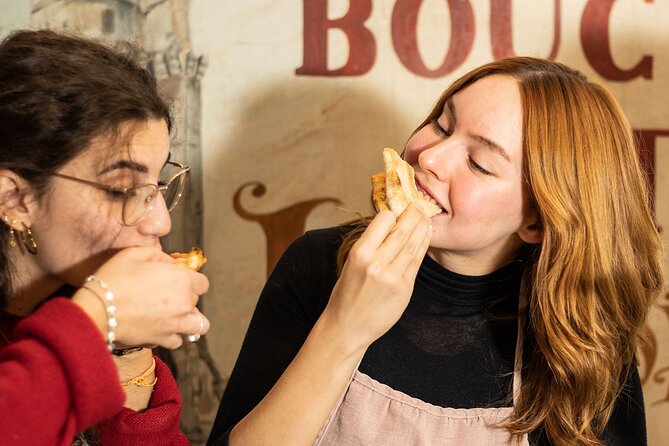
Roman pizza and gelato are the stars here, but the best part is learning the small choices that make them work: the right flour, proper resting time, gentle dough handling, and the right balance between crisp and soft. I like the hands-on format and the fact that you make your own pizza rather than watching a chef do all the work. I also like the wine, beer, and antipasto served while the dough rests.
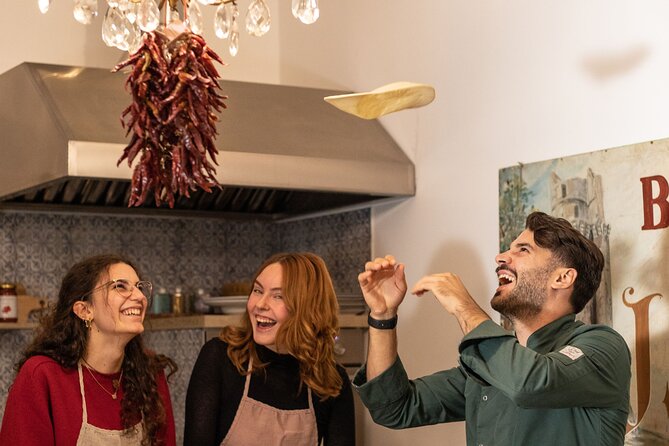
The group is capped at eight people, which gives the chef time to answer questions and help children or first-time cooks. The class is family-friendly, and past sessions have included lively teaching from instructors such as Mersad, Carla, Luca, Mara, Marco, Peter, and Gianluca.
The main caution is the two-hour schedule. You get a useful lesson, a full pizza, and gelato, but this is not a long, slow culinary course. If you want detailed work with several pizza styles or a broad tour of Roman food, you may find the format too focused.
Key points at a glance
- Roman pizza from basic ingredients: Start with flour, salt, yeast, and water, then learn how resting and shaping affect the finished crust.
- A maximum of eight people: The small group allows for questions, personal help, and a more relaxed pace with children.
- Pizza, antipasto, and gelato: Your meal includes Italian snacks, an individual pizza, and strawberry gelato made during the class.
- Wine or beer while you cook: You can sip a drink and nibble while the dough rests and the oven heats.
- Useful advice for home cooking: You receive recipes and tips for making the pizza in a typical home oven.
- Near the Vatican, in English: The class starts and ends at Via Simone de Saint Bon 57, with mobile tickets and confirmation at booking.
Making Roman pizza from flour, water, salt, and yeast
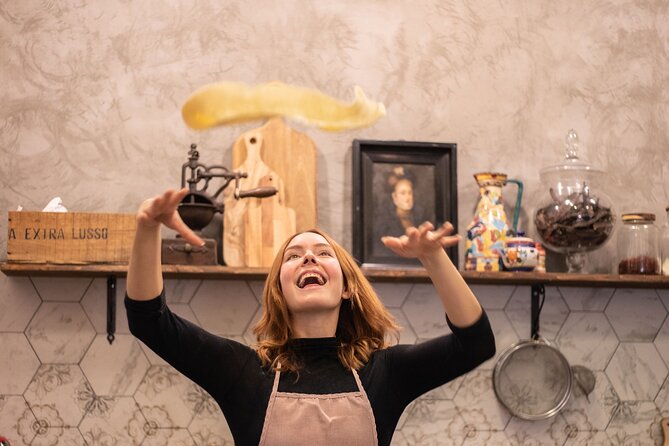
The class begins at the most useful place: the dough. You are not handed a ready-made ball and asked to add toppings. Instead, you work through the basic ingredients and learn why each one matters.
The lesson focuses on flour choice, yeast, water, salt, and resting time. Those details can seem fussy until you try to make pizza at home and end up with dough that is tough, flat, or hard to stretch. Here, the chef explains how resting changes the dough and how handling affects the final bite.
The stated goal is a Roman-style pizza with a light texture and a good crisp-to-soft balance. That is a practical distinction. Pizza is not simply crisp or soft, and Roman dough needs the right mix of both. You learn how to shape it without pressing out all the air and how to prepare it for the oven.
This is also where the class earns its value. A restaurant meal gives you a finished pizza. This class explains the steps behind it, including the parts that are easy to skip at home. You leave with a better sense of what to watch for before the pizza ever reaches the oven.
More Gelato Making Classes in Rome
- Rome: Fresh Pasta-Making Class with Wine and Gelato
★ 4.9 · 813 reviews - Night Tour of Rome with Local Pizza Dinner and Gelato Experience
★ 4.5 · 780 reviews - Super Fun Pasta & Gelato Class by Vatican with Wine + Oil Tasting
★ 5.0 · 726 reviews
Learning how to shape and top the dough
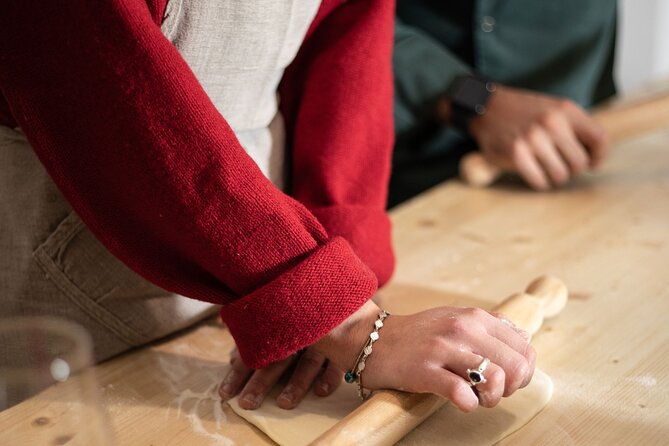
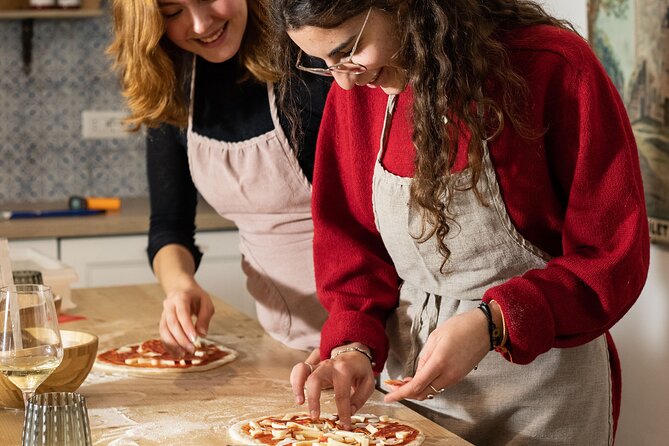
Once the dough is ready, you shape your own pizza. The chef demonstrates how to work with it and helps you avoid the common mistake of treating dough like a piece of pastry that should be rolled flat with force.
The toppings are part of the lesson, too. You learn about sauce, ingredient choices, and how much topping a pizza can carry before the center becomes heavy. The focus is not on creating a complicated restaurant design. It is on building a pizza that cooks well and tastes balanced.
That makes this a good activity for mixed-age groups. Children can take part in shaping and topping, while adults can pay closer attention to flour, timing, and oven technique. Past classes have included children as young as nine and twelve, and the cooking format gives them a real task rather than a passive demonstration.
You should expect some mess. Flour, dough, sauce, and toppings are part of the fun, and a hands-on class will not feel as tidy as sitting at a restaurant table. The small group helps here because the chef can step in when someone needs help with shaping or has questions about the dough.
Antipasto and a drink while the dough rests
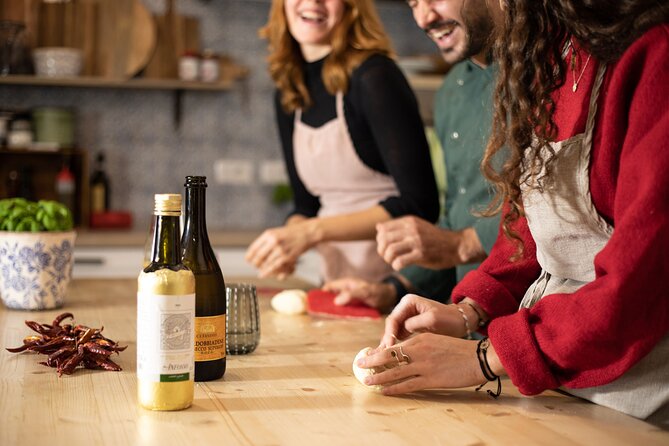
While your pizza dough rests and the cooking moves along, you get Italian snacks and a glass of wine or beer. This is a small detail, but it improves the rhythm of the class. You are not standing around waiting for the next instruction, and the meal begins before the pizza reaches the oven.
The drinks also help make the session social. Families can settle in, couples can talk, and children can stay involved without the class feeling like a strict technical lesson. Past sessions have included plenty of conversation and humor, with instructors answering detailed questions patiently.
The alcohol is not the main attraction, and the experience is still suitable for families. Children can take part in the cooking and enjoy the food, while adults have the option of wine or beer. If you do not drink, the core experience remains the same: dough work, pizza making, and gelato.
The antipasto is listed as Italian snacks rather than a large separate course. Think of it as something to nibble while you work, not a full meal before the pizza. Your main food is the pizza you make, followed by dessert.
Watching your pizza cook in a typical home oven
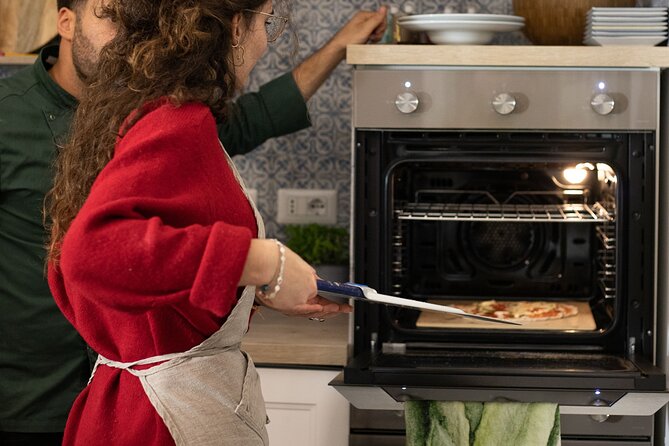
The class teaches you how to cook the pizza to perfection in a typical home oven. That point matters because many cooking demonstrations rely on professional equipment that is difficult to copy after you return home.
You learn how to prepare the pizza for heat and how timing affects the crust. The final cooking step is quick, so you will not wait long once the pizzas go into the oven. A few minutes later, you can eat the result of your own work.
You also get the chance to make choices about your pizza toppings. That is useful for families with different tastes and for anyone with dietary needs. One participant with a vegan diet received an accommodation, though you should still share dietary restrictions when booking or before the class so the team can prepare properly.
The finished pizza is the payoff, but it is not the only reason to pay attention. Watch how the chef handles the dough, how much sauce goes on, and how the pizza is moved into the oven. Those are the details most likely to help when you try the recipe in your own kitchen.
More Pasta Classes with Wine in Rome
- Rome: Pasta & Tiramisu Class with Fine Wine by the Vatican
★ 4.9 · 4,852 reviews - Rome: Pasta Making Class with Wine, Limoncello, and Dessert
★ 4.9 · 3,177 reviews - Rome Cooking Class: Make Pasta and 3 Spritz Cocktails
★ 5.0 · 2,937 reviews - Learn to Make Pasta & Tiramisu with Wine and Limoncello Included
★ 5.0 · 2,345 reviews
Making strawberry gelato from scratch
After pizza comes strawberry gelato. The class breaks down the ingredients, timing, and method instead of treating gelato as a mysterious machine-made dessert.
The sample dessert is strawberry gelato, and the lesson explains the difference between smooth, properly textured gelato and a poor version. That texture lesson is worth noting. Gelato is not simply ice cream with an Italian name. The balance of ingredients and the timing of the process affect how creamy and light it feels.
This part adds variety to the class. Pizza involves dough, heat, and shaping. Gelato brings fruit, sweetness, and texture into the picture. You finish with a dessert you helped make, not a scoop brought from a shop.
The gelato segment may be especially appealing to children, but adults get something useful from it as well. You learn the basic steps and ingredients, and you receive the recipe so you can make the dessert again at home. The class may even leave you tempted to buy a gelato maker, though you do not need one to enjoy the lesson itself.
A small group with several engaging instructors
The maximum group size is eight people. That is small enough for direct interaction and large enough to create some energy around the worktable.
The teaching style is a major part of the experience. Past sessions have been led by Mersad, Carla, Luca, Mara, Marco, Peter, and Gianluca, depending on the class. Carla has been praised for explaining dough clearly, answering questions, and adding a lively personality to the evening. Peter has handled the gelato portion, while Luca and Gianluca have also been praised for making the class both useful and fun.
Because the class is in English, you can ask questions as you go rather than trying to follow a demonstration through gestures alone. That matters when the subject is technical. Flour blends, rest times, dough texture, and cooking temperatures are easier to understand when the instructor can explain the reason behind each step.
The class also appears comfortable with beginners. You do not need to arrive with baking experience, and you should feel free to ask very specific questions. If you already make pizza at home, pay close attention to the corrections and small adjustments. Those may be more useful than a basic recipe.
Why the $102.25 price can make sense
At $102.25 per person, this is not the cheapest way to eat pizza in Rome. You can buy a slice or a whole pizza for far less. The price is easier to justify if you treat the class as a meal, a cooking lesson, and an evening activity in one.
You receive instruction, Italian snacks, wine or beer, your own pizza, strawberry gelato, and recipes to take home. The group size also matters. A class capped at eight people is more personal than a large demonstration, and the chef has more time to help with dough and answer questions.
The value depends on your goals. If you mainly want dinner, book a pizzeria. If you want a social activity that gives you food and a skill you can use later, the price is more reasonable. The home-oven advice adds lasting value because you can repeat the recipes after your trip instead of leaving the experience behind in Rome.
The class is also a practical break from sightseeing. Rome can fill a day with churches, ruins, museums, and long walks. A two-hour cooking session near the Vatican gives you a change of pace without requiring a full day away from the city.
Location near the Vatican and timing your day
The meeting point is Via Simone de Saint Bon 57, 00195 Rome, and the activity ends at the same address. It is near the Vatican area and close to public transportation, so it can fit into a day based around Vatican sightseeing.
Do not assume you can squeeze it between tightly timed attractions without checking your route. The class lasts about two hours, and cooking sessions can feel rushed if you arrive late. Build in enough time to reach the address and settle in before the dough work begins.
The location is especially useful if you are staying near the Vatican or planning to visit that part of Rome. It also works as a first or last activity of the day. One couple used a cooking class soon after landing to stay awake and begin the trip with something active, though you may prefer to arrive rested so you can enjoy the teaching.
The activity uses a mobile ticket, and confirmation is provided at booking. Service animals are allowed. The experience is offered in English.
Who should book this pizza and gelato class
I would recommend it most strongly to families, couples, and small groups who want to make something together. Children can shape dough, add toppings, and help with gelato, while adults can focus on the technique and enjoy a drink.
It also suits first-time pizza makers. The chef teaches from the beginning, and the recipes give you a way to repeat the process at home. You do not need to know how dough behaves before you arrive.
Home cooks may enjoy it for a different reason. If your pizza has been inconsistent, pay attention to the flour blend, resting time, dough handling, and home-oven method. Those are the areas most likely to fix a disappointing result.
You may want another type of food tour if you prefer sampling many Roman dishes, visiting markets, or hearing a broad story about local cuisine. This is a focused workshop built around two foods: pizza and gelato. Its strength is participation, not variety.
Practical details before you reserve
The experience is booked about 40 days ahead on average, so popular dates may fill well before your trip. You can cancel for a full refund up to 24 hours before the start time. Cancellations or changes inside that window are not refunded or accepted.
The activity requires a minimum number of participants. If that minimum is not met and the class is canceled, you are offered another date or experience, or a full refund.
Bring an appetite, but remember that the listed starter is Italian snacks, not a large pre-class meal. Since you will eat pizza and gelato during the session, the class itself provides the main food for the activity.
If you have dietary restrictions, mention them ahead of time. A vegan accommodation has been made in the past, but specific arrangements should be confirmed rather than assumed.
Should you book Holy Pizza?
Book it if you want a small, social cooking class that produces a real meal and gives you recipes for home. The combination of Roman pizza, strawberry gelato, antipasto, and wine or beer makes the two hours feel full, and the instructors bring enough humor and patience to keep beginners involved.
Families get especially good value from the shared activity, while couples can use it as a relaxed evening near the Vatican. I would also choose it for a rainy day or for a break from nonstop sightseeing.
Skip it if your priority is a cheap dinner, a full Roman food tour, or advanced pizza training. At $102.25, the experience costs more than eating out, and the short format cannot cover every style of Roman pizza. For most people who want to cook, laugh, eat, and return home with a skill, it is a sensible splurge.
FAQ
How long does the pizza and gelato class last?
The activity lasts approximately two hours.
Where does the class begin?
It begins at Via Simone de Saint Bon 57, 00195 Rome, Italy.
Where does the activity end?
The class ends back at the meeting point.
Is the class offered in English?
Yes. The experience is offered in English.
How many people can join the class?
The maximum group size is eight people.
What food and drinks are included?
The sample menu includes Italian snacks, Roman pizza, and strawberry gelato. You can also sip wine or beer while you work.
Can I cancel for a full refund?
Yes. You can cancel at least 24 hours before the start time for a full refund. Cancellations or changes made less than 24 hours before the start time are not accepted or refunded.
More Wine Tastings in Rome
- Fettuccine & Tiramisù: Cooking Class with Wine & Limoncello
★ 4.9 · 2,103 reviews - Pasta Making & Wine Tasting with Dinner in Frascati from Rome
★ 5.0 · 1,326 reviews - Rome Pasta and Tiramisu Class: Ravioli, Fettuccine & Fine Wine 5*
★ 5.0 · 1,319 reviews - Rome Cooking Class: Make Pasta, Dine & Drink Wine With Local Chef
★ 5.0 · 1,263 reviews
More Pizza Making Classes in Rome
- Cooking Class in the Heart of Rome: Pizza and Tiramisu Making
★ 5.0 · 1,330 reviews - Rome: Combo Pizza and Pasta Cooking Class with Wine
★ 4.6 · 1,180 reviews - Rome: Pizza & Tiramisu Class with Free Flowing Fine Wine
★ 5.0 · 973 reviews - Rome: Pizza & Tiramisu Class with Free Flowing Fine Wine
★ 4.9 · 697 reviews
Just added around Rome
- Rome: Pasta and tiramisu class with wine pairing at Come Na Vorta★ 5.0 · 30 reviews
- Spritz and Pasta! Spritz, Fettuccine & Tiramisù★ 5.0 · 2 reviews
- Rome: Vespa Tour with Photographer and Tiramisu treat★ 4.5 · 61 reviews
- Walking Tour & Pizza Making★ 4.0 · 2 reviews
- Trastevere Food Tour with Pasta-Making Class★ 5.0 · 5 reviews
- Rome: Private Vespa Tour and Professional Photoshoot★ 5.0 · 22 reviews
- Traditional Pasta Cooking Class with Tiramisu Small Group★ 5.0 · 7 reviews
- Tiramisu and Gelato Creation in Authentic Roman Dessert Workshop★ 4.5 · 3 reviews
Rome Pasta Classes, compared.
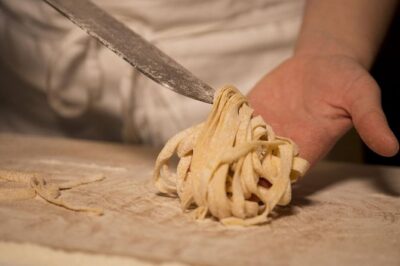
3 in 1 Cooking Class near Navona: Fettuccine, Ravioli & Tiramisu
Read our review →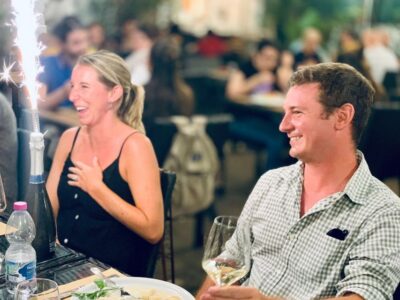
Pasta & Tiramisu Class with Fine Wine by the Vatican
Read our review →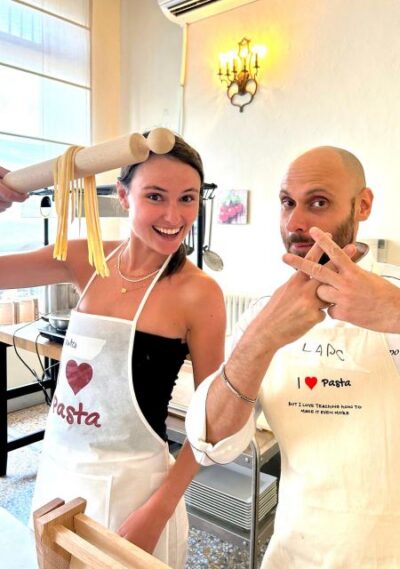
Pasta Making Class with Wine, Limoncello, and Dessert
Read our review →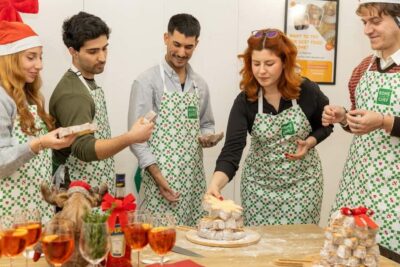
Rome Cooking Class: Make Pasta and 3 Spritz Cocktails
Read our review →
3-in-1 Fettuccine, Ravioli, and Tiramisu Cooking Class
Read our review →
Fettuccine Pasta Cooking Class in Rome’s City Center
Read our review →
Learn to Make Pasta & Tiramisu with Wine and Limoncello Included
Read our review →