
REVIEW · POSITANO
Hands-on Pasta Making Class near the Amalfi Coast with Rosanna
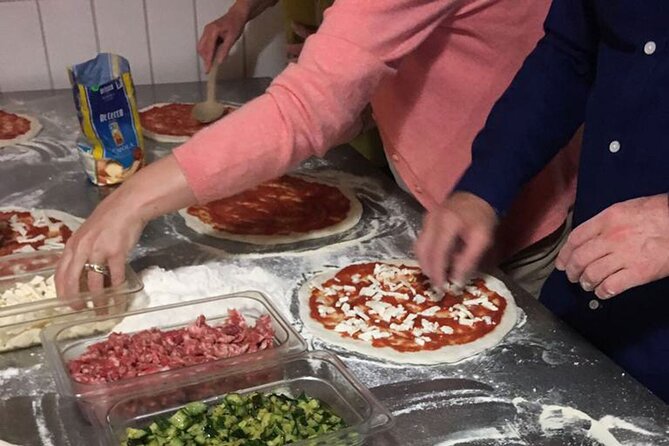
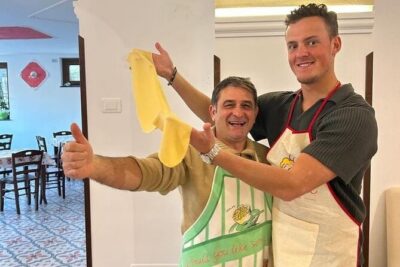
Fresh pasta here starts in a family kitchen, not a polished cooking school. At Rosanna and Antonio’s farm in Pianillo, you’ll pick herbs and vegetables, make two kinds of pasta by hand, then eat what you cooked with wine from the property.
I like the private format, which keeps the lesson personal and lets your group set the pace. I also like the farm-to-table meal: olive oil, wine, vegetables, and family recipes all connect the cooking to daily life on the Amalfi Coast.
The main drawback is the meeting point. Despite the Positano-area setting, you must reach Via Castello in Pianillo on your own, and the ride there may not be simple or cheap. Plan this part before you book.
Key points to know before booking
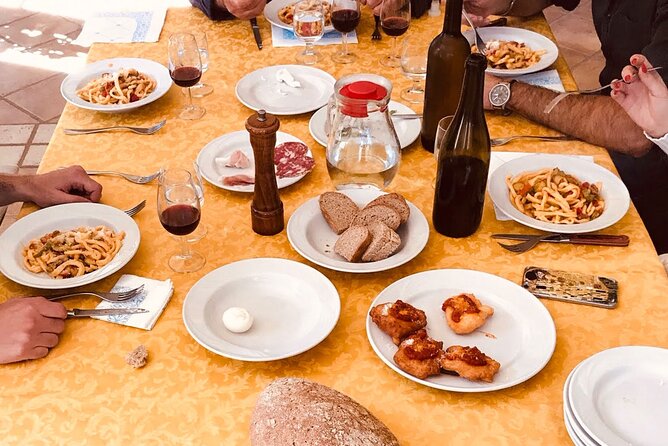
- Two fresh pastas in one class: Learn scialatielli, a local Neapolitan-style pasta, and gnocchi alla Sorrentina made with potato flour.
- A real family farm: Rosanna and her brother Antonio share food traditions kept by their family for four generations.
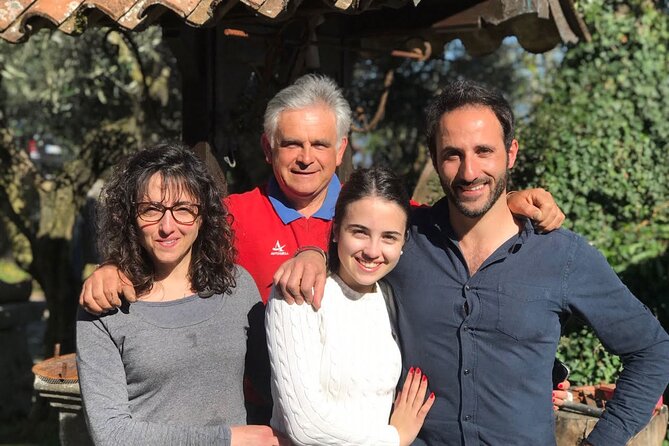
- Private from start to finish: Only your own group takes part, with Antonio translating in the kitchen.
- Seasonal cooking: You’ll visit the garden for vegetables and herbs, so the menu can change with the time of year.
- Strong allergy support: Vegetarian, vegan, and gluten-free options are available when requested in advance.
- The meal is included: Wine, food, fees, taxes, and gratuities are covered in the $328 per-person price.
A farm kitchen above the Amalfi Coast
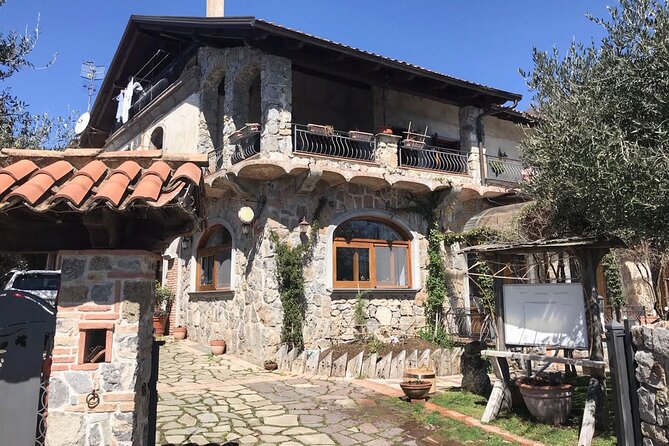
This experience gives you a look at the Amalfi Coast beyond its famous roads and crowded viewpoints. The farm is in Pianillo, an inland village in the Agerola area, while the tour is marketed as being near Positano. That distinction matters: you are not meeting in central Positano.
Rosanna and her brother Antonio come from a family that has worked this farm for four generations. Their food traditions include handmade pasta, pizza, mozzarella, wine, olive oil, and limoncello. You are not simply being shown a recipe. You are being welcomed into a working family setting where those foods have a place in everyday life.
The visit begins with coffee at the home. Depending on availability, Pasquale may also be there to welcome you, and an elderflower drink may be offered. These small touches help set the tone. You have time to settle in before the cooking begins, rather than being pushed straight to a worktable.
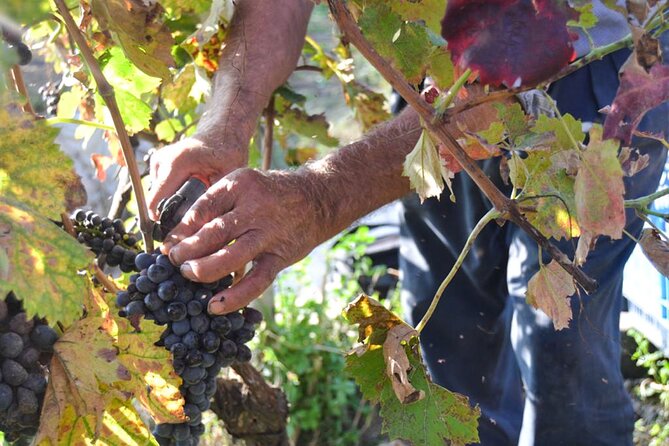
I especially like the chance to see the wine cellar and garden before class. You pick up a bottle of wine from the cellar, then collect seasonal vegetables and herbs for the meal. That short walk gives you a better sense of where the ingredients come from and why the menu is not fixed.
More Fresh Pasta Workshops in Positano:
- Amalfi: Prepare fresh pasta, mozzarella and tiramisu
★ 5.0 · 315 reviews - Hands-On Pasta and Tiramisu Class in Positano with Local Family
★ 4.5 · 88 reviews - Rome: Pasta Making Class with Wine, Limoncello, and Dessert
★ 4.9 · 3,177 reviews
Picking ingredients before you cook
The garden visit is more than a pleasant add-on. It explains the cooking style. The food is built around what the farm grows and what the season provides, so you should expect some variation in the vegetables, herbs, and sauces.
You might help gather ingredients for a simple sauce using fresh vegetables, herbs, and the farm’s organic extra virgin olive oil. The exact menu can change, which is useful for a repeat visitor but less ideal if you want a guaranteed dish.
This is also a good point to tell the hosts about allergies and food preferences. Vegetarian, vegan, and gluten-free meals are available, but you need to request them when booking. For severe gluten allergies, give clear details in advance. A gluten-free pasta preparation has been handled with careful cleaning and separation from regular pasta, but advance notice is essential.
The garden and cellar add context that a standard city cooking lesson often misses. You can taste the result later and understand that the olive oil, wine, herbs, and vegetables are part of one family food system.
Making scialatielli and gnocchi from scratch
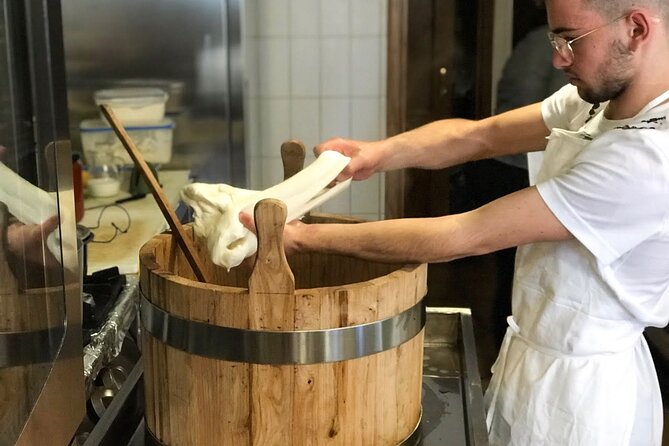
The centerpiece is the pasta lesson with Rosanna, supported by Antonio as translator. The class teaches two different styles, which gives you a useful contrast in texture and method.
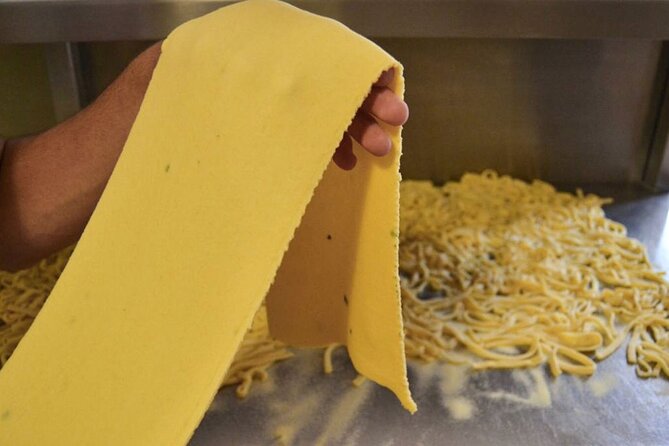
Scialatielli is a short, thick pasta associated with the Naples area and southern Campania. You work with dough, shape the pasta, and learn how it is prepared for the meal. The second dish is gnocchi alla Sorrentina, made from potato flour and served in a style associated with Sorrento.
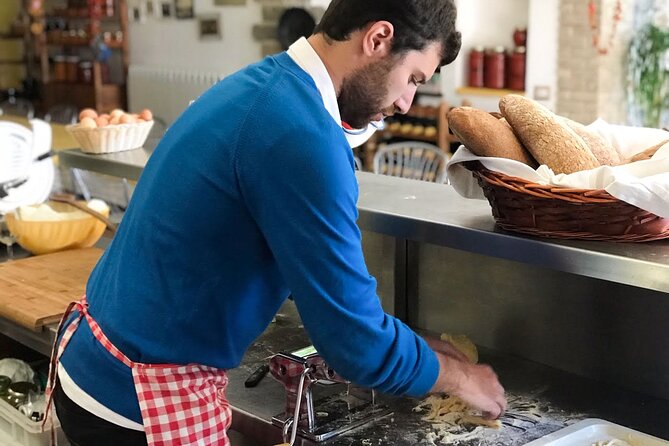
The phrase mettere le mani in pasta means putting your hands in the dough, and that is exactly the point of the class. You are not watching Rosanna demonstrate every step while you stand back. You work with the ingredients yourself.
The private setup is valuable here. If your dough feels wrong, you can ask for help right away. If your group wants to move slowly, take photos, or ask about a family technique, you do not have to keep up with a larger class.
Antonio’s translation also matters. Cooking terms are easy to misunderstand, especially when the lesson includes regional dishes. Having a family member explain the steps lets you ask direct questions and hear the cultural context behind them.
Still, you should keep your expectations practical. This is a home-based lesson, not professional culinary training. The aim is to make a good meal and learn family methods, not to master restaurant-level pasta production in three hours.
Sauce, olive oil, and the meal you helped make
After the pasta, you prepare sauce with farm vegetables and the family’s organic olive oil. The sauce work may look simple, but it is where the farm ingredients come together. You get to see how a few fresh items can carry a dish without heavy decoration.
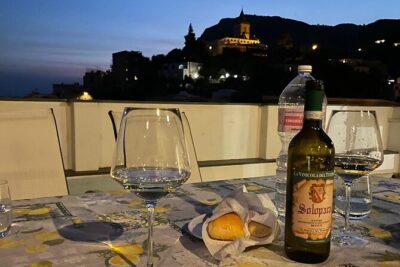
The meal follows at the same home, with organic wine included. Since you have made the pasta and helped gather some ingredients, the meal feels like the natural finish to the class rather than a separate restaurant course.
Alcoholic drinks are included in the price, and gratuities, taxes, and other listed fees are also covered. That makes the final cost easier to understand. You are paying for a private lesson, a meal, drinks, and access to a family farm, rather than for instruction alone.
At $328 per person, this is expensive compared with a basic group cooking class. The value improves for couples, families, or small groups that care about privacy and a personal setting. It also makes more sense if you would otherwise pay separately for a farm visit, a substantial meal, and a private guide.
I would not choose it simply because it is the cheapest way to make pasta. It is not. You are paying for the setting, family hosting, private format, translation, and full meal. If those details matter to you, the cost is easier to justify.
A few more classes around Positano worth a look
- Cooking class with Pasta, mozzarella and Tiramisu with wine
★ 5.0 · 549 reviews - Small-Group Cooking Class in Positano: Gnocchi, Tiramisù & Drinks
★ 5.0 · 191 reviews - Ravioli & Tagliatelle Cooking Class at a Local’s Home in Positano
★ 5.0 · 113 reviews - Forage Herbs, Make Grandma’s Ravioli & Tiramisù w Our Family
★ 5.0 · 63 reviews
Why the private format changes the experience
This is a private activity, so only your own group participates. That can make a big difference on a cooking day. You can ask about the farm, request help with the dough, or spend more time talking over the meal without strangers at the table.
The format also suits mixed-age groups and people with different food needs. A group can discuss vegetarian, vegan, or gluten-free adjustments before arriving. The hosts can then plan the meal rather than trying to make last-minute substitutions.
For couples, the class has a relaxed, shared activity feel. For families, it gives children a hands-on task, though the supplied details do not specify a minimum age or child program. For serious cooks, it offers regional recipes and ingredients, but it should not be treated as an advanced technical course.
The language setup is worth noting. Antonio translates, while Rosanna leads the cooking. You should feel comfortable asking questions through him. The shared meal also gives you more time to talk with the family after the hands-on work is over.
Getting to Pianillo from the Positano area
The meeting point is Via Castello, 80051 Pianillo NA, Italy. Hotel pickup and drop-off are not included, and the activity ends back at that same meeting point.
You should sort out transportation before confirming your day. Pianillo is near the Amalfi Coast but is not the same as meeting along Positano’s waterfront. The route can be inconvenient or costly, especially if you are relying on taxis or arranging transport from another town.
The practical upside is that the class does not require a complicated series of meeting points once you arrive. You go to the family home and farm, take part in the visit and cooking lesson, eat your meal, and return to the starting point.
Allow about three hours for the experience itself. Add travel time on both ends, and do not schedule a tight boat, bus, or train connection afterward. The class includes several parts: coffee, the cellar, the garden, cooking two pastas, sauce preparation, and the meal.
Because confirmation is subject to availability and may arrive within 48 hours of booking, secure the date before building the rest of your schedule around it. Free cancellation is available until 24 hours before the start time. After that window, the payment is not refunded and changes are not accepted.
Who will enjoy this class most
I would recommend this experience to you if you want food tied to local family life, not just a recipe demonstration. It is a good match for anyone who enjoys meeting hosts, learning by doing, and sitting down to a long meal afterward.
It is especially suitable for:
- Couples looking for a private food experience near the Amalfi Coast
- Small families or friend groups that want their own class
- Vegetarians, vegans, and people with gluten restrictions who give advance notice
- Visitors interested in regional pasta and farm ingredients
- Anyone who values a meal and drinks included in the booking price
You may want to skip it if you need hotel pickup, dislike rural travel arrangements, or want a class in central Positano. You should also choose something else if you want a large professional kitchen, a fixed menu, or advanced chef instruction.
People with severe allergies should contact the host clearly before booking. The class can accommodate gluten-free cooking, and careful preparation has been provided, but no cooking environment should be treated casually when an allergy is serious.
My booking advice for the Amalfi Coast
Book this class if the farm setting and family connection are as important to you as the pasta. Rosanna, Antonio, and the wider family offer more than a standard lesson: you visit the cellar, gather from the garden, make two local pastas, and eat with the people who prepared the food traditions.
The price is high, but the booking covers a private three-hour experience, a full meal, wine, taxes, fees, and gratuities. For a small group that wants privacy and careful dietary planning, that package can be fair value.
Before paying, confirm how you will reach Pianillo and provide every dietary detail. If you can manage the transportation and want a personal taste of family life near the Amalfi Coast, this is a strong choice. If your priority is convenience from Positano, the meeting point is the deciding drawback.
FAQ
Where does the pasta class take place?
The class takes place at Rosanna’s family home and farm in Pianillo, at Via Castello, 80051 Pianillo NA, Italy.
How long does the experience last?
The cooking experience lasts about three hours.
Is the class private?
Yes. Only your own group participates in this private activity.
Who leads the cooking lesson?
Rosanna leads the cooking lesson, and her brother Antonio serves as the translator. Pasquale may also be available.
Which pastas will I learn to make?
You will typically make scialatielli, a Neapolitan-style pasta, and gnocchi alla Sorrentina, made with potato flour.
Are vegetarian, vegan, and gluten-free options available?
Yes. Vegetarian, vegan, and gluten-free options are available, but you must advise the host at the time of booking.
Is food and wine included?
Yes. The private cooking class, meal, alcoholic beverages, fees, taxes, and gratuities are included.
Is hotel pickup included?
No. Hotel pickup and drop-off are not included. You must reach the meeting point in Pianillo on your own.
Can I cancel for a full refund?
Yes, if you cancel at least 24 hours before the experience start time. Cancellations or changes made less than 24 hours before the start time are not accepted for a refund.
Just added around Positano
- Sorrento Pizza School Activity in Italy★ 5.0 · 48 reviews
- Private Pasta & Tiramisu Class at a Local’s Home in Positano★ 3.5 · 3 reviews
- Pizza & Tiramisu with Stunning Positano Terrace Views by Cesarine★ 5.0 · 8 reviews
- Pasta and Tiramisù class with a panoramic view of Sorrento★ 5.0 · 10 reviews
- Cesarine: Small group Pizza and Tiramisu Class in Positano★ 5.0 · 5 reviews
- Milk the Cow & Make Mozzarella and Gnocchi with Our Family★ 5.0 · 36 reviews
- Cooking lesson: tagliatelle, mozzarella and tiramisu★ 5.0 · 11 reviews
- Amalfi Coast Cooking Class: Make Pasta, Mozzarella & Tiramisu★ 5.0 · 48 reviews
Positano Pasta Classes, compared.
Cooking class with Pasta, mozzarella and Tiramisu with wine
Read our review →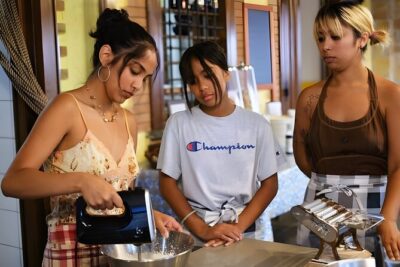
Small-Group Cooking Class in Positano: Gnocchi, Tiramisù & Drinks
Read our review →
Ravioli & Tagliatelle Cooking Class at a Local’s Home in Positano
Read our review →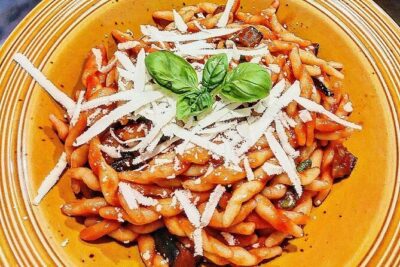
Hands-On Pasta and Tiramisu Class in Positano with Local Family
Read our review →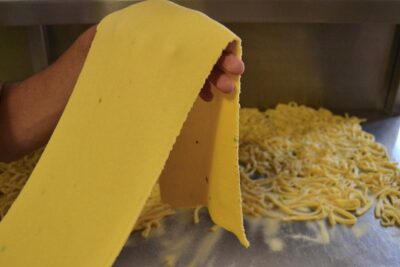
Forage Herbs, Make Grandma’s Ravioli & Tiramisù w Our Family
Read our review →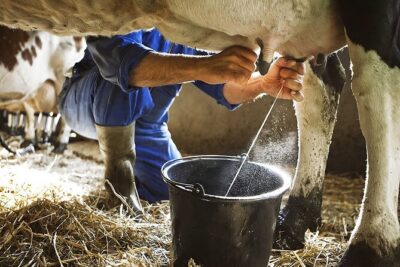
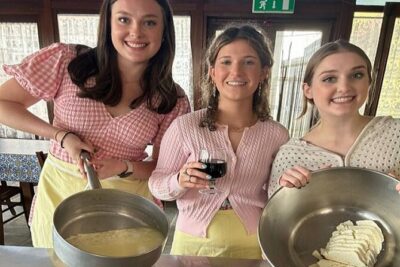
Amalfi Coast Cooking Class: Make Pasta, Mozzarella & Tiramisu
Read our review →Browse the lists this tour appears in