
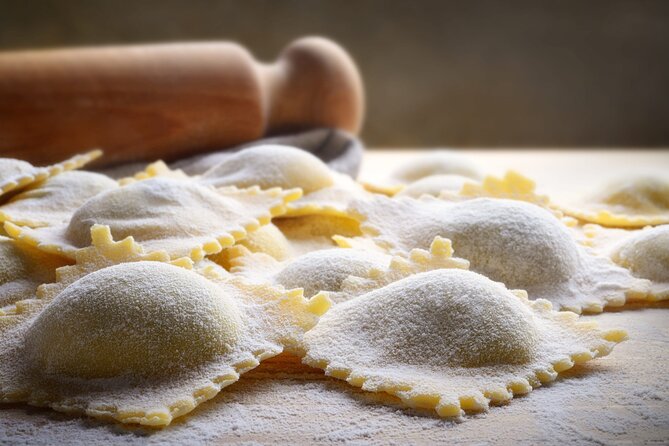
REVIEW · POSITANO
Ravioli & Tagliatelle Cooking Class at a Local’s Home in Positano
The best part of this Positano experience is that you cook in a family home in Montepertuso, not in a restaurant classroom. Emily, Genny, and their mother guide you through ravioli, tagliatelle, and tiramisu, while family recipes, garden produce, wine, and stories fill out the afternoon. I like the warm, personal setting, and I like that you actually make several dishes rather than simply watching a demonstration.
The main consideration is location. Montepertuso sits above central Positano, so you need to plan the ride to Piazza Cappella. The hosts have helped arrange shared taxis for some groups, but that support is not the same as included transportation. Also, the class can accommodate up to 14 people, so it may feel lively rather than fully private.
Key points to know before booking

- Three dishes are made from scratch: You prepare fresh ravioli, hand-cut tagliatelle, and tiramisu during roughly three hours.
- The class takes place in a family home: Emily, Genny, and their mother share recipes tied to their grandmother and great-grandmother.
- Garden ingredients shape the meal: Tomatoes, vegetables, herbs, and other produce may come from the family garden.
- The meal is generous: Expect an aperitif, salami, tarallucci, local cheese, olives, prosecco, caprese salad, grilled vegetables, pasta, dessert, wine, and limoncello.
- Montepertuso gives you a different Positano setting: You leave the crowded waterfront for a mountain village with broad views from the home.
- The practical details matter: The meeting point is Piazza Cappella, the activity ends there, English is offered, and free cancellation is available up to 24 hours before the start.
Why this class feels different from a restaurant lesson
Many cooking classes put you at a long counter and move quickly from one recipe to the next. This one is built around the family home and the people who live there. That changes the mood. You are not only learning how to shape pasta. You are hearing how food fits into one Positano family’s life.
Emily leads the instruction in English, and Genny and their mother help create the family feel that runs through the experience. The hosts talk about their grandmother, family traditions, the land, and the recipes passed down through generations. The cooking has a clear purpose, but conversation and laughter are just as important.
I especially like this format if you want more than a technical lesson. You still learn practical pasta skills, but you also hear the stories behind the dishes. The class has been described as relaxed, with time to cook without feeling hurried. That is useful in a place like Positano, where a planned activity can easily become another rushed appointment.
The tone is social. People from different countries may share the table, and the group can include couples, families, and solo visitors. The maximum is 14 people, though several descriptions of the experience point to groups of around 12. That is small enough for an intimate meal, but not small enough to expect a private chef lesson.
More Ravioli and Gnocchi Classes in Positano:
- Small-Group Cooking Class in Positano: Gnocchi, Tiramisù & Drinks
★ 5.0 · 191 reviews - Forage Herbs, Make Grandma’s Ravioli & Tiramisù w Our Family
★ 5.0 · 63 reviews - Milk the Cow & Make Mozzarella and Gnocchi with Our Family
★ 5.0 · 36 reviews
Arriving in Montepertuso above Positano
The meeting point is Piazza Cappella in Montepertuso, and the activity returns there at the end. The class is therefore not on the main beach or along Positano’s lower streets. You need to allow time to reach the upper village, particularly if you are coming from a hotel near the waterfront.
This setting is part of the appeal. Montepertuso gives you a look at the quieter, higher side of the Positano area. From the family villa, you can see impressive views, and several parts of the meal may take place on or near the balcony. The change from busy coastal streets to a family kitchen helps the class feel like a visit rather than a standard commercial activity.
The hosts have sometimes helped groups arrange a shared taxi from near their hotels. That can reduce the cost, especially for couples who split the ride with other participants. Still, you should treat this as helpful coordination rather than guaranteed included transport. Your booking information gives Piazza Cappella as the meeting point, so confirm your route before the day.
The itinerary also names Li Galli. No separate details are provided about what happens there, so I would not book this expecting a dedicated sightseeing stop or boat outing. The clear focus is the cooking class at the local home in Montepertuso.
The welcome: prosecco, local food, and garden produce
The class begins with an aperitif. You can expect prosecco and a spread of local items such as salami, tarallucci, cheese, and olives. This is not just filler before the cooking starts. It gives you time to settle in, meet the hosts, and get comfortable with the group.
A second starter includes caprese salad with fresh tomatoes and local mozzarella, rocket, and grilled vegetables. The vegetables are picked from the garden, and that detail matters. You see the connection between the home, the garden, and the meal instead of receiving a plate of ingredients with no story attached.
The food portions appear generous. If you have a small appetite, pace yourself during the opening course. You still have two pasta dishes and tiramisu ahead, and wine is served with the meal. The menu is not designed as a light snack or quick lesson. It is a full social meal built around what you make together.
The family’s approach centers on local, organic-style eating and traditional recipes. You should not expect a highly formal presentation or a rigid culinary school format. The value is in the direct contact with the ingredients and the family’s way of preparing them.
Making ravioli together
Ravioli is one of the two main pasta projects. You make the dough and filling together, with possible fillings including ricotta, vegetables, or meat. The specific choice can be decided with the group, and the hosts indicate that they can work with ingredients you like.
One practical detail from the cooking process is the size of the pasta sheet. Rolling dough for a group can become a shared effort, with several people helping stretch and handle it. That makes the activity physical and collaborative rather than a quick turn at a small station.
Emily teaches the steps and helps the group avoid the common problems that make fresh pasta difficult. You learn by doing, which is the best way to understand dough texture, filling quantity, and how to seal the ravioli. The recipe is intended to be repeated at home, and the hosts provide recipes in PDF form afterward.
The final dish is served as part of the meal. You are not making a sample piece and then moving on. The group prepares enough food to eat together, which gives the cooking a satisfying finish.
A few more classes around Positano worth a look
- Cooking class with Pasta, mozzarella and Tiramisu with wine
★ 5.0 · 549 reviews - Amalfi: Prepare fresh pasta, mozzarella and tiramisu
★ 5.0 · 315 reviews - Hands-On Pasta and Tiramisu Class in Positano with Local Family
★ 4.5 · 88 reviews - Amalfi: Milk cows, make pasta, mozzarella and tiramisu!
★ 5.0 · 54 reviews
Rolling tagliatelle by hand
The second pasta is fresh tagliatelle, described in the menu as noodles. This gives you a different skill from ravioli. Instead of filling and sealing individual pieces, you work with a long sheet of dough and cut it into ribbons.
The contrast between the two pasta types makes the lesson more useful. Ravioli teaches patience and neat assembly. Tagliatelle teaches you how to roll, cut, separate, and handle fresh pasta. You leave with two basic techniques that can be adapted to other shapes and sauces.
The sauce and added ingredients come from fresh local products, including produce from the garden. The exact sauce is not specified, so do not expect a fixed restaurant-style menu with every detail decided in advance. That flexibility is part of the home-cooking character.
This is also a good class for families. Children are listed as welcome, and the group effort of rolling a long sheet of dough gives younger participants something active to do. The class lasts about three hours, so parents should consider their child’s patience and interest in sitting, mixing, and waiting for the meal.
Tiramisu and the family story behind it
Tiramisu provides the sweet finish. The hosts use an old family recipe associated with their grandmother, and you prepare it during the class rather than simply receiving it at dessert.
I like the inclusion of tiramisu because it rounds out the lesson. You learn fresh pasta, but you also leave with a dessert you can make without a pasta machine. The recipe adds variety and gives you another practical souvenir in addition to the PDF recipes.
The dessert also fits the family-centered theme. Much of the class is tied to memories of cooking with older generations, particularly the grandmother and great-grandmother. The stories are not an extra lecture added to the schedule. They come up naturally while the family cooks with you.
Wine, homemade limoncello, and conversation continue around the meal. The hosts have been described as willing to sing, dance, take photos, and share them by WhatsApp before the group leaves. Those touches will appeal to people who want a festive evening. They may feel less comfortable if you prefer a quiet, tightly structured class.
The views and the meal after cooking
The family home has a balcony with wide views over the Positano area. The view is an important part of the setting, particularly when you sit down to eat what you prepared. You get the reward of a home-cooked meal with a scenic backdrop rather than a standard indoor classroom.
The meal itself can include more than the three recipes you make. Along with ravioli, tagliatelle, and tiramisu, you may receive caprese salad, grilled vegetables, appetizers, wine, prosecco, and limoncello. The menu is substantial, so this is best treated as a lunch or dinner experience rather than an activity squeezed between two restaurant reservations.
The food is not the only measure of value here. At $181.41 per person, the price is high for a cooking lesson if you compare it with a basic pasta workshop. It becomes easier to justify when you count the roughly three-hour class, the full meal, drinks, garden ingredients, family hosting, recipes, and taxi coordination help that may be available.
You are also paying for access to a private home and a family story that a restaurant class cannot easily reproduce. If you want a formal lesson with precise portions, professional equipment, and a chef focused only on technique, another class may suit you better. If you value a personal meal and an evening of conversation, the price makes more sense.
Who will enjoy this Positano cooking class
I would recommend it most strongly to people who want a social and personal experience. Couples celebrating a birthday, families looking for a shared activity, and visitors who enjoy meeting local hosts should find the format appealing.
It also suits pasta beginners. You do not need to arrive with advanced cooking skills. The point is to learn the basic methods, work with the dough, and enjoy the result. The English-language instruction makes the class accessible to English speakers.
The class may be less suitable if you have strict dietary needs. The menu includes cheese, meat options, wine, and several prepared dishes, but the available information does not promise vegetarian, vegan, gluten-free, or allergy-specific arrangements. Ask before booking if this is important to you.
You should also think about the schedule. Three hours is an estimate, and the relaxed family format can run at a comfortable pace rather than a precise minute-by-minute timetable. That is good for the atmosphere, but you should not plan a tight connection afterward.
The experience requires good weather. If poor weather causes cancellation, you are offered another date or a full refund. A minimum number of participants is also required, and if that minimum is not met, you are offered another option or a full refund.
Booking, cancellation, and final advice
Confirmation arrives at booking, and the experience is offered in English. It is near public transportation, suitable for children, and capped at 14 people. Mobile tickets make the meeting details easy to carry, but I would still save the address and Piazza Cappella meeting point offline.
Free cancellation is available up to 24 hours before the start time. Changes or cancellations inside that window are not accepted for a refund, and the cut-off uses local time. Positano plans can change with weather and traffic, so check your schedule before that deadline.
This class earns its strong rating for clear reasons: the family welcome, the views, the generous meal, the garden ingredients, and the chance to make three dishes from scratch. Emily’s English instruction and storytelling are central to the experience, while Genny and their mother add the feeling of a family gathering.
Should you book it?
Book this experience if you want to cook, eat, and spend an evening with a Positano family rather than attend a polished restaurant demonstration. The ravioli and tagliatelle give you real kitchen practice, while tiramisu, wine, limoncello, and the balcony view make the class feel like a complete night out.
Think twice if you need guaranteed private transport, a small private group, a strict culinary syllabus, or confirmed allergy adaptations. For everyone else, the combination of family recipes, garden produce, mountain views, and a generous shared meal makes this one of the more personal ways to spend three hours above Positano.
FAQ
Where does the cooking class meet?
The meeting point is Piazza Cappella in Montepertuso, Positano, Italy. The activity ends back at the same meeting point.
How long does the experience last?
The class lasts approximately three hours.
What dishes will I make?
You make fresh ravioli, hand-made tagliatelle, and tiramisu. Ravioli fillings may include ricotta, vegetables, or meat, with the ingredients chosen together.
What food and drinks are included?
The menu includes welcome appetizers such as salami, tarallucci, local cheese, olives, and prosecco. You may also have caprese salad, mozzarella, tomatoes, rocket, grilled vegetables, the two pasta dishes, tiramisu, local wine, and homemade limoncello.
Is the class offered in English?
Yes. The experience is offered in English.
Can children join the class?
Yes. The activity is listed as suitable for children.
What happens if I need to cancel?
You can cancel up to 24 hours before the start time for a full refund. Cancellations or changes made less than 24 hours in advance are not accepted for a refund.
Just added around Positano
- Sorrento Pizza School Activity in Italy★ 5.0 · 48 reviews
- Private Pasta & Tiramisu Class at a Local’s Home in Positano★ 3.5 · 3 reviews
- Pizza & Tiramisu with Stunning Positano Terrace Views by Cesarine★ 5.0 · 8 reviews
- Milk the Cow & Make Mozzarella and Gnocchi with Our Family★ 5.0 · 36 reviews
- Pasta and Tiramisù class with a panoramic view of Sorrento★ 5.0 · 10 reviews
- Cesarine: Small group Pizza and Tiramisu Class in Positano★ 5.0 · 5 reviews
- Cooking lesson: tagliatelle, mozzarella and tiramisu★ 5.0 · 11 reviews
- Amalfi Coast Cooking Class: Make Pasta, Mozzarella & Tiramisu★ 5.0 · 48 reviews
Positano Pasta Classes, compared.
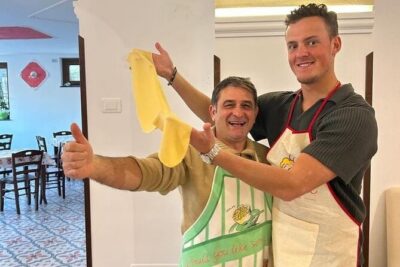
Cooking class with Pasta, mozzarella and Tiramisu with wine
Read our review →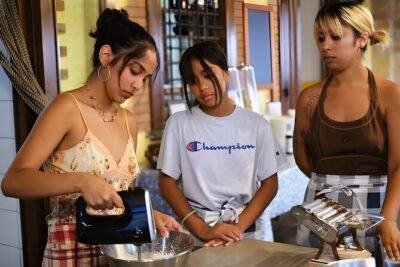

Small-Group Cooking Class in Positano: Gnocchi, Tiramisù & Drinks
Read our review →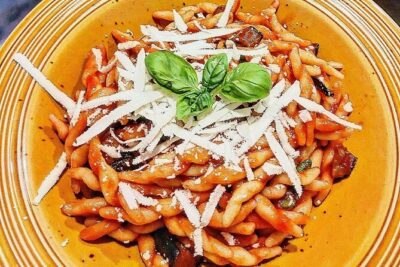
Hands-On Pasta and Tiramisu Class in Positano with Local Family
Read our review →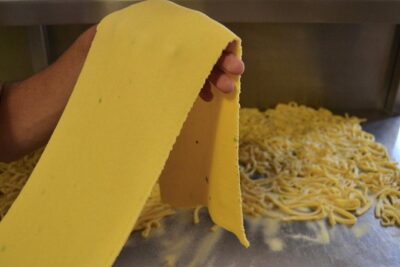
Forage Herbs, Make Grandma’s Ravioli & Tiramisù w Our Family
Read our review →
Amalfi Coast Cooking Class: Make Pasta, Mozzarella & Tiramisu
Read our review →
Browse the lists this tour appears in