
REVIEW · NAPLES
Cooking Lesson: Neapolitan pasta homemade
Fresh pasta here is made the old-fashioned way: by hand, with a rolling pin, not with a pasta machine. Chef Amos explains his family’s egg-pasta recipe, then guides you through ravioli, fettuccine, tagliolini, and pappardelle before you sit down to eat what you made.
I like the useful combination of cooking and lunch or dinner, plus the small taste of Campania that comes first: Vesuvian tomatoes, homemade bread, and organic local products. I also like that the class is practical rather than theatrical. You knead, cut, fill, cook, and eat. The main drawback is clear: this is not suitable for people with gluten intolerance, and two hours leaves little room for a slow, leisurely class.
Key points to know before booking
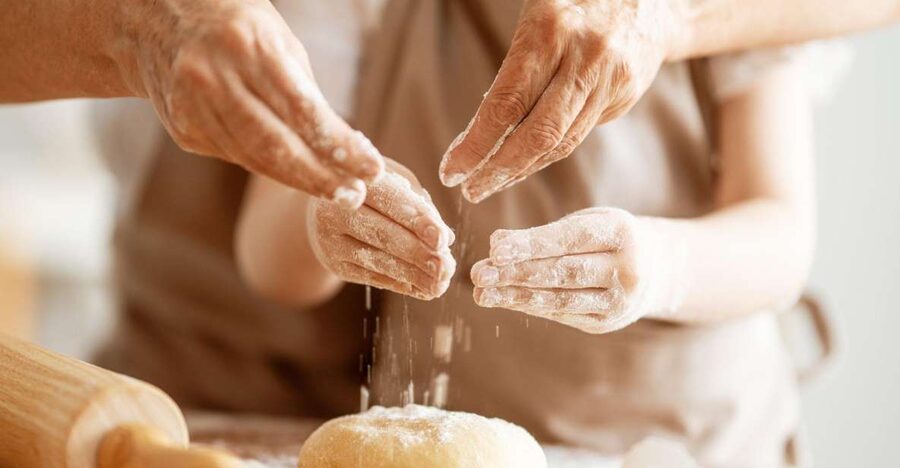
- Hand-rolled pasta: You use a rolling pin and traditional methods instead of a pasta machine.
- Two finished dishes: Your meal includes fettuccine with Neapolitan sauce and ravioli with ragù.
- A taste of Campania: The opening snack includes Vesuvian tomato, homemade bread, and organic local products.
- Chef Amos leads the class: He explains the recipe and stays involved throughout the activity.
- Central Naples location: The Naples Cooking Lab is on Spaccanapoli, with occasional classes at Pizzeria Mammina in Galleria Umberto I.
- A full two-hour package: Tools, apron, lesson, meal, one alcoholic or non-alcoholic drink, and a chef diploma are included.
What happens during the two-hour pasta class
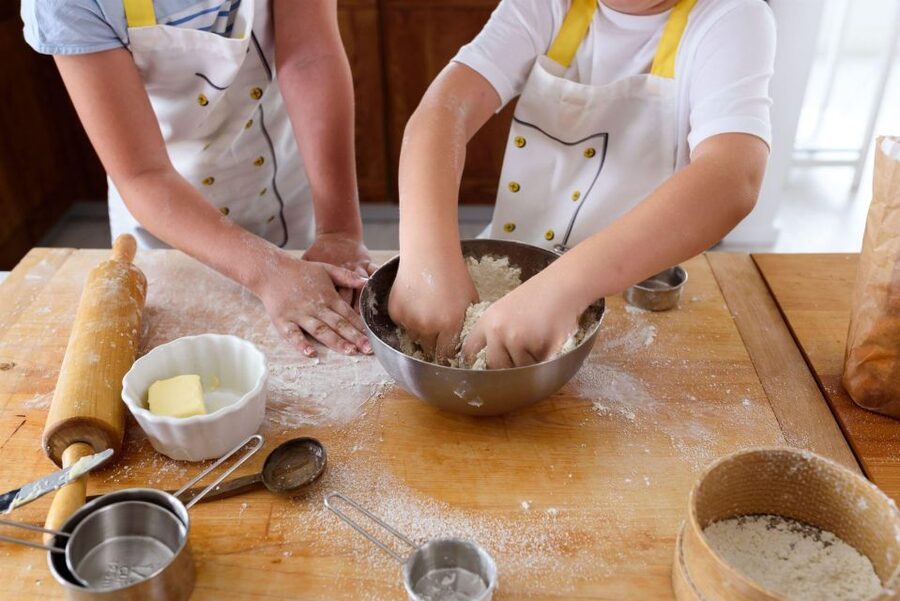
The class begins with a short explanation of pasta styles. That opening matters because it gives you a little context before the flour reaches the table. You learn how different shapes and preparations vary, then move on to the main project: egg pasta made from a family recipe.
You are given a description of the dough ingredients before mixing begins. The recipe is described as an old 1800s-style dough, which sets the tone for the class. This is not a lesson built around modern gadgets or restaurant shortcuts. The focus is on the methods that Italian families passed from one generation to the next.
You knead the dough, then let it rest. During that pause, the class turns briefly toward local food. You receive a starter with organic products, Vesuvian tomatoes, and homemade bread. This is more than a filler while the dough rests. It shows you why simple Neapolitan cooking depends so much on the quality of the ingredients. A ripe tomato and good bread do plenty of work without a long list of additions.
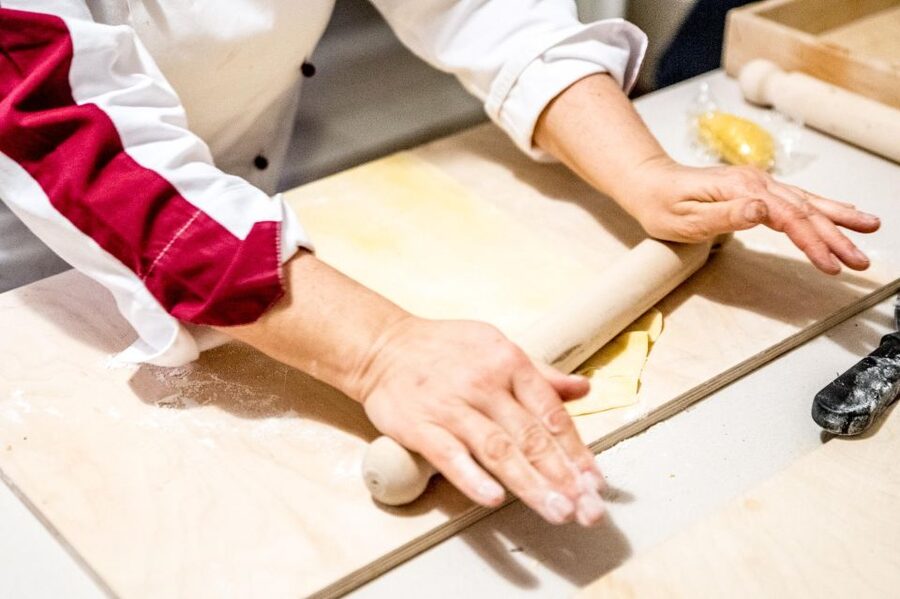
The class then returns to the dough. You roll it out with a rolling pin, using only hand methods. If you have used a pasta machine before, you will notice the difference immediately. A machine gives you speed and even thickness. Hand-rolling gives you a more direct feel for the dough, though it can also be more work and less precise. That trade-off is part of the point here.
A few more classes around Naples worth a look
- Naples: Pizza-Making Workshop with Drink and Appetizer
★ 4.9 · 5,411 reviews - Authentic Pizza Making Class in Naples with Appetizers and Drink
★ 5.0 · 3,178 reviews - Naples: Pasta Making Class with Starter and Drink
★ 4.9 · 1,060 reviews
Rolling, cutting, and filling the pasta
Once the dough is thin enough, you cut it into shapes. Fettuccine and ravioli are the main assignments, but the chef also shows you how tagliolini and pappardelle are prepared. That makes the class more useful than a single-recipe demonstration. You leave with a better sense of how one sheet of pasta can become several different dishes.
The fettuccine gives you the straightforward task of cutting long ribbons. Ravioli asks for more care. You mix the filling ingredients, place the filling, fold the pasta, and seal the edges. This is the stage where attention matters. Too much filling can make the pasta difficult to close. Too little gives you a neat parcel but less flavor in the center.
You should expect some variation in your finished shapes. That is normal in a hand-making class, and it is part of the charm. Your ravioli may not look like factory-made pasta, but you will understand how it was made. The class is aimed at learning the process, not producing identical pieces for a restaurant display.
The supplied kitchen tools and apron are included, so you do not need to arrive with equipment. The chef diploma is also part of the package. It is a lighthearted souvenir, but it gives the experience a nice finish, especially for a birthday, family outing, or bachelorette gathering. One group used the class for a bachelorette party, and the format suits that kind of occasion because everyone has a task and a meal at the end.
From worktable to Neapolitan lunch or dinner
After the pasta is shaped, it is cooked in water. The lesson then becomes a shared meal. You eat fettuccine with Neapolitan sauce and ravioli with ragù, so the two main pasta forms are served in different ways.
That is one of the best features of the class. You do not simply cook one dish and watch someone else finish it. You get to compare the texture and shape of the pasta with two sauces. Fettuccine gives the sauce plenty of surface area, while ravioli adds a filled center and a different bite.
The meal includes one alcoholic or non-alcoholic drink. Additional drinks are not included, so keep that small extra cost in mind if you want wine, beer, or soft drinks after the first serving. Still, the included starter, meal, and drink make the $92 price easier to assess. You are paying for instruction and food, not just a plate of pasta.
The class has received especially strong praise for being fun, clear, and delicious. The most useful detail for you is that the chef keeps explaining things throughout the activity. That matters in a hands-on class, where a vague demonstration can leave you unsure about the dough, the filling, or the correct way to seal the ravioli.
Why the hand-rolling method matters
Many pasta classes use a machine because it is quick and predictable. This one does not. The hand-rolling method connects the class to older home kitchens and makes the work more physical.
I like that choice for a short cultural activity in Naples. You are not simply receiving a polished restaurant lesson. You are handling the dough in the same broad way that earlier generations did. The method also gives you something useful to repeat at home if you have a rolling pin and a clear work surface.
There is a practical downside. Hand-rolling takes effort, and the result depends on your technique. If you are looking for a fast demonstration with little participation, this may feel too hands-on. If you want to learn by doing, it is the better fit.
The class also teaches several pasta shapes in a limited period. That makes it lively, but you should not expect a long technical seminar on every variation. The emphasis is on making a complete meal within two hours.
Same kitchen, a different thing to make:
- Naples: Neapolitan Pizza and Tiramisù Making Class
★ 4.8 · 839 reviews - Naples Pasta Class: Fettuccine & Ravioli with Grandma’s Recipe
★ 5.0 · 506 reviews - Naples: Pasta Cooking Class with Tiramisù and a Drink
★ 4.6 · 415 reviews - Naples: Premium Pizza Class From Dough to Dessert & Wine
★ 4.9 · 346 reviews
The Naples setting on Spaccanapoli
The main meeting point is the Naples Cooking Lab on Spaccanapoli, in the heart of Naples’ historic center. That location makes the class easy to pair with a day spent walking through central Naples.
Spaccanapoli is one of the city’s best-known routes, cutting through the old center. You can plan the cooking class around sightseeing in the surrounding streets, churches, shops, and food stops. The details of the venue matter because a central cooking class saves you from arranging a separate trip outside the city center.
The class may sometimes take place at Pizzeria Mammina in Galleria Umberto I instead. You will be informed ahead of time if the venue changes. Check the meeting location before setting out, especially if you are navigating Naples on foot and have planned your day around Spaccanapoli.
The activity is wheelchair accessible. The available information does not describe the exact room layout or restroom arrangements, so you may want to confirm those details directly if you need specific access features.
Is $92 a fair price?
At $92 per person, this is not the cheapest way to eat pasta in Naples. You could buy a plate of pasta for far less. But that is the wrong comparison. The price includes a two-hour lesson, an instructor, kitchen tools, an apron, a local appetizer, two pasta dishes, one drink, and a chef diploma.
The real value depends on how much you want to participate. If you are mainly seeking a meal, the cost will feel high. If you want a hands-on activity that also provides lunch or dinner, the package is more reasonable.
The local starter strengthens the value. Vesuvian tomatoes and homemade bread give you a small taste of Campania before the pasta arrives, and the explanation of product quality adds context to the meal. You are learning not only how to make pasta, but also why basic ingredients matter in southern Italian cooking.
For a couple, family, or small celebration, the class can replace both a standard meal and a separate activity. For solo diners, the value comes down to your interest in cooking and meeting others around a shared table. The supplied information does not specify the group size, so you should not book expecting either a private lesson or a very large class.
Who will enjoy this class most?
This is a good choice if you want a practical food experience in central Naples. You should enjoy it if you like working with your hands, trying local ingredients, and eating the result soon afterward.
It also fits visitors who want to bring a skill home. The lesson covers dough, rolling, cutting, filling, and cooking, so you gain a useful outline for making fresh pasta in your own kitchen. You may need practice to match the chef’s results, but the basic method is clear.
Families and groups can make good use of the format. Everyone can take part, and the final meal gives the activity a shared purpose. The bachelorette-party use also suggests that it works for celebrations where conversation and teamwork matter as much as technical cooking.
This is less suitable if you have gluten intolerance. It may also disappoint you if you want a quiet, highly formal demonstration or a detailed culinary course lasting most of the day. The two-hour schedule is active and focused.
The class is offered in English, Italian, French, and Spanish. That is helpful for mixed-language groups, and it means you can choose a language that makes the cooking instructions easier to follow.
Booking, cancellation, and practical details
The class lasts two hours, with starting times available according to the date you choose. You can reserve now and pay later, which helps if your Naples schedule is still changing.
Free cancellation is available up to 24 hours before the activity for a full refund. That policy is useful in a city where plans can shift, especially if you are building a day around several central sights.
The meeting point is normally the Naples Cooking Lab on Spaccanapoli. If the class moves to Pizzeria Mammina in Galleria Umberto I, you will be notified in advance. Arrive at the location shown for your booking rather than relying only on the general address.
One drink is included. Further drinks cost extra. If you avoid alcohol, choose the non-alcoholic option included in the package.
Should you book the Neapolitan pasta lesson?
I would book this class if you want more than a restaurant meal and like the idea of learning through your hands. The strongest reasons are the old-style rolling-pin method, the chance to make both fettuccine and ravioli, and the meal served at the end.
The price makes sense when you count the food, instruction, tools, starter, drink, and two-hour activity together. Chef Amos’s patient explanations are another reason to choose it, especially if you have never made fresh pasta before.
Skip it if gluten is a problem, if you dislike flour-covered work, or if you want a completely passive food tour. For everyone else, this is a compact, central Naples experience with a clear result: you make the pasta, cook it, and eat it.
FAQ
Where does the pasta class take place?
The usual meeting point is the Naples Cooking Lab on Spaccanapoli, in the heart of Naples’ historic center. The class may sometimes take place at Pizzeria Mammina in Galleria Umberto I, and you will be informed in advance if the venue changes.
How long does the cooking lesson last?
The activity lasts two hours.
What pasta will I learn to make?
You will make egg pasta, fettuccine, and ravioli. The chef also shows you how to prepare tagliolini and pappardelle.
Are pasta machines used during the class?
No. The dough is rolled out with a rolling pin using traditional hand methods.
What food is included?
You receive a local appetizer with Vesuvian tomatoes, homemade bread, and organic products. You then eat fettuccine with Neapolitan sauce and ravioli with ragù.
Is a drink included?
Yes. One alcoholic or non-alcoholic drink is included. Additional drinks after the first one are not included.
Is the activity available in English?
Yes. The class is offered in English, Italian, French, and Spanish.
Can I cancel for a full refund?
Yes. You can cancel up to 24 hours in advance for a full refund.
Just added around Naples
- Naples Hands-on Cooking Class: Gnocchi, Ravioli, Tiramisu & Wine★ 4.5 · 18 reviews
- Private Pasta & Tiramisu Class at a Cesarina’s home with tasting in Ercolano★ 5.0 · 2 reviews
- Pizza Making Experience★ 4.0 · 4 reviews
- Pasta Fresca Gnocchi and Ravioli a Napoli★ 5.0 · 2 reviews
- Pasta and Tiramisu Cooking Class with Local Chef in Naples★ 5.0 · 58 reviews
- Naples Pizza and Tiramisu Homemade Edition★ 5.0 · 9 reviews
- Private Fettuccine Alfredo and Ravioli Class Grandma recipe★ 4.0 · 2 reviews
- 2-Hour Authentic Italian Pizza Making Class in Naples★ 4.5 · 14 reviews
Naples Pasta Classes, compared.
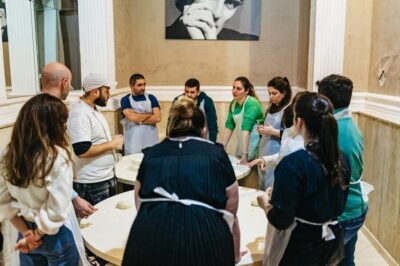
Pizza-Making Workshop with Drink and Appetizer
Read our review →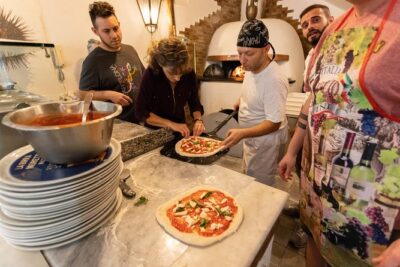
Authentic Pizza Making Class in Naples with Appetizers and Drink
Read our review →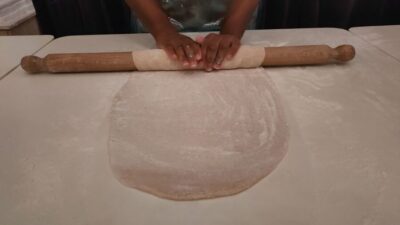
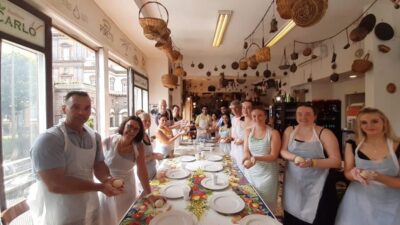
Naples Pasta Class: Fettuccine & Ravioli with Grandma’s Recipe
Read our review →
Premium Pizza Class From Dough to Dessert & Wine
Read our review →
Semi-Private Pizza Making Experience in Naples with Drink
Read our review →Browse the lists this tour appears in