
REVIEW · ROME
Authentic Italian Pasta Making Class in Rome
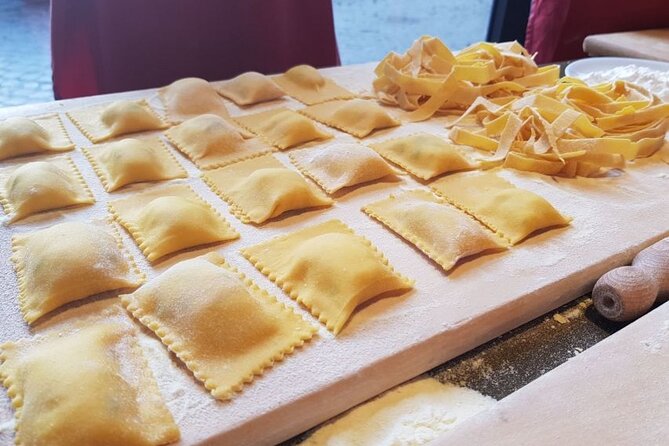
Rome’s best food lessons get flour on your hands. This hands-on pasta class takes you through gnocchi, cavatelli, and ravioli, then adds two Roman sauces, cacio e pepe and amatriciana. I like that you learn several shapes instead of making one dish on repeat, and I like the small maximum of 12 people, which should give the chef room to help with tricky dough.
The main thing to consider is the price: $119.21 per person is a fair amount for a two-and-a-half-hour meal and lesson, but it is not a casual snack stop. The exact chef may vary, with Roberto, Monica, Victoria, Francesco, Roy, and Nicolette associated with the cooking sessions, so the style and pace may differ by date.
Key points at a glance
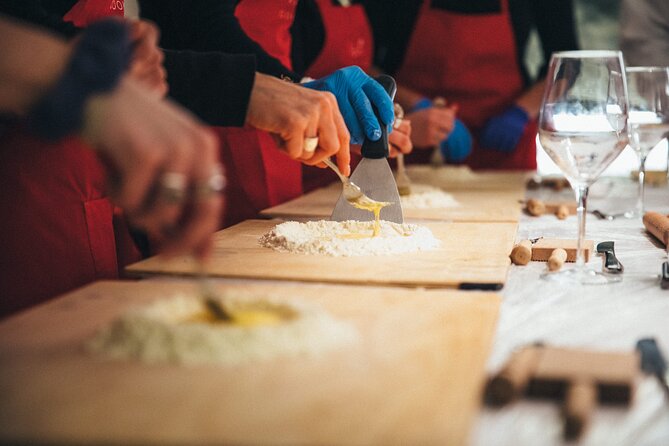
- Three pasta styles in one class: Make pillowy gnocchi, hand-rolled cavatelli, and filled ravioli from scratch.
- Two classic Roman sauces: Learn cacio e pepe and amatriciana, both central to the city’s food culture.
- Small group size: The class accepts a maximum of 12 people, a useful limit for hands-on instruction.
- A meal at the end: You sit down to eat the food you prepared, rather than simply taking a recipe sheet home.
- Friendly instruction for beginners: No previous cooking experience is required, and the atmosphere is designed to be relaxed.
- A central meeting point: Meet at Piazza dei Ponziani 14 at noon, with the class ending back at the same location.
What you actually make in 2.5 hours
This is not a demonstration where you sit at a table and watch someone else work. You make the pasta yourself, with the chef explaining each stage and helping you correct mistakes before they become dinner-sized problems.
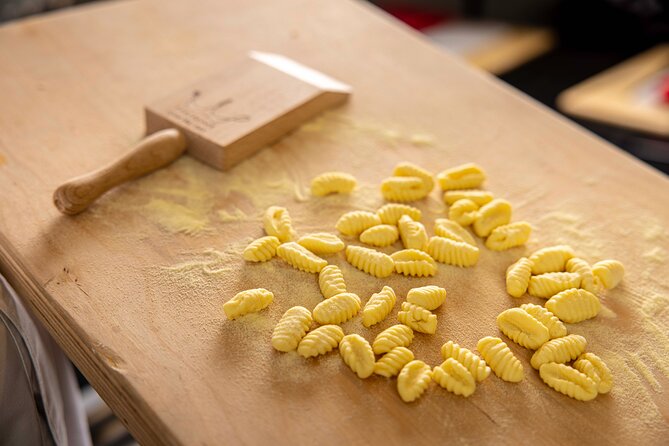
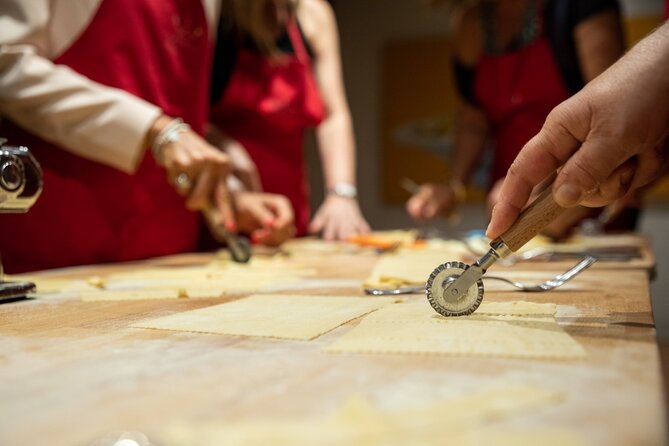
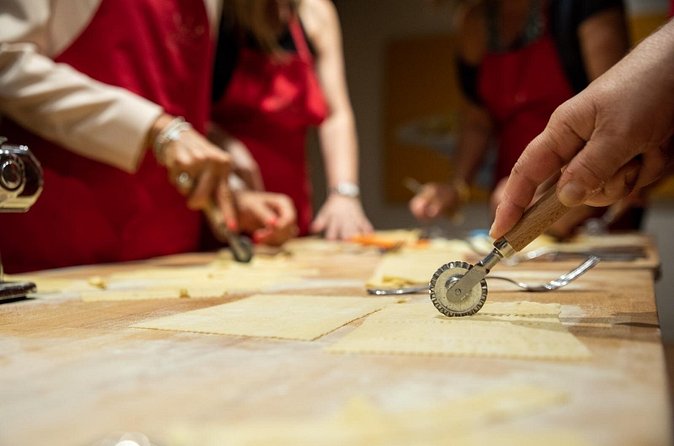
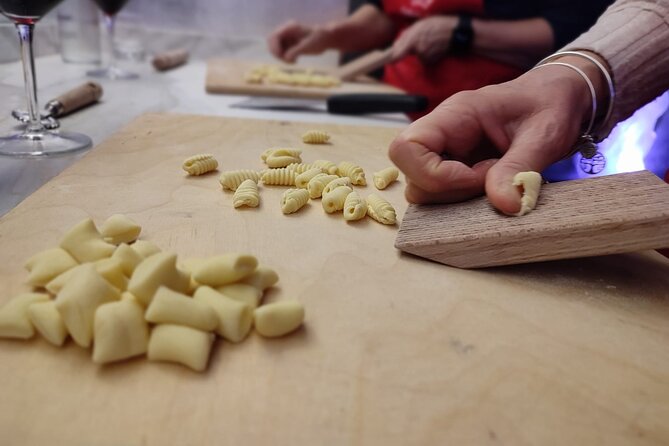
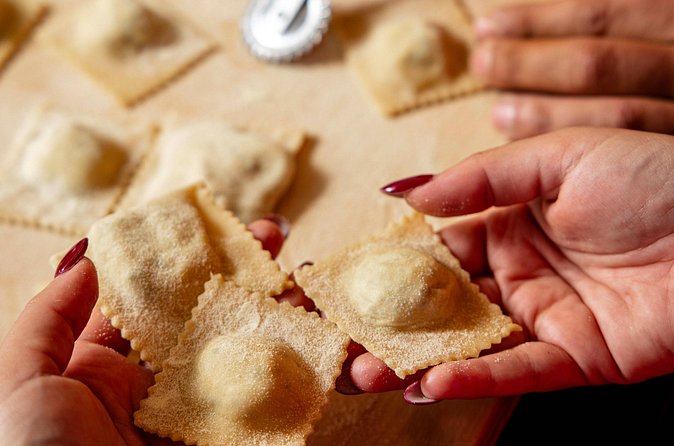
The menu gives you a useful look at several kinds of Italian dough. Gnocchi teaches a soft, potato-based style that needs a light touch. Cavatelli gives you practice rolling and shaping small pieces by hand. Ravioli adds the extra challenge of filling and sealing pasta without letting the filling escape.
That variety is the strongest part of the class. You are not only learning one recipe for one evening. You are comparing different textures, shapes, and methods, which makes the lesson more useful when you return home.
The class also covers cacio e pepe and amatriciana. Cacio e pepe looks simple, but getting a smooth cheese sauce instead of a clumpy one takes care. Amatriciana brings a different Roman flavor, with a more assertive sauce profile. Together, the two recipes show how a few well-chosen ingredients can produce very different results.
The supplied details do not specify the exact filling for the ravioli or every ingredient in each sauce. That is worth remembering if you have strict dietary needs. Ask the provider about ingredients before booking, rather than assuming the menu can be changed.
More Fresh Pasta Workshops in Rome
- Rome: Pasta Making Class with Wine, Limoncello, and Dessert
★ 4.9 · 3,177 reviews - Enjoy Spritz and Pasta Making in Piazza Navona
★ 5.0 · 1,681 reviews - Pasta Making & Wine Tasting with Dinner in Frascati from Rome
★ 5.0 · 1,326 reviews
Meeting the chef at Piazza dei Ponziani
The class begins at 12:00 pm at Piazza dei Ponziani 14, 00153 Rome. The activity ends at the same meeting point, so you do not need to arrange a second pickup or find your way to a different restaurant afterward.
The setting is described as charming, exclusive, clean, and professional. Those words matter in a cooking class. You will be working with flour, dough, fillings, and sauces, so a well-kept kitchen makes the experience more comfortable and helps the lesson feel organized.
Your chef may be Roberto, Monica, Victoria, Francesco, Roy, or Nicolette, depending on the session. The individual accounts give a consistent picture of patient instruction, clear explanations, and a relaxed tone, but you should not expect one named chef to be guaranteed unless the booking specifically confirms it.
The class is offered in English. That is helpful for technical instructions, since dough texture and sauce consistency are hard to learn from gestures alone. You will want to hear when to stop kneading, how thin to roll the pasta, and how to handle the filling.
Flour, dough, and three pasta shapes
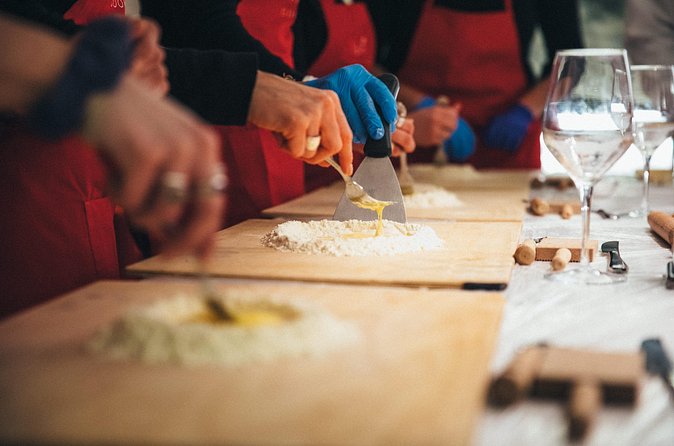
The first practical lesson is likely the dough itself. You will knead, roll, and shape the pasta by hand, with the chef guiding you through the process. The point is not to produce perfect restaurant pasta on your first try. It is to understand how the dough should feel and how much pressure each shape needs.
Gnocchi is the softest and most delicate of the three. It rewards a gentle hand. Press too hard and the pieces can become dense. Handle them lightly and they keep the pillowy quality that makes gnocchi special.
Cavatelli is more tactile. You roll pieces of dough and shape them by hand, creating a small pasta with a useful surface for holding sauce. It is the sort of shape that gives you a clear sense of how Italian home cooking can rely on simple tools and practiced fingers.
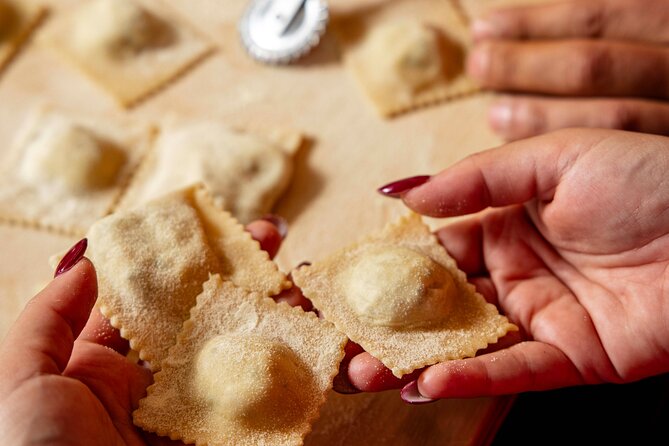
Ravioli adds a little drama to the table. You place filling on the sheet, fold or cover it, and seal each piece. The edges need to be closed properly, and too much filling can cause trouble during cooking. This is where having a chef nearby matters most.
The class is suitable for people who do not cook often. One family group included a son and husband who rarely cook, yet both found the process enjoyable. That is a good sign for beginners, couples, and families who want an activity that does not require prior skill.
Still, hands-on cooking takes concentration. If you want a completely restful afternoon with no flour on your sleeves, choose a food tasting instead. This class works best when you are happy to participate.
Learning cacio e pepe and amatriciana
Roman pasta sauces are often deceptively short ingredient lists. Cacio e pepe depends on cheese, pepper, and pasta water coming together at the right moment. Amatriciana has a fuller, more savory character and gives you a second way to think about sauce, heat, and balance.
The value here is practical. You are not just tasting the sauces in a restaurant. You are seeing how they are prepared and learning what makes them work with pasta. The chef also shares cooking tips, background, and stories about Roman food, which adds context without turning the session into a lecture.
Cacio e pepe is especially useful to learn because it can look easy on a menu while being surprisingly easy to mishandle at home. A class gives you the chance to watch the technique closely, ask questions, and eat the result while the lesson is still fresh.
Amatriciana helps round out the meal. It gives the class a second Roman classic with a different texture and flavor. Since you make several pasta shapes as well as two sauces, the session has more range than a basic pasta workshop.
Same kitchen, a different thing to make:
- 3 in 1 Cooking Class near Navona: Fettuccine, Ravioli & Tiramisu
★ 5.0 · 7,376 reviews - Rome: Pasta & Tiramisu Class with Fine Wine by the Vatican
★ 4.9 · 4,852 reviews - Rome Cooking Class: Make Pasta and 3 Spritz Cocktails
★ 5.0 · 2,937 reviews - Rome: 3-in-1 Fettuccine, Ravioli, and Tiramisu Cooking Class
★ 4.9 · 2,704 reviews
Sitting down to eat your own work
At the end, you sit down and eat the food prepared during the class. That shared meal is more than a pleasant finish. It gives you a chance to compare the pasta shapes, see how each one holds sauce, and notice the results of the techniques you just practiced.
Wine is included in some reported class experiences, with good wine served alongside the meal. The supplied details do not state a fixed wine inclusion for every booking, so confirm what is included if drinks are important to your decision.
The meal also makes this a good choice for a family or small group. Cooking together gives everyone a job, and the final table offers a natural reward after the work. One family-focused session was praised for involving everyone rather than leaving less experienced cooks on the sidelines.
The setting may also suit couples and friends. You can talk while shaping dough, but the class still gives you something to do, which is useful when you want more than another restaurant meal.
A relaxed class for beginners, with a small-group limit
The maximum group size is 12 people. That is large enough to keep the class social but small enough to make personal help possible. You should still expect some shared instruction, since the chef needs to guide the whole room, but the group limit is a positive sign for a practical lesson.
The tone is meant to be relaxed. One of the clearest themes from the class experiences is patience, especially from chefs such as Roberto and Victoria. That matters if you are nervous about making mistakes. Pasta dough is forgiving enough to learn from, and an encouraging instructor can keep a small problem from spoiling the afternoon.
Monica has also been associated with getting everyone involved, an important detail for families or mixed groups where one person cooks and the rest usually watch. The experience is at its best when each person gets to knead, shape, and taste.
The information also includes a gluten-free pasta session that worked for family members with celiac disease. That shows the provider has handled a fully gluten-free class, but it does not guarantee that every scheduled session is gluten-free. If you need this accommodation, ask before booking and get a clear answer about cross-contact and ingredients.
Service animals are allowed. The meeting point is near public transportation, and the mobile ticket makes it easy to keep the booking details on your phone.
Is $119.21 a good value in Rome?
At $119.21 per person, this is not the cheapest way to eat pasta in Rome. You can find a plate of cacio e pepe for far less. The comparison changes when you count the chef’s instruction, the food you prepare, the hands-on practice, and the meal at the end.
I see the price as reasonable for someone who wants an activity with a meal attached. You are getting roughly two and a half hours of structured time, several recipes, and enough variety to take useful techniques home. The value is weaker if you mainly want to eat, since a restaurant gives you dinner without the extra cost or effort.
The class also makes sense as a special occasion activity. Families can share the work, couples can treat it as a midday date, and friends can turn it into a group event. The small group limit adds value because a crowded class can make hands-on cooking frustrating.
Your personal value will depend on what you want from Rome. If your schedule is packed with major sights, two and a half hours is a meaningful block of time. If food is one of the main reasons you came, the class can be a welcome change from museum rooms and archaeological sites.
Timing, transport, and booking details
The fixed start time is noon. Plan to arrive with enough time to find Piazza dei Ponziani 14, since the class begins at the stated meeting point and the activity does not offer a hotel pickup in the information provided.
The experience is offered in English and accepts mobile tickets. Confirmation is sent at booking, which makes the practical side simple. The class ends where it starts, so you can make plans for the rest of your day without arranging a return transfer.
The provider offers free cancellation if you cancel at least 24 hours before the local start time. Cancellations made less than 24 hours before the class are not refunded, and changes within that same window are not accepted. Rome plans can shift quickly, so keep that cutoff in mind before booking.
The class is usually booked about 28 days ahead. That does not guarantee that every date sells out, but it is a useful reason to reserve early if you need a particular day, especially for a family or group.
Who should book this pasta class?
I would point this class toward several types of people:
- First-time cooks: You do not need previous experience, and the chef guides each stage.
- Families: The format gives children and adults a shared task, though the supplied details do not state a minimum age.
- Food-focused visitors: You learn recipes tied directly to Roman cooking rather than only sampling finished dishes.
- Couples and friends: The class provides a social activity with a meal at the end.
- Small private groups: A private booking is available based on the class experiences described, though you should confirm the arrangement when booking.
- People with dietary needs: Ask ahead about gluten-free preparation and other restrictions, since the standard menu details do not cover every accommodation.
I would be less likely to recommend it to someone who dislikes group activities, has very little time at midday, or wants a quiet restaurant meal with no participation. You will be working with dough and following instructions, not simply sitting back.
My final take on the Rome pasta experience
Book this class if you want to understand Roman pasta by making it yourself. The strongest features are the range of recipes, the patient approach for beginners, the meal at the end, and the maximum group size of 12.
The price is the main question. At $119.21, it is a splurge compared with ordering pasta, but it buys an activity as well as food. For a family, couple, or small group looking for a memorable midday plan, that combination can make good sense.
I would confirm the exact chef, drink inclusions, and any dietary arrangements before paying. If those details suit you, this is a practical and enjoyable way to spend two and a half hours in Rome, with recipes you can try again long after the flour has been swept away.
FAQ
Where does the pasta class begin?
The class begins at Piazza dei Ponziani, 14, 00153 Rome, Italy.
What time does the class start?
The scheduled start time is 12:00 pm.
How long does the experience last?
The class lasts approximately 2 hours and 30 minutes.
Where does the activity end?
The activity ends back at the meeting point.
How much does the class cost?
The listed price is $119.21 per person.
Is the class offered in English?
Yes. The experience is offered in English.
How many people can join the class?
The activity accepts a maximum of 12 people.
Do I need cooking experience?
No. The class is designed for participants without prior pasta-making experience.
Can I use a mobile ticket?
Yes. A mobile ticket is available, and confirmation is received at the time of booking.
What is the cancellation policy?
You can cancel at least 24 hours before the local start time for a full refund. Cancellations or changes made less than 24 hours before the start are not accepted, and the amount paid is not refunded.
Just added around Rome
- Rome: Pasta and tiramisu class with wine pairing at Come Na Vorta★ 5.0 · 30 reviews
- Spritz and Pasta! Spritz, Fettuccine & Tiramisù★ 5.0 · 2 reviews
- Rome: Vespa Tour with Photographer and Tiramisu treat★ 4.5 · 61 reviews
- Walking Tour & Pizza Making★ 4.0 · 2 reviews
- Trastevere Food Tour with Pasta-Making Class★ 5.0 · 5 reviews
- Rome: Private Vespa Tour and Professional Photoshoot★ 5.0 · 22 reviews
- Traditional Pasta Cooking Class with Tiramisu Small Group★ 5.0 · 7 reviews
- Tiramisu and Gelato Creation in Authentic Roman Dessert Workshop★ 4.5 · 3 reviews
Rome Pasta Classes, compared.
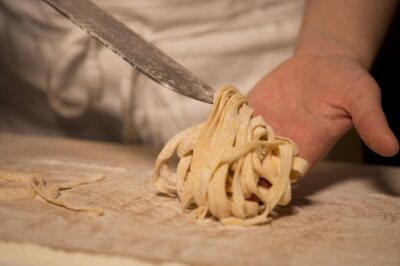
3 in 1 Cooking Class near Navona: Fettuccine, Ravioli & Tiramisu
Read our review →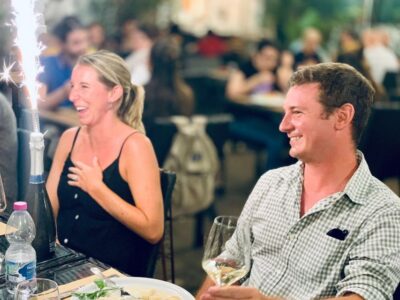
Pasta & Tiramisu Class with Fine Wine by the Vatican
Read our review →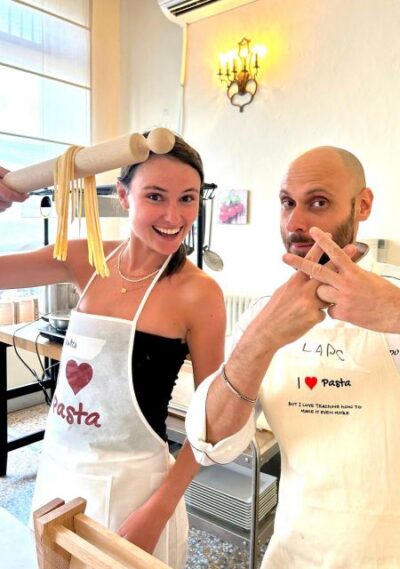
Pasta Making Class with Wine, Limoncello, and Dessert
Read our review →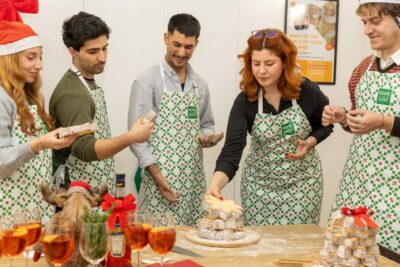
Rome Cooking Class: Make Pasta and 3 Spritz Cocktails
Read our review →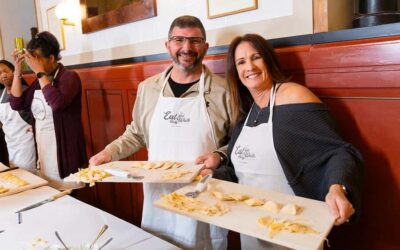
3-in-1 Fettuccine, Ravioli, and Tiramisu Cooking Class
Read our review →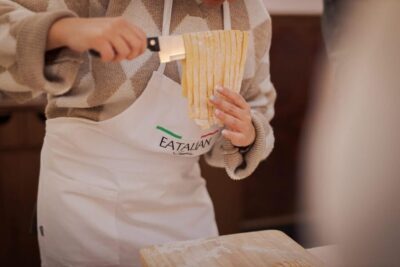
Fettuccine Pasta Cooking Class in Rome’s City Center
Read our review →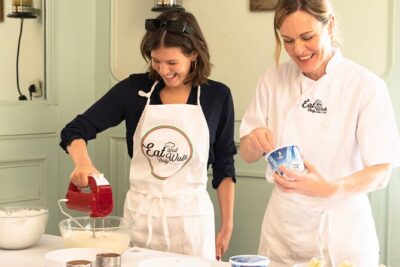
Learn to Make Pasta & Tiramisu with Wine and Limoncello Included
Read our review →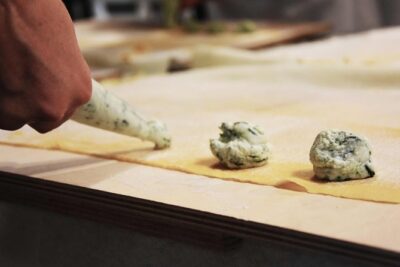
Become a Masterchef in Rome: Pasta, Ravioli and Tiramisù Class
Read our review →Browse the lists this tour appears in