
REVIEW · FLORENCE
Florence: Pasta Cooking Class with Unlimited Wine
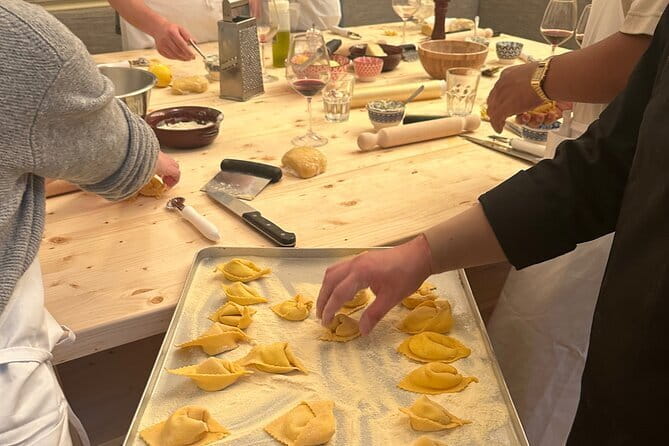
Florence’s most satisfying meal may be the one you help make. In this three-hour class, you roll, shape, and cook three kinds of fresh pasta inside a 1200s medieval tower near Brunelleschi’s Dome, then sit down to eat it with Tuscan wine. The setting gives the class a sense of place that a modern cooking studio cannot match.
I like the hands-on format, since you work with the dough instead of only watching a chef. I also like the generous meal: ravioli, tortelli, and pappardelle with three sauces, plus unlimited wine or soft drinks. The main point to consider is the group size. The advertised maximum is 15, but some sessions can feel larger, so this suits a social evening more than a quiet private lesson.
Key points to know before booking
- Cook in a medieval tower near the Duomo: The school occupies a stone tower from the 1200s on Via de’ Bardi, with a connection to the family of Dante’s wife.
- Make three pasta shapes: You prepare ravioli, tortelli, and pappardelle from flour and other ingredients supplied by the school.
- The chef handles the sauces: You focus on pasta while the chef demonstrates butter and sage, arrabbiata, and old-fashioned Tuscan ragù.
- Dinner and drinks are included: Eat the pasta you make, with Tuscan wine and unlimited soft drinks.
- A social class for mixed ages: Couples, families, friends, and solo participants can all take part, with English instruction.
- Allow about three hours: The class begins and ends at the meeting point at Via de’ Bardi, 23 r.
Making pasta in Dante’s Florence
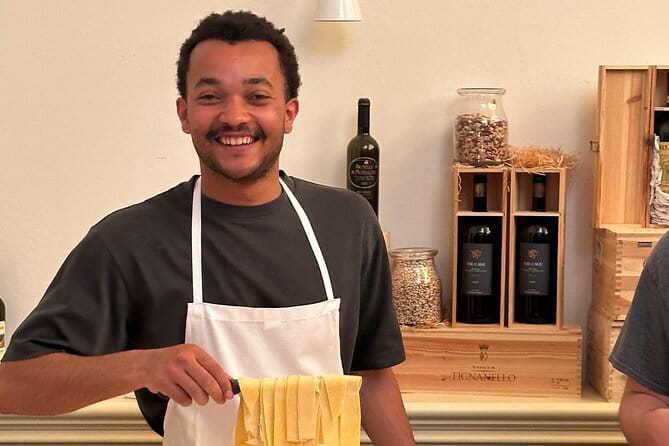
The setting is the first surprise. The cooking school sits inside a medieval tower in central Florence, only a short distance from Brunelleschi’s Dome. It is not just a convenient kitchen near the sights. The tower dates from the 1200s and is linked to the family of Dante Alighieri’s wife, giving the class a direct connection to Florence’s medieval past.
That detail matters because pasta making here feels tied to the city rather than added onto your sightseeing schedule. You are not simply preparing an Italian meal in a generic classroom. You are working in an old stone building while learning a food tradition that families have passed from one generation to the next.
The meeting point is Via de’ Bardi, 23 r, 50100 Firenze. The activity ends back at the same point. It is near public transportation, but central Florence is easy to cover on foot if you are already near the Duomo, Ponte Vecchio, or the Arno.
The experience is offered in English, and confirmation arrives when you book. You do not need to bring cooking equipment. The school supplies the ingredients and tools, so you can arrive ready to work rather than carrying special clothing or utensils.
More Pasta Classes with Wine in Florence
- Florence: Pasta Cooking Class with Unlimited Wine
★ 4.9 · 10,285 reviews - Florence: Pasta & Tiramisu Cooking Class with Unlimited Wine
★ 4.9 · 6,708 reviews - Florence: Cooking Class Pasta & Tiramisu Making Unlimited Wine
★ 5.0 · 2,234 reviews
Your first task, turning flour into pasta
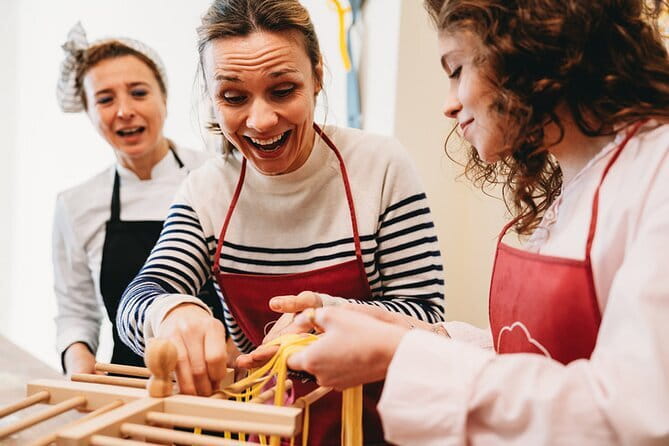
The chef takes you through the process step by step. The aim is not to watch a polished demonstration from the back of a room. You make the dough yourself and follow the same broad process used in home kitchens across Italy.
That makes the class useful for beginners. You do not need prior kitchen skills, and the format works for different ages. The chefs demonstrate each stage, then give you time to copy it. Lorenzo, Antonio, Valentino, Eduardo, Eddie, David, Nico, and Valentina are among the instructors praised for clear explanations, patience, humor, and good energy in different sessions.
The teaching style can vary by chef, which is worth knowing. Some instructors spend extra time explaining why certain ingredients are used and how Florentine cooking differs from food in other parts of Italy. Others focus more tightly on getting the pasta made and keeping the evening moving. Either way, the course is designed to be approachable rather than technical.
You will likely make enough pasta to provide a full dinner. One useful point is that the class does not stop after a token tasting. You eat what you prepare, and the portions can be substantial. Come hungry, especially if you have spent the afternoon walking Florence’s hills and stone streets.
Three shapes, three different skills
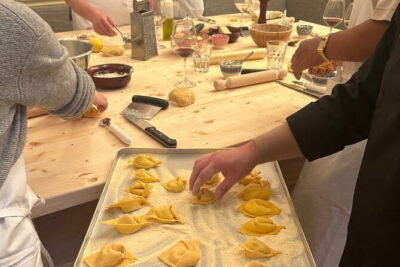
The class includes three fresh pastas: ravioli, tortelli, and pappardelle. Each one teaches a different part of the craft.
Ravioli requires careful filling and sealing. You need enough filling to make the pasta satisfying, but not so much that the edges fail. The seal matters because it keeps the filling inside during cooking.
Tortelli adds another shaped pasta to the lesson. It gives you a second chance to practice handling filled dough, with a different form and folding method.
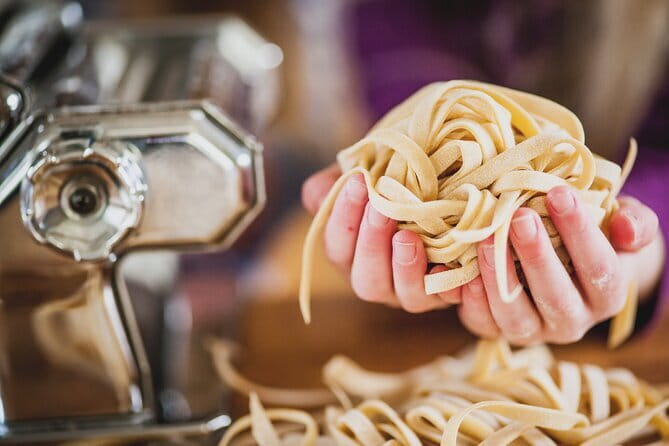
Pappardelle is the long, broad pasta. It is less about sealing and more about rolling and cutting evenly. This is often the most immediately useful shape to repeat at home because the technique is easy to understand once you have handled the dough.
The class gives you variety without asking you to master an entire Italian pasta course. That is one reason the three-hour length works. You get several techniques, but the lesson stays focused enough to leave time for cooking, eating, and conversation.
One limitation is that the class is not an advanced pasta workshop. The chef prepares the sauces while you concentrate on the pasta. If you want a detailed lesson on slow-cooked ragù, regional fillings, or advanced dough science, this will feel fairly basic. If you want confidence with the essentials, the simpler format is an advantage.
What goes into the three sauces
The planned meal includes ravioli with butter and sage, tortello all’arrabbiata, and pappardelle with Tuscan ragù.
Butter and sage is a restrained pairing that lets the pasta and filling do most of the work. Arrabbiata brings tomato and heat, while Tuscan ragù gives the broad pappardelle a heavier, old-fashioned sauce suited to its shape.
The chef prepares these sauces during the class, demonstrating how they come together while the group works on the pasta. This division of labor keeps the evening manageable. You learn the most hands-on part, then see how the finished sauces match different pasta shapes.
I would pay attention during the sauce demonstrations even if pasta is your main interest. The useful lesson is not just the ingredient list. It is understanding why a wide pasta suits a thick ragù, or why a simple butter sauce works well with filled pasta.
The exact ingredients can change with seasonal produce and the products available from different parts of Italy. The stated approach is to use seasonal vegetables and Italian ingredients, so the meal is connected to what is available rather than fixed as a highly elaborate tasting menu.
Same kitchen, a different thing to make:
- Florence Pizza or Pasta Class with Gelato Making at a Tuscan Farm
★ 5.0 · 6,801 reviews - Pastamania – Florence Pasta Making Class
★ 5.0 · 3,050 reviews - Florence: Premium Pizza & Gelato Preparation Class with Wine
★ 4.9 · 1,306 reviews - Florence: Pizza or Pasta Class with Gelato at a Tuscan Farm
★ 4.9 · 1,181 reviews
Unlimited wine changes the tone
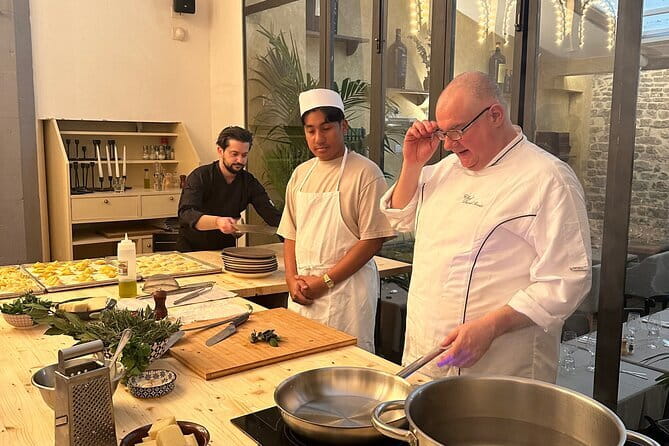
Tuscan wine is included, and you can also choose unlimited soft drinks. The wine is served as part of the meal, not treated as an extra purchase after the class.
This makes the event feel more like a communal dinner than a short cooking lesson. People naturally talk while waiting for dough to rest, pasta to be shaped, or water to boil. It is a good setup for solo visitors who want company, and for couples or families who enjoy sharing an activity with other people.
The wine also explains why the class has a relaxed, social character. If you prefer a quiet lesson with one-on-one attention, an unlimited-drinks format and a group of up to 15 may not be your ideal match. If you like a little noise, laughter, and conversation while you cook, it is part of the appeal.
Use sensible judgment with the wine. You still need to follow the chef’s instructions, handle kitchen equipment, and get back through Florence afterward. Soft drinks are available for anyone who does not drink alcohol.
A social class, not a private kitchen
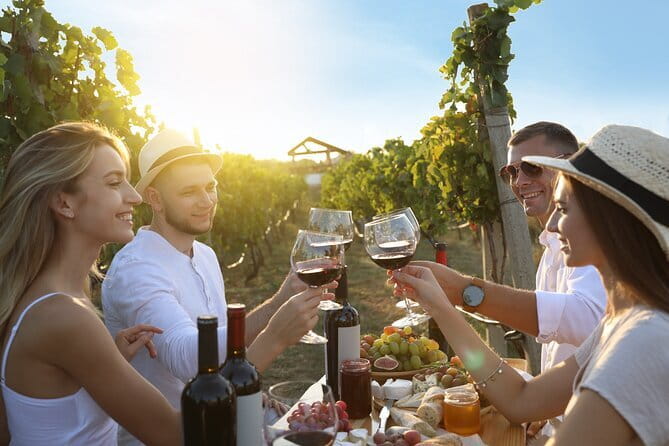
The advertised maximum is 15 people, which is small enough for a shared class but not intimate in the private-chef sense. The size can also feel larger depending on the room and how the tables are arranged. One session was described as bigger than expected, while another felt comfortably sized with plenty of time to chat.
That variation is normal in a group activity. You may work beside a family, a couple, a group of friends, or someone visiting Florence alone. The mix is part of the fun, but it means the experience depends partly on the energy of the room.
The chefs are the strongest part of the format. Antonio is repeatedly described as friendly, patient, and easy to follow. Lorenzo is praised for energy, clear explanations, and his ability to make the room laugh. Valentino is noted for patience and informative demonstrations. David and Eddie also receive praise for keeping the class warm and engaging.
A good instructor matters here because the class has several moving parts. You need to follow the dough instructions, shape three pastas, watch the sauce preparation, and keep track of the meal. A chef who explains both what to do and why you are doing it makes the class more useful after you return home.
Vegetarian diners and other practical considerations
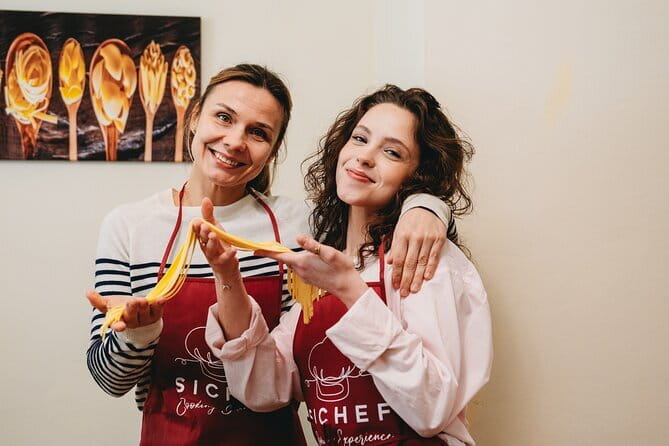
Vegetarian diners have been accommodated in the class, including people who made all three pasta types and enjoyed the sauces. Still, food needs can vary, so tell the provider about your requirements when booking or before the class.
The meal includes ricotta in the ravioli in at least some sessions. If you do not care for ricotta, the long pasta and other sauces may suit you better, but the exact filling can depend on the day’s menu.
You do not need to supply ingredients or equipment. That is helpful if the class is part of a packed sightseeing day. Wear clothing you can work comfortably in, though no special gear is listed as necessary.
The class lasts about three hours. That includes instruction, preparation, cooking, and eating, so do not schedule a museum reservation immediately afterward. Florence’s traffic is limited in the historic center, and the meeting point is central, but allow extra time to find Via de’ Bardi and arrive without rushing.
One logistical warning is worth noting. A session can occasionally involve a change of venue, and a participant reported being sent from an incorrect first location to the actual school about ten minutes away. The issue affected the start of that experience, not the cooking itself, but check your meeting instructions carefully on the day.
Is the class good value?
No price is provided here, so I cannot judge it against a specific ticket amount. I can judge what is included: a professional chef, ingredients, equipment, three kinds of pasta, three sauces, a full meal, Tuscan wine, and unlimited soft drinks.
That is a strong package if you want both dinner and an activity. A standard restaurant meal gives you food, but not the skill of making pasta or the chance to meet people around a shared task. A private cooking lesson may offer more personal attention, but this group class is likely to cost less because the instruction and kitchen are shared.
The value is strongest for someone who wants an evening activity with a meal attached. You are not paying for a long list of sightseeing stops or transport. You are paying for hands-on instruction, food, drinks, and a memorable historic setting.
The value is weaker if you want a serious culinary qualification, a private chef, or a highly technical lesson. You will learn useful methods, but the pace and group format favor fun and confidence over specialist detail.
Who should book this Florence pasta class?
I would recommend it for couples who want a break from museums, families looking for an activity that includes dinner, and solo visitors who enjoy meeting people. It also works well for friends who want something more active than another restaurant reservation.
The class is suitable for beginners because the chef demonstrates each step and the process is broken into manageable tasks. It can also suit older children, though the supplied information does not give a specific minimum age, so check before booking for young participants.
You should be comfortable sharing a kitchen and table with other people. The class is not designed around private attention, silence, or a custom menu. Its charm comes from making pasta together, laughing at uneven shapes, and eating the results in the same place.
The class also makes sense late in a Florence visit. After several days of admiring paintings, churches, and palaces, you get to take part in a living food tradition. Better still, you can try the techniques again at home. Several instructors share practical explanations rather than simply rushing you through the recipe.
Should you book it?
Book this class if you want to make fresh pasta, eat a generous dinner, and spend an evening in a social Florence setting. The medieval tower, the three pasta shapes, and the unlimited Tuscan wine give it more character than a basic demonstration.
Skip it if you want a private lesson, a small two-person table, or advanced training in sauces and regional pasta. Also think twice if you dislike group activities or do not want wine and conversation to be part of the evening.
For most first-time pasta makers, the balance is right: clear instruction, plenty to eat, and a strong sense of place. Arrive at the correct meeting point, allow the full three hours, and expect a lively class rather than a hushed cooking school.
FAQ
How long does the Florence pasta class last?
The activity lasts approximately three hours, including preparation, cooking, instruction, and the meal.
Where does the class meet?
The meeting point is Via de’ Bardi, 23 r, 50100 Firenze FI, Italy. The activity ends back at the meeting point.
What types of pasta will I make?
You will prepare three types of fresh pasta: ravioli, tortelli, and pappardelle.
What sauces are included?
The sample meal includes butter and sage with ravioli, arrabbiata with tortello, and Tuscan ragù with pappardelle.
Are wine and soft drinks included?
Yes. Tuscan wine and unlimited soft drinks are included. Lunch, ingredients, equipment, and a professional chef are also included.
How many people can join the class?
The activity has a maximum of 15 participants. It is a shared class rather than a private lesson.
Can I cancel for a full refund?
Yes. You can cancel at least 24 hours before the local start time for a full refund. Cancellations or changes made within 24 hours are not refunded or accepted.
More Wine Tastings in Florence
- Florence: Premium Pasta Cooking Class with Tiramisu & Wine
★ 4.9 · 456 reviews - Florence: Tuscan cooking class with handmade pasta and wine
★ 4.7 · 316 reviews - Florence: Pasta & Tiramisu Class with Unlimited Wine
★ 4.9 · 304 reviews - The Italian Way: Pizza and Gelato Class with Unlimited Wine
★ 5.0 · 283 reviews
Just added around Florence
- Vegan Cooking Class in Florence: Pasta Making & Wine!★ 5.0 · 2 reviews
- Hands on Deluxe Traditional 4-course dinner with fresh pasta★ 5.0 · 15 reviews
- MaMa Florence: The Art of Corzetti – Hands-On Pasta Class★ 5.0 · 15 reviews
- The Art of Pasta and Wine Tasting with Local Sommelier★ 5.0 · 16 reviews
- Gluten free pasta and dessert class 6 guests max★ 5.0 · 2 reviews
- Tuscan Pasta Masterclass Small-Group Cooking Experience★ 5.0 · 17 reviews
- Cooking class and home made pasta in Florence with LA VIVANDIERA!★ 5.0 · 5 reviews
- Real Pizza And Gelato Lesson In Florence★ 5.0 · 3 reviews
Florence Pasta Classes, compared.
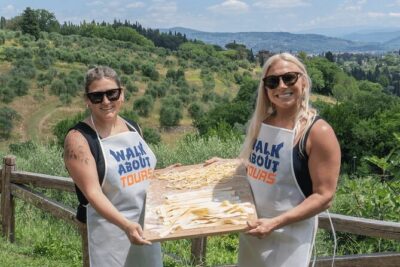
Florence Pizza or Pasta Class with Gelato Making at a Tuscan Farm
Read our review →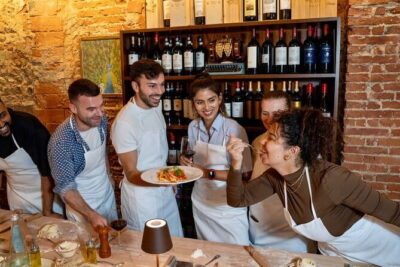
Pasta & Tiramisu Cooking Class with Unlimited Wine
Read our review →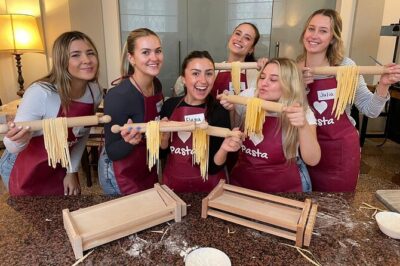
Cooking Class Pasta & Tiramisu Making Unlimited Wine
Read our review →
Premium Pizza & Gelato Preparation Class with Wine
Read our review →
Pizza or Pasta Class with Gelato at a Tuscan Farm
Read our review →
Browse the lists this tour appears in