
REVIEW · FLORENCE
Tuscan Pasta Masterclass Small-Group Cooking Experience
The best part of this Florence cooking class is that you do not simply watch a chef twirl pasta. You get your own workstation, work with dough from the start, and finish by eating the meal you helped make. Depending on the group, you might prepare pici, ravioli, pappardelle, gnudi, or other local dishes.
I like the small maximum of 12 people, which gives the class a social feel without turning it into a crowd. I also like the setting: a modern professional kitchen with useful tools such as a gnocchi board and chitarra, plus a sit-down meal and wine at the end. The main drawback is firm: this class does not accept children under 16 or people needing gluten-free, egg-free, cheese-free, or lactose-free food.
Key points at a glance
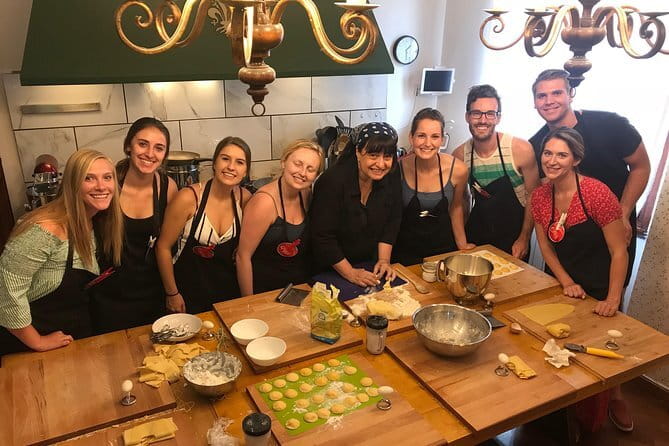
- Hands-on from the first bowl: You mix, knead, roll, cut, fill, and cook rather than merely watch.
- Tuscan shapes and recipes: Learn about pici from Siena, potato ravioli, pappardelle, gnudi, and other regional dishes.
- A chef with an unusual background: Chef Vary is an archaeologist with a PhD focused on the evolution of food.
- Small-group format: The class accommodates no more than 12 people, with each person assigned a workstation.
- A meal is included: Sit down afterward to eat the pasta and sauces you prepared, with bottled water and wine.
- Important food limits: No gluten-free, egg-free, cheese-free, or lactose-free adaptations are offered, and the minimum age is 16.
Starting near St Trinity Bridge
The class meets at Via Romana 41r in Florence. The location is described as a short walk from St Trinity Bridge and is near public transportation, so it fits neatly into a day spent around the historic center.
Give yourself enough time to find the entrance. Florence addresses can be a little confusing because numbered doors may include lettered or red numbers. The meeting point uses 41r, so check the full address before setting out.
The room itself is a modern, professional kitchen rather than a rustic farmhouse. That matters if you want clean work surfaces, practical equipment, and enough room to handle dough without bumping elbows at every turn. The class is offered in English, and Chef Vary or another chef leads the instruction in a relaxed, humorous style.
The total time is about two and a half hours. That is long enough for real preparation and a meal, but short enough to fit around sightseeing. I would avoid scheduling a major museum reservation immediately afterward. Pasta dough can take longer than expected, and the final meal is part of the experience rather than a rushed extra.
More Chef-Led Classes in Florence:
- Authentic Pasta Making Class in Florence with a Local Chef
★ 4.7 · 144 reviews - Authentic Tuscan Pasta Class in Florence with Local Chef Cinzia
★ 5.0 · 42 reviews - Fresh Pasta in a Michelin Kitchen: The Secrets of Taste
★ 5.0 · 30 reviews
Your own workstation and a real pasta lesson
Once you arrive, the chef works with the group to decide on the menu. This is a useful feature because the exact dishes can change. The class may include several pasta styles and sauces rather than one fixed recipe repeated for everyone.
You can expect to learn the basic stages of pasta making:
- Preparing ingredients
- Cleaning and cutting vegetables
- Mixing and kneading dough
- Rolling and shaping pasta
- Filling ravioli
- Preparing sauces
- Cooking and combining the finished dishes
The class is designed to be active. You may work with semolina dough, egg pasta, spinach pasta, or other variations, depending on the chosen menu. One class included three dough styles and several shapes, including cavatelli, linguine, and ravioli. That variety is useful for home cooks because it shows how dough changes with different ingredients and how each shape needs its own handling.
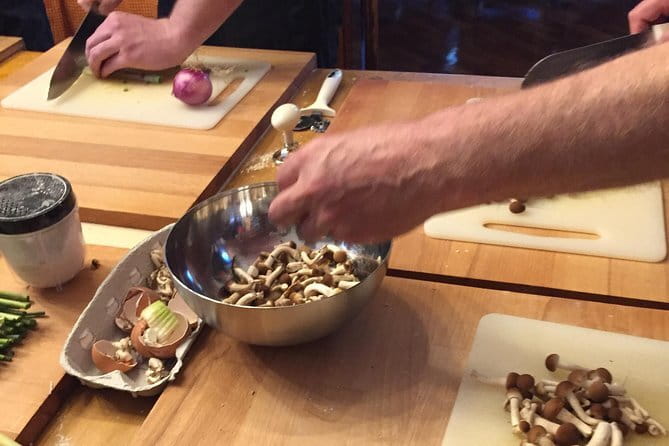
Do not expect a quiet demonstration with occasional permission to stir a pot. Participants work at the same time, chop ingredients, roll dough, prepare fillings, and help with mixing and blending. The chef handles some of the sauces, but you remain busy while the pasta takes shape.
The teaching also goes beyond a basic recipe. Chef Vary explains the chemistry that affects pasta texture and why technique matters. That is especially useful if you have made pasta before and want to understand why one batch turns silky while another becomes tough or sticky.
Pici, ravioli, pappardelle, and gnudi
The menu focuses on Tuscan and central Italian recipes. Pici is one of the most distinctive possibilities. These thick, hand-rolled strands come from Siena and look more like rustic spaghetti than the thin dried pasta found in many restaurants. Making them by hand gives you a feel for how uneven, handmade strands should look.
Ravioli may be filled with potato and served with butter and cheese, or the filling may include mushrooms or meat. The filling option depends on the group’s menu. You learn the practical side of ravioli, including rolling the dough, adding filling in the right amount, sealing the edges, and cutting the parcels without wasting dough.
Pappardelle may be paired with tomatoes, local pesto, meat sauce, garlic and cheese, or pancetta and leek. This is a broad range, so the class can lean light, savory, vegetarian, or meat-based. Ask the chef early about the planned menu if a particular sauce matters to you.
Gnudi are another especially Florentine possibility. They are sometimes described as gnocchi, but they are made with ricotta and spinach rather than potatoes. The name means naked, since they are essentially the filling of a raviolo without its pasta wrapper. It is a good example of how local cooking often uses simple ingredients in a less familiar form.
Other possible dishes include spinach and ricotta crepes, ravioli with cacao based on an old recipe, and tagliatelle with chickpeas. The menu is not guaranteed to include every item listed, so think of these as possible lessons rather than a promised sequence.
Tools that make the class more useful
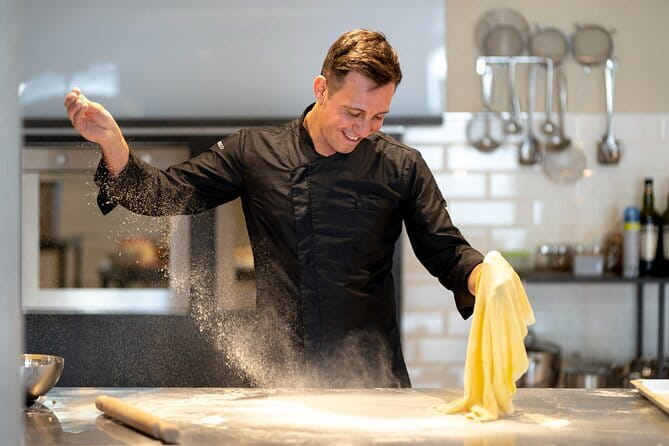
You use specific tools rather than relying only on a rolling pin and knife. A gnocchi board helps create ridges for sauce, while a chitarra cuts pasta into even strands using taut wires. These tools are not just decorative. They show you how Italian cooks create texture and shape with simple equipment.
The kitchen has innovative tools intended to make the process easier. That is helpful for beginners, who can focus on technique instead of wrestling with poor equipment. It is also worthwhile for experienced home cooks because you can compare traditional shapes and methods with the tools you already use.
I would pay attention during the dough stages. Kneading and rolling may look simple, but small choices affect the final result. The class gives you a chance to see how the dough feels at different stages, how thin to roll it, and how much filling ravioli can hold before it splits.
Recipes are shared after the class, according to the information provided. That adds real value, since you can repeat the dishes at home instead of leaving with only photographs and a vague memory of what went into the sauce.
More Small Group Classes in Florence:
- Florence Small-Group Pasta Class with Seasonal Ingredients
★ 5.0 · 532 reviews - Small Group Pasta Making Class Wine Tasting in a Tuscan Castle
★ 5.0 · 142 reviews - 2 Hour Florence Pizza and Gelato Small Group Guided Cooking Class
★ 5.0 · 54 reviews - Small group PURO Vegan pasta and bruschette Class in Florence
★ 5.0 · 24 reviews
Sitting down to eat what you made
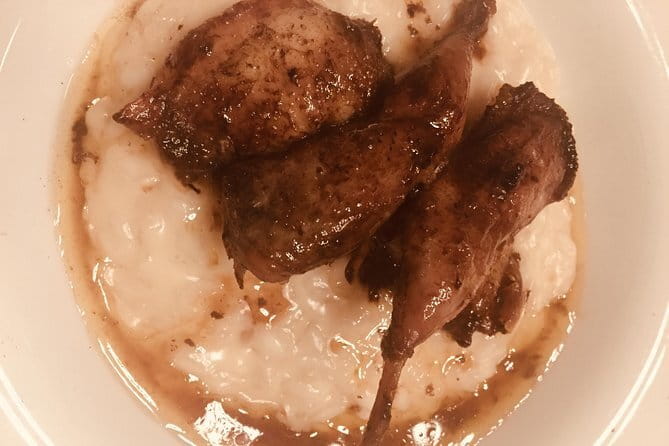
At the end, you leave the workstations and sit down to eat. This changes the mood from lesson to shared meal. You get to taste the pasta at its proper stage, with the sauces prepared during the class, rather than packing it away or sampling one bite over the counter.
Wine is included. The stated allowance is two glasses per person, or one bottle for four people, along with bottled water. Extra wine can be purchased at a discount through the associated wine store. The included wine helps make the final meal feel complete, though your options may be limited. One participant specifically wished white wine had been available instead of only red, so keep that in mind if you have a strong preference.
The meal also gives you time to talk with the other people in the class. A small group of six, for example, can feel more like a dinner with new acquaintances than a formal lesson. Couples, friends, and family groups can work together while still meeting people at the shared table.
The food is the point, but the meal also gives you a clear test of what you learned. You can judge the texture of the dough, the balance of the sauce, and the difference between handmade pasta and the dried variety you might cook at home.
Chef Vary, Roberto, and the teaching style
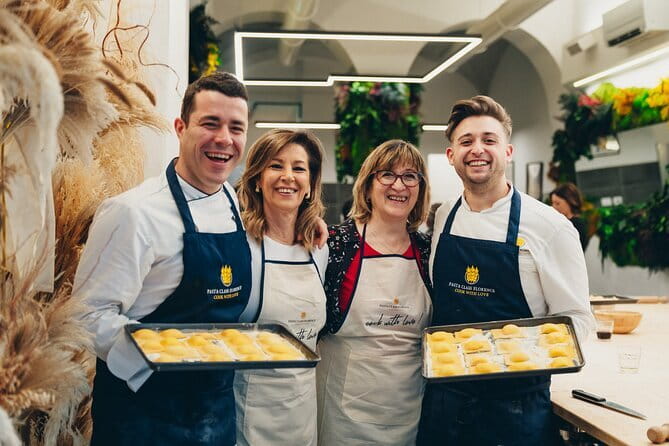
The experience is associated with Chef Vary, and the class may be led by different chefs, including Roberto. The instruction is in English. The teaching style is direct, humorous, and practical rather than polished or theatrical.
Chef Vary’s background is unusual. She is an archaeologist with a PhD in the evolution of food, so the class can include context about ingredients, food traditions, and the reasons behind certain techniques. That gives the recipes more meaning without turning the session into a lecture.
The humor may not suit every personality. Chef Vary is described as blunt, and most people find that entertaining, but someone who prefers very gentle or formal instruction may find the tone too frank. I would choose this class if you enjoy a chef with a strong personality and do not need every instruction delivered softly.
The chefs also appear willing to solve practical problems. One class had an unexpected couple arrive because of a booking issue, and the chef found room for them. That does not guarantee the same arrangement in every situation, but it suggests a hands-on host who pays attention to the people in the room.
What the $156.20 price buys you
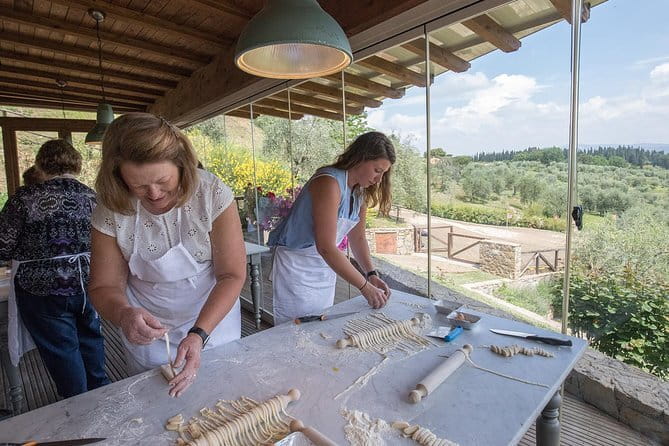
At $156.20 per person, this is not a cheap lunch. The price makes more sense when you count the parts: about two and a half hours of instruction, your own workstation, ingredients, kitchen equipment, a full meal, bottled water, wine, and recipes to take home.
The small group is important to the value. With a maximum of 12 people, you have a better chance of getting help with dough, fillings, and shaping than you would in a large demonstration class. You are paying for participation, not just food.
The value is strongest for someone who wants a skill to take home. If you only want to eat excellent pasta, a Florence restaurant will usually cost less and require no kneading. If you want to understand how Tuscan pasta is made and enjoy a social meal afterward, the cost is easier to justify.
This class also works well as a break from churches, galleries, and walking tours. You spend a few hours doing something with your hands, then eat the result. That change of pace can be especially welcome during a busy Florence visit.
Who should book this class
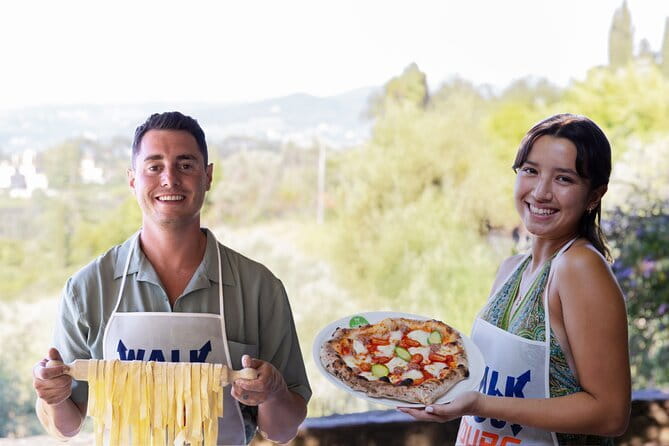
I would recommend it for couples, friends, families with older teenagers, and solo participants who like meeting people over food. The minimum age is 16, so it is not suitable for families with younger children.
Beginners should feel comfortable here. You do not need prior pasta-making experience, and the tools and chef-led steps make the process approachable. Intermediate home cooks can also learn something, especially through the explanations of pasta chemistry, dough variations, ravioli technique, gnocchi boards, and the chitarra.
This is a good choice if you want to make several shapes in one session. It is less suitable if you want one slow, highly specialized lesson focused only on a single pasta style. The menu is chosen with the chef and may change according to the group.
Food restrictions require careful attention. The class does not allow gluten-free, egg-free, cheese-free, or lactose-free participation. The information also says no minor under 16, so do not assume that a younger child can attend simply because they cook well.
Practical details before you reserve
The experience is offered in English and accepts mobile tickets. Confirmation is provided when you book. It is often reserved well ahead, with an average booking time of 73 days, so leave room in your Florence planning if this is important to you.
The class begins and ends at Via Romana 41r. It does not include transport, but the meeting point is near public transportation and within walking distance of St Trinity Bridge.
The cancellation rule is strict. The booking is non-refundable and cannot be changed for any reason. If the minimum number of participants is not reached and the experience is canceled, you are offered another date or experience, or a full refund. Because you cannot change your own booking, choose the date carefully before paying.
Should you book the Tuscan Pasta Masterclass?
Book it if you want a real cooking session, not a staged food show. The strongest reasons are the small group, personal workstations, several pasta shapes, a chef who explains why techniques work, and the final meal with wine.
Skip it if you have serious dietary restrictions, dislike direct instruction, or mainly want the least expensive way to eat pasta in Florence. For everyone else, the $156.20 price buys a useful skill, a local-style meal, and a memorable few hours away from the usual sightseeing circuit.
FAQ
Where does the Tuscan Pasta Masterclass begin?
The class begins at Via Romana, 41r, 50125 Firenze FI, Italy.
Where does the class end?
The activity ends back at the meeting point on Via Romana.
How long does the experience last?
The cooking class lasts approximately two hours and 30 minutes.
Is the class offered in English?
Yes. The chef speaks English, and the experience is offered in English.
What is the maximum group size?
The class accepts a maximum of 12 participants.
What is the minimum age?
Participants must be at least 16 years old. Minors under 16 are not allowed.
Is wine included?
Yes. Alcoholic beverages are included, with two glasses per person or one bottle for four people. Extra wine may be purchased at a discount through the wine store.
Is bottled water included?
Yes. Bottled water is included.
Can I attend if I need gluten-free food?
No. The class does not accept gluten-free dietary requirements.
Can I cancel or change my booking?
No. The experience is non-refundable and cannot be changed for any reason. If the provider cancels because the minimum number of participants is not reached, you will be offered another date or experience, or a full refund.
Just added around Florence
- Vegan Cooking Class in Florence: Pasta Making & Wine!★ 5.0 · 2 reviews
- Hands on Deluxe Traditional 4-course dinner with fresh pasta★ 5.0 · 15 reviews
- MaMa Florence: The Art of Corzetti – Hands-On Pasta Class★ 5.0 · 15 reviews
- The Art of Pasta and Wine Tasting with Local Sommelier★ 5.0 · 16 reviews
- Gluten free pasta and dessert class 6 guests max★ 5.0 · 2 reviews
- Cooking class and home made pasta in Florence with LA VIVANDIERA!★ 5.0 · 5 reviews
- Real Pizza And Gelato Lesson In Florence★ 5.0 · 3 reviews
- Share Your Pasta Love in a Local’s Home in Florence★ 4.5 · 16 reviews
Florence Pasta Classes, compared.
Florence Pizza or Pasta Class with Gelato Making at a Tuscan Farm
Read our review →
Pasta & Tiramisu Cooking Class with Unlimited Wine
Read our review →
Cooking Class Pasta & Tiramisu Making Unlimited Wine
Read our review →
Premium Pizza & Gelato Preparation Class with Wine
Read our review →
Pizza or Pasta Class with Gelato at a Tuscan Farm
Read our review →Browse the lists this tour appears in