
REVIEW · BOLOGNA
Learn & Eat: fresh pasta masterclass and meal in a local’s home
Bologna’s best souvenir may be one you can make again at home. In Paola’s kitchen, you’ll roll pasta by hand, shape classic Bolognese dishes, and finish with tiramisu, all around a shared table with local wine.
I like the small group limit of 10, which keeps the class personal, and I like that the meal includes more than pasta: cured meats, cheeses, focaccia or piadina, homemade tiramisu, and wine. The main consideration is simple: this is a hands-on cooking class, not a quick tasting. Three hours is a fair slice of your day, and the menu is filling.
Key points to know before booking
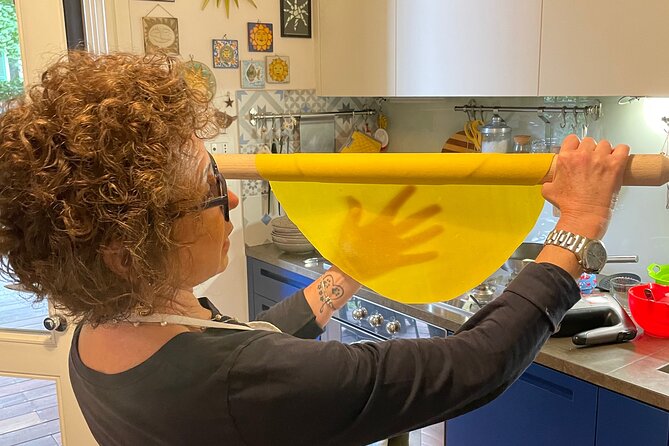
- Roll pasta like a sfoglina: You’ll work with a rolling pin and wooden board in the traditional Bolognese style.
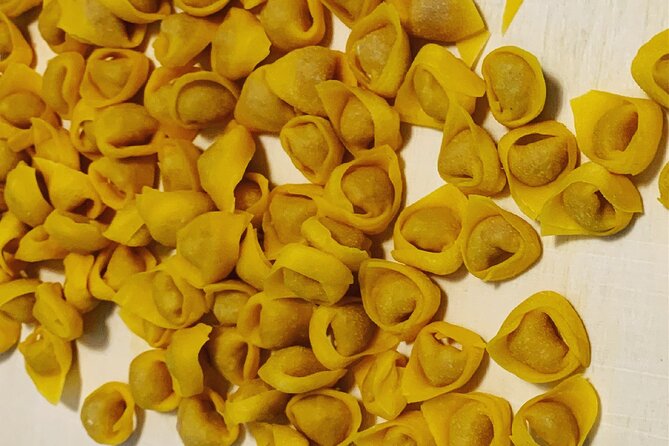
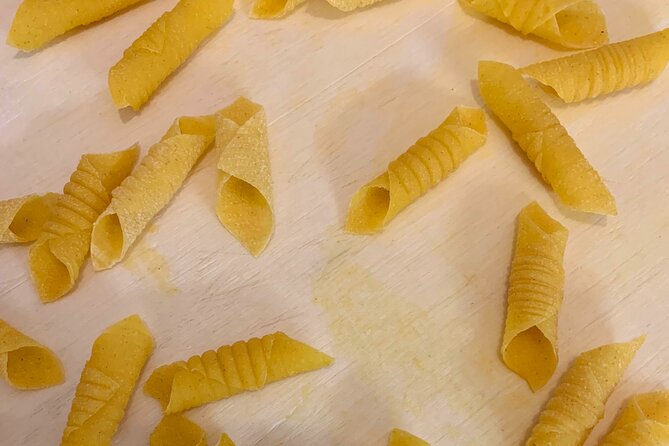
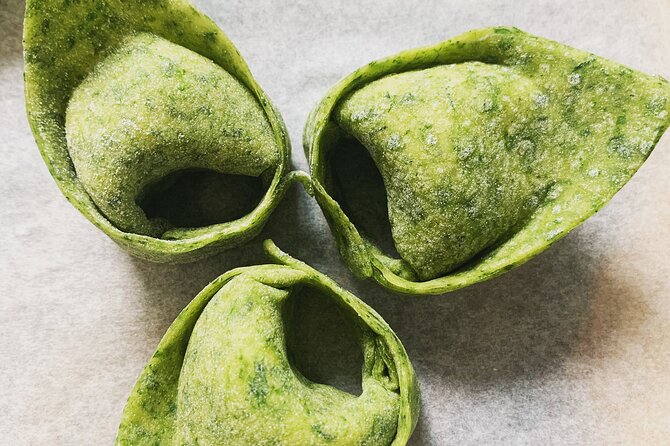
- Two fresh pasta dishes: Possible recipes include tortellini, tortelloni, tagliatelle, balanzoni, garganelli, and strichetti.
- A full meal follows the lesson: Antipasti, pasta, dessert, and local wine are included.
- Paola hosts in her home: The setting gives the class a warm, personal feel rather than a formal school atmosphere.
- English-language class: The experience is offered in English and lasts about three hours.
- Good for mixed diets: The activity is also described as suitable for vegetarians and vegans.
Rolling pasta by hand in Bologna
This experience begins at Via Montello, 28, in Bologna. You’ll meet Paola there and finish at the same point after about three hours. The setting is a local home, so you should expect a domestic kitchen and dining room rather than a restaurant or commercial cooking studio.
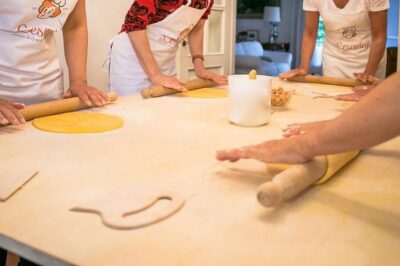
The centerpiece is fresh pasta made the old-fashioned way. You’ll use a wooden board and rolling pin, working the dough with the kind of steady movement associated with Bolognese sfogline, the women traditionally known for making pasta by hand.
That detail matters. A pasta machine can produce neat sheets with little effort, but a rolling pin teaches you how the dough feels. You learn to notice its texture, thickness, and resistance. The class is not just about following a recipe. It gives you a practical sense of how fresh pasta is shaped before it reaches the pot.
Paola teaches in English, which makes the class accessible if you do not speak Italian. The available feedback points to a relaxed teaching style, with plenty of help for beginners. One particularly useful detail is that even a reluctant participant ended up making pasta, while someone already experienced with pasta still picked up something new.
You do not need to arrive as a cook. The activity is built around participation, and that makes it a good fit for couples, friends, and families with different skill levels. If one person in your group loves cooking and another usually prefers watching, there is room for both, although the experience is most rewarding when you take the rolling pin yourself.
More Chef-Led Cooking Classes in Bologna
- Bologna: Pasta & Wine Lesson Private Chef & Sommelier
★ 4.4 · 40 reviews - Handmade Pasta making Class with Chef Antonio
★ 5.0 · 12 reviews - Bologna: Tortellini Masterclass at a Local’s Home
★ 5.0 · 8 reviews
Two kinds of pasta, not just one demonstration
The main cooking work centers on two types of fresh pasta. The exact selection can vary, but the possible dishes include tortellini, tortelloni, tagliatelle, balanzoni, garganelli, and strichetti.
This gives the class a useful range. Tortellini and tortelloni teach you about filled pasta, including the care needed to cut, fill, fold, and seal each piece. Tagliatelle shifts the focus to cutting long ribbons. Garganelli and strichetti bring different shapes and techniques into play.
The distinction between these pastas is part of what makes the lesson worthwhile. You are not simply making one dough, boiling it, and eating it. You get a look at how one basic preparation can become several very different dishes.
The shape also affects the eating experience. Filled pasta carries its filling inside a small parcel, while tagliatelle gives you broad, silky ribbons. By making both, you get a better feel for the variety of Emilia-Romagna cooking.
A practical point: the sample menu says two types of fresh pasta, but it does not promise one fixed pair for every session. If a particular shape matters to you, ask Paola before booking or shortly after confirmation. The named examples give you a clear idea of the tradition, but not a guaranteed menu for your date.
Antipasti first, then the pasta you made
Before or alongside the main cooking session, you can expect a generous start with homemade cured meats and cheeses, served with focaccia or piadina. This is a useful introduction to the region’s food culture because it shows how much of an Italian meal happens before the pasta arrives.
Focaccia gives you a soft, bread-based option, while piadina is a classic flatbread from the wider Emilia-Romagna area. Cured meats and cheeses bring salt and richness to the table. They also make the meal feel like a proper lunch or dinner rather than a classroom snack.
The extra food matters because pasta making takes time. You are learning, shaping, and waiting for the cooking stage. The antipasti keep the meal moving and give you something regional to taste while the main dishes come together.
This is also where the experience differs from a basic pasta workshop. The class is designed around eating together, not simply packing up a recipe sheet and leaving. You should expect conversation, a shared table, and a host who treats the food as part of a social occasion.
Local wine and the final plate
A bottle of local wine accompanies the meal. The experience specifically mentions Lambrusco, a natural match for the food of Emilia-Romagna. Its presence helps turn the lesson into a long, relaxed meal.
Wine is included, but you should still drink at your own pace. The class lasts about three hours, and the combination of pasta, bread, cured meats, cheese, dessert, and wine is substantial. If you have another activity immediately afterward, leave yourself enough time rather than planning a rushed connection.
You’ll eventually eat the pasta you prepared. That gives the lesson a clear payoff: the food on your plate is tied directly to the work you did at the board.
I find this more satisfying than eating a dish prepared entirely by someone else. The meal becomes a record of the process. You remember the shape of the tortellini or the feel of the dough because you made it.
The tradeoff is that handmade pasta may not look perfectly uniform. That is part of the point. If you want a polished restaurant presentation, choose a restaurant. If you want to understand how pasta is made in a home kitchen, the uneven pieces are a useful reminder that this is real food made by hand.
More Fresh Pasta Workshops in Bologna
- Bologna: Traditional Bolognese Pasta Making with Meal
★ 4.8 · 97 reviews - Traditional bolognese pasta making with a meal
★ 4.5 · 69 reviews - Learn and taste the real bolognese ragù and pasta making
★ 4.8 · 32 reviews - Bologna: Pasta-Making Class at a Local’s Home
★ 5.0 · 23 reviews
Tiramisu closes the lesson
The dessert is tiramisu, and you make it yourself. That is an important part of the menu because many cooking classes stop after the savory dish.
Tiramisu adds a second kind of kitchen lesson. Pasta requires strength, patience, and shaping. Tiramisu is a different exercise, built around assembling a layered dessert. It also gives you something familiar to compare with the local meal.
Several details make the dessert especially useful for people choosing this experience. It is not an afterthought, and it is not simply a purchased sweet served at the end. You prepare it as part of the class, then eat it with the rest of the meal.
The full menu is therefore:
- Homemade cured meats and cheeses
- Focaccia or piadina
- Two types of fresh pasta
- Local wine
- Homemade tiramisu
That is a serious amount of food for a three-hour activity. Come hungry, but not so hungry that you cannot concentrate during the hands-on portion.
Why the home setting matters
Paola’s home gives this experience a different mood from a large cooking school. The available feedback describes an especially warm welcome, lots of laughter, and a goodbye that felt personal. One participant described leaving with both a full stomach and a full heart, which captures the emotional side of the experience without replacing the practical cooking lesson.
A home setting can make the class feel more intimate. You are not moving through a staged series of stations or being processed through a large group. With a maximum of 10 people, Paola has a reasonable chance to see what you are doing and offer help.
The small group also makes the social side easier. You can ask questions, compare pasta shapes, and share the meal without shouting across a crowded room.
Still, a home-based class is not the right choice for everyone. You may prefer a professional kitchen if you want advanced equipment, a highly structured timetable, or a formal culinary certificate. This experience is about local hospitality and traditional preparation, not professional training.
The class also works best if you enjoy sitting down with other people. The menu, wine, and shared table are central to the experience. If you want a private activity with no group interaction, check the arrangements before booking.
Cost, timing, and practical value
The price is $119.14 per person for about three hours. That is more than the cost of a simple pasta dish in Bologna, but you are paying for several parts at once: instruction, ingredients, a full meal, dessert, wine, and access to a personal home setting.
I think the value is strongest if you plan to eat the meal as your main food event for that part of the day. The antipasti alone would be substantial, and the pasta and tiramisu turn it into a complete experience rather than a short lesson.
The price is less compelling if you mainly want a quick introduction to rolling pasta. In that case, a shorter demonstration might suit you better. Here, the value comes from the combination of making, eating, and spending time with Paola.
The activity uses a mobile ticket, and confirmation arrives at booking. The meeting point is near public transportation, although the supplied information does not specify which route or stop is best for you. Check your route to Via Montello, 28 before the day of the class.
You will return to the same meeting point at the end. That makes planning easier, especially if you are staying in Bologna and want to continue sightseeing afterward.
Free cancellation is available if you cancel at least 24 hours before the start time. Changes or cancellations inside that period are not accepted for a refund, and the cut-off follows Bologna’s local time.
Who will enjoy Paola’s class most
I would choose this for someone who wants food tied to place and people. Bologna is famous for pasta, but simply ordering tagliatelle does not show you how the dough is made or how much handwork goes into filled shapes.
It suits first-time pasta makers because Paola guides the process in English. It also suits experienced cooks who want to compare their methods with a Bolognese home cook’s approach.
Couples and friends get a good balance of teamwork and shared eating. Families may also enjoy it, though the data provided does not specify a minimum age, so ask before booking with young children.
Vegetarians and vegans can take part, since the activity is described as suitable for both. The sample menu includes cured meats and cheeses, so you should confirm exactly how the meal will be adapted to your diet before booking.
Service animals are allowed. The experience is near public transportation, but no detailed accessibility information is provided, so contact Paola if you need specific arrangements.
Is this Bologna pasta class worth booking?
Book it if you want to learn a traditional skill, eat a full Bolognese-style meal, and meet Paola in her home. The strongest reasons are the small group, the hands-on pasta work, and the fact that tiramisu and wine are part of the same three-hour experience.
Think twice if you want a fast activity, a fixed recipe list, or a formal culinary course. The exact pasta shapes may change, and the home setting is more personal than polished.
For most food-focused visitors, the $119.14 price makes sense as a combined lesson and meal. You leave with new techniques, a better understanding of regional pasta, and a very full afternoon or evening. If you have been hoping for a warm, social taste of Bologna rather than another restaurant reservation, Paola’s class is a strong choice.
FAQ
Where does the pasta class meet?
The meeting point is Via Montello, 28, 40131 Bologna BO, Italy.
Where does the activity end?
The experience ends back at the meeting point on Via Montello.
How long does the experience last?
The class lasts approximately three hours.
Is the class offered in English?
Yes. The activity is offered in English.
How many people can join?
The maximum group size is 10 travelers.
What pasta might I learn to make?
Possible pasta dishes include tortellini, tortelloni, tagliatelle, balanzoni, garganelli, and strichetti. The experience includes two types of fresh pasta.
Is a meal included?
Yes. The meal includes homemade cured meats and cheeses with focaccia or piadina, two types of fresh pasta, tiramisu, and local wine.
Is tiramisu part of the cooking lesson?
Yes. You prepare tiramisu as the dessert.
Is the activity suitable for vegetarians and vegans?
Yes. The activity is described as suitable for vegetarians and vegans. Since the sample menu includes cured meats and cheeses, confirm the specific meal arrangements when booking.
Can I cancel for a full refund?
Yes. You can cancel up to 24 hours before the start time for a full refund. Cancellations or changes made less than 24 hours before the experience are not accepted for a refund.
More Food Tours in Bologna
- Bologna Food & Market Tour with 6 Tastings, Pasta, Wines & More
★ 5.0 · 1,328 reviews - Bologna: Food Tour with Pasta Tasting & Local Specialties
★ 4.8 · 312 reviews - Florence Food Tour with Truffle Pasta, Steak & Free Flowing Wine
★ 5.0 · 278 reviews - Venice: Jewish Ghetto & Cannaregio Area Food Tour: Pasta Wine Gelato and More!
★ 4.5 · 274 reviews
More Chef-Led Classes in Bologna
- Make traditional handmade pasta from scratch with a local chef!
★ 4.5 · 8 reviews - Bologna : Pasta Making With Local Chef + Wine
★ 3.5 · 4 reviews - Pasta and Tiramisu Masterclass with organic wines
★ 3.5 · 3 reviews - Rome Cooking Class: Make Pasta, Dine & Drink Wine With Local Chef
★ 5.0 · 1,263 reviews
Just added around Bologna
- Colorful Pasta Workshop in Bologna with meal★ 5.0 · 2 reviews
- Cesarine: Small group Tortellini Class at Local’s Home in Bologna★ 5.0 · 18 reviews
- Tortelloni and Tagliatelle Cooking Class in Bologna + Wine★ 3.0 · 2 reviews
- Cesarine: Pasta & Tiramisu Class at a Local’s Home in Bologna★ 5.0 · 29 reviews
- Private Pizza & Tiramisu Class at a local’s home with tasting in Bologna★ 5.0 · 4 reviews
- Pasta Making Class: Tagliatelle & Bolognese Sauce★ 5.0 · 15 reviews
- Home Cooking: Pasta Making with Natural Colors in a Tiny Group★ 5.0 · 6 reviews
- Pasta and Tiramisu Masterclass with organic wines★ 3.5 · 3 reviews
Bologna Pasta Classes, compared.
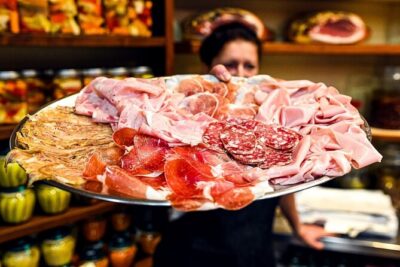
Bologna Food & Market Tour with 6 Tastings, Pasta, Wines & More
Read our review →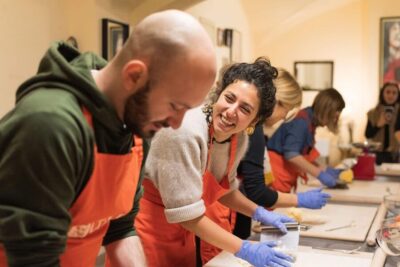
Pasta Cooking Class, Ragu, Spritz, Wine & Gelato
Read our review →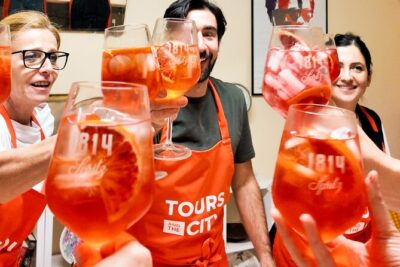
Bologna Local Pasta Cooking Class, Ragu, Spritz, Wine & Gelato
Read our review →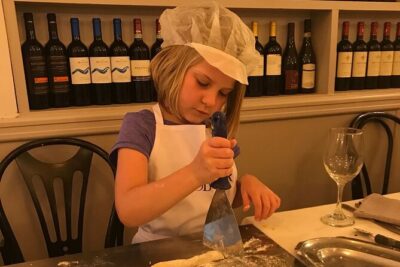
Pasta and Tiramisu Small Group Cooking Class with Wine
Read our review →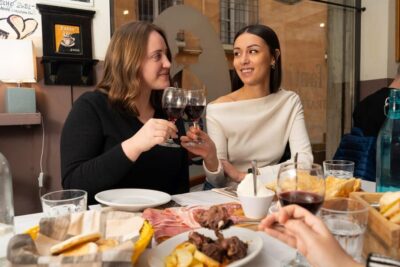
Food Tour with Pasta Tasting & Local Specialties
Read our review →
Pasta Tagliatelle al Ragu Cooking Class with Wine
Read our review →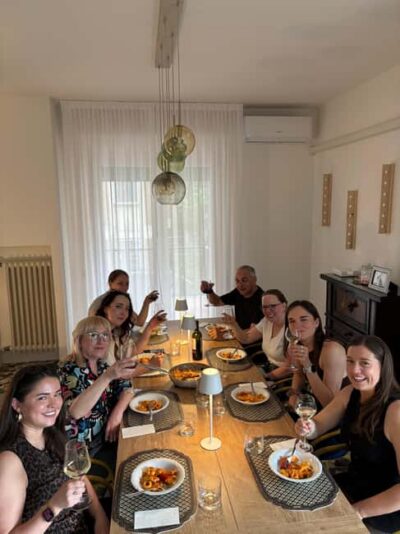
Cesarine: Small group Pasta and Tiramisu class in Bologna
Read our review →Browse the lists this tour appears in