

REVIEW · ROME
Rome: Pasta-Making Class with Italian Spritzes
Making pasta with a cocktail in hand is a fine way to spend an evening in Rome. This three-hour class takes you from an Aperol Spritz demo to fresh fettuccine, then into Roman staples such as carbonara and cacio e pepe. The kitchen is about 10 minutes from the Colosseum, so it fits neatly into a central Rome day.
I like the balance here: you learn a real skill, and you get a full meal with three drinks rather than a quick demonstration. I also like the social setup. Guides such as Jem, Sunny, Angela, Gio, and Marzia have been praised for clear instructions, humor, and making solo visitors or families feel involved. The main drawback is dietary: the menu uses gluten and dairy, so this is not suitable for vegans or people with coeliac, gluten, or lactose intolerance.
Key points to know before booking
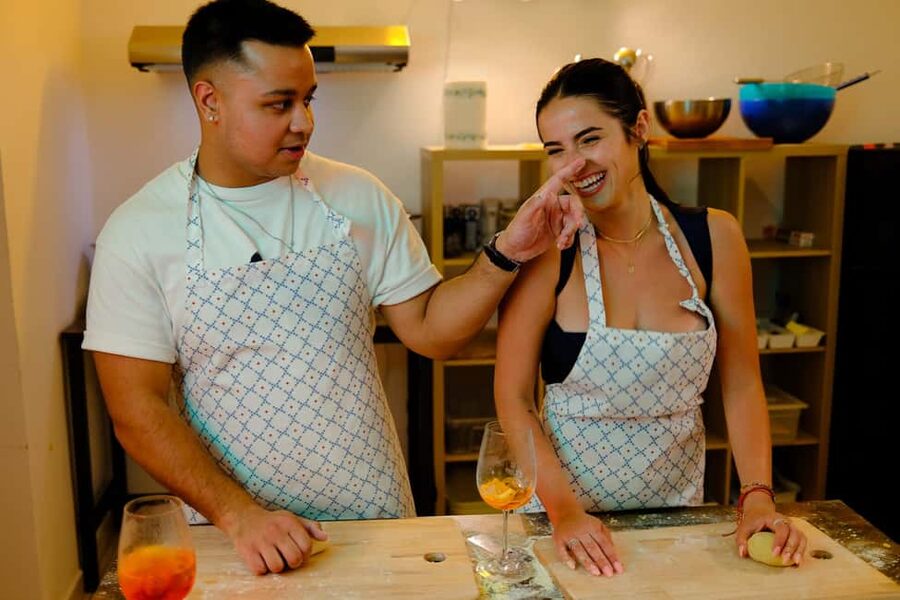
- Three cocktails are part of the lesson: You make Aperol, Hugo, and Limoncello Spritzes, not just one welcome drink.
- The pasta is made from scratch: You work with fresh dough and learn the basics of Roman fettuccine.
- Carbonara and cacio e pepe are the stars: The chef explains how these simple sauces depend on timing, cheese, and technique.
- The setting is central: The kitchen is roughly a 10-minute walk from the Colosseum, though the exact meeting point can vary.
- The class is social: Music, shared tables, and group cooking make this a good choice for families, couples, and solo visitors who like meeting people.
- You take home the recipes: An e-book lets you try the dishes again after Rome.
Fresh pasta and Roman cocktails in one sitting
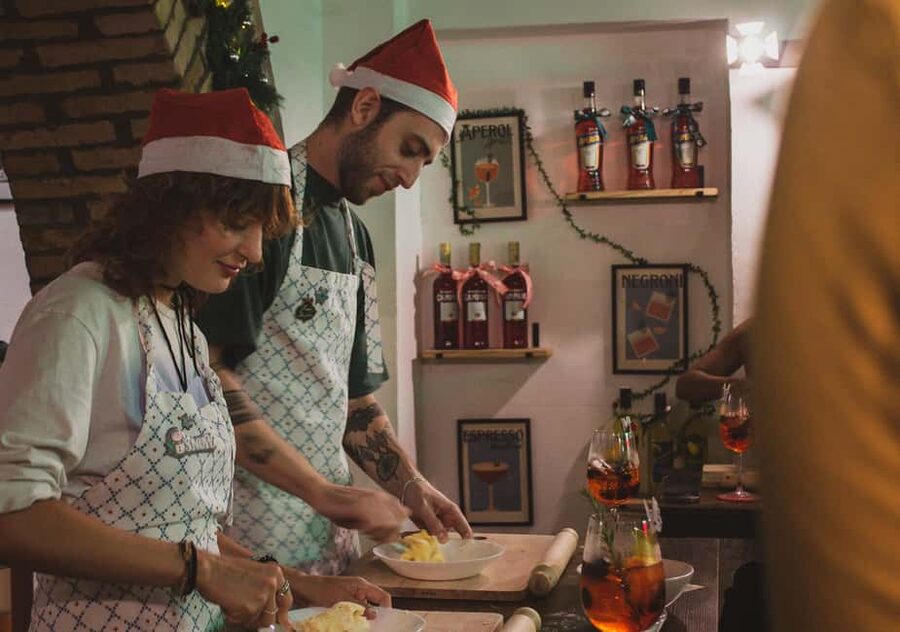
This is not a quiet, formal cooking school. It is a hands-on food workshop with a party-like edge, built around three drinks and a shared meal.
You begin with a mixology demonstration. The first lesson focuses on the Aperol Spritz, Italy’s familiar orange aperitivo. The instructor shows you how to put it together, then you get to taste your own version. That opening drink helps break the ice, especially if you arrive without knowing anyone else in the room.
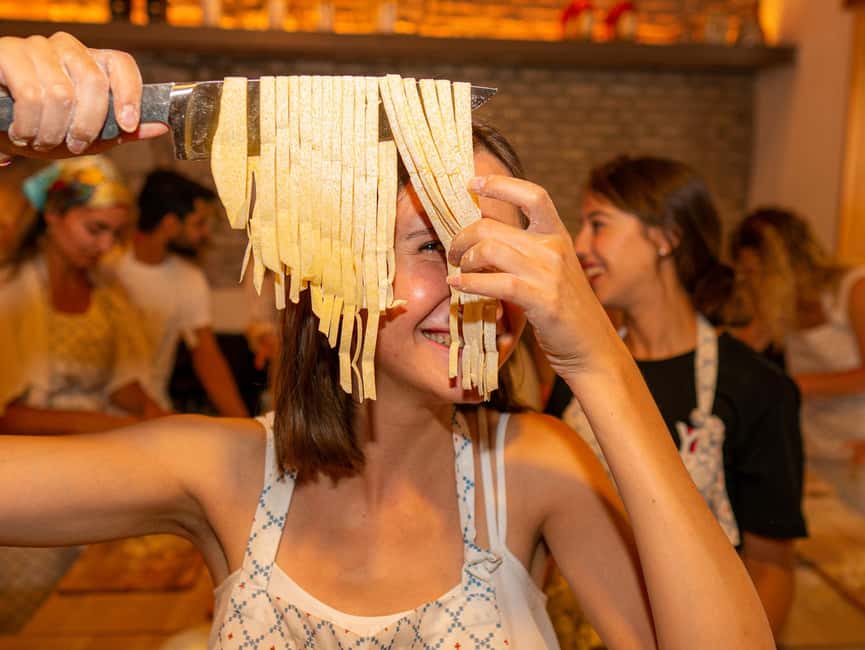
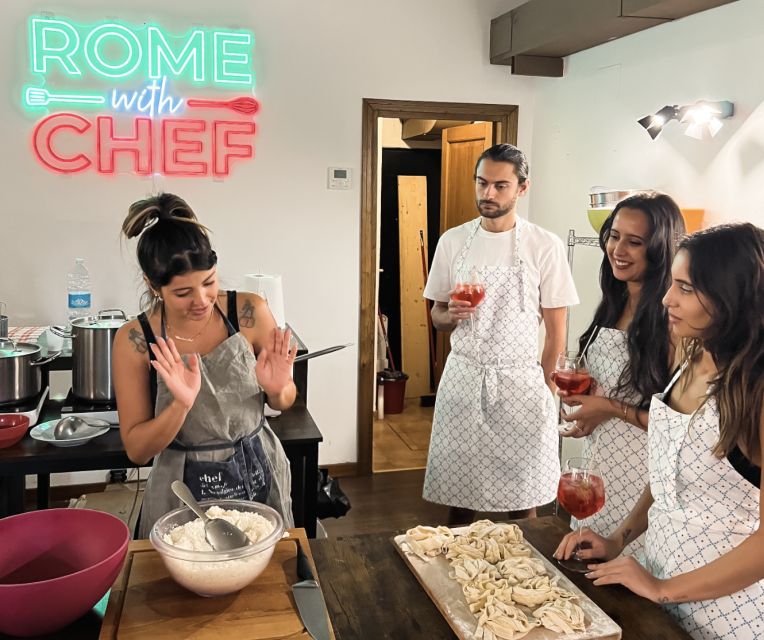
The class then shifts to pasta. You make fettuccine from scratch, following the chef’s steps as the dough comes together and is shaped. The work is simple enough for a first-timer, but it still gives you a useful feel for the texture of fresh pasta. You are not just watching someone roll dough at the front of the room.
The sauces bring the Roman focus. Carbonara relies on a short list of ingredients and careful handling, while cacio e pepe depends on turning cheese and pasta water into a smooth sauce. These dishes look easy on a menu, but the method matters. You learn why a few basic ingredients can produce a strong result when handled at the right moment.
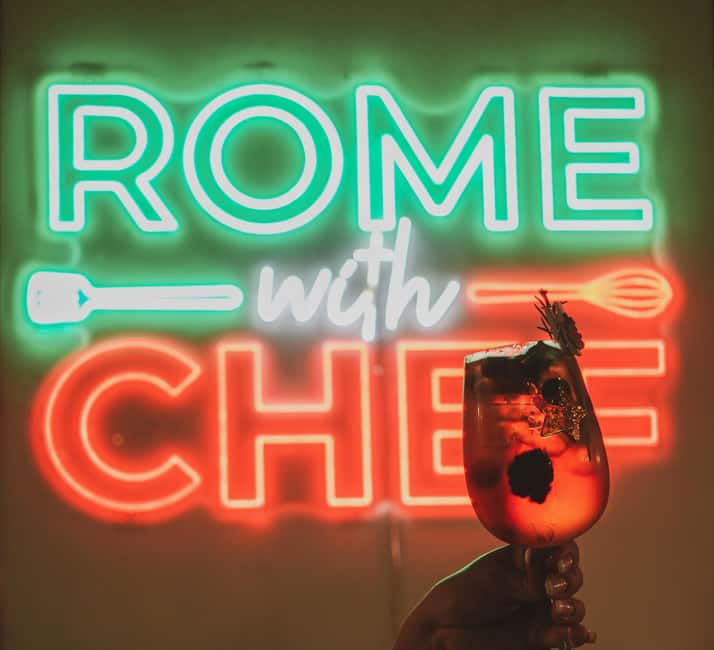
A second cocktail, the Hugo Spritz, comes into the mix after the pasta work. The final drink is a Limoncello Spritz, served as you sit down to eat. The pace gives the evening a clear rhythm: drink, cook, drink, eat, and finish with another toast.
More Fresh Pasta Workshops in Rome
- Rome: Pasta Making Class with Wine, Limoncello, and Dessert
★ 4.9 · 3,177 reviews - Enjoy Spritz and Pasta Making in Piazza Navona
★ 5.0 · 1,681 reviews - Pasta Making & Wine Tasting with Dinner in Frascati from Rome
★ 5.0 · 1,326 reviews
Why carbonara and cacio e pepe make good lessons
Roman pasta is especially well suited to a class because it does not hide behind a long ingredient list. Carbonara, cacio e pepe, and similar dishes ask you to pay attention to heat, texture, and timing.
Carbonara is often treated as a cream sauce outside Italy, but the Roman version is known for its egg, cheese, and cured pork base. The class gives you a chance to see how the sauce becomes creamy without simply pouring in cream. That is a useful lesson to carry home, since the ingredients are easy to find in many countries.
Cacio e pepe is even more stripped down. Cheese, pepper, pasta, and water do the work. The challenge is getting a smooth sauce rather than a clump of melted cheese. The chef’s explanation is valuable here because the result depends less on a complicated recipe than on technique.
You may not leave ready to run a Roman restaurant, but you should leave with a better sense of what to watch for. The recipes are practical, and the e-book means you do not have to rely on memory once you are home.
The chefs make the difference
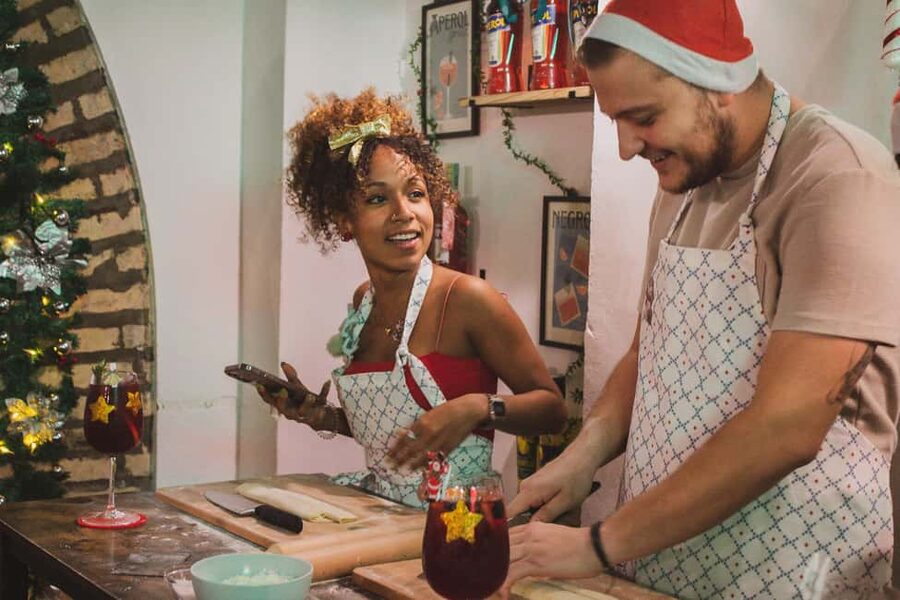
The instructor changes by date, so you should not book expecting one specific person unless the provider confirms it. Past classes have been led by people including Jem, Sunny, Angela, Gio, Marzia, Emma, Gaia, Ari, Pary, and others.
That variety is worth noting because the teaching style shapes the night. Jem has been praised for a relaxed pace, good explanations, music, and keeping glasses filled. Sunny has been described as funny, helpful, and full of energy. Angela has received credit for creating a warm atmosphere, while Gio has been praised for getting everyone involved in each task.
These details point to the class’s real strength: the instructors do more than recite a recipe. They help the group work together. You can expect encouragement rather than a strict test of pasta-making skill, and one past description noted that the chef stressed that cooking does not need to be perfect.
That matters if you are nervous about cooking in front of strangers. You are likely to have plenty of help, and the format gives each person something to do. The class works best when you are willing to join in rather than sit back and watch.
A social evening near the Colosseum
The location gives you an easy way to pair this class with sightseeing. The kitchen is about 10 minutes from the Colosseum, and both possible meeting locations are within a five-minute walk of each other if the meeting point changes.
You do not get hotel pickup or drop-off, so plan to reach the meeting point on your own. Check the exact location and starting time before setting out, since the meeting point can vary by booking option.
The central setting is useful, but do not assume the class takes place inside or directly beside the Colosseum. It is a nearby kitchen experience, not a monument visit. You will need a separate ticket if you want to tour the ancient site.
The group format adds a social side that a regular restaurant dinner cannot provide. You may be working beside a family, a couple, or a solo participant, with everyone sharing the same food and drinks at the end. Several class descriptions point to meeting people from different countries as part of the appeal.
For a solo visitor, this can be a pleasant way to avoid eating alone for one evening. For a family, making the pasta together gives everyone a role. For couples, it offers something more active than another restaurant reservation.
Same kitchen, a different thing to make:
- 3 in 1 Cooking Class near Navona: Fettuccine, Ravioli & Tiramisu
★ 5.0 · 7,376 reviews - Rome: Pasta & Tiramisu Class with Fine Wine by the Vatican
★ 4.9 · 4,852 reviews - Rome Cooking Class: Make Pasta and 3 Spritz Cocktails
★ 5.0 · 2,937 reviews - Rome: 3-in-1 Fettuccine, Ravioli, and Tiramisu Cooking Class
★ 4.9 · 2,704 reviews
What the three-hour schedule feels like
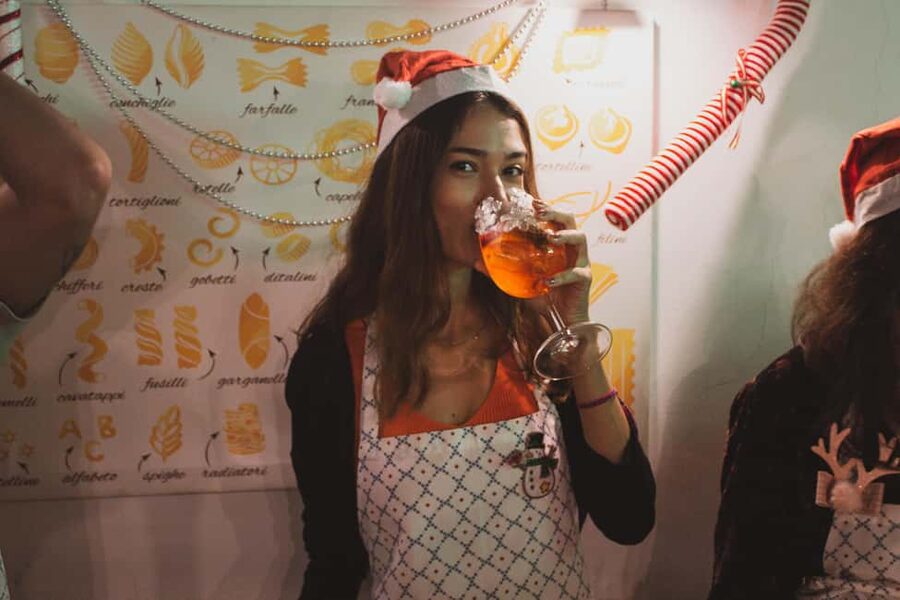
Three hours is long enough to teach the basics without turning the evening into an all-day commitment. You should still avoid booking a major attraction immediately afterward, since cooking, eating, and social time can easily use the full slot.
The first section is the Aperol Spritz demonstration. You learn the basic method, make the drink, and have time to taste it. This is a gentle start because there is no dough to handle yet.
Next comes the pasta session. You make the fettuccine and follow the chef through the process. The instructions are presented in English, which makes this a practical choice if you want to understand the method rather than simply copy hand movements.
The sauces follow. The chef explains the Roman recipes, including carbonara and cacio e pepe, and shows how to bring the components together. Vegetarian options are available, though you should state your needs when booking.
The Hugo Spritz appears during the cooking sequence, and the Limoncello Spritz comes with the final part of the meal. The exact order may vary with the class flow, but the promise is three cocktails in total.
Finally, you sit down with the pasta you helped prepare. That meal is the payoff, but it is also part of the lesson. You get to judge the texture, sauce, and seasoning while the process is still fresh in your mind.
How much food and drink do you get for $69?
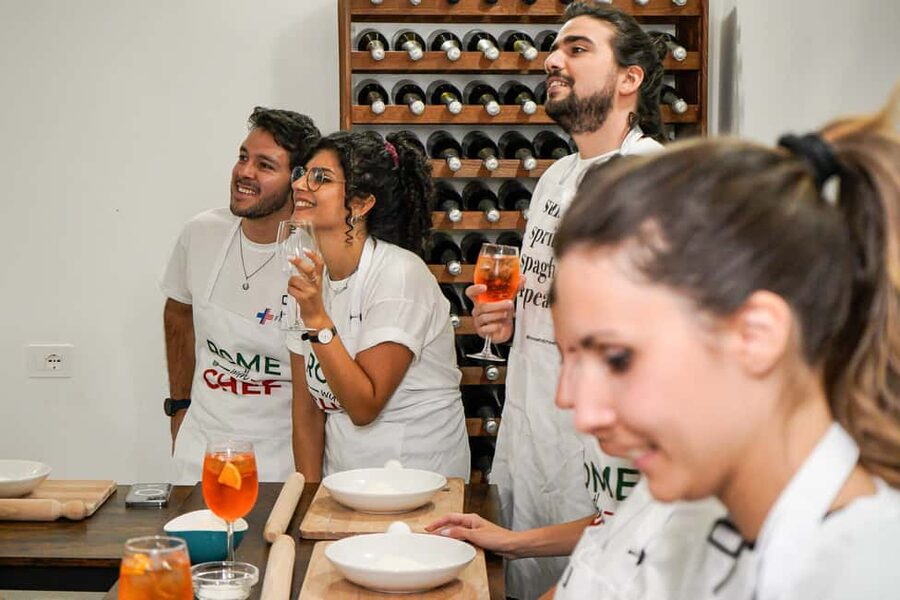
At $69 per person, the price looks fair if you value both dinner and instruction. You are paying for three hours, three cocktails, fresh pasta, an expert chef, a mixology demonstration, and recipe materials.
A normal Roman dinner can use a large part of that amount, especially once drinks are added. This class gives you a meal and a skill you can use later. It is not the cheapest way to eat pasta in Rome, but it offers more than a plate delivered to your table.
The value depends on your interests. If you only want a quick meal, a trattoria will be simpler and may cost less. If you want an activity that fills an evening and gives you something to remember, the class makes a stronger case.
The drink portion also matters. You are not paying for one token sample. Aperol, Hugo, and Limoncello Spritzes are included, so the price covers a substantial part of the evening’s food and beverage experience.
The e-book adds lasting value. You can use it after your trip to recreate the Roman dishes, though your home kitchen may require ingredient substitutions. The class itself gives you the feel for the method, which is often more useful than a recipe alone.
Dietary limits you should take seriously
Vegetarian options are available, but the class cannot accommodate vegan, gluten-free, dairy-free, coeliac, gluten-intolerant, or lactose-intolerant diets. This is not a minor footnote. Pasta and cheese are central to the menu.
If you have another dietary need, tell the provider when booking so they can try to help. Do not wait until you arrive, since the menu is planned around gluten and dairy.
The activity is also not suitable for children under two. An infant who joins must remain on an adult’s lap because there is no separate seat or workspace.
The cocktail element makes this a better match for adults and older children who can take part in a food workshop. The supplied information does not set a general minimum age beyond the restriction for children under two, so check the booking details if your group includes young children.
Tips for getting the most from the class
Arrive ready to participate. The best part of this activity is not watching the chef, but mixing, shaping, stirring, and tasting along the way.
Tell the provider about dietary needs before the class. This is especially important for vegetarians, since an alternative may be possible, but the kitchen cannot support several major dietary restrictions.
Keep your evening flexible. The class lasts three hours, and the combination of cooking, eating, and conversation can make the time pass quickly.
Use the recipe e-book after the trip. Carbonara and cacio e pepe reward practice, and the class gives you a useful first attempt under guidance.
If you are booking for a special group, ask about the private-group option. A private booking can make sense for families, friends, or a small celebration, though the price and exact arrangement should be confirmed at booking.
Finally, remember that the meeting point may change. Both possible locations are within a five-minute walk, and you should receive notice in advance, but check the final details before leaving for the class.
Who should book this pasta and spritz class?
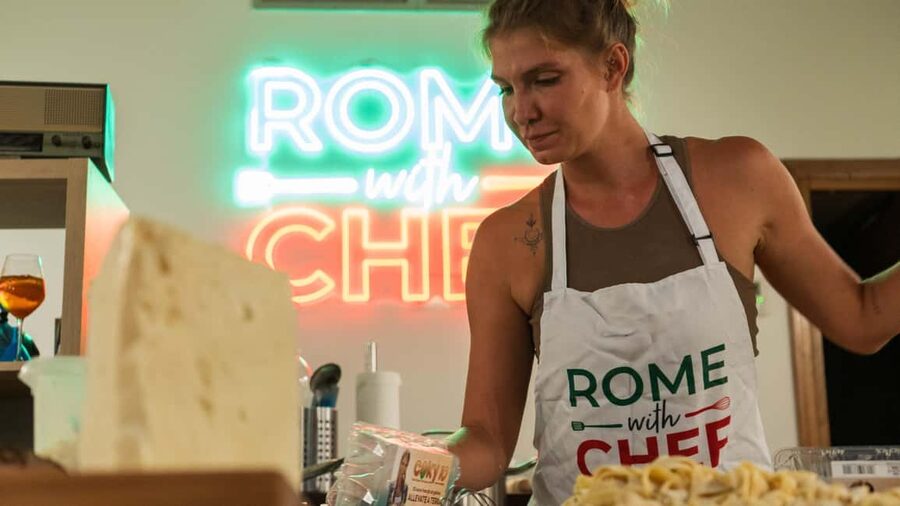
I would recommend it to anyone who wants a social Rome evening with a real activity at its center. It suits first-time pasta makers, couples, families with suitable-age children, and solo visitors who like shared meals.
It is also a good rainy-day plan. The class takes place indoors, and one past lunchtime group found it particularly useful when the weather was poor.
You will get the most from it if you enjoy lively instruction, music, group conversation, and a relaxed attitude toward cooking. If you prefer a quiet, highly technical culinary school, this may feel too informal.
The experience is less suitable if you are avoiding alcohol, since the structure centers on three spritzes. You may need to ask about non-alcoholic alternatives, as only the inclusion of alcoholic cocktails is clearly specified.
Should you book it?
Book this class if you want more than a meal and like the idea of learning Roman pasta while meeting other people. The combination of fresh fettuccine, carbonara, cacio e pepe, three spritzes, and an English-speaking chef gives you a strong evening for $69.
Skip it if your diet cannot include gluten or dairy, or if you want a quiet dinner without group participation. For everyone else, this is a practical, cheerful way to spend three hours close to the Colosseum, with recipes you can put to use after Rome.
FAQ
How long does the pasta-making class last?
The activity lasts three hours. Check availability for the exact starting time.
Where does the class take place?
The kitchen is about 10 minutes from the Colosseum. The exact meeting point may vary by booking option, and both possible locations are within a five-minute walk of each other.
Which cocktails are included?
You make and taste three cocktails: Aperol Spritz, Hugo Spritz, and Limoncello Spritz.
Which pasta dishes do you learn to make?
The class includes homemade fettuccine and lessons in Roman sauces such as carbonara and cacio e pepe.
Are vegetarian options available?
Yes. Vegetarian options are available, but you should tell the provider about your needs when booking.
Can people with gluten or lactose intolerance join?
No. The class cannot accommodate coeliac disease, gluten intolerance, lactose intolerance, or dairy-free diets. Vegan diets cannot be accommodated either.
Is the class taught in English?
Yes. The instructor language is English.
Just added around Rome
- Rome: Pasta and tiramisu class with wine pairing at Come Na Vorta★ 5.0 · 30 reviews
- Spritz and Pasta! Spritz, Fettuccine & Tiramisù★ 5.0 · 2 reviews
- Rome: Vespa Tour with Photographer and Tiramisu treat★ 4.5 · 61 reviews
- Walking Tour & Pizza Making★ 4.0 · 2 reviews
- Trastevere Food Tour with Pasta-Making Class★ 5.0 · 5 reviews
- Rome: Private Vespa Tour and Professional Photoshoot★ 5.0 · 22 reviews
- Traditional Pasta Cooking Class with Tiramisu Small Group★ 5.0 · 7 reviews
- Tiramisu and Gelato Creation in Authentic Roman Dessert Workshop★ 4.5 · 3 reviews
Rome Pasta Classes, compared.
3 in 1 Cooking Class near Navona: Fettuccine, Ravioli & Tiramisu
Read our review →
Pasta & Tiramisu Class with Fine Wine by the Vatican
Read our review →
Pasta Making Class with Wine, Limoncello, and Dessert
Read our review →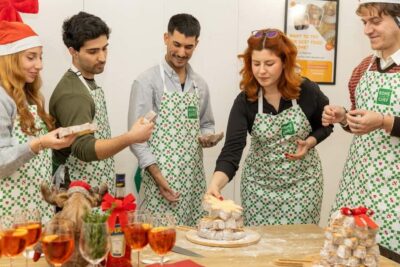
Rome Cooking Class: Make Pasta and 3 Spritz Cocktails
Read our review →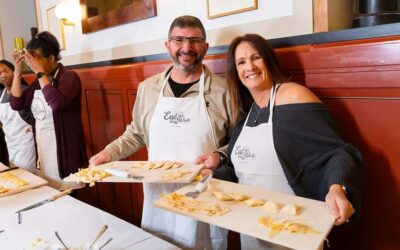
3-in-1 Fettuccine, Ravioli, and Tiramisu Cooking Class
Read our review →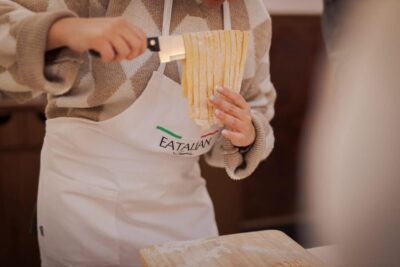
Fettuccine Pasta Cooking Class in Rome’s City Center
Read our review →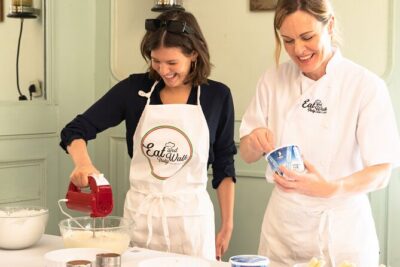
Learn to Make Pasta & Tiramisu with Wine and Limoncello Included
Read our review →
Become a Masterchef in Rome: Pasta, Ravioli and Tiramisù Class
Read our review →Browse the lists this tour appears in