
REVIEW · ROME
Rome: Traditional Pizza and Gelato Making Class
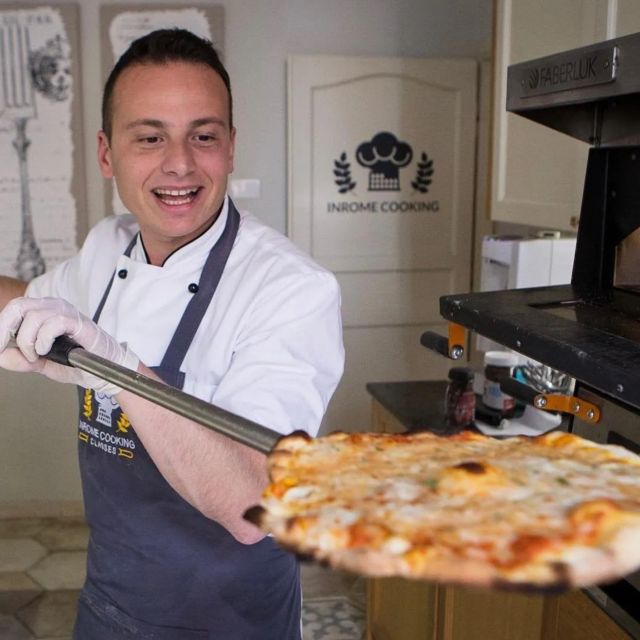
Roman pizza is not simply a smaller version of Neapolitan pizza. In this three-hour class, you learn why the Roman style is known for a thin, crunchy base, then make one yourself with fresh toppings. You also prepare gelato, sit down to eat, and leave with recipes sent by QR code.
I like the welcoming prosecco-and-snacks reception and the way the chef teaches by showing each step, rather than taking over. I also like that the class suits families, with instructors such as Fabio and Marco praised for patiently involving children. The main consideration is value: at $117.82 per person, you are paying for an activity, a meal, drinks, and instruction, not just dinner.
Key points
- Roman-style pizza: Learn to make a thinner, crunchier pizza than the soft, puffy style linked with Naples.
- Two-part class: Make pizza dough and toppings, then prepare gelato with guidance on ingredients and technique.
- Friendly English instruction: Chefs including Fabio, Marco, Alessandro, Julio, Francesca, and Max have led sessions.
- A meal at the end: Eat the pizza and gelato you prepare, with drinks included.
- Family-friendly format: Children as young as six have taken part successfully, though the class is not suited to people with mobility impairments.
- Take-home help: Recipes are provided digitally through a QR code, with one digital recipe book containing 75 recipes reported by one participant.
Why Roman pizza is the star of the class
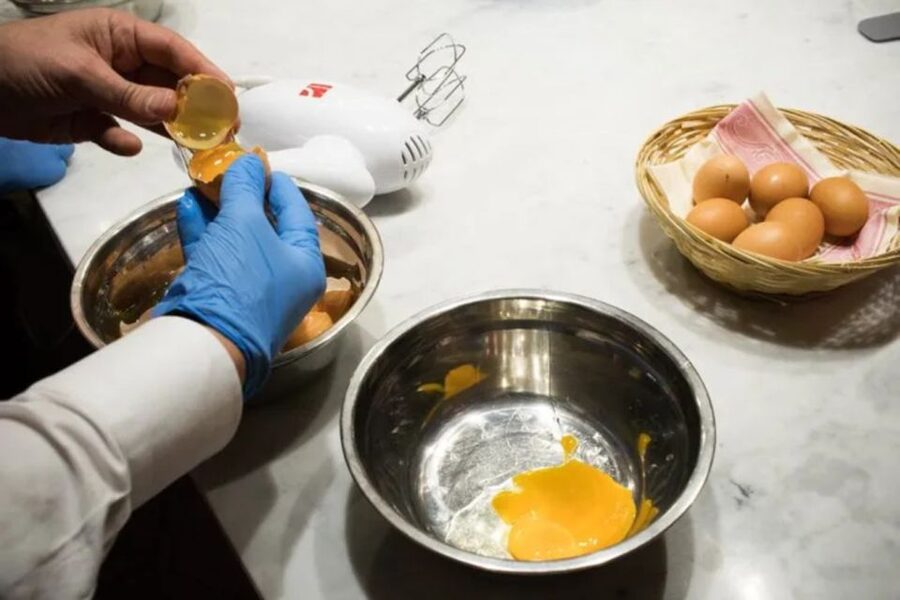
The class begins with the dough, the part that separates a good pizza from a disappointing one. Your English-speaking chef demonstrates kneading and explains how the dough should feel before it is ready for the oven.
The lesson focuses on Roman pizza, which has a smaller crust and a notably crunchy base. That gives you a useful point of comparison if you have already eaten the softer, airier pizza associated with Naples. Here, the lesson is less about piling on toppings and more about getting the base right.
You prepare the dough together, then allow it time to become ready. The exact pace can vary, but this is not a rushed order-at-the-counter meal. The waiting time forms part of the process, and it gives the chef room to explain techniques and regional differences.
Once the dough is ready, you roll it out and choose what goes on top. You can keep it simple with a Bianca, made without tomato sauce, or choose a Rosso with a rich tomato base. Fresh ingredients include options such as prosciutto and black olives, so you can build something familiar or try a combination you might not order at a restaurant.
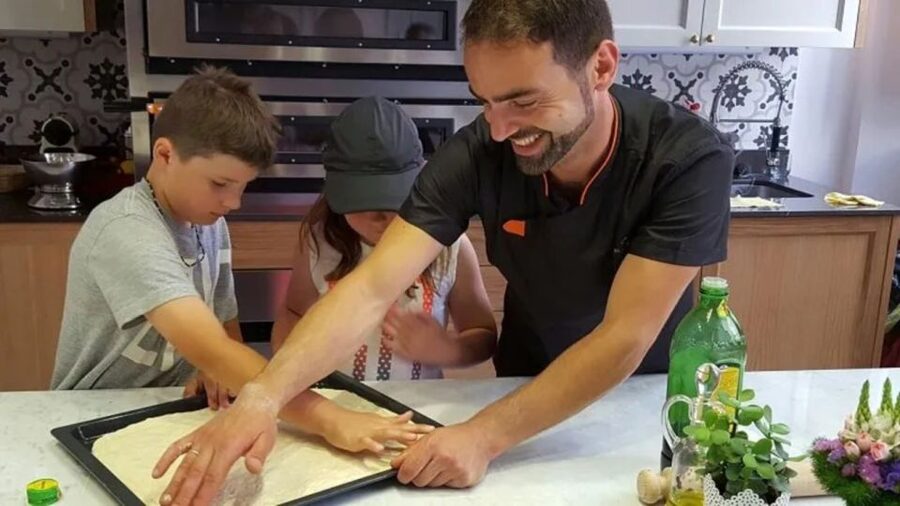
That freedom is useful for families and mixed groups. One person can choose a plain pizza, while another can go for salty prosciutto or briny olives. The cooking is hands-on, but the chef remains close by to demonstrate and correct technique.
More Gelato Making Classes in Rome
- Rome: Fresh Pasta-Making Class with Wine and Gelato
★ 4.9 · 813 reviews - Night Tour of Rome with Local Pizza Dinner and Gelato Experience
★ 4.5 · 780 reviews - Super Fun Pasta & Gelato Class by Vatican with Wine + Oil Tasting
★ 5.0 · 726 reviews
From welcome drink to working kitchen
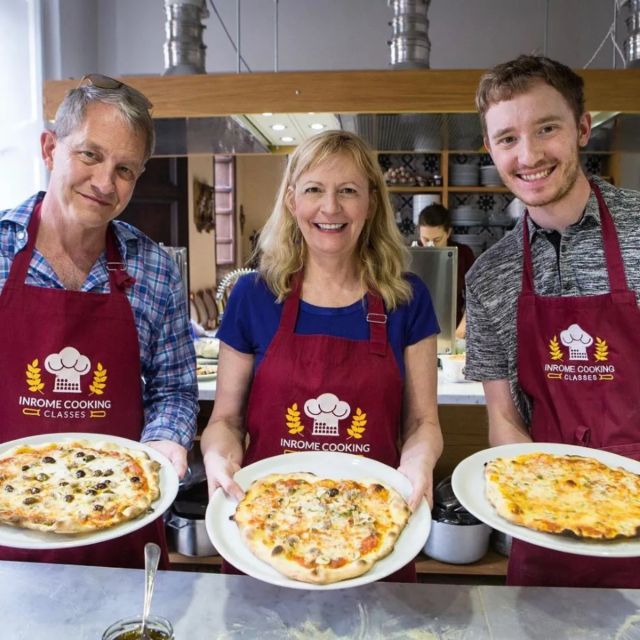
You meet at Corso del Rinascimento 65. Look for the doorbell marked InRome Cooking and allow a little extra time to find it, since the street numbering can be confusing.
The reception starts with prosecco and snacks. This is a small detail, but it helps the class feel social rather than like a formal lesson. You have time to settle in before handling dough, and the shared table makes it easier to chat with the other people in the group.
All ingredients and equipment are included. You do not need to shop for flour, toppings, fruit, or other supplies, and you do not need to bring cooking equipment. The meal and drinks are included too, so the price covers more than the instruction itself.
The chef’s personality matters here. Different sessions have been led by Fabio, Marco, David, Alessandro, Julio, Francesca, and Max. The particular chef assigned to your class can vary, but the teaching style described for the sessions is active and good-humored. Fabio worked patiently with a six-year-old, while Marco encouraged children with food allergies to take part in the cooking. Max was especially good at keeping the class personal and light.
You should expect to work alongside other people rather than receive a private lesson. That can be a plus if you enjoy a social evening, but it means you may not control every part of the schedule. The class works best when you are willing to share a kitchen and listen while the chef moves the group forward.
Choosing between Bianca and Rosso
The pizza choices are simple, but they teach you something about Italian cooking. A Bianca lets the dough and toppings do the work without tomato sauce. A Rosso gives you the familiar tomato flavor and a stronger contrast with salty ingredients.
You can choose from fresh ingredients, including prosciutto and black olives. The point is not to create the most overloaded pizza possible. The chef helps you understand how a few well-chosen ingredients can make a better result.
This is also where the lesson becomes practical for home cooking. Several participants found the recipes approachable and said the right ingredients made a large difference. You will not simply watch a chef prepare a polished dish while you wait for dinner. You get to handle the dough, spread or arrange the toppings, and see how the pizza changes in the oven.
The finished pizza is your main meal. You eat what you prepared, along with drinks, and there is no cleanup waiting for you afterward. That last point matters after a full day of sightseeing.
Gelato is not just frozen ice cream
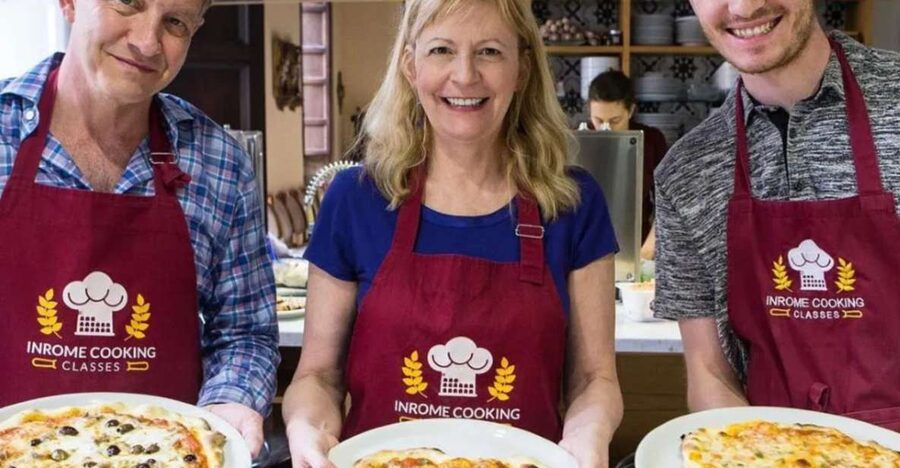
The second half of the class covers gelato. The chef explains how to prepare it and why ingredient choices matter, especially when you are working with a normal freezer rather than professional shop equipment.
The lesson makes a clear distinction between gelato and ice cream. Gelato is not treated as a casual label for any frozen dessert. You learn the basic ideas behind its texture and preparation, then make the dessert as part of the class.
One practical limitation is worth noting. In at least one session, two people shared a mixing bowl and had to choose one flavor together. If you are booking with a friend or family member who wants a different flavor, you may need to share the choice rather than make a separate batch each.
The gelato is served after the pizza, so the class finishes as a complete meal. It is a pleasant way to end the lesson, particularly for children who may find the dessert-making part just as interesting as the pizza.
You also receive recipes through a QR code. This is convenient if you keep recipes on your phone, though one person wanted printed instructions and had trouble accessing them. If a paper recipe matters to you, save the digital material before leaving or ask the chef for help with the QR code.
More Pizza Making Classes in Rome
- Cooking Class in the Heart of Rome: Pizza and Tiramisu Making
★ 5.0 · 1,330 reviews - Rome: Combo Pizza and Pasta Cooking Class with Wine
★ 4.6 · 1,180 reviews - Rome: Pizza & Tiramisu Class with Free Flowing Fine Wine
★ 5.0 · 973 reviews - Rome: Pizza & Tiramisu Class with Free Flowing Fine Wine
★ 4.9 · 697 reviews
A class that works well for families
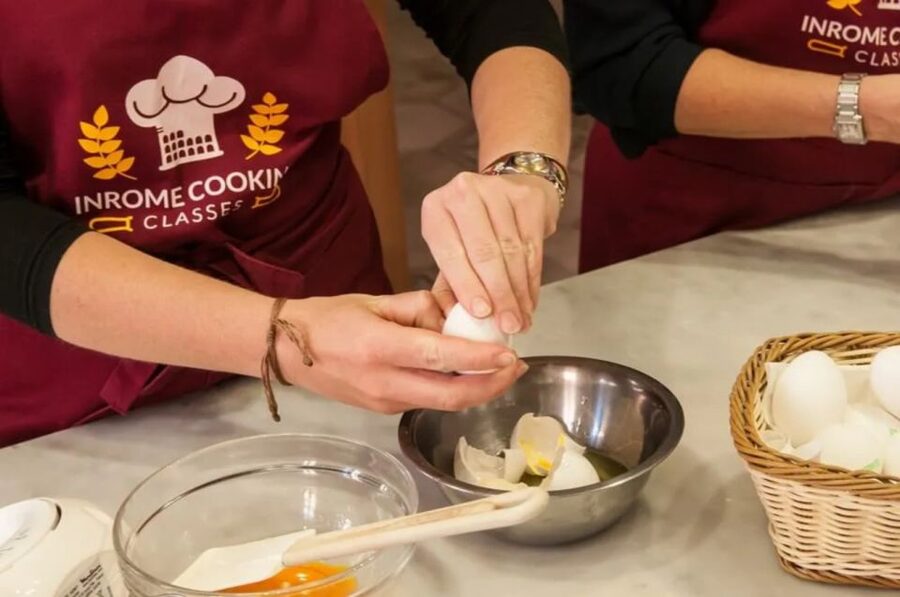
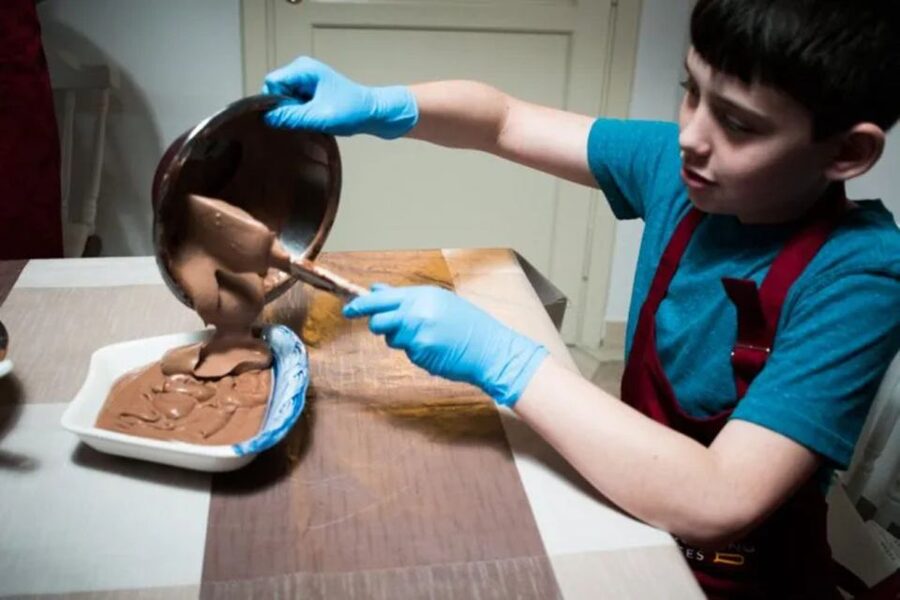
This experience has strong family appeal. Children aged six, eight, ten, and thirteen have taken part, with chefs helping them follow each stage without making the cooking feel like a demonstration for adults only.
The best part for children is the immediate result. They knead dough, choose toppings, make gelato, then eat the finished food. That gives the class a clear rhythm and keeps it from becoming a long talk about cooking.
Parents should still expect a real kitchen activity. Children need to follow instructions and work with the group, and the class is not designed as a separate childcare program. The chef may adapt explanations and offer hands-on help, but adults remain responsible for their children.
Food allergies deserve careful attention. One session included a child with sesame, peanut, and tree nut allergies, and the child was encouraged to participate. Still, allergy arrangements are not explained in the activity details, so you should raise any allergy concerns before booking and again with the chef at the start.
The class is not suitable for people with mobility impairments or wheelchair users. That is important because the activity involves moving through a cooking space and working at kitchen equipment.
What the three hours are really worth
The listed price is $117.82 per person. That is not a low-cost meal, but the comparison should not be with a basic pizza dinner. You are paying for three hours of instruction, all ingredients, kitchen equipment, a prosecco and snacks reception, the food you prepare, drinks, and digital recipes.
I see the value most clearly if you want an activity rather than another restaurant booking. You get an evening with a finished meal and a skill you can repeat at home. The recipes and techniques add something lasting, especially if you have tried making pizza before and ended up with a heavy or soft base.
The value is less clear if your main goal is simply to eat the cheapest excellent pizza in Rome. A cooking class takes time and costs more than ordering a pizza. You also share the experience with other people, and the gelato portion may involve one flavor per two people.
For a family, the price covers entertainment as well as food. For a couple, it works best if you enjoy cooking, meeting people, and learning by doing. For someone who dislikes group activities or wants a quiet meal, a restaurant will be a better fit.
Location and timing in central Rome
The meeting point is Corso del Rinascimento 65, and the class ends at the same place. There is no hotel pickup or drop-off, so you need to arrange your own way to the meeting point.
Because this is in the heart of Rome, you can pair it with sightseeing nearby, but do not schedule a major timed attraction too tightly around the class. The activity lasts three hours, and the start time depends on availability.
I would book it for an evening when you want to slow down. A cooking class is a poor match for a day packed with museum reservations and fixed entry times. It is a better choice when you can arrive without rushing, enjoy the reception, cook at a comfortable pace, and stay for the meal.
The address is easy to miss if you are looking only for a large restaurant sign. Use the InRome Cooking doorbell and arrive a little early, especially if you are bringing children or need time to locate the entrance.
Who should book this pizza and gelato class?
You should consider booking if you want:
- A hands-on activity in central Rome
- An English-speaking chef who can explain each step
- A family activity that keeps children involved
- A full meal rather than a short tasting
- A useful lesson in Roman pizza and gelato
- Recipes to use at home after your trip
You may want to skip it if you only want a quick dinner, need wheelchair access, dislike shared group activities, or expect each person to make a separate gelato flavor. The class is also less suitable for anyone who does not want to handle dough or participate in food preparation.
The strongest reason to choose it is the combination of technique and meal. You do not merely hear about Roman food. You prepare it, eat it, and take the method home.
Booking details worth knowing
The activity lasts three hours, with starting times shown according to availability. The class is offered in English and Italian, and the instructor speaks English.
You must bring a passport or identity card. A copy is accepted. Hotel pickup and drop-off are not included, so plan your route to Corso del Rinascimento 65.
Cancellation is free up to 24 hours before the activity for a full refund. You can also reserve now and pay later, which may help if your Rome schedule is still changing.
Should you book it?
Book this class if you want an engaging food experience with a proper meal at the end. The Roman pizza lesson is more useful than a simple topping demonstration, and the gelato section gives you a second dish to prepare without adding another booking.
I especially recommend it for families and first-time visitors who want one relaxed evening away from monuments. The high rating is supported by consistent strengths: patient chefs, clear instruction, good food, and a friendly atmosphere. Just check the mobility limits, prepare for a shared class, and remember that gelato flavors may need to be shared between two people.
At $117.82, it is a considered purchase. If you value the lesson, the meal, the drinks, and the recipes, it offers a fair package. If you only want pizza and gelato, spend less at a good Roman restaurant.
FAQ
How long does the pizza and gelato class last?
The class lasts three hours. Starting times depend on availability.
Where does the class begin?
Meet at Corso del Rinascimento 65. Ring the doorbell marked InRome Cooking.
Where does the class end?
The activity ends back at the same meeting point.
Is hotel pickup included?
No. Hotel pickup and drop-off are not included.
What languages are available?
The class is offered in English and Italian, with an English-speaking chef.
What food will I prepare?
You will prepare Roman-style pizza, including the dough and toppings, and homemade gelato. You can choose pizza ingredients such as prosciutto and black olives, and select between a Bianca pizza without sauce or a Rosso pizza with tomato sauce.
Are ingredients and cooking equipment included?
Yes. All ingredients and equipment are included, along with a prosecco and snacks reception, the homemade meal, and drinks.
What should I bring?
Bring a passport or identity card. A copy is accepted.
Just added around Rome
- Rome: Pasta and tiramisu class with wine pairing at Come Na Vorta★ 5.0 · 30 reviews
- Spritz and Pasta! Spritz, Fettuccine & Tiramisù★ 5.0 · 2 reviews
- Rome: Vespa Tour with Photographer and Tiramisu treat★ 4.5 · 61 reviews
- Walking Tour & Pizza Making★ 4.0 · 2 reviews
- Trastevere Food Tour with Pasta-Making Class★ 5.0 · 5 reviews
- Rome: Private Vespa Tour and Professional Photoshoot★ 5.0 · 22 reviews
- Traditional Pasta Cooking Class with Tiramisu Small Group★ 5.0 · 7 reviews
- Tiramisu and Gelato Creation in Authentic Roman Dessert Workshop★ 4.5 · 3 reviews
Rome Pasta Classes, compared.
3 in 1 Cooking Class near Navona: Fettuccine, Ravioli & Tiramisu
Read our review →
Pasta & Tiramisu Class with Fine Wine by the Vatican
Read our review →
Pasta Making Class with Wine, Limoncello, and Dessert
Read our review →
Rome Cooking Class: Make Pasta and 3 Spritz Cocktails
Read our review →
3-in-1 Fettuccine, Ravioli, and Tiramisu Cooking Class
Read our review →
Fettuccine Pasta Cooking Class in Rome’s City Center
Read our review →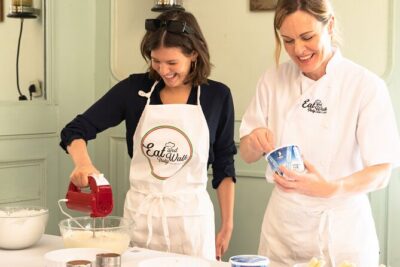
Learn to Make Pasta & Tiramisu with Wine and Limoncello Included
Read our review →
Become a Masterchef in Rome: Pasta, Ravioli and Tiramisù Class
Read our review →Browse the lists this tour appears in