
REVIEW · ROME
Rome: Pasta and Tiramisu Class at a Local’s Home
Making pasta in a Roman home gives you something a restaurant meal cannot: a hands-on look at family cooking. You roll fresh sfoglia by hand, prepare two pasta dishes, and finish with tiramisu before sitting down to eat what you made.
I like the friendly scale and the family recipes. I also like that drinks are part of the meal, from prosecco and nibbles at the start to wine, water, and coffee later. The main thing to consider is the private-home setting: you receive the address only after booking, and the exact menu and host depend on the Cesarine cook assigned to you.
Key points to know before booking
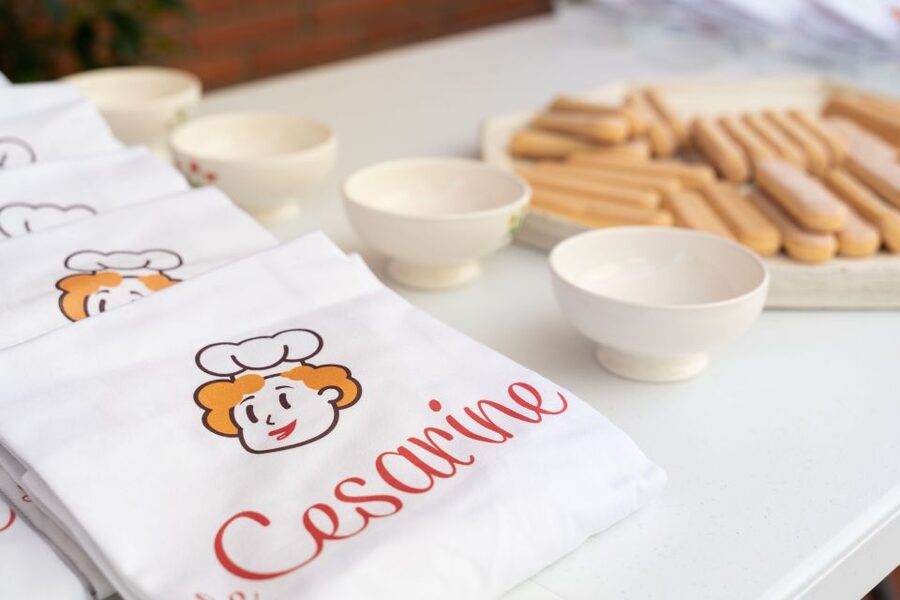
- You make three Italian dishes: two fresh pasta recipes and the classic tiramisu.
- The class takes place in a private home: the exact address and host details arrive after booking.
- The meal is part of the lesson: you eat the pasta and dessert you prepare at the family table.
- Aperitivo is included: expect prosecco and small snacks before or during the cooking session.
- Hosts vary by booking: previous classes have featured welcoming cooks such as Giovanni, Martina, and Claudia.
- Timing has some flexibility: sessions typically begin at 10:00 AM or 5:00 PM, with other times possible by advance request.
What the three-hour cooking class feels like
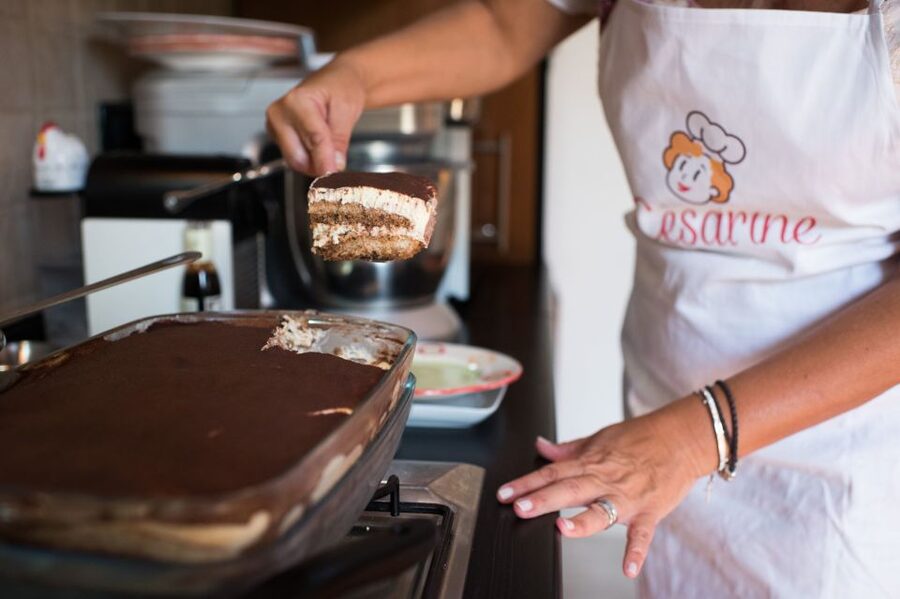
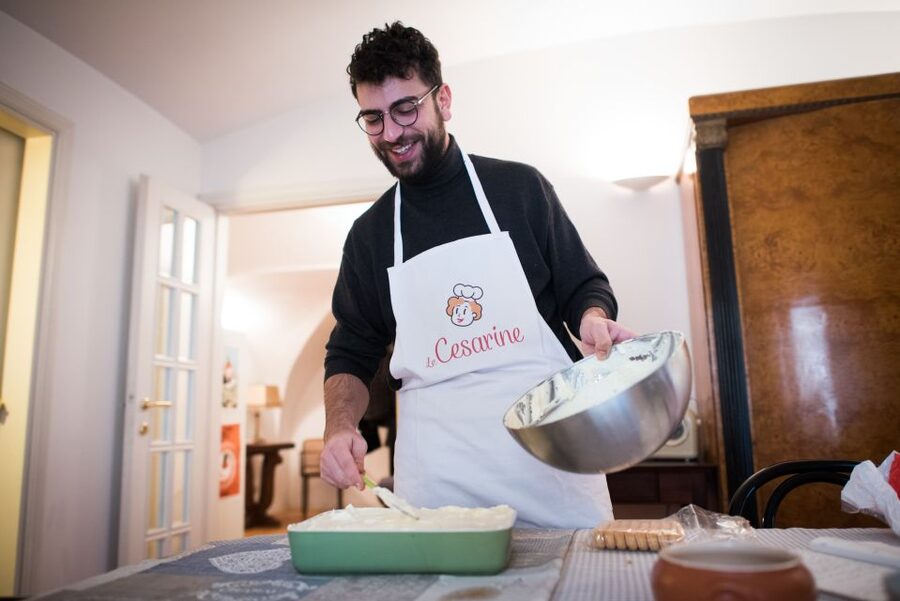
This is not a demonstration where you sit back and watch a professional chef do all the work. You are there to handle the dough, follow the family recipes, and take part in the meal from start to finish.
The class lasts about three hours, which gives the experience a relaxed rhythm. You have time to learn the basics without rushing from one station to another. At the same time, this is not a full culinary school course. You will leave with useful pasta skills and a better sense of Italian home cooking, not a formal chef’s qualification.
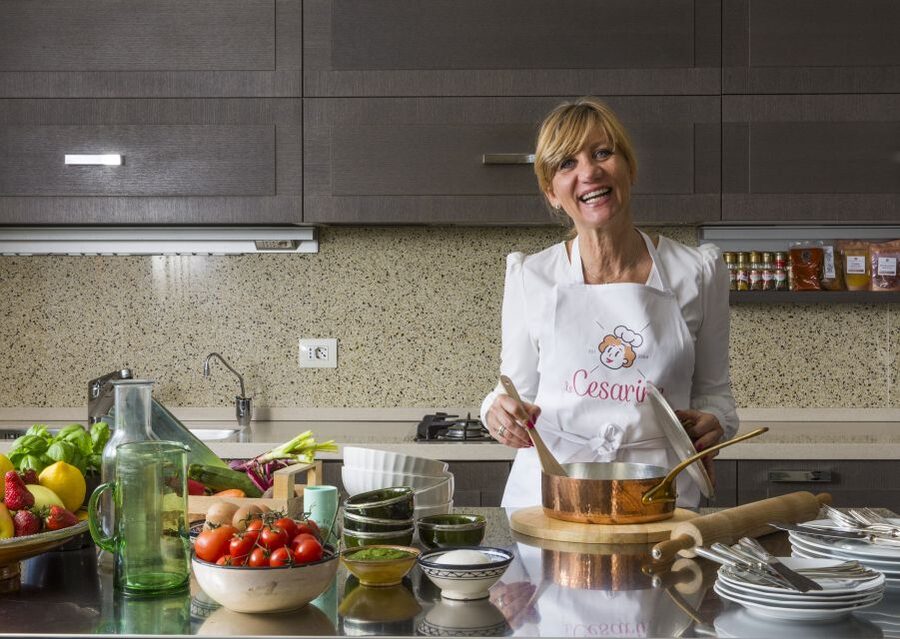
The setting matters. Cesarine hosts open their own homes to visitors and cook from family recipe books. The Cesarine network includes home cooks in more than 500 Italian cities, so this Rome-area class is part of a wider effort to show regional food through the people who prepare it at home.
Because the class is held in a home, the atmosphere can feel more personal than a commercial cooking studio. That is a major reason to book it. It also means the exact experience depends on your host, the available kitchen space, and the recipes chosen for your session.
More Tiramisu Classes in Rome
- 3 in 1 Cooking Class near Navona: Fettuccine, Ravioli & Tiramisu
★ 5.0 · 7,376 reviews - Rome: Pasta & Tiramisu Class with Fine Wine by the Vatican
★ 4.9 · 4,852 reviews - Rome: 3-in-1 Fettuccine, Ravioli, and Tiramisu Cooking Class
★ 4.9 · 2,704 reviews
Starting with aperitivo and a warm welcome
Your host welcomes you at a private address, with the full location and mobile number sent after booking. Ring the doorbell when you arrive. The meeting point is not a public square or a restaurant, so check your email carefully and allow enough time to reach the home.
The class typically begins at 10:00 AM or 5:00 PM. The morning option works well if you want a substantial lunch afterward, while the evening class can become a relaxed dinner activity. If those times do not suit your plans, you can request a different start time in advance, although you should confirm it with the organizer rather than assume it is available.
The opening aperitivo includes prosecco and nibbles. This is a small detail, but it helps set the tone. You can meet the host, settle into the home, and begin chatting before the flour comes out. It also gives families and small groups a pleasant start instead of launching straight into instructions.
The hosts teach in Italian and English. That makes the class practical for English-speaking visitors, though the personal nature of the meal means conversation is part of the experience too. If you are looking for a very formal lesson with exact measurements and a printed schedule, this may feel informal. If you want to spend time with an Italian cook and learn through doing, that informality is part of the appeal.
Rolling sfoglia by hand
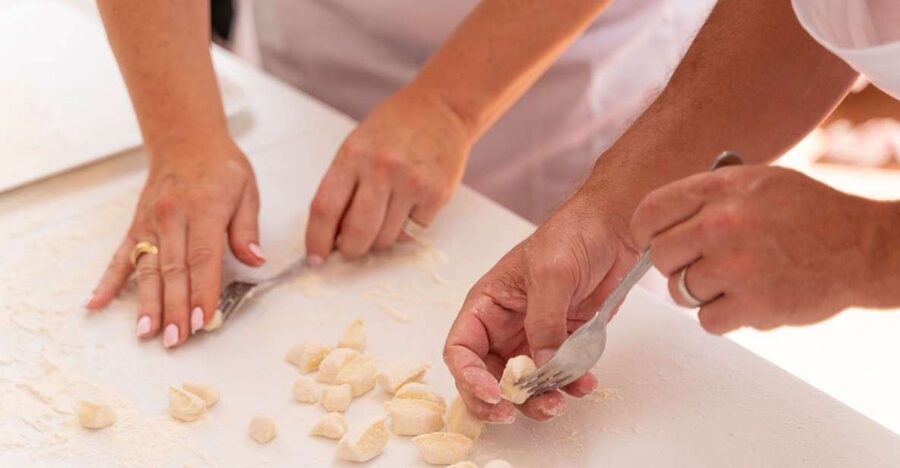
The core skill is making and rolling sfoglia, the thin sheet of fresh pasta used in many Italian dishes. You work the dough by hand and learn how it changes as you knead and roll it.
This is the part I would value most if you already love pasta but have never made it yourself. Dry pasta from a Roman restaurant tells you little about the work behind the dish. Handling fresh dough gives you a feel for texture, pressure, and timing that a recipe alone cannot provide.
You should expect a practical lesson rather than a lecture. The host guides you through the process and helps you correct mistakes as you go. That is especially useful for families with children. Giovanni and Martina were praised for being patient and explaining each step clearly while working with three daughters, which suggests that the class can suit a family group when the children are interested in taking part.
Do not expect every booking to teach precisely the same pasta shapes. The class promises two pasta types, and one family’s session included ravioli and fettuccine. Your host may use different recipes from the family cookbook. This variation is worth accepting because it keeps the class connected to the cook’s own traditions rather than forcing every home into one standard menu.
Preparing two pasta dishes from family recipes
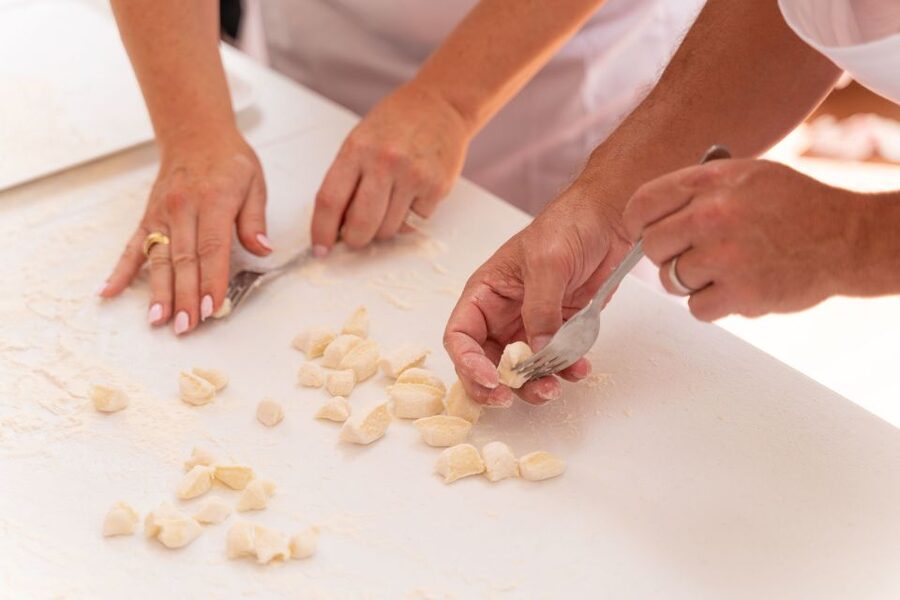
After learning the dough, you prepare two different pasta recipes from scratch. This gives you more range than a class focused on a single shape. You can compare how the dough is cut, filled, folded, or served, depending on the dishes selected for your session.
One recipe may be ravioli, as it was for the class hosted by Giovanni and Martina. Ravioli gives you a chance to see how fresh pasta can hold a filling and how careful shaping affects the final dish. Another may be fettuccine, which shows the simpler pleasure of cutting and cooking a fresh ribbon pasta.
The exact sauces and fillings are not specified, so do not book this expecting a particular Roman classic such as carbonara or cacio e pepe. The focus is on two local pasta preparations chosen by the host, not on a fixed restaurant menu. That uncertainty is a drawback for anyone with one very specific dish in mind, but it is also what makes the class feel tied to a family cookbook.
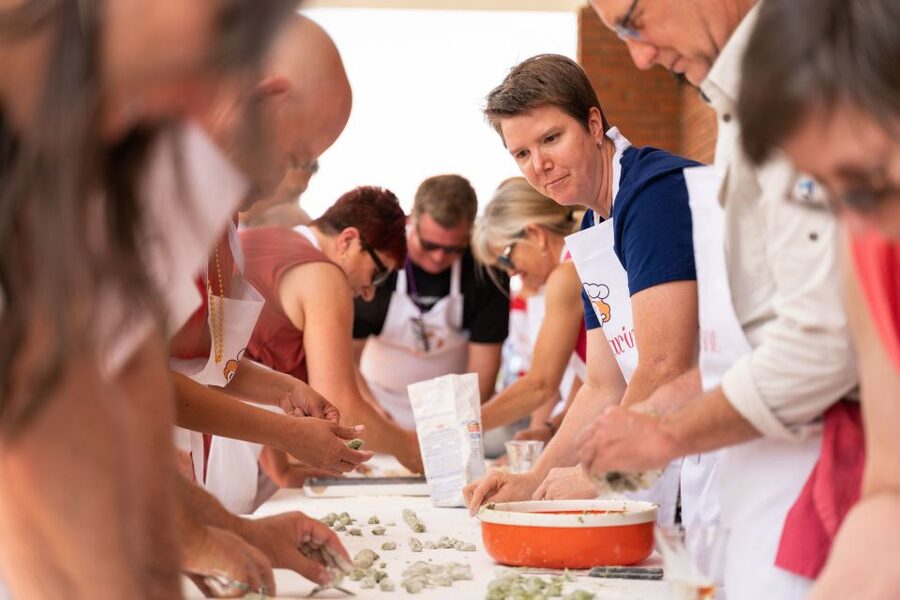
The work is social. You share the counter with the other people in your small group, compare your pasta shapes, and learn by watching how others handle the dough. The cooking itself creates an easy reason to talk, even if you arrive without knowing anyone else.
Same kitchen, a different thing to make:
- Rome: Pasta Making Class with Wine, Limoncello, and Dessert
★ 4.9 · 3,177 reviews - Rome Cooking Class: Make Pasta and 3 Spritz Cocktails
★ 5.0 · 2,937 reviews - Rome: Fettuccine Pasta Cooking Class in Rome’s City Center
★ 4.8 · 2,414 reviews - Learn to Make Pasta & Tiramisu with Wine and Limoncello Included
★ 5.0 · 2,345 reviews
Making the tiramisu
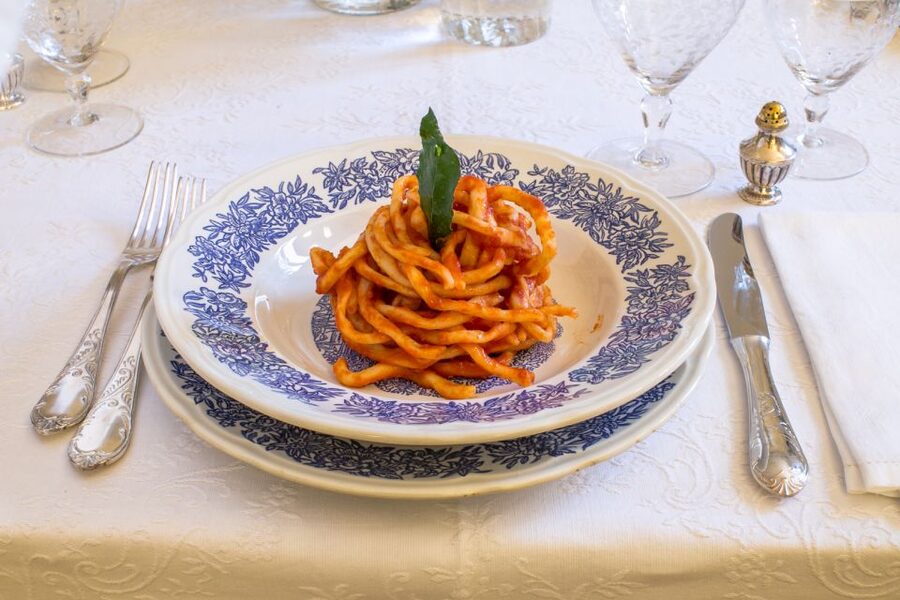
The final recipe is tiramisu, Italy’s familiar coffee-and-cream dessert. Adding dessert makes the class feel like a complete meal rather than a pasta workshop with a sweet extra.
Tiramisu is also a sensible choice for a mixed group. Fresh pasta requires some hand skill and patience, while assembling tiramisu gives you a different kind of kitchen task. You get to finish the meal with something that feels celebratory without adding another complicated dough or sauce.
The class describes the tiramisu as iconic, but it does not provide a detailed ingredient list or preparation method. If you have allergies or dietary restrictions, contact the organizer after booking and confirm what can be changed. The experience can cater to different dietary requirements, but those arrangements need to be discussed in advance.
This is one area where clear communication matters. A request made at the last minute may not be possible in a private kitchen, especially if the host has already planned the family recipes. Tell the organizer what you need soon after reserving.
Sitting down to eat what you made
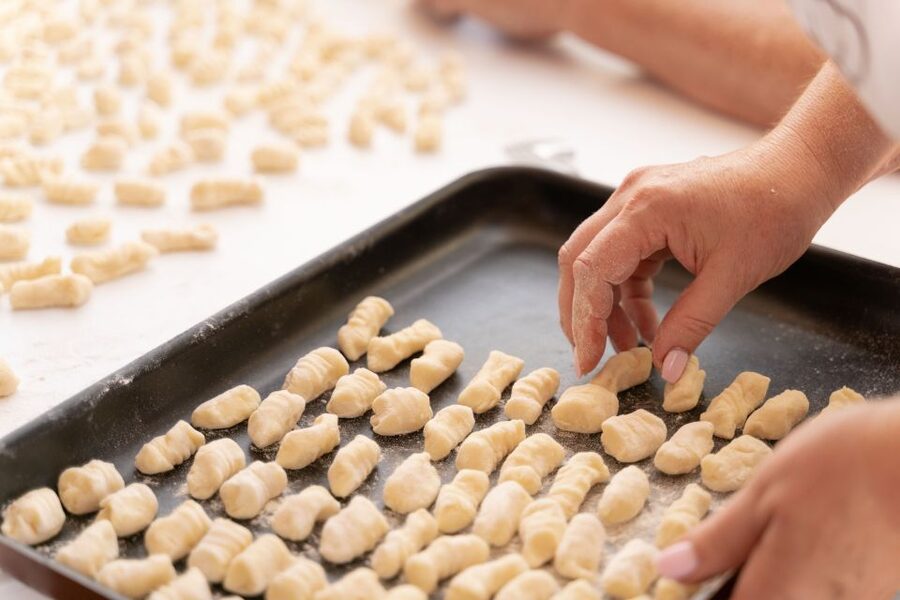
Once the cooking is finished, you taste both pasta recipes and the tiramisu around the table. The meal includes water, wine, and coffee, in addition to the prosecco and nibbles served as the Italian aperitivo.
This shared meal is the real payoff. You are not packing up your pasta in a container or leaving after the final instruction. You sit down with the host and the other participants and see how the dishes work as a meal.
A carefully set table was part of one especially warm visit, and the meal was described as a relaxed, welcoming end to the class. That detail tells you what the experience is trying to offer: not just cooking technique, but a place at an Italian family table.
I would not treat this as a substitute for a special Roman dinner at a top restaurant. The value is different. You are paying for instruction, food, drinks, conversation, and access to a private home. At $105 per person, the price is reasonable if you would otherwise spend money on both a meal and a cooking activity. It is less attractive if you only want the cheapest way to eat pasta.
Why the local host matters
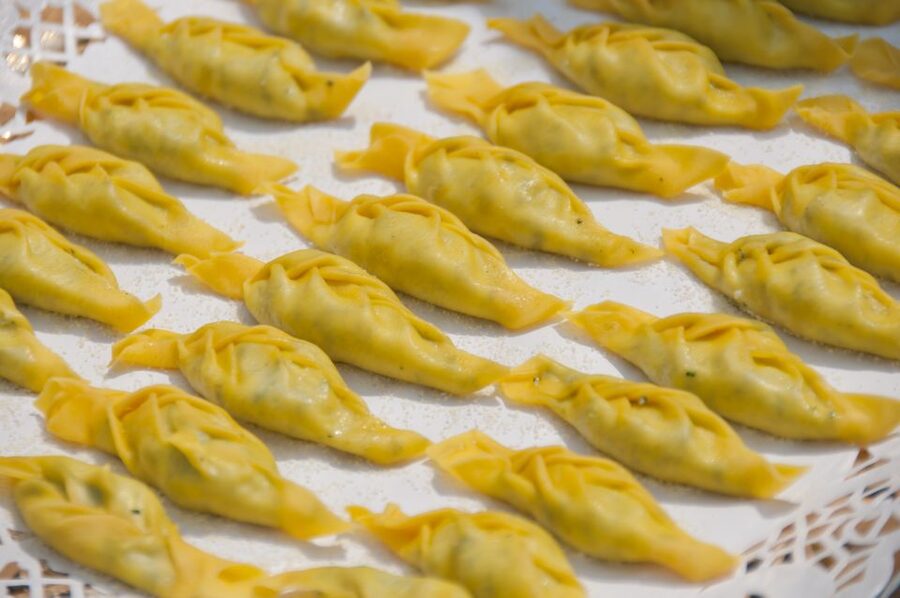
The host shapes the experience more than a standard city tour guide would. Cesarine cooks use recipes from their own family books and tell the story of regional food through dishes they know personally.
That can make the class feel more human than a polished cooking attraction. You may remember the host’s habits, family stories, or way of explaining a recipe as much as the pasta itself.
The available feedback gives useful examples. Giovanni and Martina were patient with a family group and explained the work clearly. Claudia hosted a class that felt like a welcome break from the busy center of Rome, with time spent in a friendly family home. Those details point to the strongest feature of the experience: the hosts create a calm social setting around the food.
You should also keep your expectations flexible. You cannot choose a named host from the information provided, and the address arrives only after the reservation. If having a particular cook, neighborhood, or menu is essential, ask the organizer before committing.
Who will enjoy this most
I would recommend this class to couples, families, and small groups who want an activity with conversation built into it. It works especially well for people who enjoy eating but also want to understand how Italian food comes together.
Families should find the hands-on format appealing, though children need to be interested in cooking and able to take part safely in a home kitchen. The experience with three daughters suggests that patient hosts can make the class work well for a family group.
It is also a good choice for a repeat visitor to Rome. If you have already seen the Colosseum, tossed a coin in the Trevi Fountain, and eaten plenty of restaurant pasta, an evening in a local home gives you a different view of Italian life.
I would be more cautious about booking it for someone who dislikes social meals, wants a highly structured professional kitchen, or needs a guaranteed menu. The class depends on a host’s home and family recipes, so flexibility is part of the bargain.
Practical details that affect your decision
The price is $105 per person, and the class runs for three hours. That fee includes the cooking lesson, two pasta dishes, tiramisu, the tasting meal, water, wine, coffee, prosecco, and nibbles.
The small-group format is important. You get more direct contact with the host than you would in a large demonstration, and you have room to work with the dough. The exact number of people is not stated, so do not assume a private class unless your booking confirms it.
The host’s full address and phone number are provided after booking. Since the meeting point is a home rather than a fixed attraction, keep those details accessible on the day. The experience may take place outside central Rome, as one class did, so check the address before planning your route and do not leave the journey until the last minute.
You can cancel for a full refund up to 24 hours before the experience. You can also reserve now and pay later, which helps if your Rome schedule is still shifting. These policies are useful, but the more important planning issue is the address and start time.
Should you book the Rome pasta and tiramisu class?
Book it if you want a meal you help create, not just another restaurant reservation. The combination of fresh sfoglia, two pasta recipes, tiramisu, prosecco, and a family table gives you a full three-hour experience with a clear sense of place.
The strongest reason to go is the host connection. Giovanni, Martina, and Claudia show the kind of warm, patient welcome this format aims for, though your own host may be different. The main caution is the lack of a fixed menu and the private-home meeting point.
For a food-loving family, a couple seeking a relaxed evening, or anyone who wants a break from Rome’s busy sights, I think the $105 cost is justified. If you need a guaranteed recipe, a central location, or a formal chef-led course, choose a different class.
FAQ
How long does the pasta and tiramisu class last?
The experience lasts three hours.
What will I prepare during the class?
You will learn to roll sfoglia by hand, prepare two different pasta recipes, and make tiramisu.
Do I eat the food I prepare?
Yes. The experience includes tasting both pasta recipes and the tiramisu around the table.
What drinks are included?
Water, wine, and coffee are included, along with prosecco and nibbles for the Italian aperitivo.
Where does the class take place?
The class takes place in your Cesarine host’s private home. The full address and mobile number are sent after booking.
What time does the experience usually begin?
Sessions typically begin at 10:00 AM or 5:00 PM. Other times may be possible with an advance request.
Which languages are available?
The class is available in Italian and English.
Can dietary requirements be accommodated?
The experience can cater to different dietary requirements, but you need to confirm them directly with the organizer after booking.
Can I cancel the booking?
You can cancel up to 24 hours in advance for a full refund. You can also reserve now and pay later.
Just added around Rome
- Rome: Pasta and tiramisu class with wine pairing at Come Na Vorta★ 5.0 · 30 reviews
- Spritz and Pasta! Spritz, Fettuccine & Tiramisù★ 5.0 · 2 reviews
- Rome: Vespa Tour with Photographer and Tiramisu treat★ 4.5 · 61 reviews
- Walking Tour & Pizza Making★ 4.0 · 2 reviews
- Trastevere Food Tour with Pasta-Making Class★ 5.0 · 5 reviews
- Rome: Private Vespa Tour and Professional Photoshoot★ 5.0 · 22 reviews
- Traditional Pasta Cooking Class with Tiramisu Small Group★ 5.0 · 7 reviews
- Tiramisu and Gelato Creation in Authentic Roman Dessert Workshop★ 4.5 · 3 reviews
Rome Pasta Classes, compared.
3 in 1 Cooking Class near Navona: Fettuccine, Ravioli & Tiramisu
Read our review →
Pasta & Tiramisu Class with Fine Wine by the Vatican
Read our review →
Pasta Making Class with Wine, Limoncello, and Dessert
Read our review →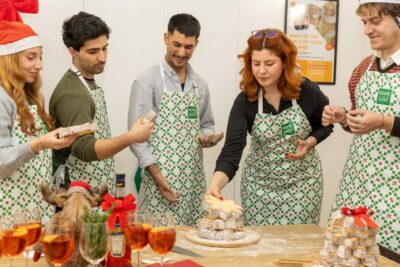
Rome Cooking Class: Make Pasta and 3 Spritz Cocktails
Read our review →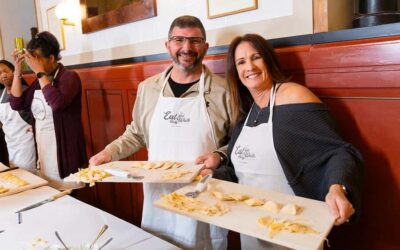
3-in-1 Fettuccine, Ravioli, and Tiramisu Cooking Class
Read our review →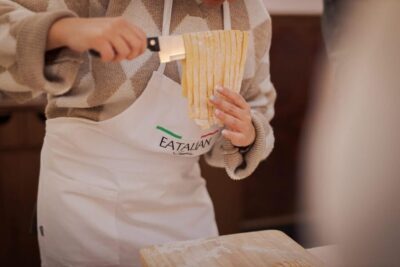
Fettuccine Pasta Cooking Class in Rome’s City Center
Read our review →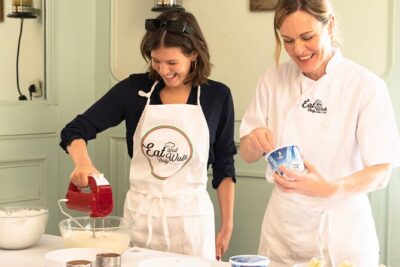
Learn to Make Pasta & Tiramisu with Wine and Limoncello Included
Read our review →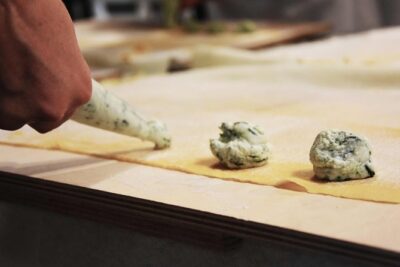
Become a Masterchef in Rome: Pasta, Ravioli and Tiramisù Class
Read our review →Browse the lists this tour appears in