REVIEW · ROME
Rome: Pizza & Gelato Making Class with Wine & Limoncello
Rome’s best cooking classes let you eat dinner and learn something useful at the same time. In this central workshop near Piazza Navona, you make pizza dough by hand, prepare gelato from scratch, and then sit down to eat what you created with wine and a small glass of limoncello. It is a practical souvenir, since you can repeat the recipes at home.
I like the small-group format, usually around 10 people, because the chef can help with kneading and shaping instead of giving a distant demonstration. I also like the friendly teaching style. Chefs such as Marti, Lori, Paris, Hassan, Leonardo, and Andrea have been praised for their humor, patience, and ability to include children and solo participants.
One point needs checking before you book: many recent class descriptions and participant accounts refer to tiramisu rather than gelato, and some sessions have changed to another menu because of scheduling. Confirm the exact dessert included on your date if gelato is the main reason you are booking.
Key points at a glance
- Pizza made from scratch: Mix, knead, stretch, top, and eat your own Roman cooking-class creation.
- Dessert may vary: The advertised experience includes gelato, but many sessions have included tiramisu instead.
- Central Rome setting: Meet at Gusto Restaurant, a short walk from Piazza Navona.
- A meal, not just a lesson: Pizza, dessert, water, a glass of wine or soft drink, and limoncello or coffee are included.
- Good for mixed ages: Children, teenagers, adults, and older family members can all take part.
- English instruction: The chef teaches in English and guides beginners through each step.
What this Rome cooking class is really like
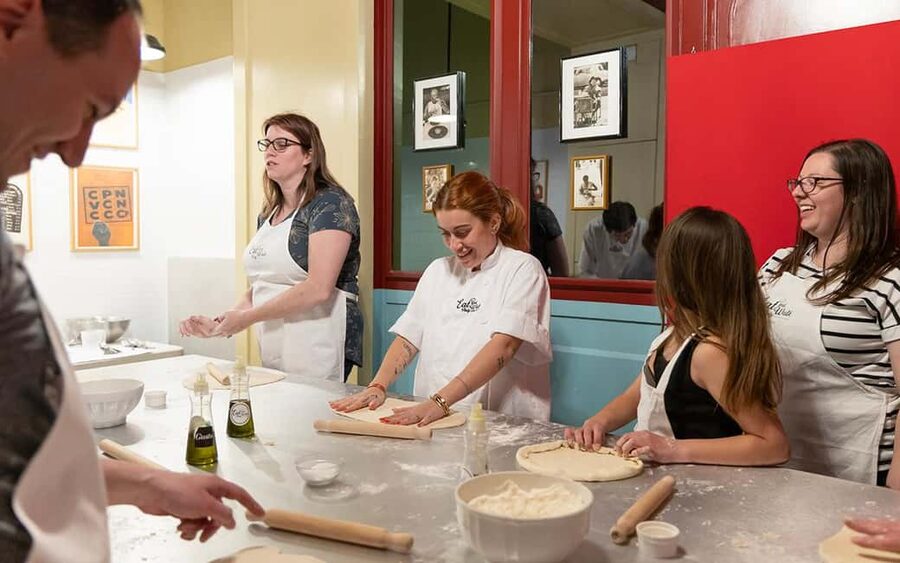
This is not a formal culinary school session. It is a relaxed, social meal where the cooking gives you a reason to meet people and take part. You work alongside the chef, then share a table with the group once the food is ready.
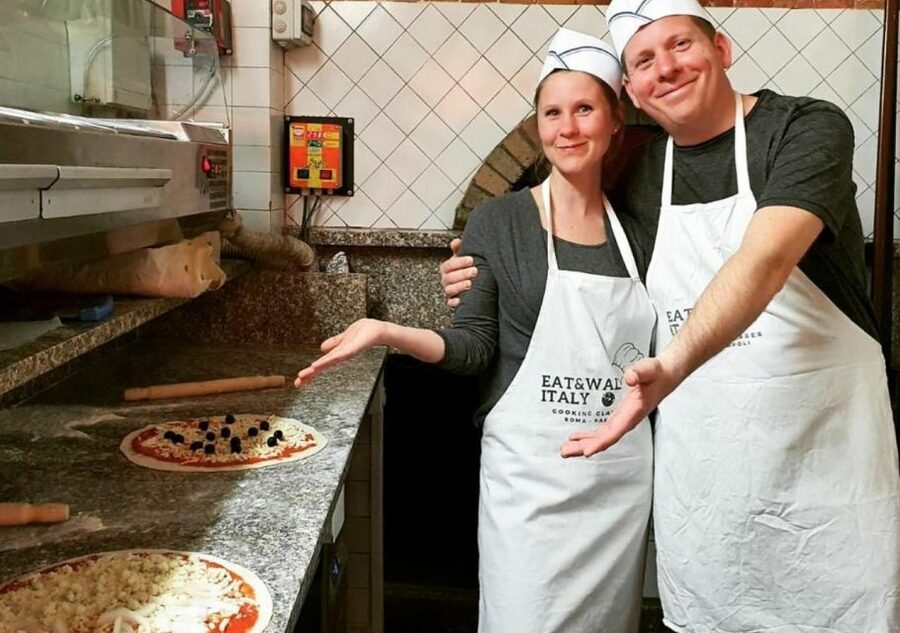
The class lasts about 2.5 hours, which is long enough to learn the basic method without taking up your whole evening. You do not need cooking experience. The chef demonstrates each stage and helps when dough sticks, toppings slide, or your pizza shape looks more like an island than a circle.
The meeting point is Gusto Restaurant near Piazza Navona. That location matters. You can pair the class with an afternoon walk through the historic center, then arrive without spending part of the evening crossing Rome. The exact starting times vary, so check the schedule when booking.
The experience is run by Eat and Walk Italy. Instruction is in English, and the class has generally been arranged for small groups. One account describes a group of eight, while other sessions have had about 10 people. A smaller class gives you more chances to ask about dough, toppings, and Italian food customs.
More Gelato Making Classes in Rome
- Rome: Fresh Pasta-Making Class with Wine and Gelato
★ 4.9 · 813 reviews - Night Tour of Rome with Local Pizza Dinner and Gelato Experience
★ 4.5 · 780 reviews - Super Fun Pasta & Gelato Class by Vatican with Wine + Oil Tasting
★ 5.0 · 726 reviews
Beginning with gelato, and checking the dessert menu
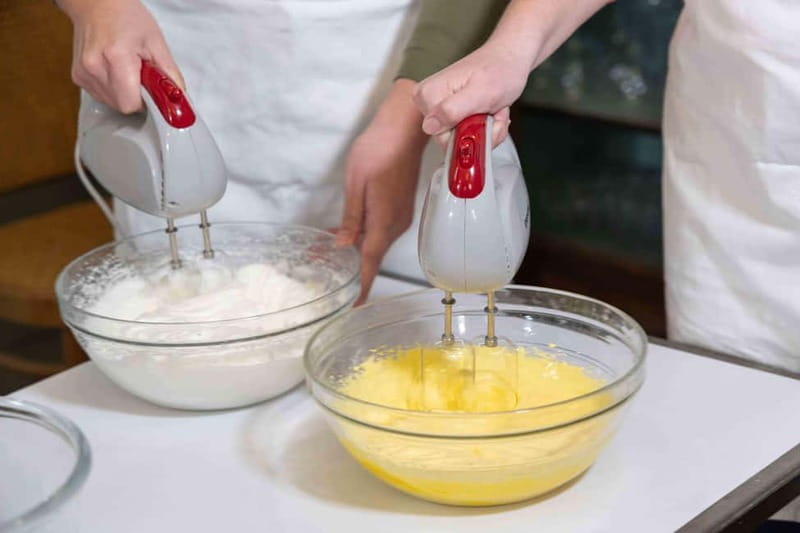
The advertised workshop begins with gelato. The chef explains how to combine ingredients, balance flavors, and create a smooth, creamy result. You are not simply handed a cup at the end. You help prepare the dessert and learn how gelato differs from ice cream.
That distinction is useful, especially if you want to understand Italian food rather than just collect another tasting. Gelato is usually served with a softer, denser texture and a lower level of air than standard ice cream. Here, the important lesson is the method: ingredient balance, mixing, and texture all affect the final result.
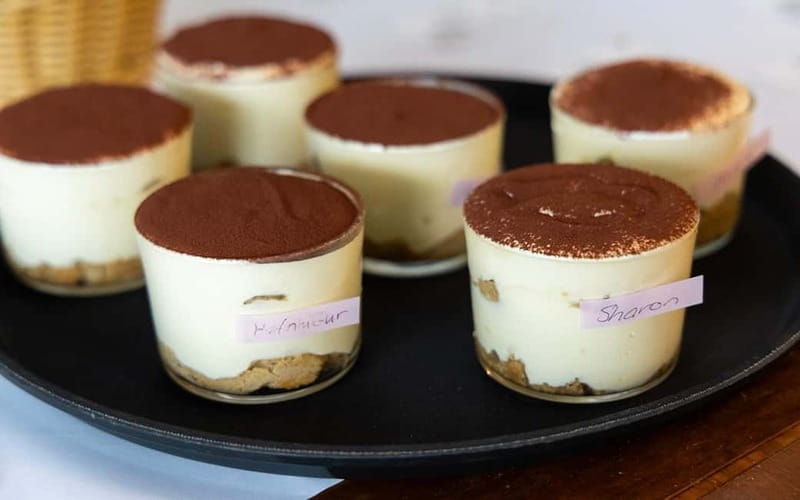
There is a catch. A large number of class accounts from 2023 through 2025 describe making tiramisu instead of gelato. The tiramisu version includes assembling the dessert and learning the chef’s technique, and it has been especially popular with families and couples. Several people considered it one of the best parts of the meal.
This is not necessarily a problem. Tiramisu is another classic Italian dessert, and the class appears to have used different menus on different dates. But the difference matters if you have your heart set on homemade gelato. Ask the provider or check the current date-specific description before paying.
Mixing and shaping your own pizza dough
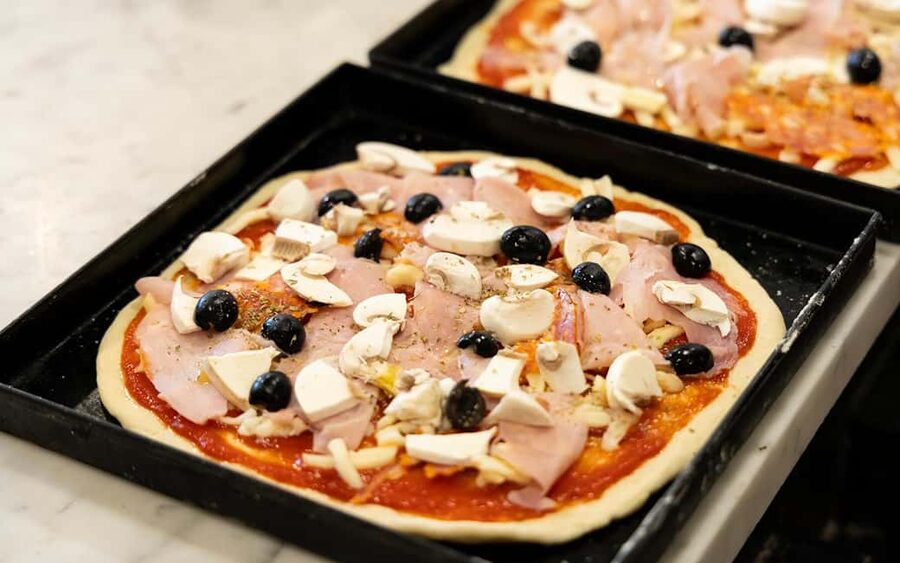
The pizza portion is the heart of the class. You mix the dough, knead it, and shape your own base under the chef’s direction. The practical value is in feeling the dough in your hands. A short explanation about flour or yeast is helpful, but learning when dough is too dry, too sticky, or ready to stretch is easier when you are doing it yourself.
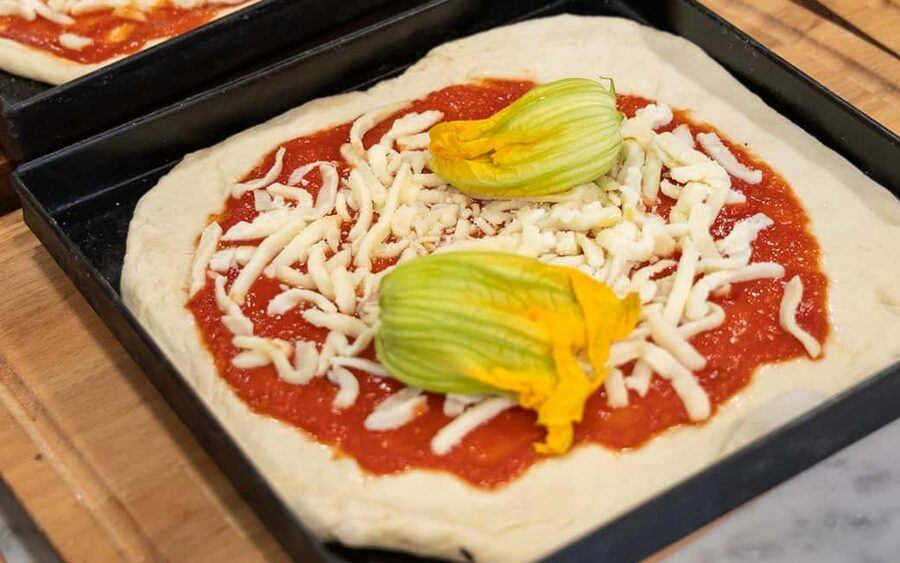
The chef then helps you create the pizza shape and choose toppings. The experience is designed for beginners, so you are not expected to arrive knowing how to toss dough over your head. You may find your first base uneven, but that is part of the fun. It still cooks, and it is yours.
The class also gives you a little food context. Leonardo, for example, has explained differences in pizza styles around Italy, while other chefs have shared tips about ingredients and preparation. One instructor introduced a participant to supplì, a Roman fried rice snack, which became a favorite discovery after the class.
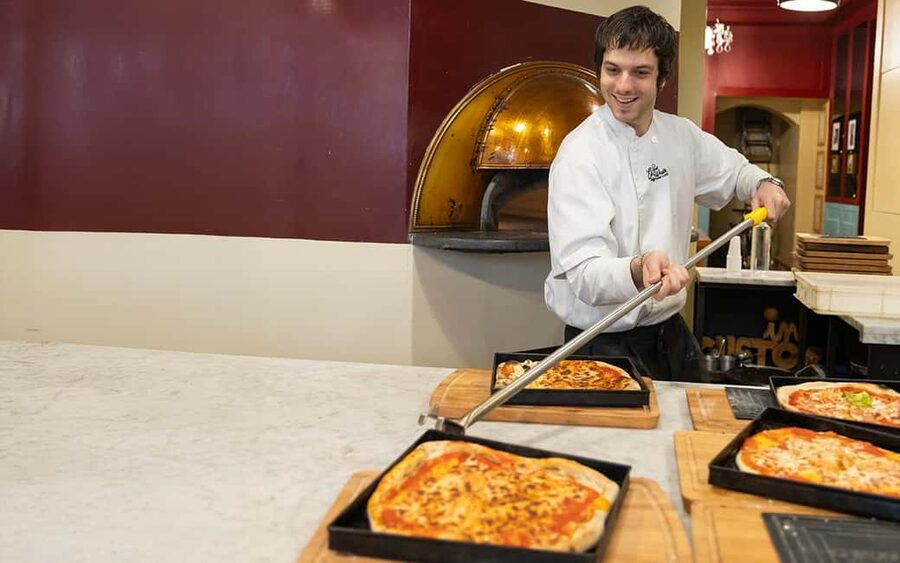
Your pizza is then cooked and served as the main part of the meal. You should arrive hungry. One participant specifically advised not eating a full meal before class because you will have pizza, dessert, and drinks afterward.
Sitting down to eat what you made
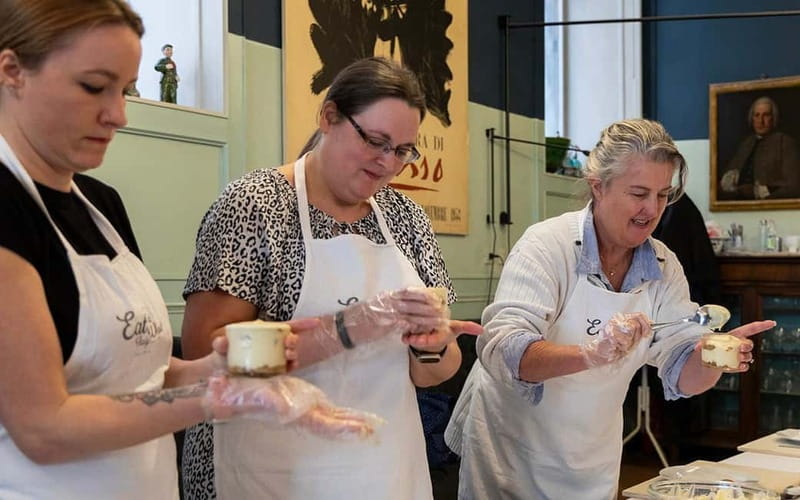
The final meal turns the lesson into a proper evening activity. You eat your own pizza, followed by the dessert prepared during the class. Water is included, along with a glass of wine or a non-alcoholic drink.
The meal usually ends with limoncello or coffee. That small finish gives the evening a distinctly Italian rhythm: food first, conversation next, and a digestivo or coffee at the end. If you do not drink alcohol, the listed alternative is a soft drink during the meal, with coffee offered instead of limoncello.
The social side is part of the value. You may sit with a couple, a family, or a solo participant. A solo visitor can join a group without needing to arrange a separate dinner, and families can share an activity instead of having children wait through a long restaurant meal.
The class is also celebratory without being too formal. You will likely leave with flour on your hands, a full stomach, and a few techniques worth trying at home. That is a better souvenir than another photograph of a landmark.
More Pasta Classes with Wine in Rome
- Rome: Pasta & Tiramisu Class with Fine Wine by the Vatican
★ 4.9 · 4,852 reviews - Rome: Pasta Making Class with Wine, Limoncello, and Dessert
★ 4.9 · 3,177 reviews - Rome Cooking Class: Make Pasta and 3 Spritz Cocktails
★ 5.0 · 2,937 reviews - Learn to Make Pasta & Tiramisu with Wine and Limoncello Included
★ 5.0 · 2,345 reviews
The chefs make the difference
The chef changes by date, so do not book expecting one specific instructor unless your confirmation names that person. The experience has been led by Marti, Lori, Paris, Mathia, Tommy, Leonardo, Maria, Andrea, Hassan, Josefina, Laura, Claudio, Federica, and others.
The strongest pattern is the teaching style. Hassan has been praised for patience, humor, and clear explanations. Leonardo has shared food knowledge and stories about regional pizza. Andrea has been described as entertaining, and Paris has been especially good at involving every person in the group.
This matters because hands-on classes can become frustrating if the instructor rushes or spends all the time at the front. Here, the chef’s job is to keep the pace moving while helping with the details. Families have found the class workable for young children, and one group specifically appreciated the care shown toward a neurodiverse eight-year-old.
The class is also not only for children. Adults often enjoy the jokes, the food science, and the satisfaction of making a respectable pizza. A solo participant described it as a good way to have dinner while meeting people, and couples have joined family groups without the setting feeling awkward.
Who will enjoy this most
This is a good pick if you want a food activity that has a clear beginning and end. You arrive, learn two recipes, eat the results, and finish within 2.5 hours. It fits nicely into a Rome itinerary without requiring a full day.
Families should find plenty to like. Children can mix dough, choose toppings, and eat their own pizza. The chefs have adjusted the pace and explanations for younger participants, and several classes have included children alongside adults.
Couples can treat it as an informal dinner with a built-in activity. It is less polished than a romantic restaurant meal, but more interactive. You will have something to talk about besides the day’s sightseeing.
Solo visitors also fit naturally into the group. You will not be left to watch from the side, and the shared table helps turn dinner into a social experience. If you prefer quiet dining or want a private lesson, this may feel too communal.
Beginners are the main audience. Experienced home cooks may learn a few useful tricks, but the class is not designed as advanced professional training. You are paying for guidance, a meal, and a fun Roman evening rather than a technical certification.
What is included for $81
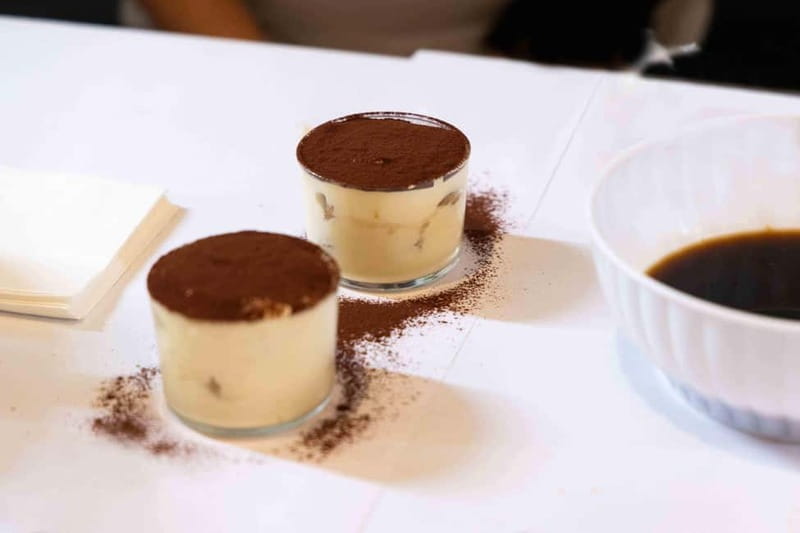
At $81 per person, the price is reasonable if you treat the class as both an activity and dinner. You receive the pizza and dessert lesson, your own food, water, a glass of wine or soft drink, and limoncello or coffee. In central Rome, that combination can compare well with the cost of a standard restaurant meal plus a separate paid attraction.
The value is strongest for people who would otherwise book a cooking lesson and eat dinner afterward. Here, the two are combined. You also receive the practical benefit of learning a recipe instead of only consuming a dish.
It is less attractive if you are mainly looking for a large meal or premium wine. Extra food and drinks are not included, and this is not described as a wine tasting. The focus is pizza, dessert, instruction, and the social meal.
The included alcohol is modest: a glass of wine and a final limoncello, not an open bar. That is enough to accompany the meal, but you should budget for anything beyond the listed inclusions.
Timing, location, and useful planning advice
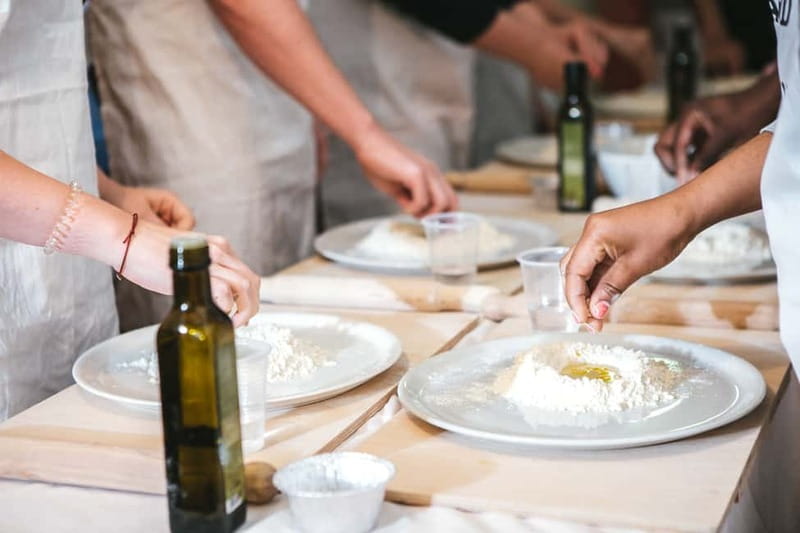
Plan to arrive at Gusto Restaurant with enough time to find the meeting point. The class is in central Rome, near Piazza Navona, so it is easy to combine with nearby sightseeing. Do not schedule a major attraction immediately afterward if you dislike rushing. The class itself takes 2.5 hours, and the meal is part of the experience.
Schedule changes have happened. One session moved from 10 a.m. to 1 p.m. with more than 24 hours of notice, and the new time worked better for that group. Another class changed from pizza and tiramisu to a pasta and tiramisu session because of time limits. These changes may be manageable, but they are worth keeping in mind if your day is tightly planned.
The activity offers free cancellation up to 24 hours before the start time, and you can reserve while paying later. Those terms help if your Rome schedule is still shifting, though you should always check the exact conditions attached to your selected date.
Wear something comfortable and practical. The provided information does not specify a dress code or special equipment, but a hands-on dough class naturally favors clothing you do not mind wearing during cooking.
The dessert question: gelato or tiramisu?
This is the one detail I would clarify before booking. The current experience title and description center on pizza and gelato, with homemade gelato prepared during the class. Yet many dated class accounts describe pizza and tiramisu, sometimes with bruschetta as an additional starter.
The tiramisu version has received strong praise. It gives you another recipe to take home, and several participants found the finished dessert excellent. One family even found the tiramisu better than versions they had tried elsewhere.
Still, gelato and tiramisu are not interchangeable if you are choosing the class for a particular reason. If you want to learn frozen dessert technique, ask specifically about gelato. If you are happy with a classic Italian dessert and the date lists tiramisu, the alternative can still make a very satisfying class.
Should you book this Rome pizza class?
I would book it if you want a central, social dinner activity with real participation rather than a demonstration. The combination of pizza dough, dessert, wine, and limoncello gives you plenty for the price, and the class works unusually well for mixed-age groups.
I would skip it if you need a fixed menu, a private setting, or advanced culinary instruction. The dessert may change, the chef varies, and the atmosphere is friendly rather than formal.
For most visitors, the best choice is to reserve a date that fits your schedule, arrive hungry, and confirm whether the dessert will be gelato or tiramisu. With a 4.7 rating from 499 evaluations and repeated praise for patient, funny instructors, this is a dependable way to spend an evening near Piazza Navona while learning something you can use at home.
FAQ
Where does the pizza and gelato class meet?
The meeting point is Gusto Restaurant, a short walk from Piazza Navona in central Rome.
How long does the cooking class last?
The experience lasts about 2.5 hours.
Is the class taught in English?
Yes. The instructor language is English.
What food will I make?
The advertised class includes pizza and gelato. Many sessions have instead included pizza and tiramisu, so confirm the dessert menu for your selected date.
Are drinks included?
Yes. Water and one glass of wine or a non-alcoholic beverage are included. The final drink is limoncello or coffee.
Is the class suitable for children?
Yes. The experience is described as suitable for families and people of all ages, and children have taken part with their parents.
Do I need cooking experience?
No. The chef provides step-by-step guidance, and the class is suitable for complete beginners.
Can I cancel the booking?
You can cancel up to 24 hours in advance for a full refund, according to the stated booking terms.
More Wine Tastings in Rome
- Fettuccine & Tiramisù: Cooking Class with Wine & Limoncello
★ 4.9 · 2,103 reviews - Pasta Making & Wine Tasting with Dinner in Frascati from Rome
★ 5.0 · 1,326 reviews - Rome Pasta and Tiramisu Class: Ravioli, Fettuccine & Fine Wine 5*
★ 5.0 · 1,319 reviews - Rome Cooking Class: Make Pasta, Dine & Drink Wine With Local Chef
★ 5.0 · 1,263 reviews
More Pizza Making Classes in Rome
- Cooking Class in the Heart of Rome: Pizza and Tiramisu Making
★ 5.0 · 1,330 reviews - Rome: Combo Pizza and Pasta Cooking Class with Wine
★ 4.6 · 1,180 reviews - Rome: Pizza & Tiramisu Class with Free Flowing Fine Wine
★ 5.0 · 973 reviews - Rome: Pizza & Tiramisu Class with Free Flowing Fine Wine
★ 4.9 · 697 reviews
Just added around Rome
- Rome: Pasta and tiramisu class with wine pairing at Come Na Vorta★ 5.0 · 30 reviews
- Spritz and Pasta! Spritz, Fettuccine & Tiramisù★ 5.0 · 2 reviews
- Rome: Vespa Tour with Photographer and Tiramisu treat★ 4.5 · 61 reviews
- Walking Tour & Pizza Making★ 4.0 · 2 reviews
- Trastevere Food Tour with Pasta-Making Class★ 5.0 · 5 reviews
- Rome: Private Vespa Tour and Professional Photoshoot★ 5.0 · 22 reviews
- Traditional Pasta Cooking Class with Tiramisu Small Group★ 5.0 · 7 reviews
- Tiramisu and Gelato Creation in Authentic Roman Dessert Workshop★ 4.5 · 3 reviews
Rome Pasta Classes, compared.
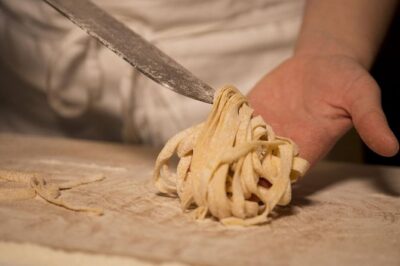
3 in 1 Cooking Class near Navona: Fettuccine, Ravioli & Tiramisu
Read our review →
Pasta & Tiramisu Class with Fine Wine by the Vatican
Read our review →
Pasta Making Class with Wine, Limoncello, and Dessert
Read our review →
Rome Cooking Class: Make Pasta and 3 Spritz Cocktails
Read our review →
3-in-1 Fettuccine, Ravioli, and Tiramisu Cooking Class
Read our review →
Fettuccine Pasta Cooking Class in Rome’s City Center
Read our review →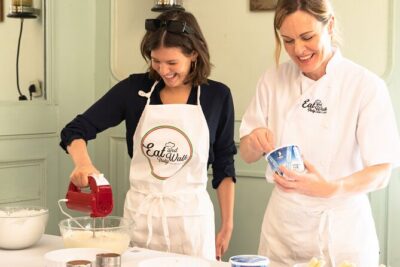
Learn to Make Pasta & Tiramisu with Wine and Limoncello Included
Read our review →