
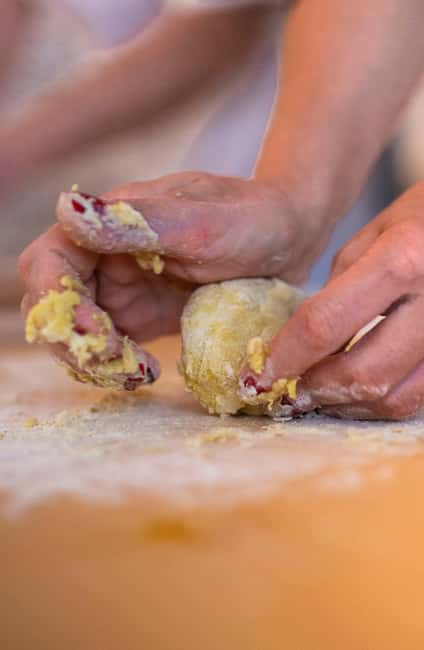
REVIEW · ROME
Rome: pasta and tiramisu cooking class in the city center
Fresh pasta is the star here, but the setting gives the class its Roman polish. You work in an elegant salon near Via Veneto, once the center of La Dolce Vita, then sit down to eat what you have made. I like the hands-on pasta work and the chance to learn from a team connected with Chinappi, a respected Roman restaurant.
I also like the warm, practical teaching style described by participants, especially the patience of Oliviero and Francesco and the help available in French. The main consideration is time: two hours goes quickly, so this is a focused introduction rather than a long, leisurely cooking school course.
Key points
- A central Roman setting: The class takes place near Via Veneto in an elegant, well-kept salon.
- Several pasta shapes: You work with fresh dough to make fettuccine, tagliatelle, and tagliolini, with ravioli available on request.
- Dessert is included: You prepare tiramisu using a traditional recipe with a personal touch.
- A meal, not just a lesson: Prosecco, water, soft drinks, wine, and the dishes you prepare are part of the experience.
- A multilingual teaching team: Instruction is available in English, Italian, Russian, and French.
- Useful take-home extras: You receive a paper or digital certificate, while photography and transfers can be arranged for an added cost.
Fresh pasta near Via Veneto
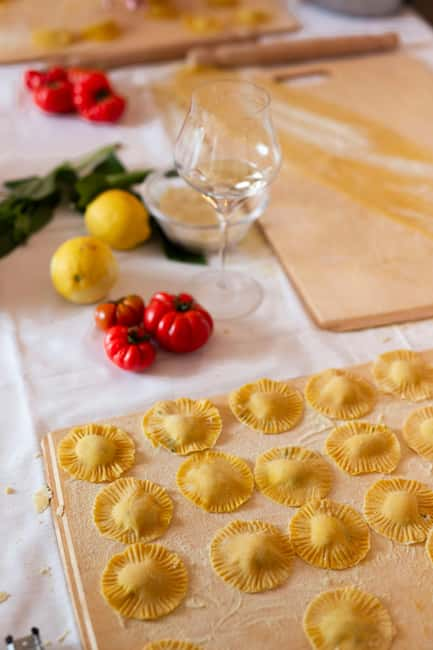
This class places you in a part of Rome known for polished hotels, grand streets, and the old Dolce Vita mood. The cooking school sits a short walk from Via Veneto, so you can pair the class with a look at one of the city center’s most famous areas.
The room is described as elegant, welcoming, and well kept. That matters because a cooking lesson can feel very different in a cramped or purely functional space. Here, the surroundings add a little occasion without turning the activity into a stiff demonstration.
You are not simply watching a chef roll dough. The point is to work with the ingredients yourself, shape the pasta, and take part in the meal at the end. If you want a Roman activity that gives you something to do with your hands, this is a better fit than a standard food tasting.
The partnership with Chinappi also gives the class a professional restaurant connection. The school is young, but its team has training linked to a Roman haute cuisine restaurant with more than 15 years of operation. That does not mean you are signing up for a formal restaurant kitchen apprenticeship. It does mean the lesson is built around restaurant experience rather than a casual home demonstration.
More Tiramisu Classes in Rome
- 3 in 1 Cooking Class near Navona: Fettuccine, Ravioli & Tiramisu
★ 5.0 · 7,376 reviews - Rome: Pasta & Tiramisu Class with Fine Wine by the Vatican
★ 4.9 · 4,852 reviews - Rome: 3-in-1 Fettuccine, Ravioli, and Tiramisu Cooking Class
★ 4.9 · 2,704 reviews
What happens during the two hours
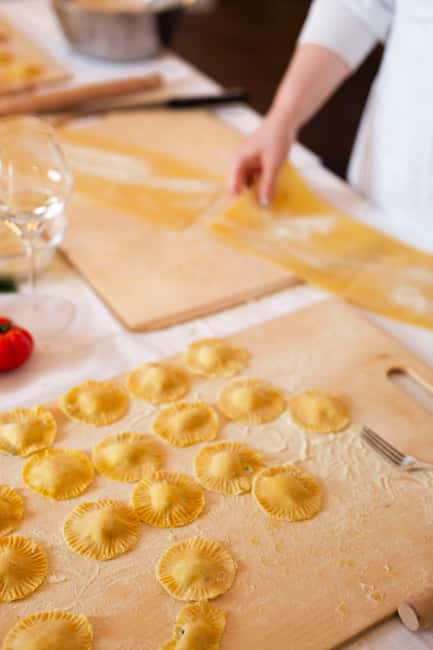
The class begins with a welcome prosecco. This is a small detail, but it helps set the tone. You get a drink in hand, meet the teaching team, and move into the practical work without a long formal introduction.
The instructors begin with basic ingredients and explain how they come together in fresh pasta dough. You then work the dough and learn the traditional methods for forming different pasta shapes.
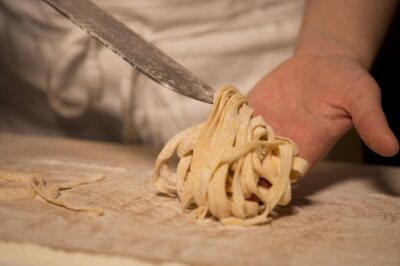
The class covers fettuccine, tagliatelle, and tagliolini. These names can blur together on a menu, but making them yourself helps you notice the differences. Fettuccine and tagliatelle are broad ribbons, while tagliolini is thinner. The lesson gives you a chance to see how changes in width and handling affect the final pasta.
Ravioli can be covered on request. Since it is not listed as a guaranteed part of every class, ask about it when booking if filled pasta is your priority. The standard focus is on the ribbon shapes, so you should not assume ravioli will replace part of the planned lesson.
The teaching is step by step. That is especially useful if you have little cooking experience. The strongest practical benefit is that you are not expected to know the techniques before arriving. The instructors explain the process, share small cooking tips, and allow time for questions.
At the same time, the two-hour format means you should expect a compact class. You will make several types of pasta and tiramisu, then eat the results. There is not likely to be much room for long pauses or a wide range of extra dishes. Think of it as a well-packed introduction to fresh pasta, not a full day of culinary training.
Learning from Oliviero and Francesco
The teaching team includes Oliviero and Francesco, names worth remembering if you want to know who may lead the session. The available feedback gives particular credit to their friendly approach, clear explanations, and willingness to take time with each step.
A French-speaking member of the team may also assist. That makes this class useful for French-speaking visitors who want more than a few translated instructions. The listed teaching languages are English, Italian, Russian, and French, though some content may be presented in its original language.
The class is built around exchange rather than a one-way lecture. You learn techniques, but you also hear small food facts and cooking secrets along the way. The tone is intended to be relaxed and social, which suits couples, families, and solo participants who like meeting people through food.
I would still keep your expectations realistic. A multilingual class can mean that explanations take a little longer or that some details are presented in more than one language. The benefit is access for a wider range of visitors. The tradeoff is that the pace may not feel identical for every language group.
Turning dough into dinner
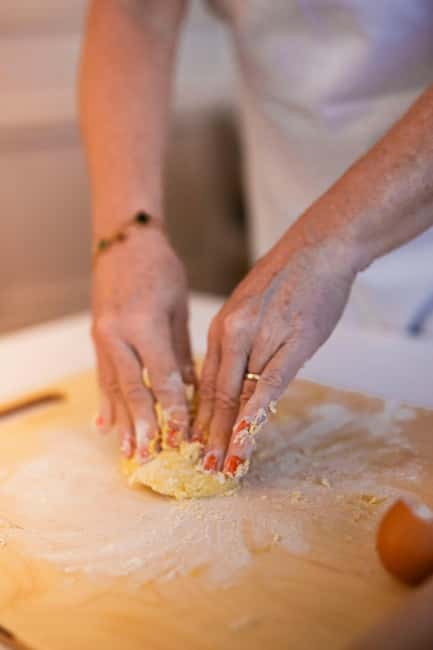
The main value of the lesson comes after the flour is on your hands. You sit down and eat the food prepared during the class, rather than leaving with only notes or a small sample.
That meal gives the activity a satisfying shape. You begin with ingredients, move through preparation, and finish at the table. The meal is accompanied by a glass of wine, while water and soft drinks are included as well. Prosecco is offered at the welcome, so drinks are part of the experience from the start.
The meal is also where the class becomes more than a recipe lesson. You can compare shapes, taste the pasta you prepared, and talk with the other people at the table. The shared meal helps make the cooking feel connected to Italian daily life, where preparing food and eating it are part of the same event.
The available information does not specify the exact sauce or full menu served with the pasta. That is useful to know before booking. You are paying for the pasta-making lesson and tasting of the dishes covered, but you should not expect a fixed list of multiple courses unless the school confirms it.
Same kitchen, a different thing to make:
- Rome: Pasta Making Class with Wine, Limoncello, and Dessert
★ 4.9 · 3,177 reviews - Rome Cooking Class: Make Pasta and 3 Spritz Cocktails
★ 5.0 · 2,937 reviews - Rome: Fettuccine Pasta Cooking Class in Rome’s City Center
★ 4.8 · 2,414 reviews - Learn to Make Pasta & Tiramisu with Wine and Limoncello Included
★ 5.0 · 2,345 reviews
Finishing with homemade tiramisu
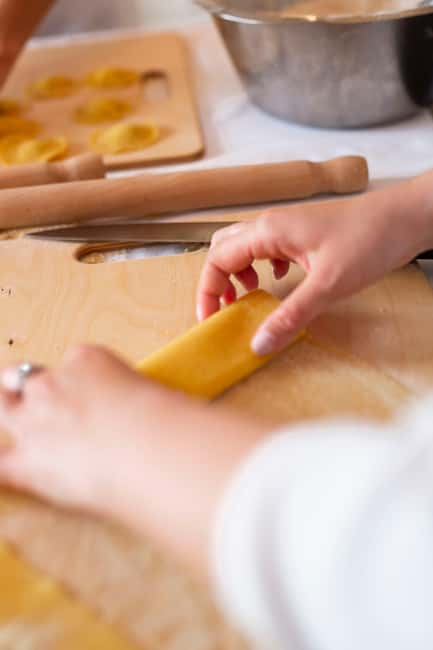
Tiramisu is the dessert portion of the class. You make it yourself using a classic recipe, with a distinctive personal touch added during the lesson.
This is a smart choice for a two-hour class. Pasta dough teaches handling and shaping, while tiramisu adds a completely different kind of kitchen task. You get to finish with a familiar Italian dessert that is also simple enough to repeat at home.
The class is not presented as a pastry course, so the tiramisu section is likely to be shorter than the pasta work. Still, it gives you another recipe to take home in your head. One of the practical strengths of the experience is that the recipes are described as easy to recreate after you return home.
If you want to cook Italian food for friends, this combination works well. Pasta gives you a main dish, and tiramisu gives you a dessert. The recipes are not just decorative activities for the afternoon. They can become part of your regular home cooking.
How much value do you get for $70?
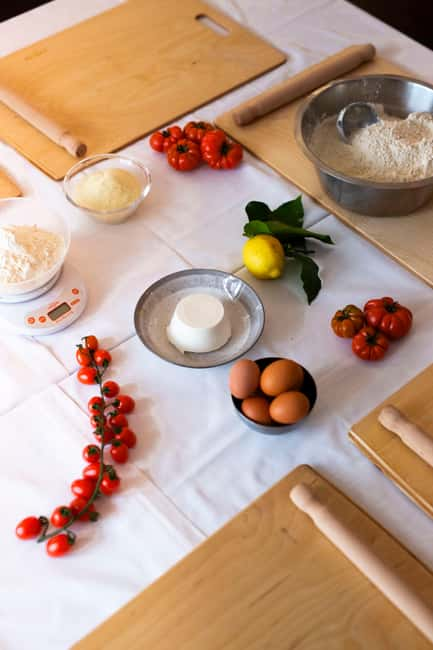
At $70 per person, the price is reasonable for a two-hour central Rome activity that combines instruction, ingredients, drinks, and a full tasting meal. You are not only paying for food. You are also paying for the space, the chefs’ time, the guided preparation, and the chance to sit down with the results.
The value improves if you would otherwise book a separate lunch. The meal included at the end gives the class a practical return, especially since you also receive prosecco, water, soft drinks, and wine. A restaurant meal alone may not teach you how to make anything, while this class gives you recipes and techniques to use later.
The price may feel less attractive if you are looking only for a quick tasting. You will spend two hours working with dough, listening to instruction, and preparing dessert. Someone who wants to eat and move on may prefer a food tour or a simple restaurant meal.
There are also optional extras. A photo shoot can be arranged on request, and transfer service is available on request. Neither is included, so ask about additional costs before adding them. The paper or digital participation certificate is included, though most people will probably value the cooking experience more than the certificate itself.
Who will enjoy this cooking class?
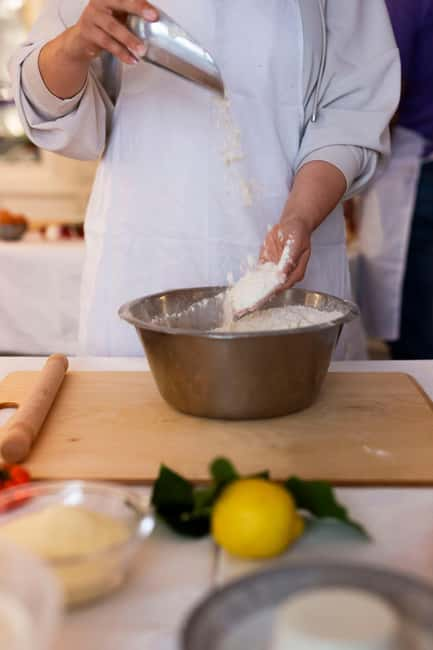
This is a good choice for you if you want a central activity that combines food, instruction, and a sit-down meal. It suits first-time pasta makers because the teaching is structured and practical.
Families may like the hands-on format, provided all members are comfortable taking part in food preparation. Couples can use it as a shared activity, while solo visitors may find the meal and group setting an easy way to meet people.
It also works for food lovers who want more context than a restaurant menu provides. You will see how the dough is handled and how different shapes are formed. That knowledge can change the way you look at fresh pasta on future meals.
The class may be less suitable if you want a long, advanced course or a highly specialized Roman menu. The standard activity covers several pasta shapes and tiramisu, but the details of sauces and the wider meal are not specified. If you already make pasta often, ask how advanced the instruction is before booking.
The school is wheelchair accessible, which makes it a useful option for visitors checking central Rome activities for access. As always, it is sensible to mention your specific needs when reserving, since the available information confirms access but does not describe every feature of the room.
Planning this class into your Rome day
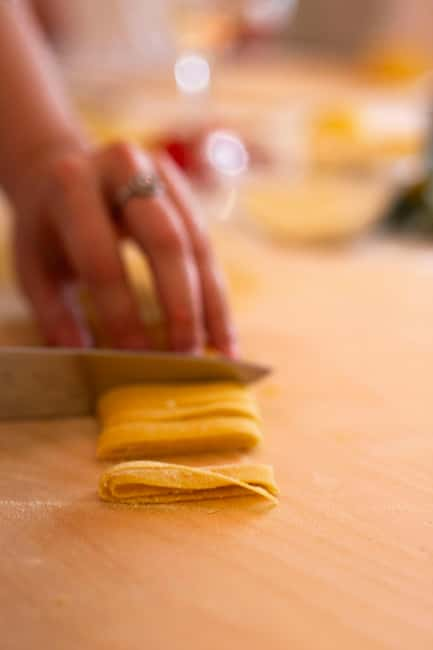
The location near Via Veneto makes this easy to combine with central Rome sightseeing. You can plan the class around a walk through the area, but allow enough time to arrive without rushing. A cooking lesson works best when you are ready to take part, not racing in after a faraway museum visit.
Starting times vary, so check availability for the date you want. The activity lasts two hours, a length that fits neatly into a morning or afternoon plan. You can then continue sightseeing, or treat the class as your main meal stop.
The exact meeting details are not provided here, so read the confirmation carefully after booking. Do not assume that a transfer is included simply because one can be requested. The activity takes place in the city center, but you still need the precise address and arrival instructions.
Free cancellation is available up to 24 hours before the class for a full refund. You can also reserve and pay later, which helps if your Rome schedule is still changing. Those policies make the experience easier to fit into a busy trip.
A class with a personal feel
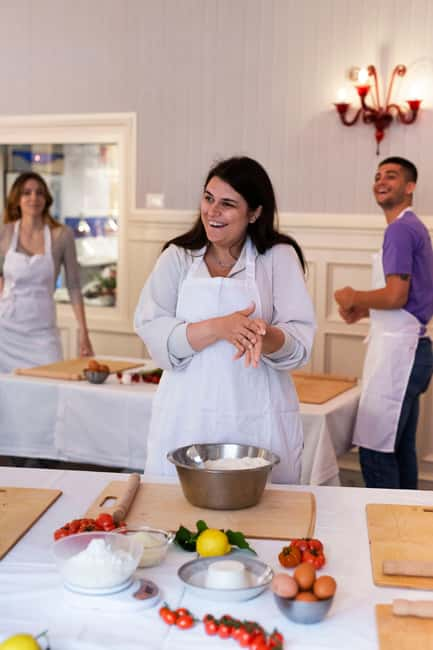
Cantiere Gastronomico presents itself as a young cooking school that grows through shared lessons. That idea comes through in the emphasis on stories, conversation, and learning by doing.
The strongest praise is directed at the staff’s kindness and patience. Specific comments highlight clear explanations, useful advice, and a warm atmosphere. One French-speaking participant also appreciated the extra language support during the lesson.
The food matters, but the human side matters just as much. You are likely to remember the moment when the dough finally comes together, the different pasta shapes lined up on the work surface, and the meal shared afterward. Those small stages give the class a clear sense of progress.
It is also worth noting that the experience has a very high rating of 4.8 from 28 reviews. That is a positive signal, though it should not make you ignore the practical limits of a short lesson. The class seems strongest for visitors who want a friendly introduction, not an intensive professional course.
Should you book it?
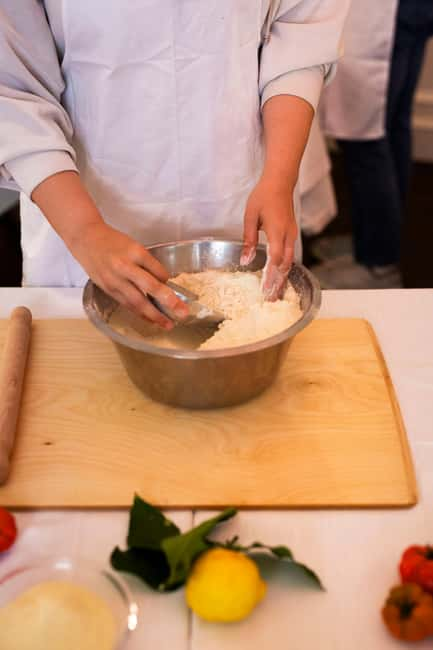
Book this class if you want to make your own pasta in central Rome, eat the finished dishes, and learn recipes you can repeat at home. The $70 price includes a good range of practical elements: instruction, ingredients, prosecco, wine, water, soft drinks, tiramisu, a meal, and a participation certificate.
I would especially recommend it for first-time pasta makers, couples, families, and French-speaking participants who appreciate extra language support. The connection with Chinappi and the patient guidance from Oliviero and Francesco add a professional touch without making the lesson feel formal.
Skip it if you want a long advanced course, a detailed fixed menu, or a quick food stop with little hands-on work. For everyone else, this is a well-shaped two-hour introduction to Italian cooking, with enough food at the end to make the experience feel worthwhile.
FAQ
Where does the cooking class take place?
The class takes place in an elegant location in central Rome, a short distance from Via Veneto.
How long does the activity last?
The cooking class lasts two hours.
How much does the class cost?
The listed price is $70 per person.
Which pasta shapes will I learn to make?
The standard lesson covers fettuccine, tagliatelle, and tagliolini. Ravioli may be available on request.
Is tiramisu included?
Yes. You make tiramisu using a traditional recipe with a personal touch.
Is a meal included?
Yes. You sit down to enjoy the dishes prepared during the lesson.
Are drinks included?
Welcome prosecco, water, and soft drinks are included. The experience also includes a glass of wine with the meal.
Which languages are available?
Instruction is available in English, Italian, Russian, and French. Some content may be presented in its original language.
Is the cooking class wheelchair accessible?
Yes. The activity is listed as wheelchair accessible.
Can I cancel the booking?
You can cancel up to 24 hours in advance for a full refund. Reserve now and pay later is also available.
Just added around Rome
- Rome: Pasta and tiramisu class with wine pairing at Come Na Vorta★ 5.0 · 30 reviews
- Spritz and Pasta! Spritz, Fettuccine & Tiramisù★ 5.0 · 2 reviews
- Rome: Vespa Tour with Photographer and Tiramisu treat★ 4.5 · 61 reviews
- Walking Tour & Pizza Making★ 4.0 · 2 reviews
- Trastevere Food Tour with Pasta-Making Class★ 5.0 · 5 reviews
- Rome: Private Vespa Tour and Professional Photoshoot★ 5.0 · 22 reviews
- Traditional Pasta Cooking Class with Tiramisu Small Group★ 5.0 · 7 reviews
- Tiramisu and Gelato Creation in Authentic Roman Dessert Workshop★ 4.5 · 3 reviews
Rome Pasta Classes, compared.
3 in 1 Cooking Class near Navona: Fettuccine, Ravioli & Tiramisu
Read our review →
Pasta & Tiramisu Class with Fine Wine by the Vatican
Read our review →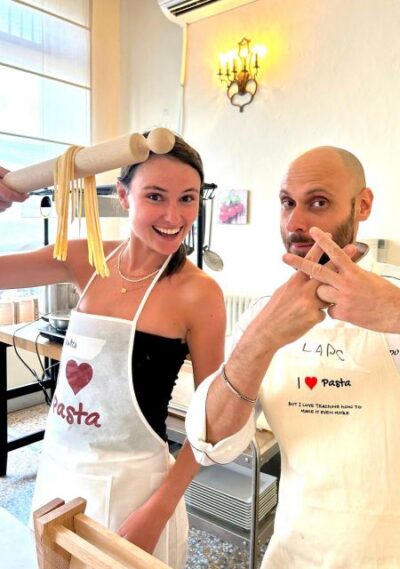
Pasta Making Class with Wine, Limoncello, and Dessert
Read our review →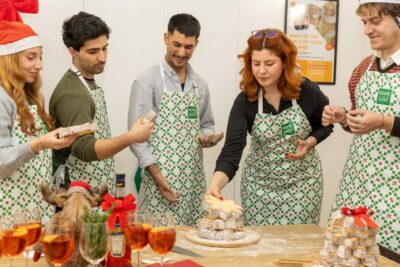
Rome Cooking Class: Make Pasta and 3 Spritz Cocktails
Read our review →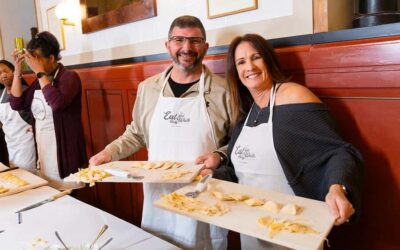
3-in-1 Fettuccine, Ravioli, and Tiramisu Cooking Class
Read our review →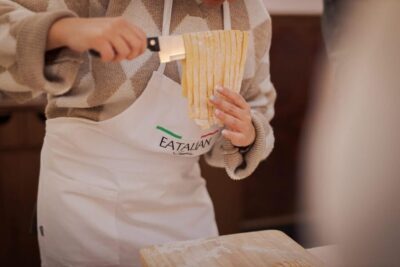
Fettuccine Pasta Cooking Class in Rome’s City Center
Read our review →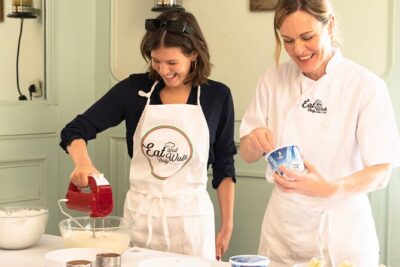
Learn to Make Pasta & Tiramisu with Wine and Limoncello Included
Read our review →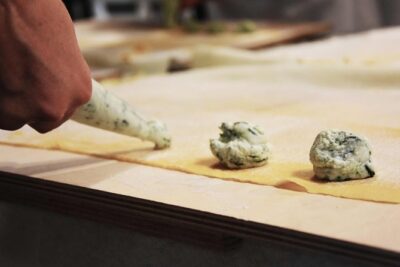
Become a Masterchef in Rome: Pasta, Ravioli and Tiramisù Class
Read our review →Browse the lists this tour appears in