REVIEW · ROME
Rome: Fresh Pasta-Making Class with Wine and Gelato
Fresh pasta is the heart of this three-hour cooking class in Trastevere. You’ll turn flour and eggs into fettuccine, shape ravioli, cook Roman sauces, and finish with gelato. The class takes place in a home-style kitchen, with an English-speaking chef guiding each step.
I like two things right away: you actually make the meal, rather than watching a chef do all the work, and the evening includes appetizers, prosecco, unlimited wine, and gelato. The printed recipes also give you a useful souvenir, not just another food photo.
The main drawback is practical: this is not suitable for wheelchair users or strollers, and the meeting point can be a little confusing if you expect a restaurant entrance. Arrive 15 minutes early at Piazza di San Giovanni della Malva, in front of the church.
Key points at a glance
- Two pastas from scratch: Make fresh fettuccine and filled ravioli, then pair them with homemade sauces.
- Roman cooking in Trastevere: The class focuses on local food, market ingredients, and familiar Roman pasta traditions.
- A social three-hour evening: Shared tables, wine, music, and group cooking make this as much a Rome experience as a lesson.
- Good for families: Children as young as four have taken part, with several families praising the clear pace and friendly instruction.
- Recipes to take home: Printed recipe cards help you repeat the dishes after your trip.
- $69 value: The price covers the chef, ingredients, appetizers, two pasta dishes, sauces, gelato, prosecco, and unlimited wine.
Starting at Piazza di San Giovanni della Malva
Your evening begins at Piazza di San Giovanni della Malva, a small square in Trastevere. Meet in front of the San Giovanni della Malva church, where your guide will carry a red bag or a Devour Tours sign.
This detail matters because the class itself is not necessarily visible from the meeting point. One participant wandered around looking for an indoor restaurant or business, so I would not cut it close. Arrive 15 minutes early, find the church first, and look for the guide in the square.
From there, the group walks to the cooking space. The exact studio setup can vary, but the class is described as a charming home kitchen or cooking studio. Several people found the room clean, modern, spacious, and air-conditioned, which is especially welcome during Rome’s hot summer months.
There is no hotel pickup or drop-off. You make your own way to Trastevere and back, so place this activity on an evening when you are already exploring the neighborhood. Trastevere is particularly handy for dinner afterward, although the class meal should be substantial enough that you may not need one.
More Fresh Pasta Workshops in Rome
- Rome: Pasta Making Class with Wine, Limoncello, and Dessert
★ 4.9 · 3,177 reviews - Enjoy Spritz and Pasta Making in Piazza Navona
★ 5.0 · 1,681 reviews - Pasta Making & Wine Tasting with Dinner in Frascati from Rome
★ 5.0 · 1,326 reviews
Prosecco, appetizers, and a friendly start
The class opens with a glass of prosecco and a traditional Italian aperitivo. This is more than a waiting drink. Aperitivo is a relaxed pre-meal custom in Italy, a time for conversation and small bites before dinner.
The format helps everyone settle in before working with flour. You’ll meet the chef, get acquainted with the other cooks, and hear about Roman cuisine and food culture. The tone is informal, with music, jokes, and plenty of conversation rather than a formal demonstration where you sit quietly.
The instructors named in the feedback include Elisa, Stefano, Luca, Fernanda, Asia, Federica, Jamila, Alessandro, and others. That list tells you the teaching style may differ from one date to another, but the pattern is consistent: clear instructions, a warm manner, and active help around the table.
For solo visitors, couples, and small groups, this social side is a real part of the value. You are not simply eating at another Roman restaurant. You are spending an evening making dinner with people from several places, then sitting down together to eat it.
Making pasta dough with an Italian chef
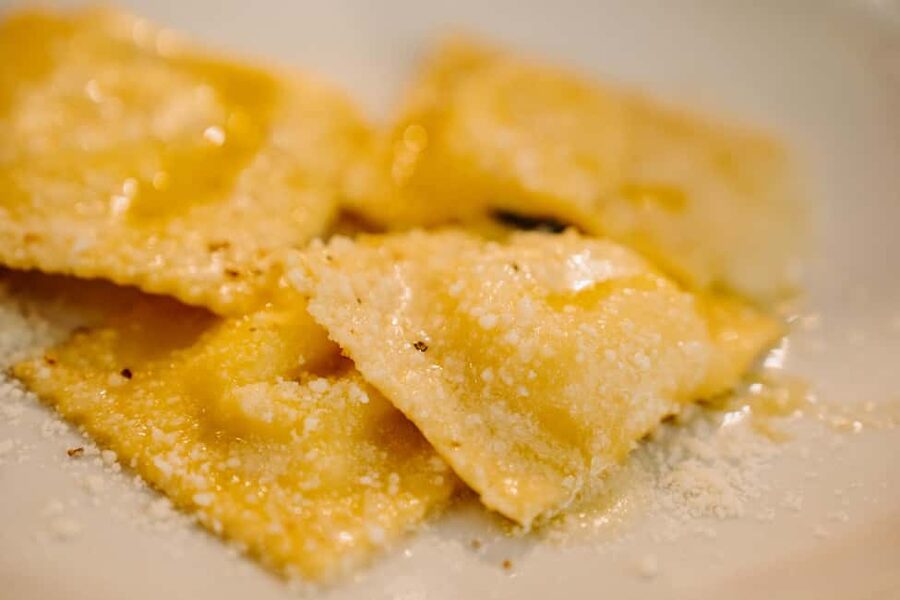
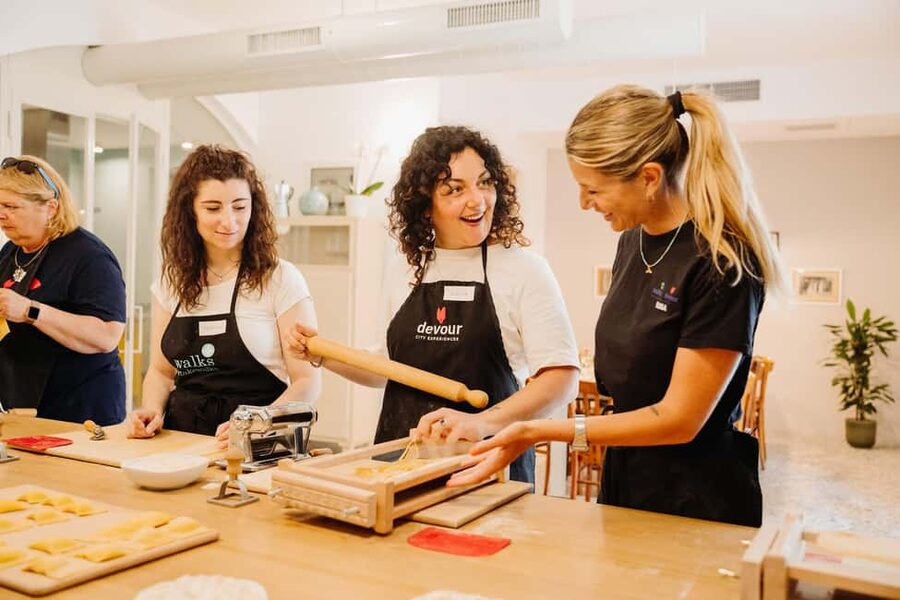
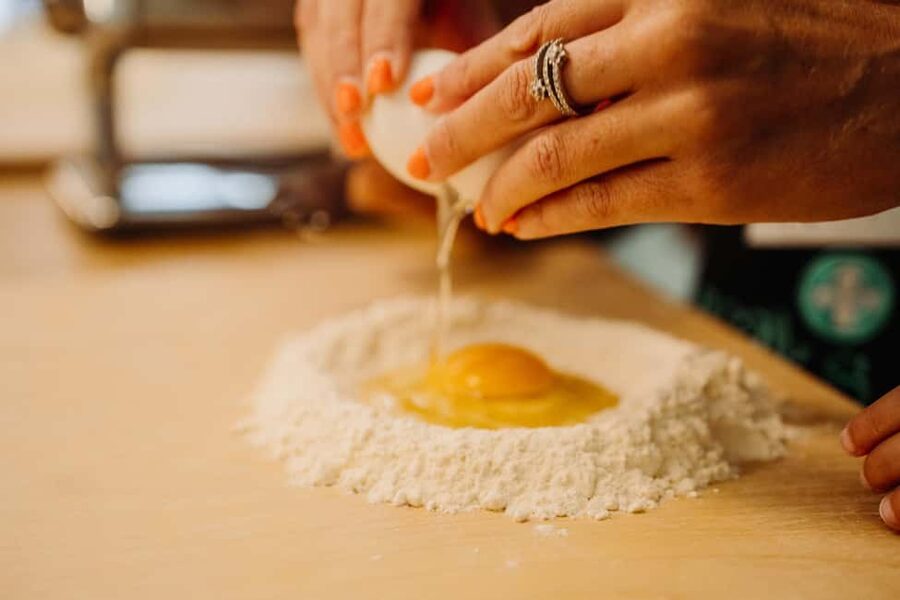
The first hands-on task is fresh pasta dough. Your chef explains how flour, eggs, and olive oil work together, then shows you how to mix and knead the dough until it reaches the right consistency.
This is where the class earns its keep. Pasta dough looks simple, but small changes in moisture and handling affect the result. A professional can show you what the dough should feel like, when it is too dry, and how to keep the work manageable.
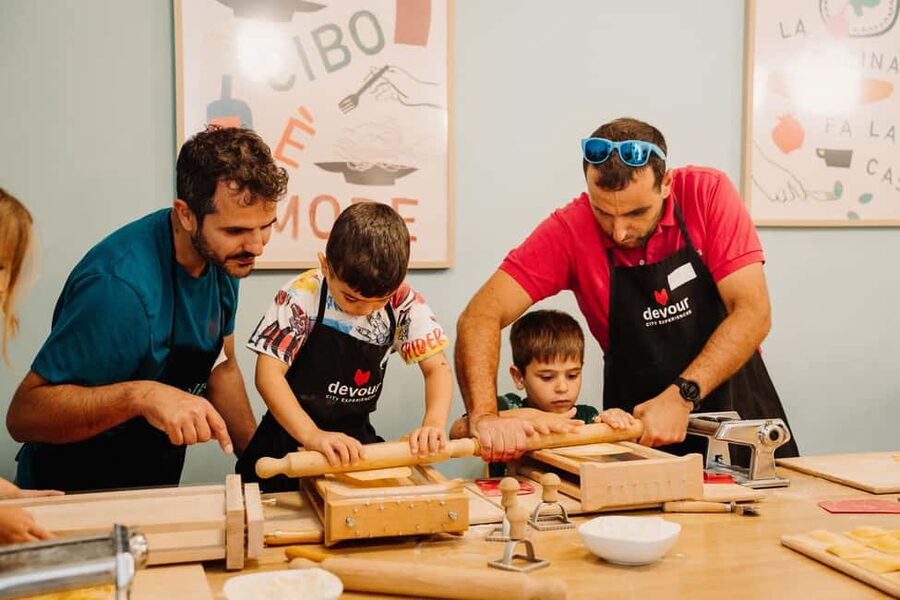
You will not need previous cooking experience. The instruction is designed for beginners, and the pace has worked for children and adults cooking together. Families with children aged four, five, eight, ten, and twelve found the process manageable, with the chefs adjusting their help as needed.
You should still expect to participate. This is not a polished food demonstration where someone else does the messy work. Your hands will be involved in mixing, rolling, cutting, and shaping. Wear clothes you can comfortably cook in and expect flour on the work surface.
Fettuccine and ravioli, two different pasta lessons
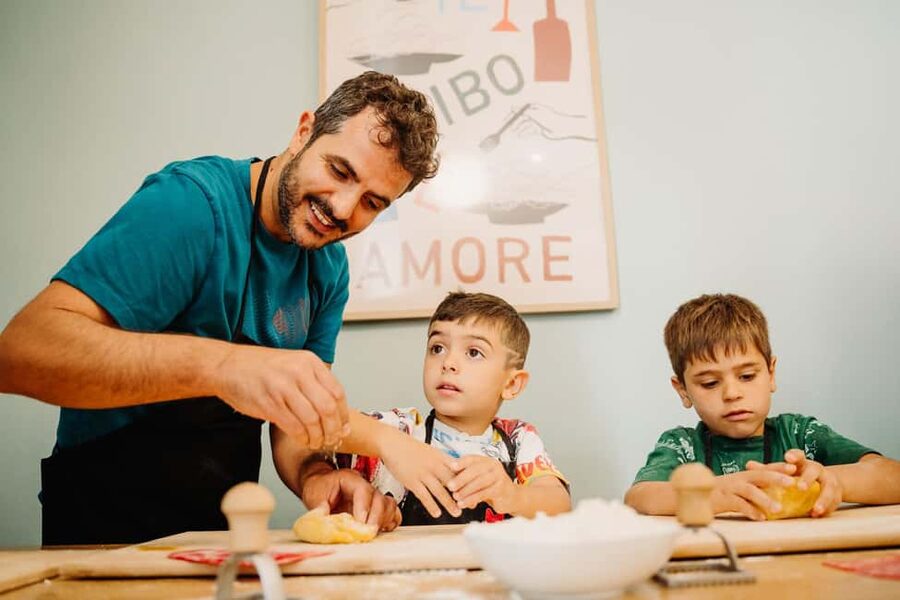
You make two kinds of pasta: fresh fettuccine and ravioli. That is a smart pairing because the shapes teach different skills.
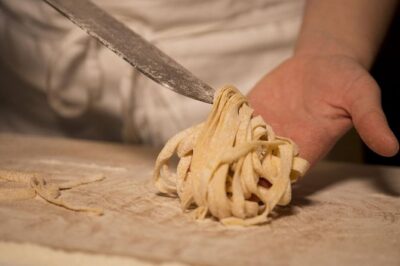
Fettuccine gives you practice rolling and cutting long ribbons. You learn how thickness affects the final bite and how to handle fresh strands before they go into the pot.
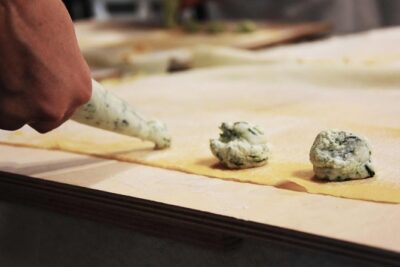
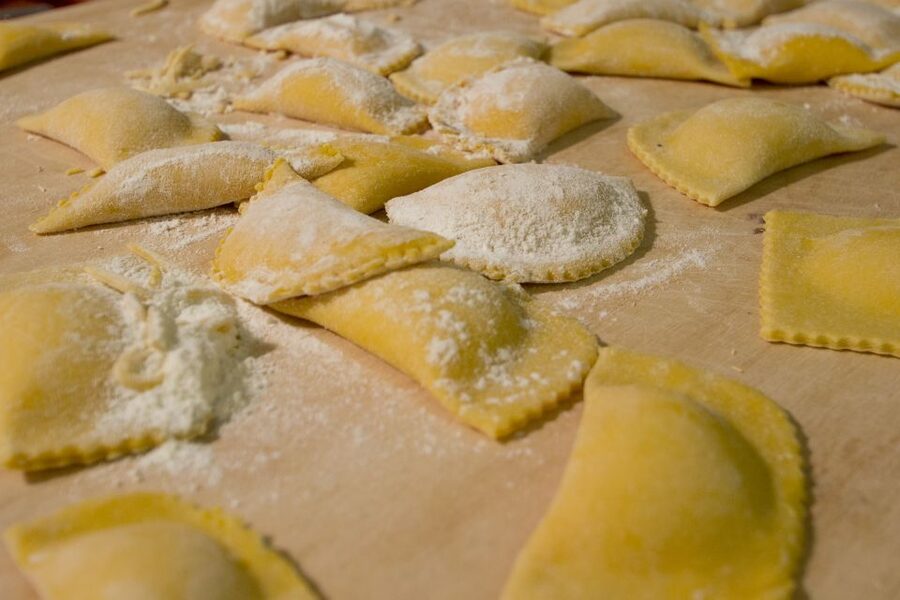
Ravioli adds another layer. You prepare a filling, place it on the pasta, seal the edges, and shape the parcels. The work demands a little more care because trapped air or a weak seal can cause trouble during cooking. The chef can correct your technique as you go, which is much more useful than trying to copy a recipe at home without seeing the process.
The recipes are traditional Italian preparations, with specific sauces varying by class. Examples from the cooking sessions include puttanesca and amatriciana, both familiar Roman-area favorites. You also learn how seasonal ingredients and local market produce fit into everyday cooking.
The class does not promise a full survey of Italian pasta. Instead, it gives you two practical pasta forms and the basic skills behind them. That focus keeps the three-hour schedule realistic.
More Gelato Making Classes in Rome
- Night Tour of Rome with Local Pizza Dinner and Gelato Experience
★ 4.5 · 780 reviews - Super Fun Pasta & Gelato Class by Vatican with Wine + Oil Tasting
★ 5.0 · 726 reviews - Rome: Pizza & Gelato Making Class with Wine & Limoncello
★ 4.7 · 499 reviews - Pizza and Gelato Making Class in the Heart of Rome
★ 5.0 · 323 reviews
Roman sauces and local food tips
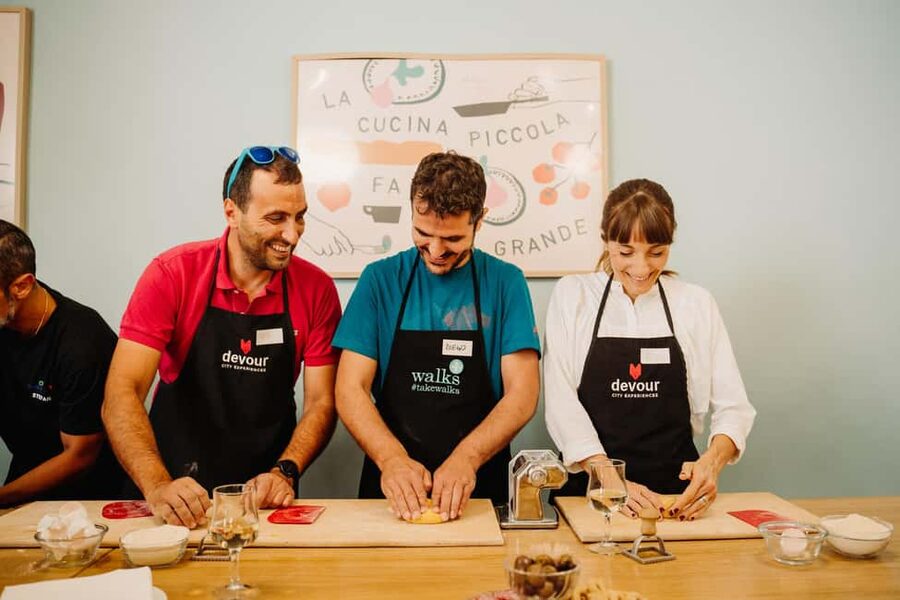
While the pasta rests, the class turns to sauce. This part adds context that you would miss at a standard restaurant meal.
Your chef explains how Roman sauces are built, how fresh ingredients are handled, and which small decisions affect flavor. The instruction includes tips connected to Roman cuisine and ingredients sourced from local markets. You are not just following a list of steps. You are learning why the sauce works with the pasta you have made.
Amatriciana and puttanesca have very different personalities, so the sauce portion can be especially useful for home cooks. One is associated with the Roman cooking tradition, while the other gives you a punchier combination of ingredients. The exact menu may vary, so do not book expecting one fixed sauce every time.
I like this part because it turns dinner into a lesson you can repeat. You leave with printed recipe cards and a better sense of how to judge dough, sauce, and seasoning by feel. That practical knowledge is worth more than a recipe alone.
Sitting down to eat your own work
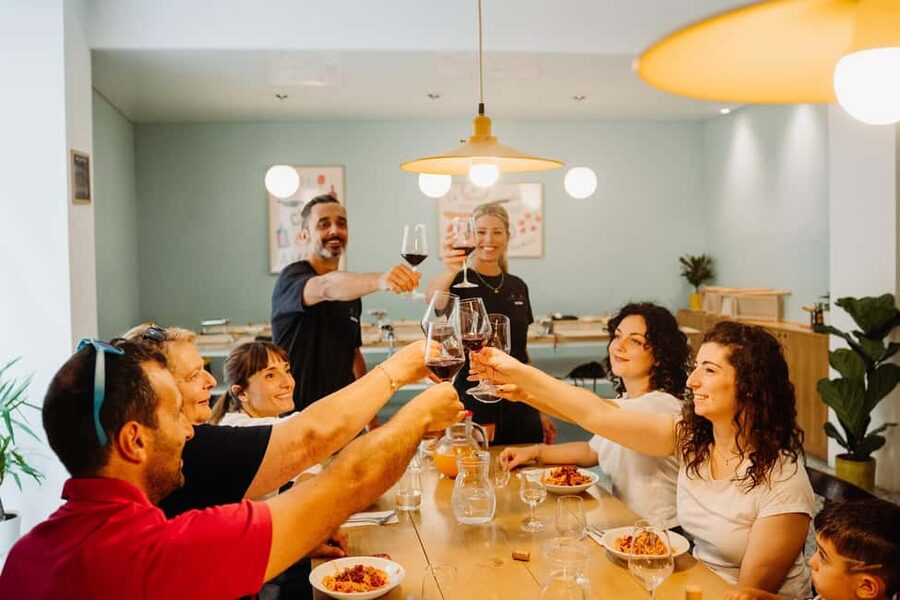
Once the pasta is cooked, everyone gathers around the table. You eat the fettuccine and ravioli you made, served with the sauces prepared during the class.
The meal is paired with Italian wine, and the experience includes unlimited wine as well as the opening prosecco. That makes the class feel generous at $69, especially since the price also covers ingredients, appetizers, both pasta dishes, sauces, and gelato.
Still, the value depends on what you want. If you only want a cheap plate of pasta, a restaurant will cost less. If you want dinner plus instruction, a social evening, and recipes to use later, the price is easier to justify.
The meal is also the payoff for the work. You can compare shapes, see how fresh pasta differs from dried pasta, and ask questions while eating. The setting is relaxed rather than formal, so expect conversation and a shared-table atmosphere.
Gelato brings the class to a sweet finish
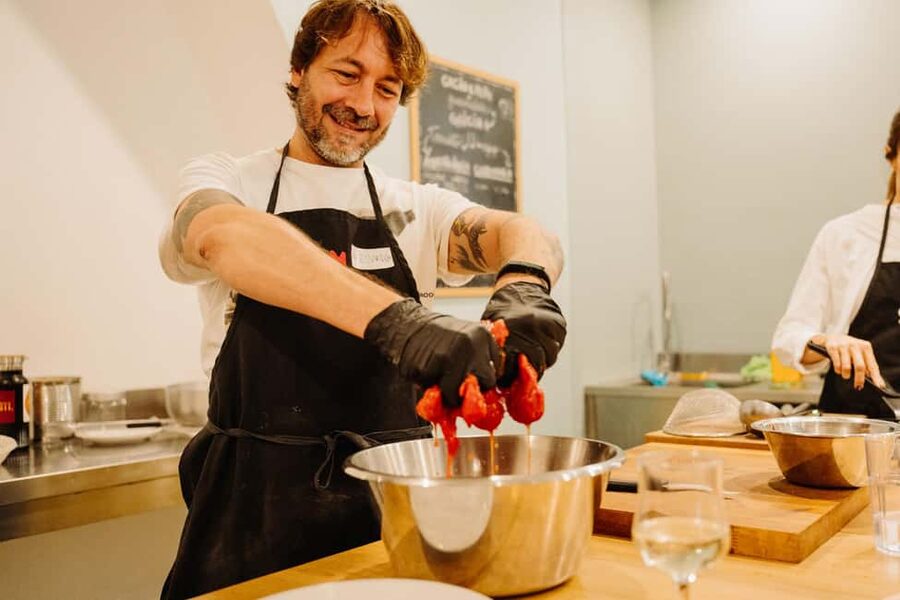
The last course is homemade gelato. Like the pasta, it is part of the lesson rather than an item simply delivered to the table.
Gelato makes sense as a finale because the class has already covered a full savory meal. You get a sweet finish without needing to search for a dessert shop afterward. It also gives families an extra activity, since children often enjoy the dessert portion as much as shaping ravioli.
The class promises creamy homemade gelato, but the exact flavor is not specified. Think of it as a final preparation and tasting, not a separate gelato-making workshop with several flavors.
How the group size affects your evening
You can book a shared small-group class or select a private option, depending on availability. The small-group format is part of the appeal. You work alongside other people, share the kitchen, and help one another through the pasta steps.
One class had only four participants, creating a particularly personal lesson. Other sessions included families and larger small groups. The larger the group, the more important it is that the chef keeps instructions clear and moves at a steady pace.
Private classes may suit a family reunion, couple, or group of friends who want more control over the atmosphere. A shared class is better if you like meeting people and want a more social evening. The provided information does not specify the maximum group size, so check the option available for your date.
All instruction is in English. The chefs use demonstrations and hands-on guidance, making the class suitable for beginners who are comfortable following spoken directions.
Why families tend to like this class
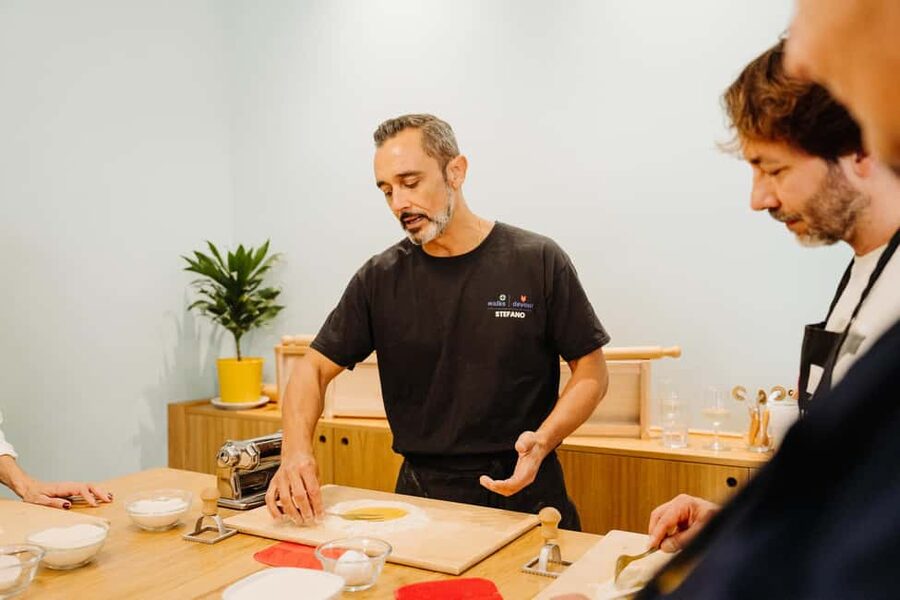
This is one of the stronger family food activities in Rome because the work is tactile. Children can mix dough, roll pasta, fill ravioli, and take part in the meal instead of sitting through a long explanation.
The class has worked well for children from age four upward. Parents described a balance between instruction and eating that kept young children interested. The chefs also made a point of helping children handle each stage safely and confidently.
That said, three hours is still a long activity for a very young child. A child who dislikes sitting at a table, touching flour, or following a sequence of instructions may lose interest. The class is best for children who enjoy making things with their hands.
For adults, the family-friendly pace is not a weakness. Beginners of any age benefit from clear steps and a teacher who does not rush. Experienced home cooks may find the techniques familiar, but the Roman food context and social setting still add value.
Timing, comfort, and practical limits
The class lasts three hours, so plan it as a main evening activity. Do not schedule a major attraction immediately afterward unless you are comfortable leaving with little spare time.
The cooking studio has been described as clean, spacious, modern, and air-conditioned. That makes a difference in summer, when kneading dough in a hot room would quickly become tiring. Conditions can vary, but the class is designed for a working kitchen rather than a restaurant dining room.
The experience is not suitable for wheelchair users, guests with mobility impairments, or strollers. The meeting point and cooking space involve movement, and the activity itself requires standing and working around a kitchen. Contact the provider before booking if you have dietary needs. The class can adapt to most restrictions, but it cannot accommodate celiac requirements.
The wine is bottomless, so decide ahead of time how much you want to drink. The class is about cooking first, and you can enjoy the prosecco and wine at your own pace.
Is $69 a fair price?
At $69 per person, this sits in a reasonable range for a three-hour Rome food experience. You are paying for a chef-led lesson, all ingredients, appetizers, two handmade pastas, sauces, gelato, prosecco, unlimited wine, and a sit-down meal.
The strongest value comes from combining dinner and instruction. A normal meal would give you food but not the technique. A shorter cooking demonstration might cost less but would not give you the same hands-on work.
The recipe cards add lasting value, especially if you cook at home. You can repeat the pasta and sauce lessons after your trip instead of leaving the experience behind in Rome.
I would not choose it purely for unlimited drinks. Choose it because you want to learn, cook, eat, and spend an evening with other people. The wine is an attractive extra, but the pasta-making is the reason to book.
Who should book this Trastevere cooking class?
I would recommend it to:
- First-time visitors who want a social introduction to Roman food.
- Couples looking for a relaxed evening activity beyond sightseeing.
- Families with children who enjoy hands-on projects.
- Beginner cooks who want practical pasta skills.
- Solo visitors who like meeting people over a shared meal.
- Home cooks who want recipes and guidance they can use later.
I would hesitate if you have limited mobility, need a stroller, have celiac disease, or dislike group activities. I would also skip it if you want a quiet, refined restaurant meal rather than a working kitchen and shared table.
Book early if you need a particular starting time, private format, or date. Free cancellation is available up to 24 hours before the experience, and the reserve-now, pay-later option gives you some flexibility.
Should you book it?
Book this class if you want Rome to involve more than monuments and restaurant tables. You will work with dough, learn Roman sauce techniques, eat a full meal, and leave with recipes that can bring the experience home.
The biggest strengths are the friendly chefs, clear instruction, family-friendly pace, good food, and generous inclusions. The small-group setting can make the evening feel personal, while the private option gives you another way to shape the experience.
Just arrive early at the church in Piazza di San Giovanni della Malva, remember that the class is hands-on, and check the mobility and dietary limits before paying. For $69, this is a well-rounded choice for anyone who wants a tasty, practical, and sociable evening in Trastevere.
FAQ
How long does the pasta-making class last?
The class lasts three hours.
Where do I meet the guide?
Meet at Piazza di San Giovanni della Malva, 00153 Roma RM, in the square in front of the San Giovanni della Malva church. Your guide will carry a red bag or a Devour Tours sign.
How early should I arrive?
Arrive 15 minutes before the scheduled start time.
What language is the class taught in?
The class is taught in English.
What will I make during the class?
You will make fresh fettuccine, ravioli, sauces, and homemade gelato.
Are food and drinks included?
Yes. The price includes all ingredients, appetizers, your two homemade pastas and sauces, gelato, prosecco, and unlimited wine.
Can children join the class?
Yes. The activity has been suitable for children, including children aged four and older, with the chefs adjusting their help and instruction for families.
Can dietary restrictions be accommodated?
The class can adapt to dietary needs except for celiac requirements. Contact the provider before joining so food can be arranged.
Is the class accessible for wheelchair users or strollers?
No. The experience is not suitable for wheelchair users, guests with mobility impairments, or strollers.
More Wine Tastings in Rome
- Rome Pasta and Tiramisu Class: Ravioli, Fettuccine & Fine Wine 5*
★ 5.0 · 1,319 reviews - Rome Cooking Class: Make Pasta, Dine & Drink Wine With Local Chef
★ 5.0 · 1,263 reviews - Rome: Combo Pizza and Pasta Cooking Class with Wine
★ 4.6 · 1,180 reviews - Rome: Pasta Making with Wine Tasting and Dinner in Frascati
★ 4.9 · 979 reviews
More Pasta Classes with Wine in Rome
- Rome: Pasta & Tiramisu Class with Fine Wine by the Vatican
★ 4.9 · 4,852 reviews - Rome Cooking Class: Make Pasta and 3 Spritz Cocktails
★ 5.0 · 2,937 reviews - Learn to Make Pasta & Tiramisu with Wine and Limoncello Included
★ 5.0 · 2,345 reviews - Fettuccine & Tiramisù: Cooking Class with Wine & Limoncello
★ 4.9 · 2,103 reviews
Just added around Rome
- Rome: Pasta and tiramisu class with wine pairing at Come Na Vorta★ 5.0 · 30 reviews
- Spritz and Pasta! Spritz, Fettuccine & Tiramisù★ 5.0 · 2 reviews
- Rome: Vespa Tour with Photographer and Tiramisu treat★ 4.5 · 61 reviews
- Walking Tour & Pizza Making★ 4.0 · 2 reviews
- Trastevere Food Tour with Pasta-Making Class★ 5.0 · 5 reviews
- Rome: Private Vespa Tour and Professional Photoshoot★ 5.0 · 22 reviews
- Traditional Pasta Cooking Class with Tiramisu Small Group★ 5.0 · 7 reviews
- Tiramisu and Gelato Creation in Authentic Roman Dessert Workshop★ 4.5 · 3 reviews
Rome Pasta Classes, compared.
3 in 1 Cooking Class near Navona: Fettuccine, Ravioli & Tiramisu
Read our review →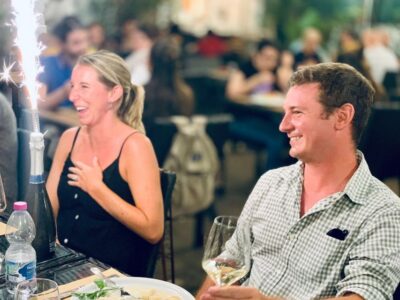
Pasta & Tiramisu Class with Fine Wine by the Vatican
Read our review →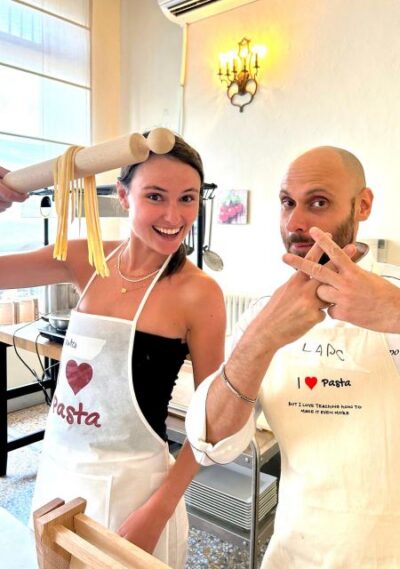
Pasta Making Class with Wine, Limoncello, and Dessert
Read our review →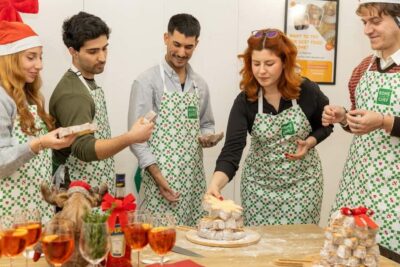
Rome Cooking Class: Make Pasta and 3 Spritz Cocktails
Read our review →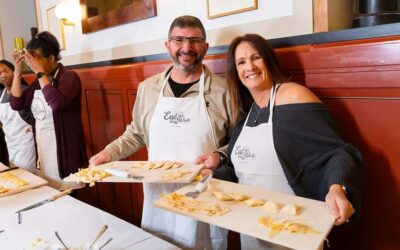
3-in-1 Fettuccine, Ravioli, and Tiramisu Cooking Class
Read our review →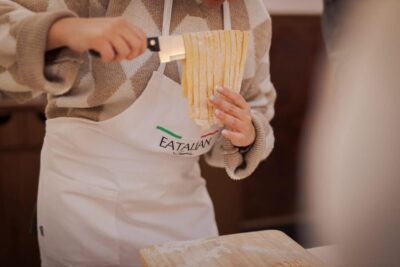
Fettuccine Pasta Cooking Class in Rome’s City Center
Read our review →
Learn to Make Pasta & Tiramisu with Wine and Limoncello Included
Read our review →