REVIEW · ROME
Rome: Fresh Pasta-Making Class with Italian Chef and Wine
Fresh pasta is the heart of this three-hour Roman cooking class, where you work with dough, shape several pasta styles, and sit down to eat what you made. Chef Riccardo and his team, including instructors such as Leo, William, Marco, and Mattia, keep the class hands-on and social.
I like the mix of useful technique and Roman flavor, especially the lessons on carbonara and cacio e pepe. I also like the small group size, capped at 10, which gives you a fair chance to handle the dough and ask questions. The one drawback is that language balance can vary in a mixed group, and some instruction may not be translated in full.
Key points
- Three pasta styles in one class: You may make ravioli, fettuccine, tortellini, cappelletti, spaghetti alla chitarra, or similar fresh pastas.
- Roman sauces are part of the lesson: Carbonara, cacio e pepe, arrabbiata, and other sauces show how much depends on timing and ingredients.
- A full meal with wine: The pasta you prepare becomes a three-course meal, served with selected wine and sometimes prosecco.
- Small, social setting: Groups are limited to 10 and meet at Riccardo’s grandmother’s home or the Cooking Lab.
- Useful advice for home cooks: Chefs explain ingredients, shaping methods, sauce technique, and ways to shop for Italian products at home.
- Good value for a food-focused afternoon: At $97, you receive instruction, ingredients, wine, aprons to use, and the meal.
Starting with dough at the Cooking Lab
The class takes place either at Riccardo’s grandmother’s house or at The Cooking Lab on Circonvallazione Gianicolense 418 in Rome. The lab is on the street near a cafe, and the address is in the Gianicolense area rather than beside the Colosseum or Trevi Fountain.
That location matters. You are not walking in from a major ancient monument for a quick demonstration. You are setting aside a proper part of the day for a food class in a local neighborhood. The studio has been described as beautiful and homey, depending on the venue used for your session.
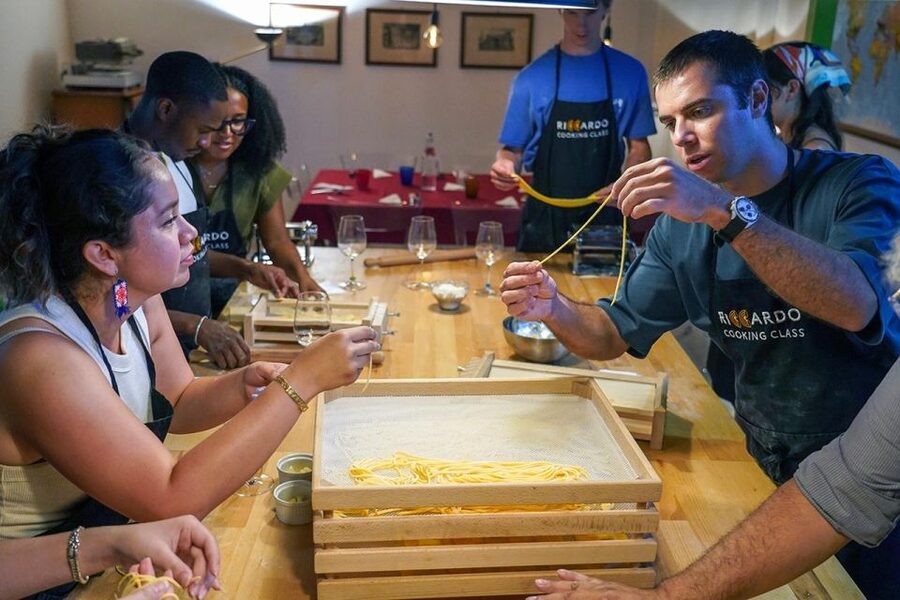
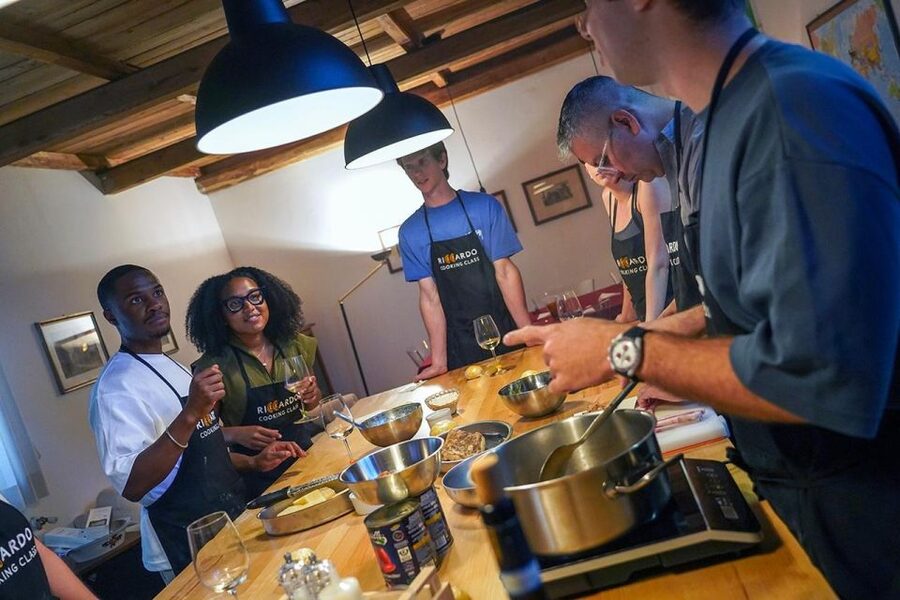
At the beginning, the chefs welcome you, provide an apron, and explain the plan. You then move into the basic work of pasta making: combining ingredients, working the dough, rolling it, and shaping it. The value here is that you are not simply watching an expert turn flour into noodles. You get your hands involved from the start.
Pasta dough looks simple, but small changes in texture matter. The instructors explain what to look for and adjust your technique as you work. Leo, in particular, has been praised for giving clear demonstrations, making corrections, and explaining why each step matters. That kind of coaching is more useful than a recipe card alone.
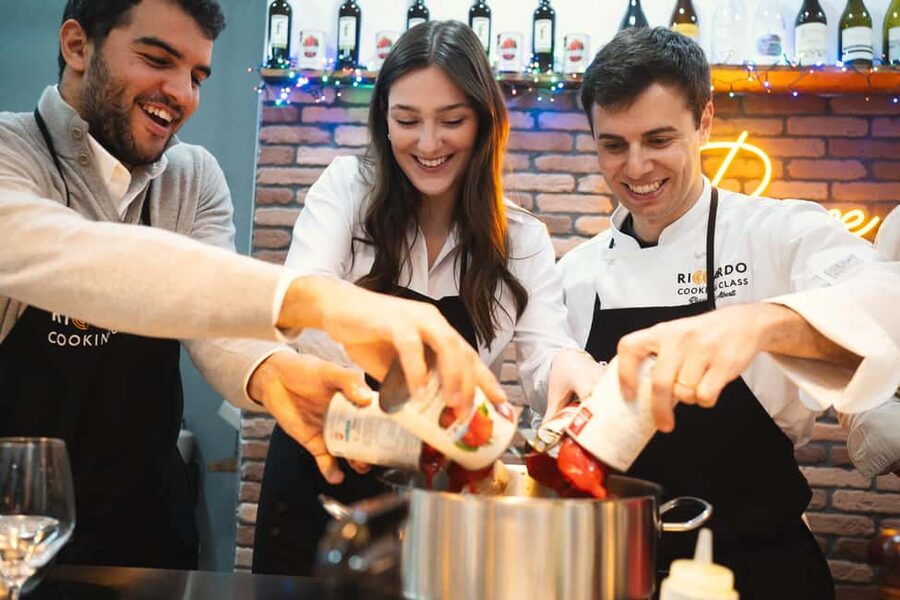
The class is designed for a small group of no more than 10 people. That is large enough for a friendly table but small enough for the instructors to include everyone. Several participants have described the teachers as patient and engaging, with humor used to keep the work relaxed.
More Fresh Pasta Workshops in Rome
- Rome: Pasta Making Class with Wine, Limoncello, and Dessert
★ 4.9 · 3,177 reviews - Enjoy Spritz and Pasta Making in Piazza Navona
★ 5.0 · 1,681 reviews - Pasta Making & Wine Tasting with Dinner in Frascati from Rome
★ 5.0 · 1,326 reviews
Three kinds of pasta, not just one
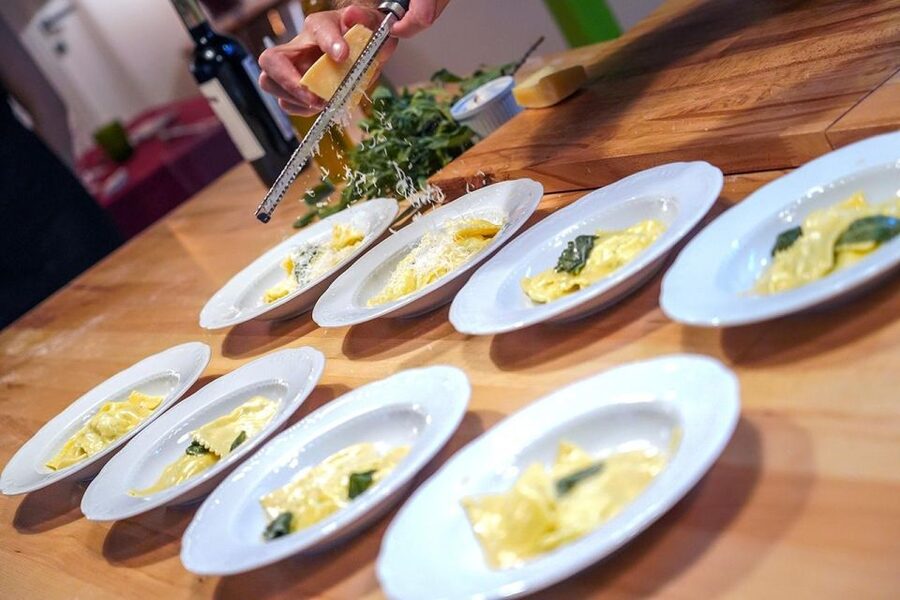
A major strength of this class is the range of shapes. You may prepare ravioli, fettuccine, tortellini, cappelletti, spaghetti alla chitarra, and other handmade pastas, depending on the session.
The exact combination can vary, but the goal is to show you different skills. Long pasta teaches you how to roll and cut evenly. Stuffed pasta adds filling, sealing, and shaping. More intricate forms ask for a little patience and attention to detail.
Past participants have made three different pastas in one session, including ravioli, fettuccine, and spaghetti. Others have prepared two long pastas plus ravioli, producing more food than they could finish at the table. You should arrive hungry, but do not plan a large dinner immediately afterward.
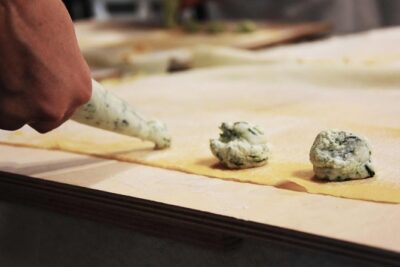
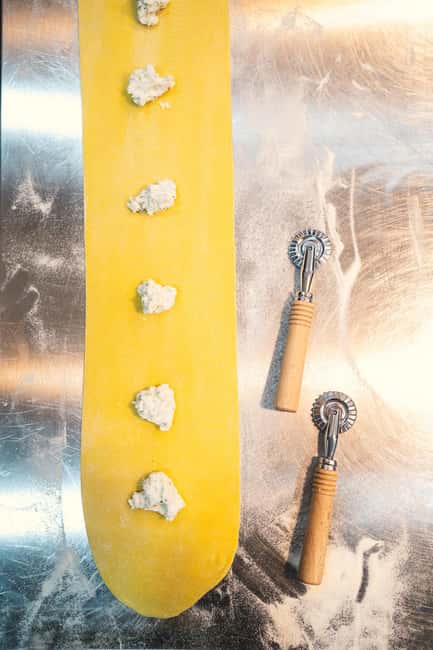
Ravioli is especially useful for home cooks because it brings several lessons together. You learn how thin to roll the dough, how much filling to use, and how to press out air before sealing. A small mistake can cause the pasta to open during cooking, so this is the sort of skill that benefits from watching an instructor work beside you.
Fettuccine and other long pastas are more direct, though getting the thickness right still takes practice. Spaghetti alla chitarra offers another texture and method. These differences help you understand that handmade pasta is not one single recipe. The shape affects the bite, the sauce, and the cooking time.
The class also offers a useful souvenir in the form of technique. You may leave with recipes, but the more important takeaway is knowing how dough should feel and how to handle it without overworking it. That is what makes it possible to repeat the meal at home.
Carbonara, cacio e pepe, and the Roman sauce lesson
The sauces are not an afterthought. The chefs show you how to prepare well-known Italian sauces and pair them with the pasta you make.
Carbonara is one of the most useful lessons for a Rome visit. The traditional version made in class uses guanciale, and one participant specifically appreciated the difference between this Roman preparation and versions commonly served in the United Kingdom. You learn how the cured pork adds flavor and how the sauce comes together without turning the eggs into scrambled eggs.
Cacio e pepe is another Roman classic built from very few ingredients. Its simplicity makes technique important. Cheese, pepper, pasta water, and heat must work together. The class gives you a chance to see why the sauce can be smooth and creamy in one kitchen but clumpy in another.
You may also prepare sauces such as arrabbiata. This gives the session a useful range, from a spicy tomato sauce to the more delicate handling required for carbonara and cacio e pepe.
The chefs explain ingredient choices and share shopping advice for making the dishes at home. That practical guidance is one reason I would schedule this class early in a Rome stay. Riccardo and his team also offer restaurant, pizza, gelato, and wine suggestions, so you can use their advice during the rest of your visit.
Do not expect every sauce to be prepared entirely by every participant from beginning to end. The class is hands-on, but some demonstrations are led by the chefs while you watch and then apply the technique. That is a sensible approach in a three-hour session with several pastas and a meal to serve.
From worktable to three-course lunch or dinner
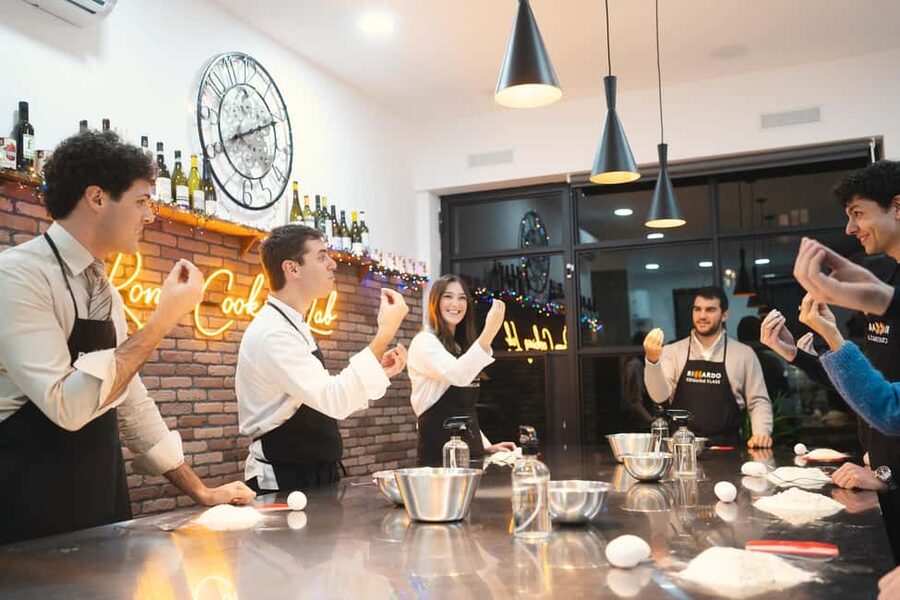
After the cooking, you sit down to eat the food prepared during the class. The package includes a three-course meal and selected wine, with some sessions featuring prosecco during the cooking.
This changes the mood from lesson to shared meal. You are not packing up your dough and leaving. You get to taste the results while the methods are still fresh in your mind. It also gives you a chance to compare how different shapes carry different sauces.
The food is a central part of the value. At $97 per person, you are paying for three hours of instruction, quality organic ingredients, wine, use of an apron, and a substantial meal. A cooking class is not the cheapest way to eat pasta in Rome, but it offers more than a restaurant table. You receive a meal plus skills you can use again.
Several participants found the class produced so much food that they took some home. That is possible, but you should not assume every session will provide leftovers or takeaway containers. The better reason to book is the combination of making, eating, and learning.
The wine also helps the group settle in. It is selected to accompany the meal, and the session may include prosecco as well. If you do not drink, the important point is that wine is part of the social format, not the sole focus. You are there to cook first.
More Pasta Classes with Wine in Rome
- Rome: Pasta & Tiramisu Class with Fine Wine by the Vatican
★ 4.9 · 4,852 reviews - Rome Cooking Class: Make Pasta and 3 Spritz Cocktails
★ 5.0 · 2,937 reviews - Learn to Make Pasta & Tiramisu with Wine and Limoncello Included
★ 5.0 · 2,345 reviews - Fettuccine & Tiramisù: Cooking Class with Wine & Limoncello
★ 4.9 · 2,103 reviews
What the teaching is really like
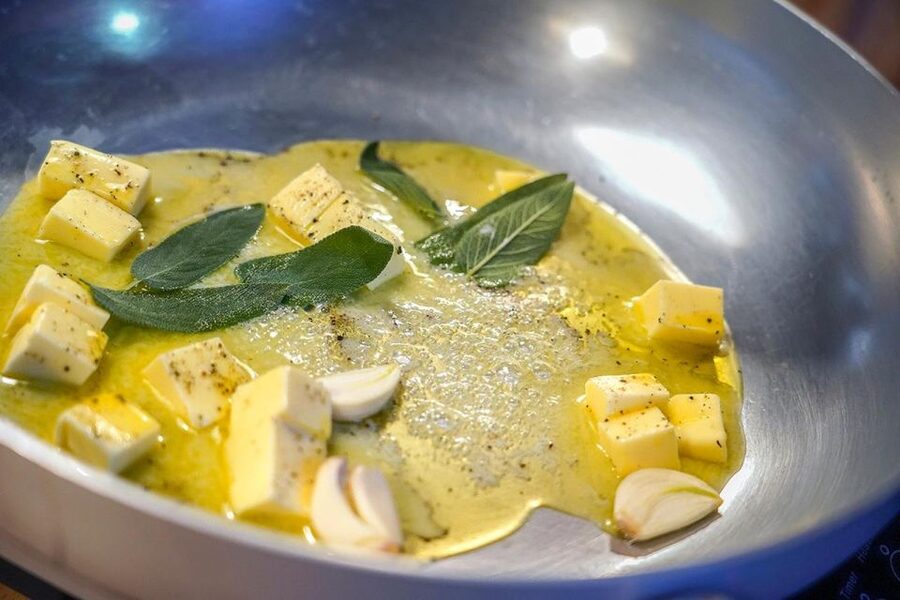
The strongest part of the experience is the instruction. Riccardo is the owner or lead figure behind the class, while the teaching may also be handled by chefs such as Leo, William, Marco, Mattia, or Bruno.
The style is practical rather than formal. You can expect demonstrations followed by your own work, with explanations about technique, ingredients, and timing. Leo has been singled out for his ability to make adjustments without taking over, while William has been praised for his patience and clear teaching.
The instructors also make an effort to bring everyone into the class. That matters if you are traveling alone or if your group includes people with different cooking skills. You do not need to arrive as an experienced cook. The process is broken into manageable steps.
Language is worth considering. Instruction is offered in English and Italian, but the group may include people speaking other languages. In one session, French was used for much of the storytelling because of the makeup of the group, and not every part was translated fully into English.
That does not mean the class is unsuitable for English speakers. It does mean you should understand that a small international group can affect how much informal explanation you receive. If having every story and aside in English is important, ask about the language arrangement before booking if that option is available.
The class can also be arranged privately for special recipes or dietary needs. Possible private-class requests include gnocchi, tiramisu, risotto, gluten-free pasta, dairy-free dishes, or vegan food. For the regular shared class, tell the provider about allergies, intolerances, and restrictions before you arrive. Do not wait until the cooking begins.
Timing, access, and getting there
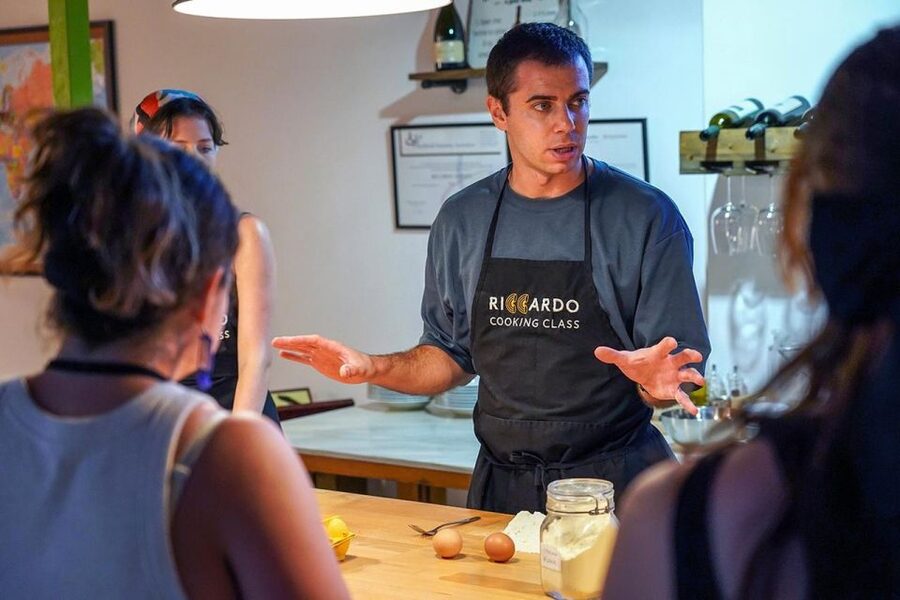
The activity lasts three hours, with starting times based on availability. A session running from 11 a.m. to around 2 p.m. works well as a substantial lunch, while another start time may turn it into an early evening meal.
You should allow extra time to reach the meeting point. The Cooking Lab is at Circonvallazione Gianicolense 418, 00152 Rome, near a cafe. One participant found it easy to reach by public transportation from the city center, but the exact travel time depends on where you are staying.
The class is listed as wheelchair accessible. Since the activity involves working at a kitchen station and sitting down to eat, it is still sensible to confirm any specific access needs before booking.
Wear something comfortable and suitable for cooking. Aprons are provided. You may be able to keep yours for an additional cost, but it is not included as a free souvenir.
The cancellation policy is traveler-friendly: you can cancel up to 24 hours in advance for a full refund. You can also reserve and pay later, which helps if your Rome plans are not fixed.
Who will enjoy this pasta class most
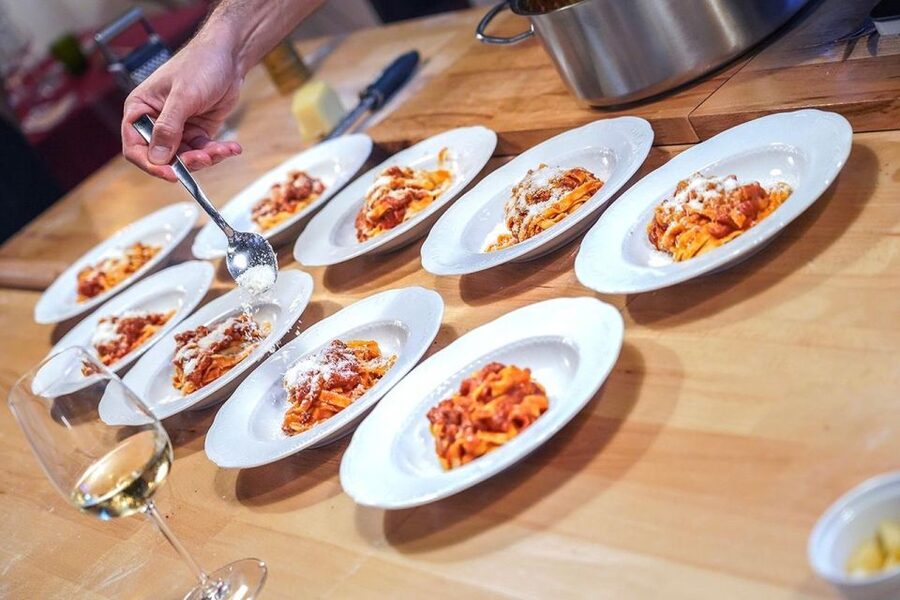
I would recommend this for anyone who wants more than a food tasting. You will get the most from it if you enjoy learning by doing and want to repeat the dishes at home.
It suits couples, families, solo visitors, and small groups of friends. A solo participant can join the shared table without needing to bring a companion. Families should consider the three-hour length and the need for children to stay engaged around food preparation.
It is also a good choice for someone who has already eaten carbonara and cacio e pepe in Rome but wants to understand how they are made. The class turns familiar dishes into practical lessons.
This may not be the right pick if you want a quiet, polished restaurant meal, a short demonstration, or a class focused mainly on one specialty. It is social, hands-on, and food-heavy. You will spend time handling dough, listening to instruction, and eating several courses.
Vegetarians can request a special menu. For vegan, gluten-free, dairy-free, or other detailed requirements, a private class is the safer route because the provider specifically offers those adaptations in that format.
Is the $97 price worth it?
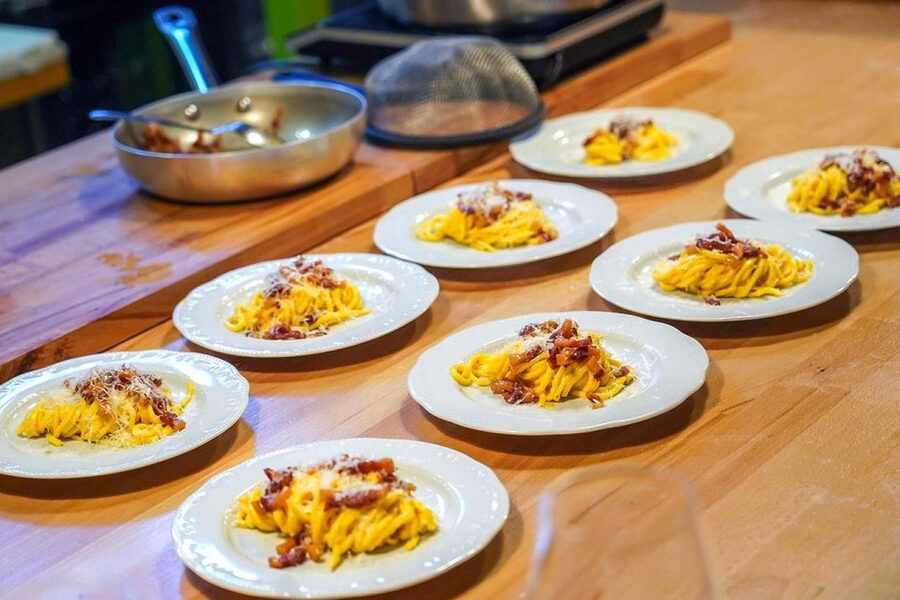
For a simple meal, no. You can eat pasta in Rome for less than $97. For three hours of instruction, fresh ingredients, several pasta shapes, Roman sauce lessons, wine, and a full meal, the price is fair.
I see the best value in the range of skills. You are not learning one shape and one sauce, then leaving. You may work with long pasta and stuffed pasta, prepare sauces such as carbonara and arrabbiata, and receive advice on ingredients and restaurants.
The group limit also supports the price. A class of up to 10 gives you a better chance to participate than a large demonstration with dozens of people. The exact experience depends on the instructors and the mix of languages in your group, but the format is built for personal attention.
Book early in your Rome stay if you want restaurant suggestions from Riccardo and his team. Book later if you simply want a relaxed food activity after seeing the main sights. Either way, leave room in your schedule afterward. Three kinds of pasta, wine, and a three-course meal can make the rest of the afternoon pleasantly slow.
Should you book it?
Book this class if you want to make real pasta, learn Roman sauces, and share a meal in a small group. The strongest reasons are the hands-on work, the range of pasta shapes, the practical teaching from chefs such as Riccardo, Leo, and William, and the chance to take the methods home.
Think twice if you need a fully English-only session, have complex dietary restrictions, or prefer a short and quiet activity. Ask about a private class for special recipes or strict food requirements.
For most food-minded visitors, the $97 cost is justified by the meal and the instruction together. Schedule it early if you want local food advice for the rest of your Rome visit.
FAQ
How long does the Rome pasta-making class last?
The class lasts three hours. Starting times vary, so check availability when choosing your date.
Where does the class take place?
You will meet at Riccardo’s grandmother’s house or at The Cooking Lab. The listed Cooking Lab address is Circonvallazione Gianicolense 418, 00152 Rome, near a cafe.
What kinds of pasta will I make?
The class may include ravioli, fettuccine, tortellini, cappelletti, spaghetti alla chitarra, and other fresh pastas. The exact selection can vary by session.
Are food and wine included?
Yes. The price includes a three-course meal made during the class, selected wine, and quality organic ingredients. Some sessions also serve prosecco during the cooking.
Can I attend if I have dietary restrictions?
You must inform the provider about allergies, intolerances, or dietary restrictions in advance. Special options such as gluten-free, dairy-free, vegan food, gnocchi, risotto, or tiramisu can be arranged for private classes.
Is the class available in English?
Yes. The class is offered in English and Italian. Since groups may include people speaking other languages, not every informal explanation may be translated fully into English.
More Wine Tastings in Rome
- Rome Pasta and Tiramisu Class: Ravioli, Fettuccine & Fine Wine 5*
★ 5.0 · 1,319 reviews - Rome: Combo Pizza and Pasta Cooking Class with Wine
★ 4.6 · 1,180 reviews - Rome: Pasta Making with Wine Tasting and Dinner in Frascati
★ 4.9 · 979 reviews - Rome: Pizza & Tiramisu Class with Free Flowing Fine Wine
★ 5.0 · 973 reviews
More Chef-Led Classes in Rome
- Rome Cooking Class: Make Pasta, Dine & Drink Wine With Local Chef
★ 5.0 · 1,263 reviews - 2-in-1 Pasta and Tiramisu Cooking Masterclass in Rome
★ 5.0 · 832 reviews - Pasta Fettuccine, Ravioli and Tiramisu MasterClass
★ 5.0 · 391 reviews - Fettuccine and Tiramisu Masterclass in the Heart of Rome
★ 5.0 · 366 reviews
Just added around Rome
- Rome: Pasta and tiramisu class with wine pairing at Come Na Vorta★ 5.0 · 30 reviews
- Spritz and Pasta! Spritz, Fettuccine & Tiramisù★ 5.0 · 2 reviews
- Rome: Vespa Tour with Photographer and Tiramisu treat★ 4.5 · 61 reviews
- Walking Tour & Pizza Making★ 4.0 · 2 reviews
- Trastevere Food Tour with Pasta-Making Class★ 5.0 · 5 reviews
- Rome: Private Vespa Tour and Professional Photoshoot★ 5.0 · 22 reviews
- Traditional Pasta Cooking Class with Tiramisu Small Group★ 5.0 · 7 reviews
- Tiramisu and Gelato Creation in Authentic Roman Dessert Workshop★ 4.5 · 3 reviews
Rome Pasta Classes, compared.
3 in 1 Cooking Class near Navona: Fettuccine, Ravioli & Tiramisu
Read our review →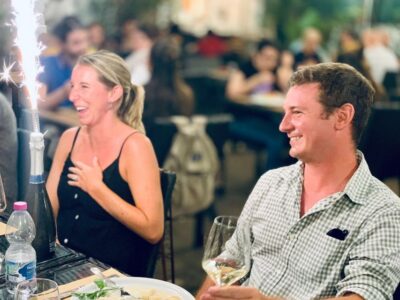
Pasta & Tiramisu Class with Fine Wine by the Vatican
Read our review →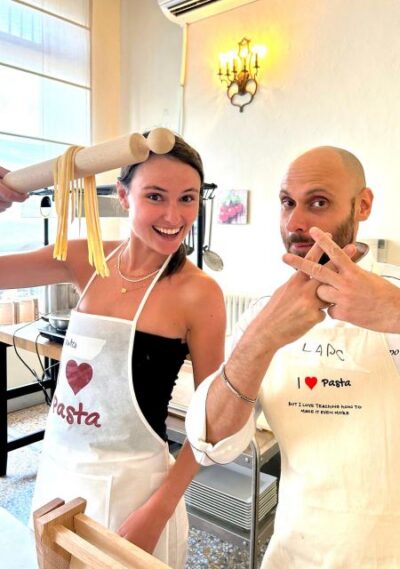
Pasta Making Class with Wine, Limoncello, and Dessert
Read our review →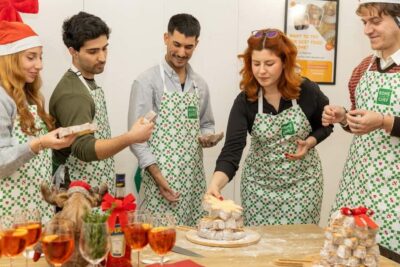
Rome Cooking Class: Make Pasta and 3 Spritz Cocktails
Read our review →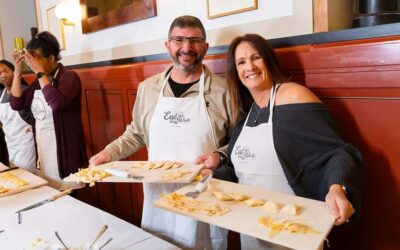
3-in-1 Fettuccine, Ravioli, and Tiramisu Cooking Class
Read our review →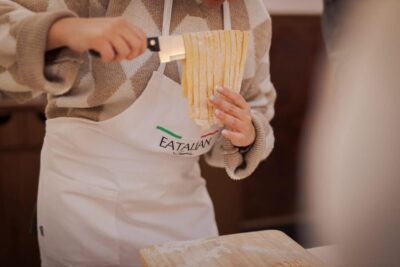
Fettuccine Pasta Cooking Class in Rome’s City Center
Read our review →
Learn to Make Pasta & Tiramisu with Wine and Limoncello Included
Read our review →