
REVIEW · ROME
Rome cooking: Gelato & Tiramisu with savoiardi Baking class
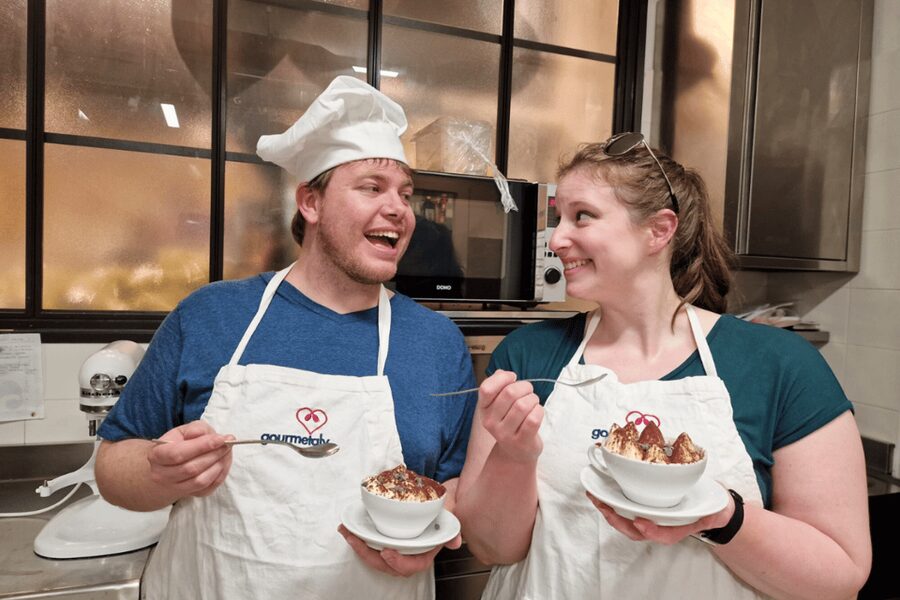
Tiramisu is the star here, but the best part is that you begin at the beginning. You bake your own savoiardi biscuits, prepare the cream, assemble the dessert, and finish with a tasting. Alongside it, you make a fruit-based gelato sorbet, a useful choice for anyone who wants a dairy-free dessert.
I like the hands-on format, since you are cooking rather than watching a chef work. I also like the small-group setting, the take-home recipes, and the practical advice from instructors such as Camilla and Federica. The main consideration is dietary suitability: the standard class is not suitable for vegans, people with lactose intolerance, or people with gluten restrictions unless you arrange a private class in advance.
Key points at a glance
- Bake the savoiardi yourself: You start the tiramisu from its biscuit base instead of assembling a ready-made dessert.
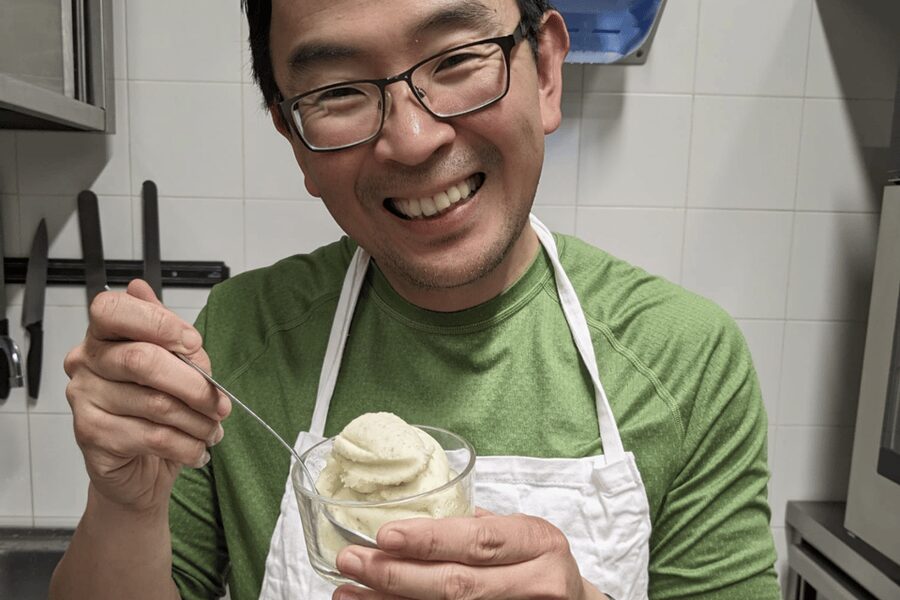
- Make two Italian sweets: The class covers an alcohol-free tiramisu and a fruit sorbet made with water rather than milk.
- Work inside a real tiramisu shop: The lesson takes place in an authentic production space near Via Natale del Grande.
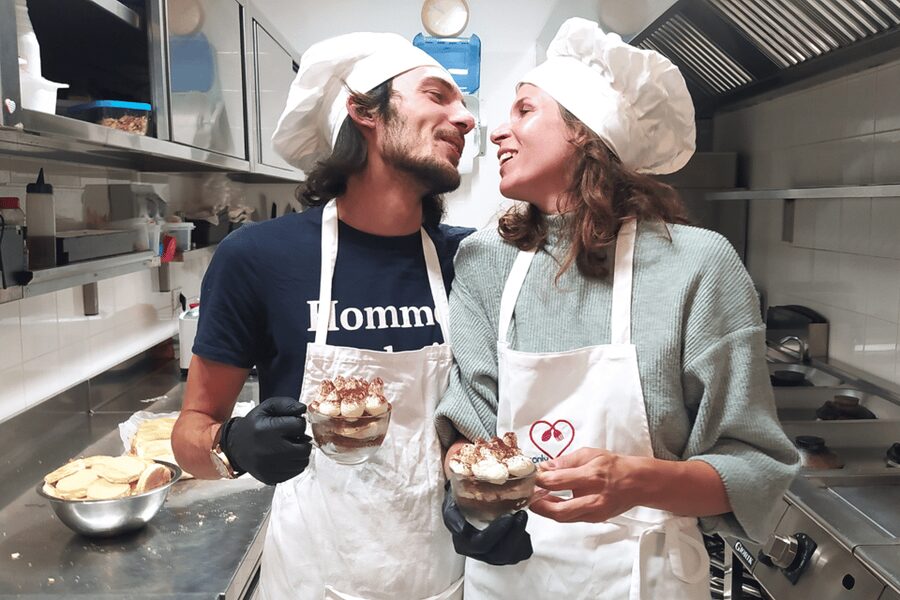
- Expect a small, active class: You wear an apron and hat, enter the kitchen, and follow the process step by step.
- Take home useful material: Recipes, food tips, and, depending on the session, small extras such as an apron or certificate may be provided.
- Plan around the restrictions: The class runs daily except Sunday and is not suitable for children under 3, wheelchair users, or unaccompanied minors.
Starting with tiramisu from the biscuit up
Many tiramisu lessons simply have you layer purchased ladyfingers with mascarpone cream. This class takes a more useful route. You learn how to make the savoiardi biscuits, the light sponge fingers that give tiramisu its structure.
That extra step matters. Once you understand the biscuit, you can better control the texture of the finished dessert. A tiramisu made with firm biscuits will hold its shape. A softer one absorbs the coffee mixture more quickly. The class gives you a chance to see how those choices affect the final result.
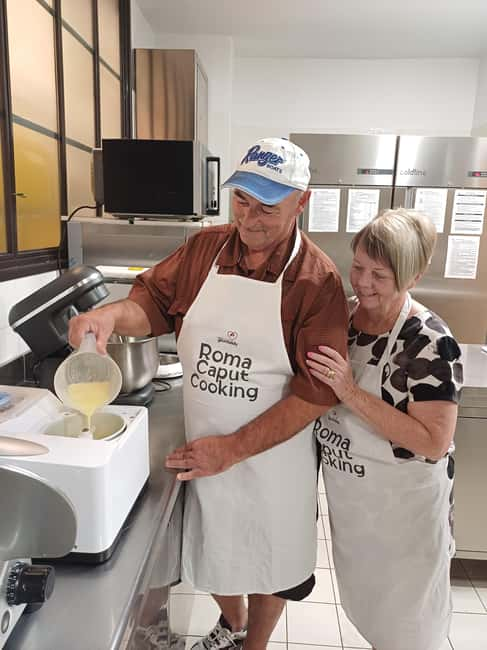
You then move through the rest of the recipe in order. The lesson is designed so you take an active role, not simply stand beside the chef while everything happens. The instructors explain the process as you work, with time for questions and corrections.
The tiramisu is alcohol-free and vegetarian, which makes it suitable for many diners. That does not mean it is vegan or dairy-free. The standard recipe contains ingredients that exclude vegans and people with lactose intolerance, so you should disclose dietary needs when booking.
More Gelato Making Classes in Rome
- Rome: Fresh Pasta-Making Class with Wine and Gelato
★ 4.9 · 813 reviews - Night Tour of Rome with Local Pizza Dinner and Gelato Experience
★ 4.5 · 780 reviews - Super Fun Pasta & Gelato Class by Vatican with Wine + Oil Tasting
★ 5.0 · 726 reviews
What happens during the 2.5-hour class
The full activity lasts about two and a half hours. The cooking portion takes roughly two hours, followed by tasting and the handover of recipes.
You meet at the corner with Via Natale del Grande. From there, the activity takes place inside a real tiramisu shop and laboratory. This is not a restaurant demonstration staged only for visitors. You are working in the production setting of a shop known locally for tiramisu.
The class begins with an introduction to gelato and ingredient quality. You learn how to distinguish good ingredients, why seasonal fruit matters, and why fresh, organic products can change the result of a simple dessert.
Next comes the practical work. You put on an apron and hat, enter the kitchen, and start making the components. The exact order may vary with the class, but the core work includes baking the savoiardi, preparing the tiramisu, and making fruit sorbet.
At the end, you taste what you have made. This is more than a sweet finish. It lets you compare the texture of your biscuits, the balance of the cream, and the flavor of the fruit sorbet while the process is still fresh in your mind.
Making sorbet with seasonal fruit
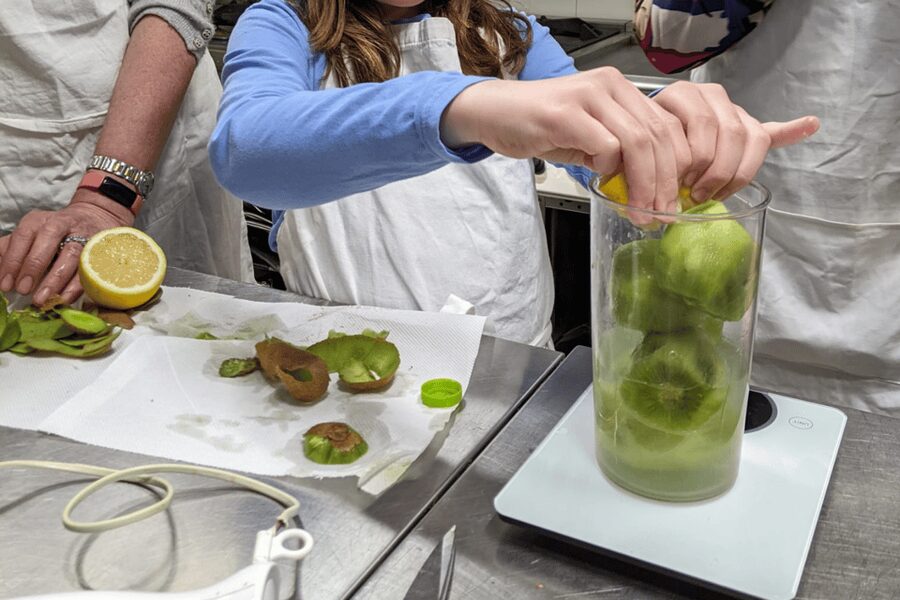
The second recipe is gelato sorbet. Sorbet is water-based, unlike milk-based gelato, so it can be a good option for people avoiding dairy. The class focuses on selecting quality fruit in season and turning it into a smooth frozen dessert.
The strawberry sorbet mentioned by past participants gives you a sense of the style of this part of the lesson. It is a useful recipe because fruit sorbet depends heavily on the quality of its main ingredient. If the fruit is bland or out of season, no amount of sugar can fully fix it.
You also learn why sorbet is not simply fruit juice placed in a freezer. The balance of fruit, water, and sugar affects texture. Too little sugar can make the sorbet hard and icy. Too much can keep it from freezing properly. The class gives you the basic ideas needed to repeat the recipe at home.
There is one important warning here. The general information says the sorbet is suitable for vegan and lactose-free diners, but the activity is also marked as not suitable for vegans and people with lactose intolerance. That likely reflects the standard class setup and possible cross-contact, but you should not assume a modified recipe is available. Ask before booking, and request a private class if the provider confirms that is the right solution.
Why the small-group format helps
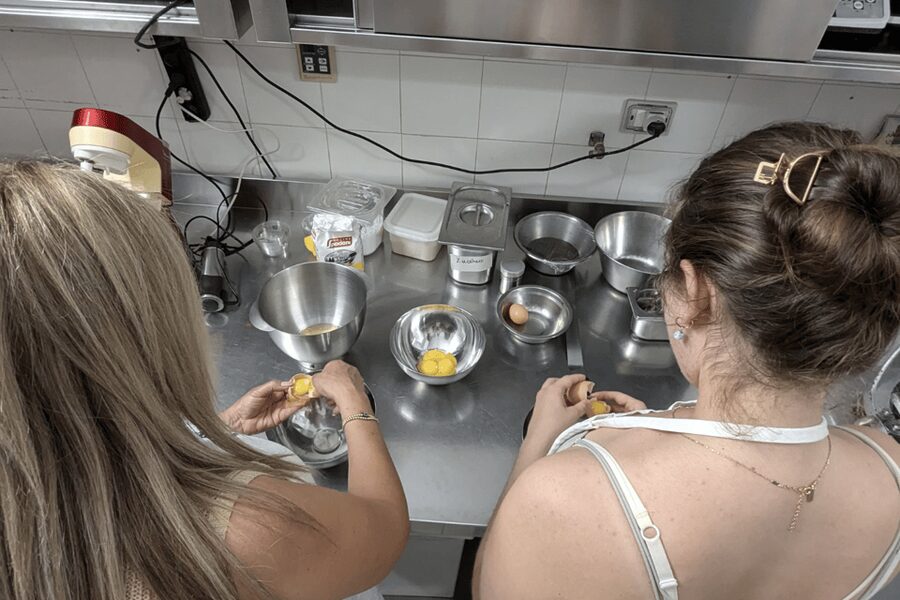
A small group is especially useful in a cooking class. You have a better chance of seeing the demonstrations clearly, handling the ingredients yourself, and asking about small details such as texture, timing, or substitutions.
The class is not built around a lecture. The point is to make the food. That means your result may not look exactly like a shop display, and that is part of the value. You get to understand the process through your own hands.
Past sessions have included children with their families, and one family found the entire class enjoyable for the kids. Children must be accompanied by an adult, and the activity is not suitable for children under 3. It is also not designed for unaccompanied minors.
The instructors receive particular praise for their patience and friendly teaching. Camilla led one session that included strawberry sorbet and tiramisu, taking time to explain each step and offer home-cooking tips. Federica, also named by participants, was described as kind and clear, and one class included an apron, certificate, and recipes at the end.
Those extras may depend on the session, so I would treat the recipes as the reliable takeaway and the apron or certificate as a possible bonus rather than a guaranteed inclusion.
More Tiramisu Classes in Rome
- 3 in 1 Cooking Class near Navona: Fettuccine, Ravioli & Tiramisu
★ 5.0 · 7,376 reviews - Rome: Pasta & Tiramisu Class with Fine Wine by the Vatican
★ 4.9 · 4,852 reviews - Rome: 3-in-1 Fettuccine, Ravioli, and Tiramisu Cooking Class
★ 4.9 · 2,704 reviews - Learn to Make Pasta & Tiramisu with Wine and Limoncello Included
★ 5.0 · 2,345 reviews
Food quality is part of the lesson
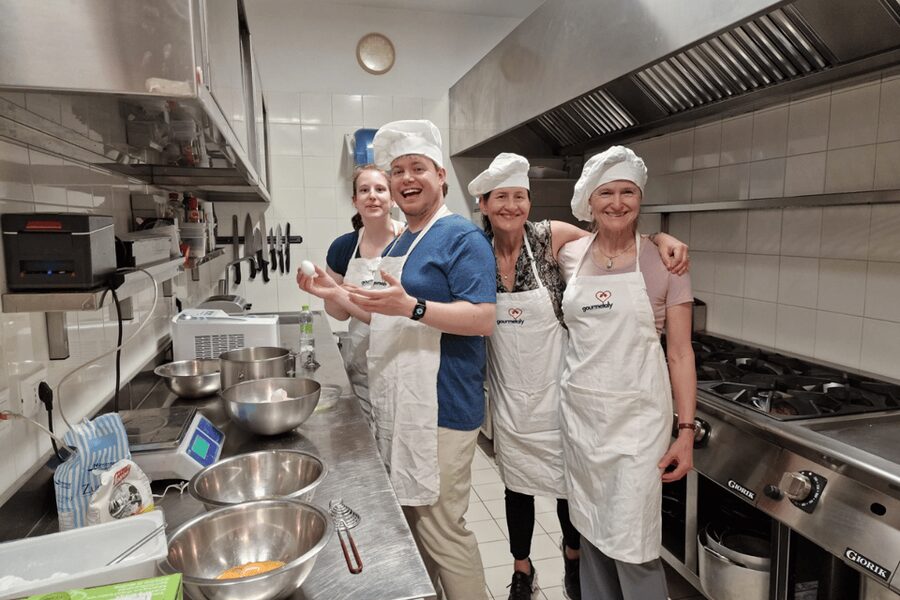
This class is not only about copying a recipe. It also teaches you to pay attention to ingredients.
The focus on fresh and organic products is helpful because tiramisu can look simple on paper. There are not many components, so each one matters. The flavor of the coffee, the quality of the dairy ingredients, the freshness of the eggs, and the texture of the biscuits all affect the finished dessert.
The same principle applies to sorbet. Seasonal fruit gives you a better starting point than heavily processed flavoring. You learn to judge ingredients before you begin, a habit that will help when you try the recipes in your own kitchen.
I especially like this practical angle for visitors who already enjoy cooking. You are not just collecting a recipe. You are learning what to look for at the market and how to make sensible choices when the exact ingredients are not available at home.
Tasting the finished tiramisu and sorbet
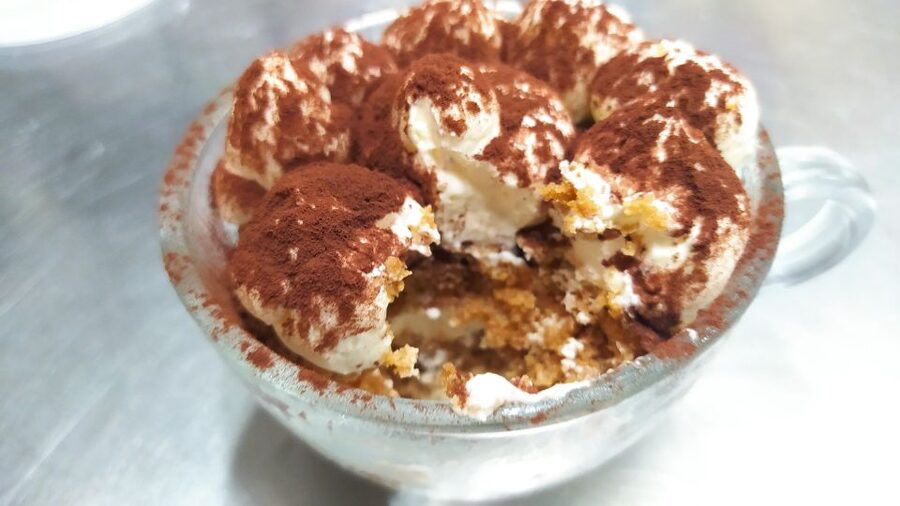
The tasting comes after the work, so you can appreciate the result in context. You have seen the biscuit go from raw mixture to finished base, and you have built the dessert yourself.
Tiramisu is a forgiving dessert in some ways, but it is also easy to make too wet or too heavy. The class gives you a chance to notice how the components work together. The best outcome is not simply sweetness. You want a soft but structured biscuit, a creamy filling, and enough coffee flavor to keep the dessert from becoming flat.
The sorbet offers a useful contrast. It is fruit-forward, lighter in texture, and water-based. Tasting both desserts in the same session shows how different techniques can produce two very different Italian sweets.
One participant called the finished tiramisu the best they had eaten. That is a strong personal reaction, not a promise you should treat as a guarantee. Still, the enthusiasm makes sense: a dessert made from scratch, eaten shortly after preparation, has an appeal that a packaged sweet cannot match.
Is the $80 price good value?
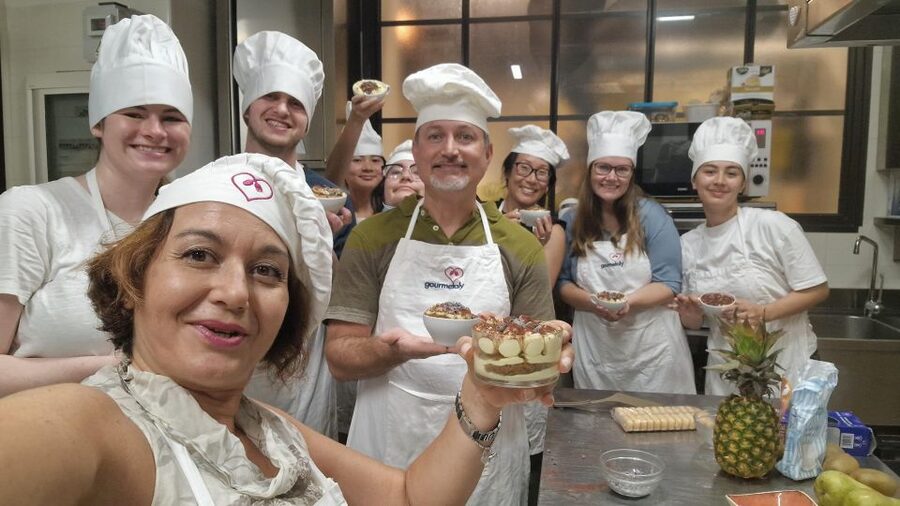
At $80 per person, this is not the cheapest way to eat tiramisu in Rome. You can buy a dessert for far less. The question is what you are paying for.
The price includes a professional chef, an English-speaking local guide, a small-group lesson, food tasting, and the recipes. You are also paying for access to a working tiramisu shop and for instruction in two recipes rather than one.
I consider the price reasonable if you want an activity, not just a snack. The class takes about two and a half hours, gives you direct kitchen time, and leaves you with techniques you can repeat. It can also work well for a family or a small group that wants an indoor activity centered on food.
The value is weaker if you only want to sample Roman desserts. In that case, a dessert crawl will give you more variety for less money. This class makes sense when you want to learn, cook, and take something practical home.
Timing, meeting point, and what to bring
The class is available daily except Sundays. Starting times vary, so you need to check availability before booking.
You meet at the corner with Via Natale del Grande. Transportation to and from the meeting point is not included. Plan your route before the class and allow enough time to arrive without rushing, especially since the activity begins at a specific meeting location rather than collecting you from your hotel.
Large bags and luggage are not allowed. Bring only what you need for the class, and avoid arriving with suitcases or bulky shopping bags.
The activity is conducted in English. It is a kitchen lesson, so expect to stand and work with ingredients. The experience is not suitable for people with mobility impairments, wheelchair users, or people with epilepsy. It is also listed as unsuitable for pregnant women and babies under 1 year.
Cancellation is flexible up to 24 hours before the start time for a full refund. You can also reserve now and pay later, which is useful if your Rome schedule is still changing.
Who will enjoy this most?
I would recommend this class to you if you enjoy food and want more than a passive tasting. It is a good fit for:
- Couples looking for a relaxed indoor activity
- Families with older children and an accompanying adult
- Small groups who enjoy cooking together
- Visitors who want a recipe they can repeat at home
- Dessert fans who want to understand tiramisu from the biscuit upward
- Vegetarians who want an alcohol-free Italian sweet
You may want to choose another activity if you are vegan, lactose intolerant, gluten-free, or need wheelchair access. A private class may be possible for some dietary requirements, but you must contact the provider for a quote and confirmation before booking.
The class is also not ideal if you dislike hands-on cooking or have limited time. Two and a half hours is a substantial part of an afternoon, and the value comes from taking part in the process.
Should you book the Rome tiramisu class?
Book it if you want to make two desserts, work with a chef, and leave Rome able to prepare tiramisu from scratch. The strongest features are the baked savoiardi, the small-group instruction, the fruit sorbet, and the practical home-cooking advice.
I would be especially interested if Camilla or Federica is leading the session, since both have been praised for patient, clear instruction. Still, the teacher may vary, so confirm the details if a particular instructor matters to you.
Skip it if you only want a quick dessert, need strict dietary accommodation, or cannot manage a standing kitchen activity. For everyone else, $80 buys a solid food experience with a useful result: you eat the lesson, then take the recipe home.
FAQ
How long does the tiramisu and gelato class last?
The activity lasts 2.5 hours. The cooking lesson itself takes approximately two hours, followed by tasting and the recipes.
What desserts will I make?
You will make tiramisu from scratch, including the savoiardi biscuits, and a fruit-based gelato sorbet.
Is the tiramisu suitable for vegetarians?
Yes. The tiramisu is alcohol-free and suitable for vegetarians.
Is the class suitable for vegans or people with lactose intolerance?
The standard activity is listed as unsuitable for vegans and people with lactose intolerance. A private class may be possible for some dietary requirements, so contact the provider before booking.
Where is the meeting point?
You meet at the corner with Via Natale del Grande. Transportation to and from attractions is not included.
Does the class run every day?
The class is available daily except Sundays. Starting times vary, so check availability for your chosen date.
Just added around Rome
- Rome: Pasta and tiramisu class with wine pairing at Come Na Vorta★ 5.0 · 30 reviews
- Spritz and Pasta! Spritz, Fettuccine & Tiramisù★ 5.0 · 2 reviews
- Rome: Vespa Tour with Photographer and Tiramisu treat★ 4.5 · 61 reviews
- Walking Tour & Pizza Making★ 4.0 · 2 reviews
- Trastevere Food Tour with Pasta-Making Class★ 5.0 · 5 reviews
- Rome: Private Vespa Tour and Professional Photoshoot★ 5.0 · 22 reviews
- Traditional Pasta Cooking Class with Tiramisu Small Group★ 5.0 · 7 reviews
- Tiramisu and Gelato Creation in Authentic Roman Dessert Workshop★ 4.5 · 3 reviews
Rome Pasta Classes, compared.
3 in 1 Cooking Class near Navona: Fettuccine, Ravioli & Tiramisu
Read our review →
Pasta & Tiramisu Class with Fine Wine by the Vatican
Read our review →
Pasta Making Class with Wine, Limoncello, and Dessert
Read our review →
Rome Cooking Class: Make Pasta and 3 Spritz Cocktails
Read our review →
3-in-1 Fettuccine, Ravioli, and Tiramisu Cooking Class
Read our review →
Fettuccine Pasta Cooking Class in Rome’s City Center
Read our review →
Learn to Make Pasta & Tiramisu with Wine and Limoncello Included
Read our review →
Become a Masterchef in Rome: Pasta, Ravioli and Tiramisù Class
Read our review →Browse the lists this tour appears in