
REVIEW · ROME
Rome: Homemade Pasta and Tiramisu Cooking Class
Roman pasta is wonderfully direct: flour, water, patient hands, and a good sense of proportion. At Osteria San Giorgio, you learn to turn those basics into several pasta shapes, then make tiramisu and sit down to eat the results. It is a cooking class with dinner built in, not a demonstration where you watch someone else do all the work.
I like the hands-on pasta work, especially the chance to compare pappardelle, tagliatelle, and tonnarelli rather than treating all long pasta as the same. I also like the relaxed teaching style reported from instructors including Kristian, Luca, and Elisabetta, plus the useful advice on ingredients and Roman food culture. The main consideration is dietary: this class is not suitable for vegans or anyone avoiding gluten or lactose.
Key points to know before booking
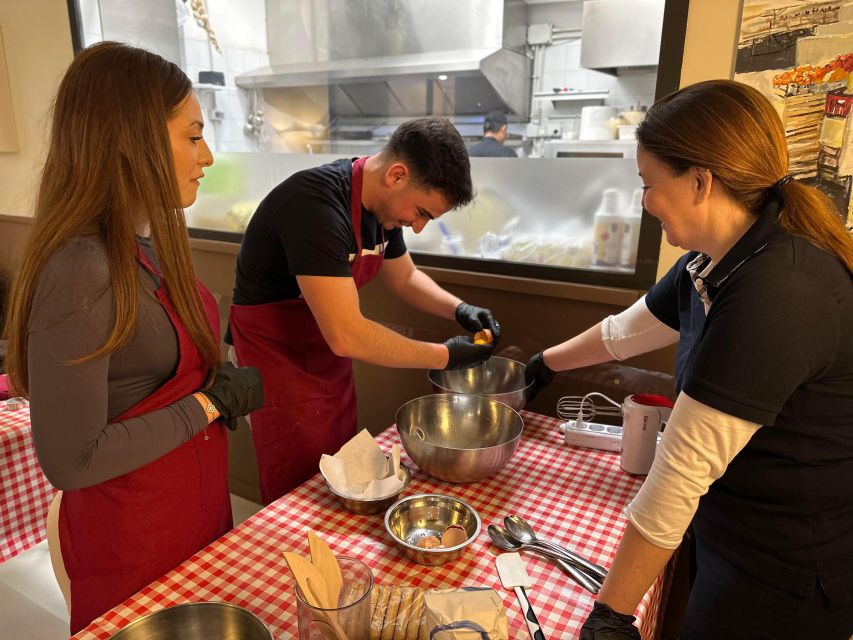
- You make two Roman staples: handmade pasta and espresso-dipped tiramisu.
- You work with the dough yourself: mixing, kneading, rolling, and hand-cutting are part of the class.
- The pasta lesson goes beyond one recipe: you learn the differences among pappardelle, tagliatelle, and tonnarelli.
- Your meal follows the lesson: eat what you prepare at the restaurant with a glass of wine.
- The teaching is in English: named instructors have included Kristian, Christian Simeoni, Luca, and Elisabetta.
- The class suits families and couples: children enjoyed it with their parents, and some sessions have been small enough to feel almost private.
Starting at Osteria San Giorgio in Rome
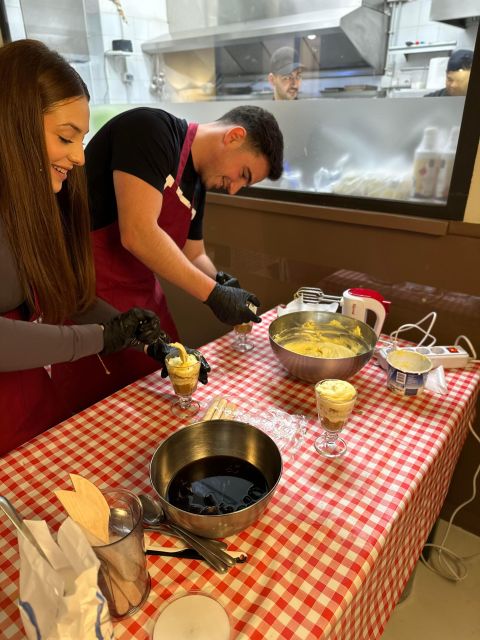
Your meeting point is Osteria San Giorgio, a traditional restaurant in Rome. That setting matters. You are not simply making pasta in an anonymous classroom and then heading elsewhere for lunch. The restaurant staff prepare the space and serve the food you have made, giving the lesson a natural finish at the table.
The session lasts 2.5 hours. That is enough time to work through both recipes without turning the afternoon into an all-day project. You should expect a steady sequence: introduction and food background, pasta dough, shaping and cutting, tiramisu, then the meal.
The class is conducted in English. Instructors have included Kristian, Christian Simeoni, Luca, and Elisabetta, with several particularly noted for clear explanations, patience, and an easy manner. The exact teacher can vary, so do not book solely because you hope for one named instructor. Still, the range of feedback suggests a consistent teaching focus rather than a rushed restaurant add-on.
Some sessions may be small. One couple found that they were the only participants and received what amounted to a private lesson. That is a pleasant possibility, not something you should assume. A smaller group gives you more time to ask questions, while a larger one can feel more social.
More Fresh Pasta Workshops in Rome
- Rome: Pasta Making Class with Wine, Limoncello, and Dessert
★ 4.9 · 3,177 reviews - Enjoy Spritz and Pasta Making in Piazza Navona
★ 5.0 · 1,681 reviews - Pasta Making & Wine Tasting with Dinner in Frascati from Rome
★ 5.0 · 1,326 reviews
Mixing flour, water, and Roman know-how
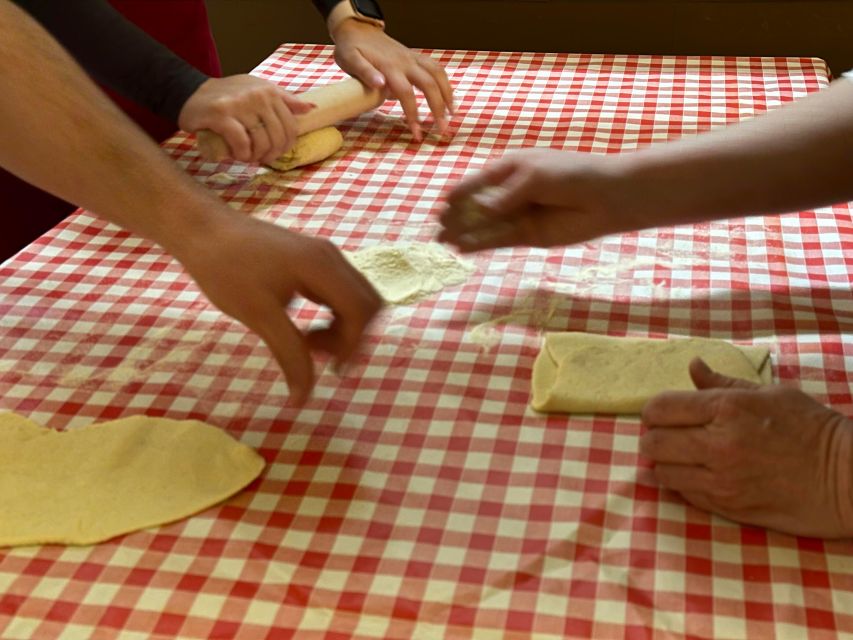
The pasta portion begins with the basics. You mix flour and water, then knead the dough by hand. This is the useful part of the lesson, because pasta dough can look simple on paper but still behave differently depending on its texture and handling.
You learn to judge the dough as you work rather than blindly follow a printed recipe. The instructor also explains how to choose better ingredients and what matters when you shop at home. Those tips are likely to serve you more often than a single memorized formula.
The cultural side is part of the appeal. You hear about the place of pasta in Italian food and the background behind the recipes. The lesson connects the physical work at the table with everyday cooking habits in Italy. It is a modest but worthwhile change from simply ordering cacio e pepe or carbonara at a restaurant and wondering how the pasta reached the plate.
The class is interactive, so you should be ready to get your hands involved. This is not the right choice if you want to sit back with a glass of wine while a chef does the work. For most people, that is the point. Pasta becomes easier to understand once you have felt the dough resist, soften, and take shape.
Pappardelle, tagliatelle, and tonnarelli
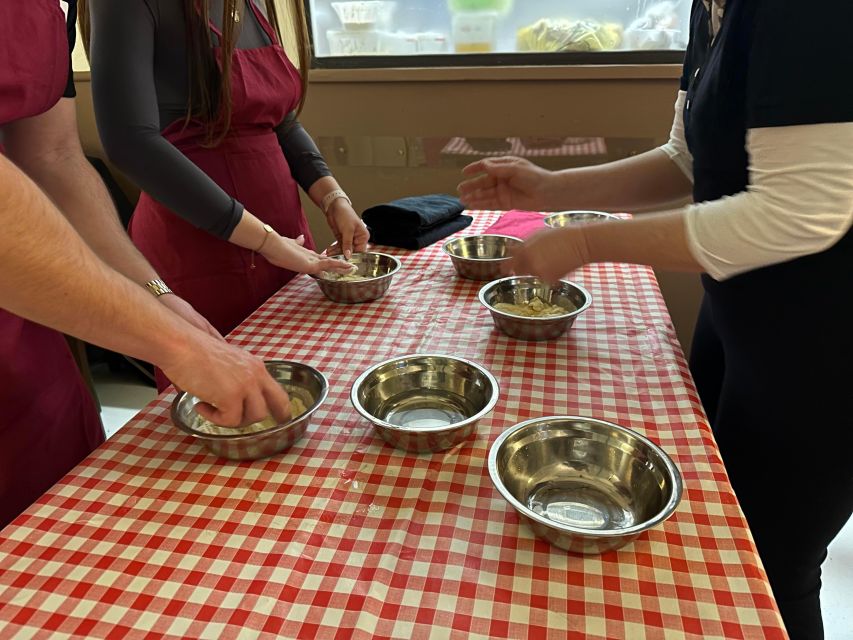
The lesson covers three pasta forms: pappardelle, tagliatelle, and tonnarelli. Their names can blur together on a menu, but their shape and thickness affect how they eat and what sauces suit them.
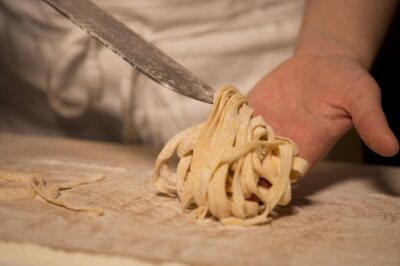
Pappardelle is broad and substantial. Tagliatelle is narrower, while tonnarelli has a different, more substantial profile that gives it a firm bite. You hand-cut the pasta, which helps you see the difference instead of simply accepting three labels from a menu.
This is one of the class’s best features for a home cook. You leave with a better feel for how wide to cut the strands and how the finished pasta should look. You also gain enough confidence to make the process less intimidating when you try it again.
Do not expect professional precision on your first attempt. That would miss the point. The value is in learning what good dough feels like, how to roll it, and how to recover when your cuts are uneven. Homemade pasta is forgiving in spirit, and a slightly imperfect strand still makes a very satisfying meal.
Making tiramisu without fuss
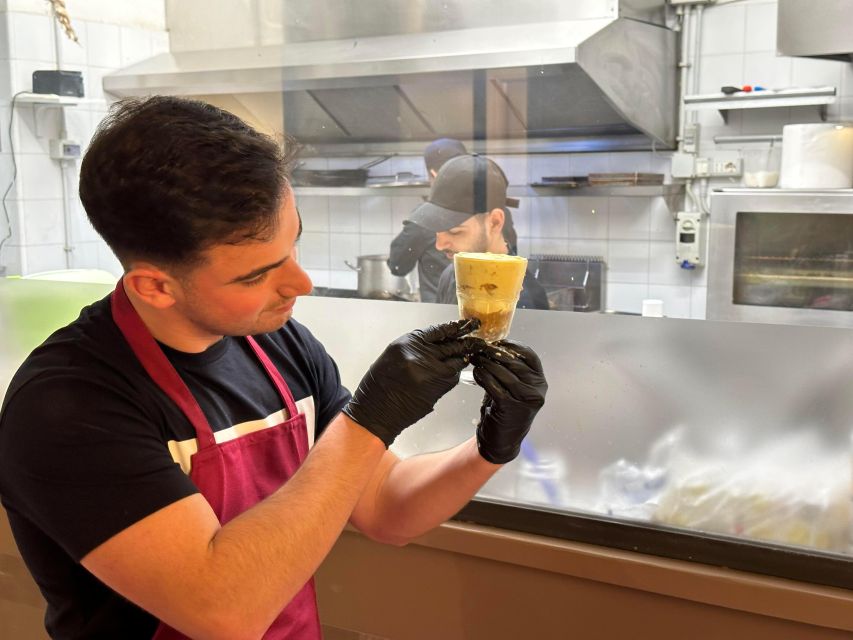
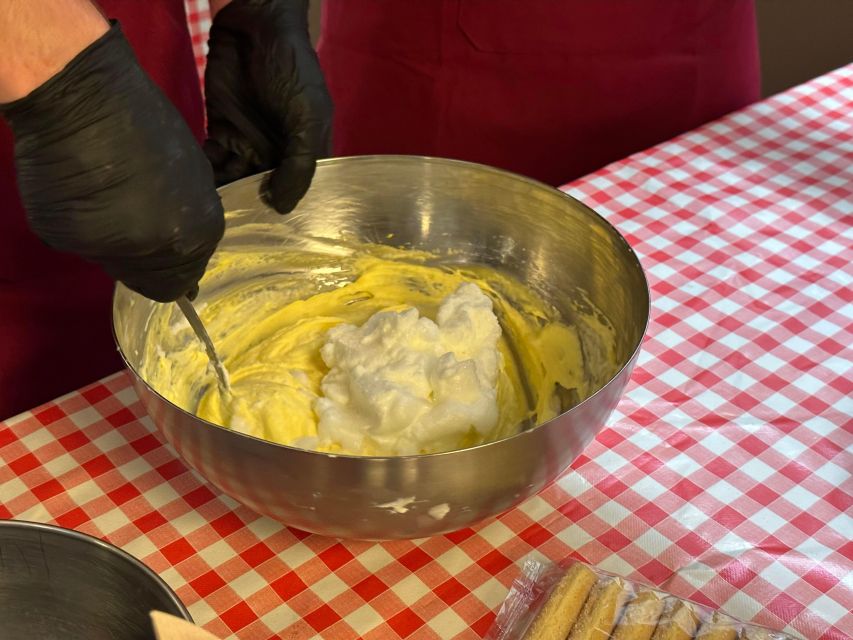
After the pasta, the class turns to tiramisu. The dessert uses espresso-dipped components and a creamy mixture, with the instructor explaining the steps that produce the right texture.
This is a good pairing with the pasta lesson because it changes the pace. Pasta requires kneading and cutting, while tiramisu calls for careful assembly and attention to balance. You learn that a classic Italian dessert does not need a long list of ingredients to taste special. The method matters.
The tiramisu section also works well for first-time cooks. One participant who had rarely cooked found the pasta manageable and the dessert especially enjoyable. That makes this a sensible choice if one person in your group cooks often and another normally stays away from the kitchen.
You should not expect a pastry-school lesson. The focus is on a classic, repeatable recipe that you can make at home. The useful takeaway is knowing how to handle the espresso-dipped layer and prepare the creamy portion without overcomplicating it.
More Tiramisu Classes in Rome
- 3 in 1 Cooking Class near Navona: Fettuccine, Ravioli & Tiramisu
★ 5.0 · 7,376 reviews - Rome: Pasta & Tiramisu Class with Fine Wine by the Vatican
★ 4.9 · 4,852 reviews - Rome: 3-in-1 Fettuccine, Ravioli, and Tiramisu Cooking Class
★ 4.9 · 2,704 reviews - Learn to Make Pasta & Tiramisu with Wine and Limoncello Included
★ 5.0 · 2,345 reviews
From worktop to restaurant table
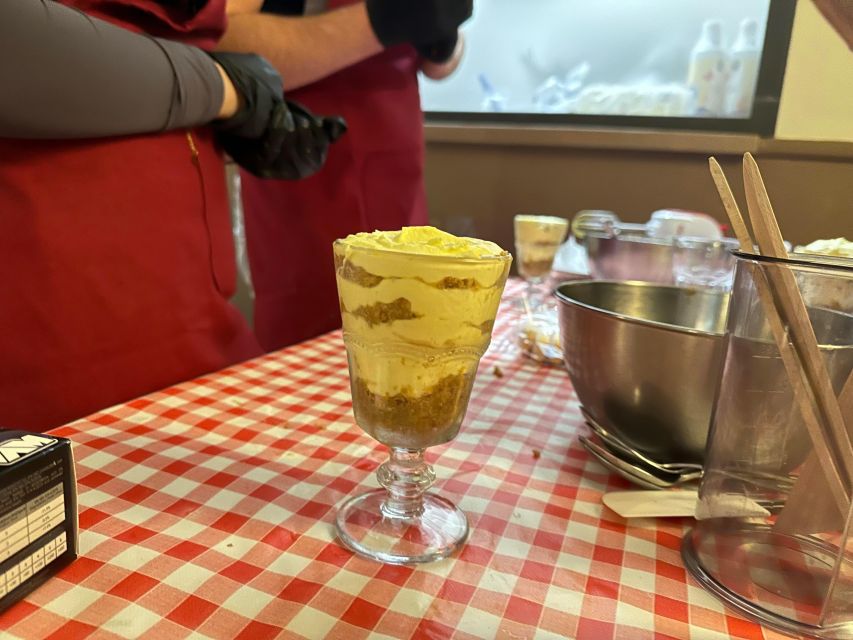
Once the cooking is done, you eat what you made at Osteria San Giorgio. The meal includes your pasta, your tiramisu, water, and a glass of wine.
This built-in meal gives the class good value. At $65 per person, you are paying for instruction, ingredients, utensils, drinks, and a cooked meal rather than just a short lesson. A Roman pasta plate, dessert, and wine would already take a portion of that price in a restaurant, while the practical instruction gives you something to take home.
The wine is a simple but welcome touch. It makes the end of the class feel like dinner rather than a school exercise. You can also use this time to ask about Rome, Italian cooking, and local places to eat. Kristian was especially appreciated for sharing local recommendations and extra recipes, while other instructors have been praised for discussing food culture as they taught.
The atmosphere is generally friendly and relaxed, but it remains a working restaurant. One participant felt uncomfortable when kitchen staff watched closely during the cooking. That may not bother you, and it could simply reflect staff keeping an eye on the class, but anyone who prefers a completely private studio should keep the restaurant setting in mind.
What the teaching is really like
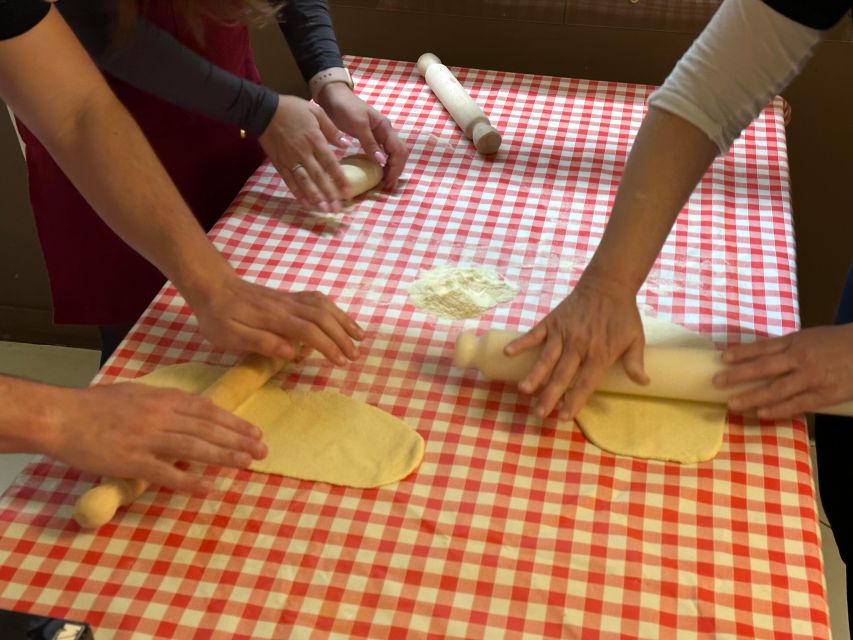
The strongest pattern in the feedback is the instructors’ manner. Kristian was described as personable, kind, and easygoing. Christian Simeoni was praised for combining food knowledge with a relaxed teaching style. Luca was noted for his enthusiasm and command of the subject, while Elisabetta was described as patient, thorough, and engaging.
That range of names is useful because it tells you what the class aims to deliver: clear guidance with conversation around the food. You can ask questions about Rome and daily life in Italy while your dough rests or your dessert comes together.
The teaching also seems adaptable. Parents took children, couples worked side by side, and first-time cooks managed the recipes. You do not need advanced kitchen skills. You need a willingness to follow instructions and handle flour.
Still, the class is not a private cooking consultation. The instructor must share attention among the people present, and the pace may feel different depending on group size. If you want to spend a long time perfecting one pasta shape, this may feel too broad. If you want an approachable introduction to several staples, the variety is a strength.
Who will get the most from this class
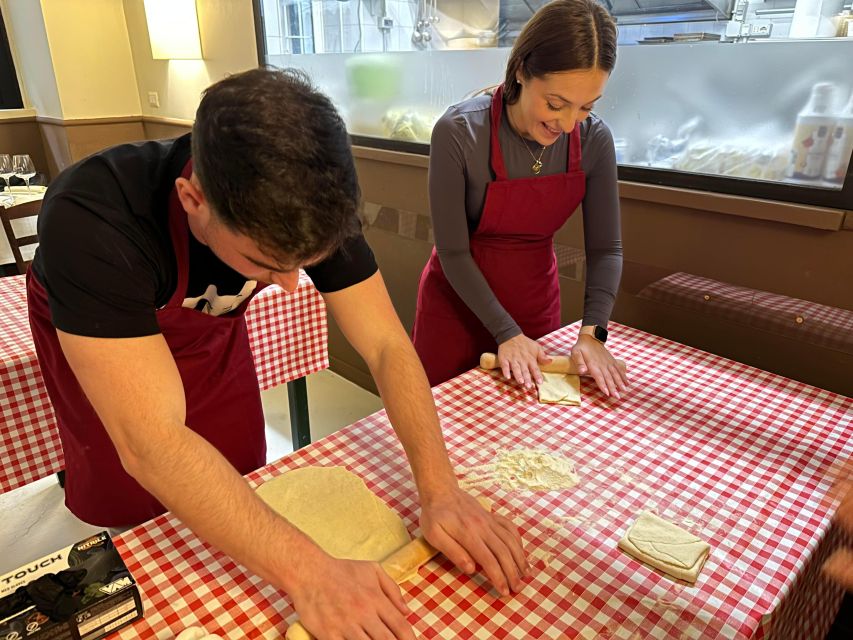
I would recommend this class to couples looking for an activity that is more personal than another restaurant meal. You work together, make something tangible, and then eat it. It is also a good fit for families, since children can take part in shaping and cutting while learning where their food comes from.
It suits curious eaters who want context with their meal. The class covers food traditions, ingredient choices, and recipe background, so you get more than a list of steps.
It is also useful for a first cooking class. The recipes are familiar, the ingredient list is not described as complicated, and the instructor guides you through each stage. You do not need to arrive with experience.
This is a poor match for anyone with dietary restrictions listed by the provider. It is not suitable for vegans, people with gluten intolerance, or people with lactose intolerance. The activity is built around traditional pasta and tiramisu, so do not assume substitutions will be available.
Price, timing, and practical details
The $65 price is reasonable for a 2.5-hour experience that includes an instructor, ingredients, utensils, water, wine, and the meal you prepare. Its value is strongest if you want both food and an activity. If you only want a cheap pasta dinner, a restaurant may cost less. If you want to learn and eat at the same time, the package makes sense.
Starting times vary, so check availability when you book. You meet at Osteria San Giorgio rather than arranging separate transportation to a second dining venue. That keeps the evening simple.
The activity is wheelchair accessible. Cancellation is free up to 24 hours before the class for a full refund, and you can reserve now and pay later. These policies are useful if your Rome schedule is still shifting, but they should not replace checking the exact booking terms shown for your date.
Plan to leave enough room in your schedule for the full 2.5 hours. You will be handling dough, preparing dessert, and eating afterward, so this is not a quick stop between two timed sightseeing visits. It works best as a relaxed afternoon or evening plan.
What you take home
The best souvenir is not a container of pasta. It is a better understanding of the process.
You learn how dough should feel, how to roll and cut several shapes, how ingredients affect the result, and how to make a classic tiramisu. Those are practical skills you can use in your own kitchen. The class also gives you a story to tell when you cook the recipes for friends or family at home.
Do not expect to recreate restaurant-level pasta immediately. Your first batch may be uneven, and your tiramisu may need another try before the texture feels right. But the class gives you a clear starting point, which is often what stops people from trying homemade pasta in the first place.
The food culture discussion adds another layer. You come away understanding that Italian cooking is often less about elaborate equipment and more about choosing sound ingredients, using a few techniques properly, and respecting the food.
Should you book the Rome pasta and tiramisu class?
Book it if you want a friendly, practical food experience with a meal at the end. The strongest reasons are the hands-on dough work, the comparison of three pasta shapes, the approachable tiramisu lesson, and the chance to learn from English-speaking instructors such as Kristian, Luca, and Elisabetta.
The $65 cost is fair for the instruction, meal, wine, and supplies. I would choose it for a couple, a family, or anyone who wants a break from sightseeing without giving up a taste of Rome.
Skip it if you are vegan, gluten-free, lactose-intolerant, or hoping for a highly specialized culinary course. Also think twice if you dislike cooking in a restaurant environment. For everyone else, this is a solid way to turn two classic Roman dishes into skills you can use long after you leave Italy.
FAQ
Where does the cooking class take place?
The class takes place at Osteria San Giorgio in Rome, in the Lazio region of Italy.
How long does the experience last?
The cooking class lasts 2.5 hours.
What will I learn to make?
You will learn to make handmade pasta and tiramisu. The pasta lesson includes pappardelle, tagliatelle, and tonnarelli.
Is the class taught in English?
Yes. The instructor teaches in English.
What is included in the price?
The price includes the cooking class, instructor, ingredients, utensils, water, and one glass of wine.
Can people with dietary restrictions join?
The activity is not suitable for vegans, people with gluten intolerance, or people with lactose intolerance.
Is the experience wheelchair accessible?
Yes, the activity is wheelchair accessible.
Just added around Rome
- Rome: Pasta and tiramisu class with wine pairing at Come Na Vorta★ 5.0 · 30 reviews
- Spritz and Pasta! Spritz, Fettuccine & Tiramisù★ 5.0 · 2 reviews
- Rome: Vespa Tour with Photographer and Tiramisu treat★ 4.5 · 61 reviews
- Walking Tour & Pizza Making★ 4.0 · 2 reviews
- Trastevere Food Tour with Pasta-Making Class★ 5.0 · 5 reviews
- Rome: Private Vespa Tour and Professional Photoshoot★ 5.0 · 22 reviews
- Traditional Pasta Cooking Class with Tiramisu Small Group★ 5.0 · 7 reviews
- Tiramisu and Gelato Creation in Authentic Roman Dessert Workshop★ 4.5 · 3 reviews
Rome Pasta Classes, compared.
3 in 1 Cooking Class near Navona: Fettuccine, Ravioli & Tiramisu
Read our review →
Pasta & Tiramisu Class with Fine Wine by the Vatican
Read our review →
Pasta Making Class with Wine, Limoncello, and Dessert
Read our review →
Rome Cooking Class: Make Pasta and 3 Spritz Cocktails
Read our review →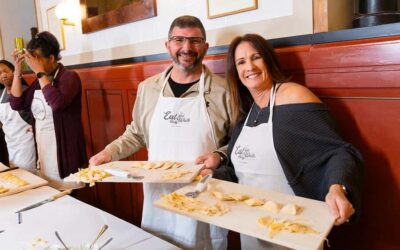
3-in-1 Fettuccine, Ravioli, and Tiramisu Cooking Class
Read our review →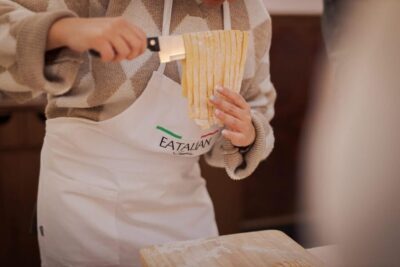
Fettuccine Pasta Cooking Class in Rome’s City Center
Read our review →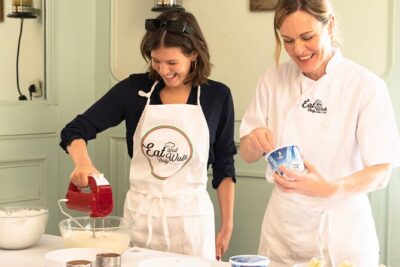
Learn to Make Pasta & Tiramisu with Wine and Limoncello Included
Read our review →
Become a Masterchef in Rome: Pasta, Ravioli and Tiramisù Class
Read our review →Browse the lists this tour appears in