REVIEW · TIRAMISU CLASSES
Rimini: Pasta & Tiramisu Cooking Class at a Local’s Home
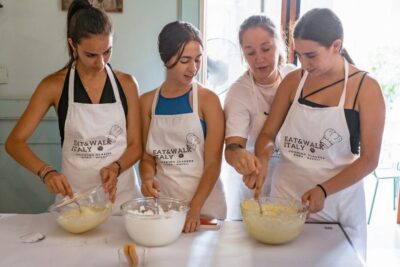
Fresh pasta, tiramisu, and a family dining table: this Rimini cooking class gives you a taste of Emilia-Romagna that no restaurant menu can quite match. You learn to roll sfoglia by hand, prepare two pasta dishes, and finish with tiramisu in a real local home.
I like the hands-on format and the generous meal that follows. I also like that the host can share old family recipes, local wines, olive oils, and stories about the food. The main thing to consider is that the address is private until you book, and the final host may be some distance from your accommodation.
Key points to know before booking
- You make two kinds of fresh pasta: Learn to roll dough by hand and shape two classic pasta recipes from scratch.
- Tiramisu is part of the class: Dessert is not an afterthought. You prepare the famous coffee and mascarpone treat yourself.
- The setting is a real home: Cesarine connects you with local cooks such as Patrizia, Max, Giacomo, or Tatiana.
- The cooking becomes a full meal: Your pasta and tiramisu are served with prosecco, nibbles, wine, water, and coffee.
- The experience lasts three hours: It is long enough for cooking, conversation, and a relaxed sit-down meal.
- Food needs planning: Share allergies, intolerances, your neighborhood, and your transport plans when you book.
Why a home kitchen beats another restaurant meal
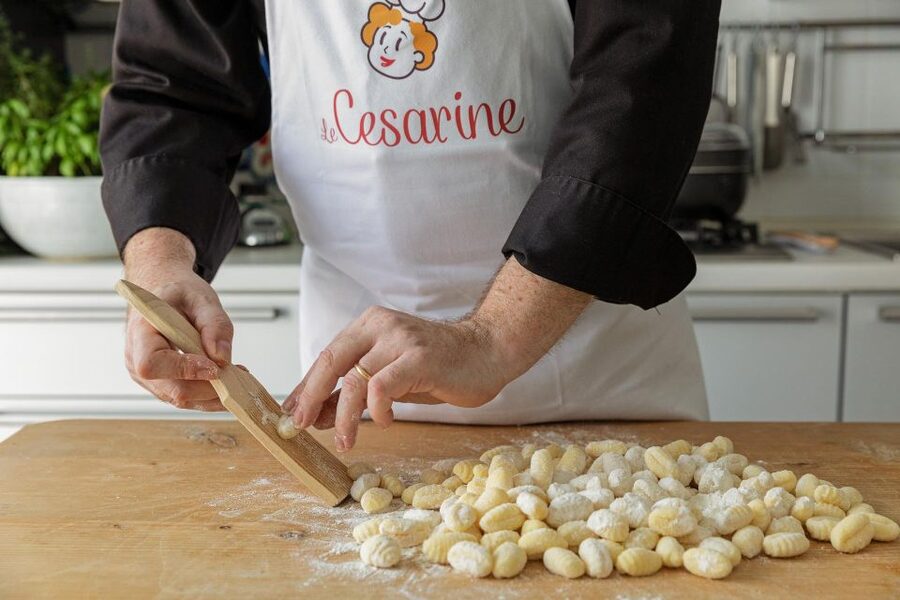
Rimini is famous for its beaches and summer energy, but Emilia-Romagna’s real calling card is food. This region gave Italy much of its fresh-pasta tradition, and a home kitchen lets you see how that tradition works in practice.
At a restaurant, you can order tagliatelle or ravioli. Here, you handle the flour, eggs, dough, and rolling pin. That small change matters. You learn why the dough needs patience, how thin the sheet should be, and how pasta texture changes when it is made by hand.
I also like the social side. This is a shared class, not a private cooking lesson by default. You cook with other people who are interested in Italian food, then sit down together to eat what you made. If you enjoy meeting people over a meal, the format feels natural. If you prefer quiet sightseeing or a tightly timed tour, three hours in a home may feel like a long commitment.
The class is operated through Cesarine, a network of Italian home cooks working in more than 500 cities. The hosts cook from family recipes and focus on regional food rather than a generic Italian menu. That is the important distinction: you are not simply following a cooking-school recipe. You are being shown how a local family approaches familiar dishes.
More Tiramisu Classes in Italy:
- 3 in 1 Cooking Class near Navona: Fettuccine, Ravioli & Tiramisu
★ 5.0 · 7,376 reviews - Florence: Pasta & Tiramisu Cooking Class with Unlimited Wine
★ 4.9 · 6,708 reviews - Rome: Pasta & Tiramisu Class with Fine Wine by the Vatican
★ 4.9 · 4,852 reviews
Arriving at the local host’s home
You do not receive the full address before booking. That protects the host’s privacy, but it means you need to plan ahead once your reservation is confirmed.
Cesarine asks for three useful details:
- Any food allergies or intolerances
- The neighborhood where you are staying
- How you plan to reach the home
Send this information at booking or by email with your name and reservation reference. The operations team then sends the host’s full address and telephone details.
That transport question is worth taking seriously. The class does not begin at a fixed public meeting point listed in the supplied information, so you should not assume the home is beside Rimini’s main sights or railway station. Once you know the address, check the route and allow enough time. One host helped a participant work out transport, but that kind of assistance should be treated as helpful support rather than a guaranteed transfer service.
The private-home format is part of the charm, but it also means you need to be comfortable with a little uncertainty before the final details arrive. You may meet a host in a city apartment, a family home, or a farmhouse outside town. The exact atmosphere depends on the person matched to your booking.
The welcome: prosecco, nibbles, and a friendly start
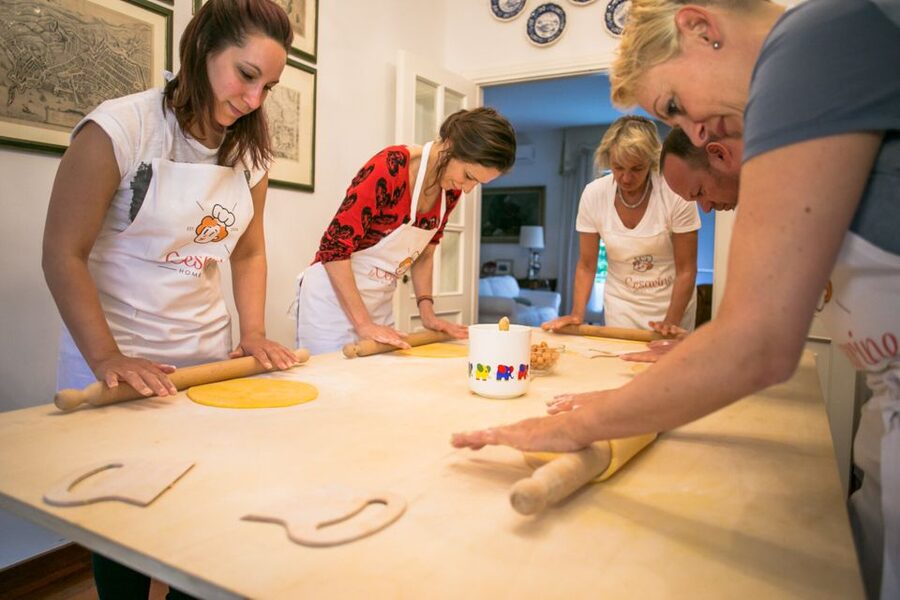
The class begins with an Italian aperitivo of prosecco and small nibbles. This is more than a quick drink before the work starts. It gives you time to meet the host and the other people at the table, settle into the home, and hear what you will be preparing.
The hosts are expected to speak Italian and English, so you can follow the instruction without needing advanced Italian. Still, this is a food experience, not a formal lecture. You will likely learn through watching, copying, asking questions, and handling the ingredients yourself.
The personal touch can be considerable. Tatiana decorated her home with balloons for a birthday class, while Patrizia’s family helped make another gathering feel warm and personal. Max welcomed people with his family and shared dinner at the end. These details show how much the tone can depend on the host.
That is both a strength and a limitation. You are booking a style of experience rather than one named chef. You may be paired with Patrizia, Giacomo, Max, Tatiana, or another Cesarine cook. Each host brings a different family story and teaching style.
Rolling sfoglia by hand
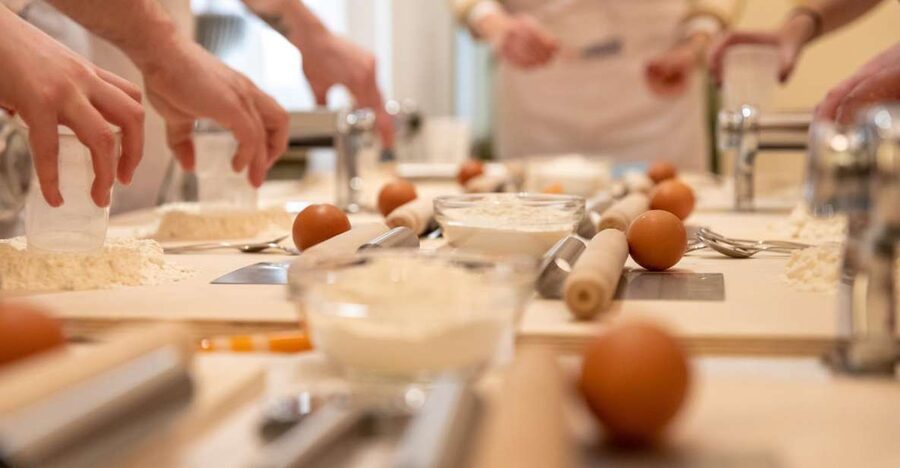
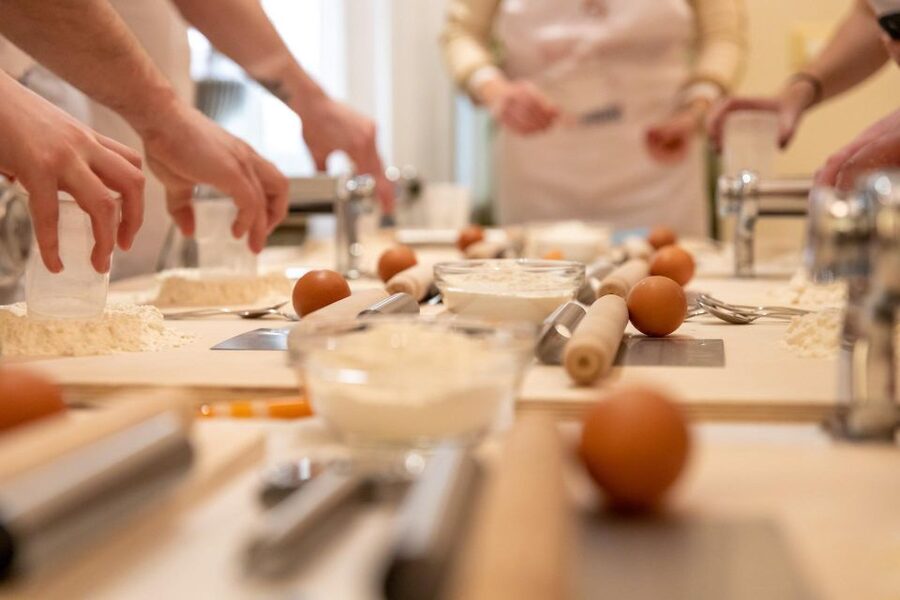
The heart of the class is the fresh pasta lesson. You learn how to make and roll sfoglia, the thin sheet of pasta used in many northern Italian dishes.
This is the part where you should expect to get involved. You are not just watching a demonstration while someone else does the difficult work. You work with the dough and learn how it changes as it is kneaded and rolled.
The host shows you how to reach the right thickness and how to turn the sheet into two different pasta types. The exact shapes may vary by host. Some classes have included ravioli, while another included several pastas and piadina alongside the planned dishes. The core promise remains two iconic pasta preparations made from scratch.
I like that the lesson has a clear practical payoff. You leave with techniques you can try at home, not just a pleasant memory of someone else cooking. The class also gives you a better sense of why fresh pasta has a different bite from dried pasta.
Do not expect restaurant-perfect results on your first attempt. That is part of the fun. Pasta dough can be sticky, stubborn, or uneven when you are learning. A good host will correct your technique and help you keep moving. Giacomo, in particular, is described as a pasta specialist with strong storytelling skills, while Patrizia is praised for clear instruction and older family recipes.
A few more classes around Italy worth a look
- Florence: Pasta Cooking Class with Unlimited Wine
★ 4.9 · 10,285 reviews - Florence Pizza or Pasta Class with Gelato Making at a Tuscan Farm
★ 5.0 · 6,801 reviews - Florence: Pasta Cooking Class with Unlimited Wine
★ 5.0 · 6,413 reviews - Naples: Pizza-Making Workshop with Drink and Appetizer
★ 4.9 · 5,411 reviews
Preparing two pasta recipes
After the dough is ready, you prepare two different pasta dishes. The recipes are described as simple, but simple does not mean dull. In Italian cooking, a short ingredient list puts the focus on dough, texture, timing, and the quality of the sauce.
You should expect to help with the preparation rather than merely watch. The point is to understand the full path from raw ingredients to a finished meal. Depending on your host, the dishes may include pasta shapes such as ravioli or other regional preparations.
The exact recipes are not fixed in the booking information, so do not reserve this class if you need one particular shape or sauce. Instead, think of the menu as a local introduction that may change with the host and family cookbook.
That flexibility is a plus for curious eaters. Giacomo has prepared homemade ragu, and other hosts have served sauces, appetizers, and local olive oils. The meal can therefore teach you about more than pasta itself. You may hear why one sauce suits one shape, how a family makes its filling, or which ingredients are common in the area.
The three-hour schedule gives the cooking enough breathing room. You can ask questions and eat afterward without feeling pushed out the door. It also means this is not the right pick if you want a quick demonstration between sightseeing stops.
Making tiramisu from a family recipe
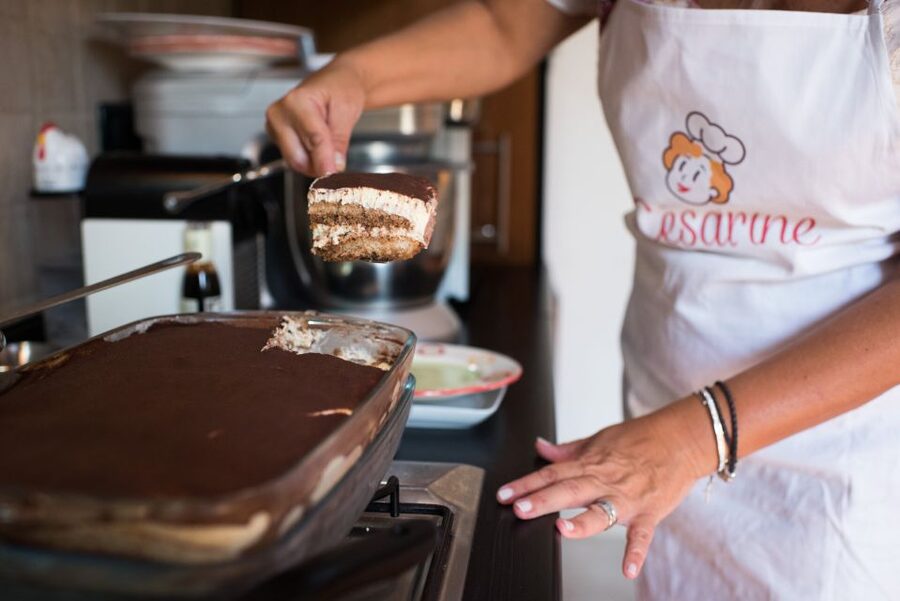
Tiramisu provides a relaxed finish to the cooking work. You learn to prepare the dessert yourself, then serve it after the pasta meal.
The class does not promise one fixed tiramisu recipe. That is useful because Italian families often have their own way of balancing coffee, mascarpone, biscuits, and sweetness. Some hosts may use an old family recipe, as Patrizia did in one class that also included homemade pasta and ravioli.
This section is likely to suit people who enjoy cooking but do not want the whole activity to focus on technical pasta work. Tiramisu is familiar, approachable, and easy to connect with once you understand the basic method.
The dessert also gives the meal a proper shape. You begin with an aperitivo, move through pasta preparation, sit down to eat the savory dishes, and finish with something you made yourself. Water, wine, and coffee are included, so you do not need to arrange a separate drink stop afterward.
Sitting down to eat what you made
The final meal is where the class becomes a social evening rather than a lesson. You eat the two pasta dishes and tiramisu, with beverages included.
The hosts may serve the food with local wine, homemade ragu, appetizers, or other family touches. One farmhouse class included extra appetizers, local wines, and olive oils. Another ended with dinner shared with the host’s family. These additions are not separate promises for every booking, but they show the kind of personal welcome the format can offer.
I like the simple idea behind the meal: you taste the results while the techniques are still fresh in your mind. You can compare the pasta you shaped with the way the host finishes it, ask questions about the sauce, and talk through the recipes while eating.
The table setting also changes the mood. You are not rushing through a plate at a restaurant. You are sharing food with the person who taught you how to make it. For many people, that family-style meal will be the best part of the experience.
Still, keep your expectations flexible. A private-home class is not a restaurant with a standard menu, professional service, and identical results every night. The food should be the focus, but the setting and meal can vary with the host, home, and group.
What the $116 price includes
At $116 per person, this is not the cheapest way to eat pasta in Rimini. You can certainly find a less expensive restaurant meal. The value comes from combining instruction, ingredients, drinks, and dinner in one three-hour experience.
Your fee includes:
- A class covering two pasta types and tiramisu
- An Italian aperitivo with prosecco and nibbles
- The meal made from your two pasta recipes
- Tiramisu for dessert
- Water, wine, and coffee
I see the price as reasonable if you want a cultural activity as well as food. You are paying for time with a local cook, practical instruction, a complete meal, and the chance to enter a private home. It is less compelling if your only goal is to eat a large dinner cheaply.
The value is also stronger for couples, families, and small groups celebrating something. Tatiana prepared balloons and decorations for a birthday booking, showing that the home setting can work well for a special occasion. Ask about any particular celebration when arranging the experience, but do not assume every host offers decorations.
Who will enjoy this class most
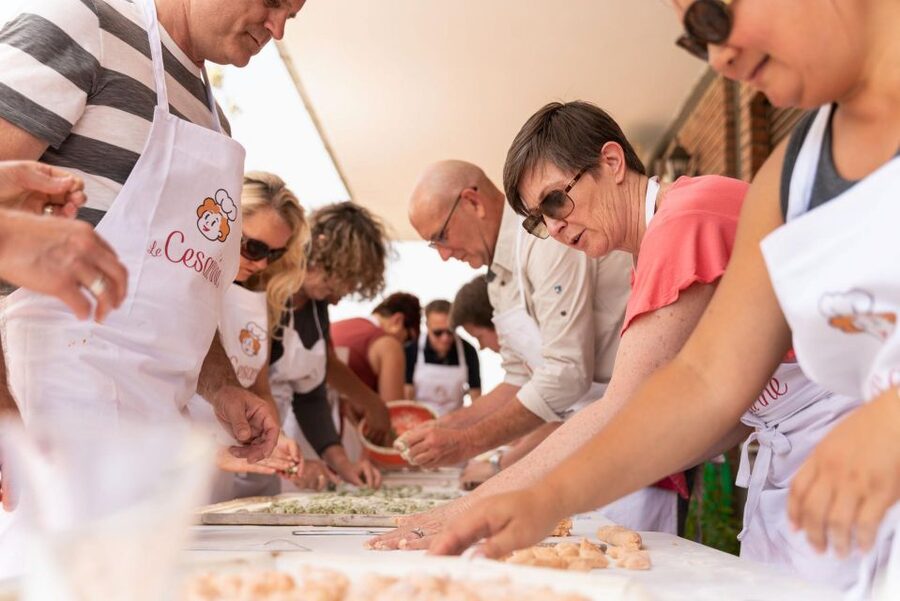
I would recommend this experience to you if you like food, conversation, and practical activities. It suits people who want a more personal side of Emilia-Romagna and families who want an activity that works across different ages, provided everyone can take part safely in a private home.
It is also a good choice if you want to bring a useful memory home. Fresh pasta is easier to repeat after you have felt the dough and watched a local cook correct your technique. Tiramisu is another recipe you can make for friends soon after returning.
The class may not suit you if you need a fully accessible activity. It is not suitable for wheelchair users. You should also think twice if you dislike shared activities, have a very strict menu requirement, or need the exact address far in advance.
Food allergies and intolerances should be shared before the class. Cesarine specifically asks for this information so it can match you with an appropriate home cook. Do not wait until you arrive to raise a serious dietary concern.
Cancellation, language, and timing
The experience lasts three hours, with starting times based on availability. It is offered in Italian and English.
You can cancel up to 24 hours before the class for a full refund. The reserve-now, pay-later option lets you hold a place without paying at the time of booking, which is useful when your Rimini plans are still moving around.
Since the activity takes place in a private home, leave enough time for the journey after you receive the address. I would avoid scheduling a major museum visit, train departure, or airport transfer immediately afterward. A relaxed evening suits this class better than a tightly packed day.
Should you book this Rimini cooking class?
Book it if you want to do more than order Italian food. The strongest parts are the hand-rolled sfoglia, the chance to learn from a local family cookbook, and the meal shared with the person who taught you.
The variable host is the main point to understand. You may meet Patrizia, Max, Giacomo, Tatiana, or another Cesarine cook, and each home will have its own style. That means the experience is personal rather than standardized.
At $116, the class makes sense for a three-hour food experience with instruction, dinner, wine, prosecco, coffee, and a private-home setting. I would choose it for a birthday, a relaxed evening in Rimini, or a first introduction to Emilia-Romagna cooking. Just provide your food needs early, check the transport route once you receive the address, and arrive ready to roll pasta by hand.
FAQ
How long does the Rimini pasta and tiramisu class last?
The cooking class lasts three hours. This includes the welcome aperitivo, cooking, and the meal of pasta and tiramisu.
What dishes will I learn to make?
You will learn to make two types of fresh pasta and tiramisu. The exact pasta recipes can vary by local host.
Will I make the pasta from scratch?
Yes. The class teaches you how to prepare fresh pasta dough and roll sfoglia by hand before making two pasta preparations.
Is a meal included?
Yes. You eat the two pasta recipes and the tiramisu prepared during the class. Water, wine, and coffee are also included.
Are drinks included?
Yes. The experience includes prosecco and nibbles for the Italian aperitivo, plus water, wine, and coffee during the meal.
Who teaches the class?
The class is hosted by a Cesarine local home cook. Possible hosts mentioned for this experience include Patrizia, Max, Giacomo, and Tatiana, but the assigned host can vary.
What language is the class offered in?
The experience is offered in Italian and English.
When will I receive the host’s address?
The full address and telephone details are provided after booking. Cesarine keeps the home address private beforehand.
Can wheelchair users join the class?
No. The experience is not suitable for wheelchair users.
Just added around Italy
- Volterra: Fresh Pasta Cooking Class at a Tuscan Farmhouse★ 5.0 · 33 reviews
- Vicenza: Pasta & Tiramisu Cooking Class at a Local’s Home★ 5.0 · 5 reviews
- Verona: Tortellini Cooking Class and Lunch with Mamma Ivana★ 5.0 · 20 reviews
- Verona: My Granny’s secrets making gnocchi★ 5.0 · 7 reviews
- Verona: Prosecco and Pasta Making Class at a Local’s Home★ 5.0 · 10 reviews
- Verona: Pasta Cooking Class with Wine Tasting★ 5.0 · 4 reviews
- Verona: Pasta & Tiramisu Cooking Class at a Local’s Home★ 5.0 · 16 reviews
- Valnerina/Pasta cooking class in a 12th century location★ 4.8 · 9 reviews
Tiramisu Classes, compared.
3 in 1 Cooking Class near Navona: Fettuccine, Ravioli & Tiramisu
Read our review →
Pasta & Tiramisu Cooking Class with Unlimited Wine
Read our review →
Pasta & Tiramisu Class with Fine Wine by the Vatican
Read our review →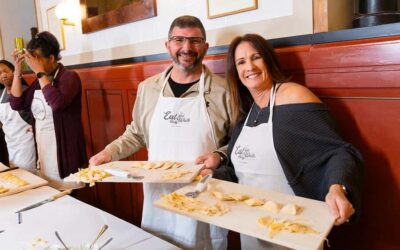
3-in-1 Fettuccine, Ravioli, and Tiramisu Cooking Class
Read our review →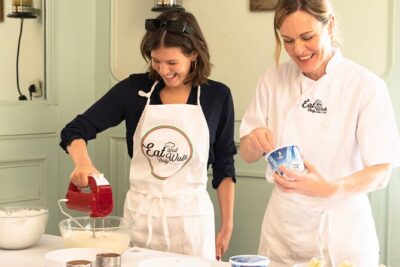
Learn to Make Pasta & Tiramisu with Wine and Limoncello Included
Read our review →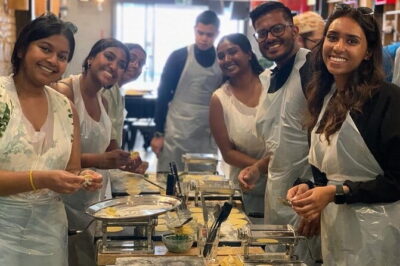
Cooking Class Pasta & Tiramisu Making Unlimited Wine
Read our review →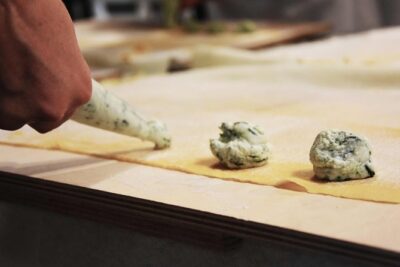
Become a Masterchef in Rome: Pasta, Ravioli and Tiramisù Class
Read our review →