
REVIEW · FLORENCE
Pasta Cooking Experience in Florence
Fresh pasta is the real star here. Over three hours in central Florence, you learn to mix dough, shape pasta, prepare sauces, and finish with a meal made by your own class. Chefs including Francesco, Greta, and Stefano have led sessions, and the hands-on format keeps you busy rather than watching a demonstration.
I like the practical recipes you can repeat at home and the friendly group meal at the end. I also like that vegetarian adjustments are possible, and that a recipe booklet helps carry the lesson beyond Florence. The main drawback is that you may cook only one sauce while other groups handle the rest, and the pasta is sometimes combined before cooking.
Arrive early. The class meets at Via Camillo Cavour, 180, about a 30-minute walk from the Arno, and latecomers are not accepted. The published information also gives conflicting accessibility details, so wheelchair users should confirm access directly before booking.
Key points at a glance
- Three classic pasta styles: Classes commonly include fettuccine or tagliatelle, ravioli, and gnocchi.
- Hands-on cooking: You make pasta dough, roll it, shape it, chop ingredients, and prepare sauces rather than simply watching.
- A shared meal: You sit down with the group to eat the pasta, sauces, dessert, and wine prepared during class.
- Recipe booklet included: You receive printed instructions to help recreate the dishes at home.
- Central Florence meeting point: Chefactory Academy is on Via Camillo Cavour, but allow extra time to reach it.
- Good for older children and adults: Participants must be at least 13, and instruction is offered in English, Italian, and German.
Fresh pasta from a Florentine kitchen
This class gives you the useful part of Italian cooking: learning how a few basic ingredients become several different dishes. You are not simply shown a plate of pasta and told how it was made. You work with flour and dough, then turn that dough into different shapes.
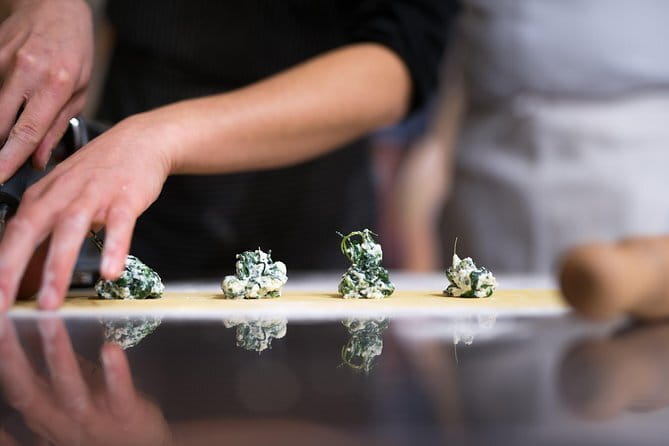
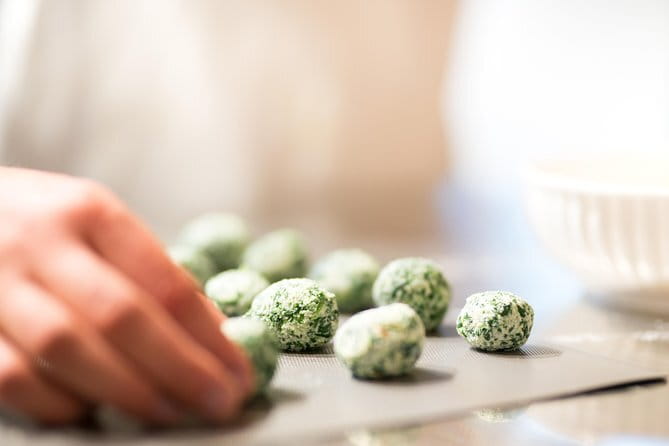
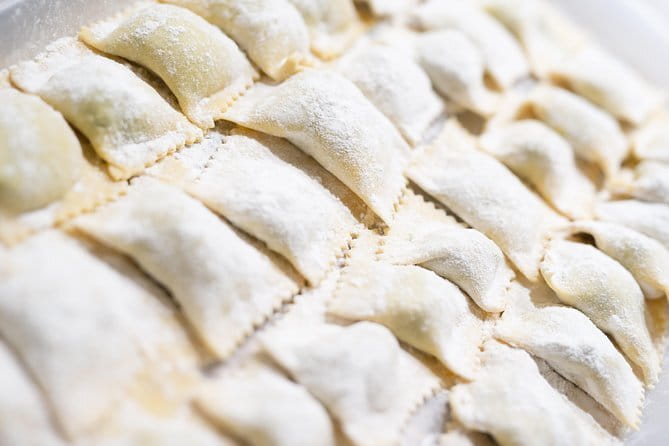
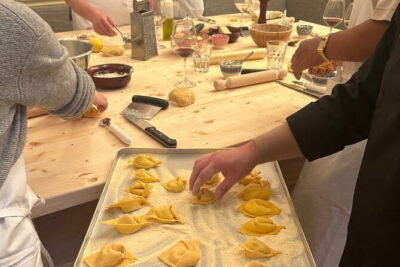
The class commonly includes three pasta preparations: tagliatelle or fettuccine, ravioli, and gnocchi. Each one teaches a different skill. Long noodles require even rolling and careful cutting. Ravioli calls for filling, folding, and sealing. Gnocchi teaches you how to handle a softer dough without making it heavy.
The exact pace depends on the group and the chef. Francesco, Greta, and Stefano have all led sessions, and the teaching style is practical and good-natured. You should expect clear demonstrations followed by your own turn at the work surface. In larger classes, participants are divided into smaller working groups so everyone has a task.
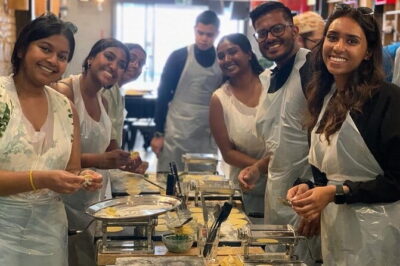
That setup matters. A cooking class can become dull if one person does all the chopping while everyone else watches. Here, each person has a chance to make dough or help with the food. One session included chopping ingredients, stirring sauces, rolling pasta, and preparing gnocchi, ravioli, and fettuccine.
A few more classes around Florence worth a look
- Florence: Pasta Cooking Class with Unlimited Wine
★ 4.9 · 10,285 reviews - Florence Pizza or Pasta Class with Gelato Making at a Tuscan Farm
★ 5.0 · 6,801 reviews - Florence: Pasta & Tiramisu Cooking Class with Unlimited Wine
★ 4.9 · 6,708 reviews
What you actually cook during the three hours
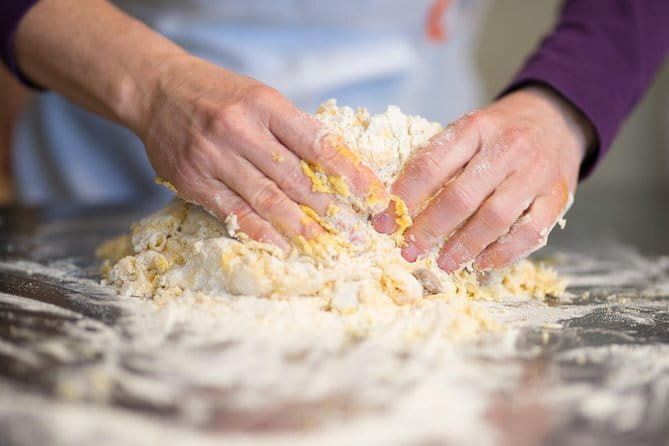
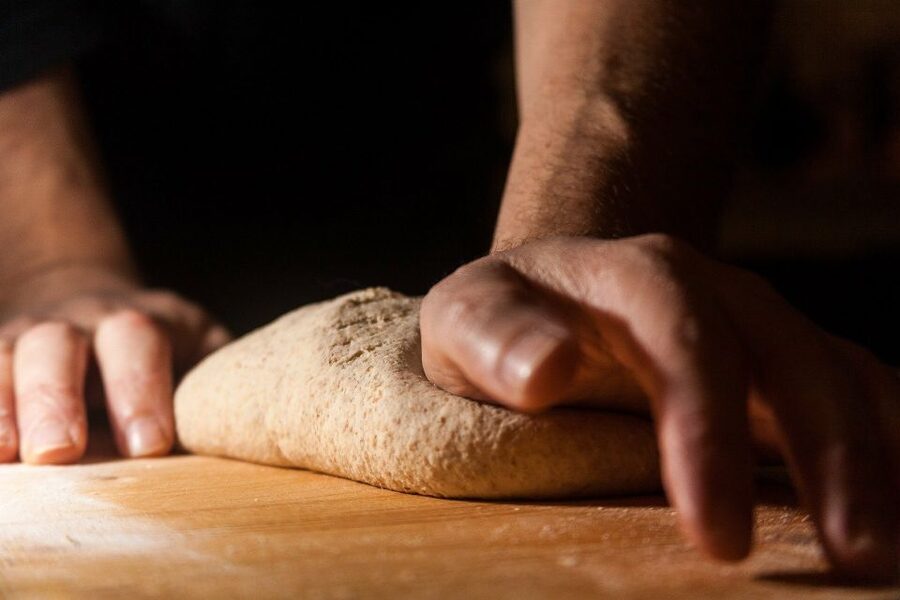
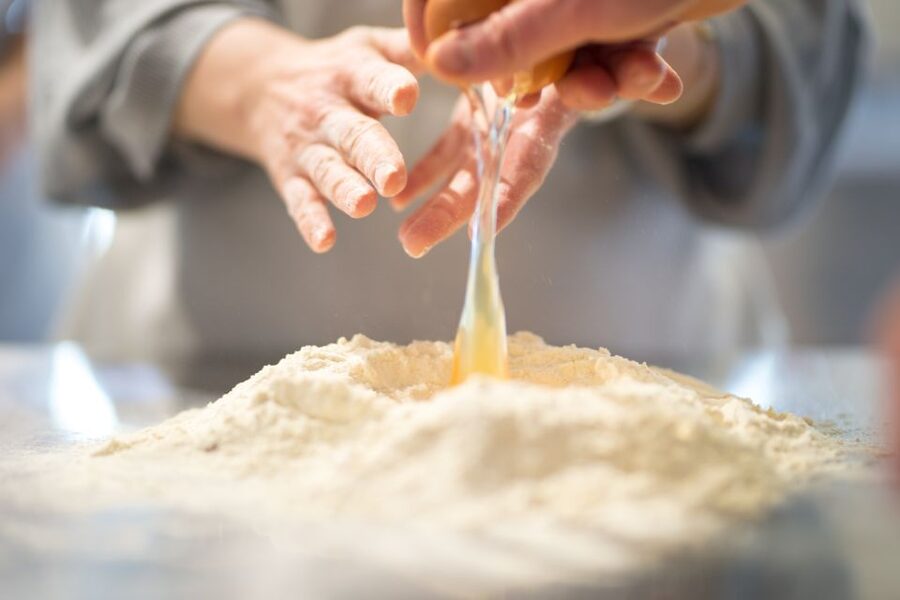
The class begins with the basic pasta dough. You learn the proportions and the feel of the mixture, then knead it and prepare it for rolling. This is the moment when the lesson becomes useful at home. Pasta dough is not difficult, but it takes practice to recognize when it is smooth enough and when it needs more flour or moisture.
Next comes shaping. You may work with long pasta, filled pasta, and gnocchi. The range keeps the class interesting, since the techniques are different. You might be cutting ribbons one moment and pressing ridges into small gnocchi the next.
Sauces are part of the lesson, not an afterthought. The group prepares several sauces to serve with the pasta. In some classes, each pair or small group makes one of three sauces, then everyone shares the finished dishes at the meal.
That division makes the work manageable, but it also creates one small tradeoff. You may not personally cook every sauce you later taste. If you want to follow every recipe closely, pay attention during the demonstrations and ask questions before the group moves on.
Vegetarian options are available. A chef has also prepared vegetarian and dairy-free alternatives for a participant with dietary restrictions. Still, you should explain your needs clearly before or at the start of class. The supplied information confirms vegetarian choices, but it does not promise that every allergy or special diet can be accommodated.
Dessert is included as part of the cooking and meal. It is a pleasant extra because the class feels like a full Italian meal rather than a single lesson about noodles. The dessert may be prepared alongside the pasta dishes, then served when the group sits down together.
The meal at the end is part of the lesson
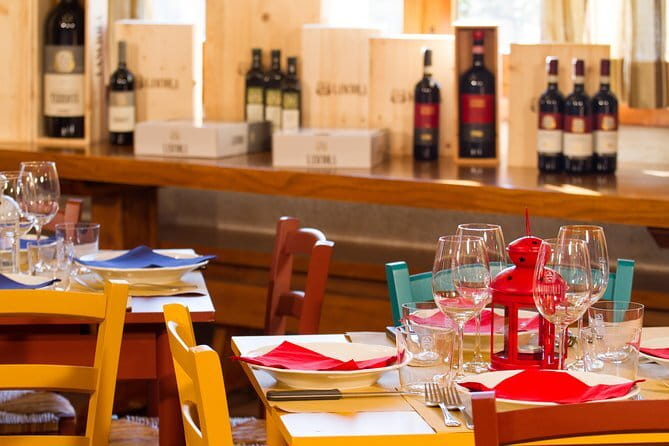
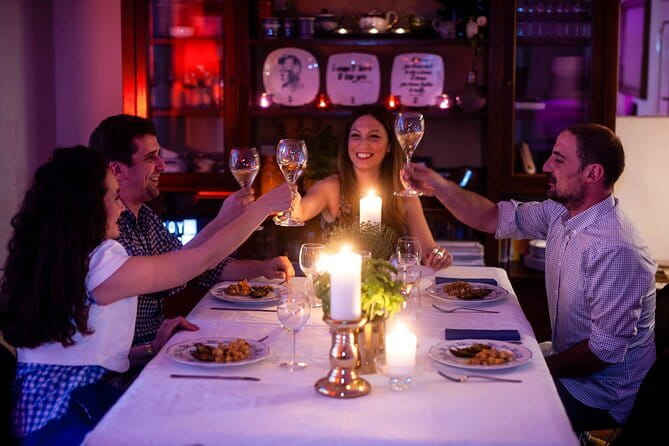
After the cooking, you eat what the class has prepared. This is one of the best parts of the experience because you can see how the separate tasks fit together. The pasta, sauces, and dessert come to the table as a shared meal, with Italian wine provided.
The format is social without requiring you to be a natural extrovert. You sit with the other participants, compare the different dishes, and have a chance to meet people from different places. If you book with friends, you may be paired with them for the work. A group of six found that arrangement especially enjoyable.
There is one practical point to understand before you arrive. Some participants expected to eat only the pasta they had personally prepared, but the dishes were combined for cooking and serving. That means you get to taste the group’s work, not just your own portion.
I see both sides. Sharing makes the meal more varied and avoids giving one person too much food while another has too little. But if you want to test whether your own pasta turned out perfectly, you may find the arrangement less satisfying.
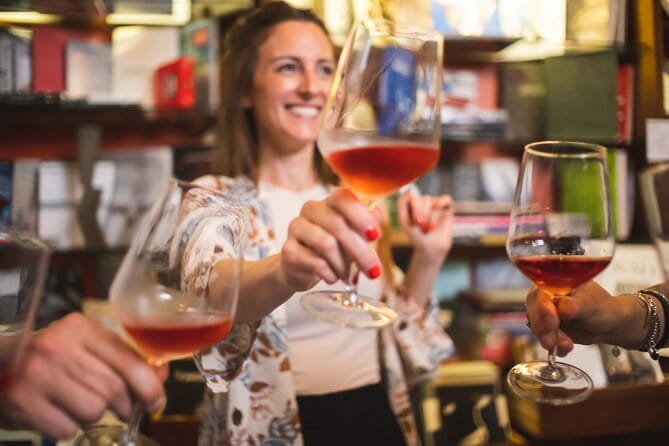
Wine is included, with the activity details specifying a glass. The main description also presents wine as part of the shared meal. One participant wished it had been opened earlier, so do not expect the wine to flow from the first minute. The class focuses first on cooking.
The chefs and the teaching style
The chefs are a major part of the experience. Francesco has been praised for giving useful tips, keeping beginners comfortable, and explaining each stage patiently. Greta has been described as friendly and well informed, while Stefano has led classes with a relaxed approach and plenty of hands-on guidance.
Instruction is available in English, Italian, and German. One class also included explanations in Spanish, but Spanish is not listed among the regular languages, so do not book on the assumption that it will be provided.
The teaching is aimed at ordinary home cooks, not culinary professionals. You do not need prior pasta-making experience. The point is to learn the basic methods and leave with enough confidence to try them again.
That makes this a better choice for someone who wants to participate than for someone seeking a formal chef-training session. You will learn techniques and tips, but the tone is social and approachable. A few participants found accents occasionally hard to follow, although the chef’s demonstrations helped make the process clear.
The recipe booklet is especially useful. Cooking classes often feel wonderful in Florence and become vague memories once you return home. Printed instructions give you a fair chance to repeat the pasta, sauces, and dessert in your own kitchen.
Same kitchen, a different thing to make:
- Florence: Pasta Cooking Class with Unlimited Wine
★ 5.0 · 6,413 reviews - Pastamania – Florence Pasta Making Class
★ 5.0 · 3,050 reviews - Florence: Cooking Class Pasta & Tiramisu Making Unlimited Wine
★ 5.0 · 2,234 reviews - Florence: Premium Pizza & Gelato Preparation Class with Wine
★ 4.9 · 1,306 reviews
Location, timing, and the cost of getting there
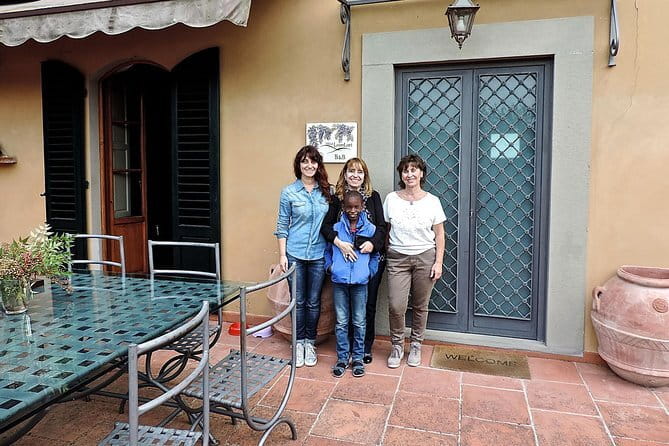
The meeting point is Chefactory Academy at Via Camillo Cavour, 180, in Florence. The location is in the city center, but it is not directly beside the Arno. Allow roughly 30 minutes on foot from the river based on the timing supplied by one participant, and leave extra time if you are crossing the city with luggage or relying on a map.
The arrival rule is strict. Be there 10 minutes before the scheduled start. Latecomers are not accepted, so this is not an activity to squeeze between a museum visit and a last-minute coffee.
The entrance instruction is simple but easy to miss: push the door before calling. I would save the address and entry note on your phone before setting out. A cooking class cannot easily pause while someone finds the right doorway.
Classes are held three times a week, with starting times that vary. Check the available time before building the rest of your day around it. At three hours, the activity takes a solid part of a morning or afternoon, and one participant found it ran a little longer than expected.
At $85 per person, the value depends on how you use it. You receive a three-hour class, ingredients, chef instruction, a meal of pasta and dessert, wine, and recipes to take home. Compared with paying for a standard restaurant meal, you are getting both dinner and a practical activity.
The price is less appealing if you mainly want a quick meal or a polished food demonstration. You are paying for participation, including the slower work of kneading, rolling, shaping, and waiting for the group to finish. For someone who enjoys cooking, that extra time is the point.
Who will enjoy this class most
I would choose this for adults, couples, friends, and families with teenagers aged 13 or older who want a social break from museums and churches. It also suits solo participants because the shared table and group tasks make conversation natural.
You do not need to be a confident cook. In fact, beginners may get the most from the class because the chef explains the basic steps and corrects common mistakes as you work.
It is also a good fit if you want to bring home more than a souvenir. The printed recipes and repeated pasta techniques give you something practical to use after the trip. Fresh pasta becomes a memory you can cook again.
This is less suitable if you need a quiet, private lesson. You will work alongside other people, and the group size can vary. A class of five or six may feel personal, while a larger class can be divided into smaller groups but still feel less intimate.
It may also disappoint you if you expect to cook every single dish from start to finish yourself. Group work means you share jobs. You make a real contribution, but not necessarily every sauce and every part of the final meal.
Children under 13 are not allowed. The information also conflicts on wheelchair access: one section says the activity is wheelchair accessible, while the important information says it is not. If accessibility affects your booking, contact the provider and get a clear answer before paying.
A sensible plan for your class day
Schedule the class when you are not rushed. A morning session can work well before an afternoon walk, but leave a generous gap afterward because the cooking and meal may take the full three hours or a little more.
Eat lightly beforehand. You will be working toward a meal of pasta, sauces, dessert, and wine, so arriving hungry makes sense. At the same time, do not arrive expecting a quick snack before another fixed appointment.
Wear clothes you can work in. The supplied information does not specify a dress code, but flour, sauces, and dough are part of the activity. You want to be comfortable standing and handling food for several hours.
If you are booking with friends, mention that when arranging your reservation. A group of six was able to enjoy being paired together, though the exact group setup can vary. Solo participants should expect to share tasks with other people rather than work alone.
Bring your booking details and arrive early. Since no latecomers are accepted, the 10-minute arrival recommendation is not casual advice. Find Via Camillo Cavour, 180, locate the academy entrance, and push the door before calling.
Should you book the pasta cooking experience?
Book it if you want a hands-on Florence activity that combines food, conversation, and a proper meal. The strongest reasons are the range of pasta styles, the helpful chefs, the recipe booklet, and the chance to eat together with wine after the work is done.
Think twice if you want complete control over every dish or need a very small, private class. The shared cooking system means you may prepare one sauce and taste the others, and the group meal can feel slightly less personal than a private lesson.
At $85, I consider it good value for people who enjoy cooking and want a useful memory to take home. It is not simply a pasta dinner, and it is not simply a demonstration. You spend three hours learning enough to make fresh pasta, then sit down to enjoy the results.
FAQ
How long does the pasta cooking experience last?
The class lasts around three hours, though it may run slightly longer depending on the group and the pace of the cooking.
How much does the class cost?
The listed price is $85 per person.
Where does the class meet?
It meets at Chefactory Academy, Via Camillo Cavour, 180, in Florence.
How early should I arrive?
You should arrive 10 minutes before the scheduled start. Latecomers will not be accepted.
What types of pasta will I make?
The class commonly includes tagliatelle or fettuccine, ravioli, and gnocchi, along with sauces to serve with them.
Is wine included?
Yes. The included items specify a glass of wine, and wine is served with the shared meal.
Are vegetarian options available?
Yes. Vegetarian options are available, and chefs have also prepared vegetarian and dairy-free alternatives for individual dietary needs. You should explain your requirements clearly before cooking.
What languages are offered, and are young children allowed?
Instruction is offered in English, Italian, and German. Children under 13 are not allowed.
Just added around Florence
- Vegan Cooking Class in Florence: Pasta Making & Wine!★ 5.0 · 2 reviews
- Hands on Deluxe Traditional 4-course dinner with fresh pasta★ 5.0 · 15 reviews
- The Art of Pasta and Wine Tasting with Local Sommelier★ 5.0 · 16 reviews
- MaMa Florence: The Art of Corzetti – Hands-On Pasta Class★ 5.0 · 15 reviews
- Gluten free pasta and dessert class 6 guests max★ 5.0 · 2 reviews
- Tuscan Pasta Masterclass Small-Group Cooking Experience★ 5.0 · 17 reviews
- Cooking class and home made pasta in Florence with LA VIVANDIERA!★ 5.0 · 5 reviews
- Real Pizza And Gelato Lesson In Florence★ 5.0 · 3 reviews
Florence Pasta Classes, compared.
Florence Pizza or Pasta Class with Gelato Making at a Tuscan Farm
Read our review →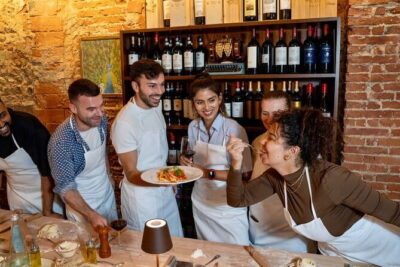
Pasta & Tiramisu Cooking Class with Unlimited Wine
Read our review →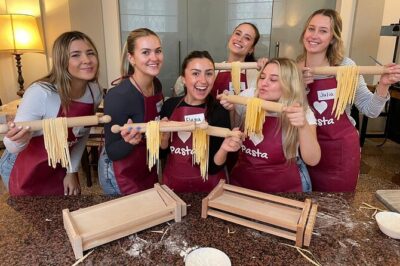
Cooking Class Pasta & Tiramisu Making Unlimited Wine
Read our review →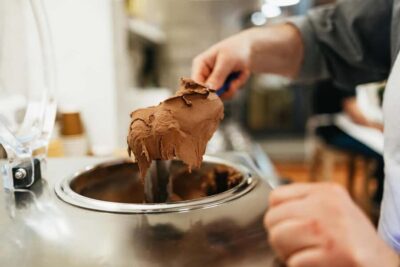
Premium Pizza & Gelato Preparation Class with Wine
Read our review →
Pizza or Pasta Class with Gelato at a Tuscan Farm
Read our review →Browse the lists this tour appears in