REVIEW · TIRAMISU CLASSES
Padua: Pasta and Tiramisu Class at a Local’s Home
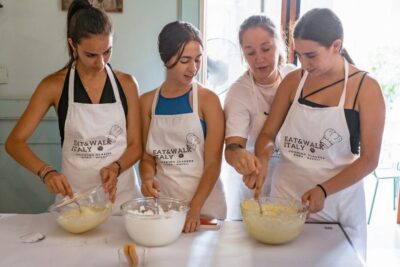
The best part of this Padua experience is that you cook in a local’s home, not in a large school kitchen. Over three hours, you’ll roll fresh dough by hand, shape two pasta types, prepare tiramisu, and sit down with your host to eat what you made. I like the private-group format and the chance to learn recipes you can repeat at home. I also like that the meal includes wine and coffee, not just a quick taste at the end.
The main thing to consider is the price: $164.26 per person is a serious outlay for a three-hour class. It makes more sense if you value personal instruction, a home setting, and a full meal with drinks. You’ll also need to make your own way to the host’s home, since hotel pickup and drop-off are not included.
Key points to know before booking
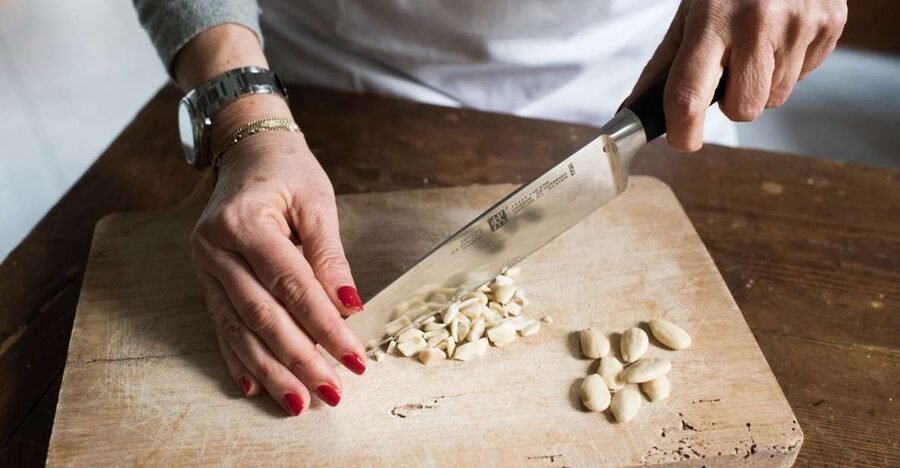
- Two pasta shapes by hand: You’ll work with fresh dough and learn traditional shaping techniques rather than simply watching a demonstration.
- Tiramisu is part of the lesson: The dessert is prepared during the class and served with the pasta meal.
- A private home setting: Your host’s name, address, and mobile number are sent after booking for privacy.
- Wine and coffee included: The meal comes with a selection of local wines and coffee.
- Three hours in Padua: The class is long enough for instruction, cooking, and a relaxed meal.
- Flexible booking terms: You can cancel up to 24 hours before the activity for a full refund, or reserve now and pay later.
Rolling pasta dough in a Padua home
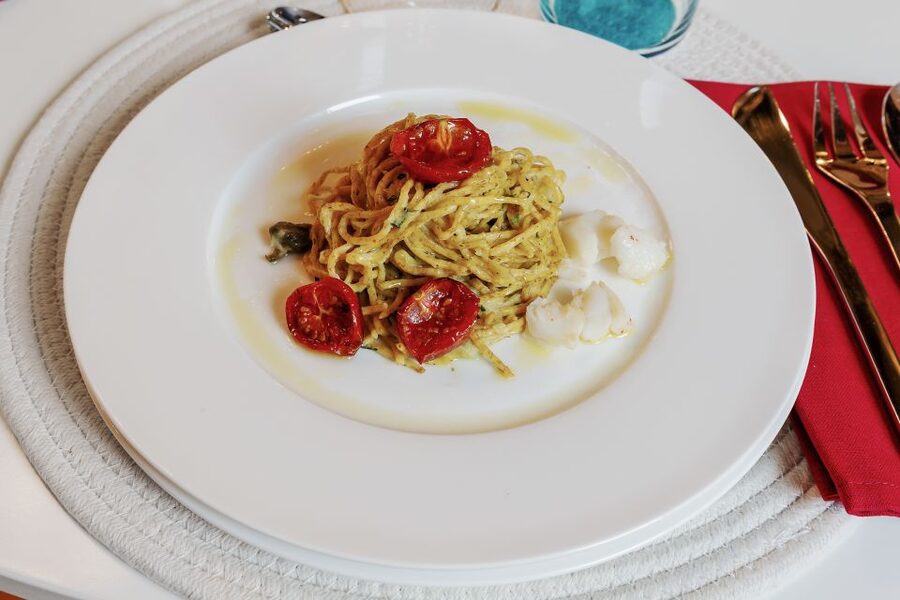
This is a cooking class first and a meal second, which is the right order for anyone who wants to take something useful home. You’ll learn how to roll fresh pasta dough by hand, then use it to make two traditional pasta shapes. That hands-on work matters. Watching someone make pasta is easy; getting the dough to the right thickness and forming a shape yourself is the part you remember.
Your host is an expert local cook who also shares stories about regional food and daily life. The class is offered in English or Italian, so you can choose the language that suits you when checking availability. The exact host varies, and the host’s name and home address are provided after booking rather than published in advance.
A home kitchen gives the class a more personal feel than a standard demonstration. You are not simply moving from station to station with a large group. The group is private, which should make it easier to ask questions, slow down when a technique is new, and get direct help with the dough.
I would pay close attention during the pasta section. Ask about texture, thickness, and how the two shapes are formed. Those are the details that help you repeat the dishes later, long after your Padua visit has ended.
More Tiramisu Classes in Italy:
- 3 in 1 Cooking Class near Navona: Fettuccine, Ravioli & Tiramisu
★ 5.0 · 7,376 reviews - Florence: Pasta & Tiramisu Cooking Class with Unlimited Wine
★ 4.9 · 6,708 reviews - Rome: Pasta & Tiramisu Class with Fine Wine by the Vatican
★ 4.9 · 4,852 reviews
Two pasta recipes, not just one quick sample
The experience includes tasting two pasta recipes, and you learn two traditional shapes during the preparation. That gives you more range than a class focused on a single dish. You can compare the shapes, see how the dough behaves, and understand how small changes in form affect the finished pasta.
The information provided does not specify the exact pasta shapes or recipes in advance. Do not book this expecting a particular regional dish unless the host confirms it after booking. Instead, think of the class as a chance to learn authentic Italian pasta methods from the person leading your session.
The wording authentic Italian pasta can sometimes mean little on a tourist activity. Here, the useful part is the method: fresh dough, hand rolling, traditional shaping, and cooking your own work. You are taking part in the process instead of receiving a polished plate with no explanation.
I also like the practical value. Pasta tools and ingredients are usually easy to find, and the basic techniques can be adapted in your own kitchen. You will not leave with only photographs. You will leave with a better sense of how fresh pasta should feel and how much work goes into it.
Making tiramisu from start to finish
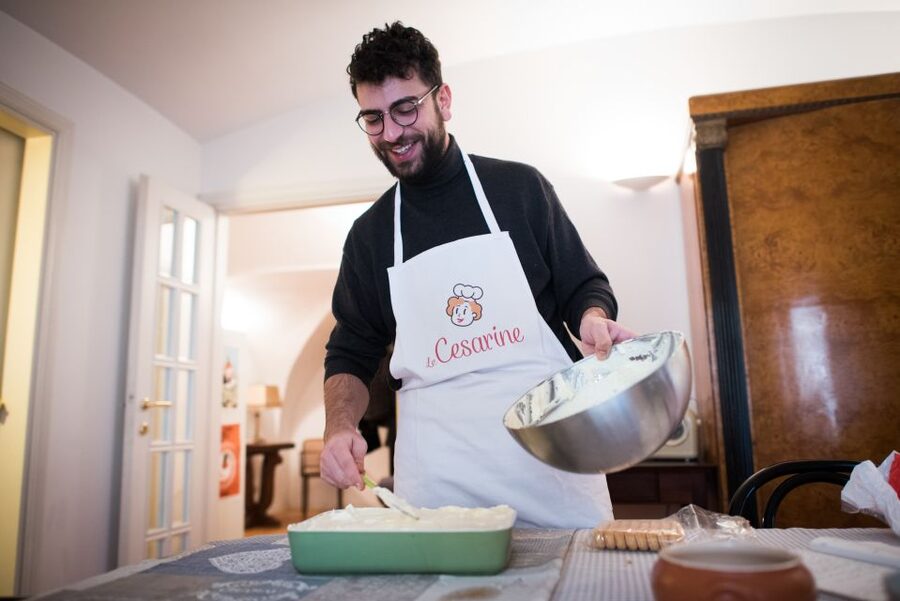
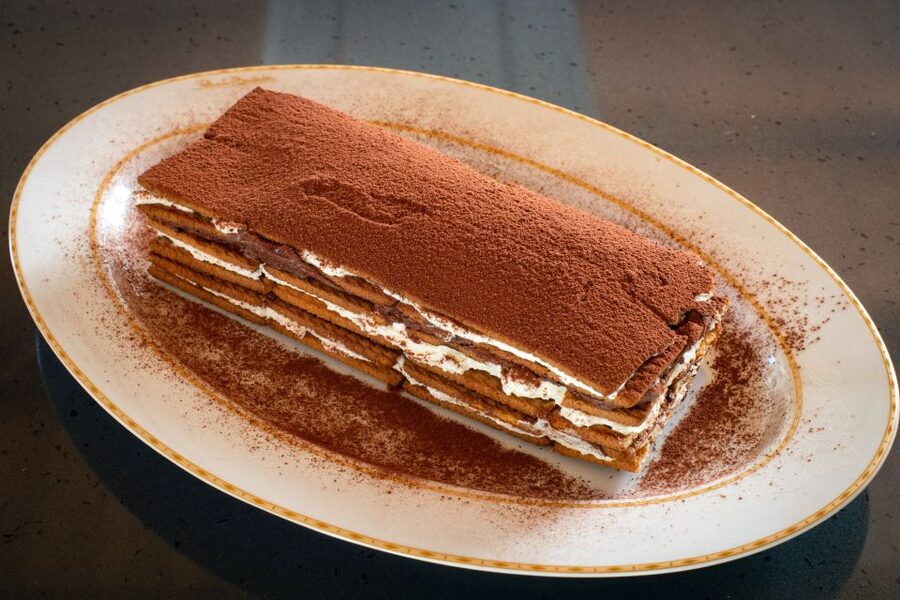
Tiramisu gives the class a welcome change of pace. Pasta requires hands-on work with dough, while tiramisu is about assembling a dessert with the right balance of texture and flavor. You’ll prepare the dish during the class and eat it afterward with the rest of the meal.
The experience promises a melt-in-your-mouth tiramisu, but the practical appeal is the chance to learn the host’s method. You can ask about the order of preparation, the texture to aim for, and the small tricks that separate a light dessert from one that feels heavy or soggy.
The supplied details do not list every ingredient or the exact recipe, so you should not assume a specific version of tiramisu. Still, the class gives you two useful lessons in one sitting: fresh pasta for the main course and a classic Italian dessert for afterward.
Including tiramisu also makes the schedule feel like a full meal rather than a narrow pasta workshop. If you are booking for a special occasion, the dessert adds a pleasant finish without requiring another stop elsewhere in Padua.
Sitting down with wine and coffee
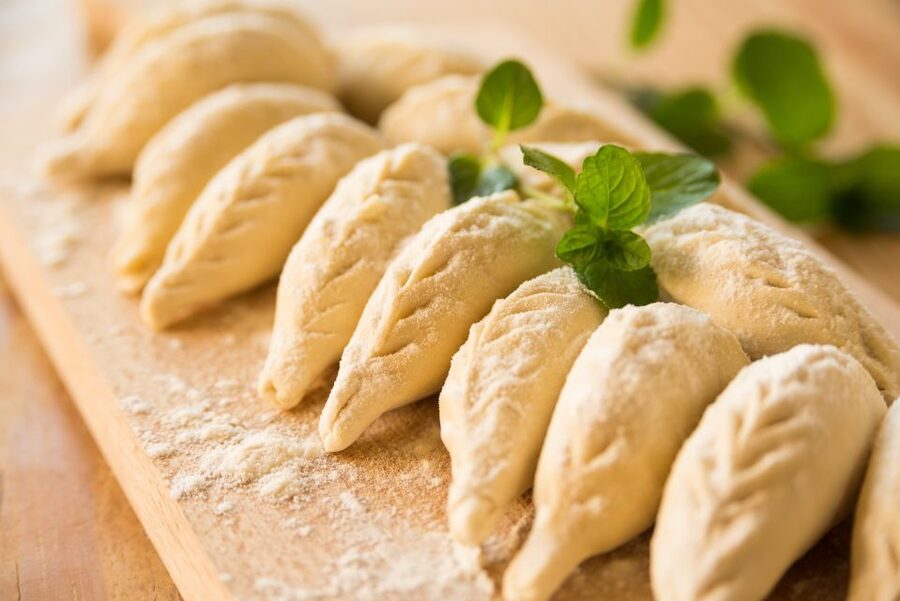
Once the cooking is complete, you eat the pasta and tiramisu you prepared. The meal includes a selection of local wines and coffee. Those drinks are included in the price, so you are not paying extra for the standard accompaniment to the meal.
The wine is part of the cultural side of the experience. Food in Italy is not only about the recipe. It is also about sitting down, taking your time, and matching the meal with something from the area. Your host can share local food customs and stories about the cuisine while you eat.
Coffee at the end gives the experience a natural finish. It also means you are not rushed away immediately after the last course. The meal creates time for conversation, which is one of the benefits of cooking in a home rather than attending a large commercial class.
I would keep your schedule open around the three-hour duration. The stated length includes the cooking and tasting, but a home meal can feel less clock-driven than a quick restaurant sitting. Check the available start times before booking and choose a slot that leaves room afterward.
A few more classes around Italy worth a look
- Florence: Pasta Cooking Class with Unlimited Wine
★ 4.9 · 10,285 reviews - Florence Pizza or Pasta Class with Gelato Making at a Tuscan Farm
★ 5.0 · 6,801 reviews - Florence: Pasta Cooking Class with Unlimited Wine
★ 5.0 · 6,413 reviews - Naples: Pizza-Making Workshop with Drink and Appetizer
★ 4.9 · 5,411 reviews
Why the private format matters
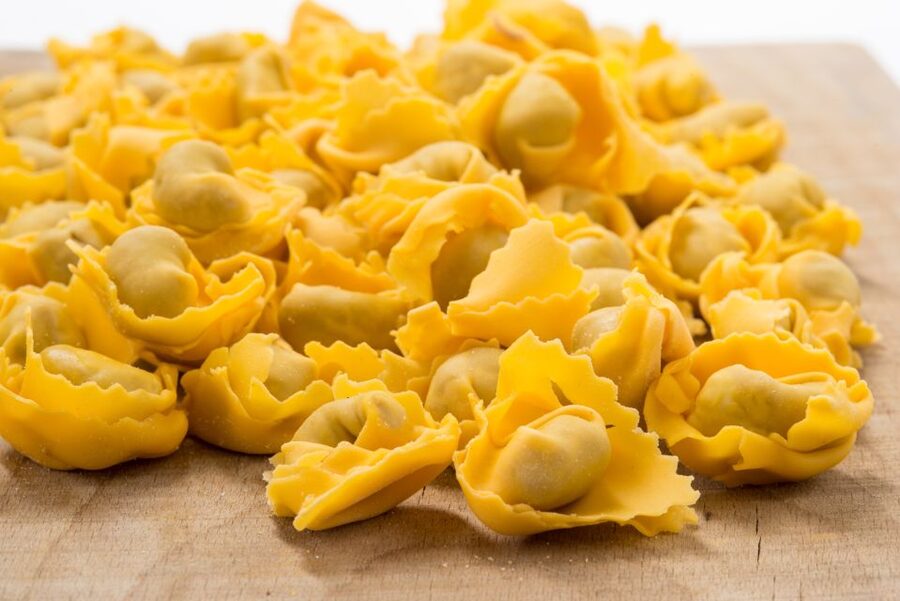
The class is for a private group, which is one of its strongest features. You are not sharing the kitchen with a crowd of strangers, and the host can focus on the people who booked together. That is especially helpful if you are new to making pasta or want to ask plenty of questions.
A private class is also a good fit for couples, families, or a small group of friends with different cooking abilities. One person may already know how to make dough, while another may be trying it for the first time. Direct instruction lets each person work at a comfortable pace.
The tradeoff is value. A private experience generally costs more than a large group demonstration, and this one costs $164.26 per person. You should compare the price with what you receive: three hours of instruction, two pasta recipes, tiramisu, wine, coffee, and a meal in a local home.
For someone who only wants to eat pasta in Padua, the price may feel high. For someone who wants personal attention and a skill to take home, the calculation is more favorable. The five-star rating attached to the experience, along with praise that it was worth the money and felt like a once-in-a-lifetime experience, points to the personal nature of the class as its main strength.
Getting to the host’s home in Padua
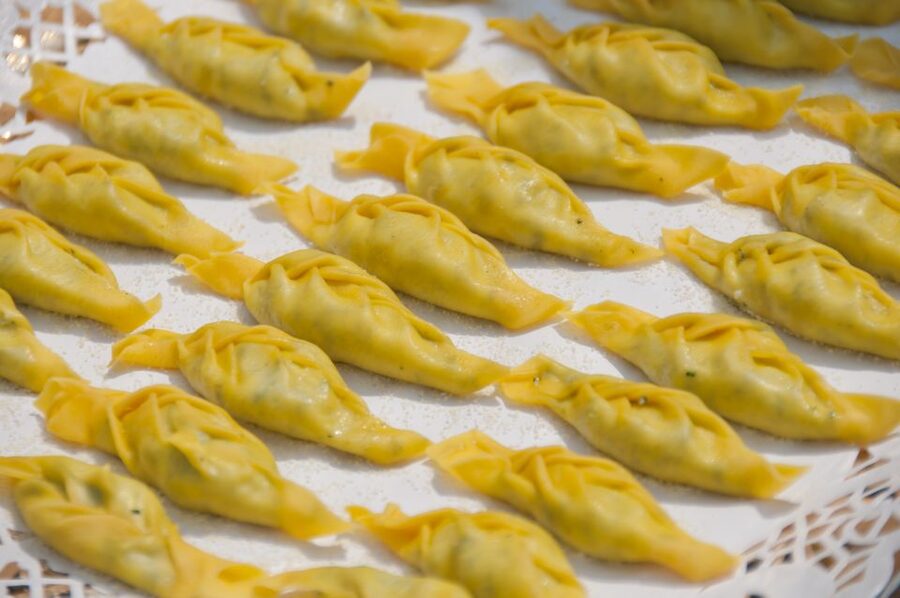
There is no hotel pickup or drop-off. You meet at the host’s home and return to that same meeting point when the activity ends. The exact address is not shown before booking because of privacy rules.
After booking, you receive the host’s name, address, and mobile number by email. Read that message carefully and save the contact details before the class. Since this is a private home rather than a public attraction with a large sign, having the exact information will make the arrival easier.
The meeting point is one detail to plan around. Give yourself enough time to reach the address, but do not expect the class to begin at a public square or a tour office. If you are staying outside central Padua, check your route before committing to a start time.
You may also want to contact the host if you need clarification about the meeting point or the class language. English and Italian are offered, but the host’s individual style can vary. The mobile number supplied after booking gives you a direct way to handle practical questions.
Who will get the most from this class
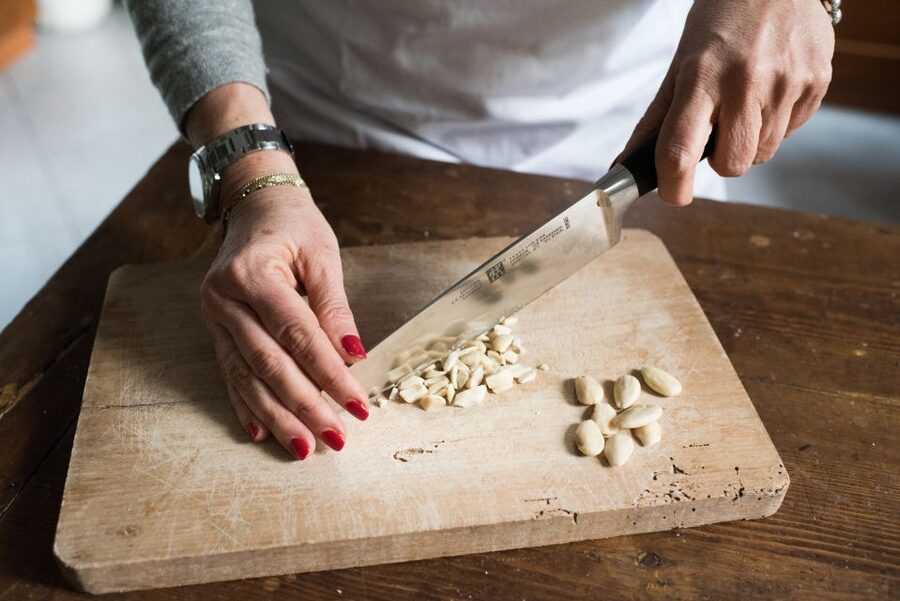
I would recommend this experience to people who like learning by doing. If you enjoy local food, want to understand how fresh pasta is made, or prefer a personal meal to a standard sightseeing stop, it is a strong fit.
It also works well for visitors who have already seen Padua’s major sights and want an evening or afternoon connected to daily Italian life. The home setting provides a different view of Veneto than a museum or restaurant can offer. You are learning recipes while hearing about local customs and cuisine.
Families may enjoy the activity if everyone in the group is interested in cooking. The private format helps, especially when different ages or skill levels are involved. Couples and friends can treat it as both a lesson and a shared meal.
I would be more cautious if you have a tight schedule, dislike hands-on activities, or are mainly looking for a low-cost meal. The class lasts three hours, requires travel to a private home, and costs more than simply ordering pasta at a restaurant. Its value comes from the instruction and hospitality, not from the amount of food alone.
The available information does not describe dietary accommodations, kitchen access, or a detailed accessibility plan. If those points matter to you, ask before booking rather than assume the host can adjust the menu or setting.
Price, timing, and cancellation
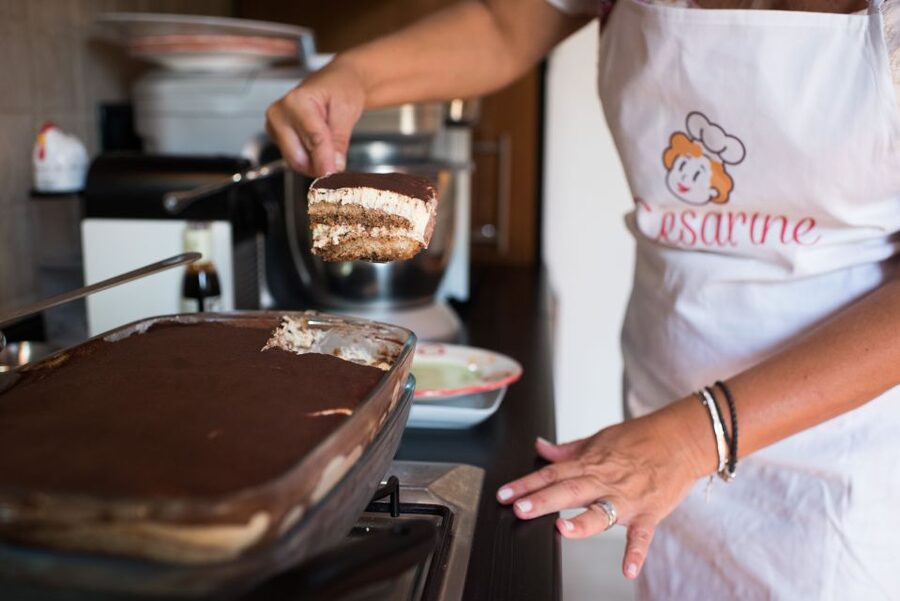
At $164.26 per person, this is a premium cooking activity. The price includes the class, tasting of two pasta recipes and tiramisu, wine, and coffee. Hotel transportation is not included, so add the cost and time of reaching the home when planning your budget.
The three-hour length is reasonable for the amount of work involved. You need time to make dough, form two pasta shapes, prepare dessert, eat, and talk with the host. A shorter class would likely feel hurried, especially for anyone who has never made fresh pasta.
Starting times vary, so check availability for the date of your visit. You can cancel up to 24 hours in advance for a full refund. The reserve-now, pay-later option also helps if your Padua schedule is not fixed yet.
I would book earlier if this is a priority, especially if you need a particular date or want to fit the class around museum visits and meals. Since the host’s home is the meeting point, confirm the address and timing as soon as the booking details arrive.
Should you book the Padua pasta and tiramisu class?
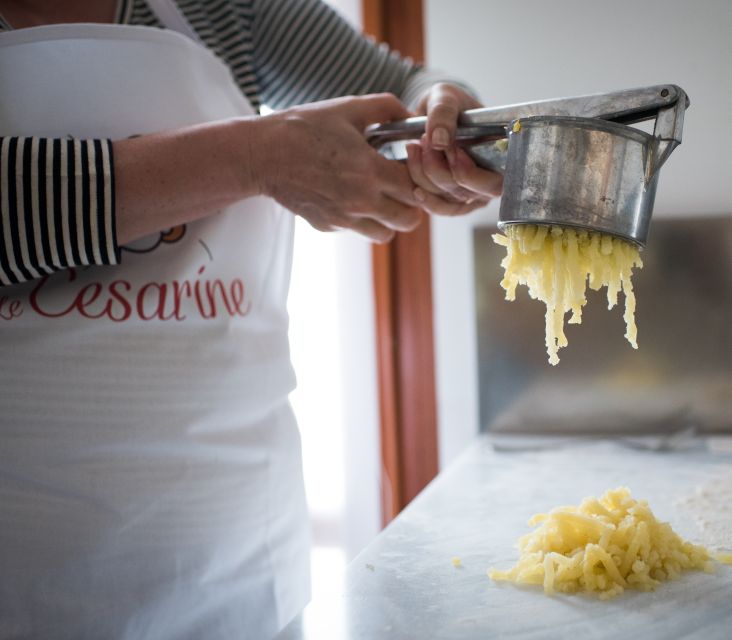
Book this class if you want more than a plate of Italian food. You will learn hand-rolled pasta, make two shapes, prepare tiramisu, and sit down with a local host over wine and coffee. The private setting and practical instruction are the reasons to choose it.
Skip it if you need hotel transportation, want a very inexpensive meal, or have little interest in cooking. At $164.26, it is not a bargain class. But for a special afternoon or evening in Padua, the combination of food, conversation, and skills you can use at home gives the price a fair purpose.
FAQ
How long does the Padua cooking class last?
The activity lasts three hours, including the cooking lesson, tasting, wine, coffee, and meal with the host.
What will I learn to make?
You will learn how to roll fresh pasta dough by hand, prepare two traditional pasta shapes, make two pasta recipes, and prepare tiramisu.
Are drinks included?
Yes. The experience includes a selection of local wines and coffee.
Where does the activity begin and end?
The activity begins at the local host’s home and ends back at the same meeting point. The host’s name, address, and mobile number are emailed after booking.
What languages are available?
The class is offered in English and Italian.
Can I cancel the booking?
Yes. You can cancel up to 24 hours in advance for a full refund. You can also reserve now and pay later.
Just added around Italy
- Volterra: Fresh Pasta Cooking Class at a Tuscan Farmhouse★ 5.0 · 33 reviews
- Verona: Tortellini Cooking Class and Lunch with Mamma Ivana★ 5.0 · 20 reviews
- Vicenza: Pasta & Tiramisu Cooking Class at a Local’s Home★ 5.0 · 5 reviews
- Verona: My Granny’s secrets making gnocchi★ 5.0 · 7 reviews
- Verona: Prosecco and Pasta Making Class at a Local’s Home★ 5.0 · 10 reviews
- Verona: Pasta Cooking Class with Wine Tasting★ 5.0 · 4 reviews
- Verona: Pasta & Tiramisu Cooking Class at a Local’s Home★ 5.0 · 16 reviews
- Valnerina/Pasta cooking class in a 12th century location★ 4.8 · 9 reviews
Tiramisu Classes, compared.
3 in 1 Cooking Class near Navona: Fettuccine, Ravioli & Tiramisu
Read our review →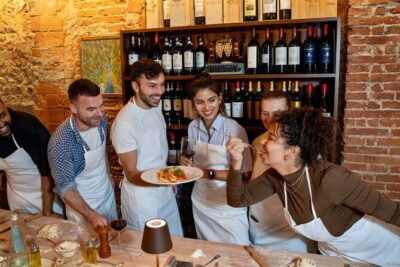
Pasta & Tiramisu Cooking Class with Unlimited Wine
Read our review →
Pasta & Tiramisu Class with Fine Wine by the Vatican
Read our review →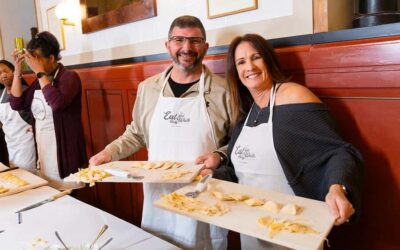
3-in-1 Fettuccine, Ravioli, and Tiramisu Cooking Class
Read our review →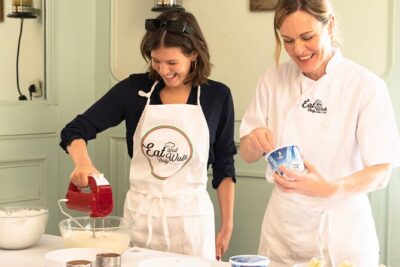
Learn to Make Pasta & Tiramisu with Wine and Limoncello Included
Read our review →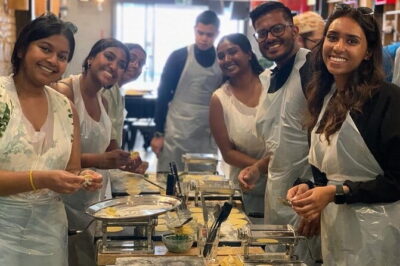
Cooking Class Pasta & Tiramisu Making Unlimited Wine
Read our review →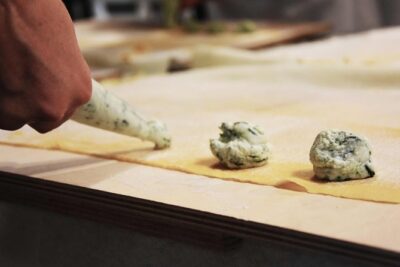
Become a Masterchef in Rome: Pasta, Ravioli and Tiramisù Class
Read our review →